The Seasonal Bit
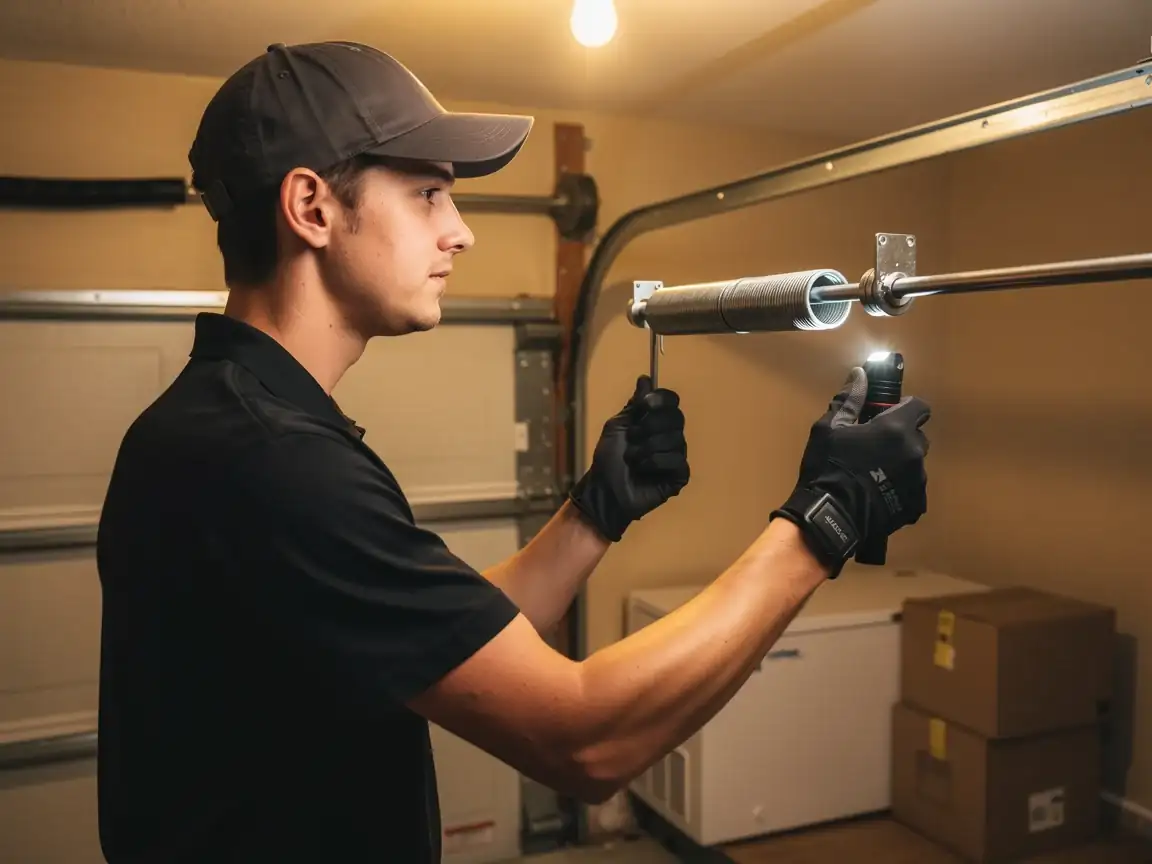
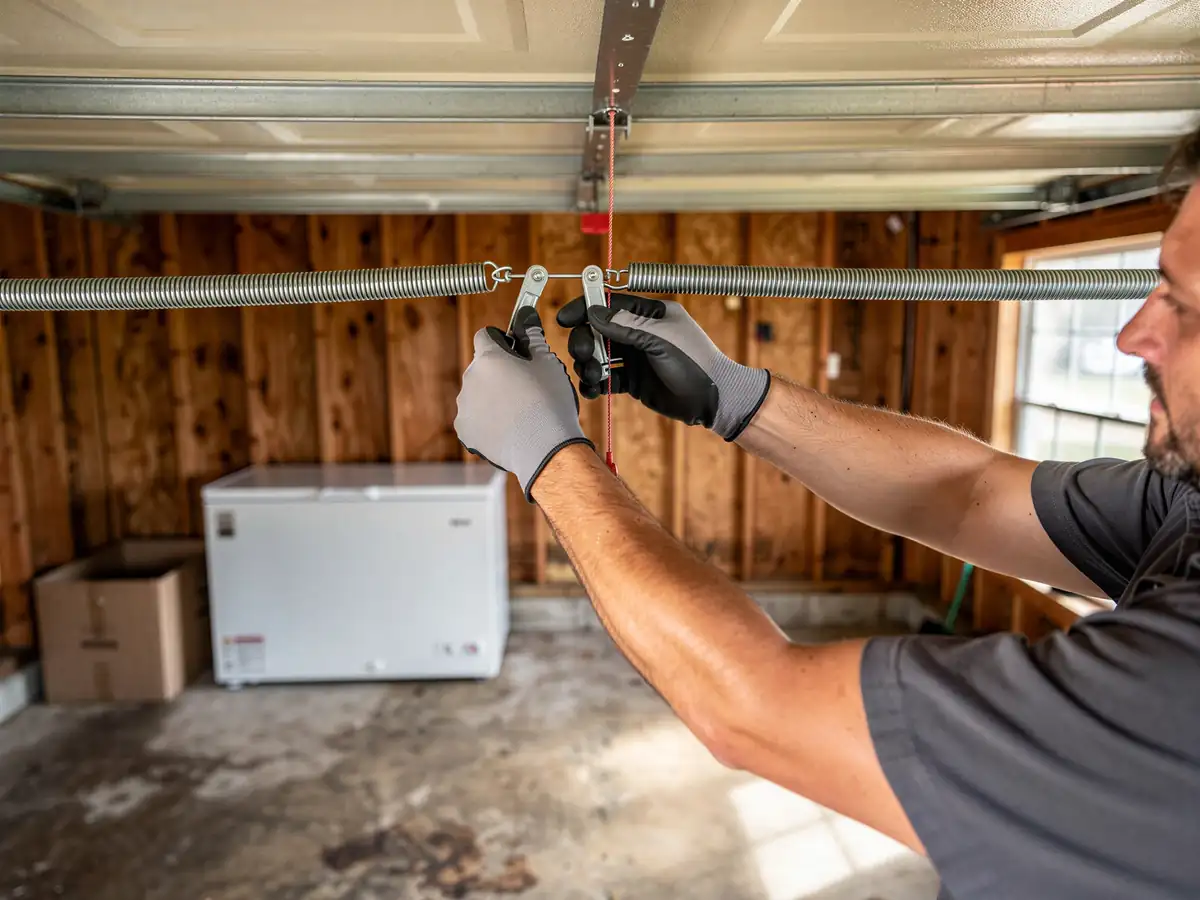
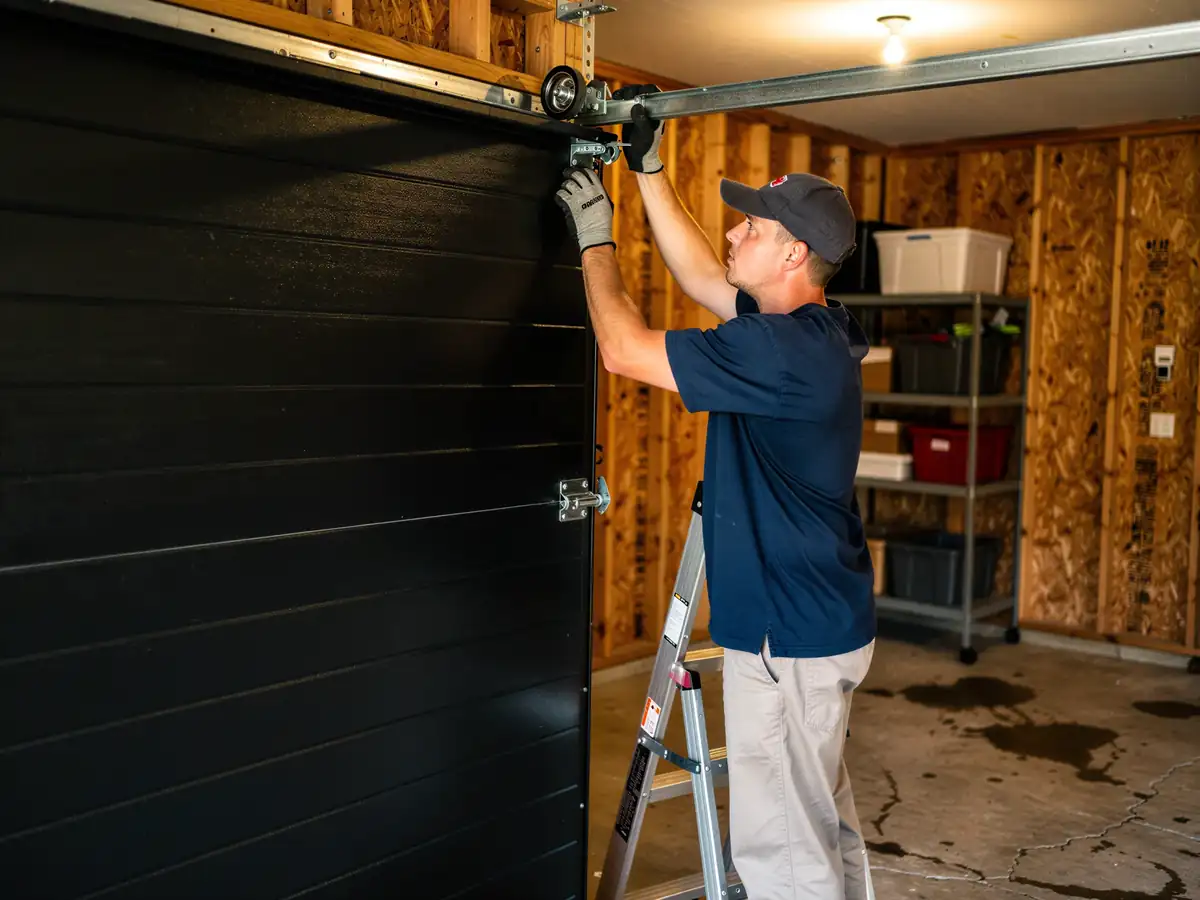
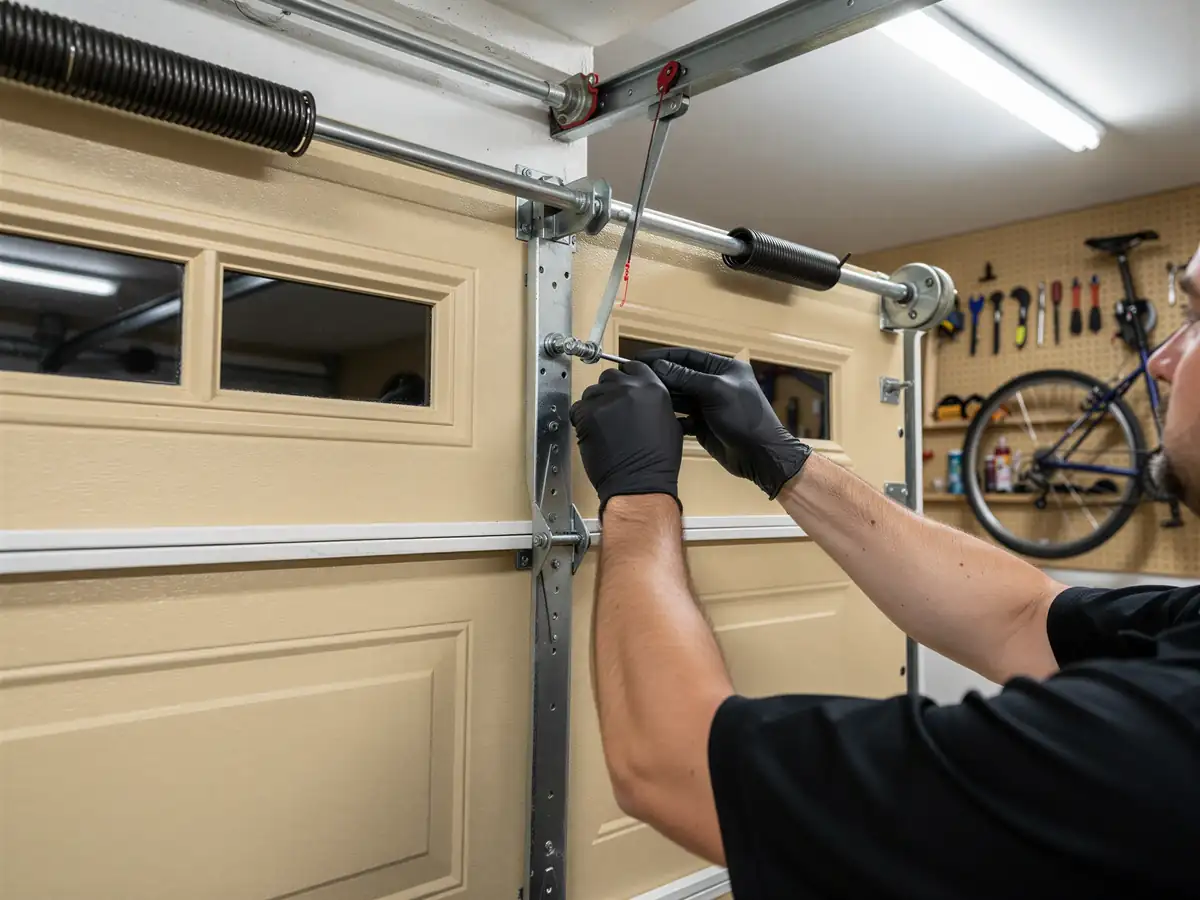
This area sits in a cold-moderate climate band, which means real winter cold snaps but not the deep-freeze extremes you'd get further north. That matters for garage doors because steel torsion springs and extension springs lose tension and get brittle faster when temperatures swing hard, then warm back up, over and over through a winter. Nylon rollers crack in the cold and get noisy before they fail outright. Most of the houses we work on here were built between 1967 and 2004, with the bulk going up in the 1980s and 90s, so a lot of the original hardware is now 30 to 40 years old and has been through three or four decades of those swings. That's old steel doing its job under stress it wasn't rated for forever. We see more spring calls in the first hard cold stretch of the season than any other time, and it's almost always the same story: a spring that's been losing tension for years finally lets go on a cold morning when the metal is stiff and the door's heavier to lift. If your door is from that original builder-grade era, winter is when it tells you.
The Problem
With most homes in the service area built between 1967 and 2004, and the heaviest concentration from the 1980s and 90s, a lot of garage doors here are original equipment nearing or past their expected working life. That generation of door often came with a single torsion spring sized for a lighter, non-insulated panel, paired with an opener that's had one owner and zero maintenance since installation. Across 15,036 owner-occupied houses in this area, that adds up to a lot of doors running on hardware that's outlived its spring's rated cycle count. The failure pattern is predictable: the spring goes first, then owners replace just the spring and keep running an opener that's also near the end of its motor life, and a year or two later that fails too. We'd rather tell you both things are close to done in the same visit than have you pay for two separate service calls six months apart.
How Local Conditions Play In
The service area runs from East Cleveland 2 miles out to Sale Creek about 19 miles away, with Hopewell, South Cleveland, Wildwood Lake, Benton, Ooltewah, Collegedale, Lakesite, Harrison, Middle Valley, and Soddy-Daisy in between. That spread covers a mix of housing ages within the same 1967-2004 window, but closer-in areas tend to have the older end of that stock while some of the farther-out pockets were built later in the range. The cold-moderate climate band applies across all of it, so the spring fatigue and roller cracking we see isn't limited to one neighborhood - it's a function of age and weather, and both are present everywhere on that list. What changes by distance is mostly how far out we're driving, not the kind of door problem we find when we get there.