The Split Between Old and New
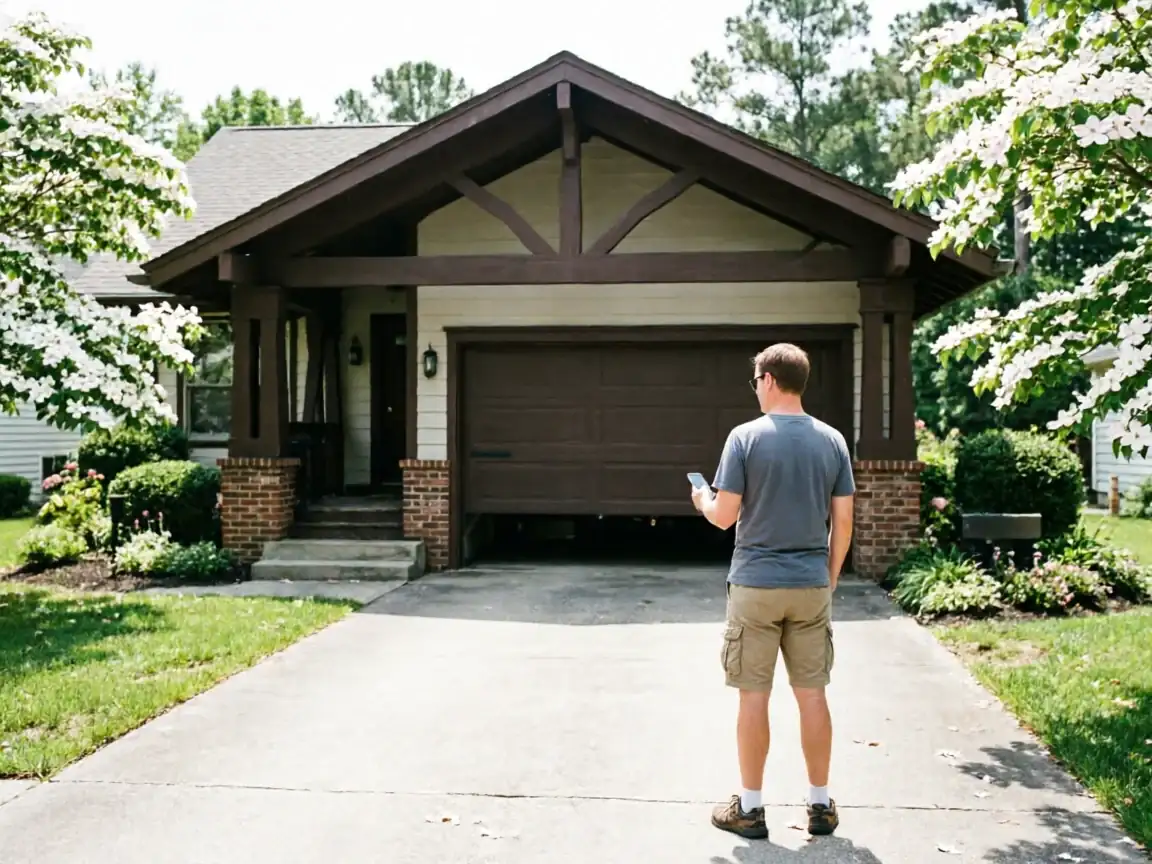
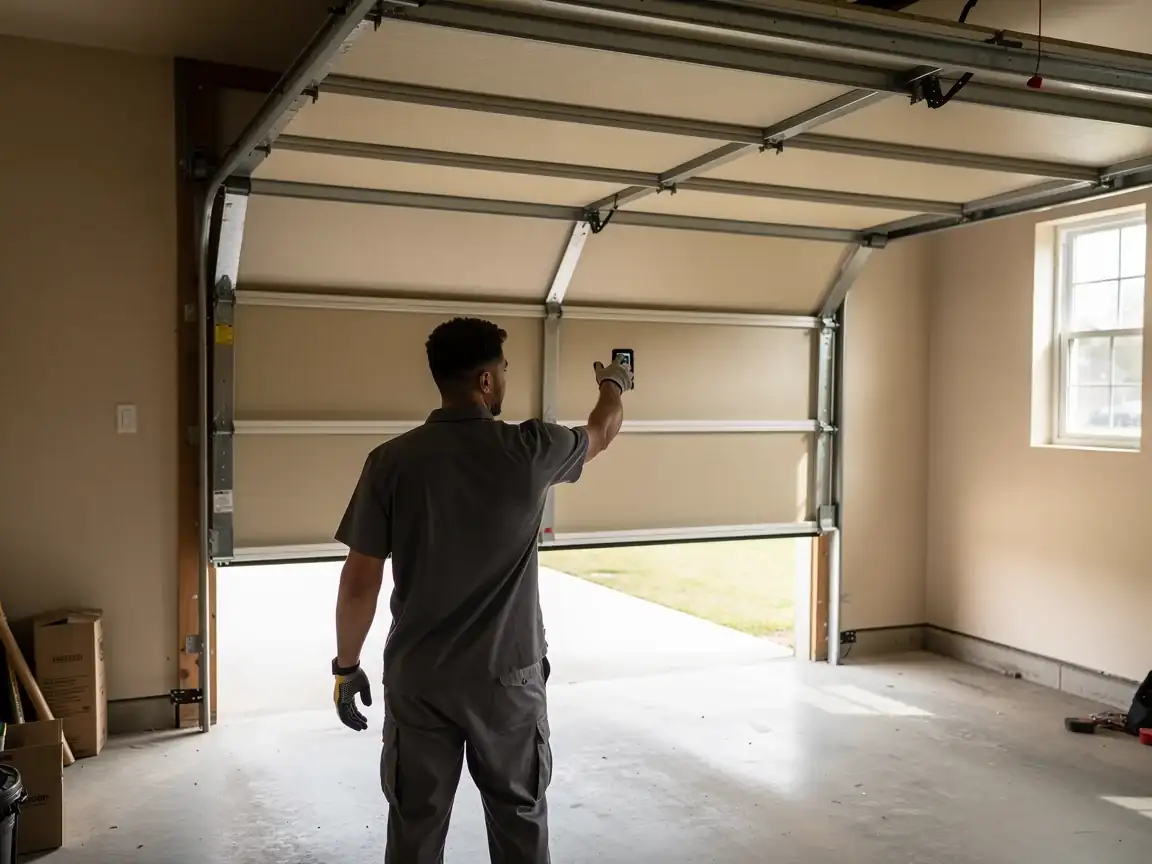
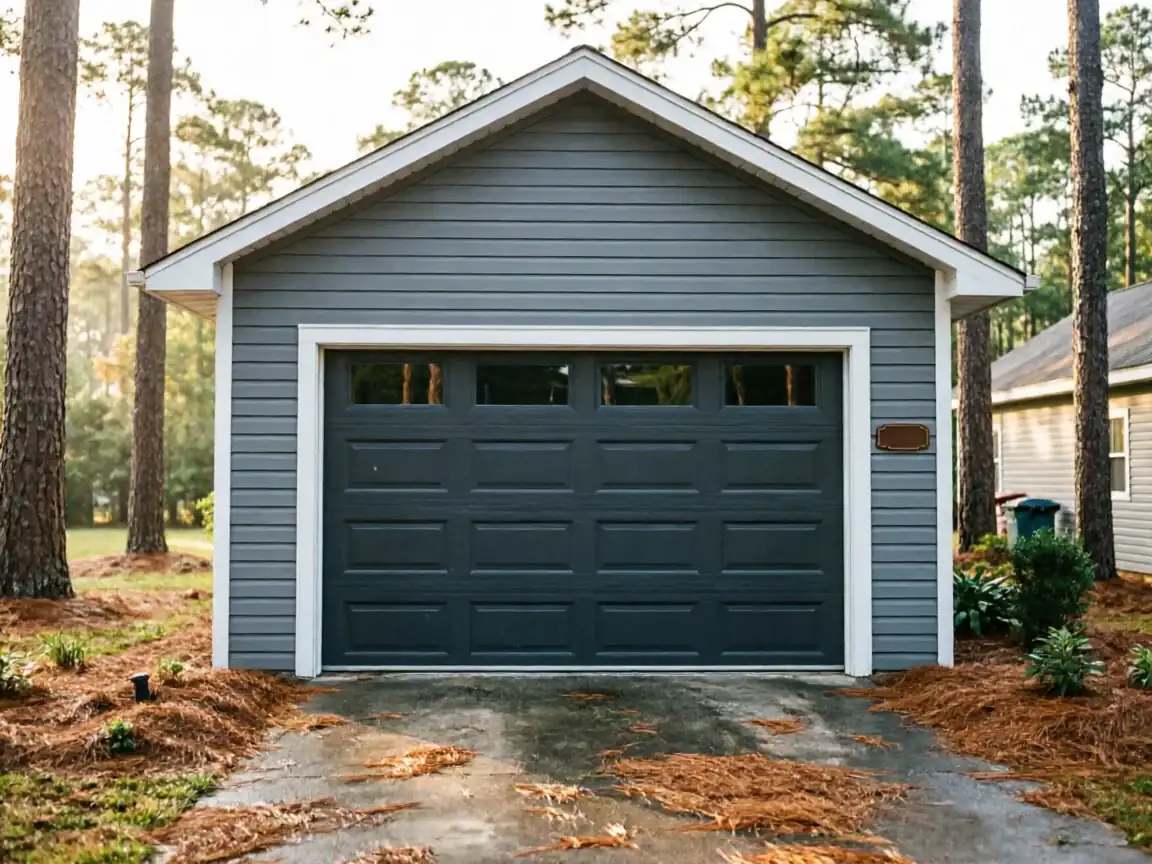
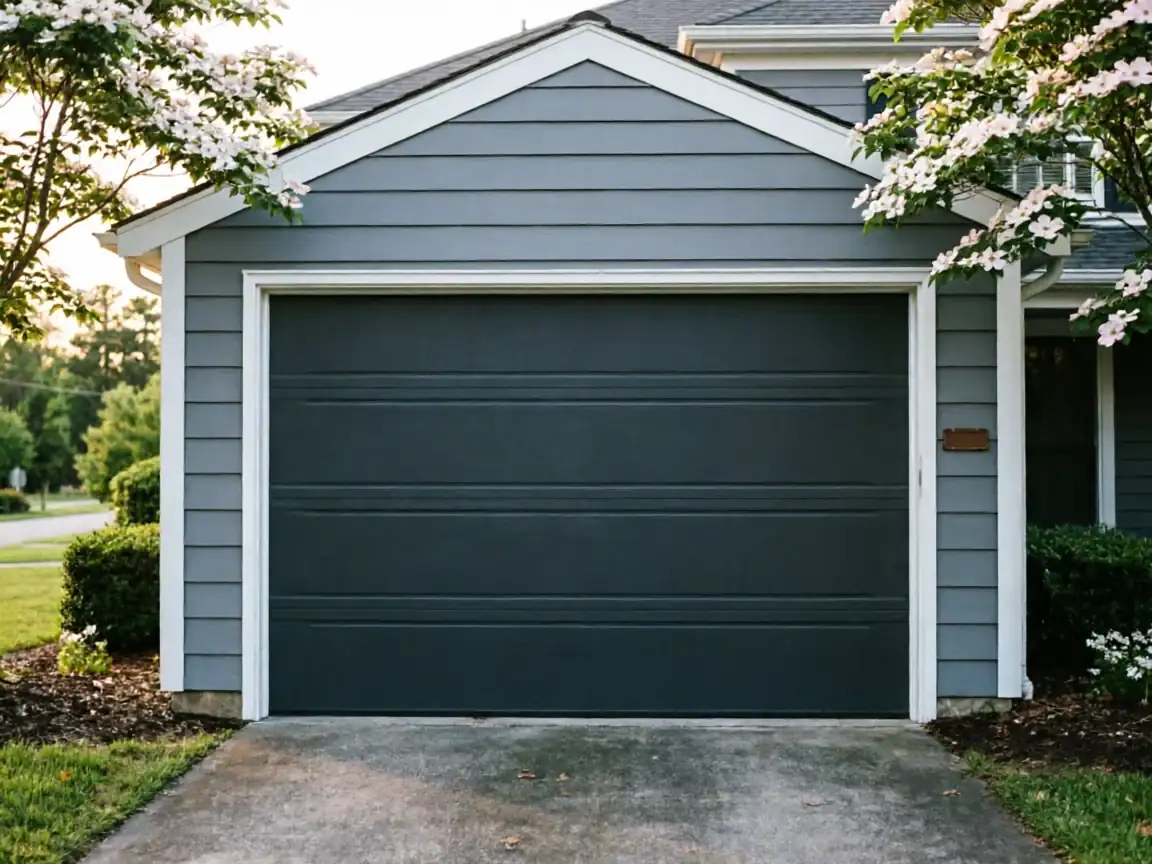
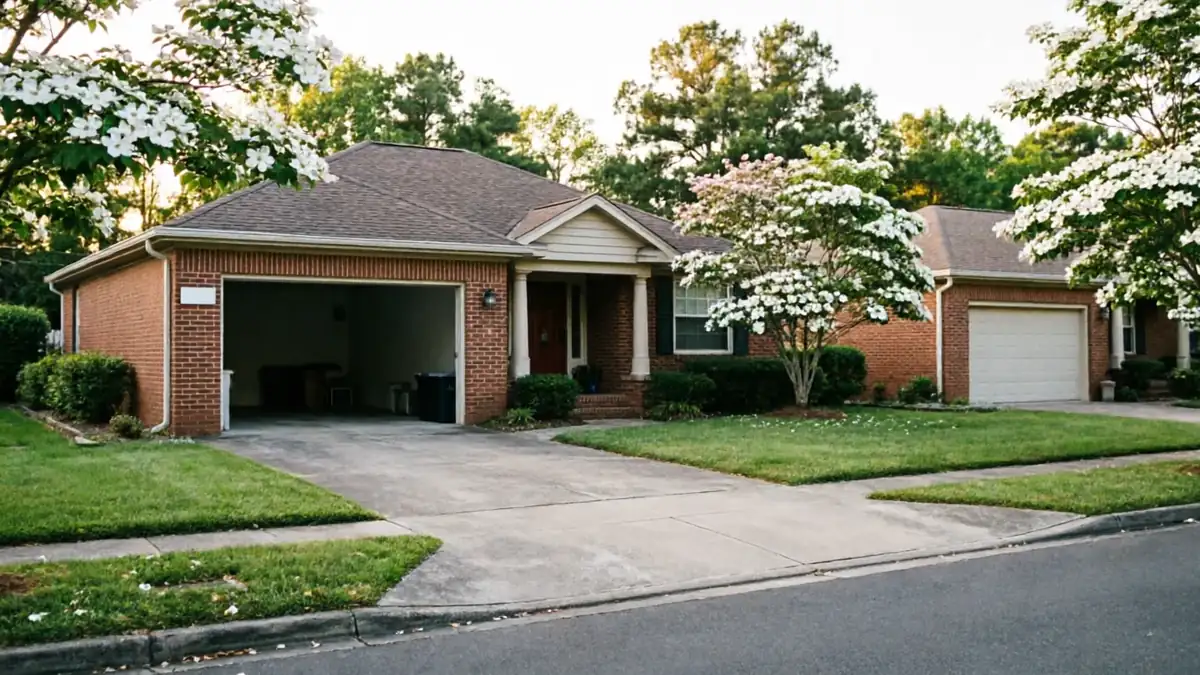
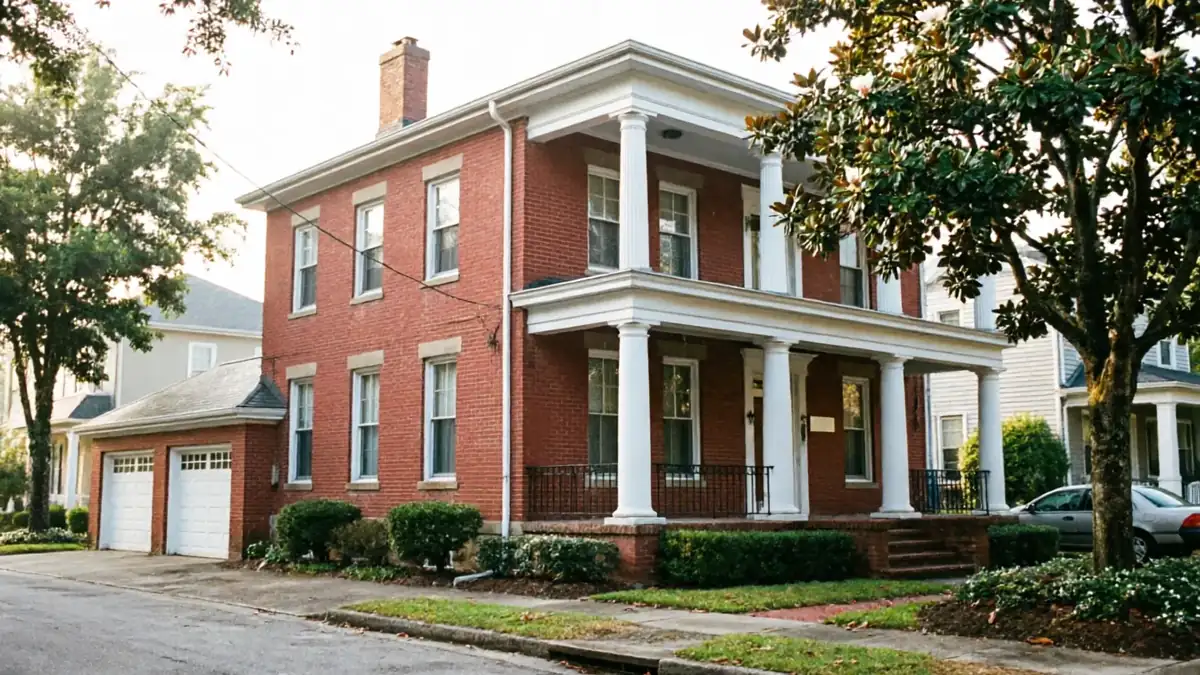
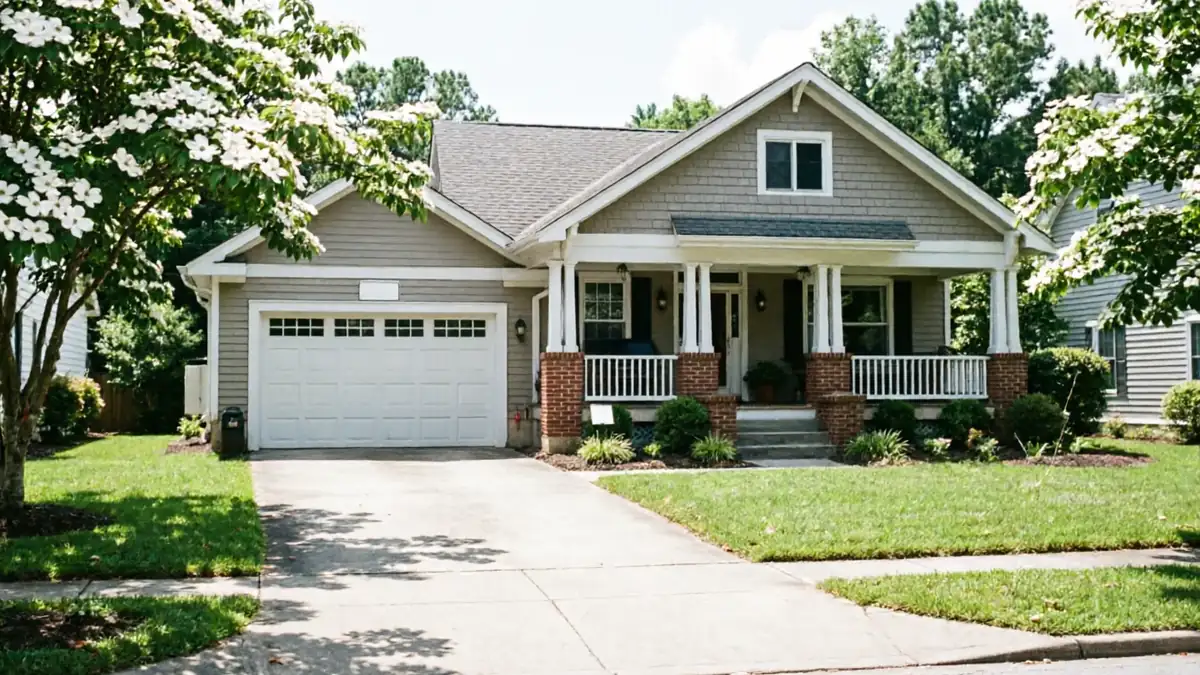
Hopewell sits right in the middle of Cleveland's broader build-out, which ran from 1967 to 2004 with a median year of 1984 across the whole service area. Hopewell itself lands at a median build year of 1985, almost dead on that area-wide number. That matters because it means Hopewell didn't get the older 1960s doors some nearby pockets did, and it didn't get the newer 2000s stock either. It's a tight band of mid-80s construction, which means a tight band of door types and opener generations. When we show up, we're not guessing between three decades of hardware. We're mostly looking at the same chain-drive openers and the same steel sectional doors that went in across one stretch of years, which makes diagnosis faster and parts easier to match.
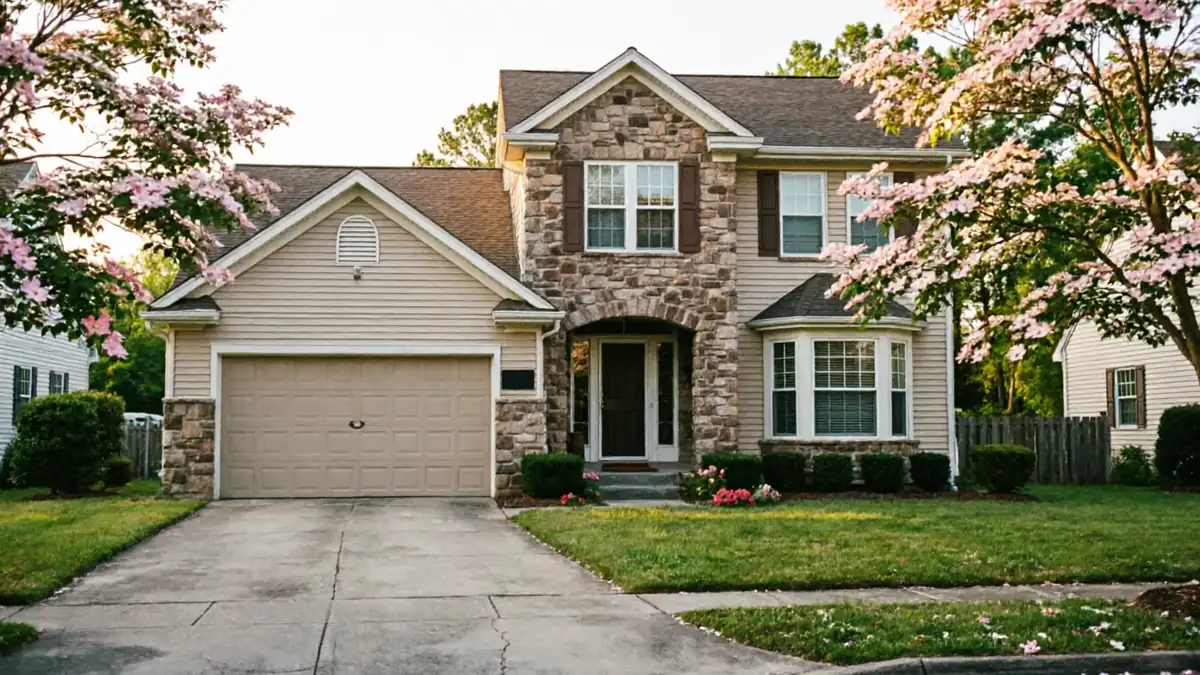
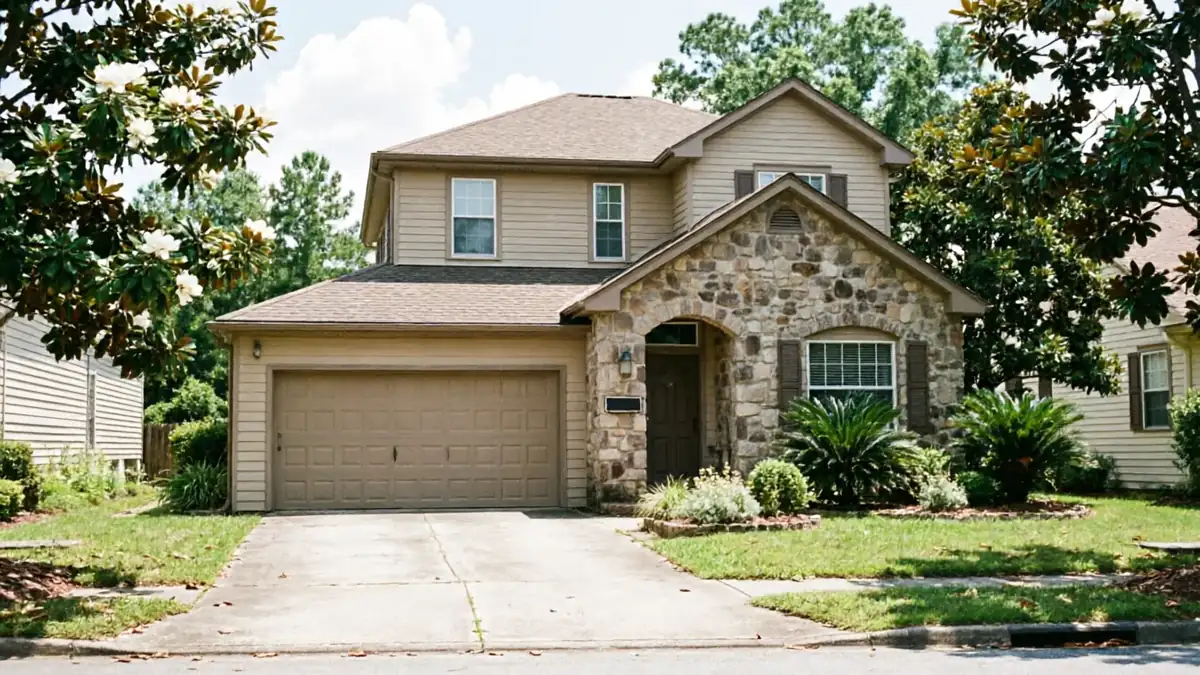
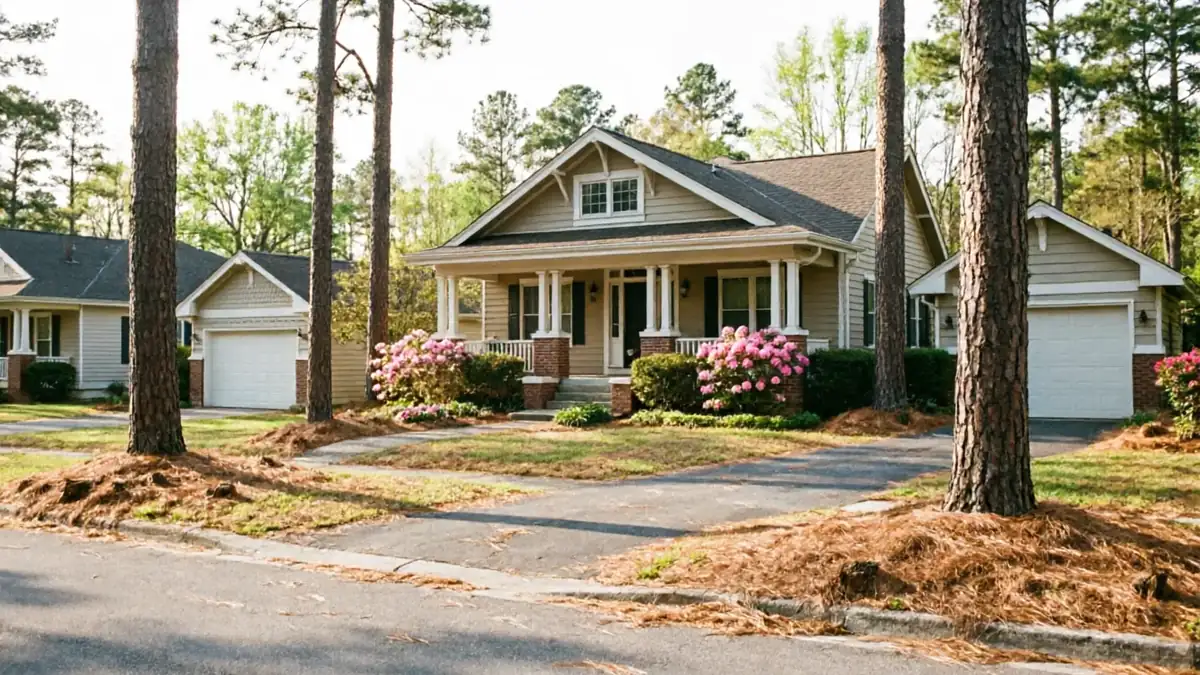
The Houses Here
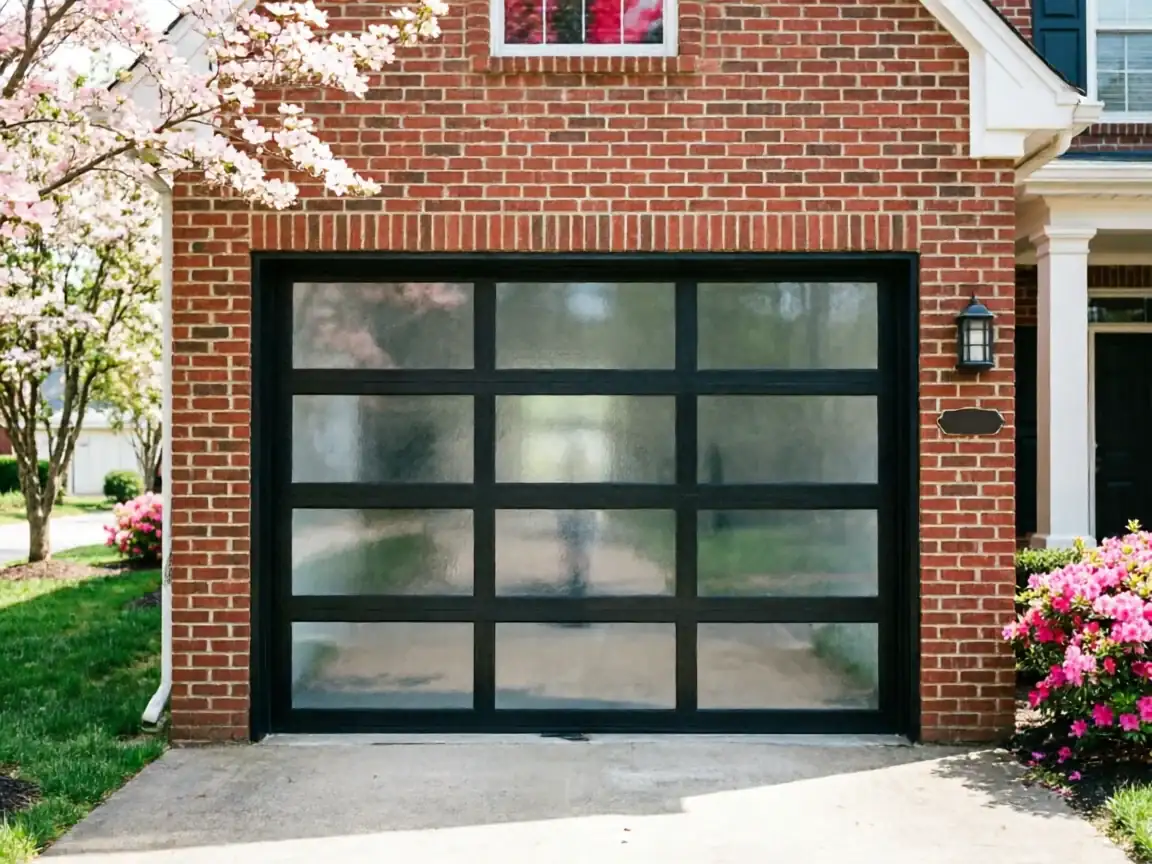
With about 950 households in Hopewell and a median income of $85,461, this isn't a stretch where owners are patching a door to squeeze one more winter out of it. Most of what we see is maintenance done ahead of failure - a spring replaced before it snaps, an opener swapped out because it's slow rather than dead. That income level also means original builder-grade doors from the mid-80s have mostly been upgraded at least once, but the openers underneath them are often still the first or second unit the house ever had. We check the opener's age against the door's age every time, because they don't always match.
What That Means for Doors
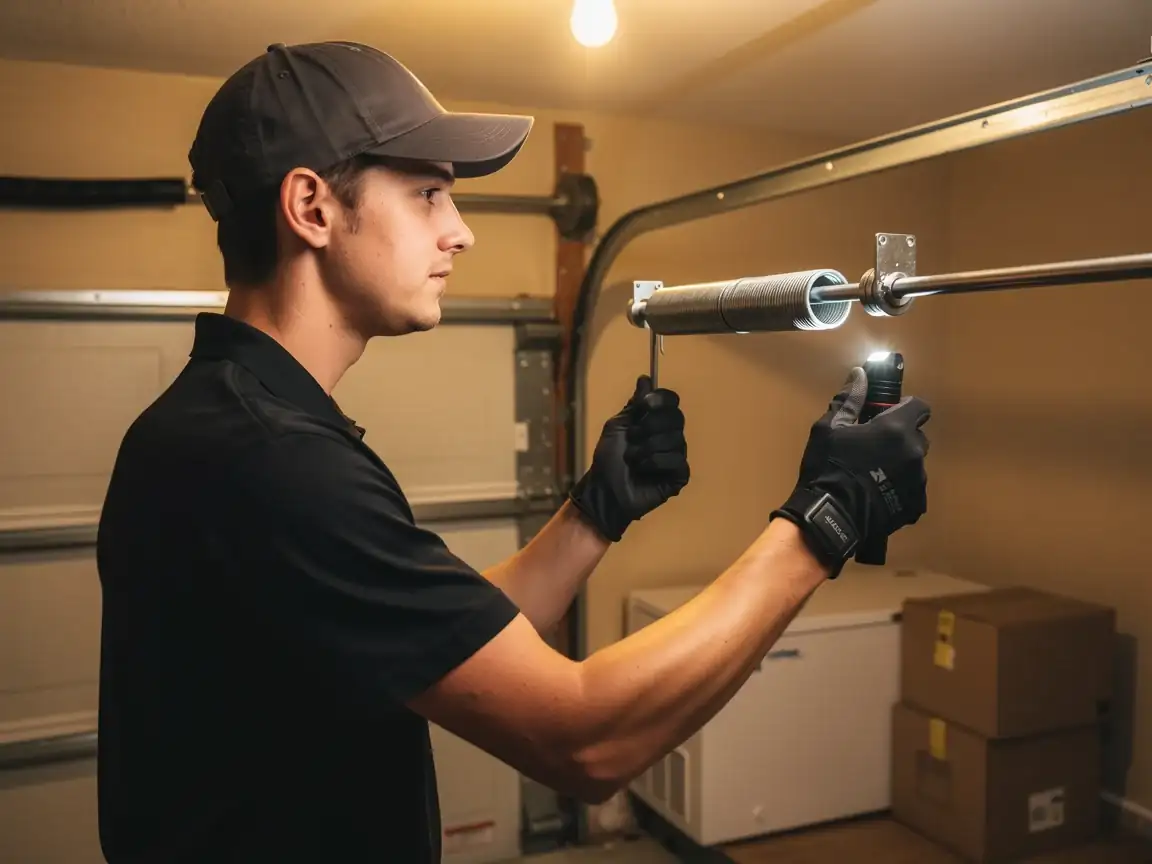
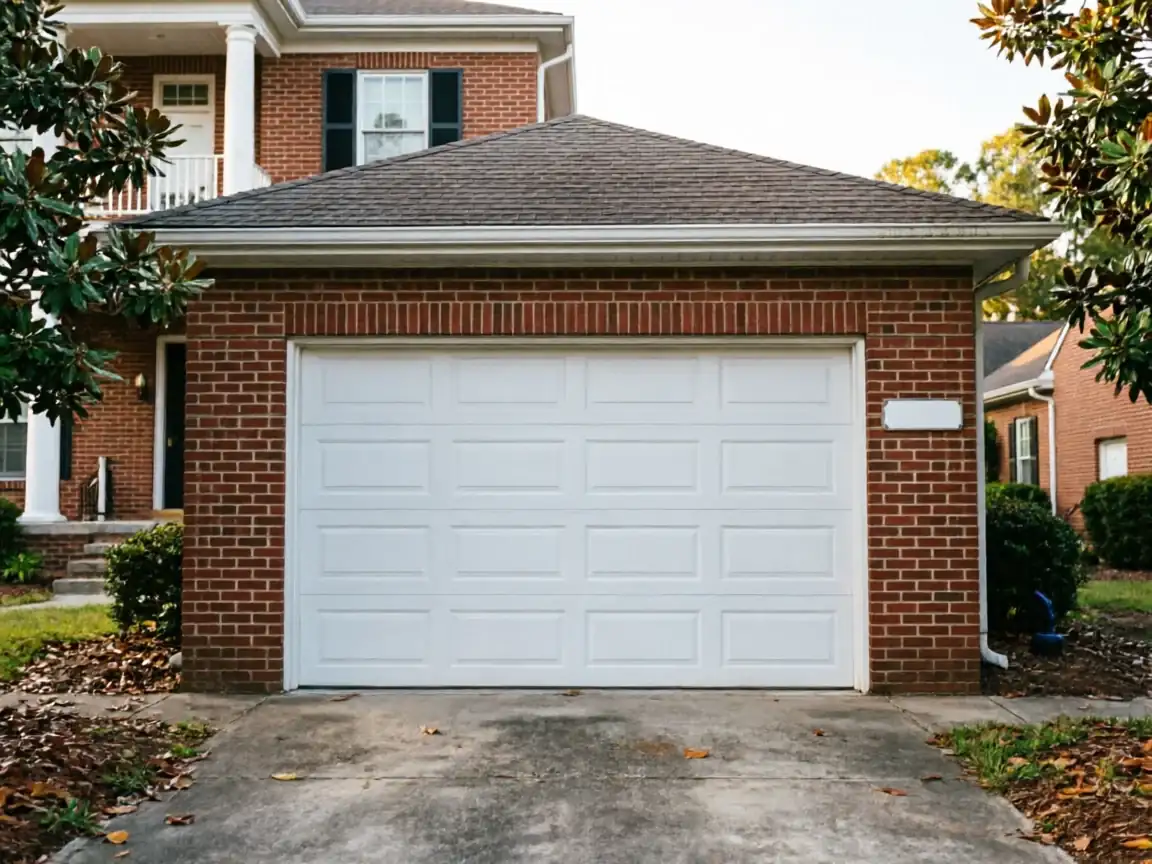
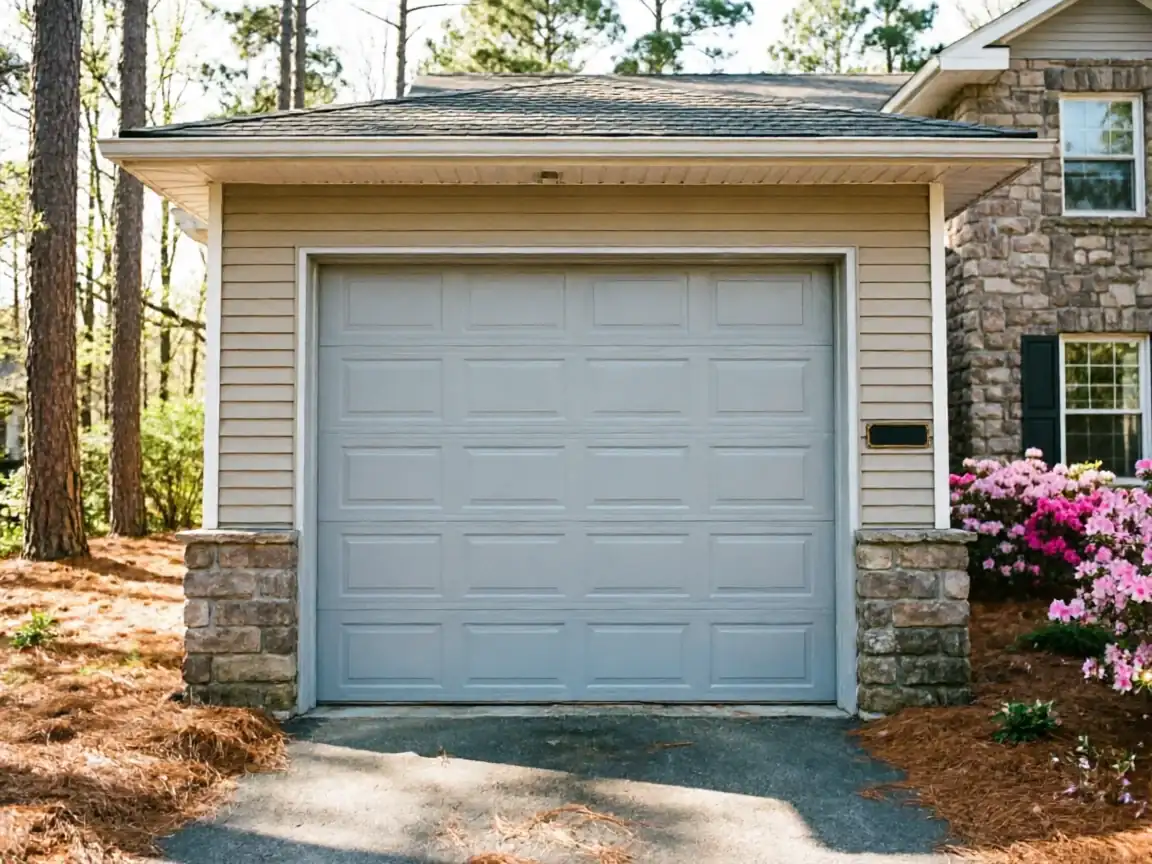
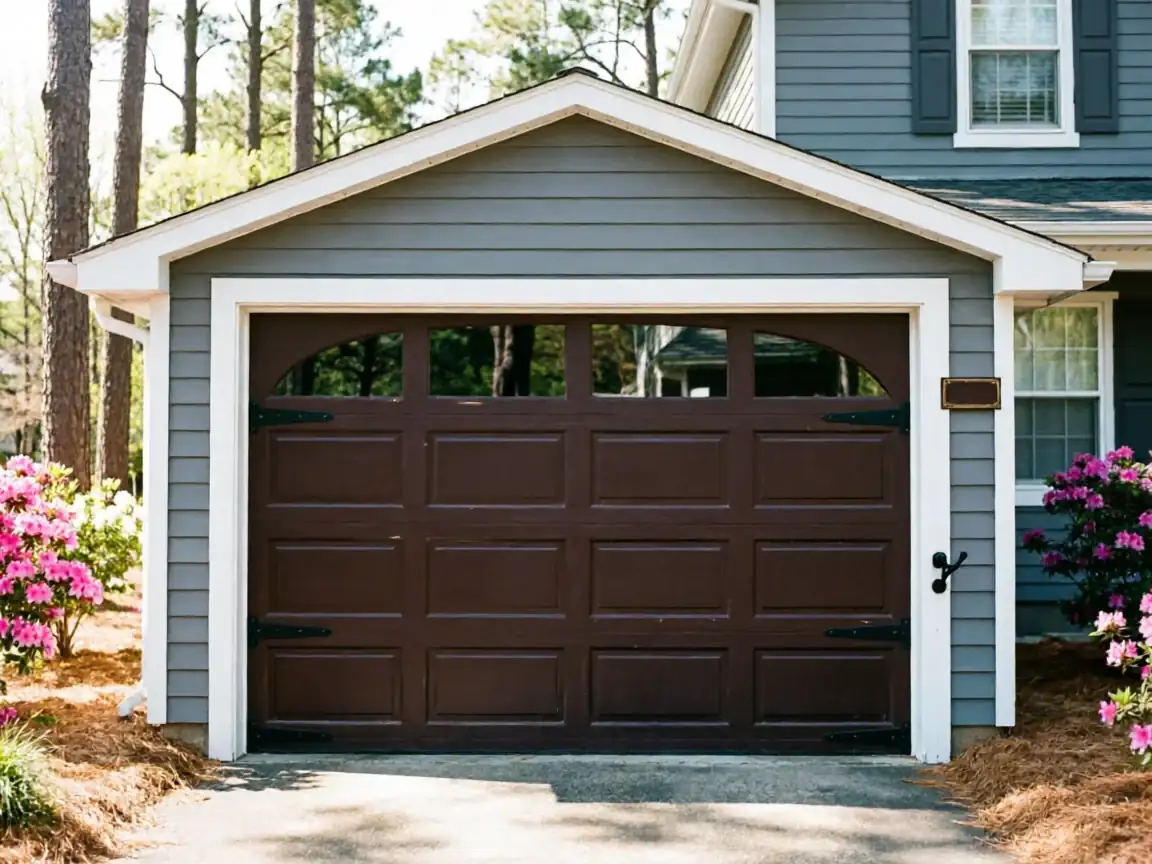
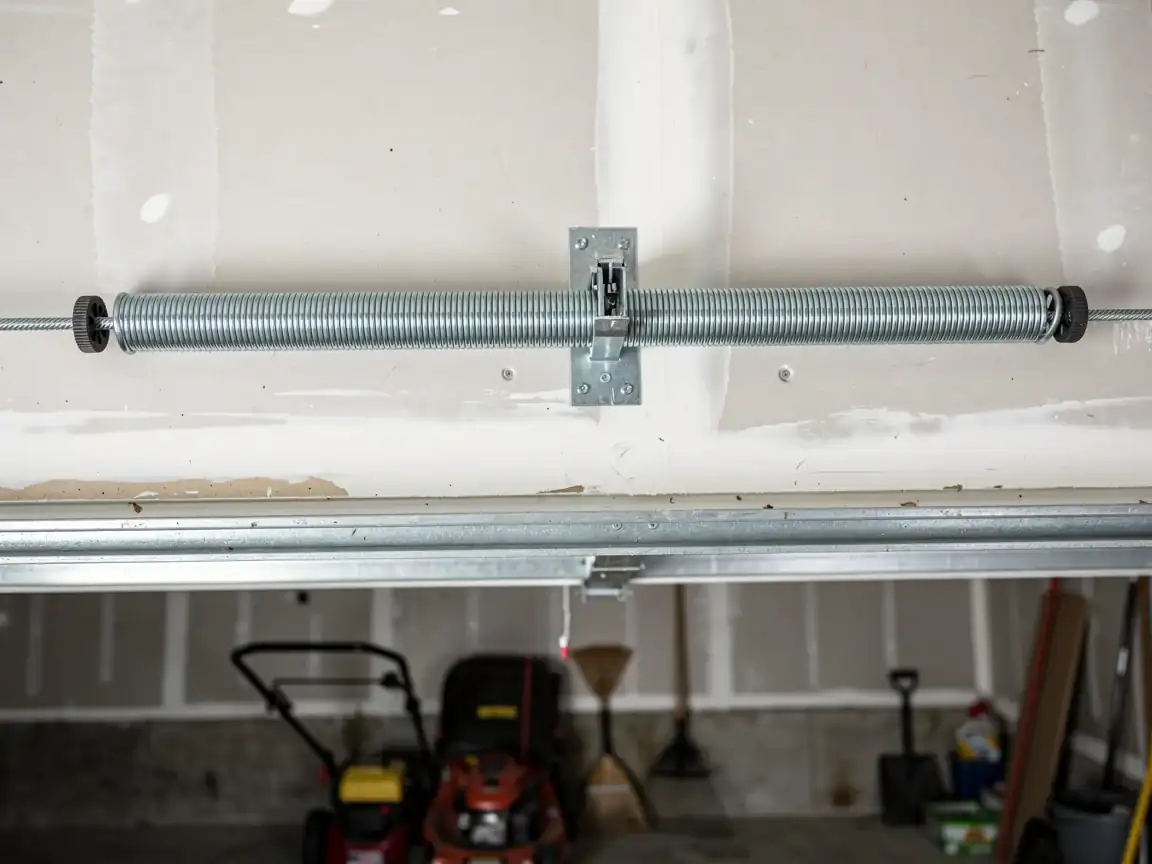
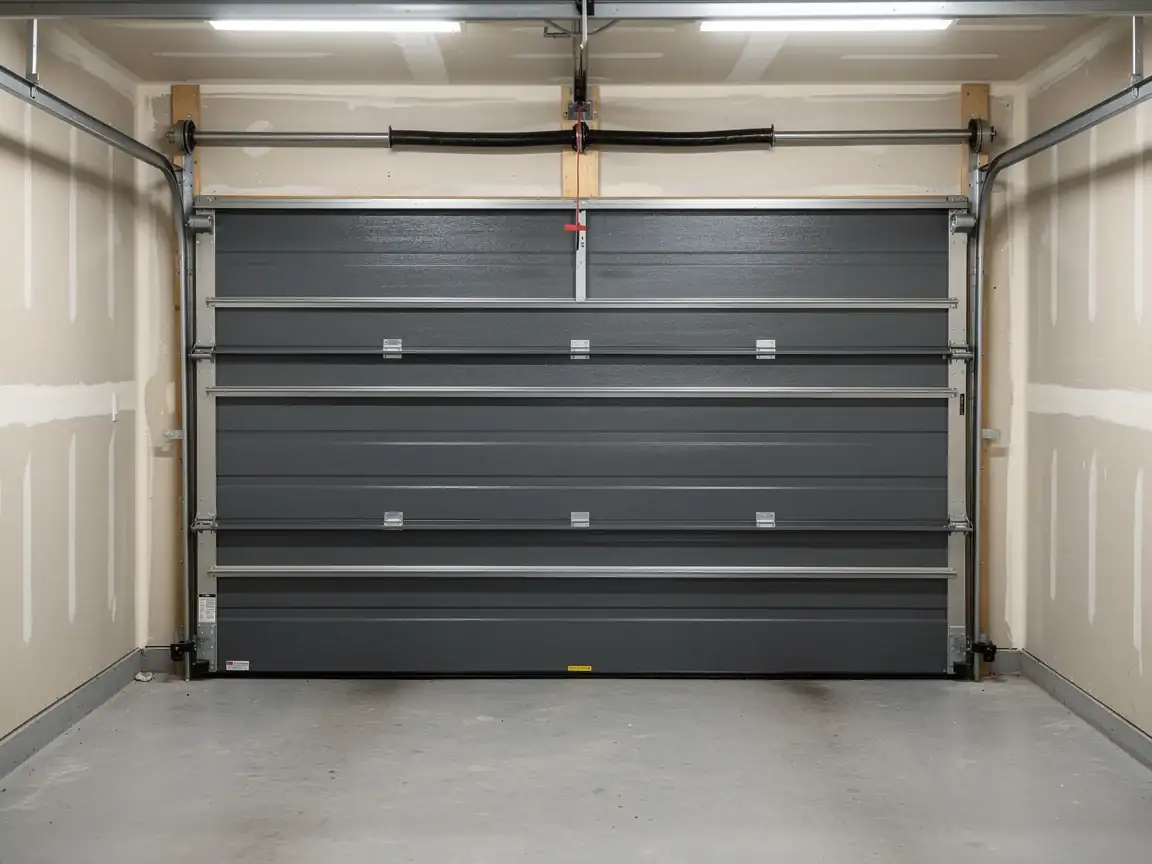
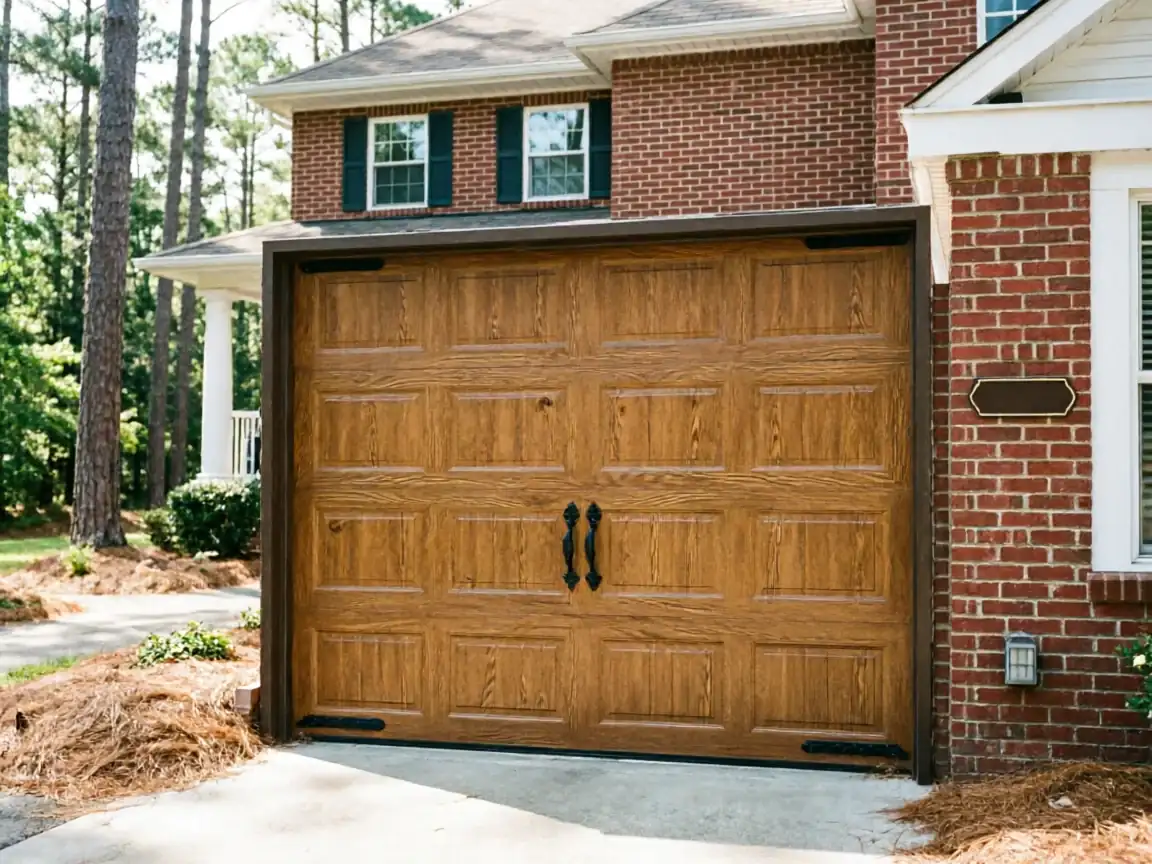
A door built around 1985 typically runs on torsion springs mounted on a steel shaft above the opening, not the older side-mounted extension springs you'd find on anything built before the mid-70s. That's good news for repair - torsion spring sizing for that era is well documented and parts are easy to source. The common failure we see on this vintage is the spring itself, worn out from 35-plus years of cycles, plus original rollers that were never swapped and have gone brittle. Cleveland's winters run on the colder side of moderate, and cold makes old steel rollers and dry hinges worse before they get better. One limitation worth saying plainly: if a door this age has a cracked panel on top of worn springs, patching it often costs more over time than replacing the door outright. We'll tell you when that's the case instead of running up a repair bill on a door that's on its way out anyway.