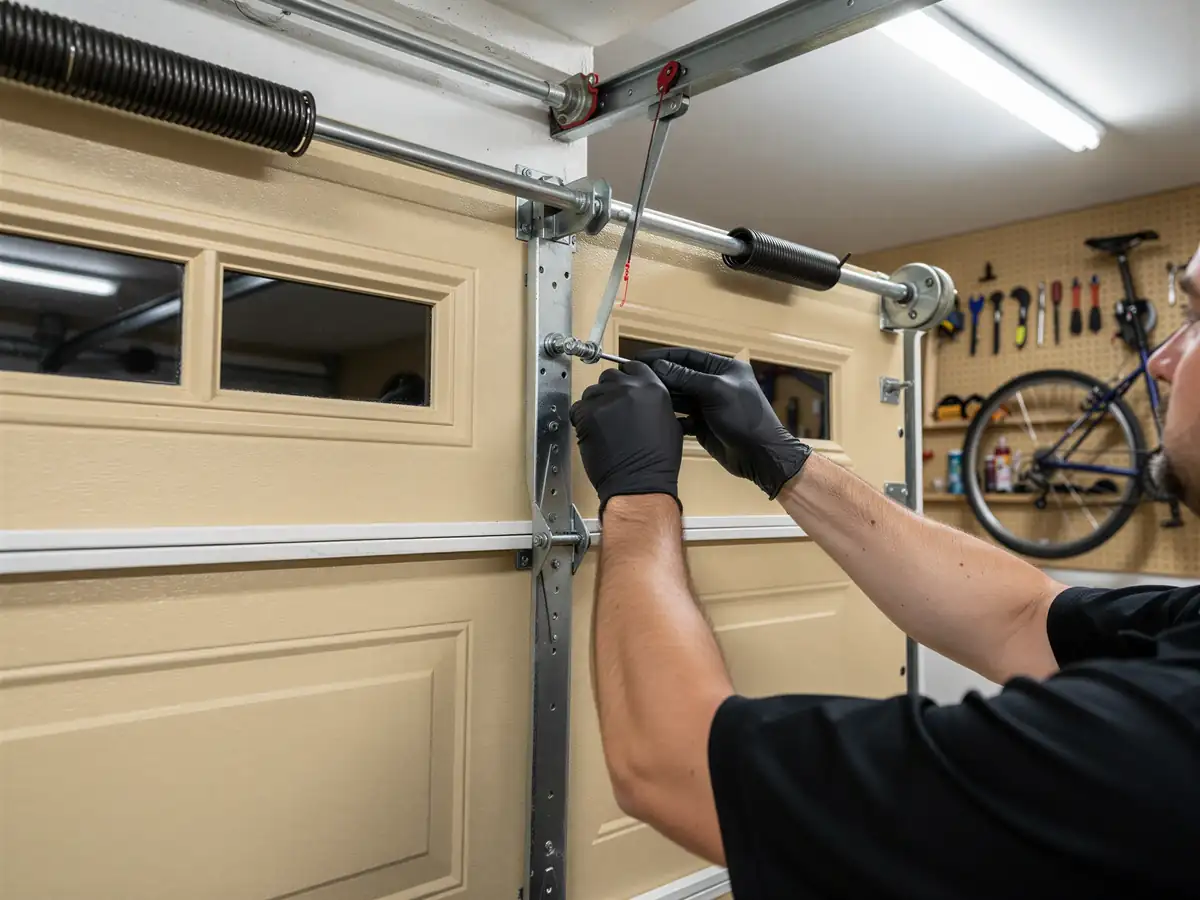
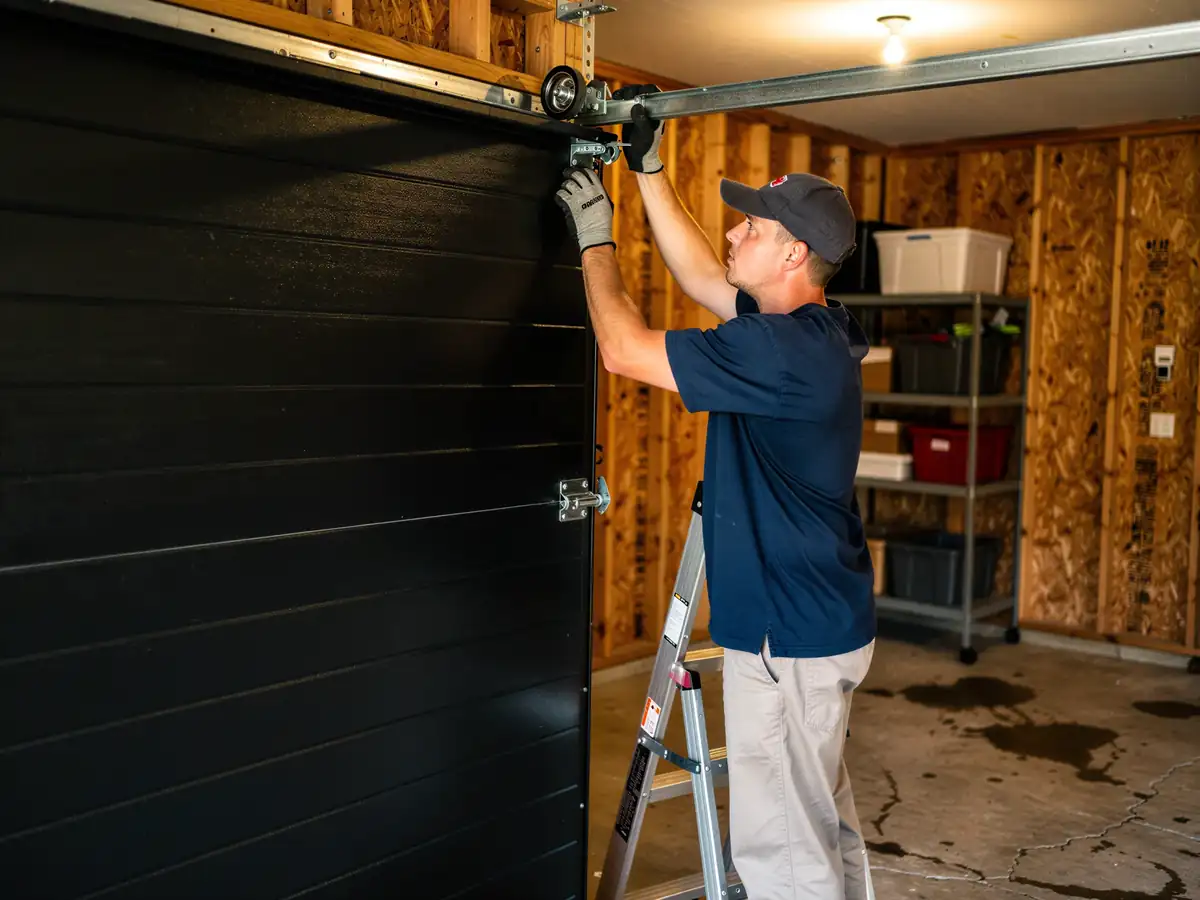
Stocked Parts
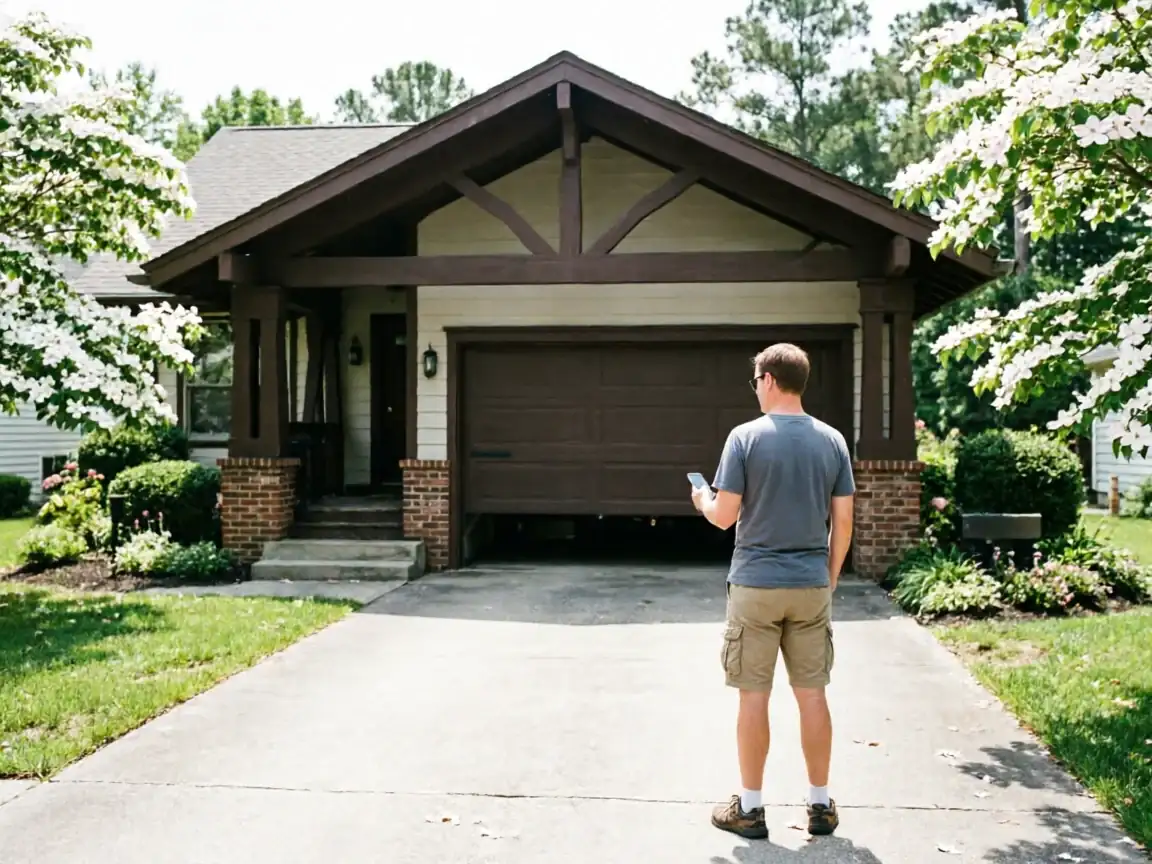
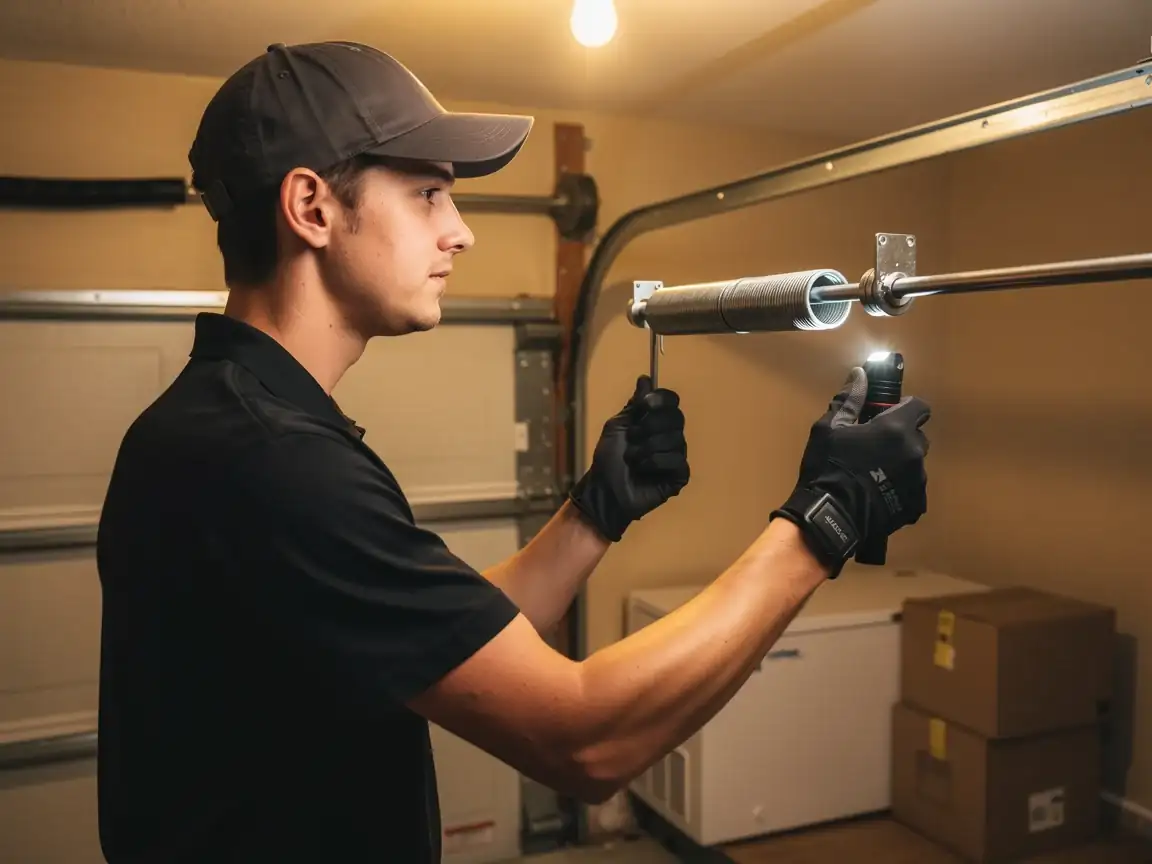
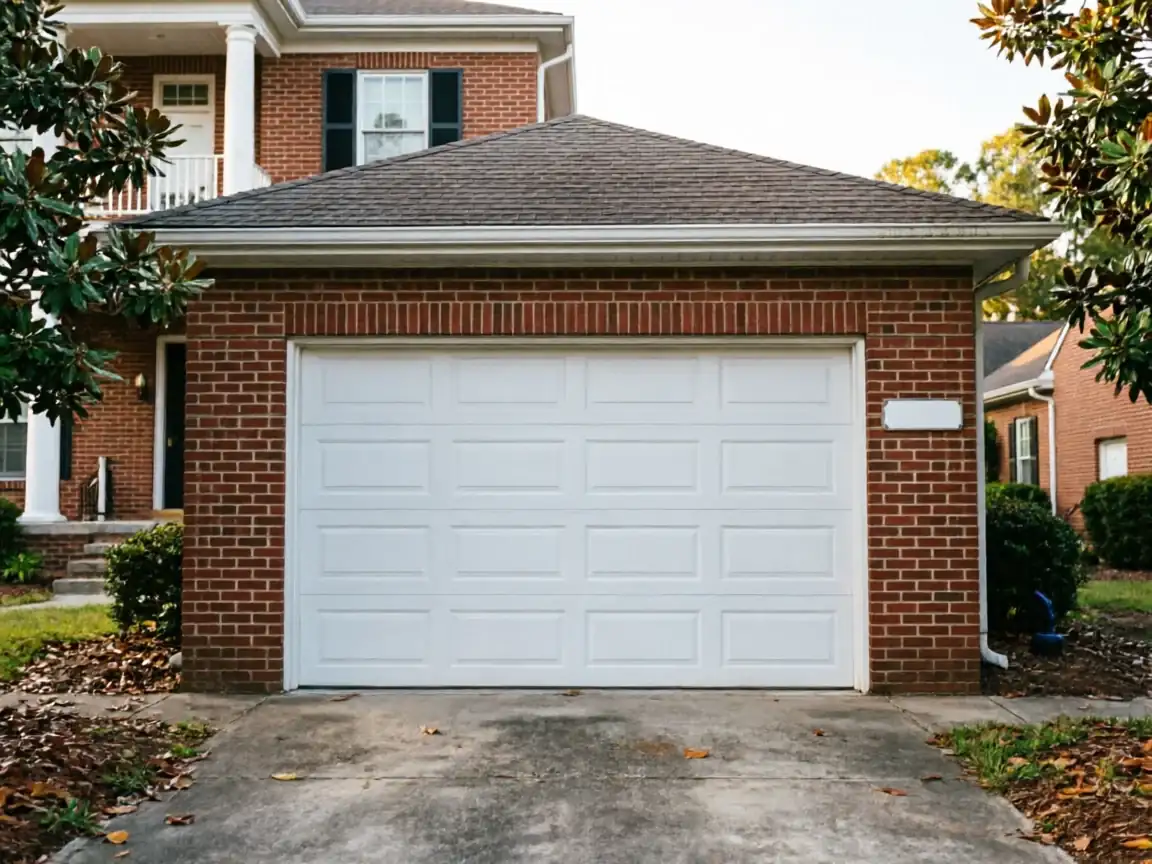
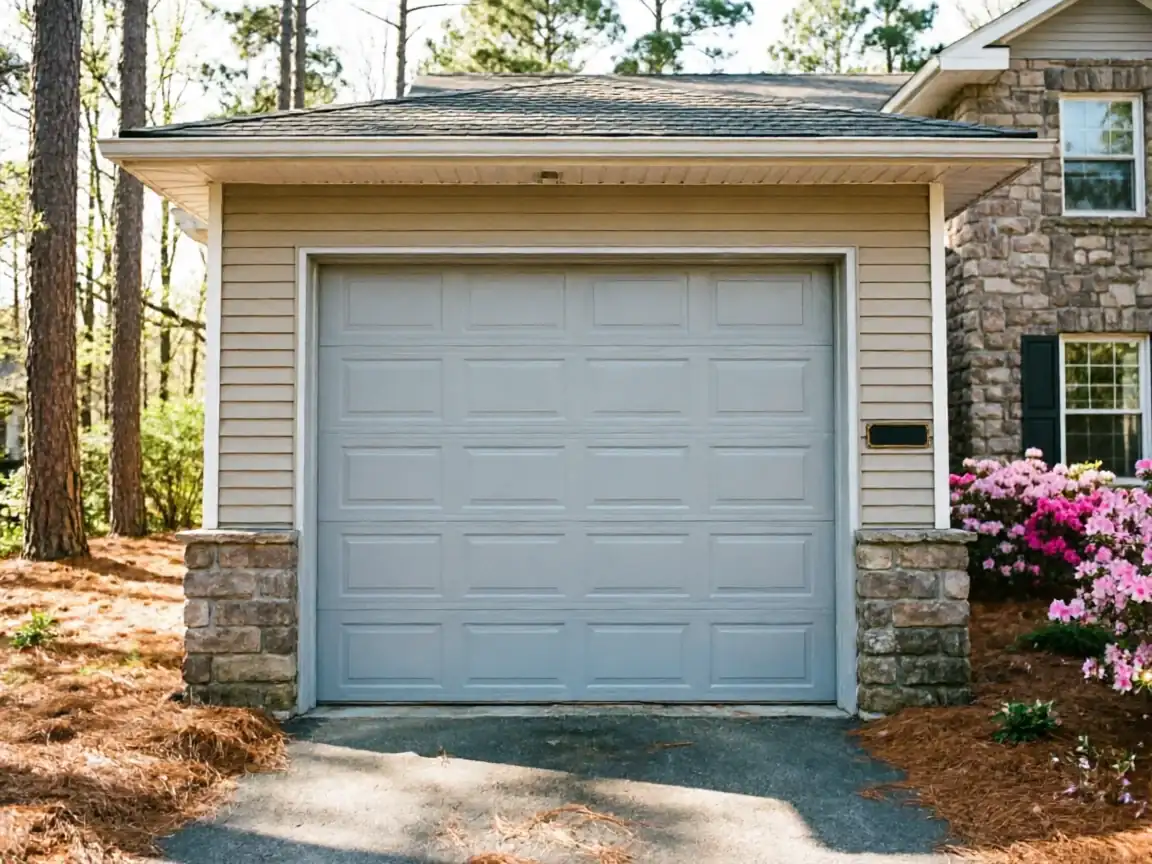
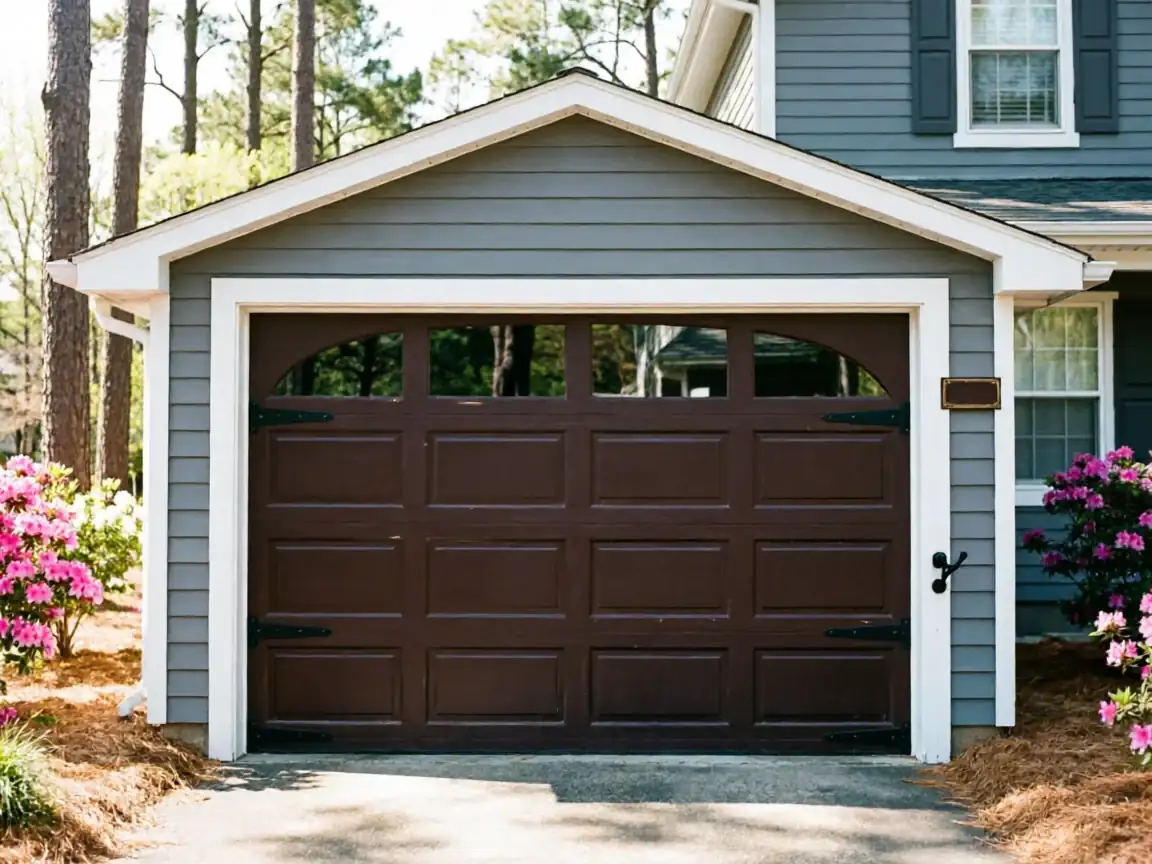
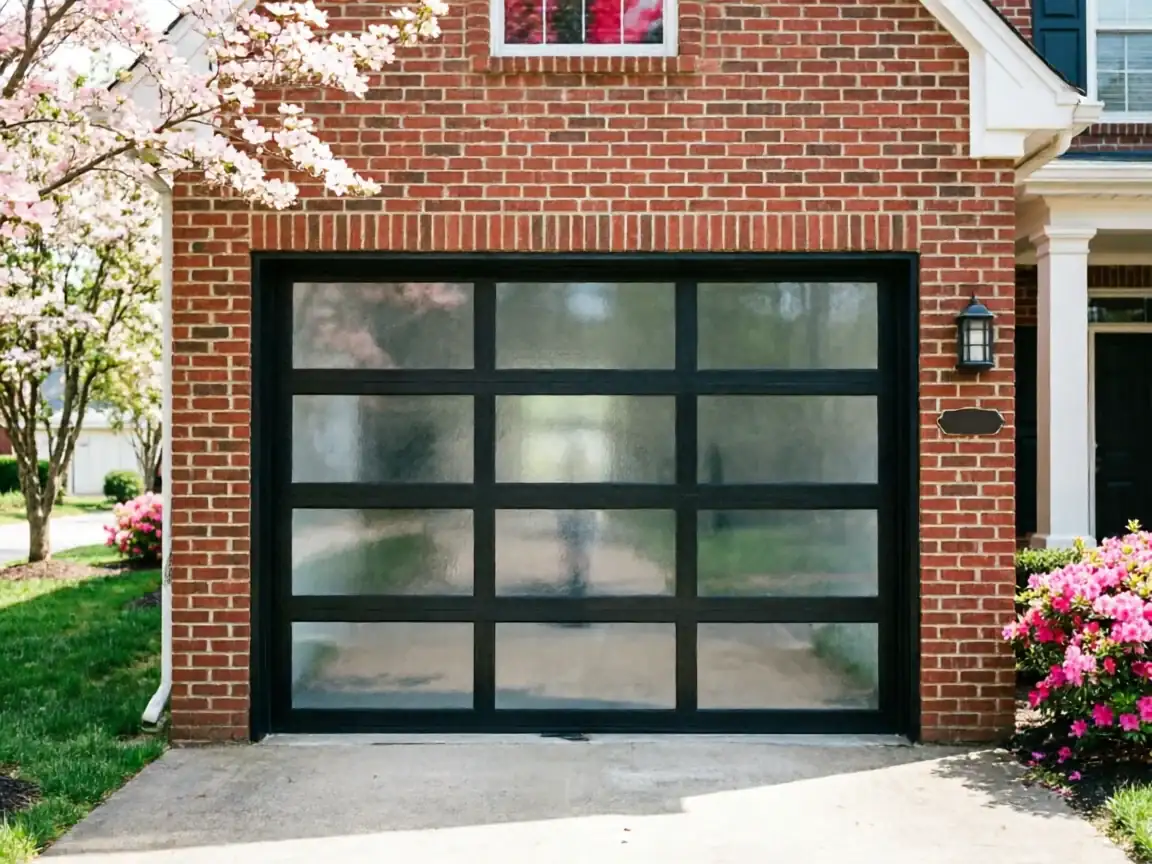
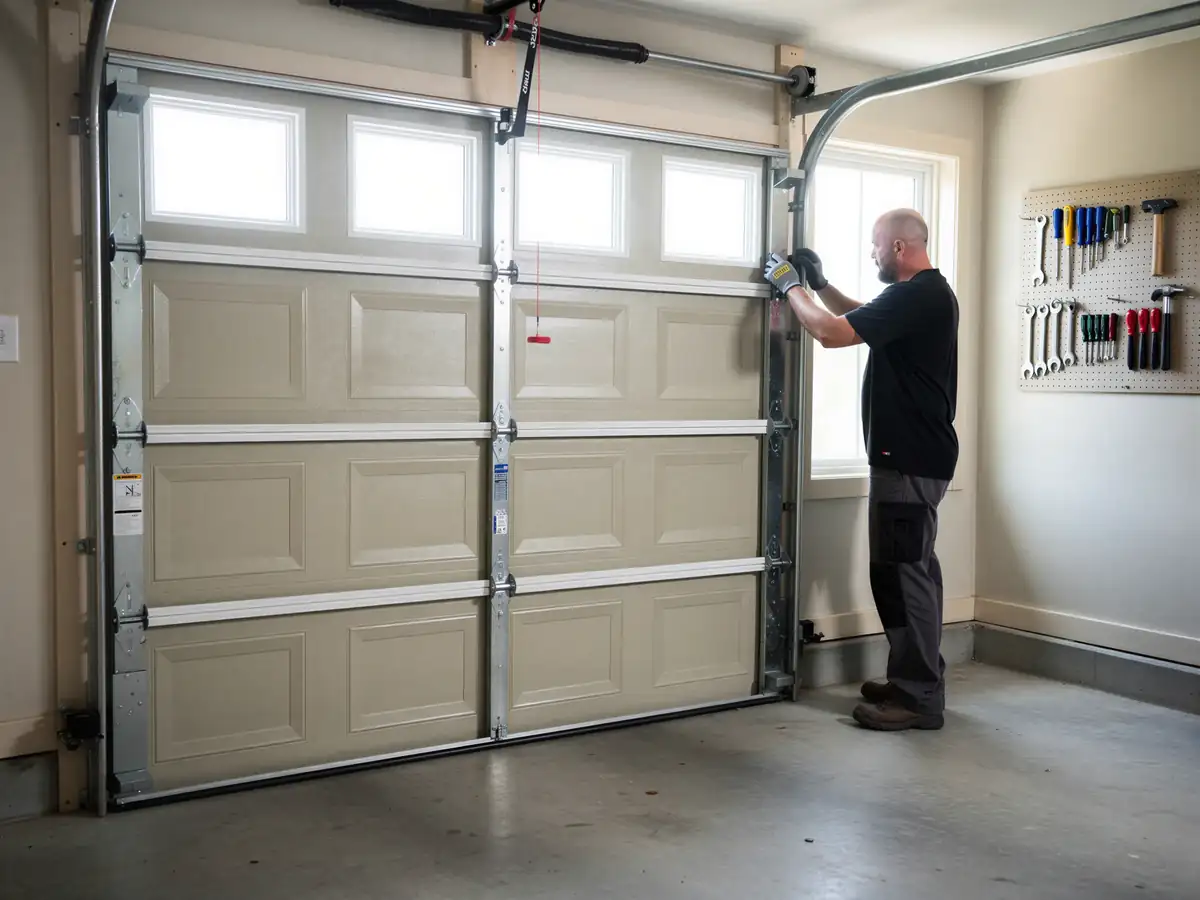
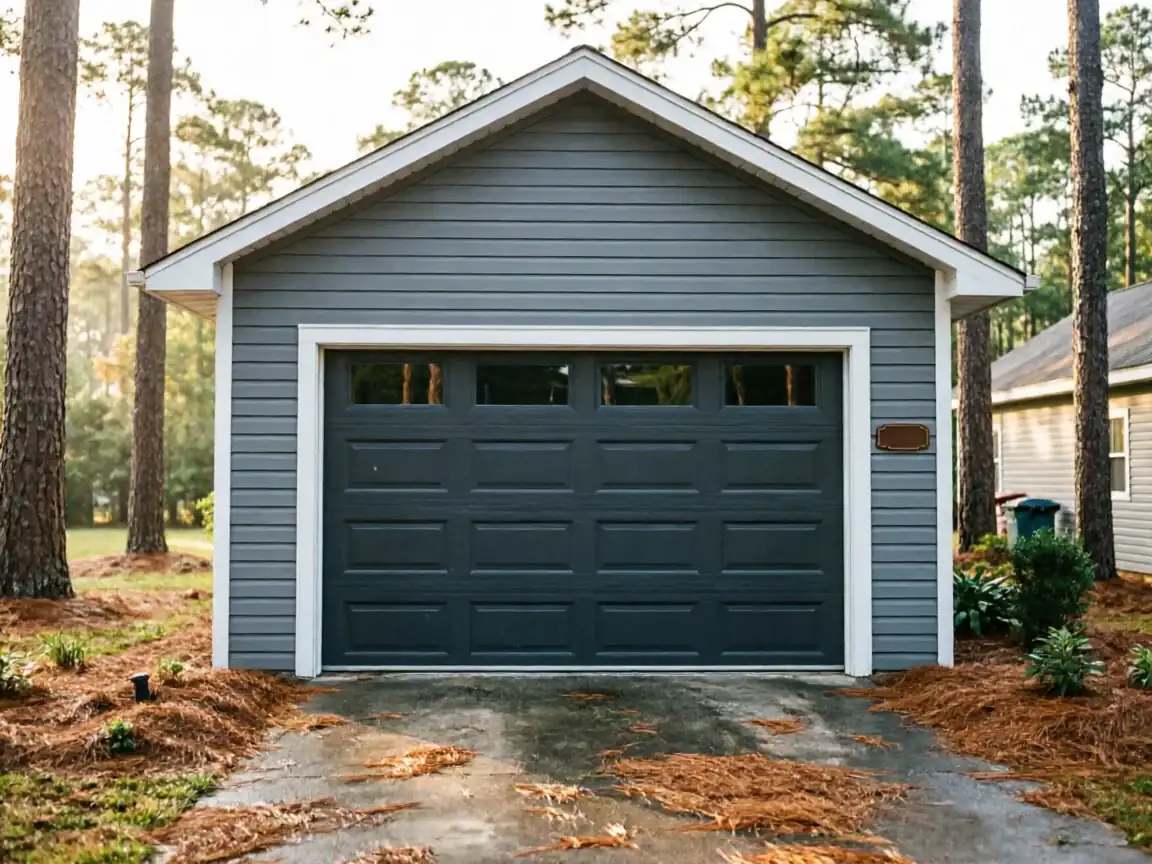
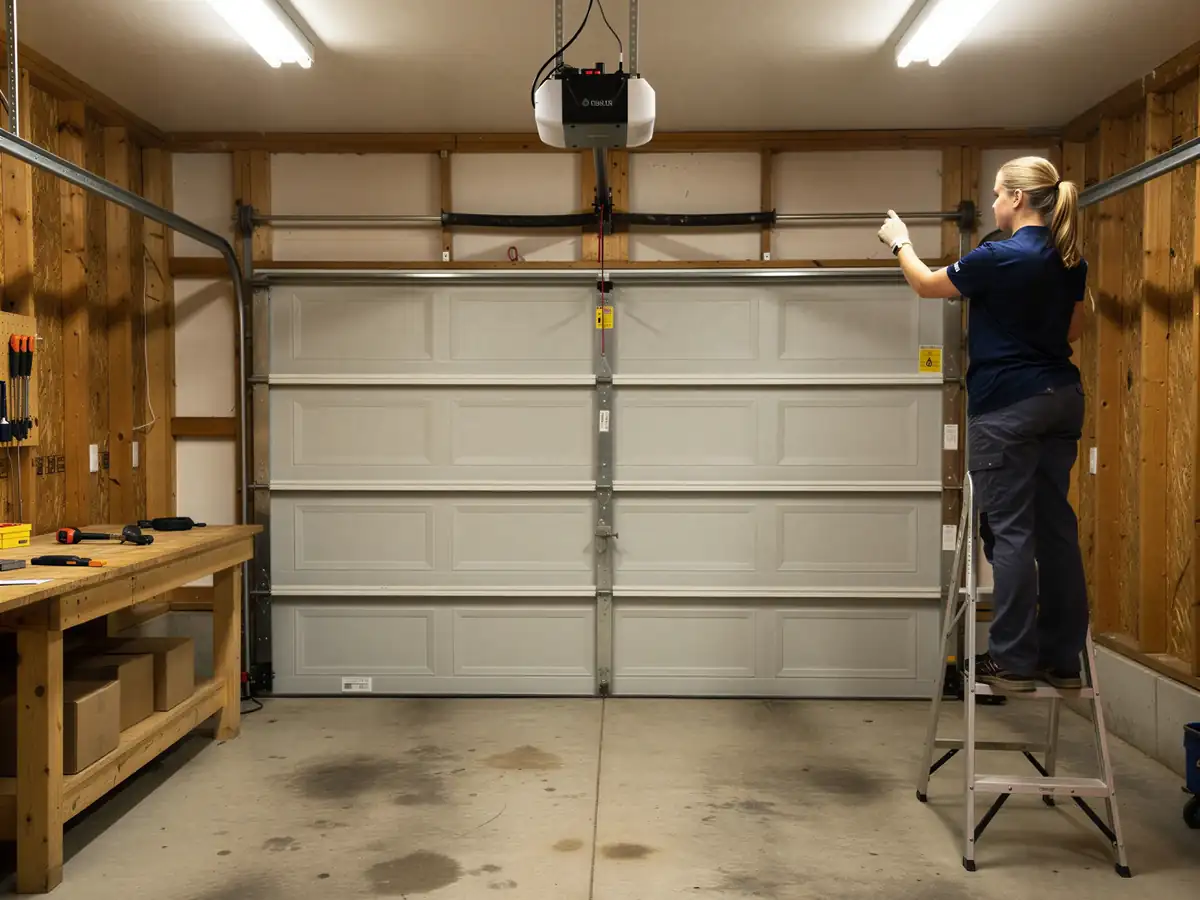
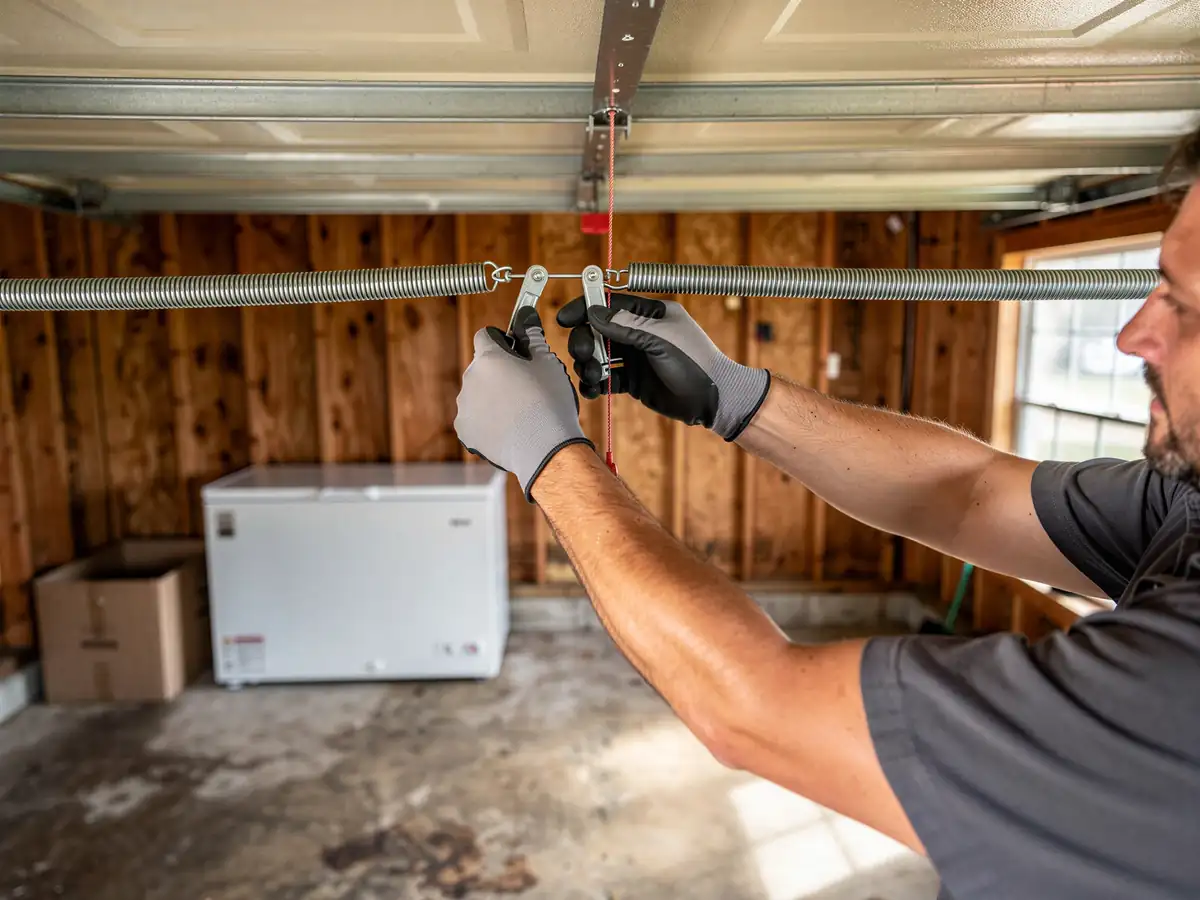
Hopewell is a small pocket off Cleveland - about 950 households, nothing like the sprawl you get closer in. That size matters for roller work: we're not guessing at a hundred different door styles, because most houses here went up in the same stretch as the rest of the service area, median year built around 1985. That means 7-foot steel doors on extension or early torsion spring setups, with the stock nylon or steel rollers that came standard in that era. We carry both on the truck - 2-inch and 2-inch-plus-stem nylon rollers, sealed and unsealed, plus the steel rollers some of these builders used to save a few dollars. What we don't stock is anything custom-length or odd-gauge; if a previous owner swapped in a nonstandard track at some point, that's a special order and we'll tell you before we start, not after. For a town this size, the parts bin on the truck covers the vast majority of calls without a second trip.
What You Pay
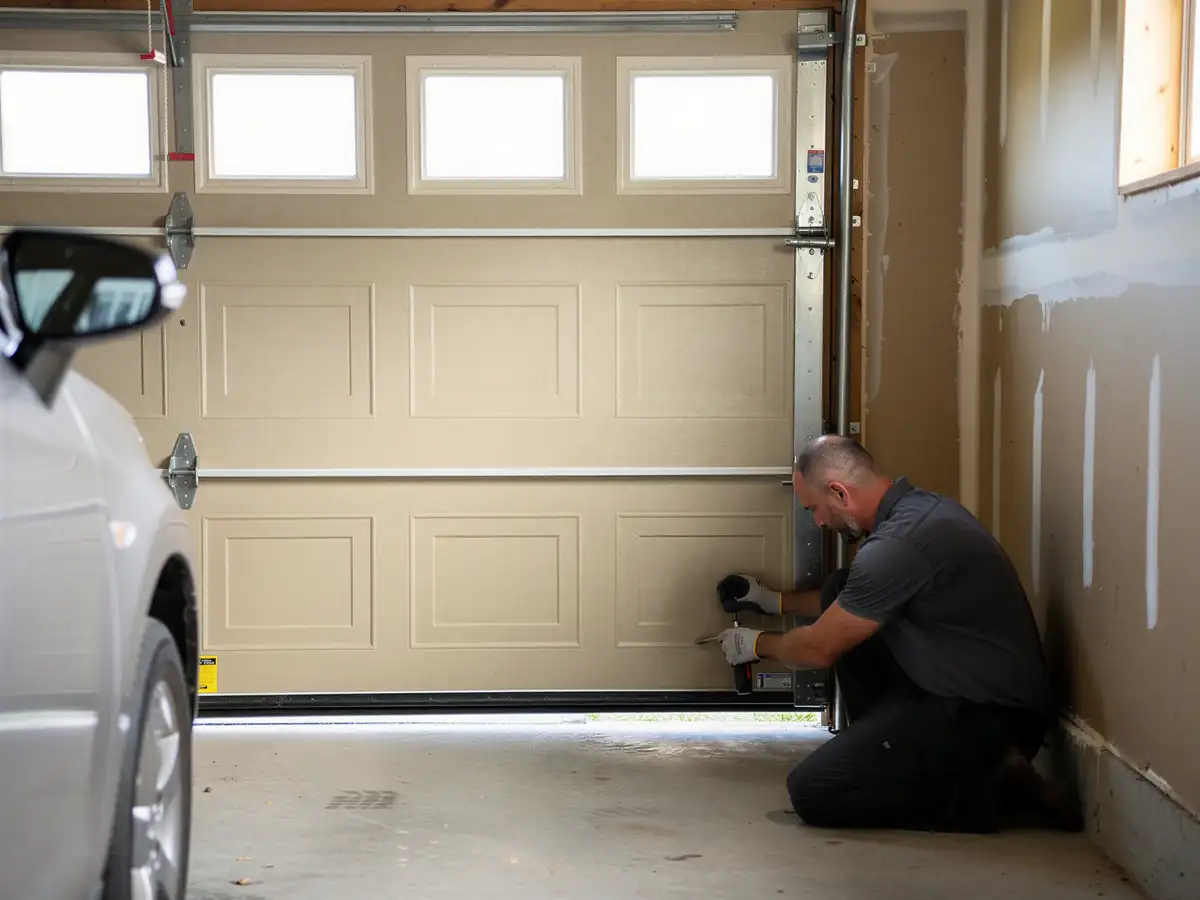
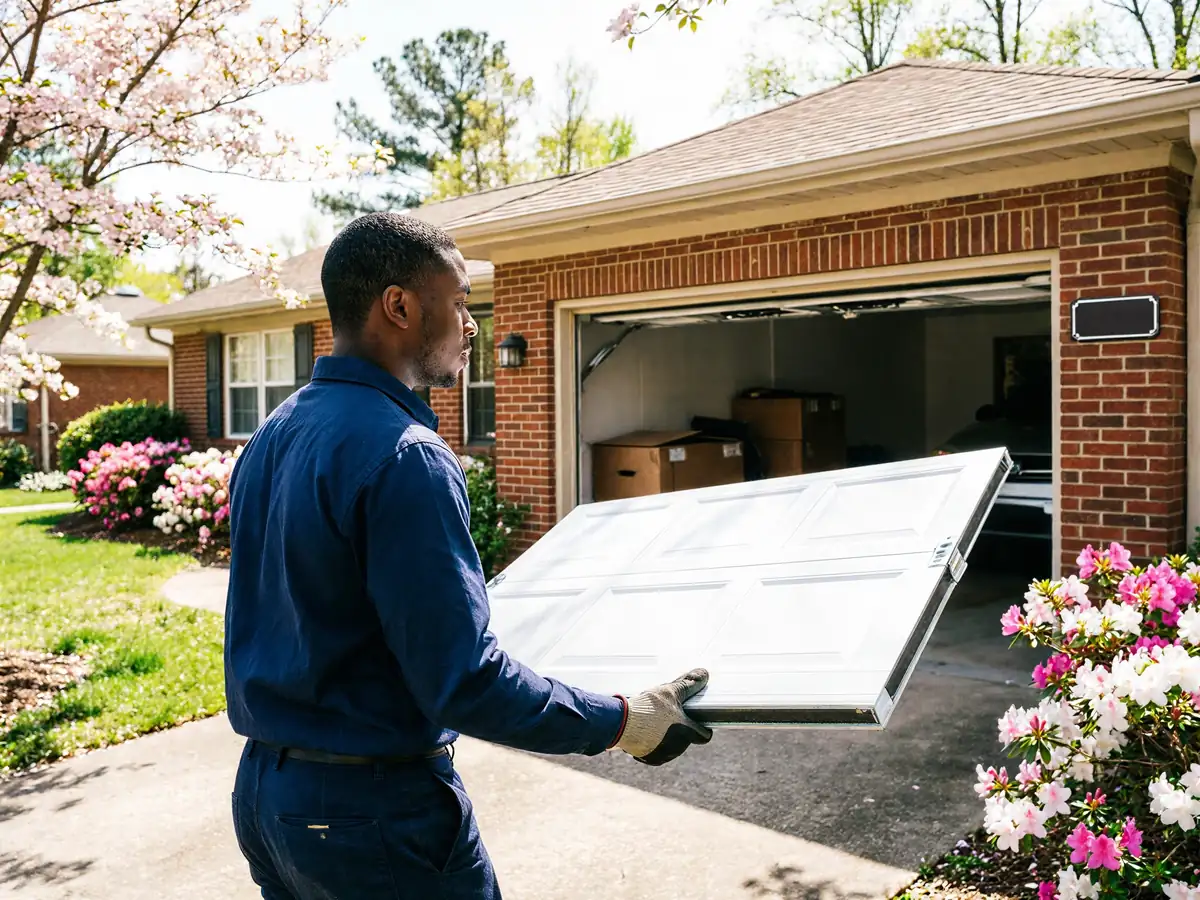
We travel the 5 miles out from Cleveland for every Hopewell call, so the job itself - the roller set, the labor, the adjustment - is priced the same as it would be in town. What moves the number is what we find once the door's open: a full set of ten rollers costs more than swapping two, and steel rollers with bearings run a different price than basic nylon. If the track's gouged and needs a section replaced, that's added to the ticket, and we'll quote it before touching it, not after. We don't have a fixed dollar figure to print here because it depends on roller count and whether the track's damaged, but we'll walk you through the breakdown on-site before any work starts.
What You Are Seeing
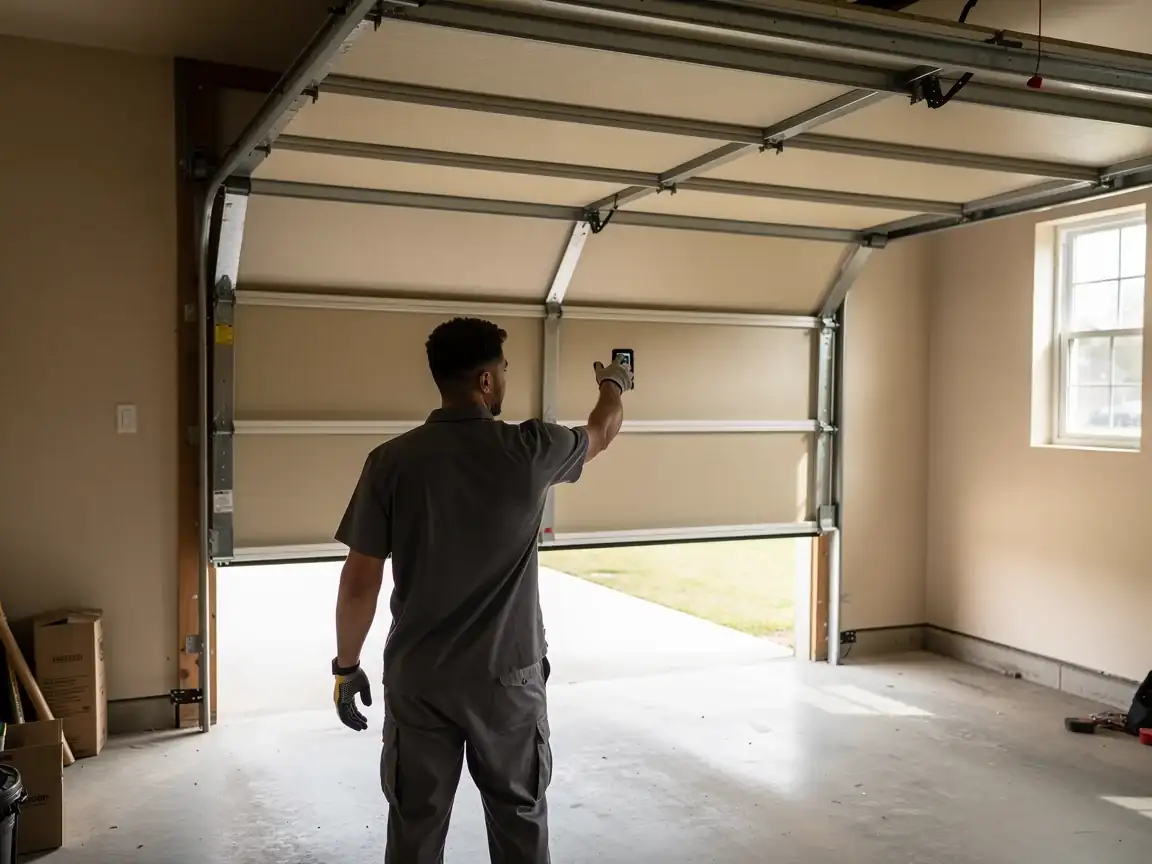
If your door sounds like a shopping cart with a bad wheel when it opens, or it jerks and hesitates at the same spot every time, that's rollers losing their bearing surface - common once a door's original hardware passes the 30-year mark, which lines up with where a lot of Hopewell's stock sits now given the median build year around 1985. A door that shudders side to side, rather than running smooth top to bottom, usually means one or two rollers have failed outright while the others are still holding. Black grease streaks on the track, or a roller that's visibly cracked or missing a chunk of nylon, both mean replace now rather than wait - a broken roller can jump the track and put stress on the opener or the cable that it was never built to handle.