Stocked Parts
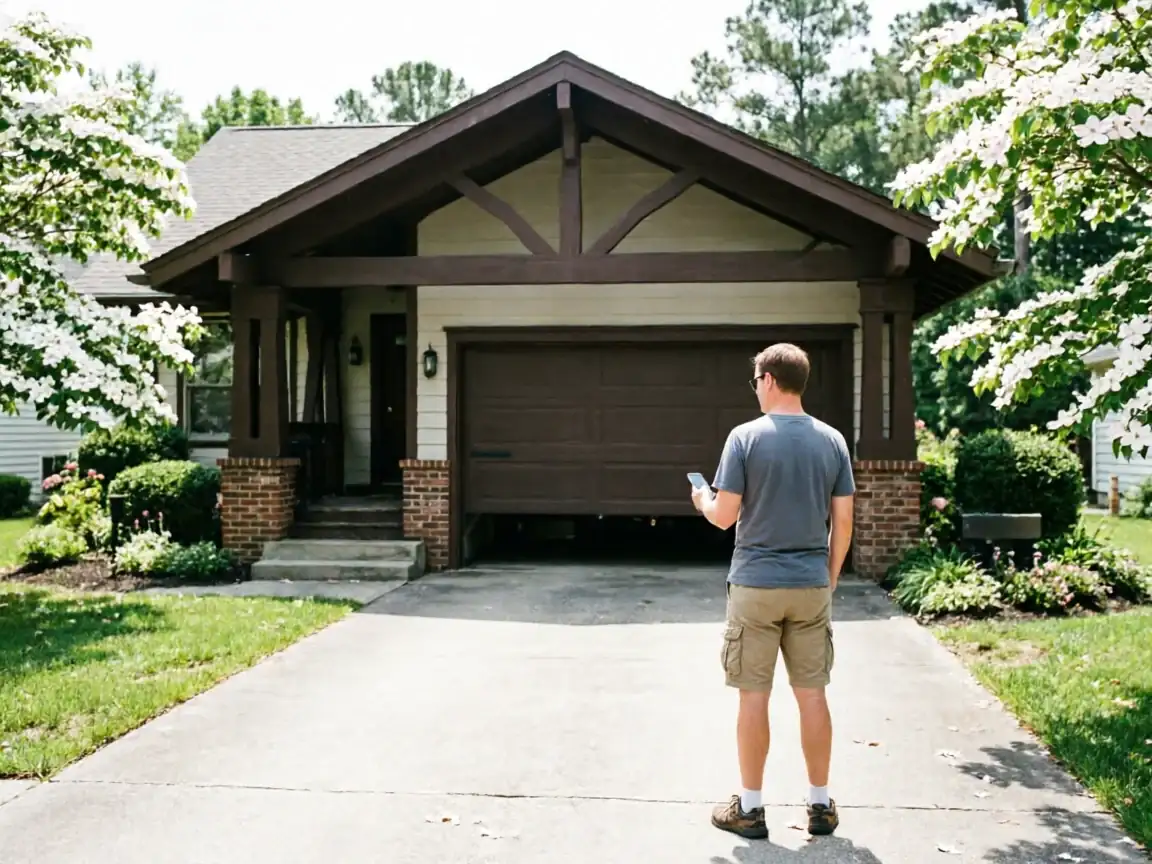
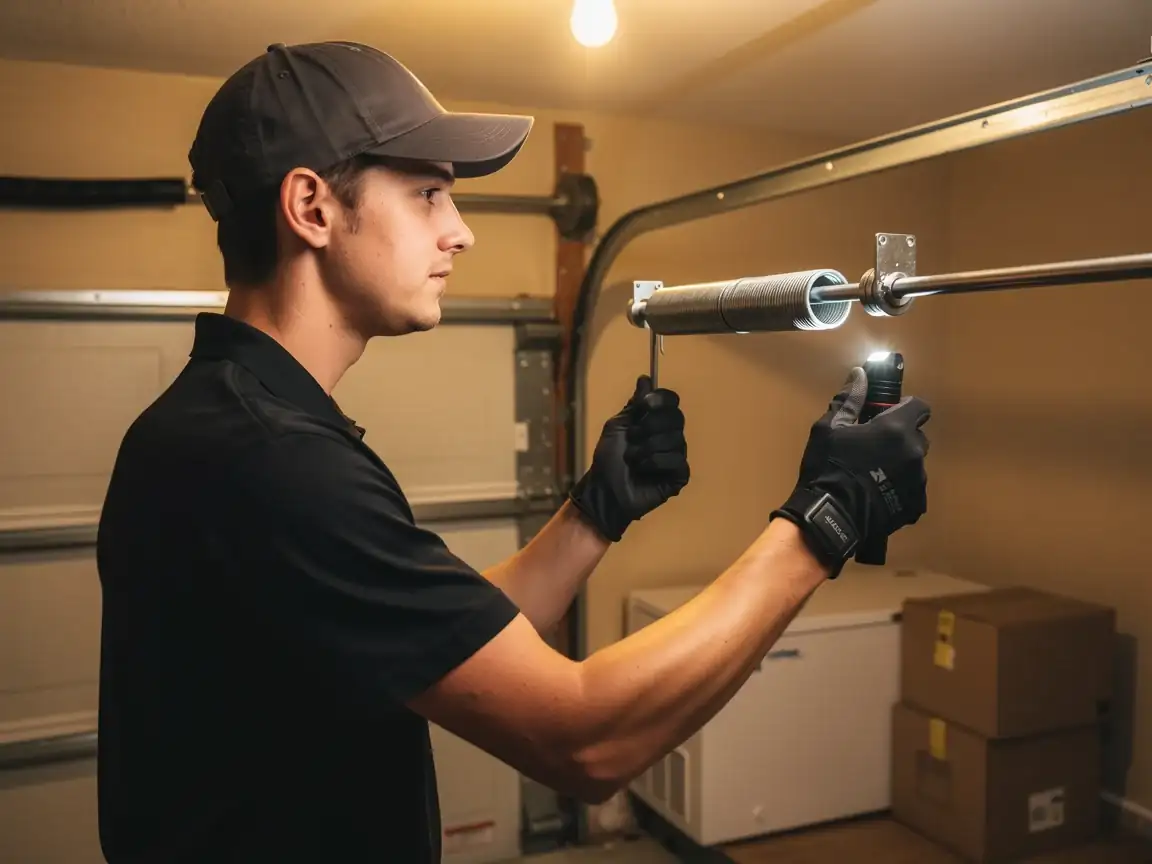
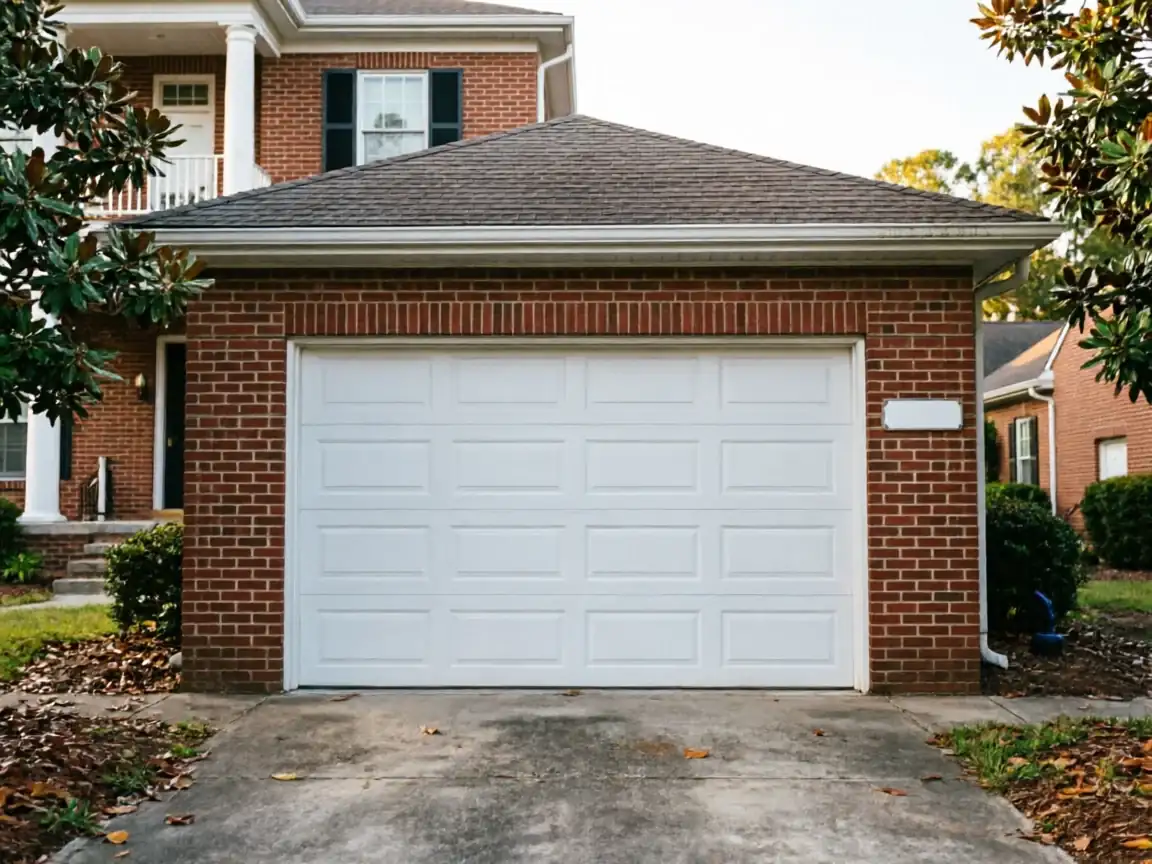
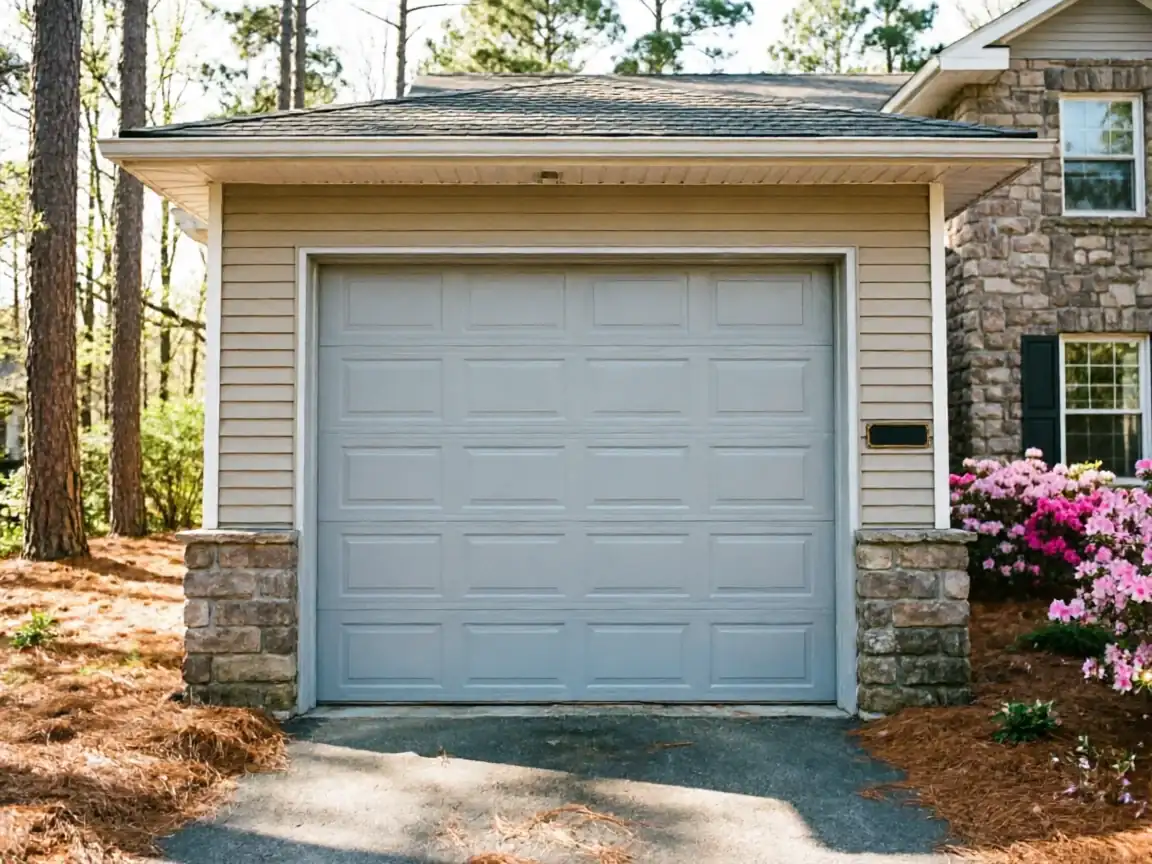
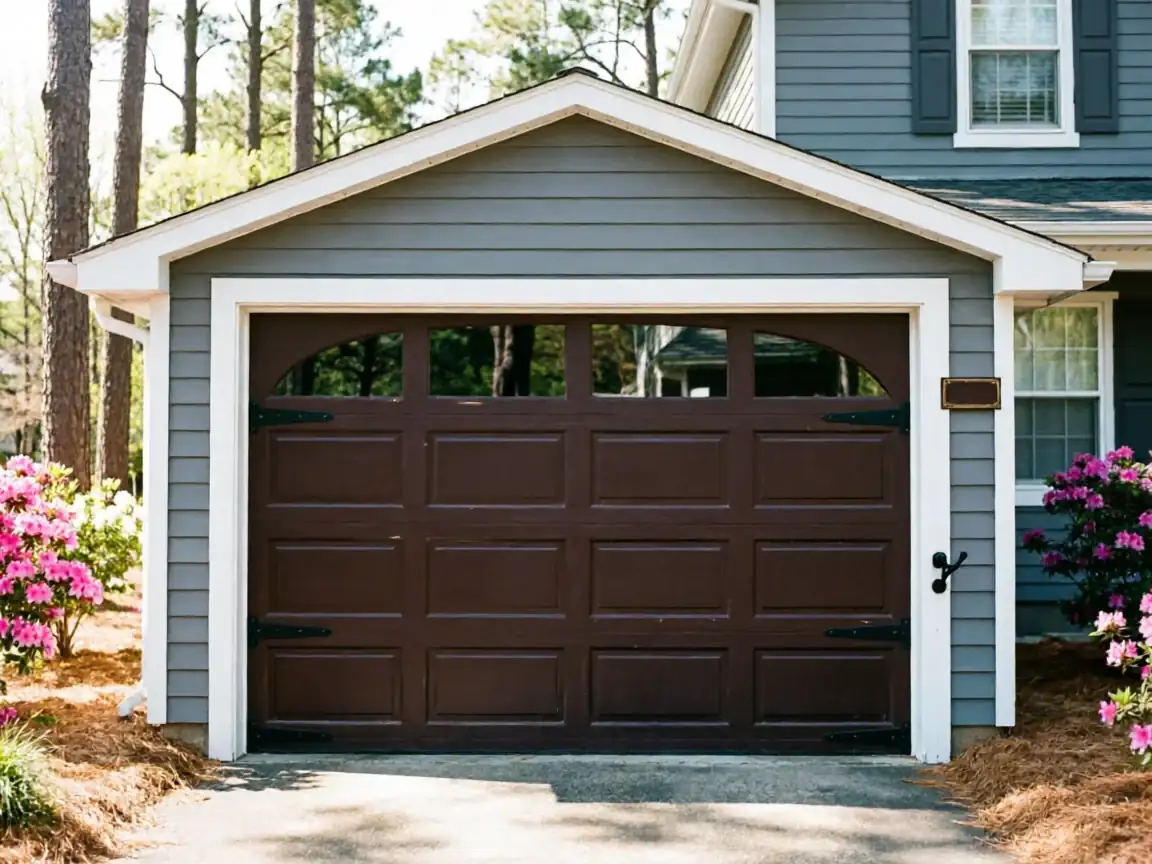
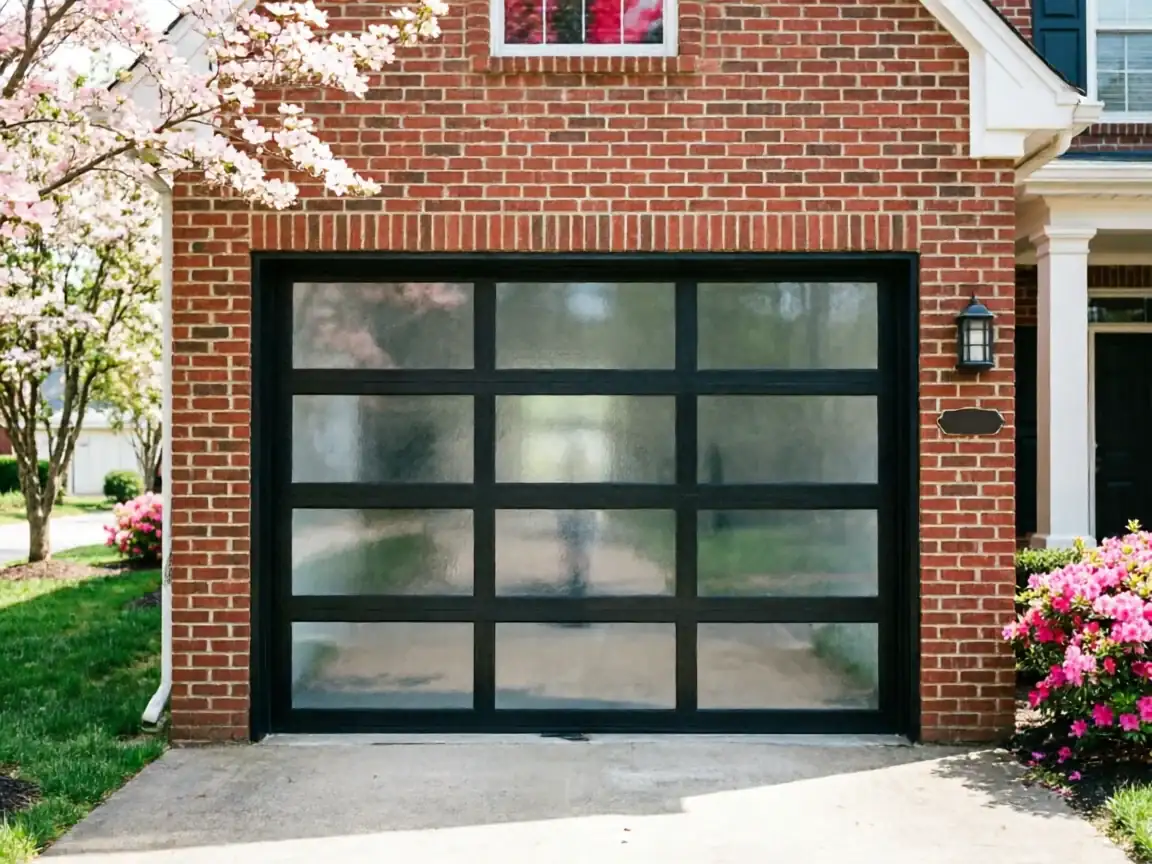
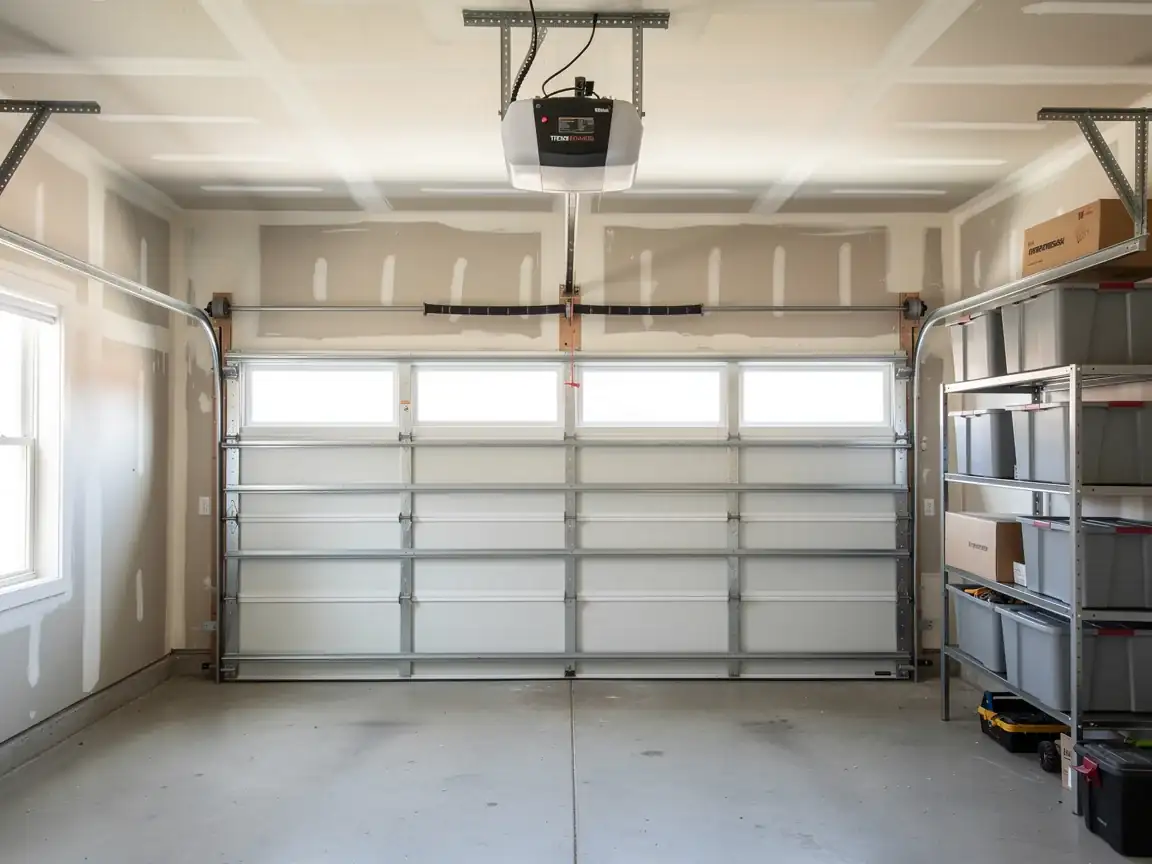
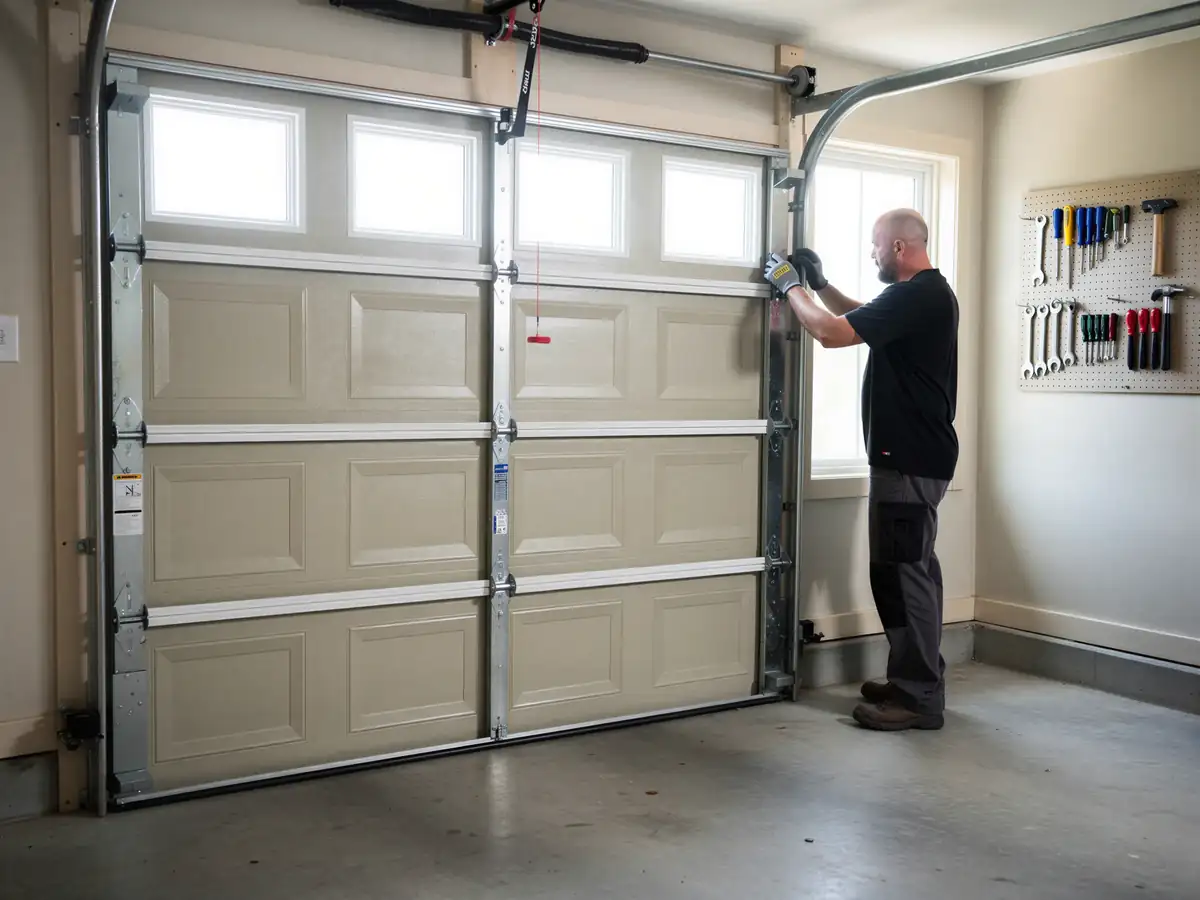
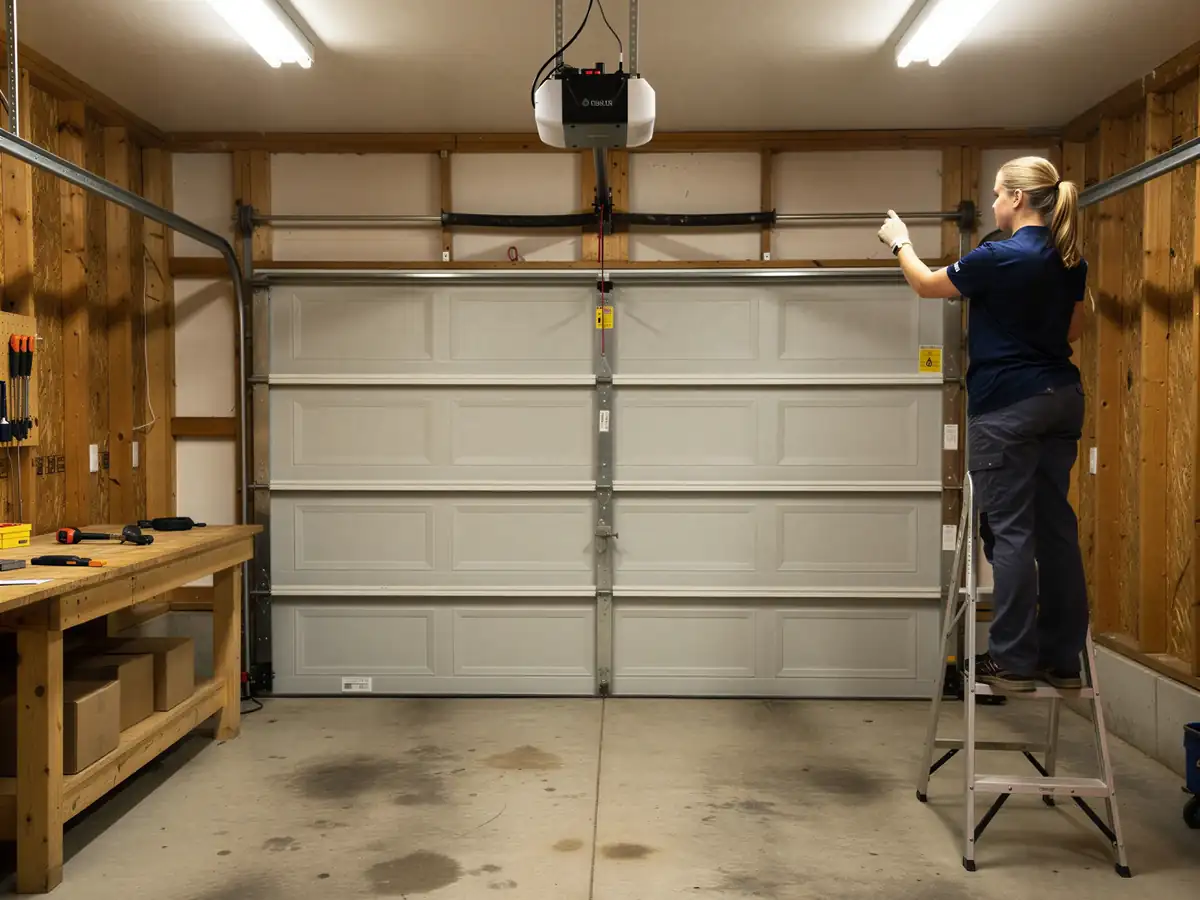
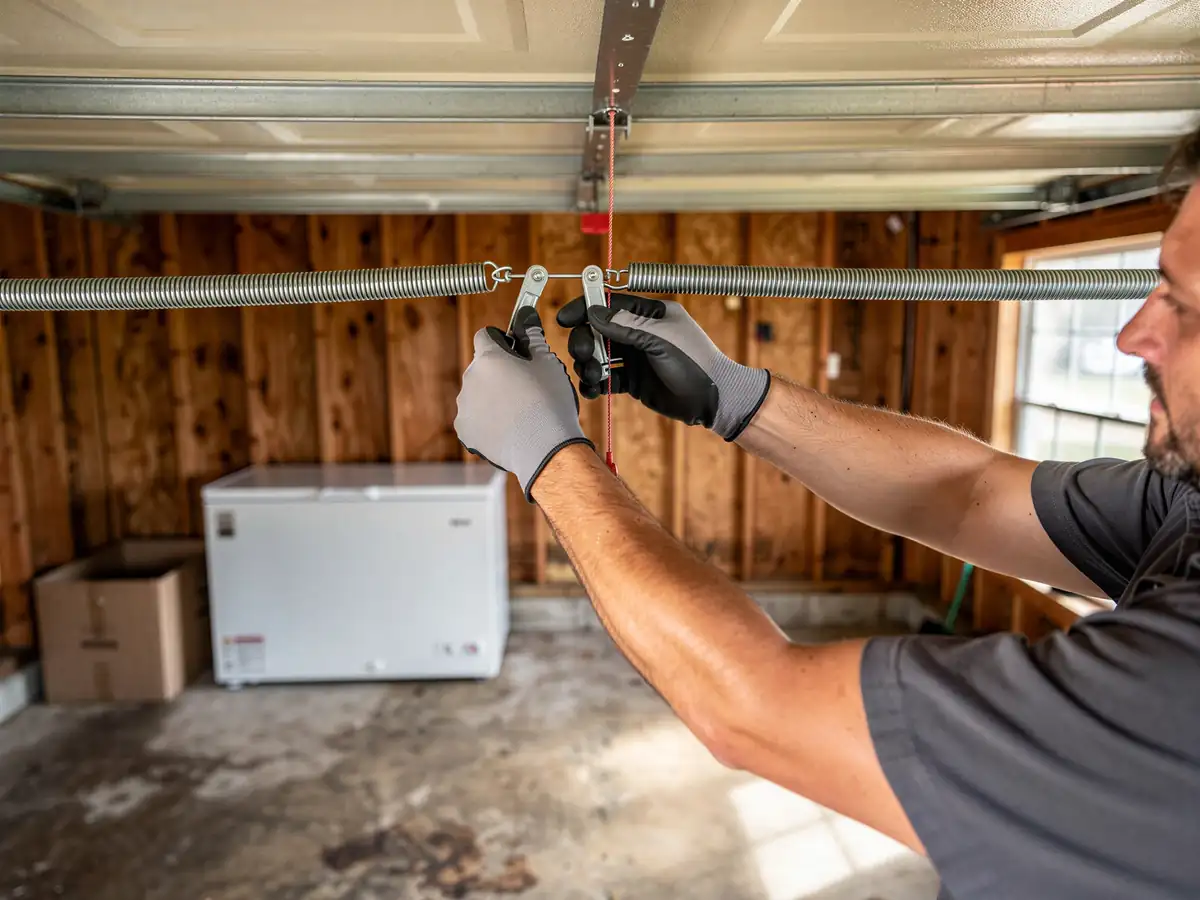
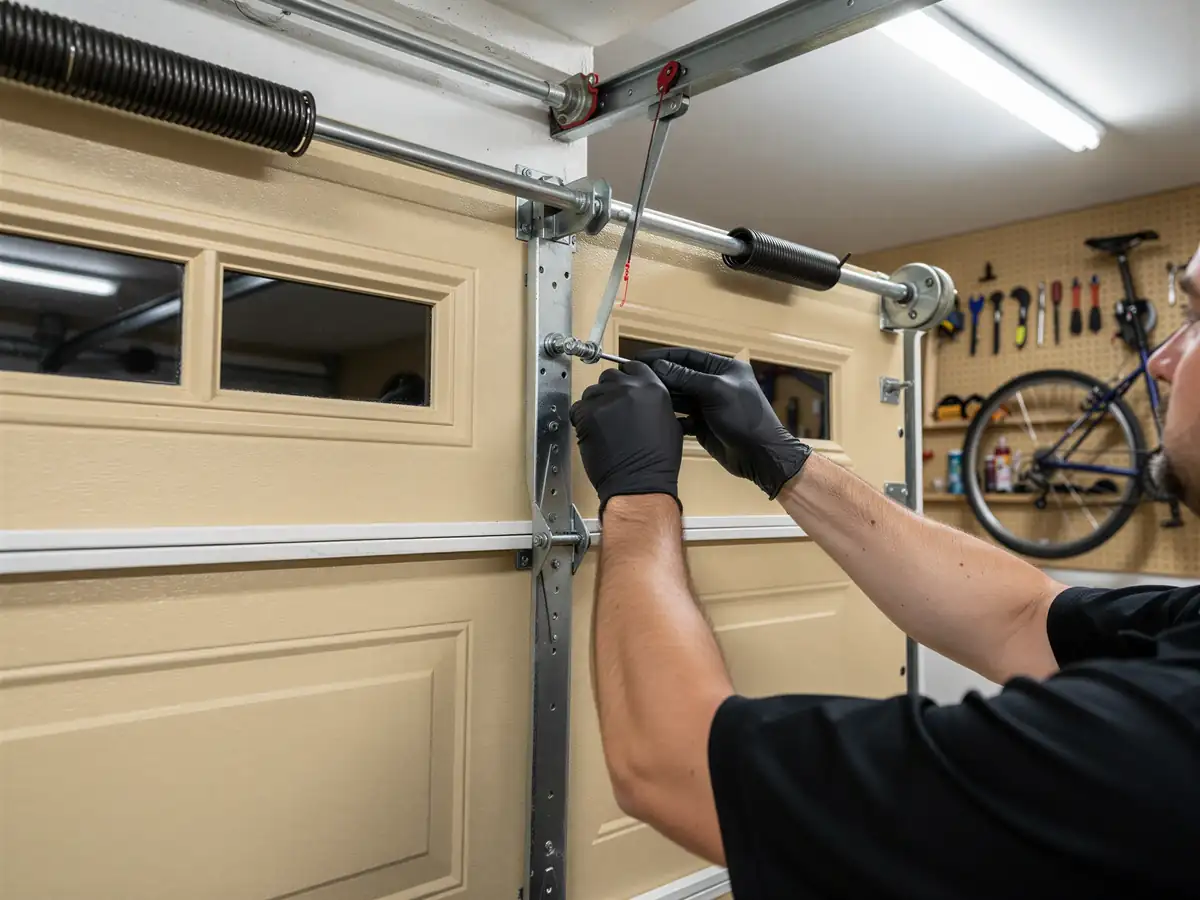
Hopewell's houses went up right around 1985, almost dead center on the service area's median build year of 1984. That matters more than it sounds like it should, because it means the door on a Hopewell garage is almost never the same animal as one going up today in a new Cleveland subdivision. You're looking at a steel sectional door from the mid-80s to early-90s run, torsion springs sized for the older wind-load tables, and openers that have already been swapped once or twice since the house was built. We carry the torsion springs, extension springs, rollers, and cable sizes that era of door actually uses, not just whatever ships fastest for brand-new construction. Hinges and end bearings for the original steel panel sets are on the truck too, since those wear out long before the panel itself gives up. What we don't stock is anything custom-ordered - wood-composite panels, odd glass-insert sections, or discontinued opener logic boards. If a Hopewell door needs one of those, we tell you up front it's a special order, not a same-visit fix.</br>Hopewell runs about 950 households, a small slice of the roughly 26,126 across the whole area we cover, which is part of why we stage parts for this build era rather than guessing.
What You Pay
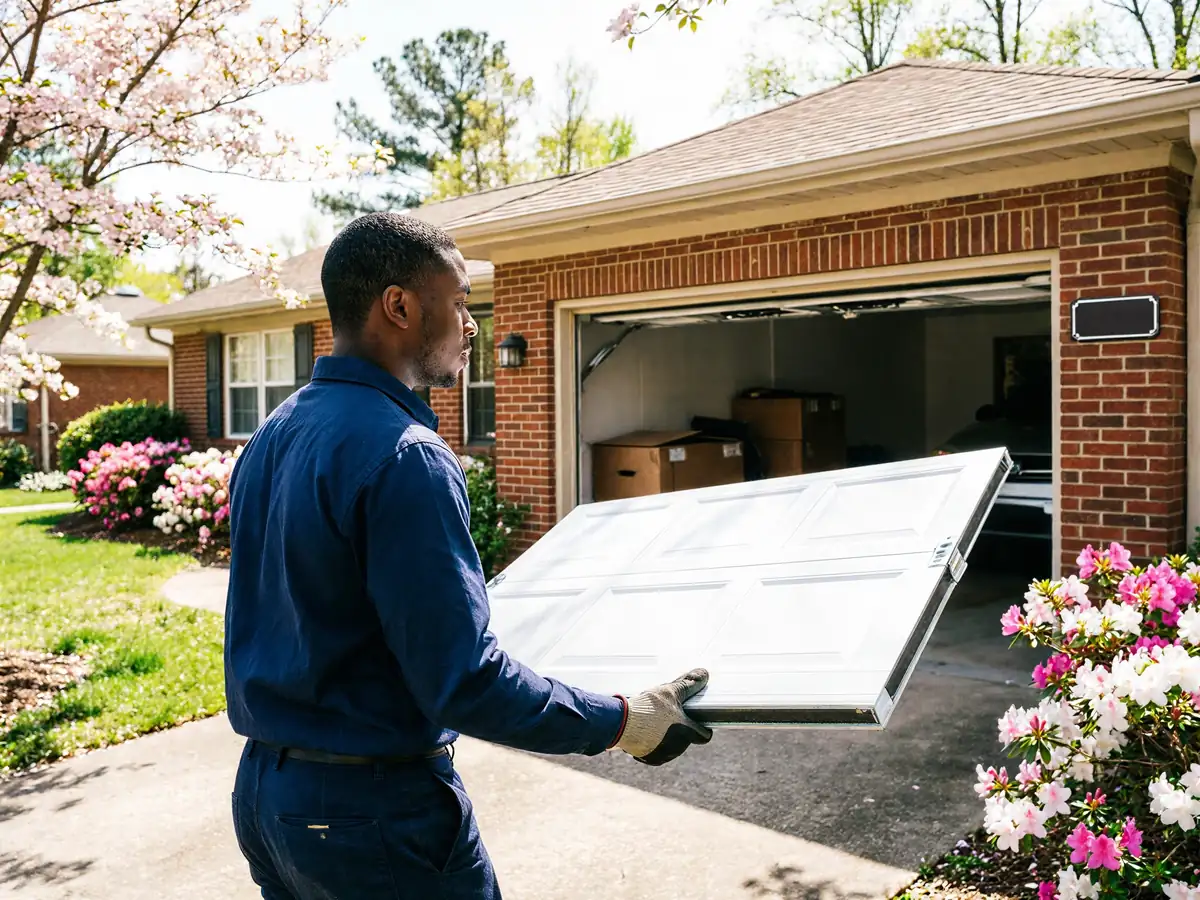
Hopewell's median household income runs $85,461, noticeably higher than the $64,756 median across the rest of the service area we cover. We don't price jobs differently by zip code - a torsion spring replacement costs what it costs regardless of which side of the five miles from Cleveland you're on - but it's worth knowing that income difference shows up in what gets requested: more full opener replacements instead of patch repairs, more insulated panel upgrades instead of single-skin steel swaps. If your door is a 1985-era steel sectional with the original hardware, a spring or cable repair is usually the cheaper and more sensible call over a full replacement. Where replacement starts to make more sense is when the track is bent on both sides or the panels themselves have rusted through at the bottom - at that point you're paying for labor twice if you repair now and replace in two years anyway. We'll tell you which situation you're in before we write anything up, not after.
What You Are Seeing
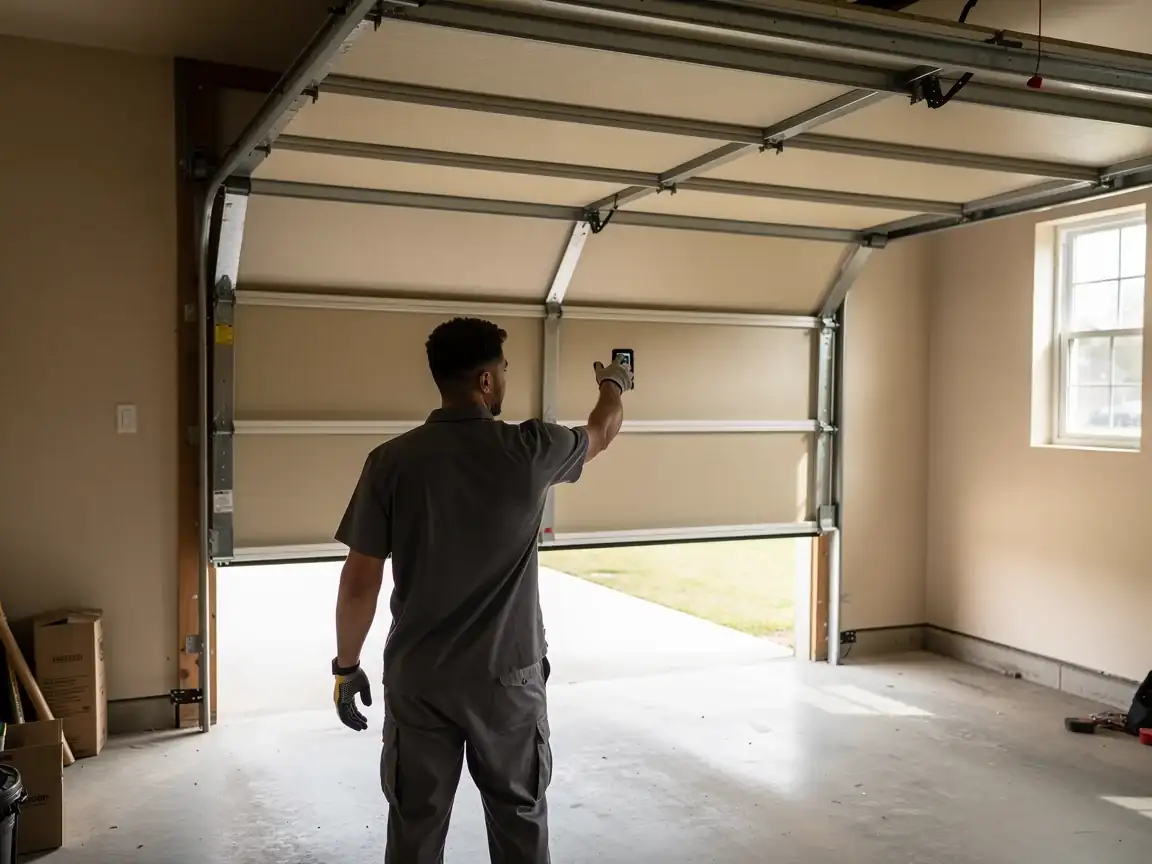
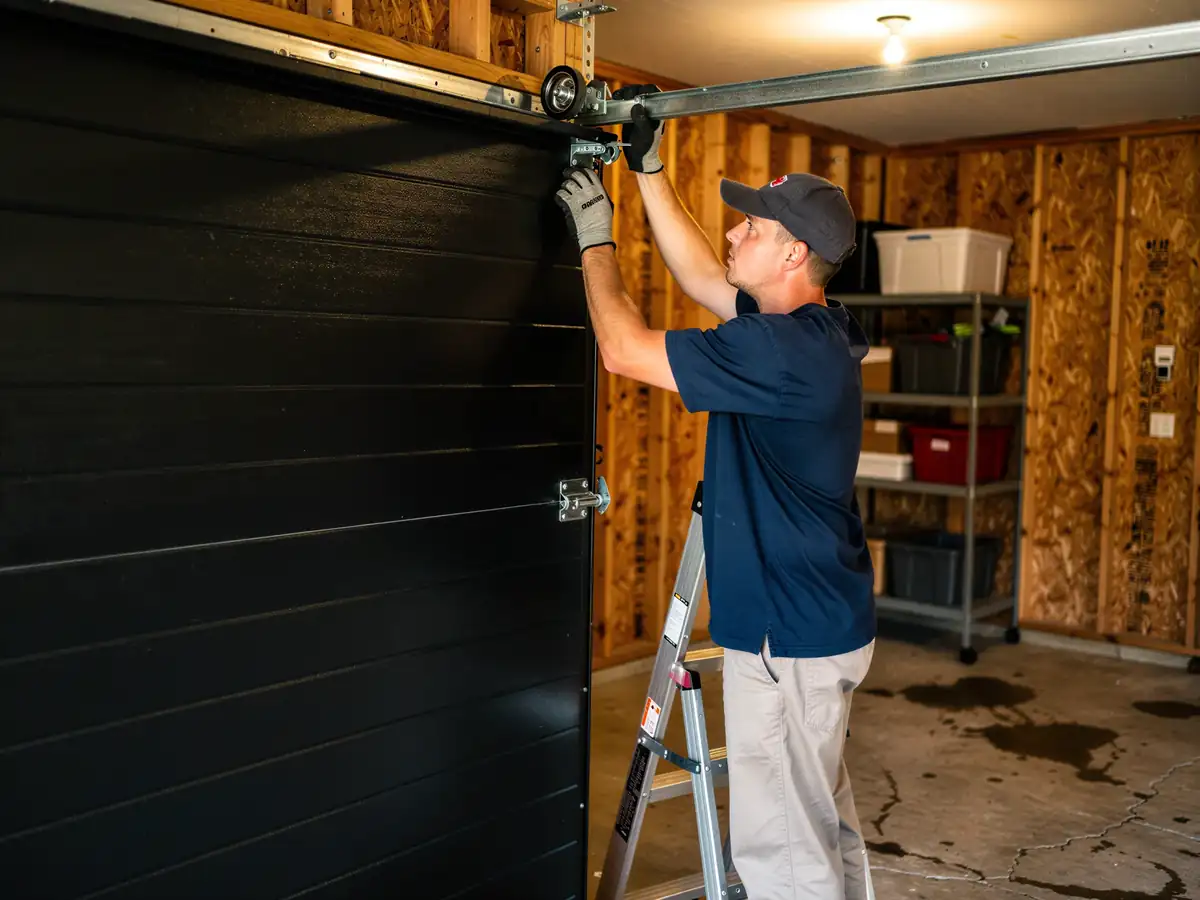
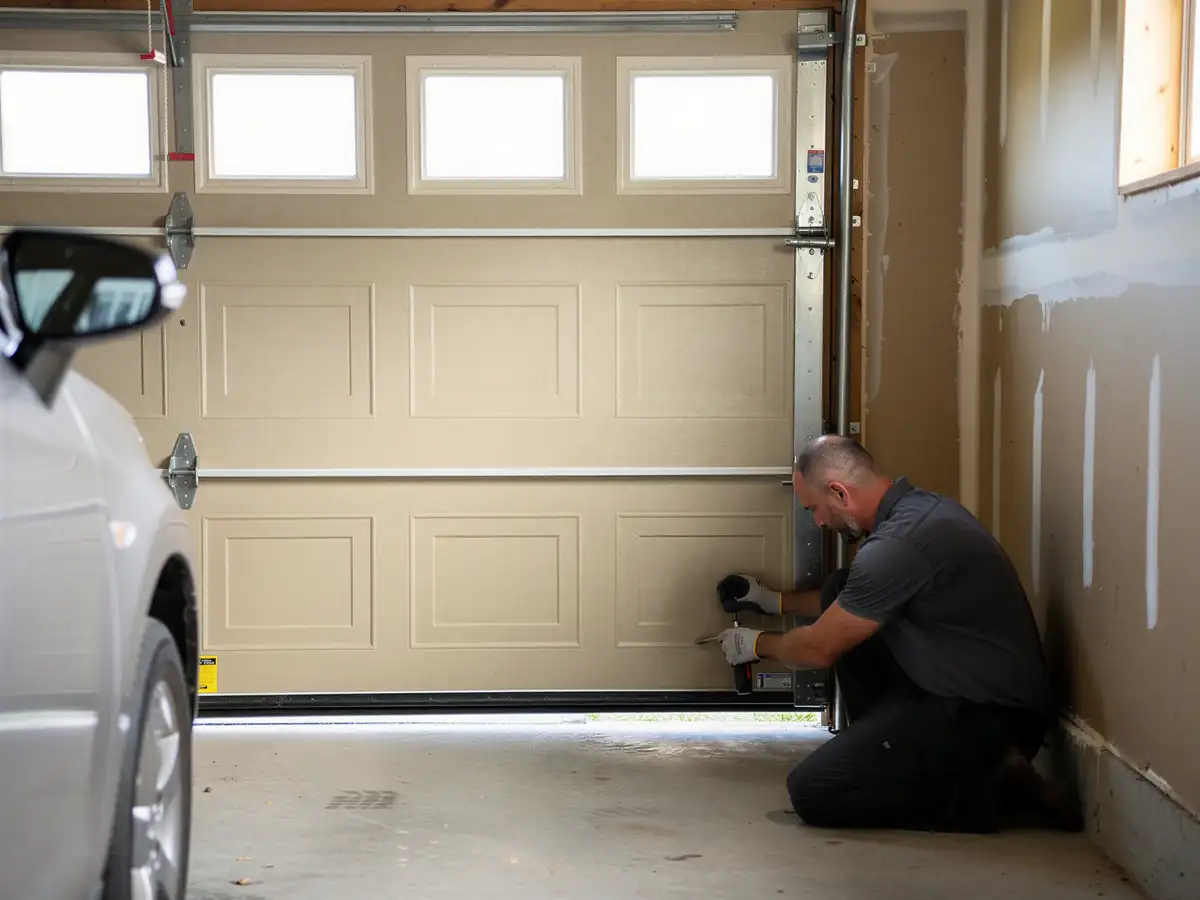
The cold-moderate climate here doesn't bring the kind of extreme freeze-thaw that cracks concrete aprons overnight, but it's enough that steel panels from the 1980s build era have had decades of seasonal swelling and contracting at the seams, which is why you'll often find rust starting at the bottom panel corners before anywhere else. A door that's gotten noticeably heavier to lift by hand, or an opener that strains and reverses partway up, points to a torsion spring that's lost tension - normal wear for a spring that's been cycling since sometime in the 1980s or 90s, not usually a sign anything else is wrong. A door that shudders or walks sideways in the track on the way down is more often a bent track or worn roller than a spring issue. If you're hearing a grinding sound right at the top of the travel, that's frequently the drive gear inside an older chain-drive opener wearing down, not the door itself. None of this is unique to one house - it's the pattern you get across a neighborhood where most garages were built within a few years of each other.