How We Fix It
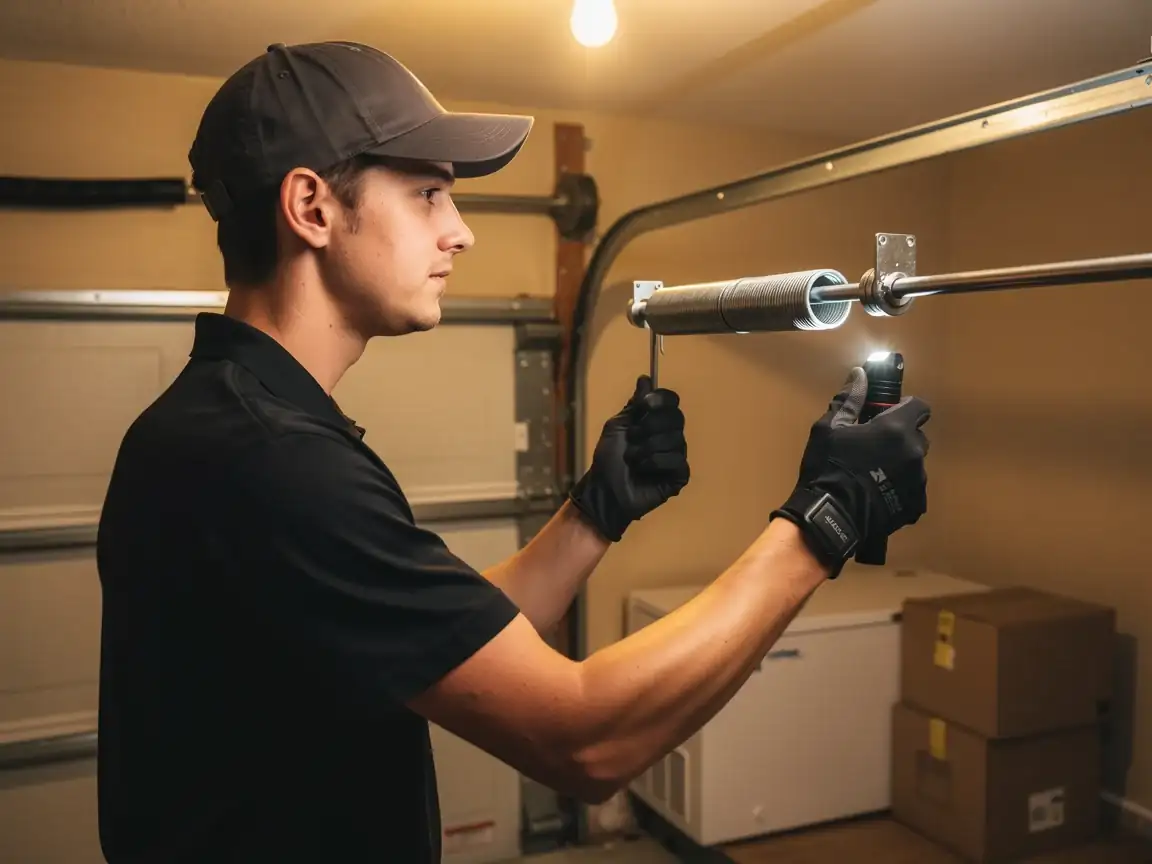
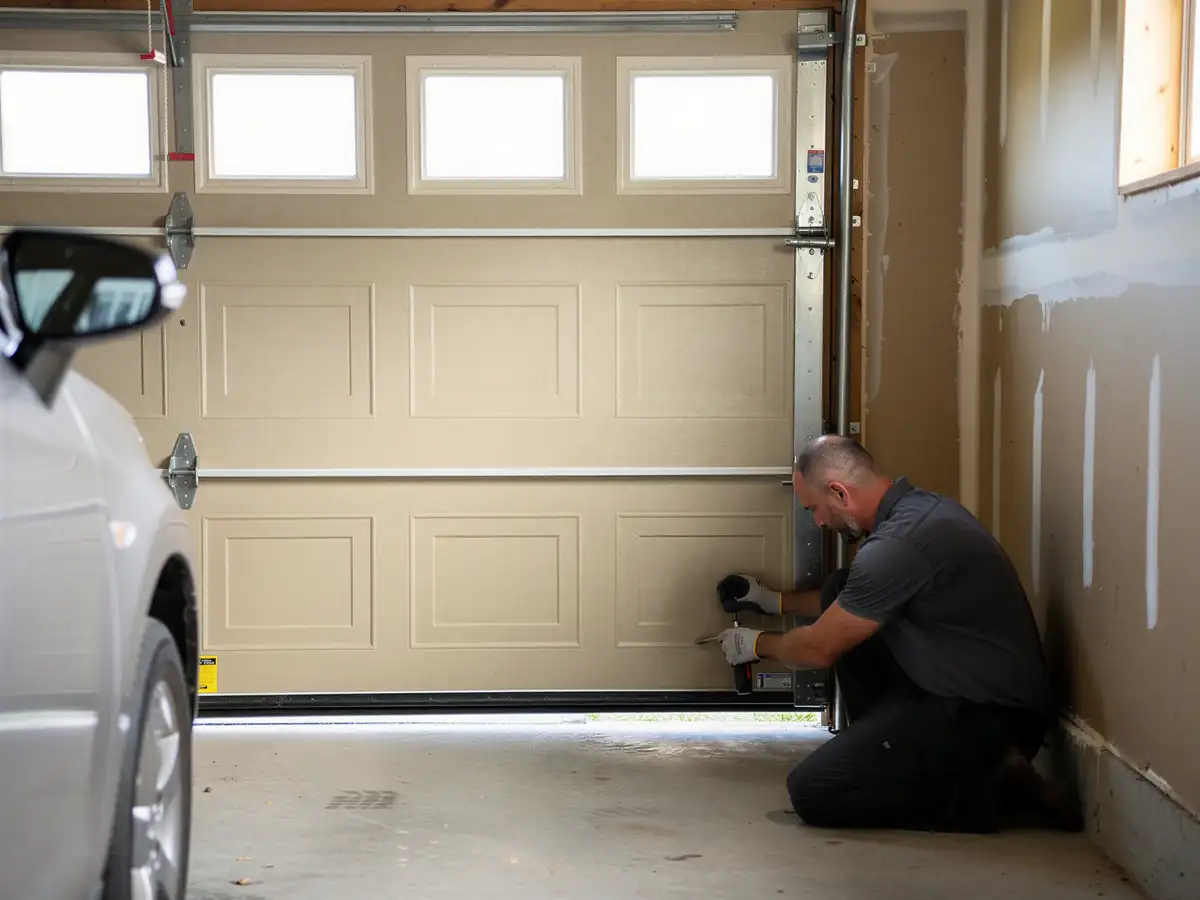
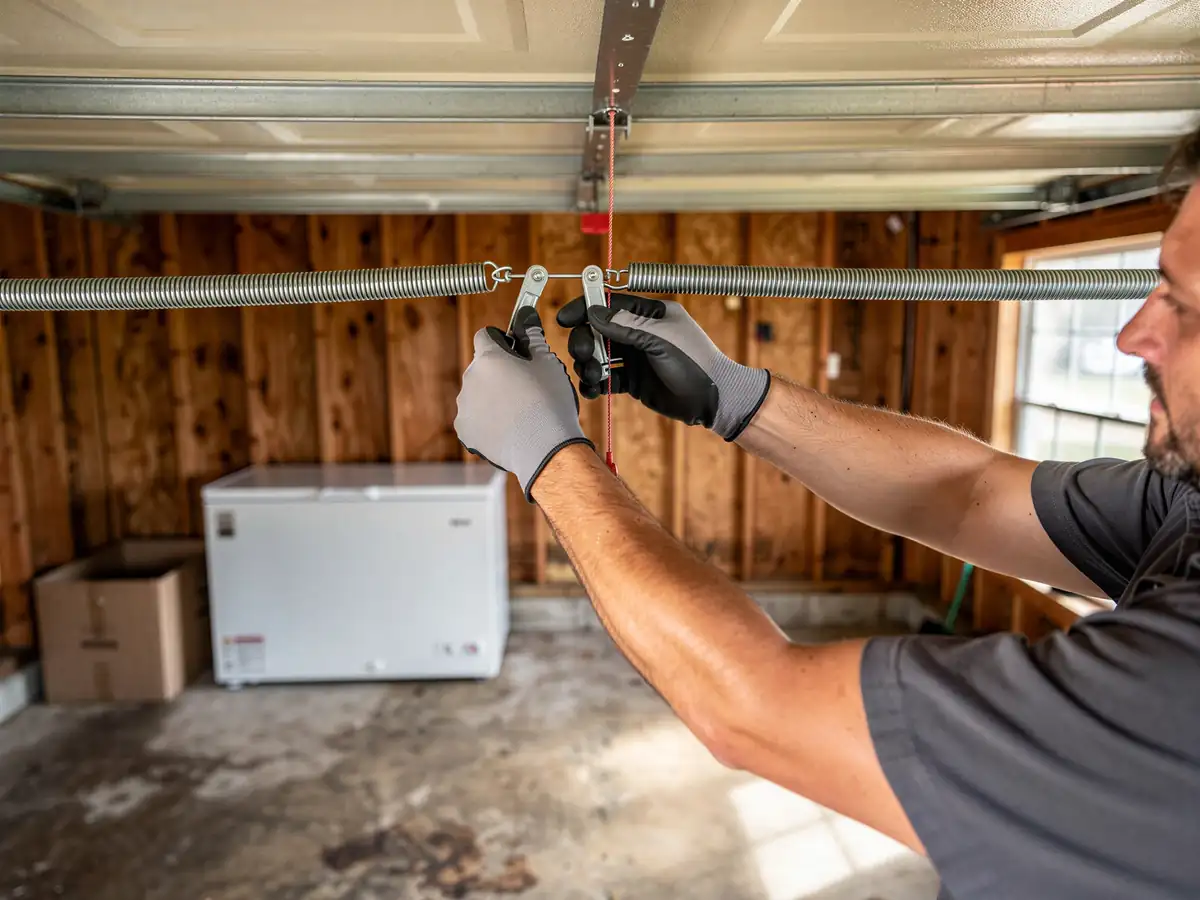
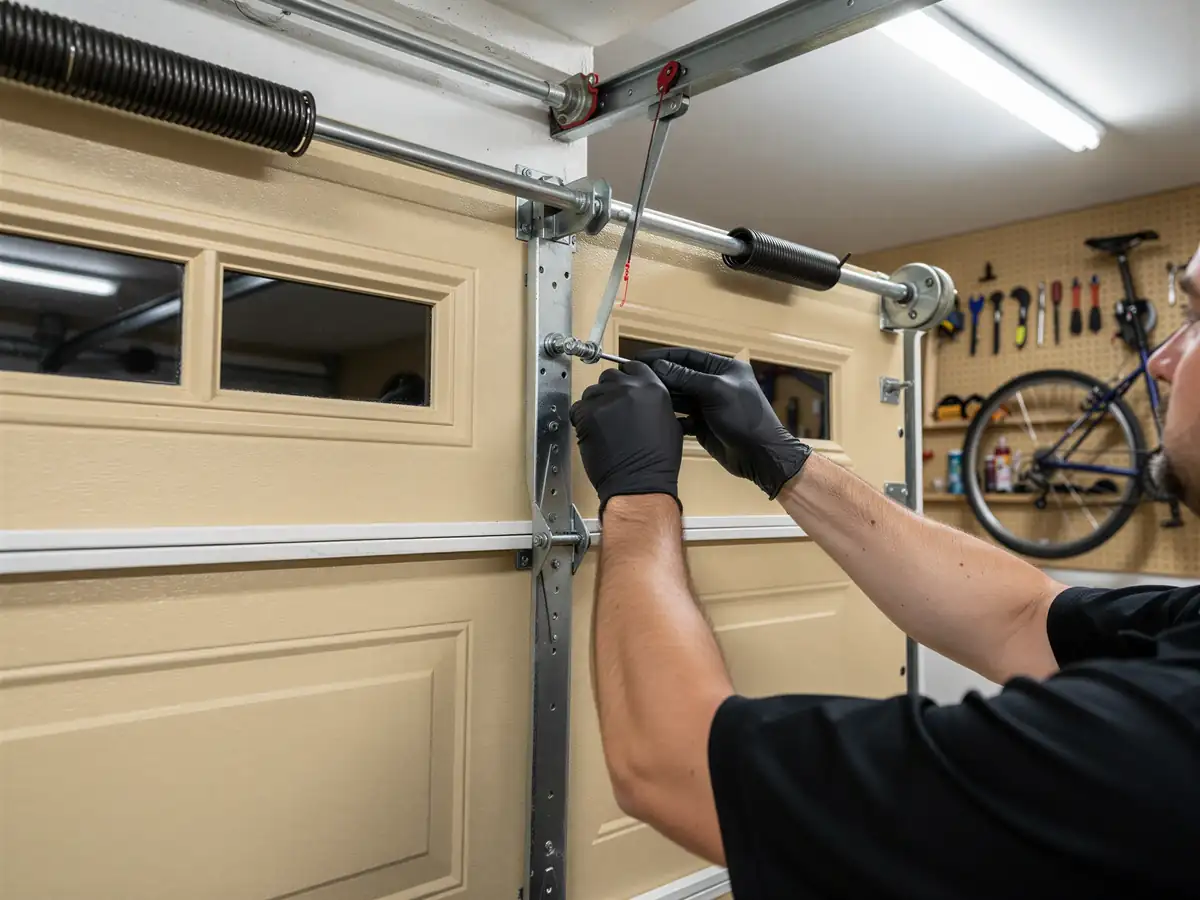
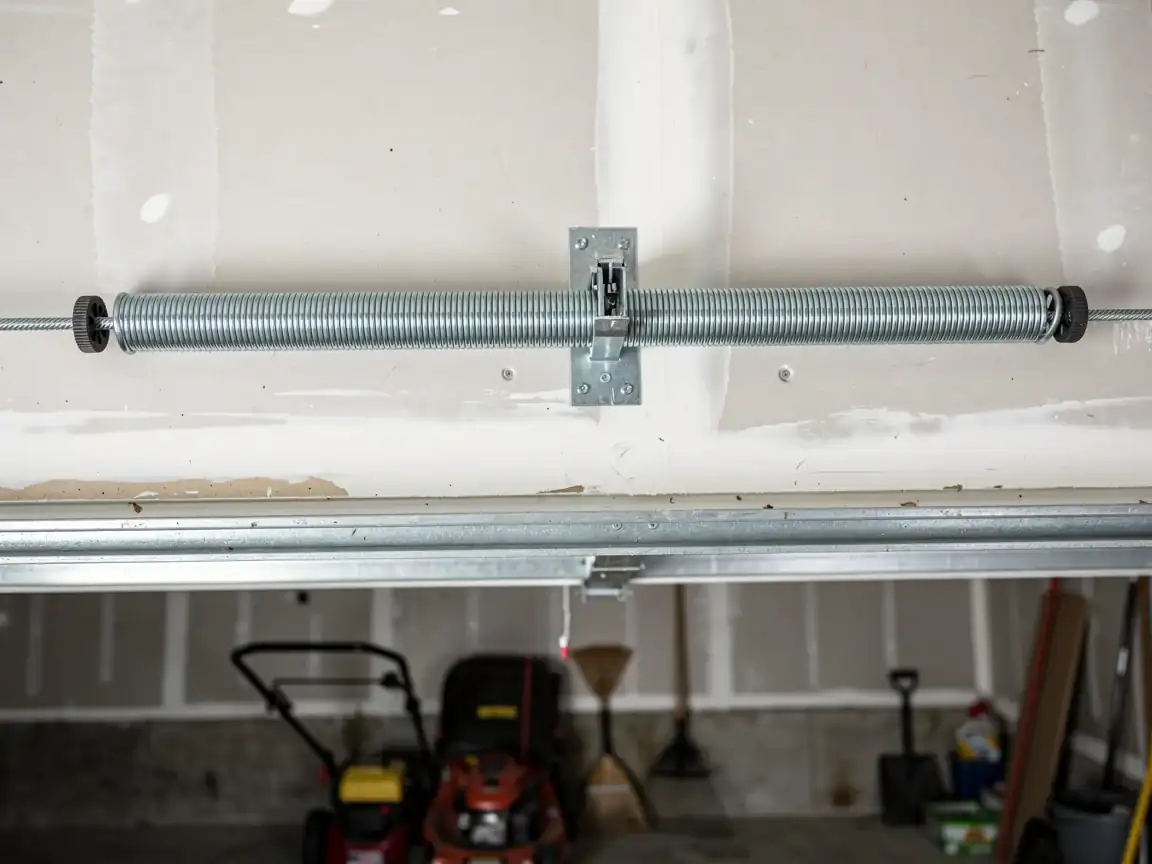
Most calls we get in Cleveland start the same way: the door won't go up, or it goes up and slams back down. We test the spring tension first, because a torsion spring that's lost its wind is the single most common reason a door won't lift on its own. If the spring's intact but weak, we re-tension it. If it's cracked or stretched past spec, we replace the pair - springs get sold and wound in sets for a reason, and running one old and one new throws the balance off again inside a year.
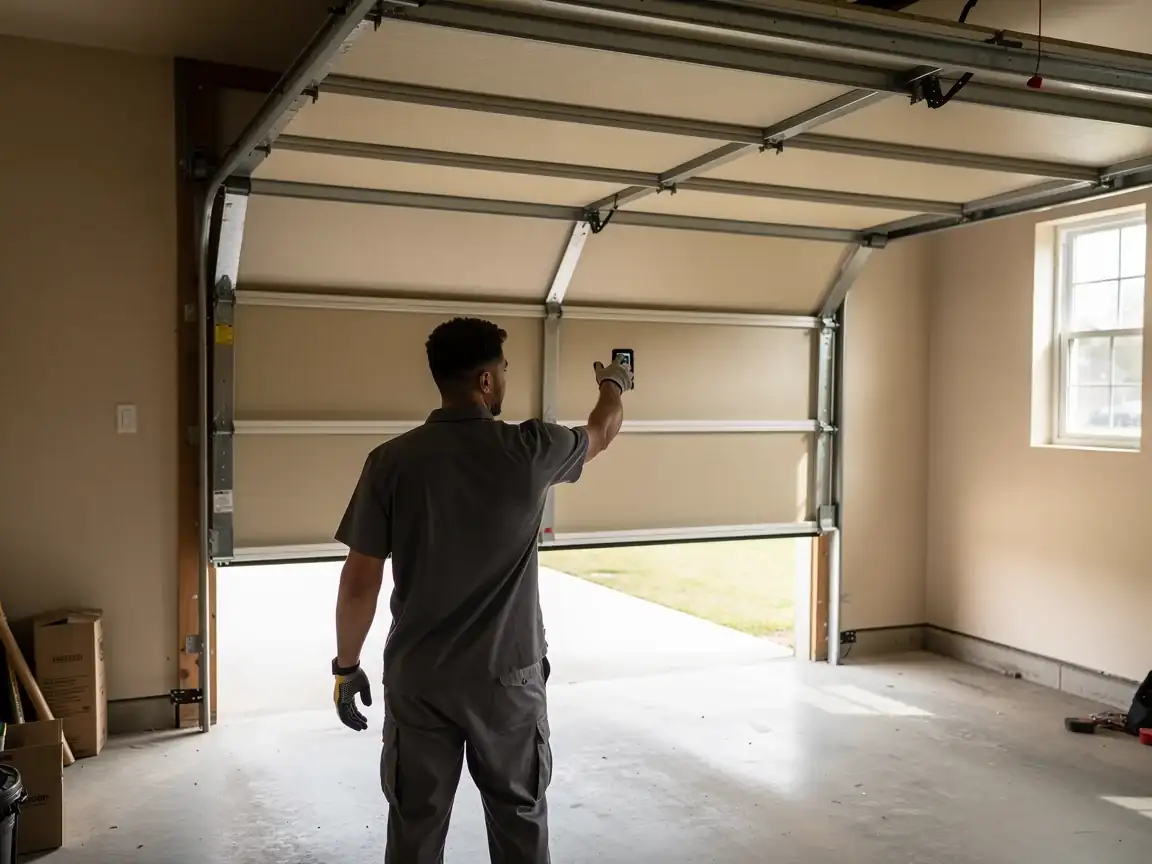
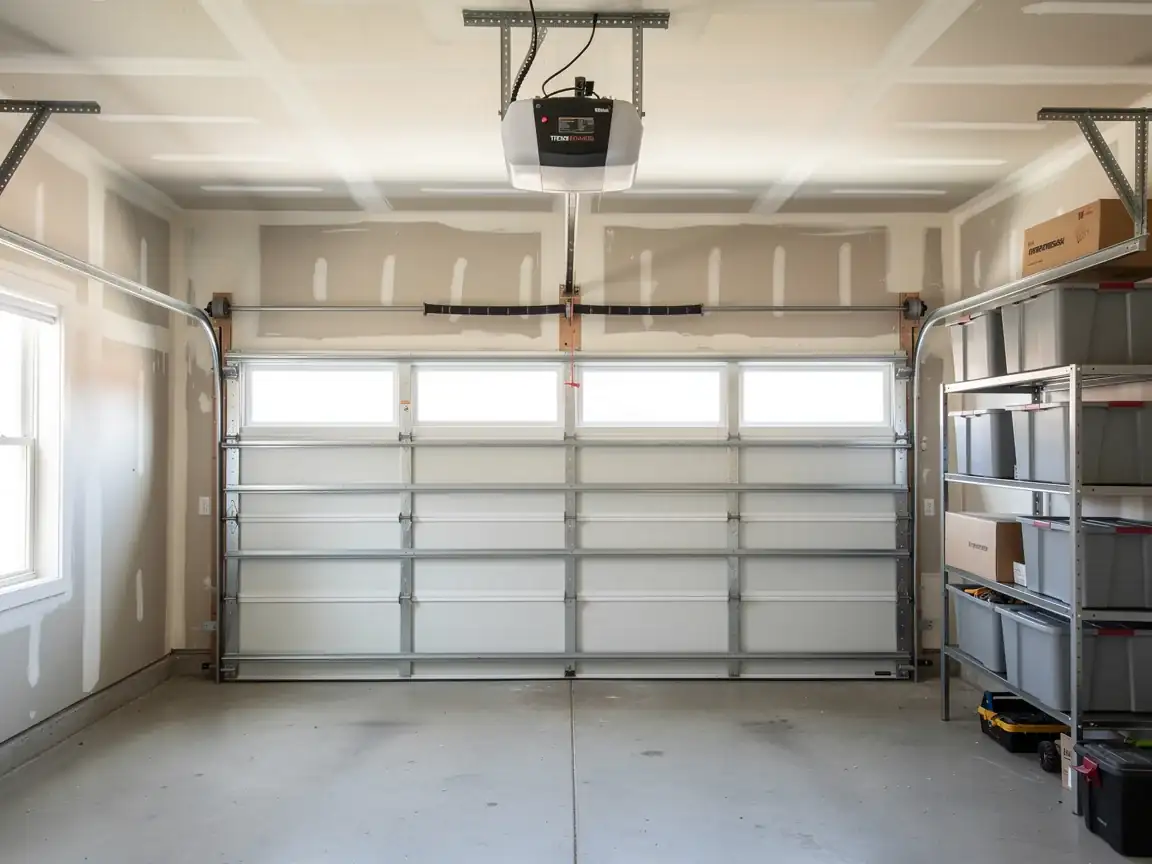
From there we move to the opener. A lot of the houses in this service area went up between 1967 and 2004, with the bulk clustered in the 1980s and 90s, and that means a lot of original or first-replacement openers are well past their working life. Gears strip, drive screws wear, logic boards get flaky in the cold. If the opener's the problem, we say so rather than re-selling you a spring job that won't fix it.
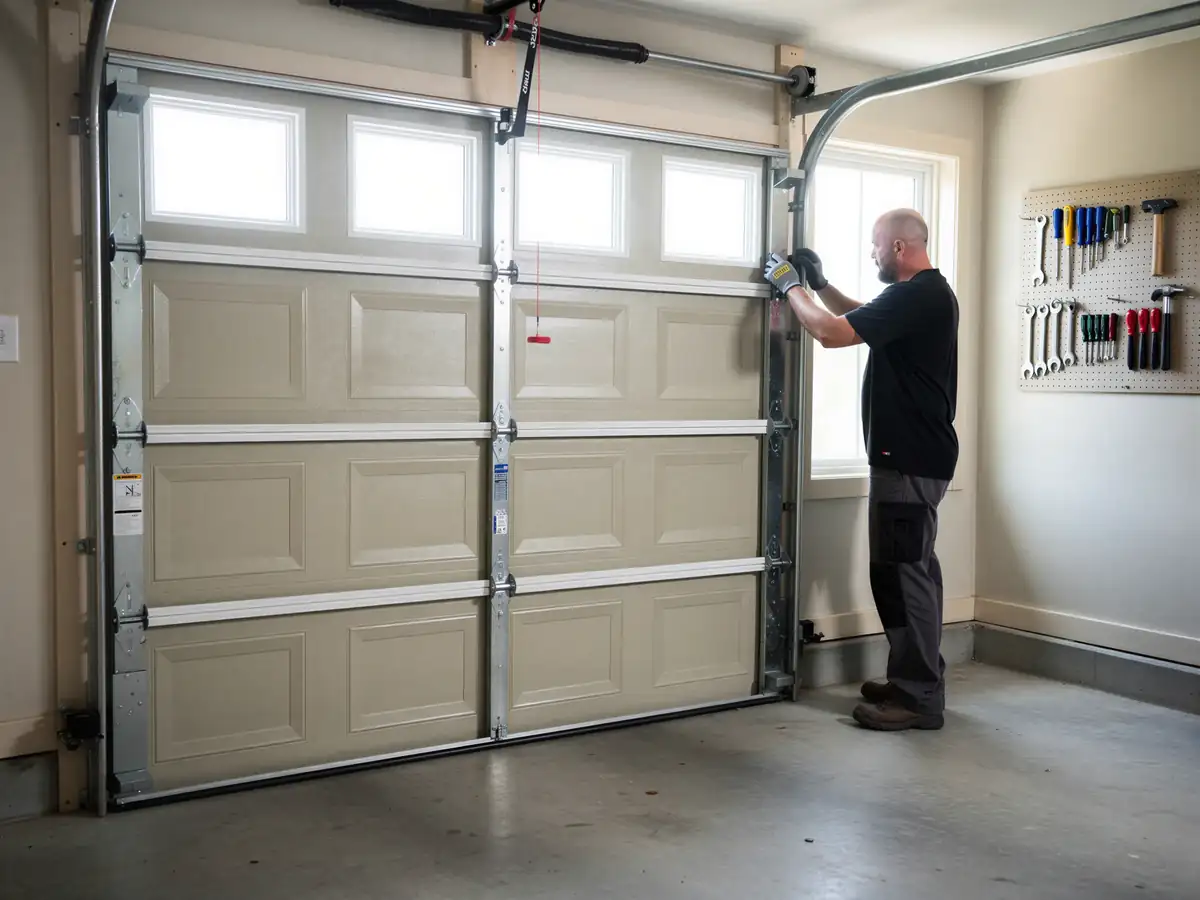
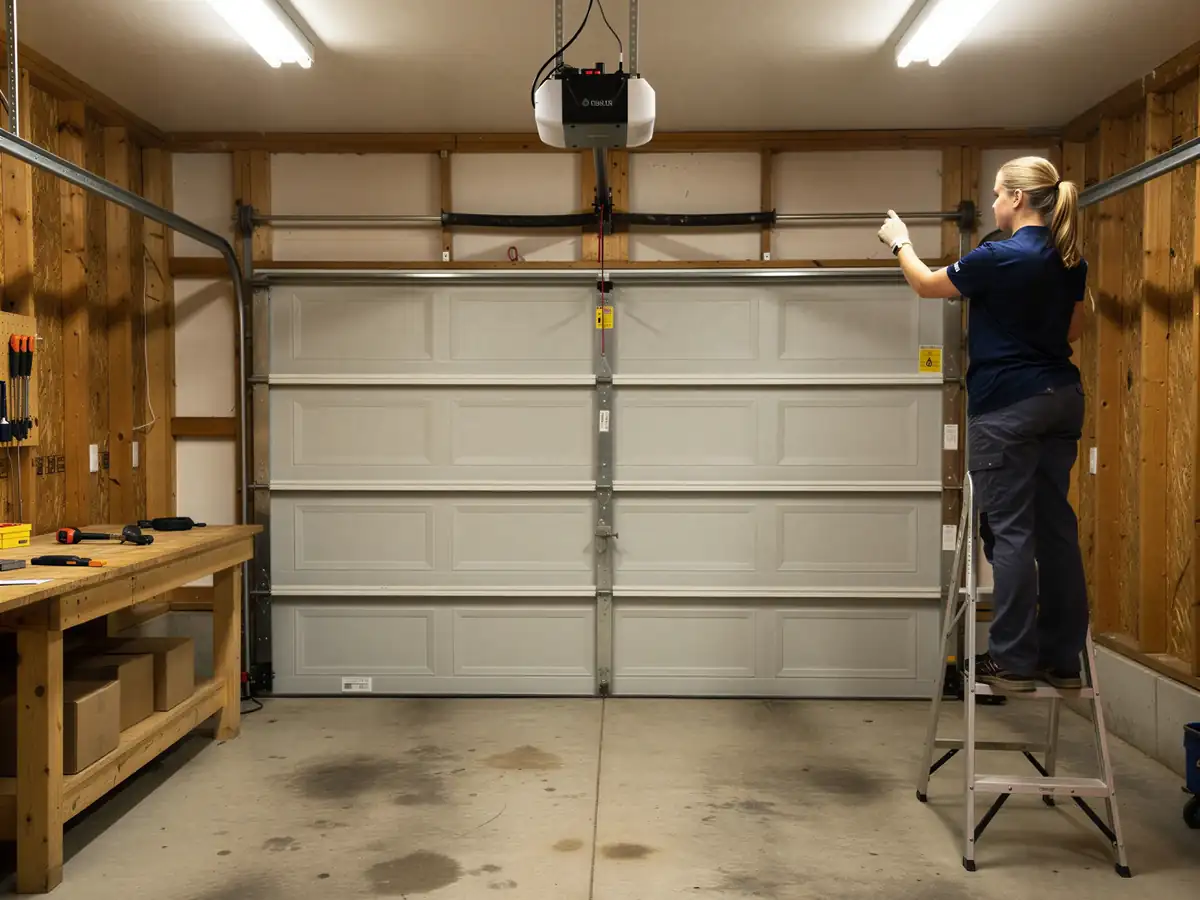
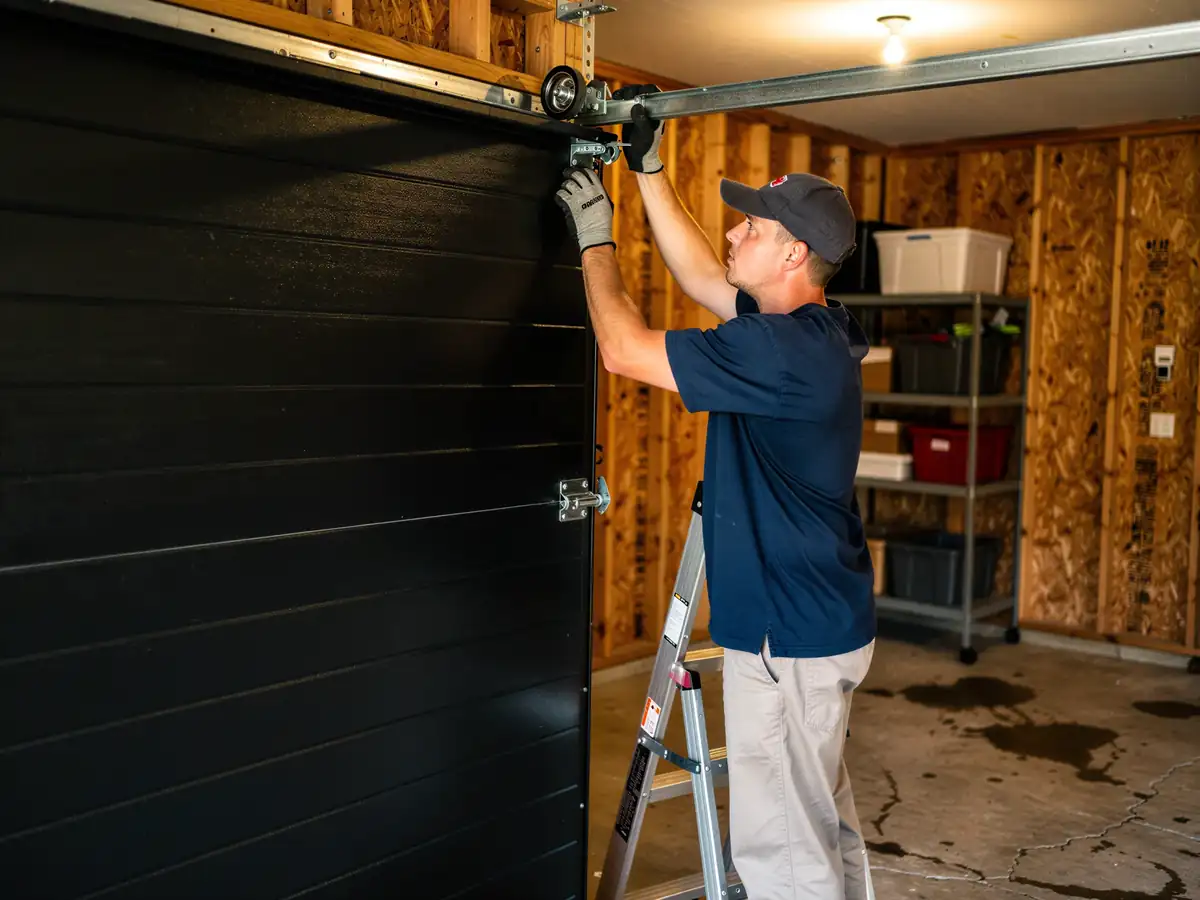
Last, we check the track and rollers. On older steel track, years of temperature swings loosen the mounting brackets at the top, and that shows up as a door that binds or walks sideways as it travels. We re-square and re-bolt before we touch anything else - a door that's out of alignment will chew through a new spring just as fast as the old one.
Why It Happens Here
Housing across the Cleveland area runs 1967 to 2004
With the median build year sitting around 1984, and the twelve named areas we work - East Cleveland, Hopewell, South Cleveland, Wildwood Lake, and the rest out past Benton and Ooltewah - are mostly that same 1980s-90s stock. That matters because garage door hardware from that era was built to a lower cycle-count spec than what goes in today, and a lot of it has never been swapped out, just patched.
The climate band here is cold-moderate, not the deep freeze you'd get further north
But still enough seasonal swing to matter. Steel torsion springs lose a measurable amount of tension as the metal contracts in cold weather, and a spring that was already near the end of its wind count in October is the one that snaps in January. Openers see the same stress - the logic boards and sensor eyes that work fine at 70 degrees get sluggish or throw false readings once the garage drops into the 30s overnight.
So the pattern we see locally isn't random
It's 1980s-vintage hardware meeting a cold snap, on a door that's already carrying thirty-plus years of open-and-close cycles. That combination is why spring and opener failures cluster hard here in the colder months.
Can You Do This Yourself
Checking the obvious stuff yourself is fine and saves you a call: make sure the opener's plugged in, check the wall switch isn't tripped, look for anything blocking the photo-eye sensors near the floor. Those three things account for a fair share of "it won't open" calls that aren't actually broken doors.
What you should not do is touch the torsion spring. It's wound under enough tension to break bones if it lets go while you're working on it, and there's no safe way to learn that lesson on your own garage. Same goes for the cables - if one's frayed or has come off the drum, that's a call-us job, not a weekend project.
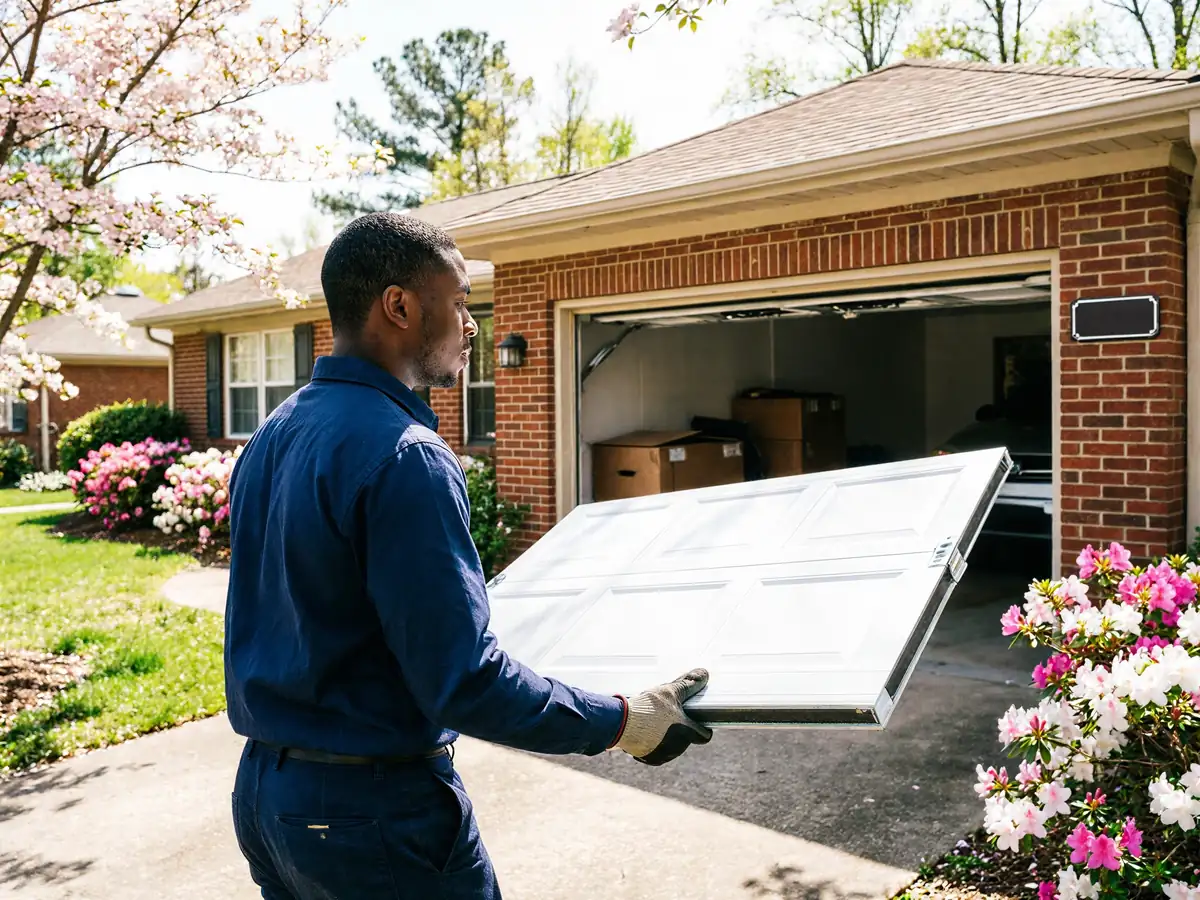
We'll also tell you straight when a repair isn't worth it. If you've got an opener from the original build and it's the third failure in two years, or a door with enough rust and dents that the panels won't hold a new spring's tension evenly, replacing beats repairing. We'd rather tell you that up front than keep billing you for patches on a door that's done.
What You Are Seeing
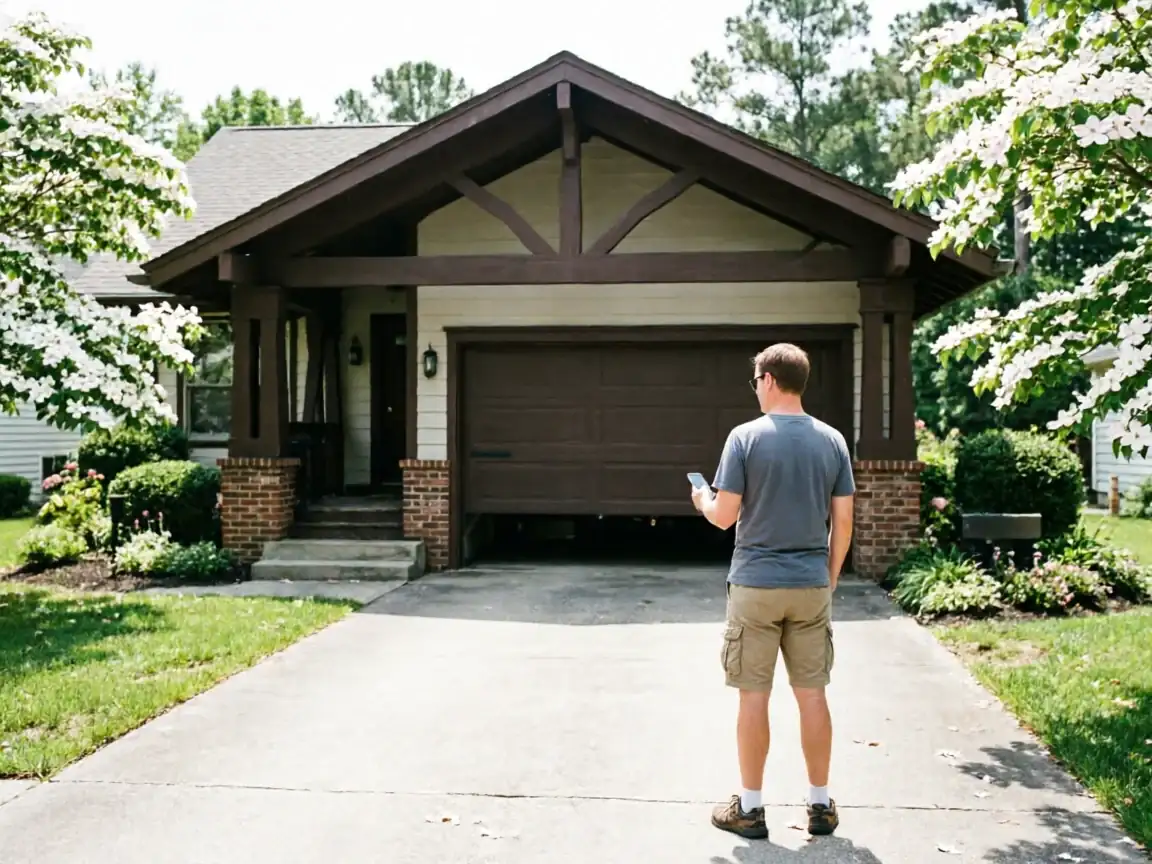
A door that opens partway and stops, or that you have to help lift by hand, is almost always a spring that's lost tension - common on the older stock around East Cleveland and South Cleveland where original hardware is still in place. A door that reverses right after it touches the floor usually means the close-force setting on the opener has drifted, or the travel limits need resetting; that's an opener issue, not a spring issue.
Grinding or popping when the door moves points to the rollers or the track brackets, especially on houses from the 1980s-90s run where steel track has had decades to work loose at the lag bolts. A door that's noticeably harder to open on cold mornings than on warm afternoons is the climate effect on an aging spring - it's not your imagination, and it's usually a sign the spring is close to the end of its life rather than just stiff.
If the opener light blinks a set number of times and won't run, that's a diagnostic code, and it's worth noting the count before you call - it tells us what the board's seeing before we even get there.