How We Fix It
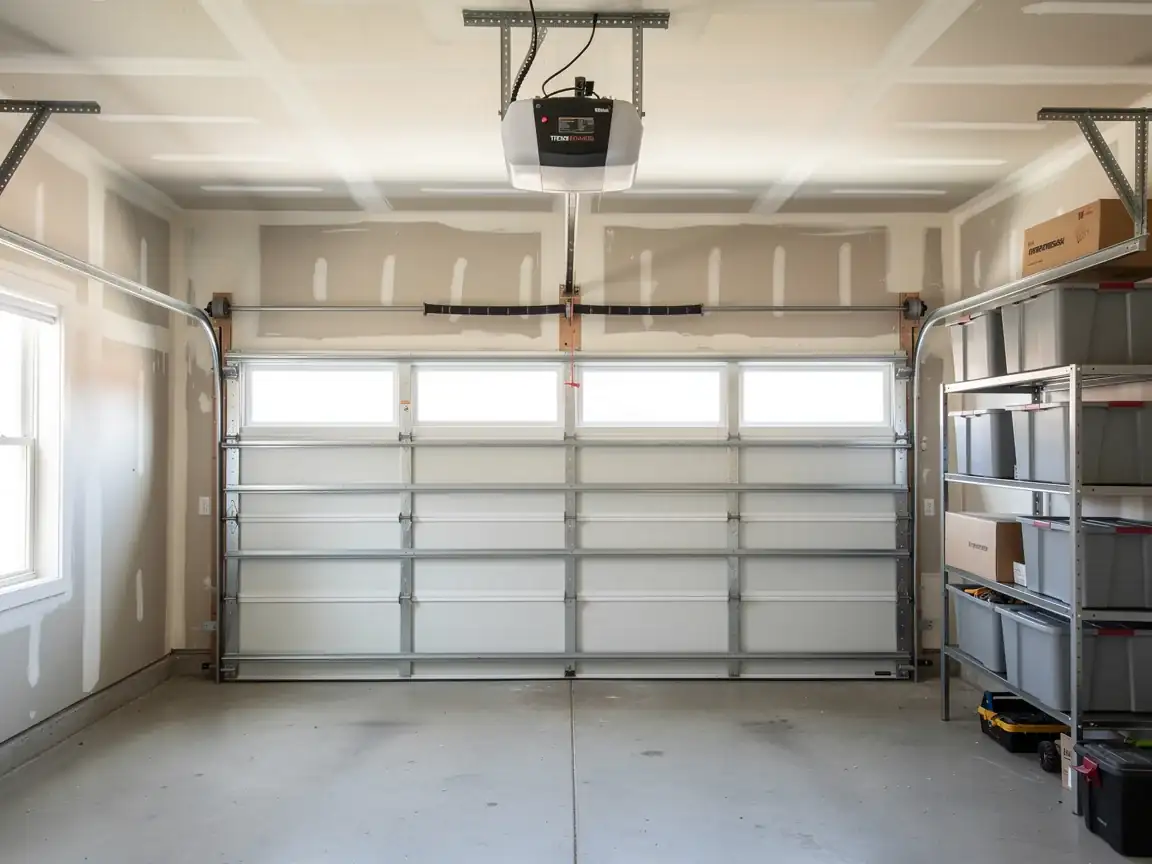
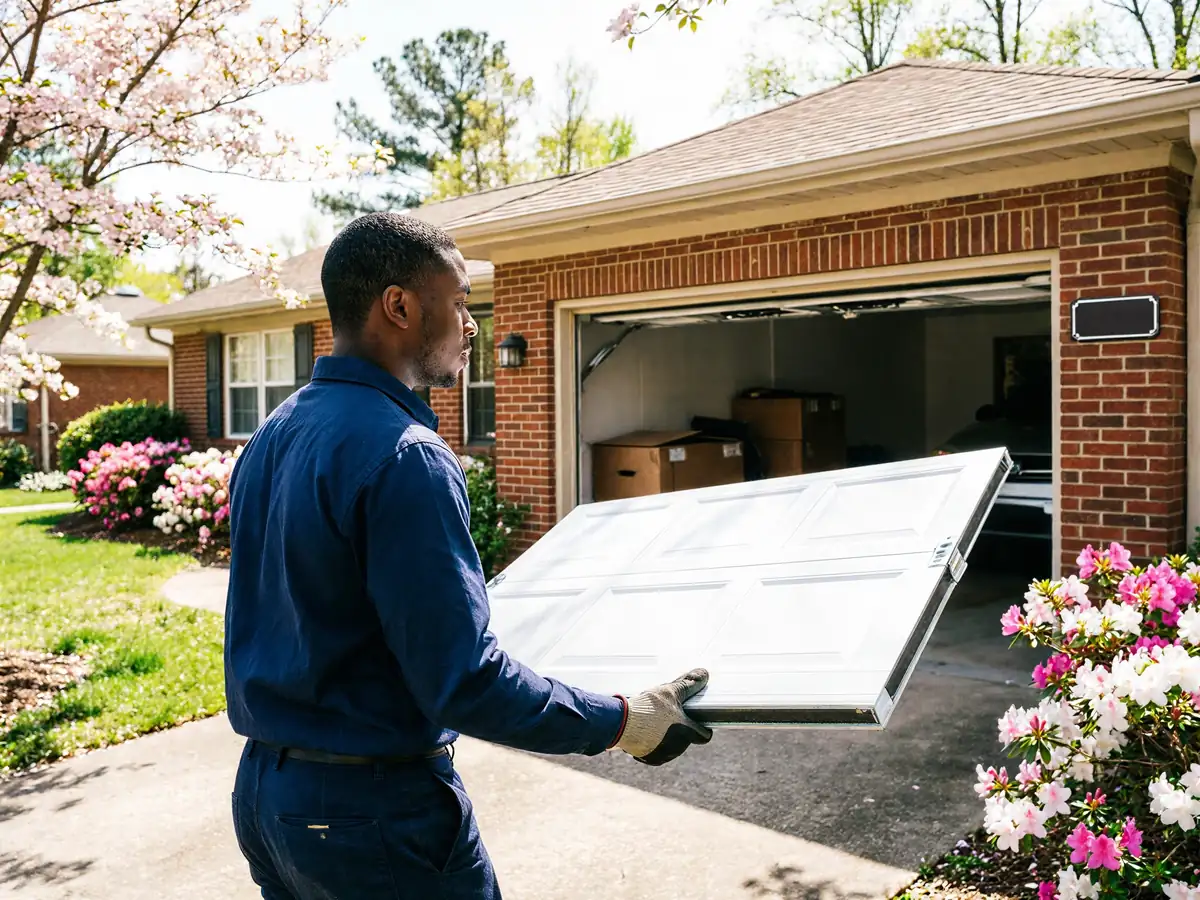
A dented or rusted-through panel doesn't always mean a new door. Most garage doors are built in sections, and on the steel sectional doors common across this service area, a single damaged panel can usually be ordered and swapped without touching the rest of the door. We pull the section, match it against the door's brand and dimensions, and set the replacement into the same track and hinge points.
The catch is availability. Doors built in the 1980s and 1990s - which covers a lot of the housing stock out here - were made by manufacturers who've since changed their panel profiles or gone out of business. Sometimes a matching section is a quick order. Sometimes it isn't made anymore, and the honest answer is a full door instead of chasing a part that doesn't exist. We tell you which one you're dealing with before we quote the job, not after.
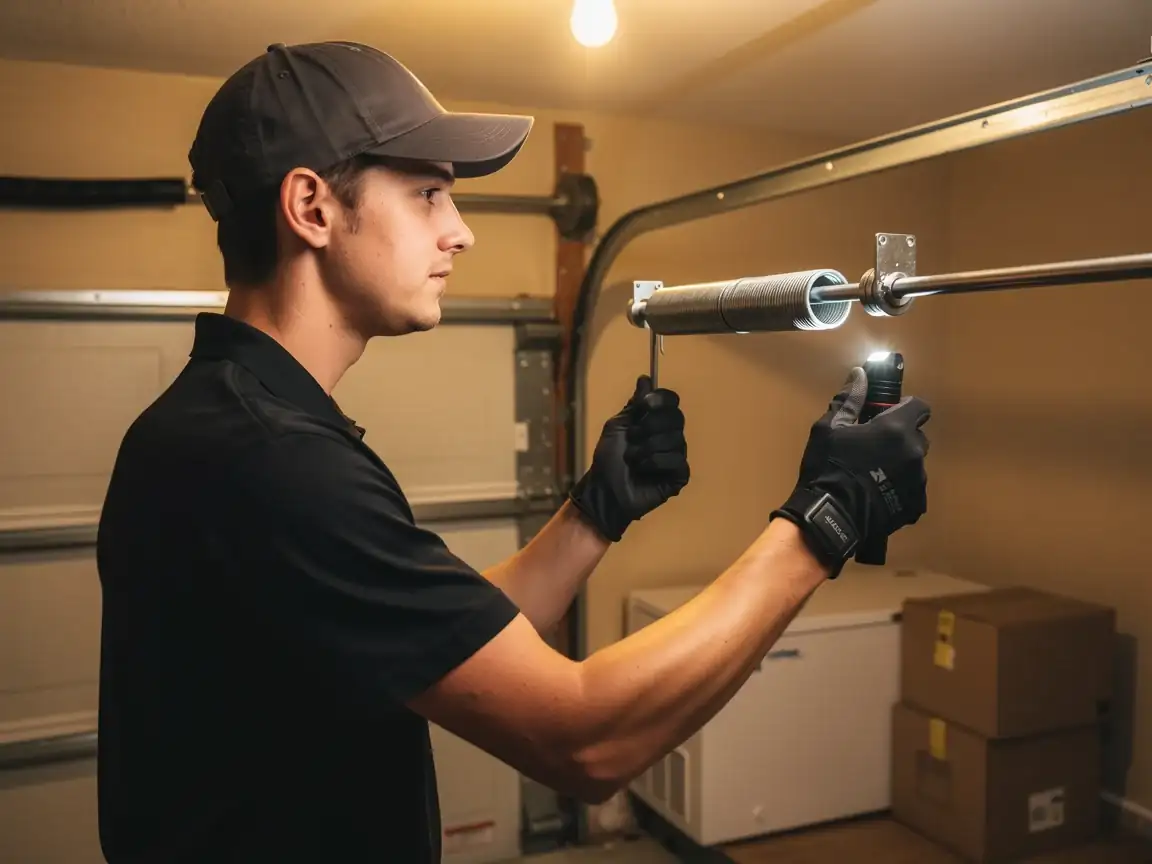
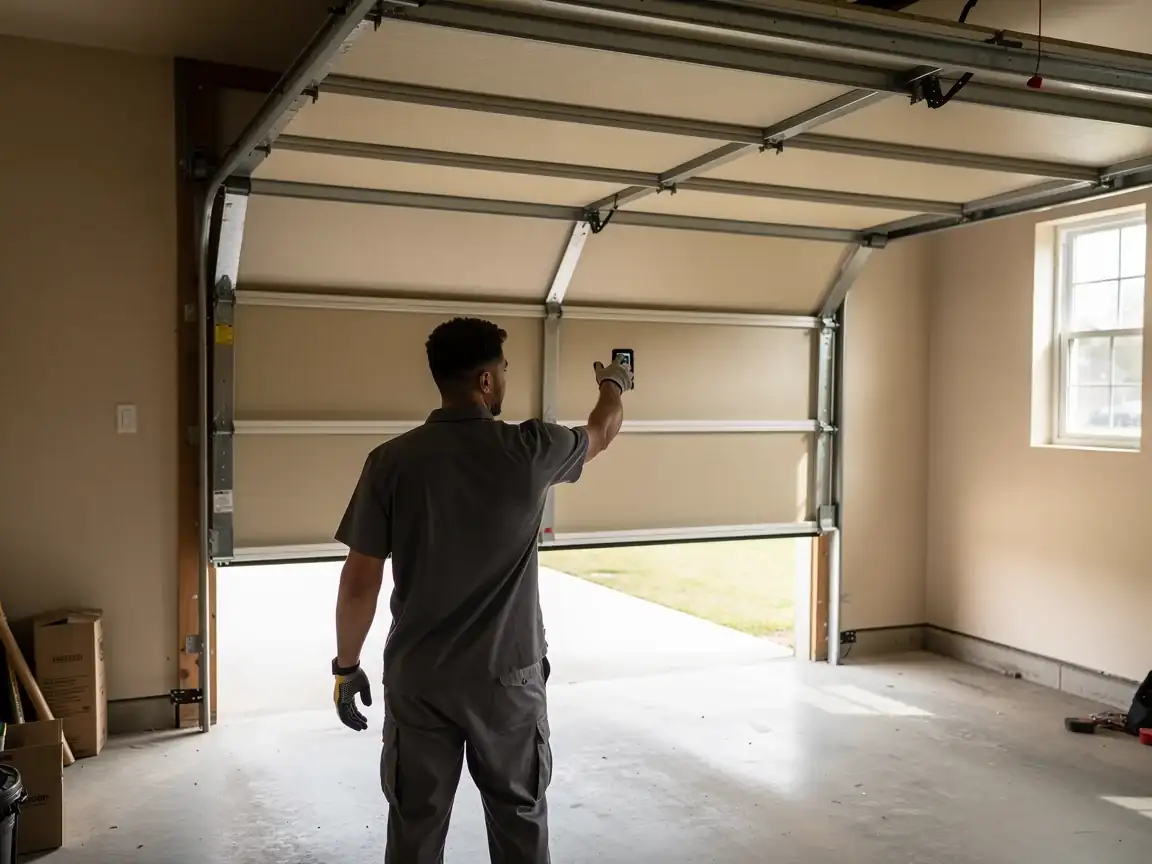
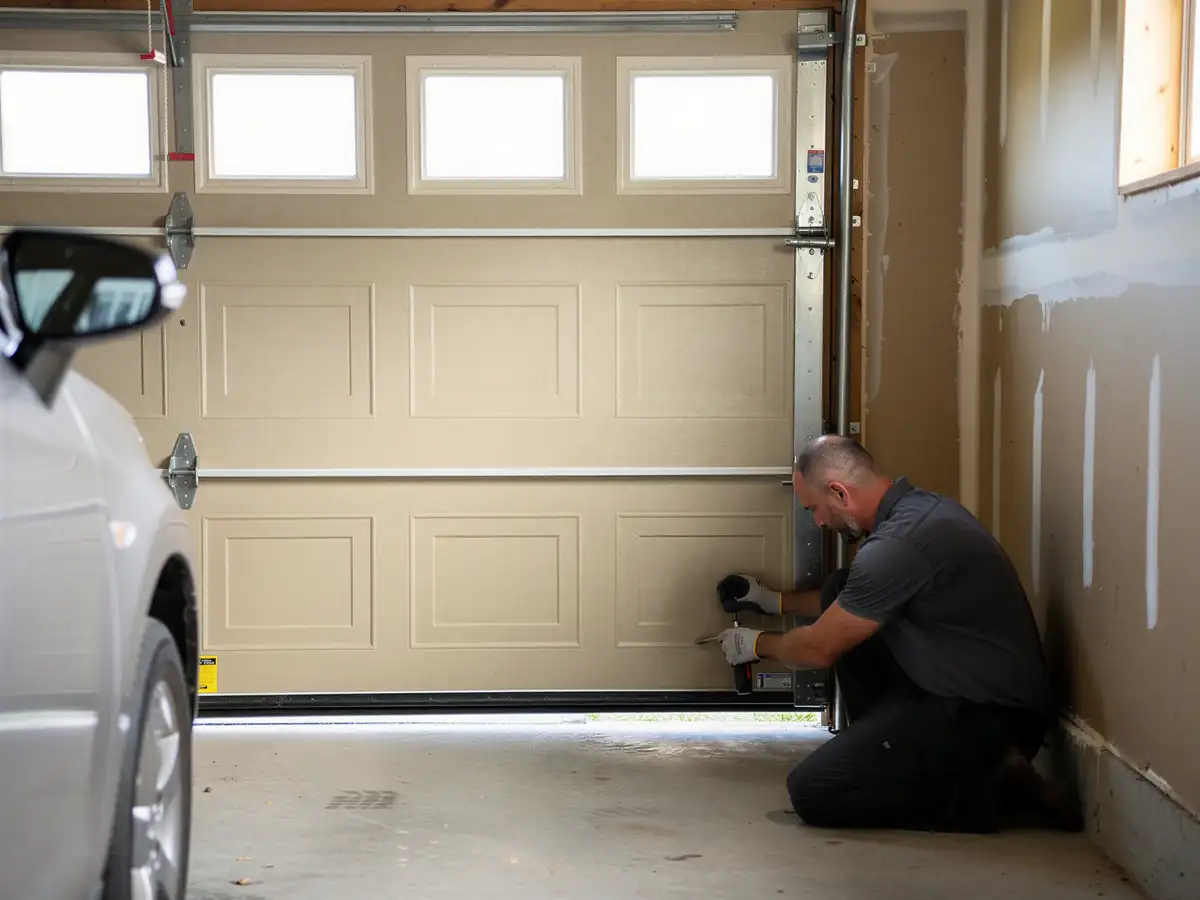
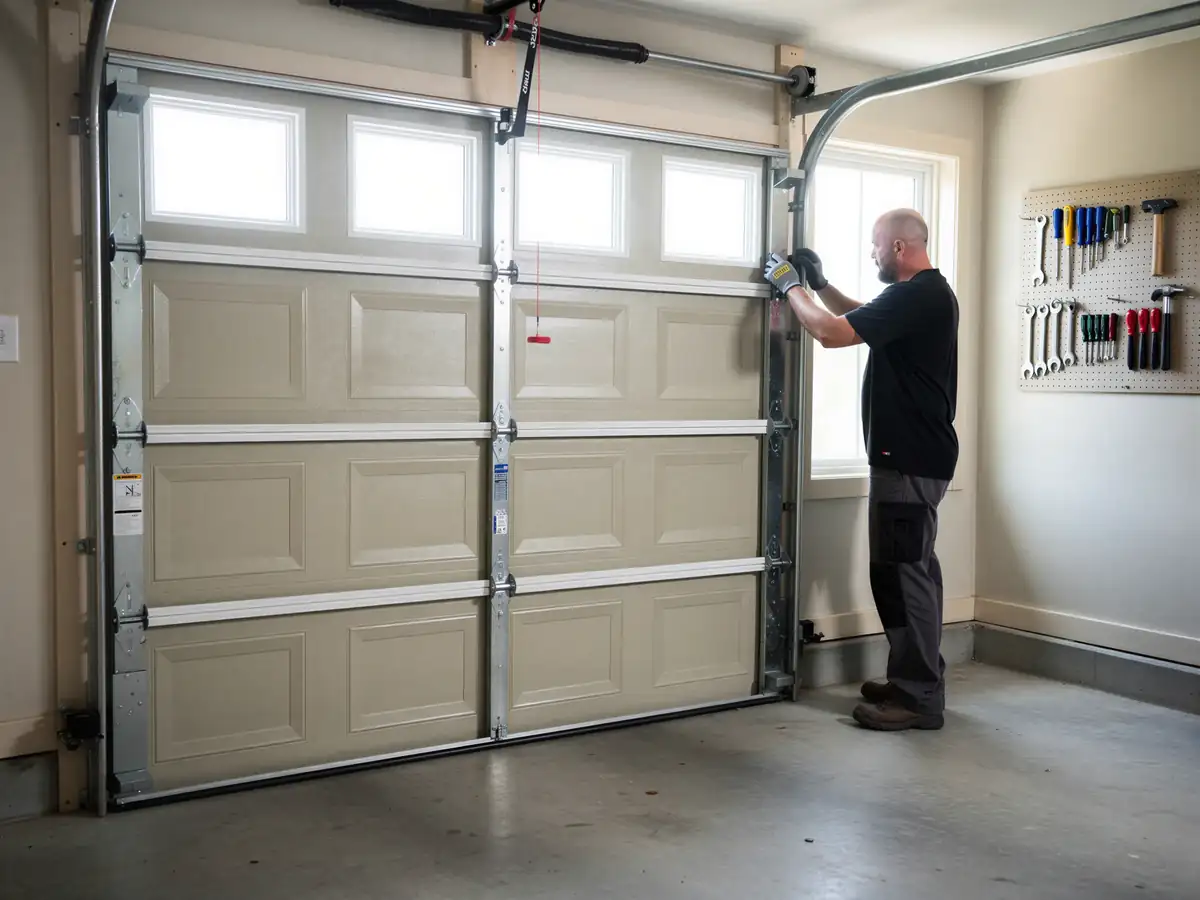
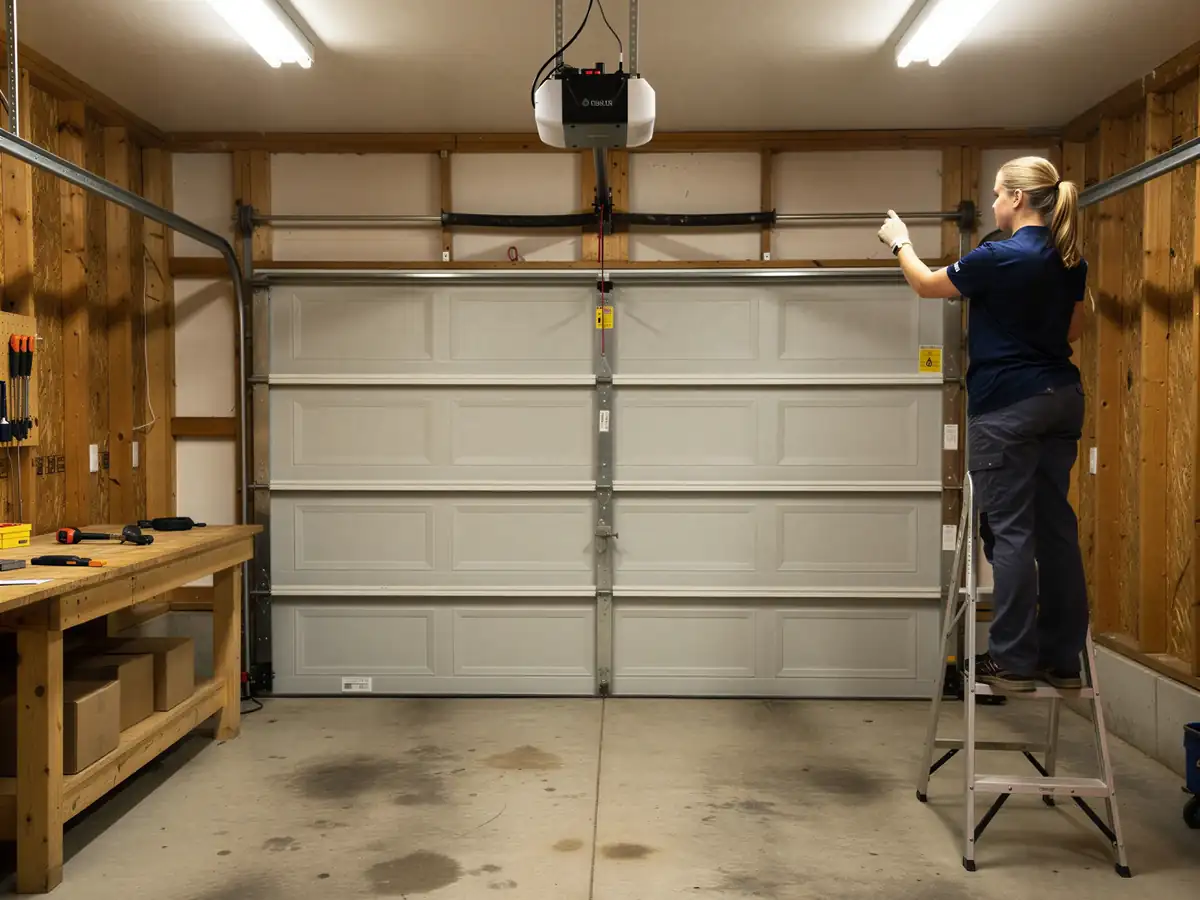
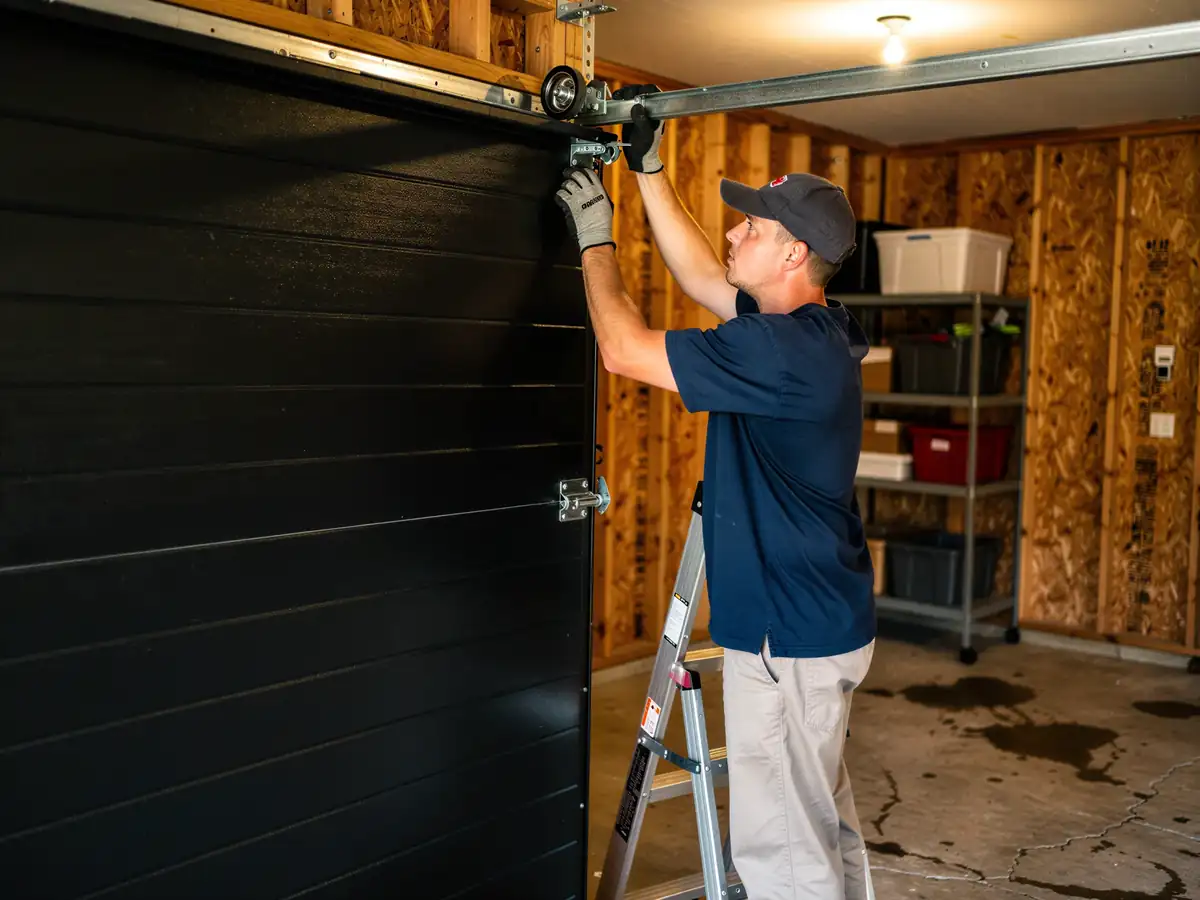
When a match is available, the job itself is straightforward: unbolt the hinges and rollers from the damaged section, lift it free of the track, set the new panel, and re-hang the hardware. We check the track alignment and spring balance while the door's apart, since a panel swap is also a good time to catch a spring that's starting to sag.
Why It Happens Here
Housing in this service area runs mostly from 1967 to 2004
With the bulk of it going up in the 1980s and 90s across a dozen neighborhoods from East Cleveland and Hopewell out toward Ooltewah and Harrison. That's the exact era when steel sectional doors with thin-gauge panels became standard - lighter and cheaper than the old wood doors, but more prone to denting from a bumped car or a thrown rock, and more prone to rust once the factory coating wears through at the seams.
The climate here does the rest
This region sits in a cold-moderate band, which means panels see real freeze-thaw cycling through the winter months. Moisture gets into a scratch or a ding, freezes, expands the gap, and by spring that small dent has turned into a crack or a rust bloom working its way across the panel face. On a door that's been in place since the 80s or 90s, that cycle has had three or four decades to do its work.
So the pattern we see across this service area isn't random impact damage
It's impact damage on panels that were already thinning from age and weather, on doors old enough that the factory finish has given up in spots.
Can You Do This Yourself
If you're comfortable with hand tools and the door is unplugged from power at the opener, swapping a single panel on a sectional door is within reach for a patient homeowner. The hinges and rollers come off with a socket wrench, and the panel lifts out once it's free of the track.
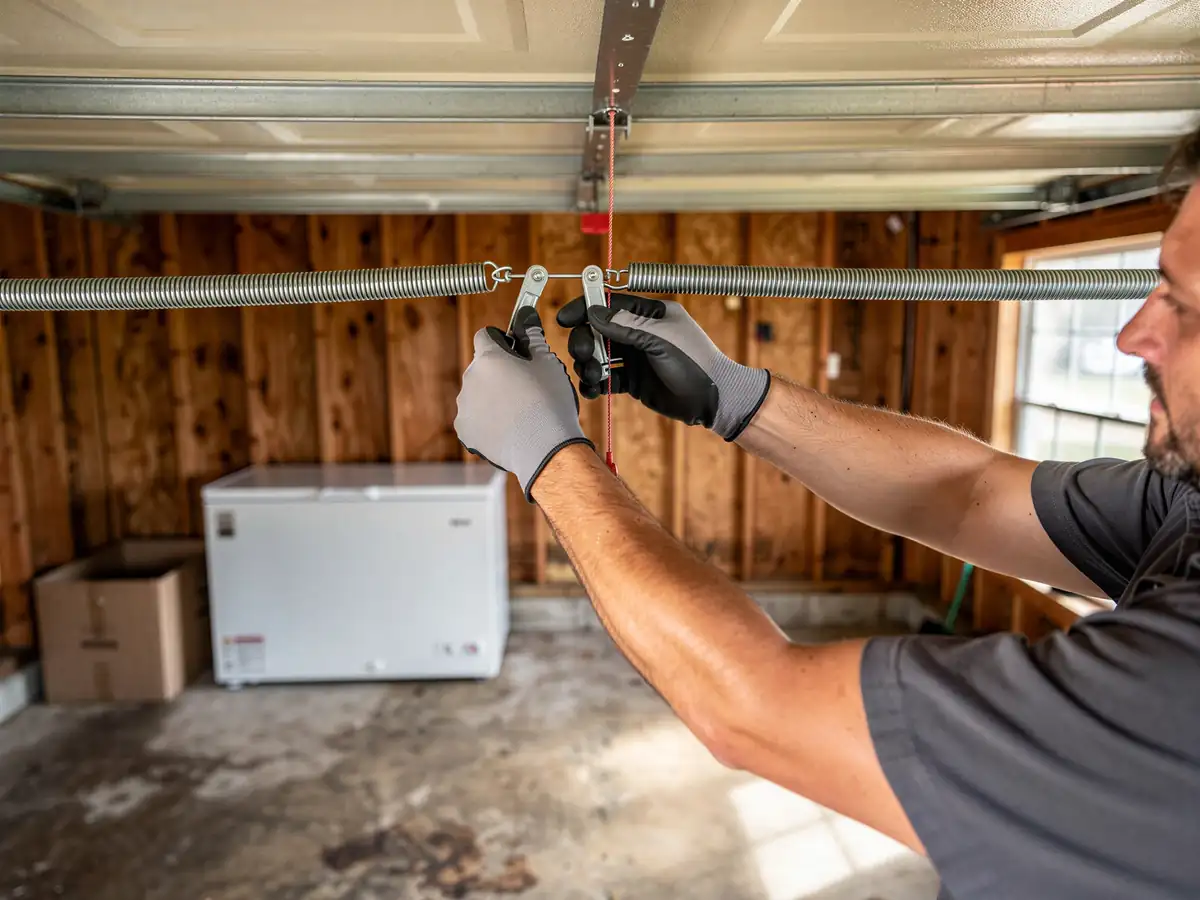
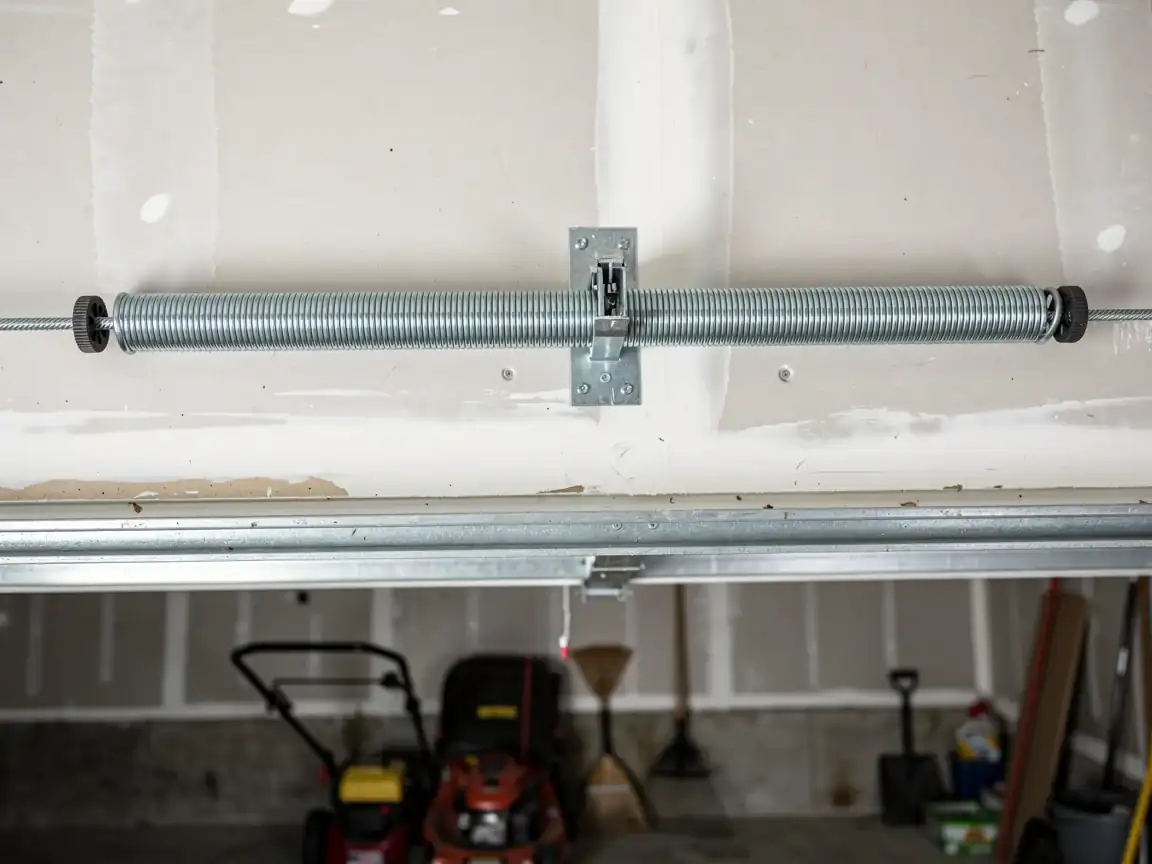
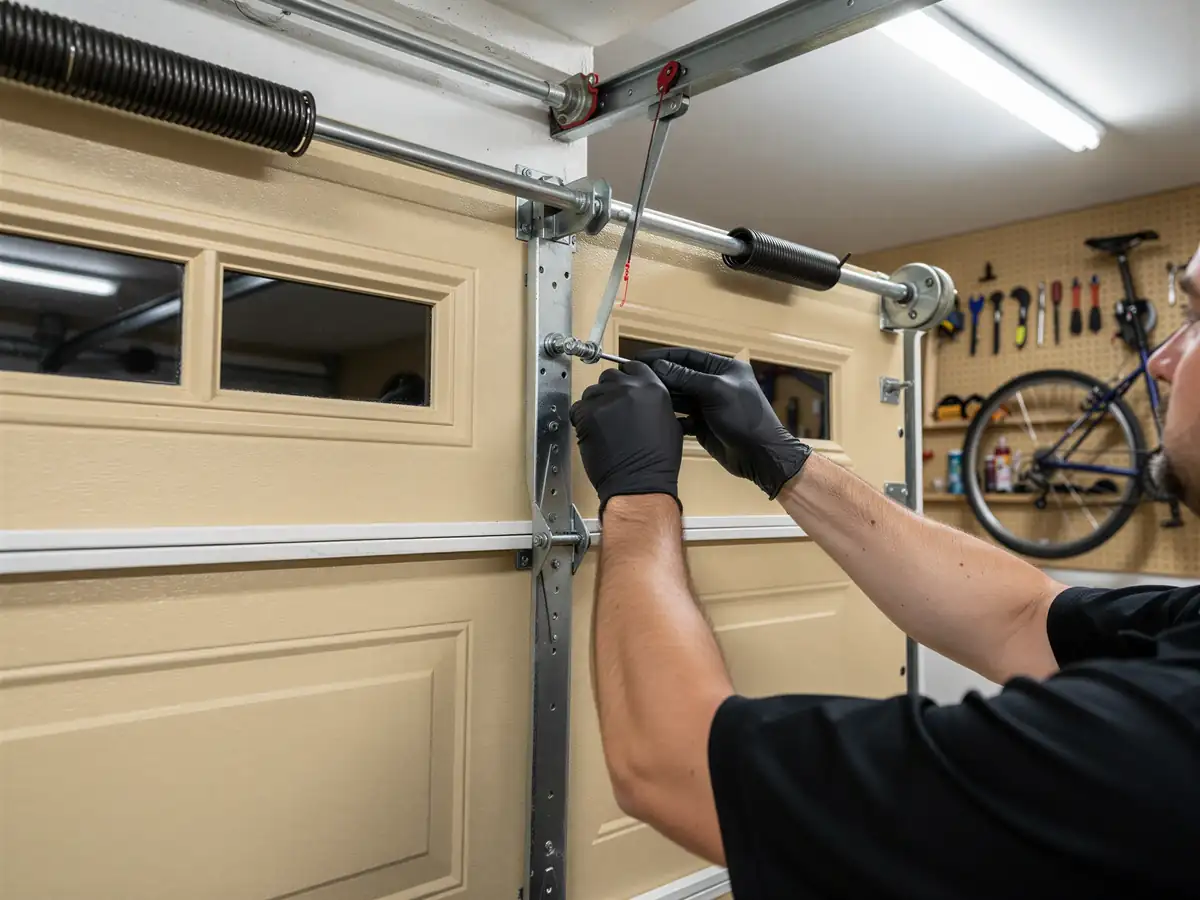
Where people get hurt is the spring system. Torsion springs store enough force to break a wrist or worse if you loosen the wrong bolt, and on a lot of the older doors out here the spring hasn't been serviced since the house was built. If your panel job means taking any tension off the door, or if the door won't hold itself open partway, stop and call - that's not a DIY spring adjustment, that's a trip to the hospital waiting to happen.
The other real obstacle is sourcing the exact panel. Matching a section on a door from the 80s or 90s means matching a specific brand's rib pattern, panel height, and color, and most home improvement stores don't stock it. We've spent time tracking down parts for doors that age and know which manufacturers are still making compatible sections and which ones aren't - that's the part a weekend project usually runs into first.
What You Are Seeing
A dent from a backed-into bumper or a kicked basketball is the easiest call - cosmetic until it isn't, but it won't fail the door on its own. Watch it anyway, because a dent is where rust starts.
Rust bubbling along the bottom panel or at the seams between sections is the next step up, and it's common on doors that have been through enough cold-moderate winters to let moisture work into the seams. Left alone, the rust eats through the steel and the panel loses its structural stiffness - that's when a section starts to bow or buckle when the door's under tension.
A cracked panel, usually near a hinge point, means the steel has fatigued from repeated flexing - often on a door that's slightly out of track alignment, which puts uneven load on one section every time it opens. And if an entire section is caved in rather than just dented, something hit it hard enough to bend the internal stiffening, which usually means the section is done and a replacement is the only real fix.
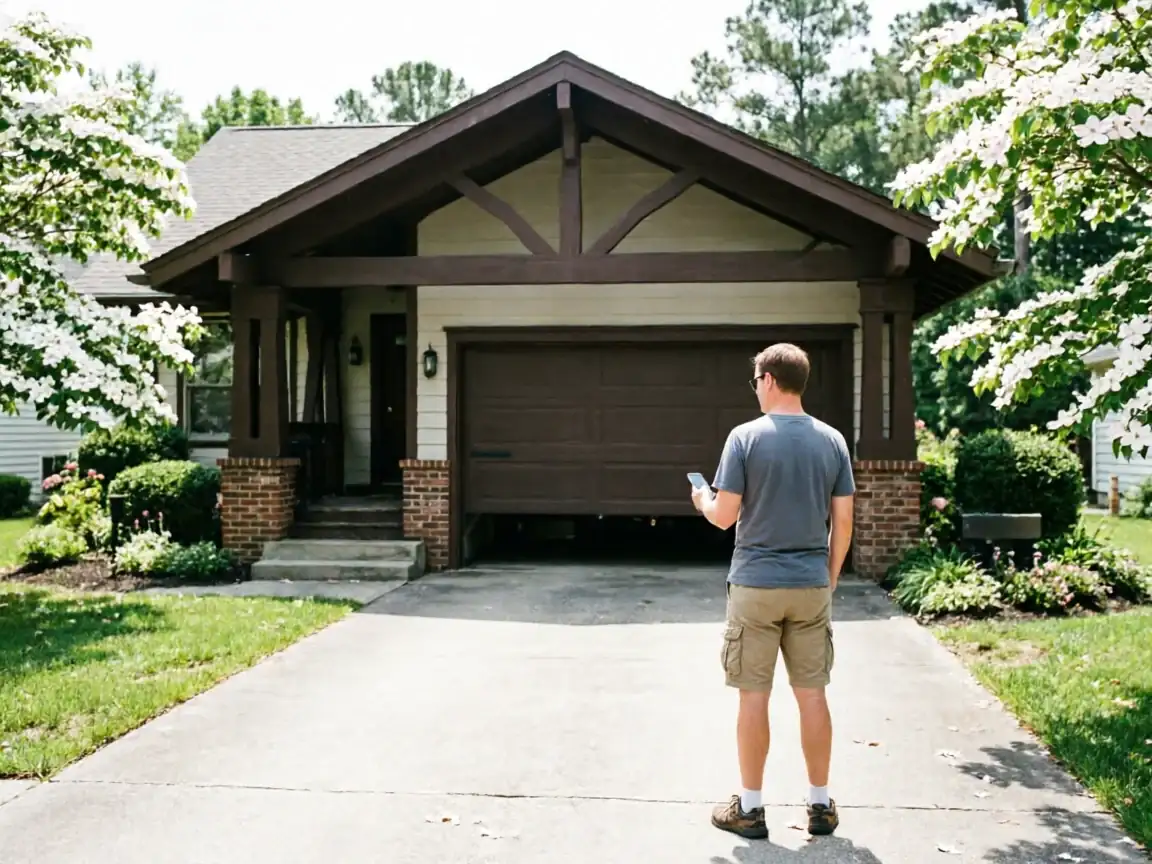
If you're not sure which of these you've got, a photo and the door's rough age tells us most of what we need before we come out.