The Split Between Old and New
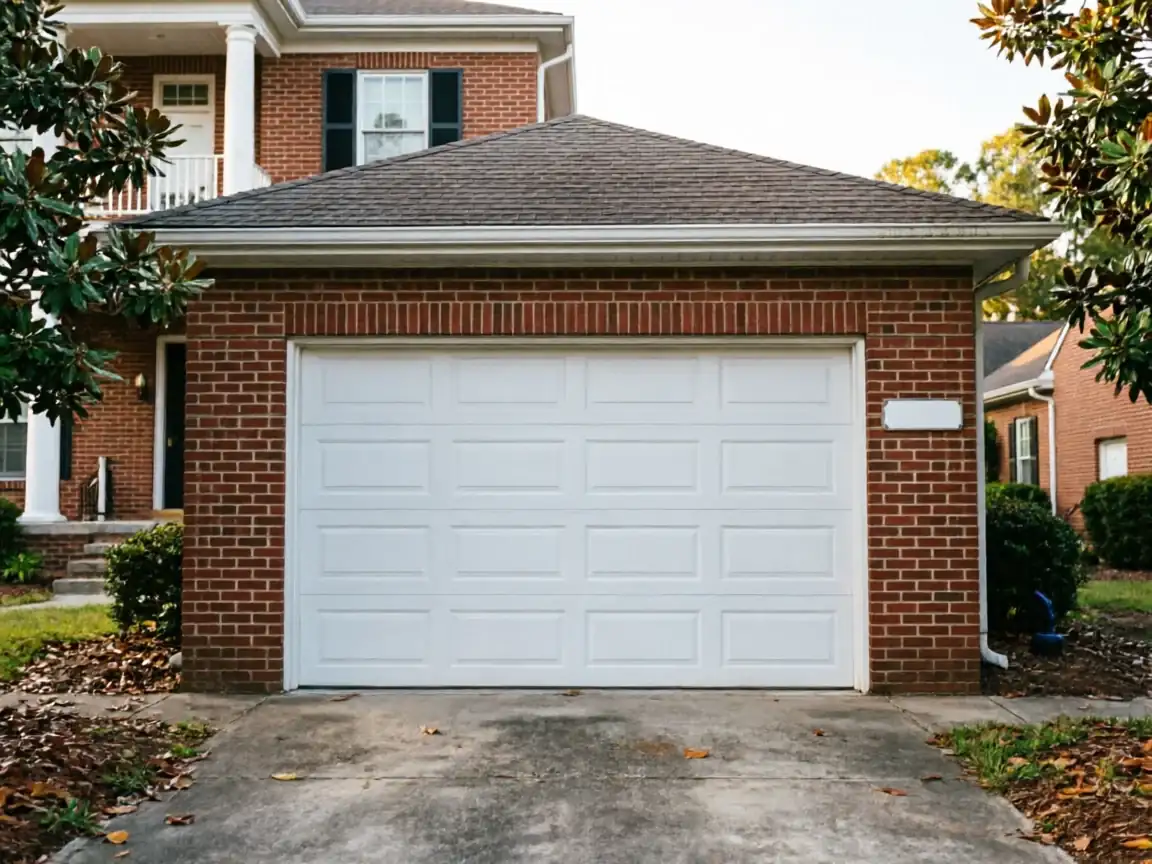
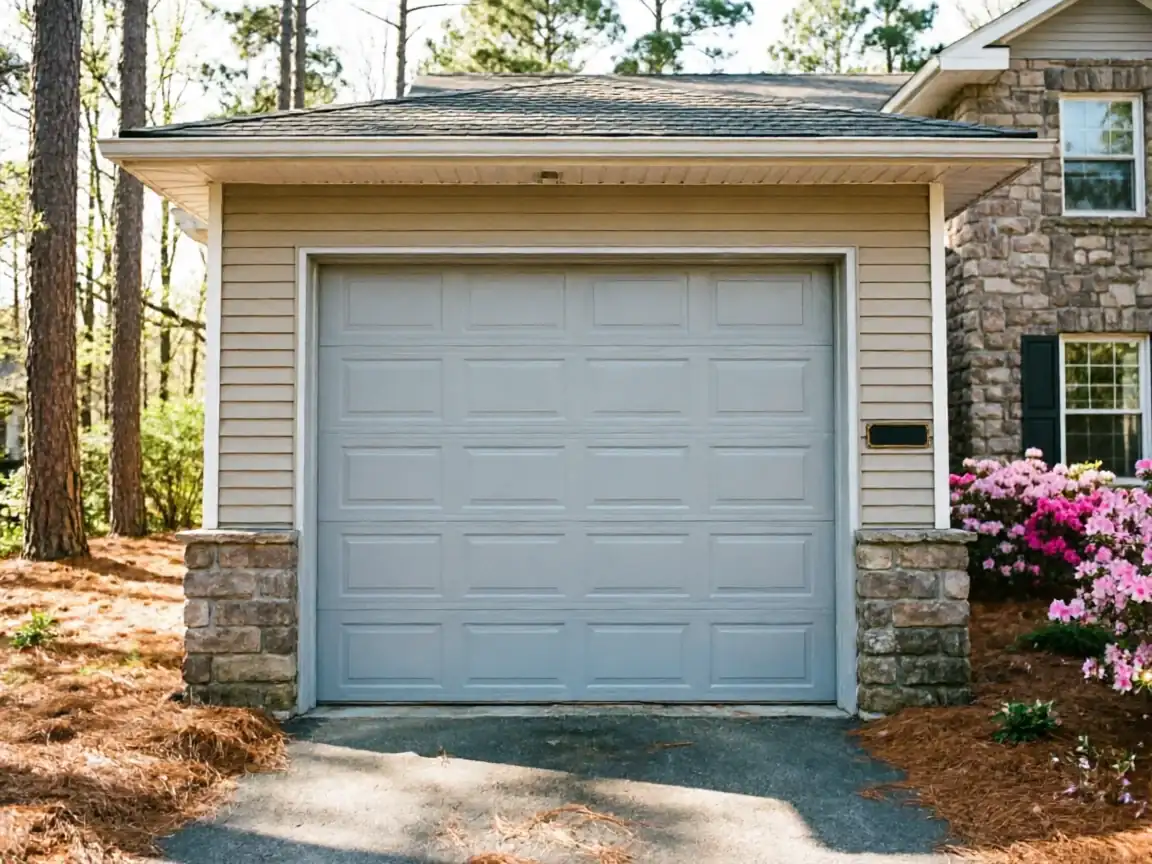
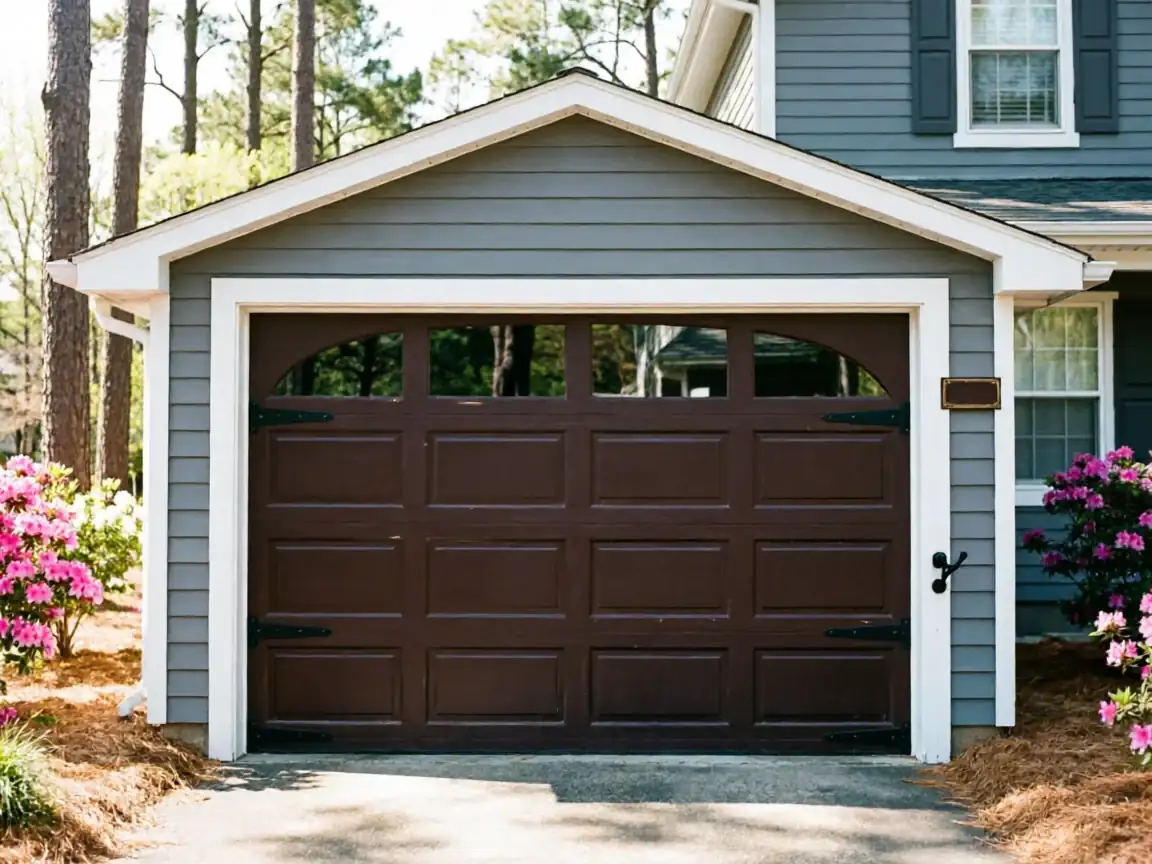
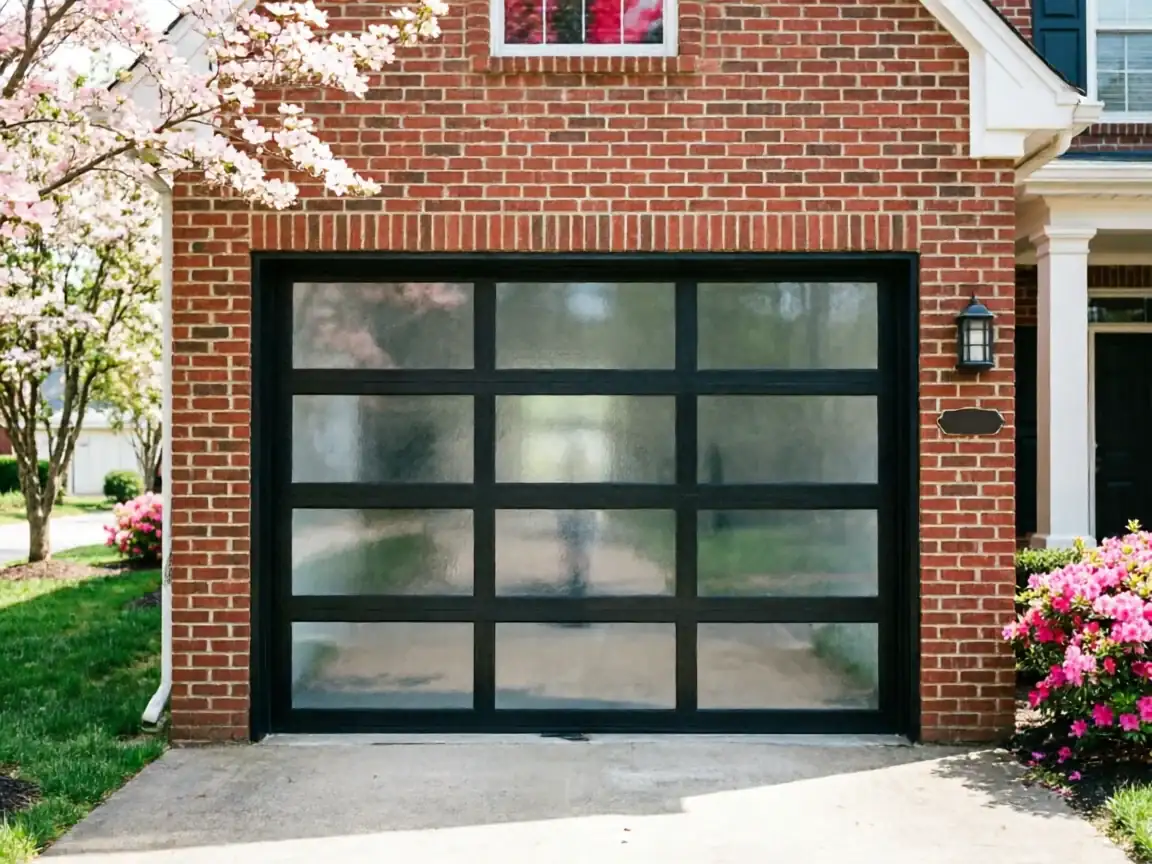
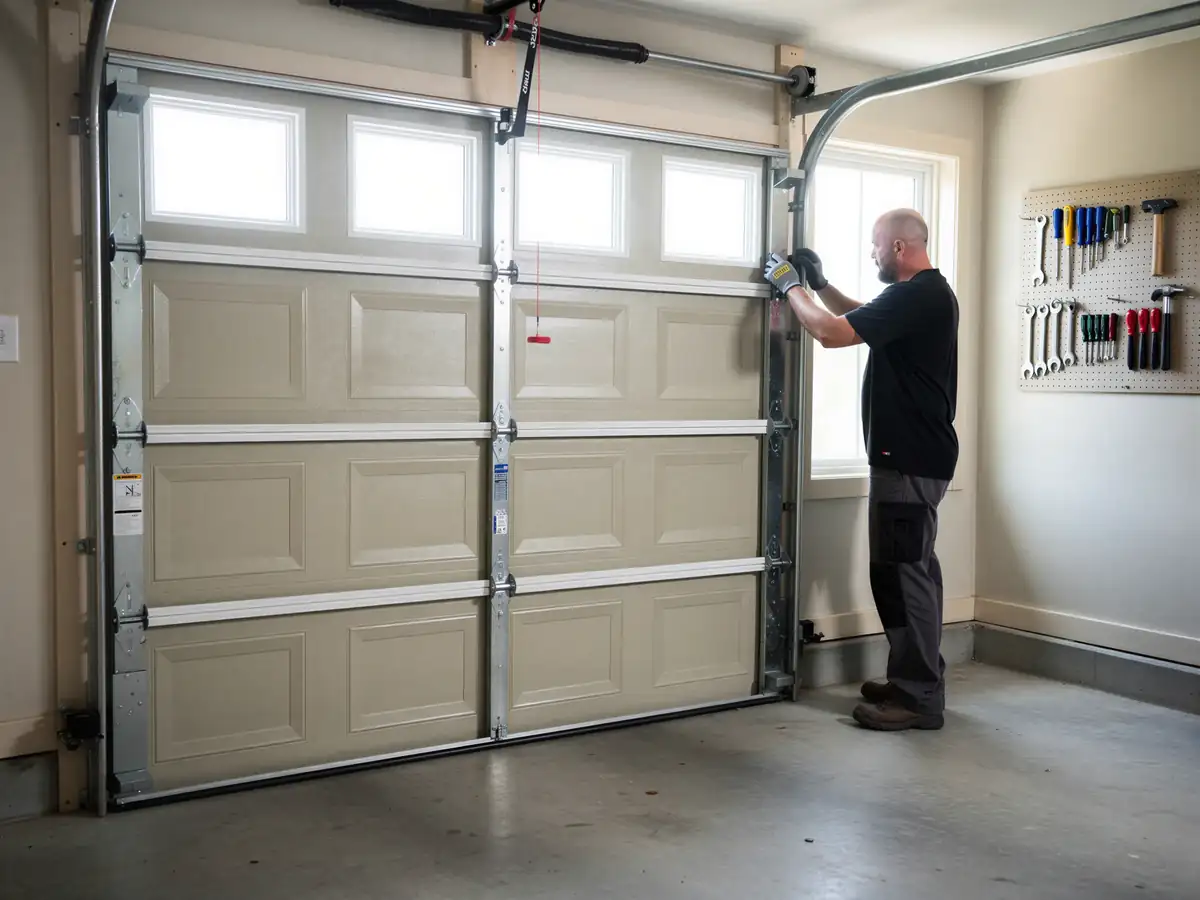
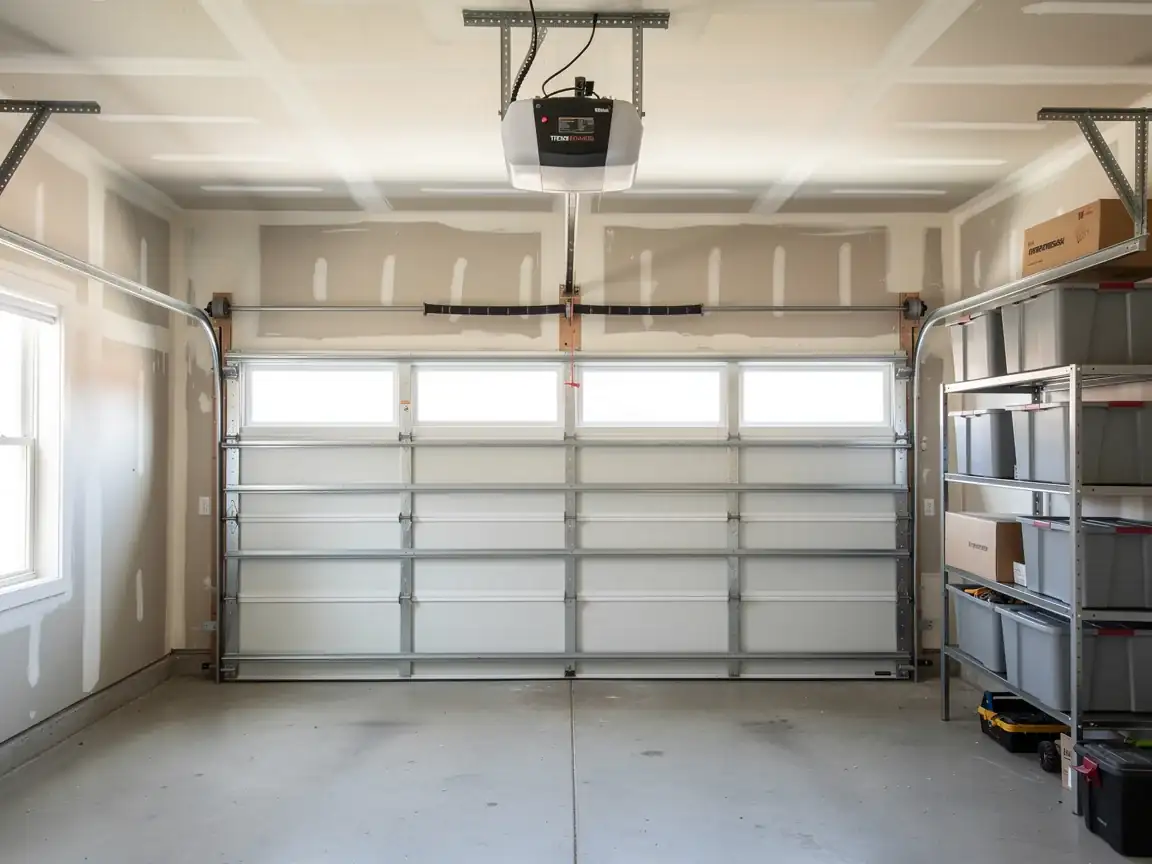
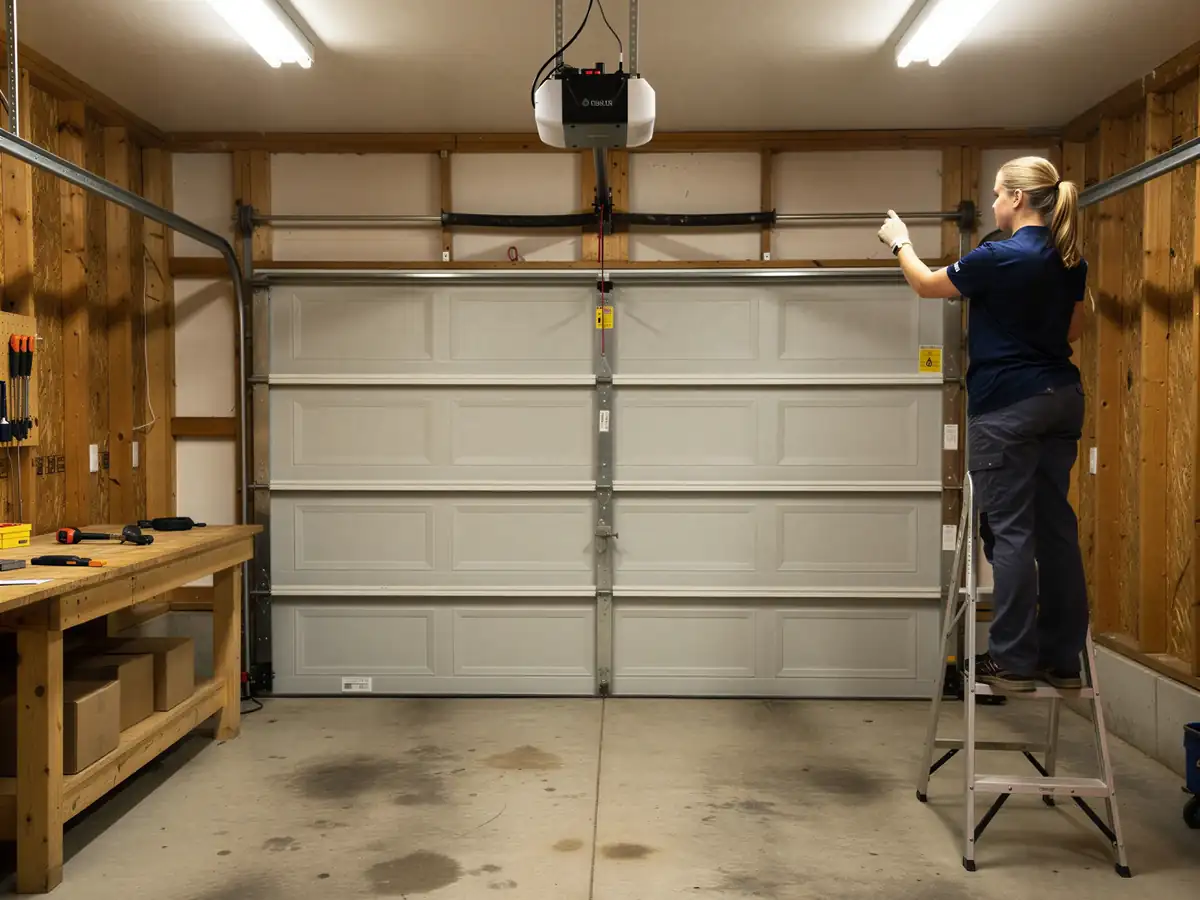
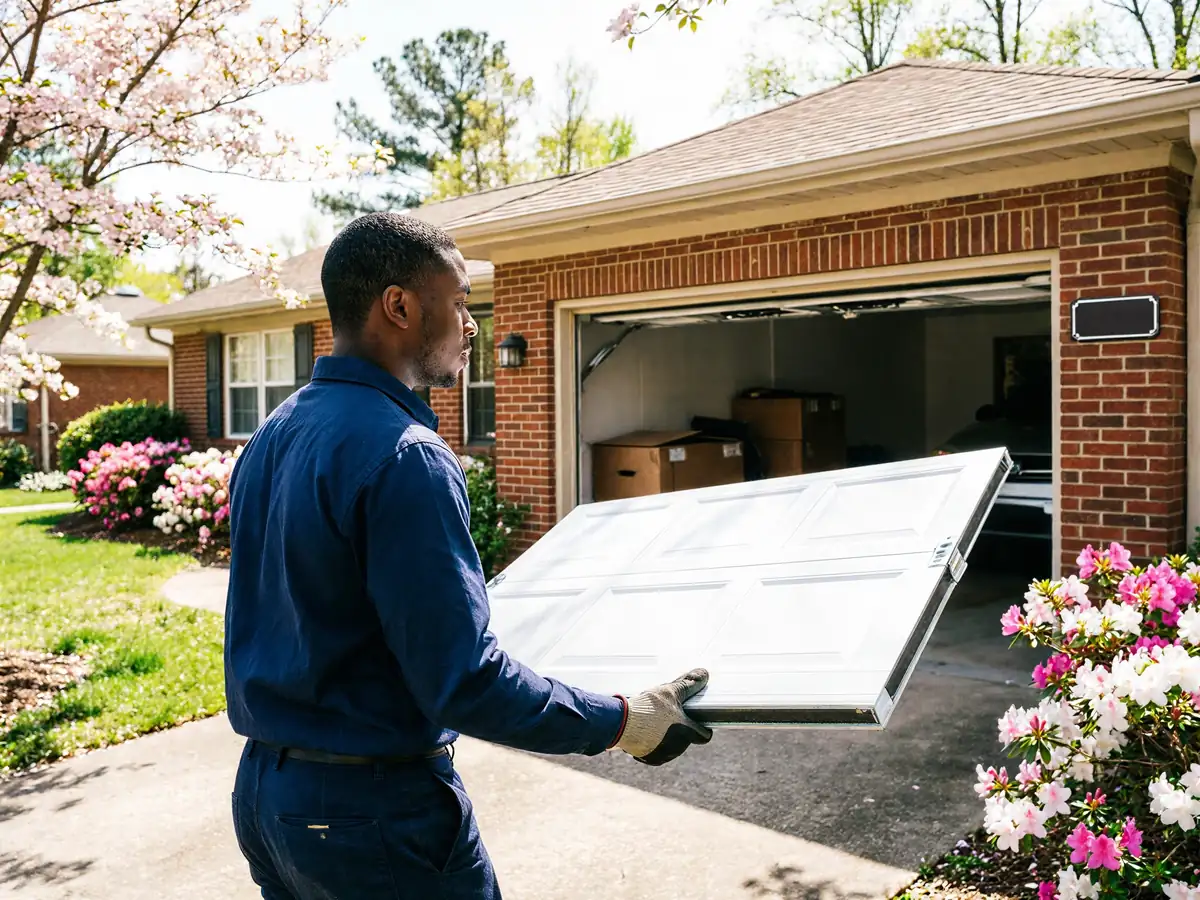
Soddy-Daisy sits about 18 miles from our shop in Cleveland, and the housing here skews a bit younger than some of the areas closer to us. The typical house in this part of the service area was built around 1985, which puts most garage doors and openers into a specific window: torsion spring setups that replaced the old extension-spring jobs, steel doors instead of wood, and openers with chain drives rather than the screw or belt units you see in newer builds. That's different from older pockets of the service area where you still find doors from the 1960s and 70s hanging on original hardware. A door from 1985 isn't ancient, but it's old enough that the spring has probably been changed once already, and the opener - if it's original - is on borrowed time. We don't guess at this. We ask when the house was built and work backward from there before we even load the truck.
The Houses Here
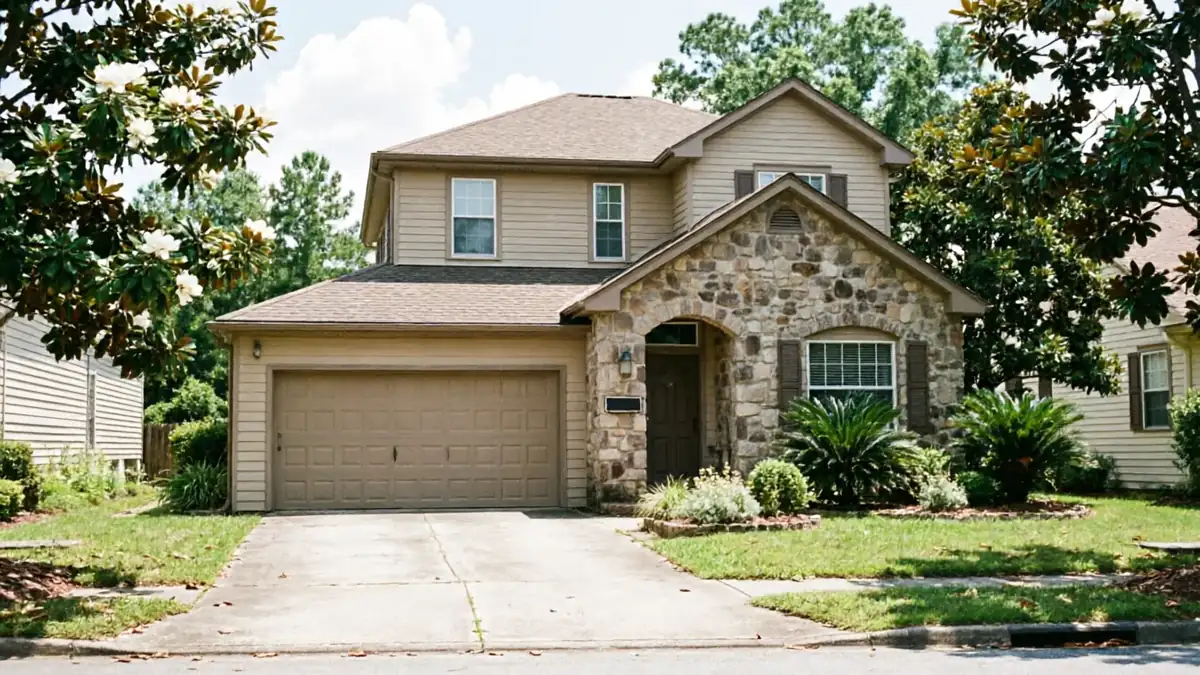
With about 5,199 households in the Soddy-Daisy area and a median income of roughly $67,824, this is a mix of established single-family homes rather than new subdivisions or dense rental stock. Compare that to the wider service area's roughly 26,126 households and median income near $64,756, and Soddy-Daisy comes in a touch more affluent and a bit younger in its housing. That matters for garage doors because household income and age of stock both track with how many original doors versus replaced doors you'll find on a street. A neighborhood built in the mid-80s and held mostly by long-term owners tends to have the first or second garage door the house ever had - not a parade of upgrades. We see that pattern a lot out this way.
What That Means for Doors
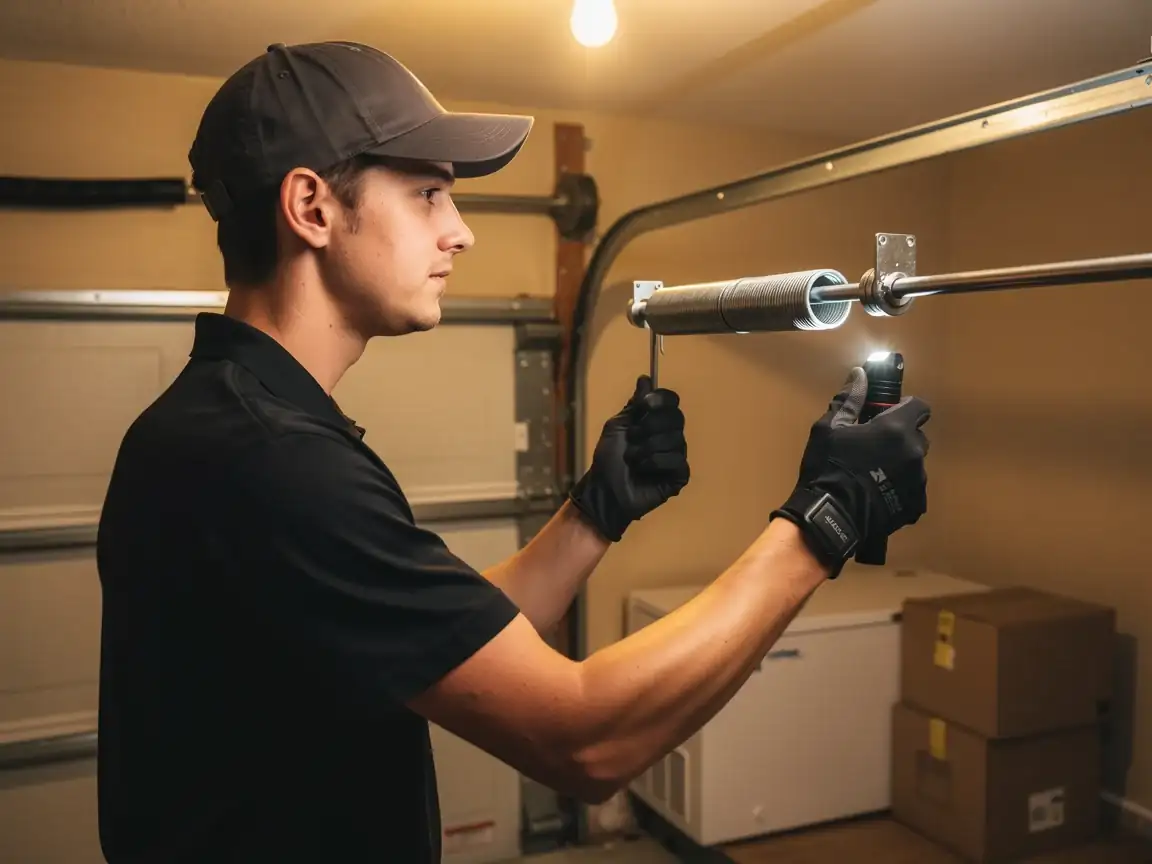
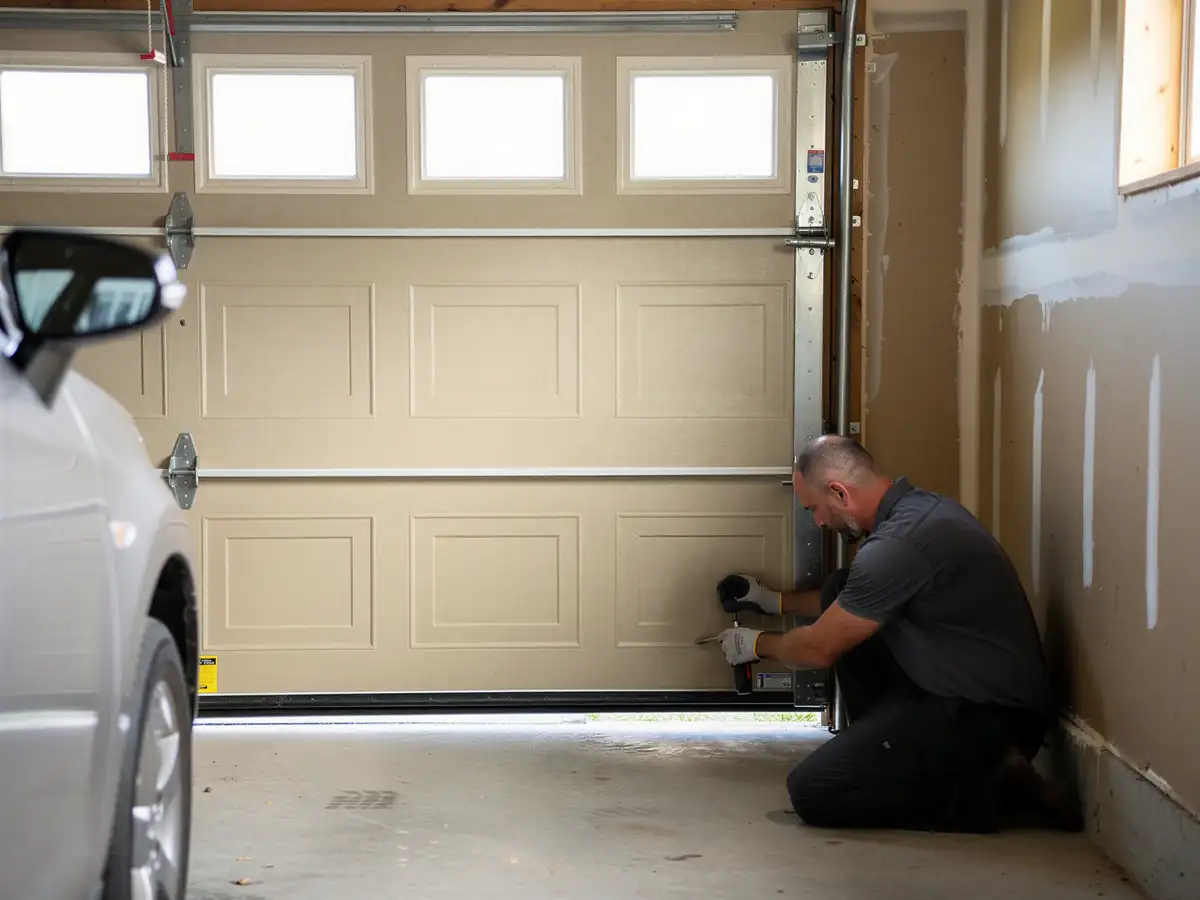
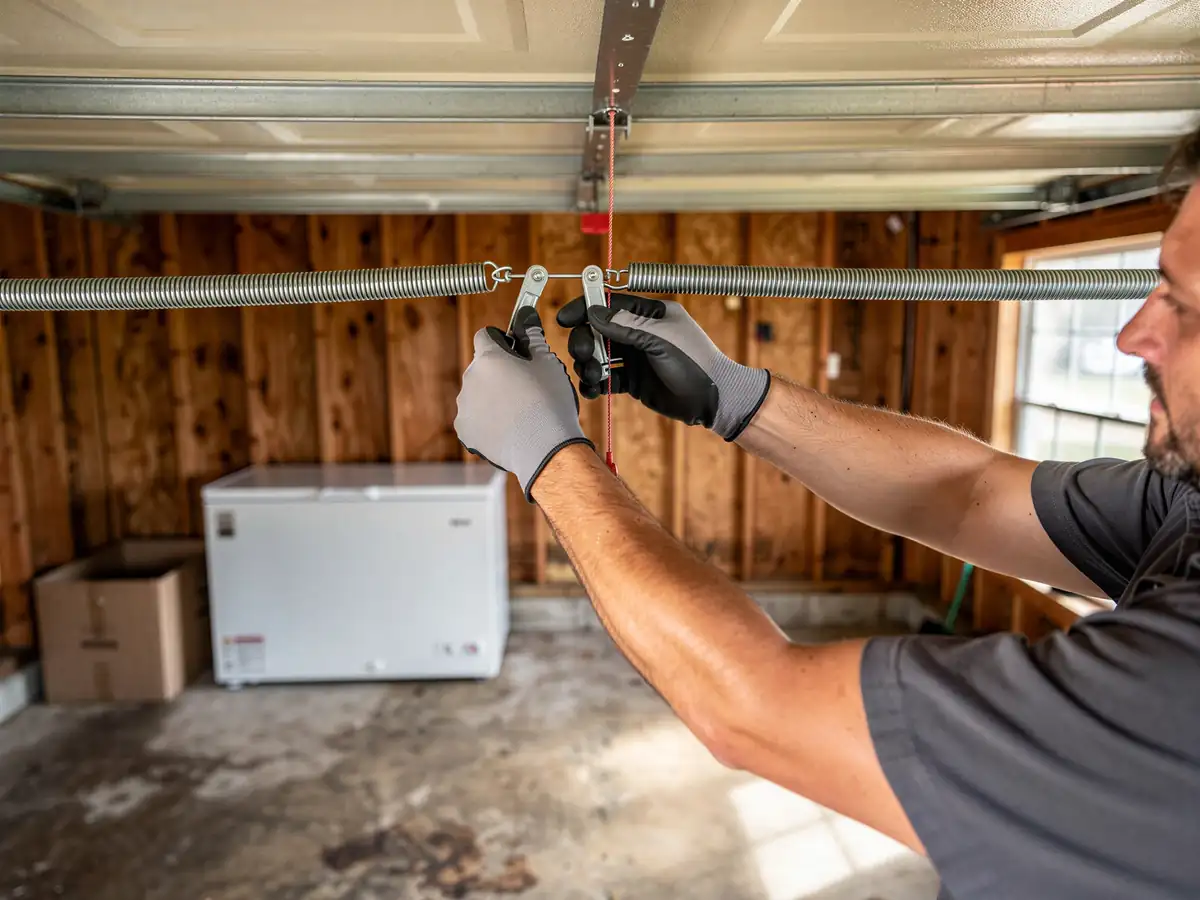
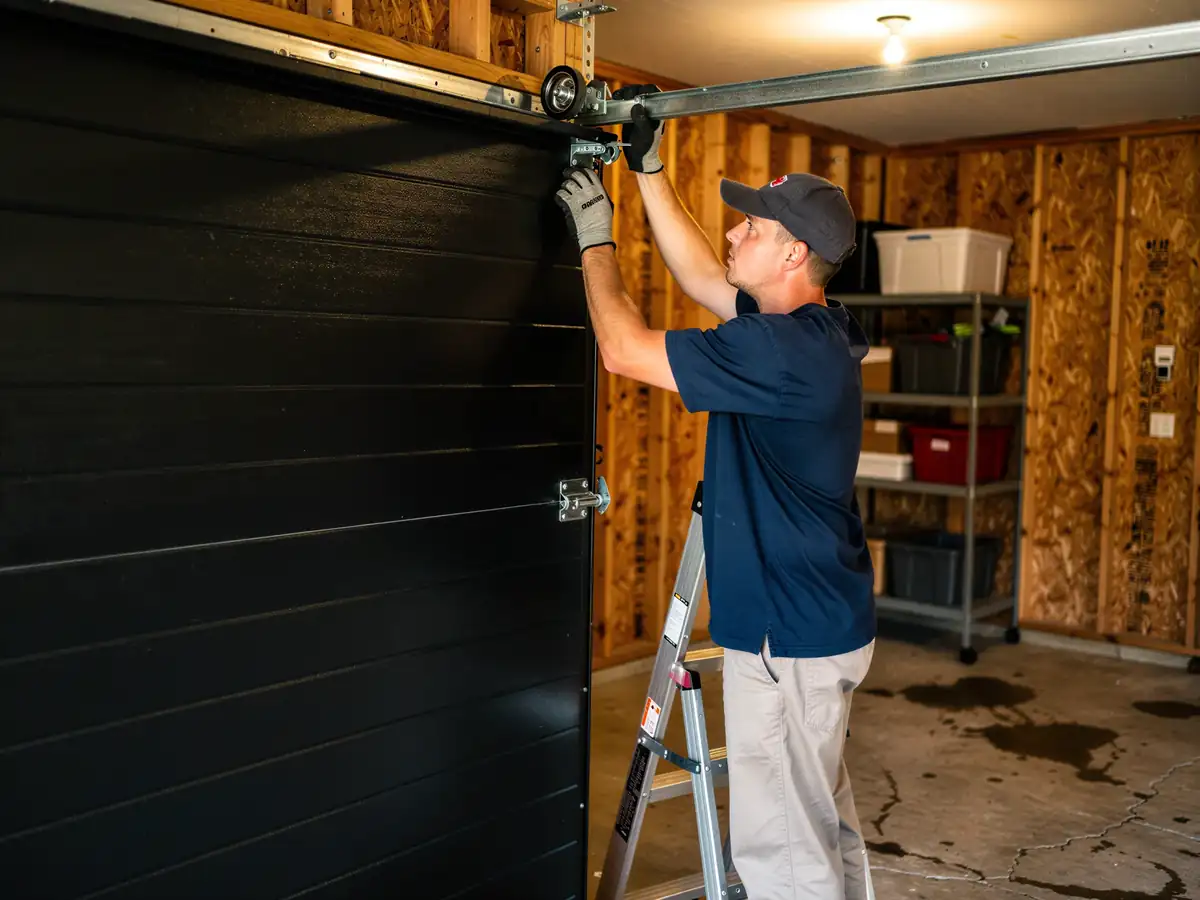
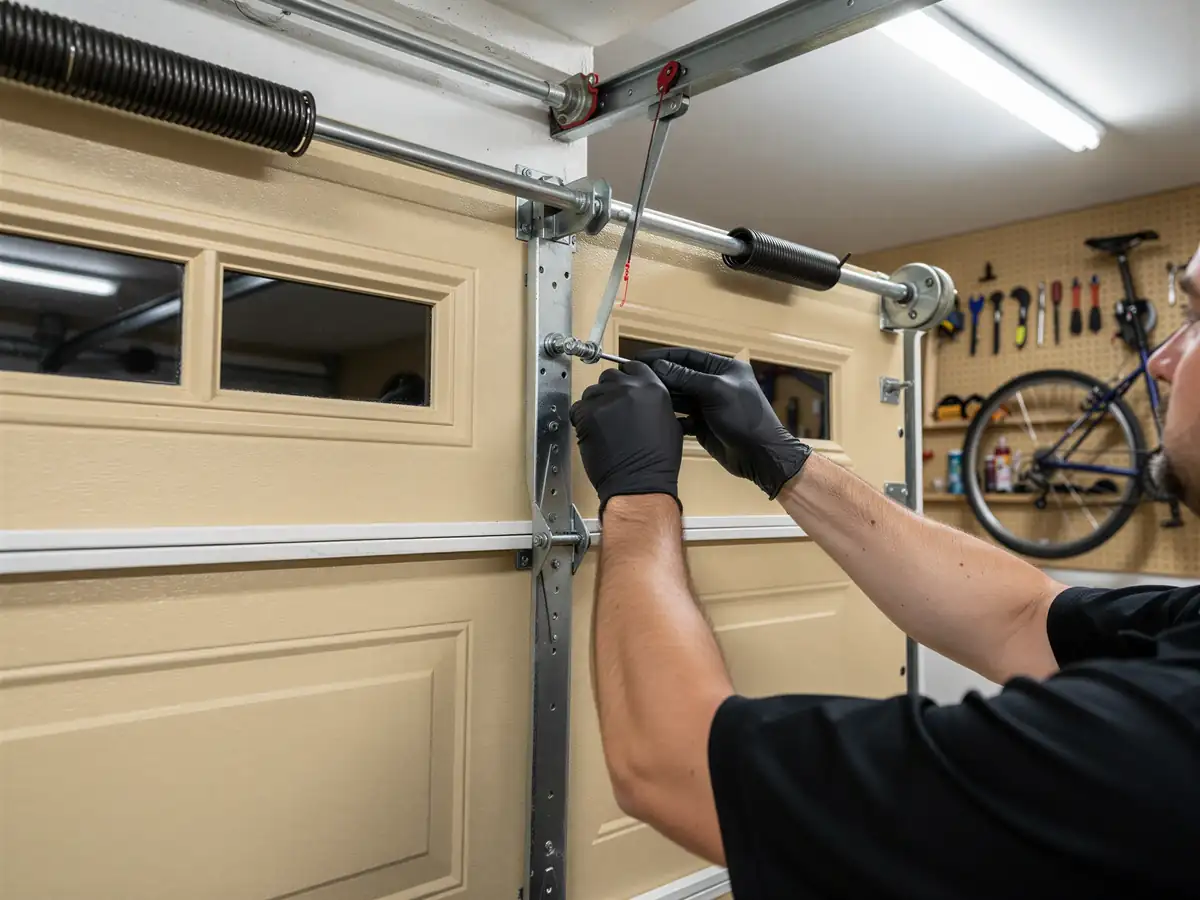
The region sits in a cold-moderate climate band, which over 35-plus years is hard on rubber seals, cable galvanizing, and the grease in torsion bearings - not catastrophic failure, just steady wear. For a Soddy-Daisy house built around 1985, the most common calls we'd expect are a torsion spring that's finally fatigued after decades of cycles, a steel panel that's dented or rusted at the bottom seam, and chain-drive openers whose gears have worn down enough to strip. None of that is unique to one house - it's what that era of door and that climate combination does over time. One limitation worth saying plainly: if your opener is original to a 1985 build, parts for it are often discontinued, and replacement usually makes more sense than hunting for an obsolete gear kit.