Can You Do This Yourself
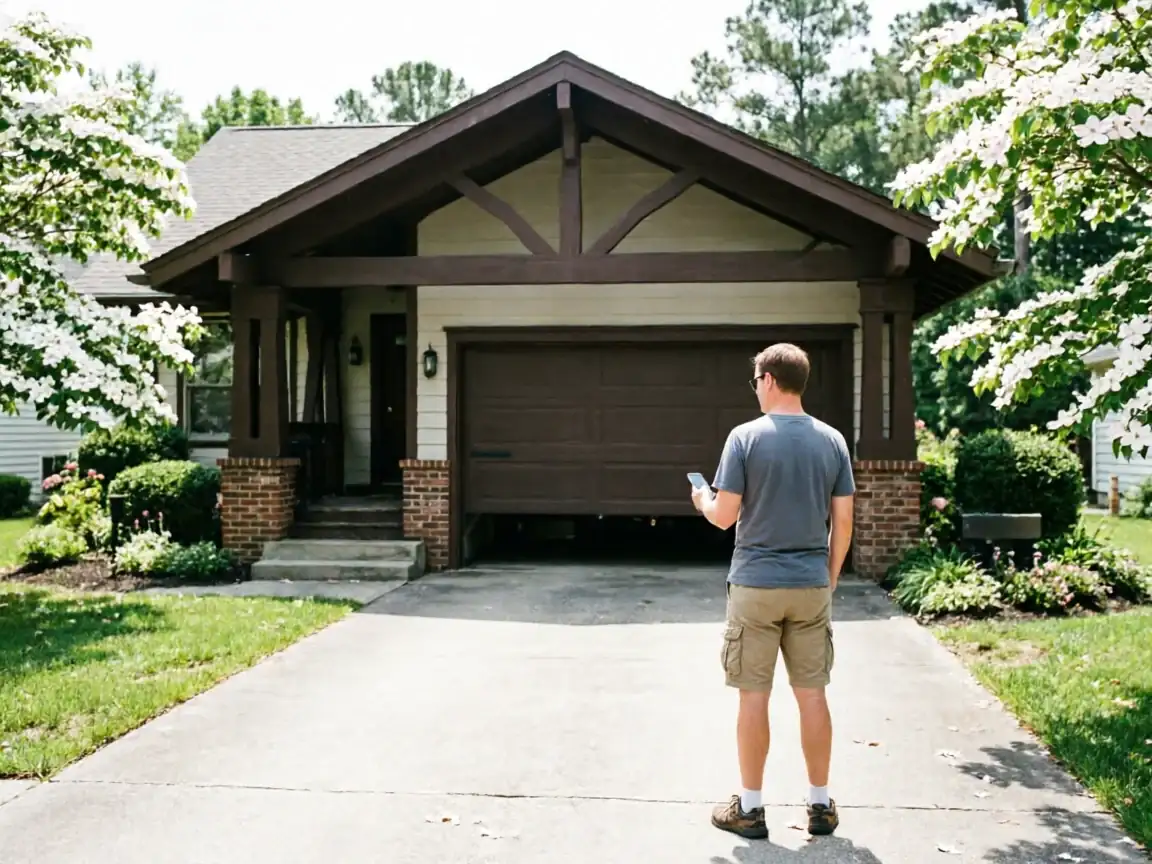
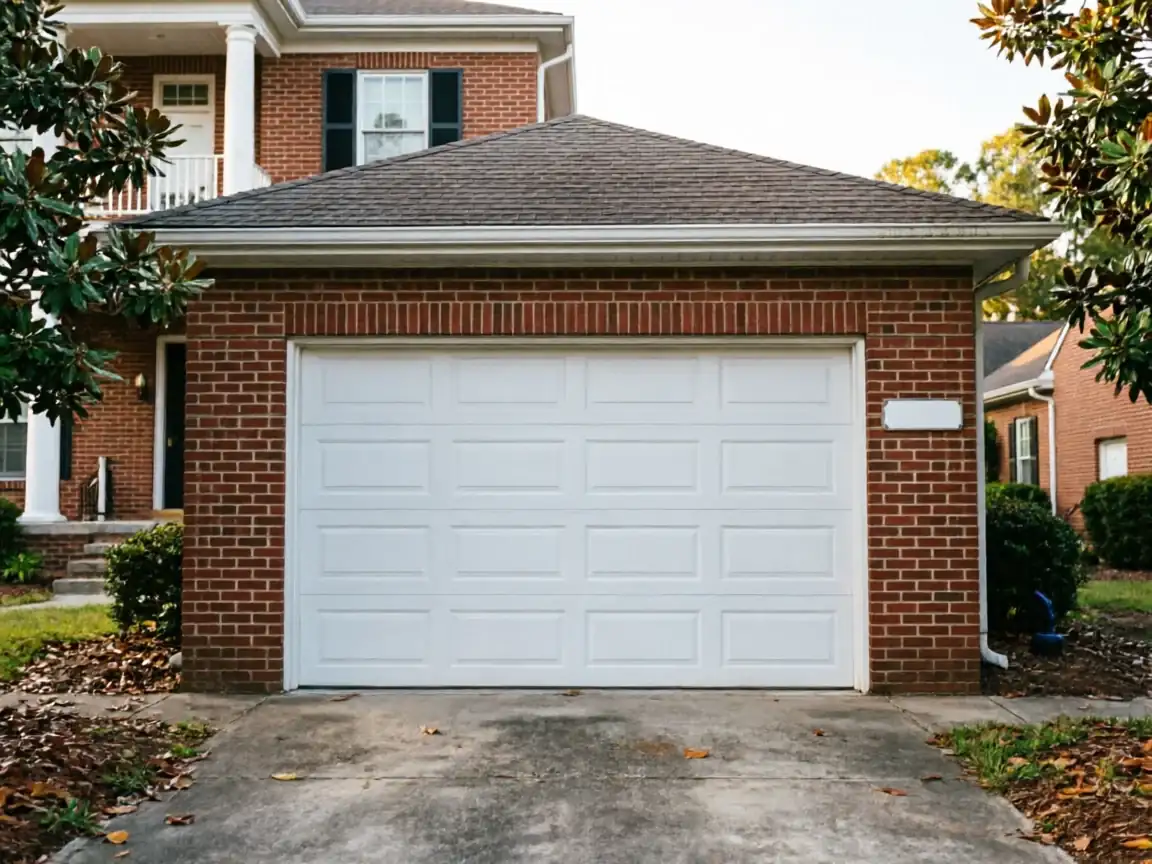
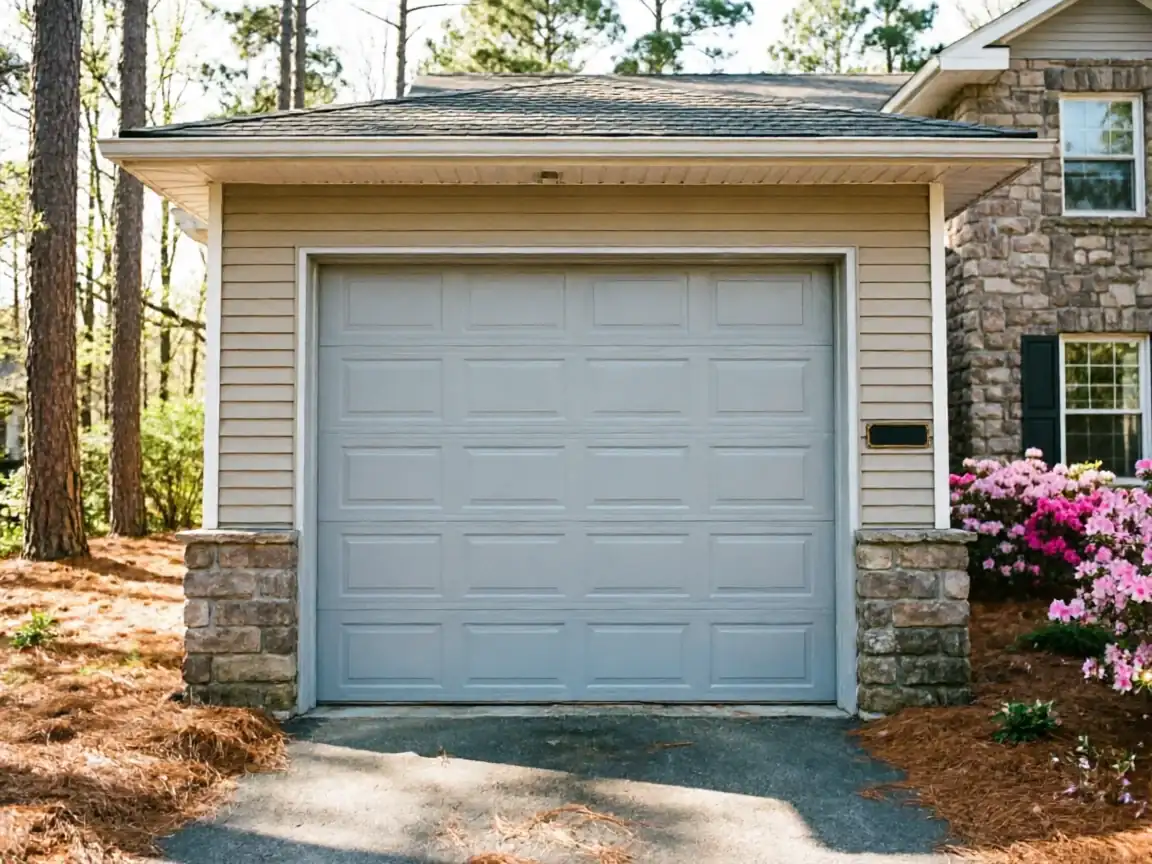
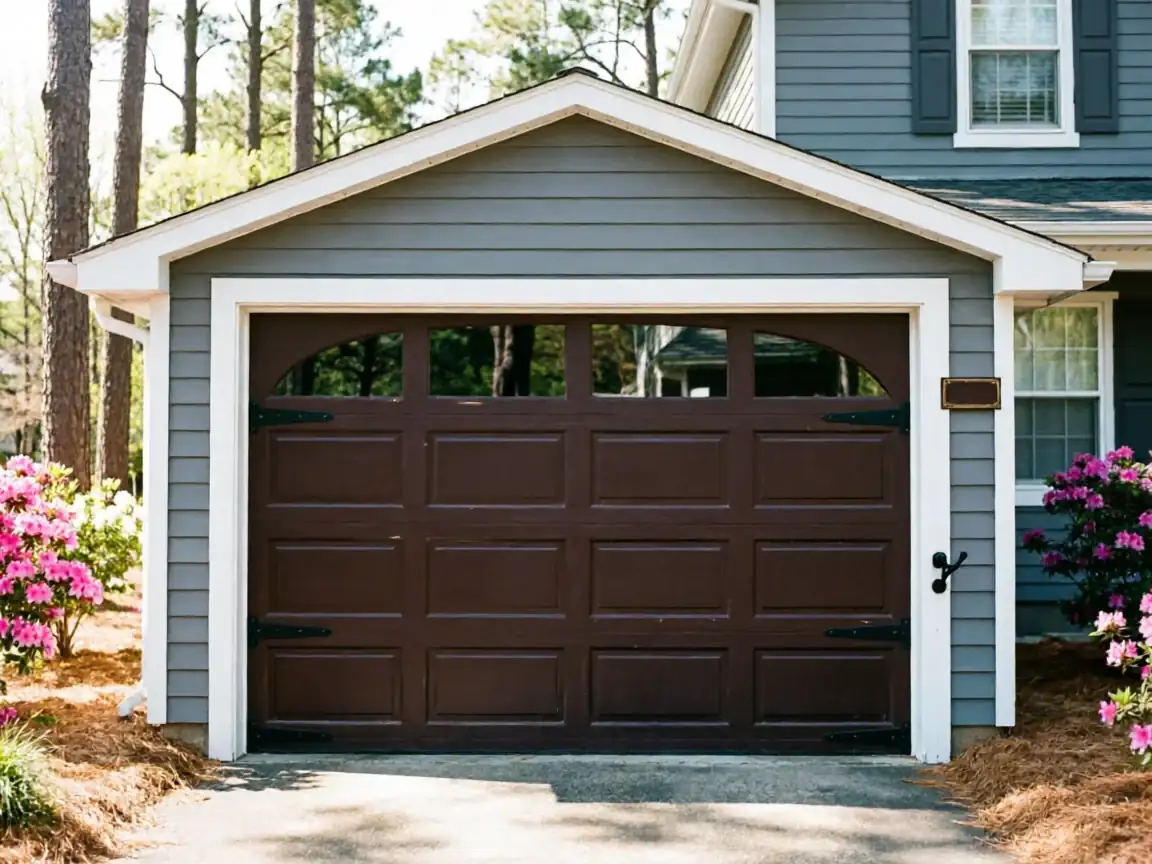
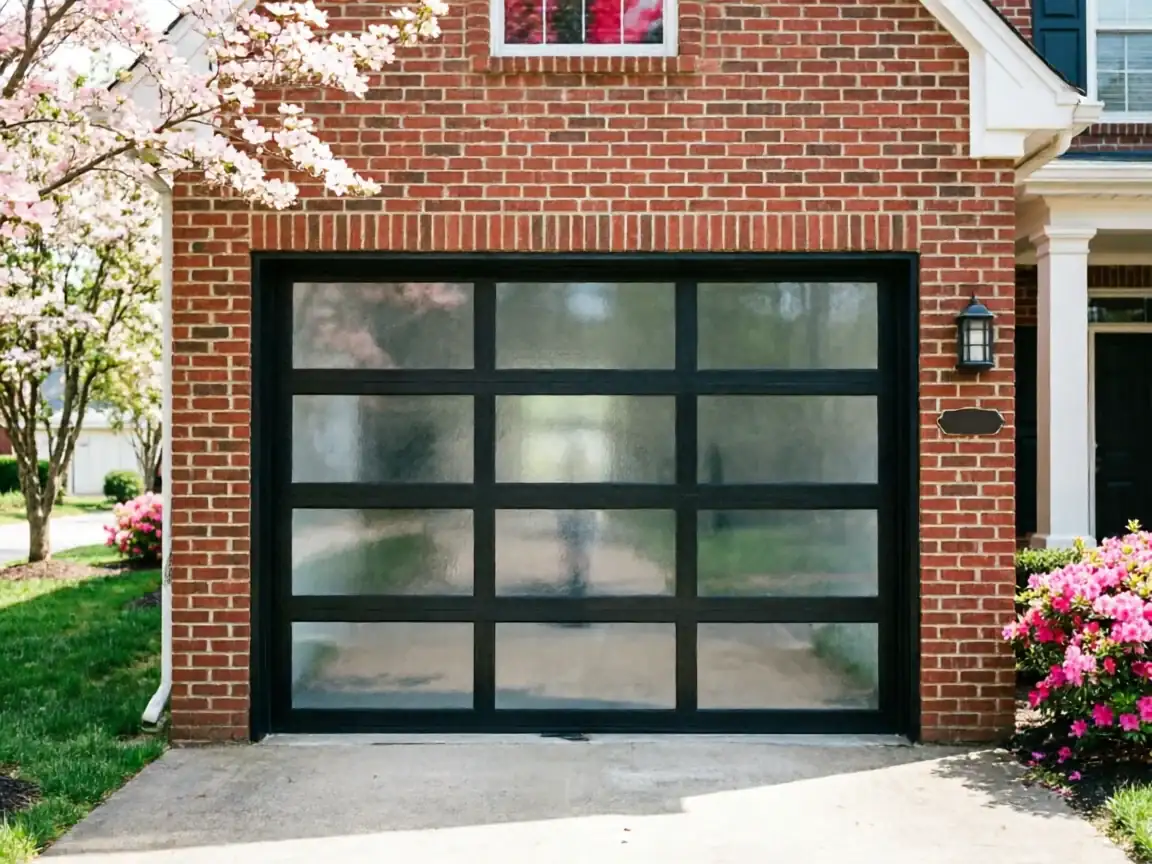
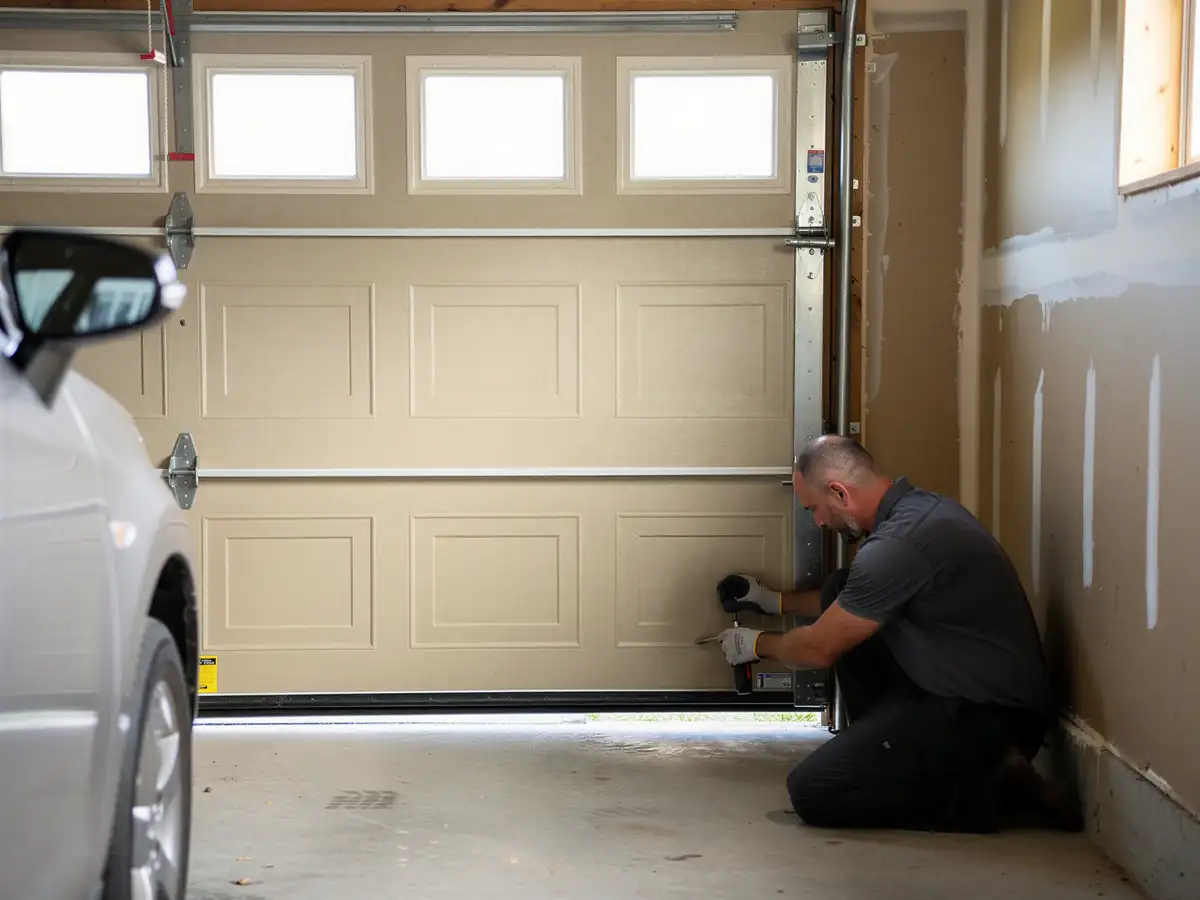
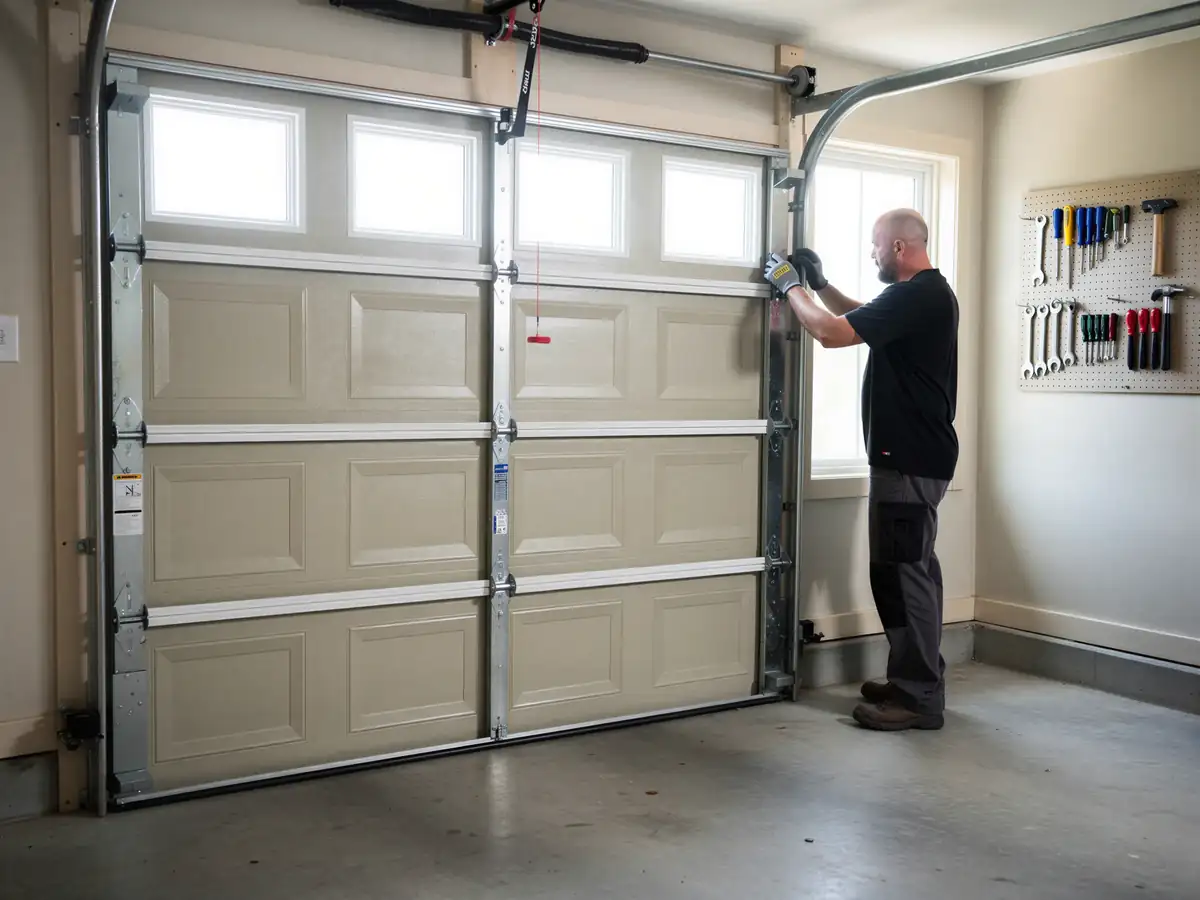
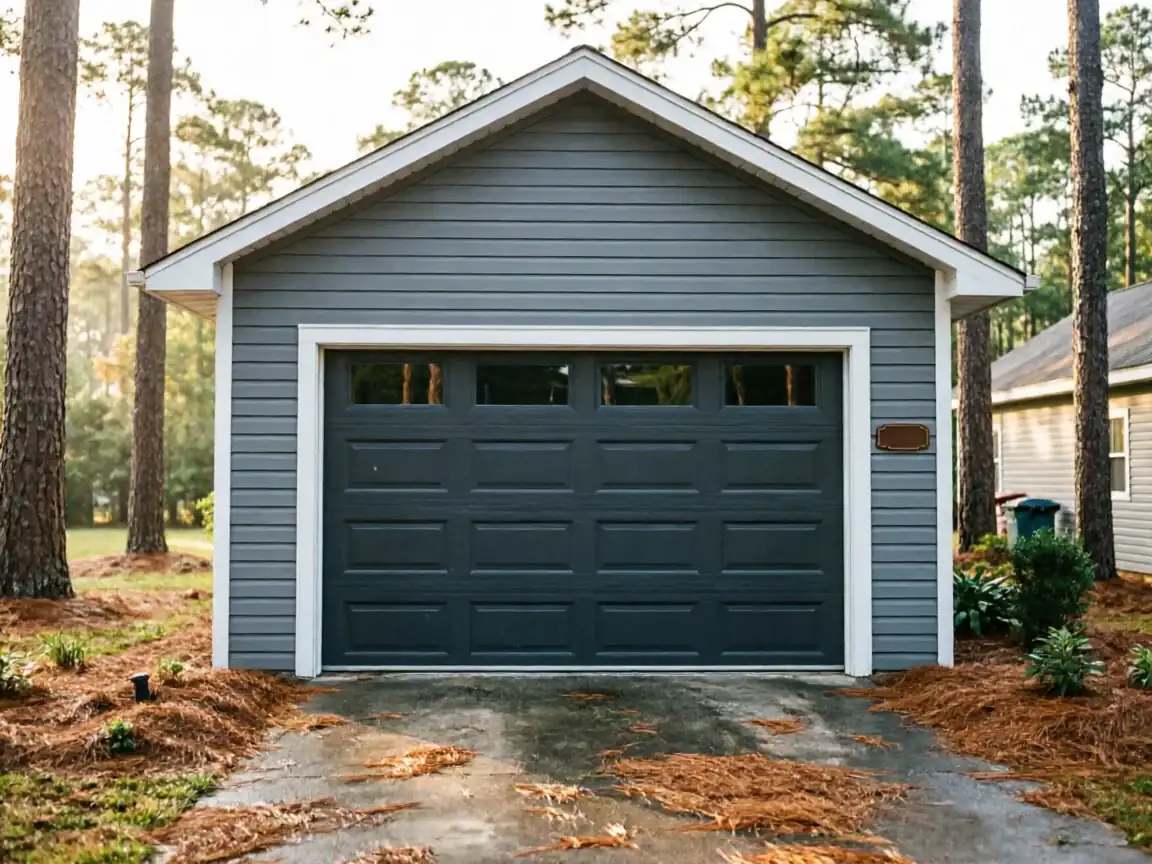
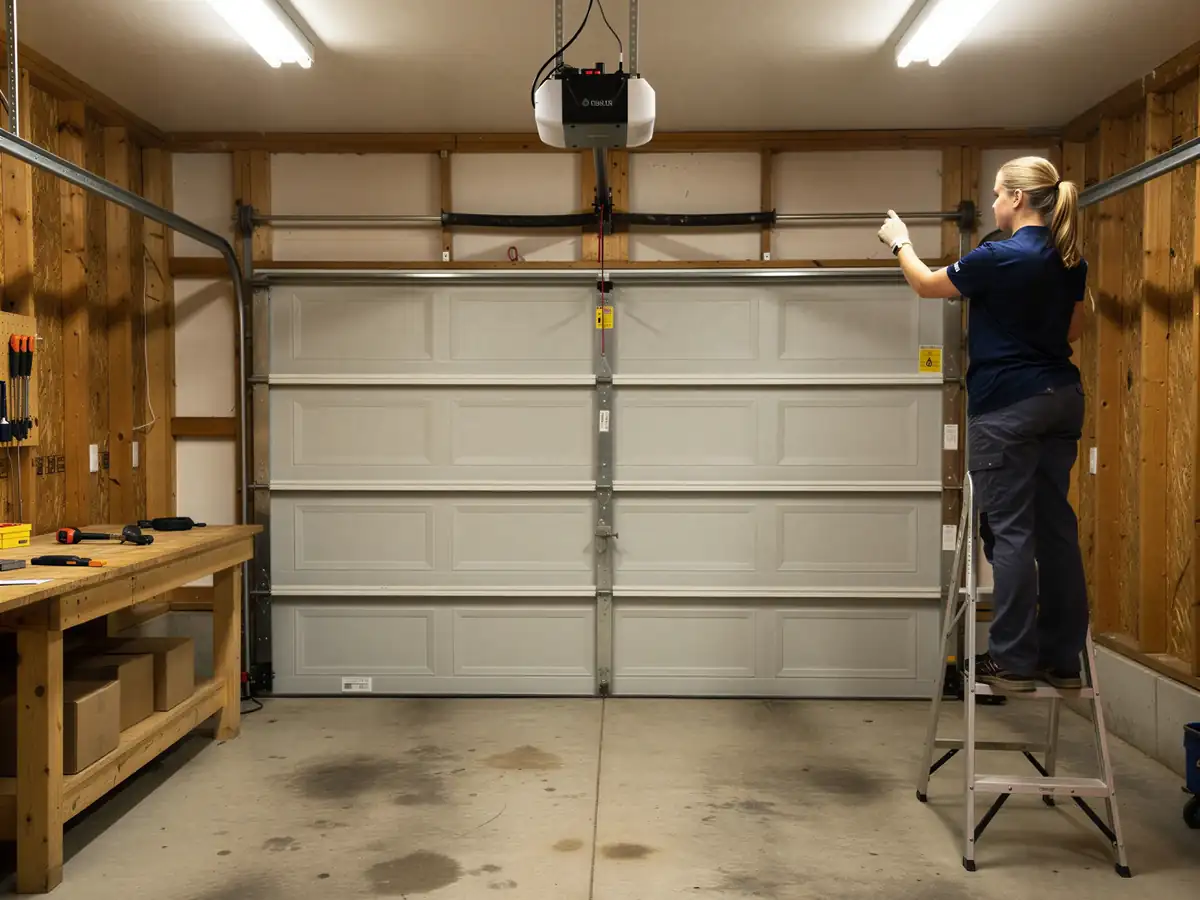
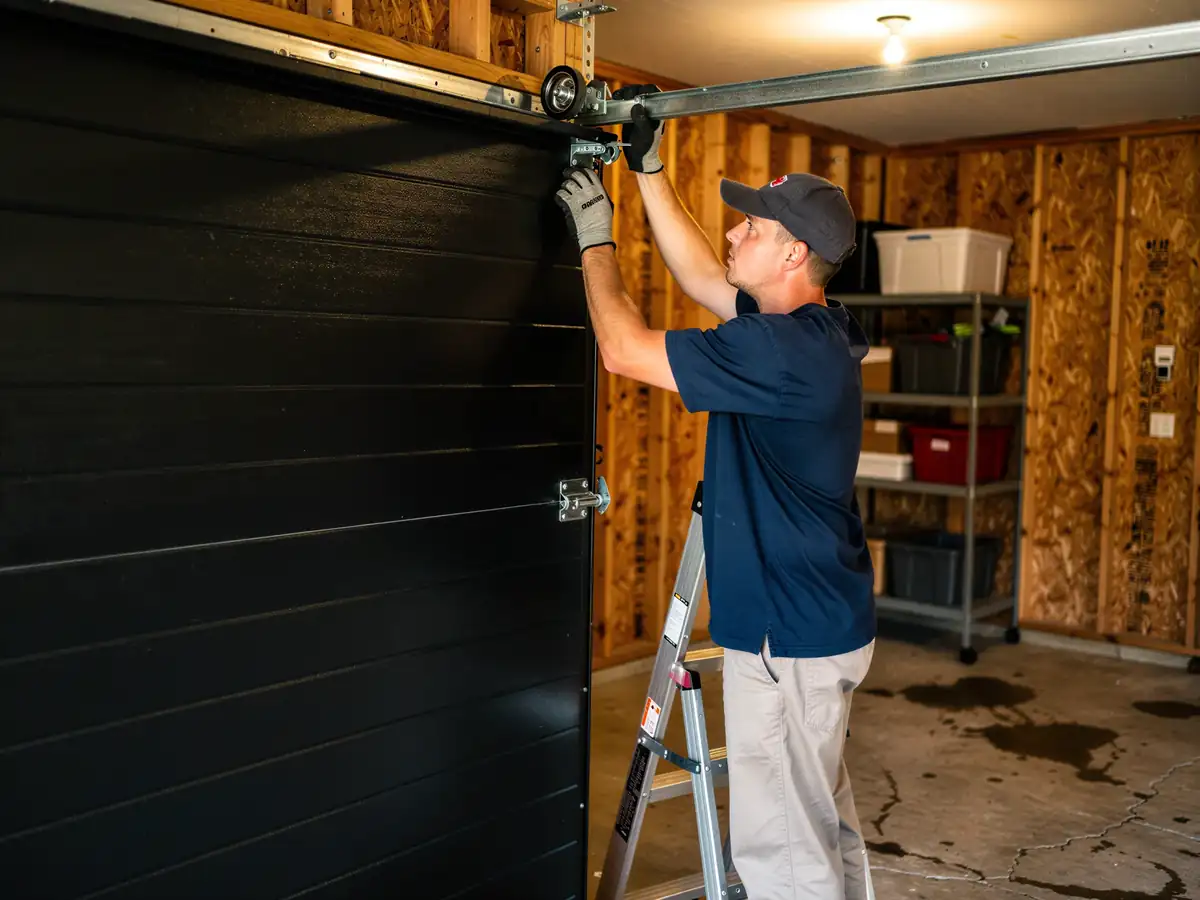
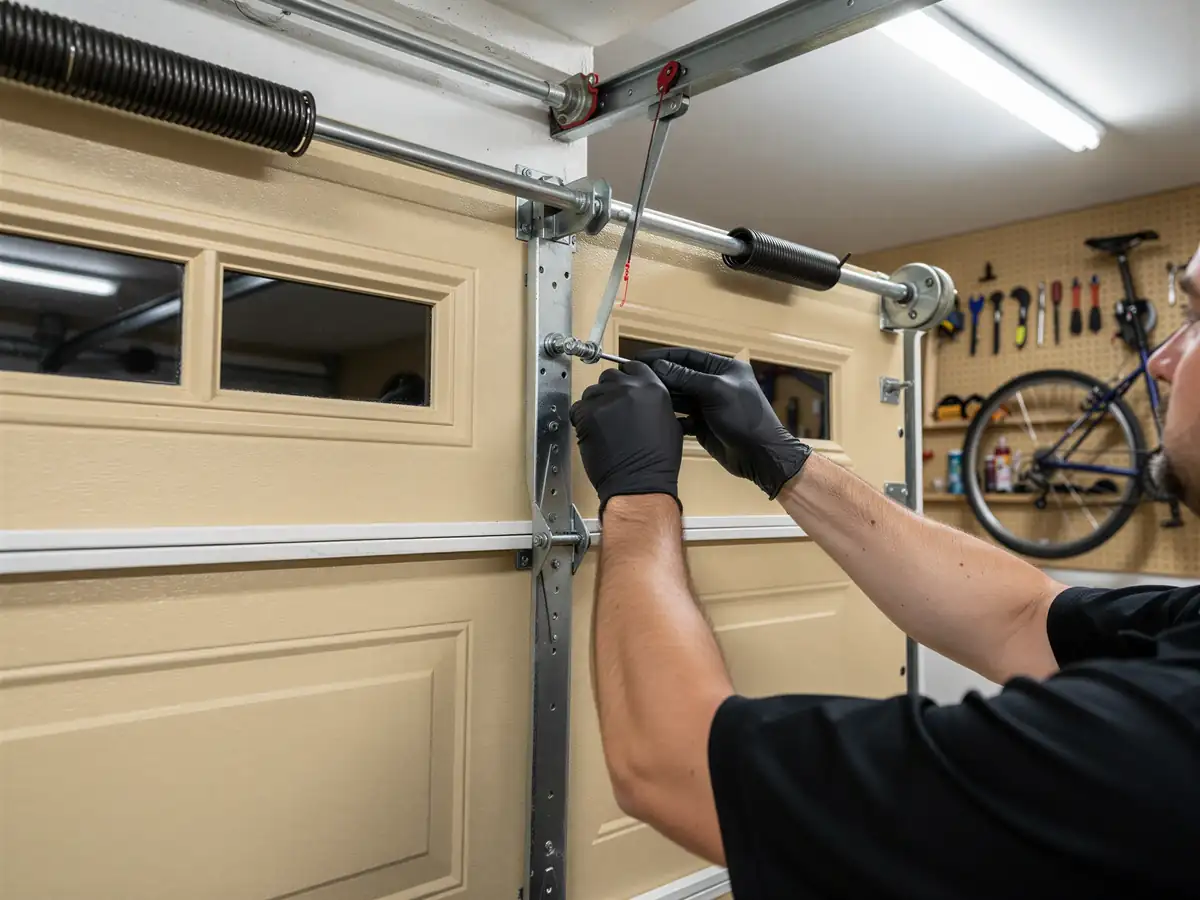
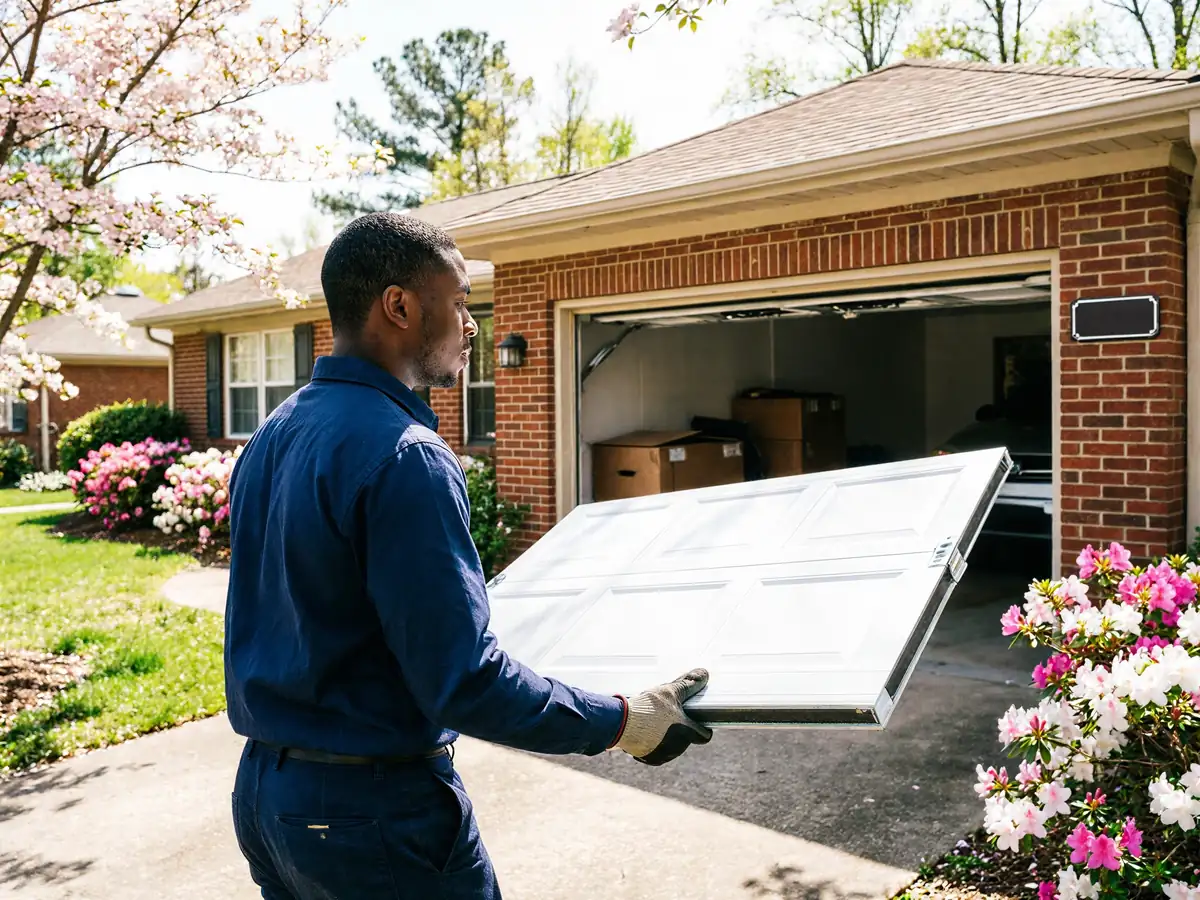
A single panel on a sectional door can sometimes be swapped without touching the rest of the door, but it depends on whether the manufacturer still makes that exact profile. Houses in Soddy-Daisy cluster around a median build year of 1985, and a lot of those original doors used panel widths and rib patterns that got discontinued once steel gauges changed in the 90s. If your door is from that era, pulling one panel off and ordering a replacement online is a gamble - it may not match, and a mismatched panel looks worse than the dent did. You can remove the hardware yourself if you're comfortable with a ratchet and a ladder, but matching the panel itself usually needs someone who's seen that specific door line before. That's the part worth paying for, not the labor of unscrewing hinges.
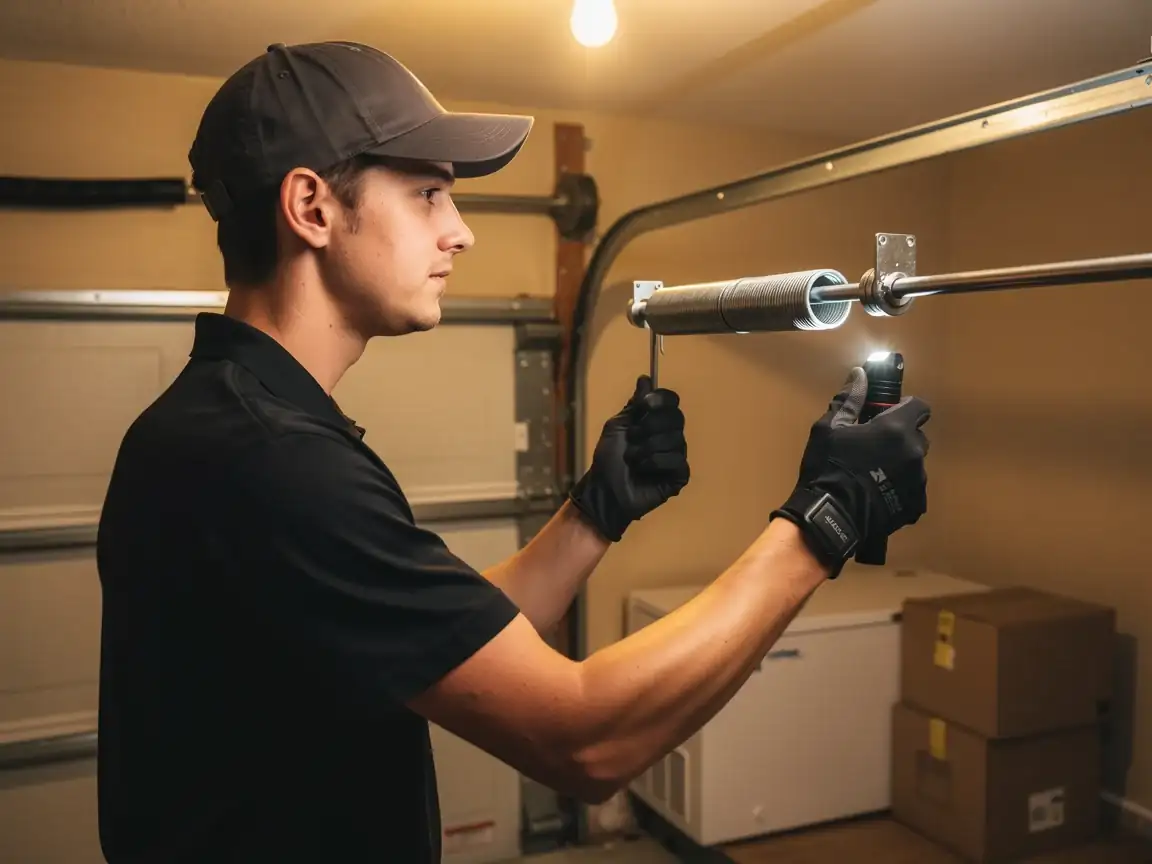
The other thing DIY misses is structural. A cracked panel on a double-wide door changes how the door carries itself under wind load, and this area sits in a cold-moderate climate band where freeze-thaw cycles through the winter keep working a hairline crack wider every season. If the crack runs into a hinge stile, that's not a cosmetic fix anymore - that's a safety call.
Getting It Booked In
We run out of Cleveland
And Soddy-Daisy is about 18 miles out, so a panel job here gets scheduled as a dedicated trip rather than squeezed between stops closer in. That means we ask for the door's brand, the panel section (top, bottom, which row), and a photo before the truck leaves, so the part that shows up is the part that fits. Guessing wastes the drive for everyone.
- 18 miles
Because the trip takes real time off the road
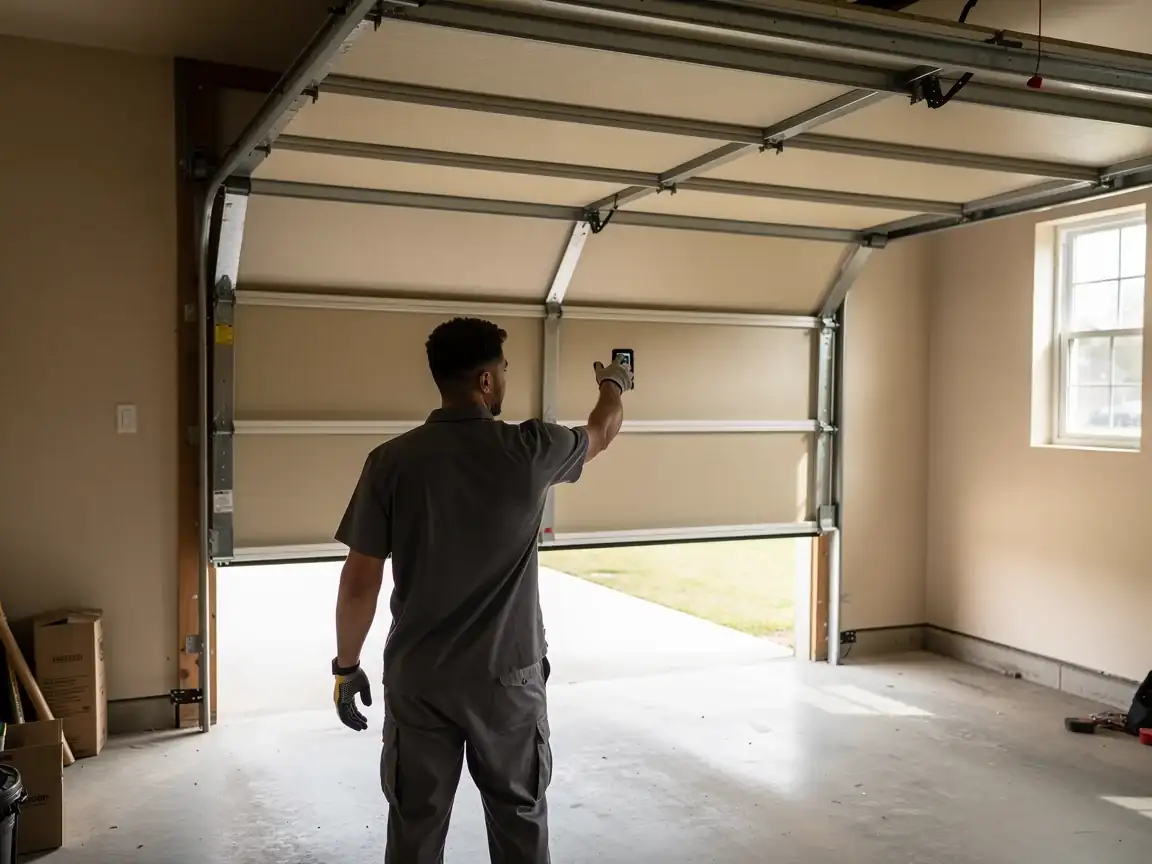
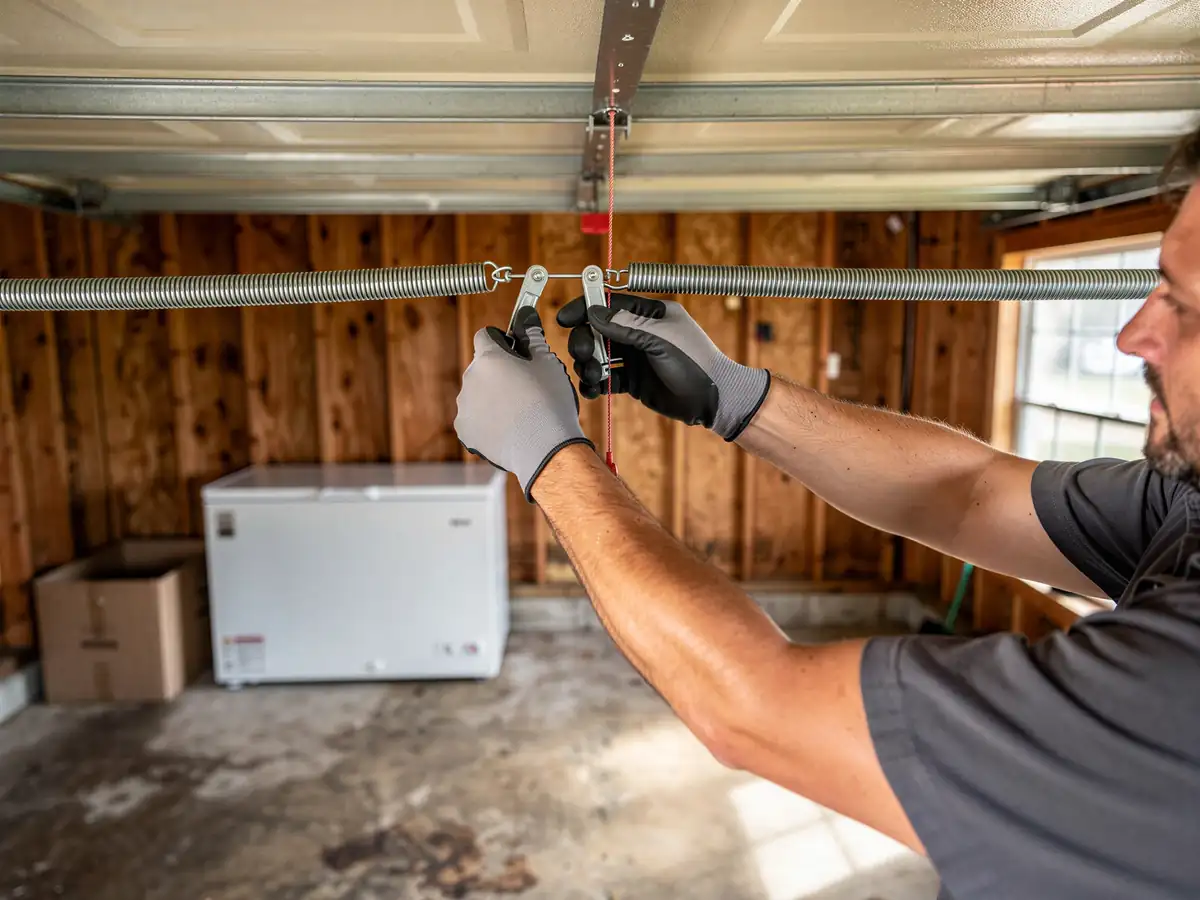
We batch panel work with any other door issues you want looked at on the same visit - a noisy roller, a loose track bracket, whatever else has been bugging you. One trip covers it instead of two. If a part has to be special-ordered because your door is older or the model's been discontinued, that lead time sits outside our control, and we'll tell you upfront rather than promise a date we can't hit.
What You Are Seeing
Soddy-Daisy's housing mostly dates from the 1980s and 90s, with a median year built of 1985 - close to the wider service area's 1984 median, which means the doors you're dealing with are from roughly the same generation of steel and hardware. The common failure here isn't rust-through, the way it might be in a wetter climate; it's impact damage and oxidation at the seams where the panel skin meets the stile. A trailer hitch, a bike handlebar, a kid's errant throw - the dent itself is cosmetic, but once the paint cracks at the bend, moisture gets under the galvanized coating and the panel starts to bubble from the inside out over a season or two.
On a lot of 1985-era doors, the panel is also thinner gauge steel than what's made today, so a dent that would barely show on a new door can crease all the way through on an older one. That's not a flaw in your door - it's just what that generation of manufacturing used, and it means a small hit does more visible damage than you'd expect.
Stocked Parts
We keep common panel sizes and colors on the truck for the door styles that show up most across the service area, which covers a good share of what's on the road in Soddy-Daisy given how closely its 1985 median build year tracks the rest of the area. What we don't carry on the truck is anything discontinued or a custom color match - those get special-ordered, and that's the honest limitation here: if your door is an older or less common model, you're looking at a wait for the part before we come back to install it, not a same-visit fix.
We'd rather tell you that upfront than have the truck roll 18 miles out here with the wrong panel in the back.