Can You Do This Yourself
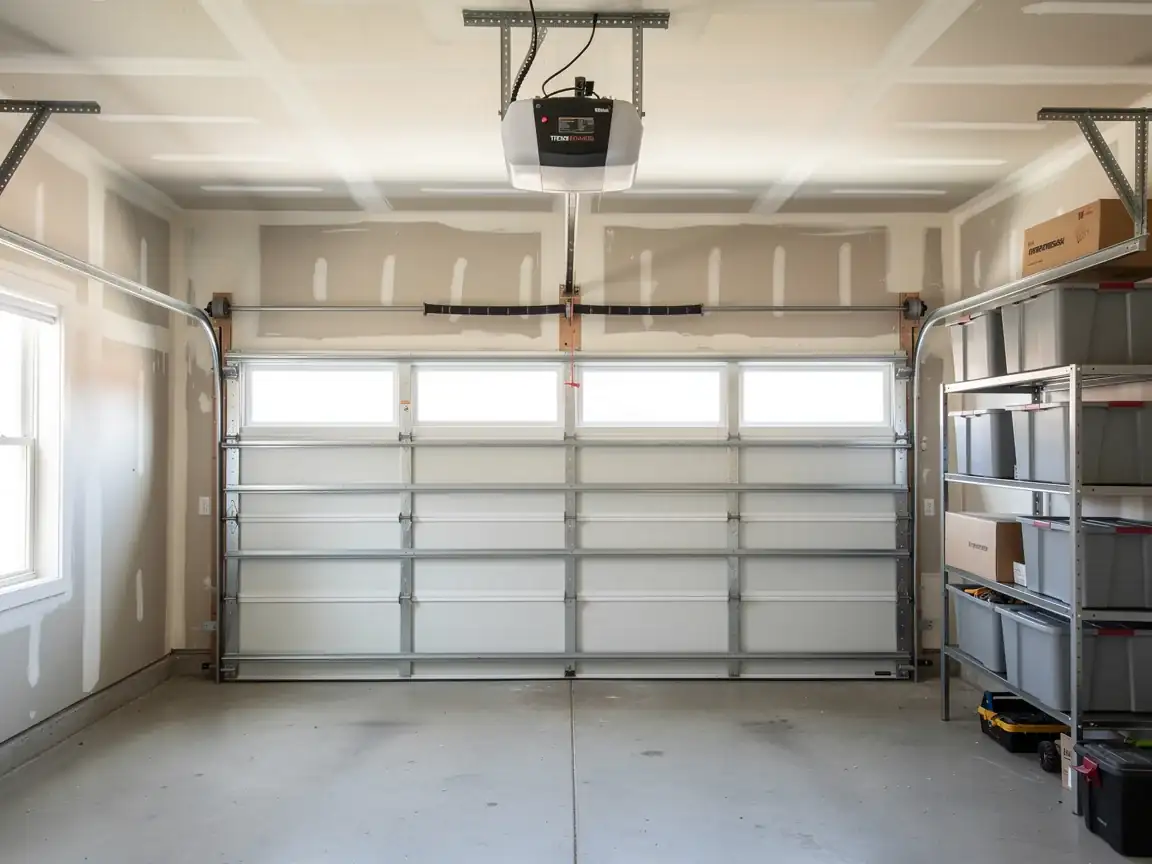
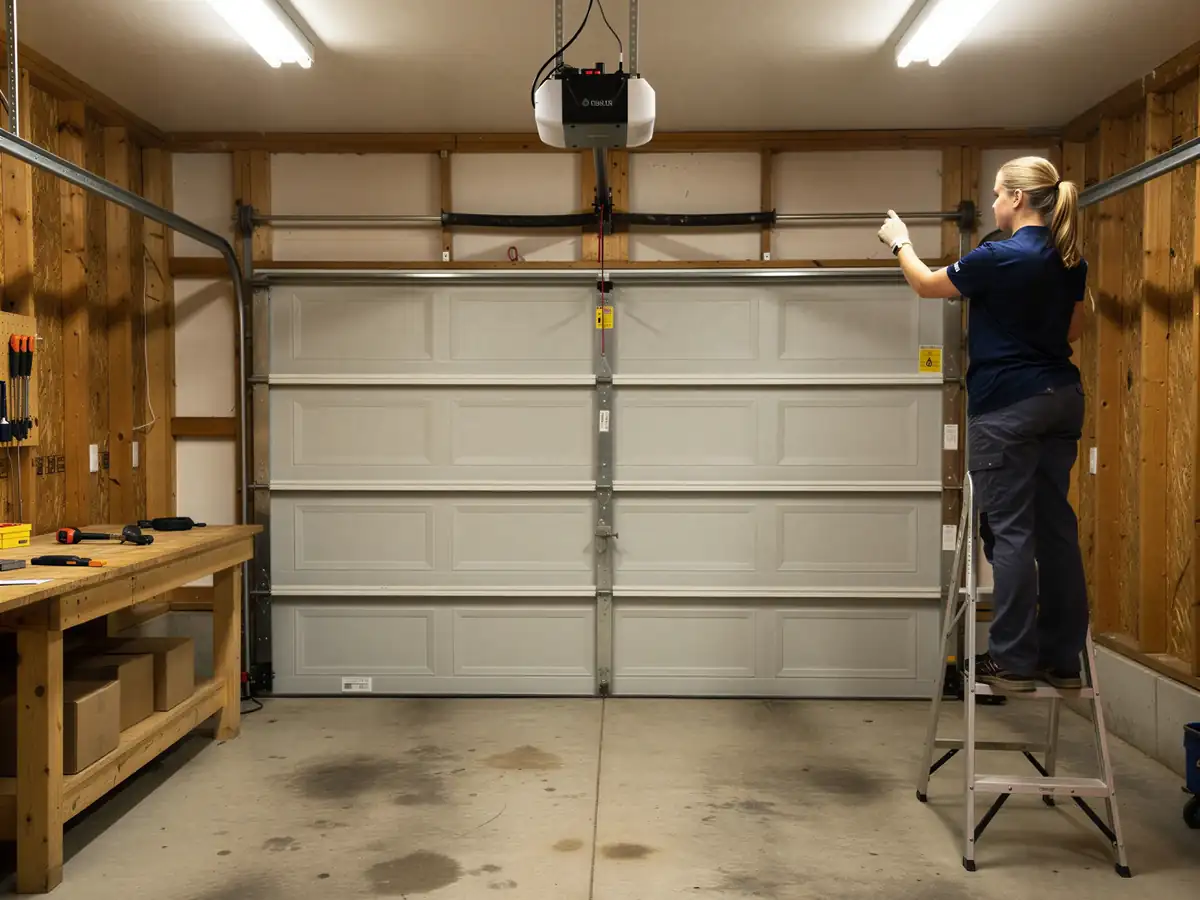
Most houses in Soddy-Daisy went up right around 1985, the midpoint of the area's housing boom, and that year matters more than people think. An opener on a house that age is almost always a chain-drive unit, possibly a second or third unit if the first one got swapped out in the 90s or 2000s. The circuit board, the sensor eyes, the logic for the wall button - all of it was built to a much simpler standard than anything sold today.
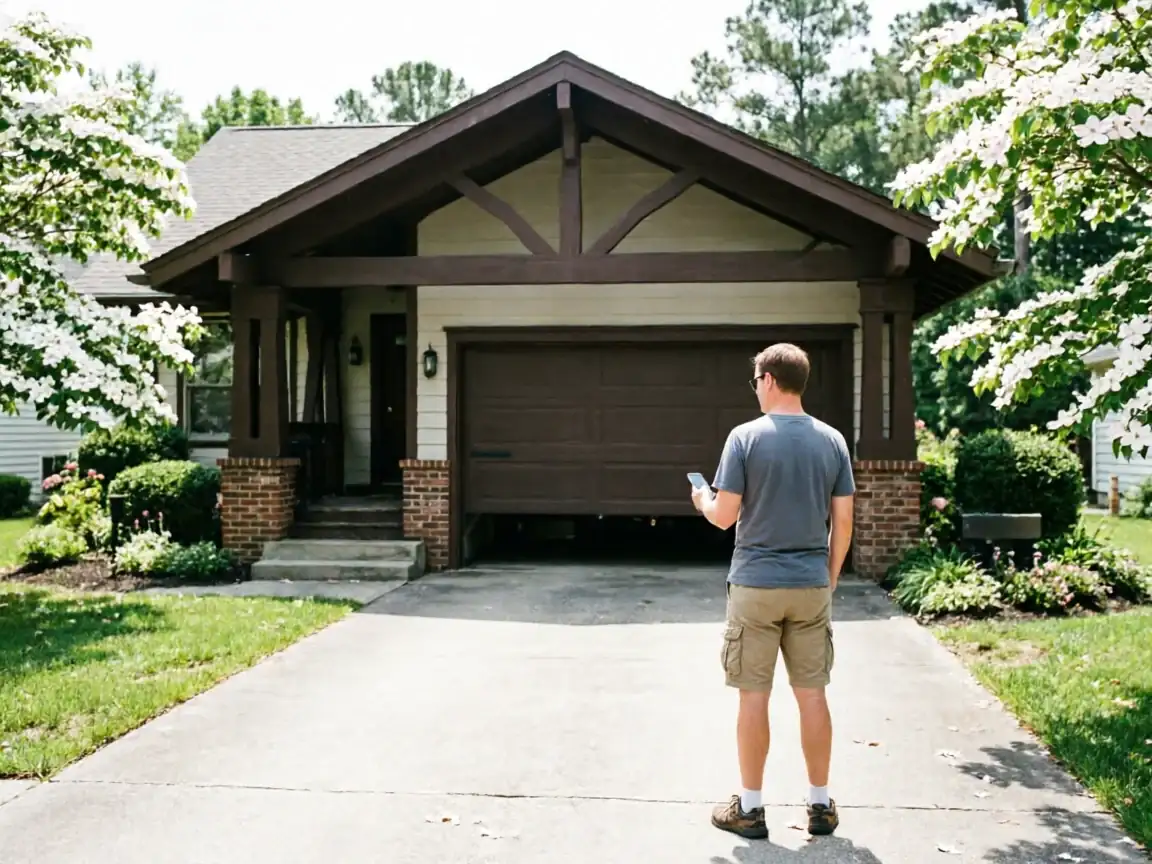
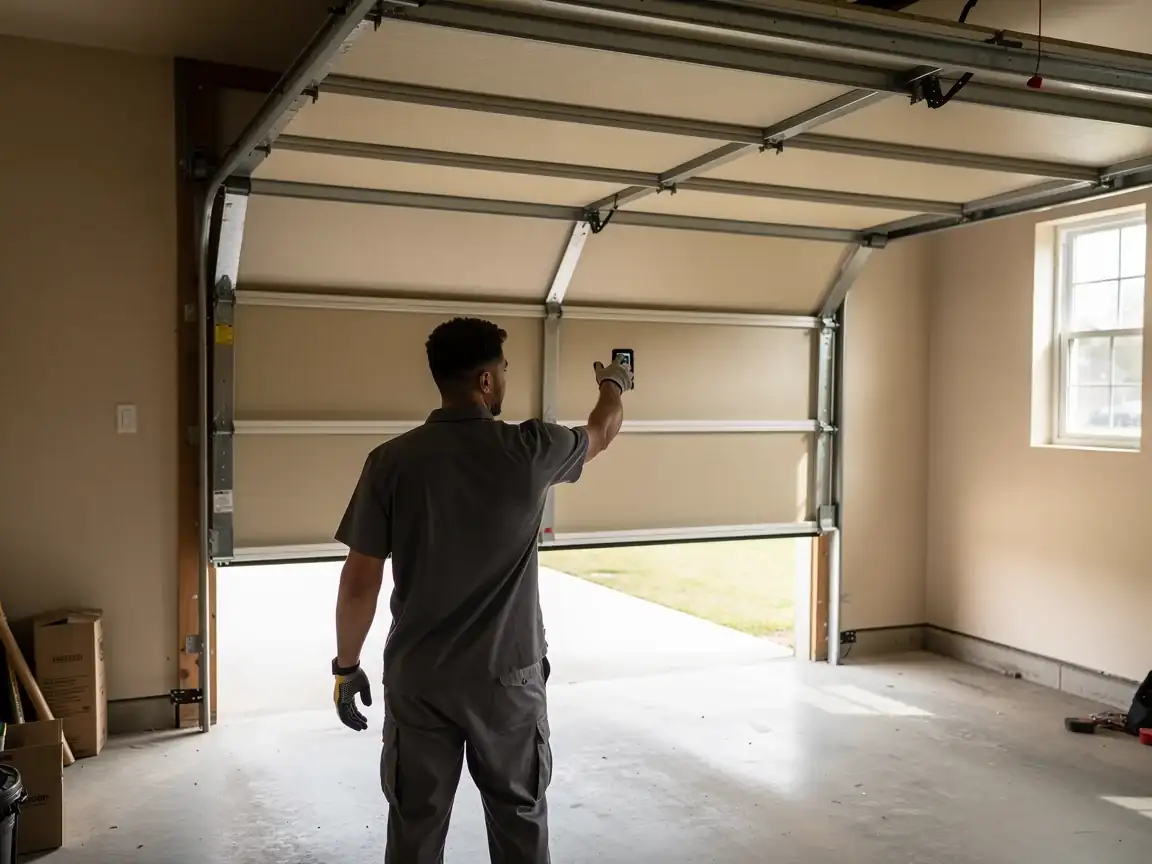
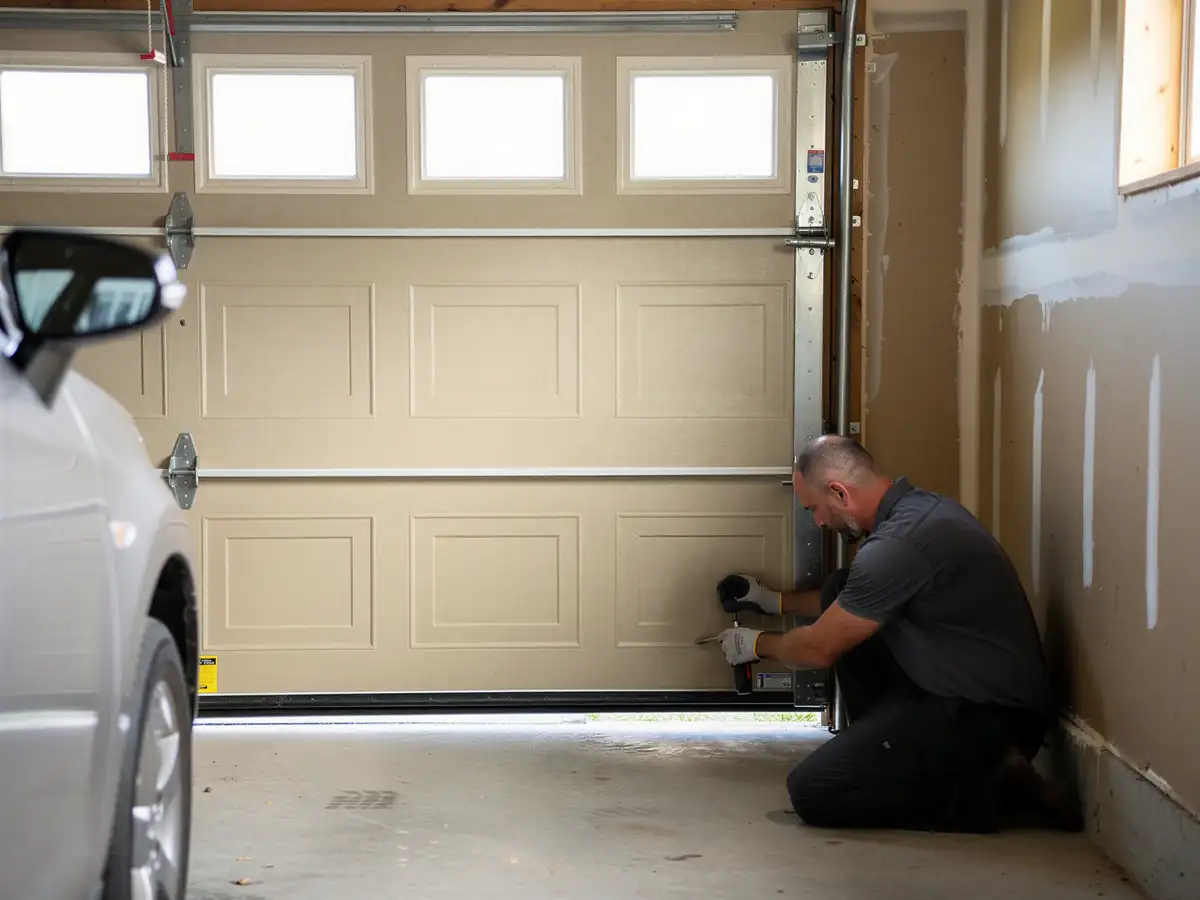
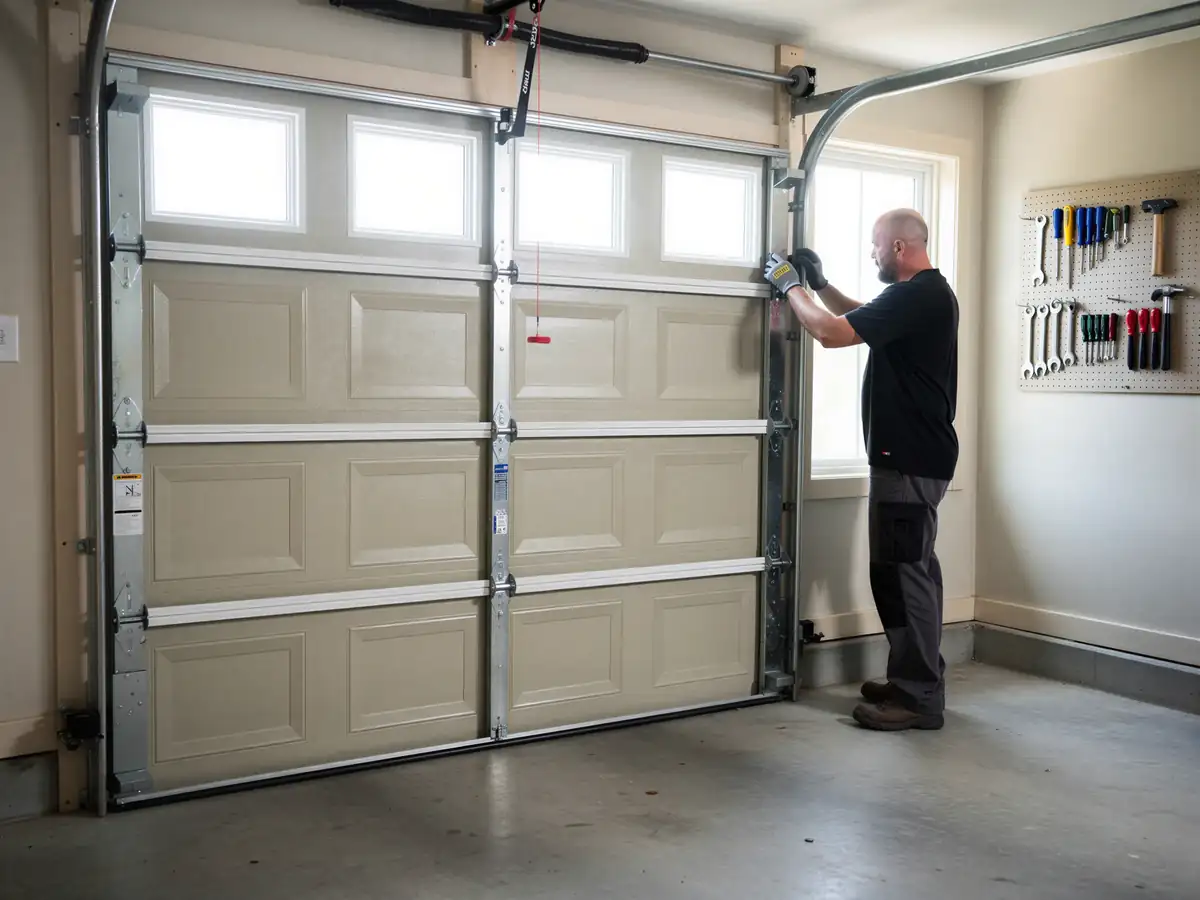
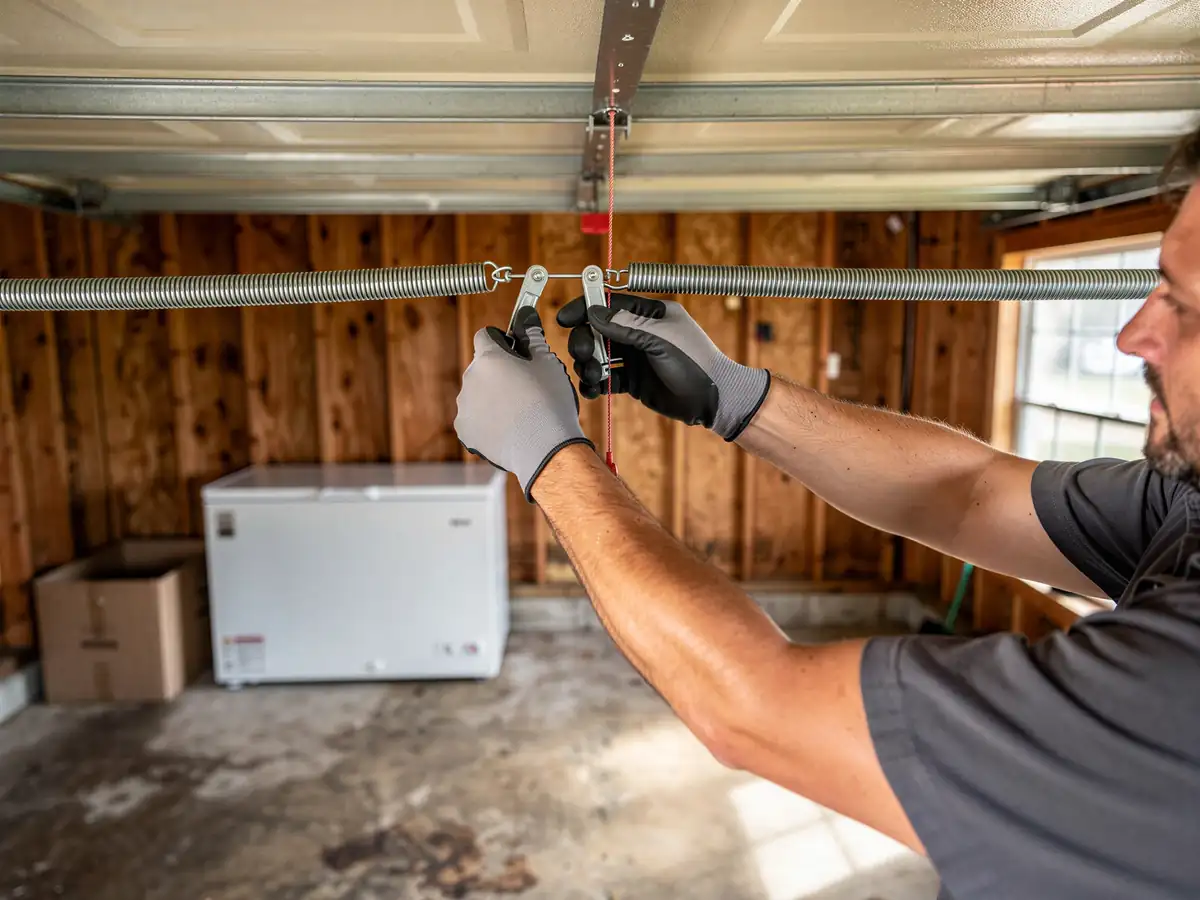
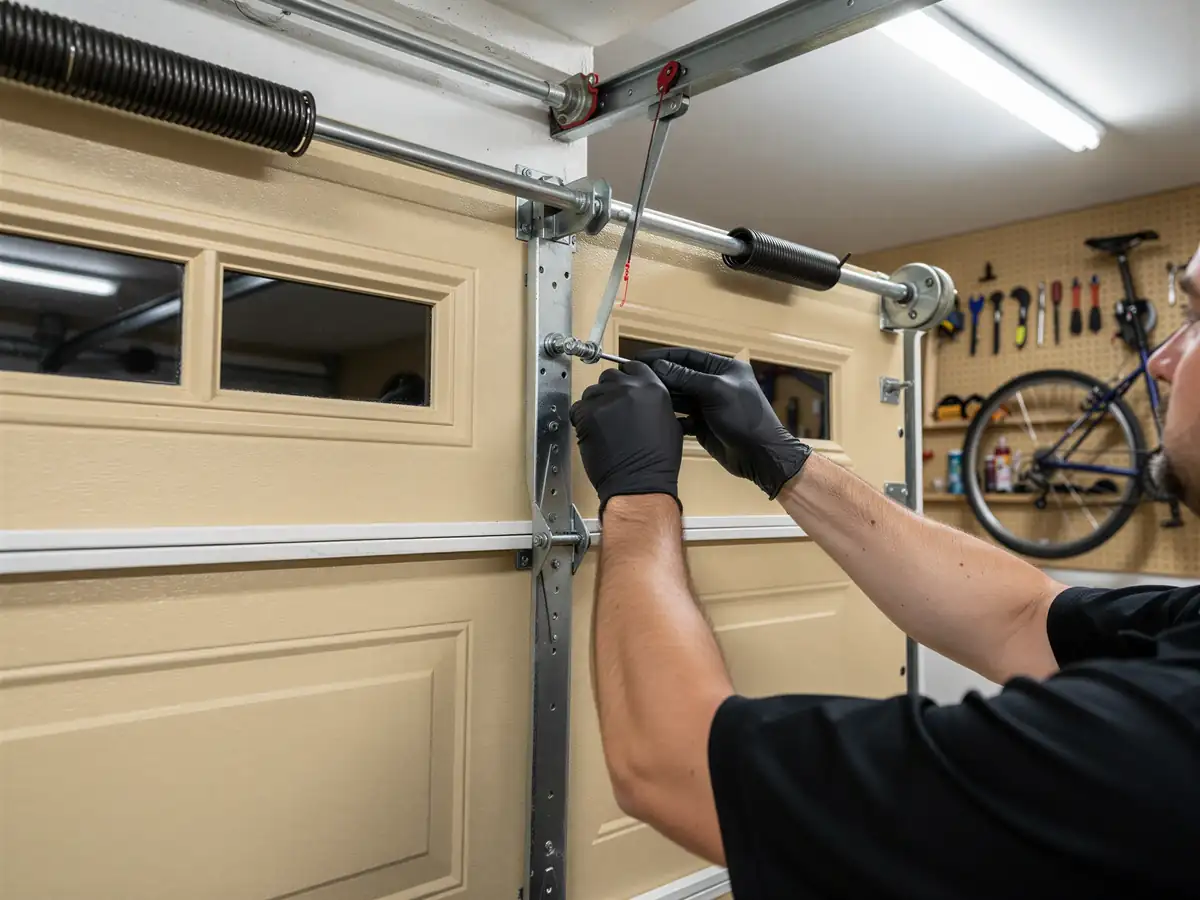
If your opener hums but the door doesn't move, that's usually a stripped gear, and you can check it yourself: pull the red release cord, see if the door moves freely by hand. If it does, the problem is in the opener, not the door or springs, and that's a part swap, not a full unit replacement half the time. If the door is hard to move by hand too, stop - that's spring tension, and that's not a DIY fix regardless of opener age.
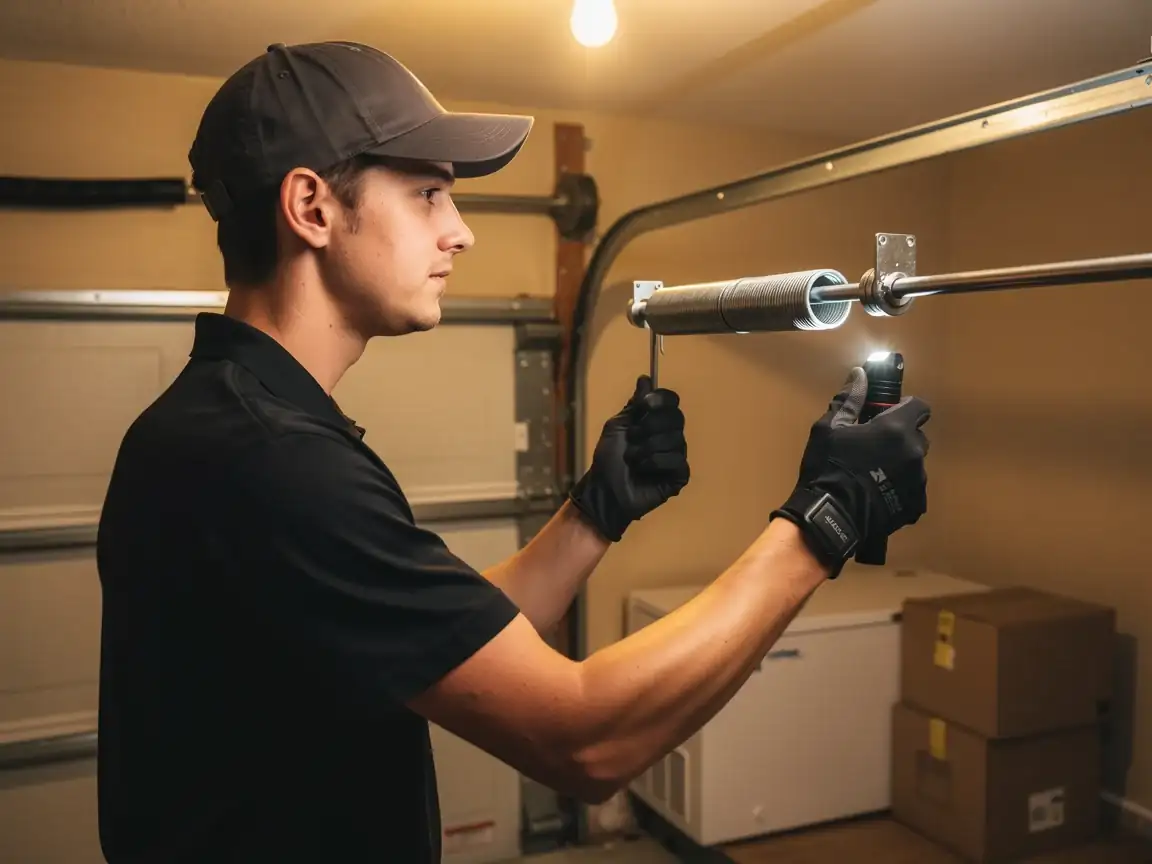
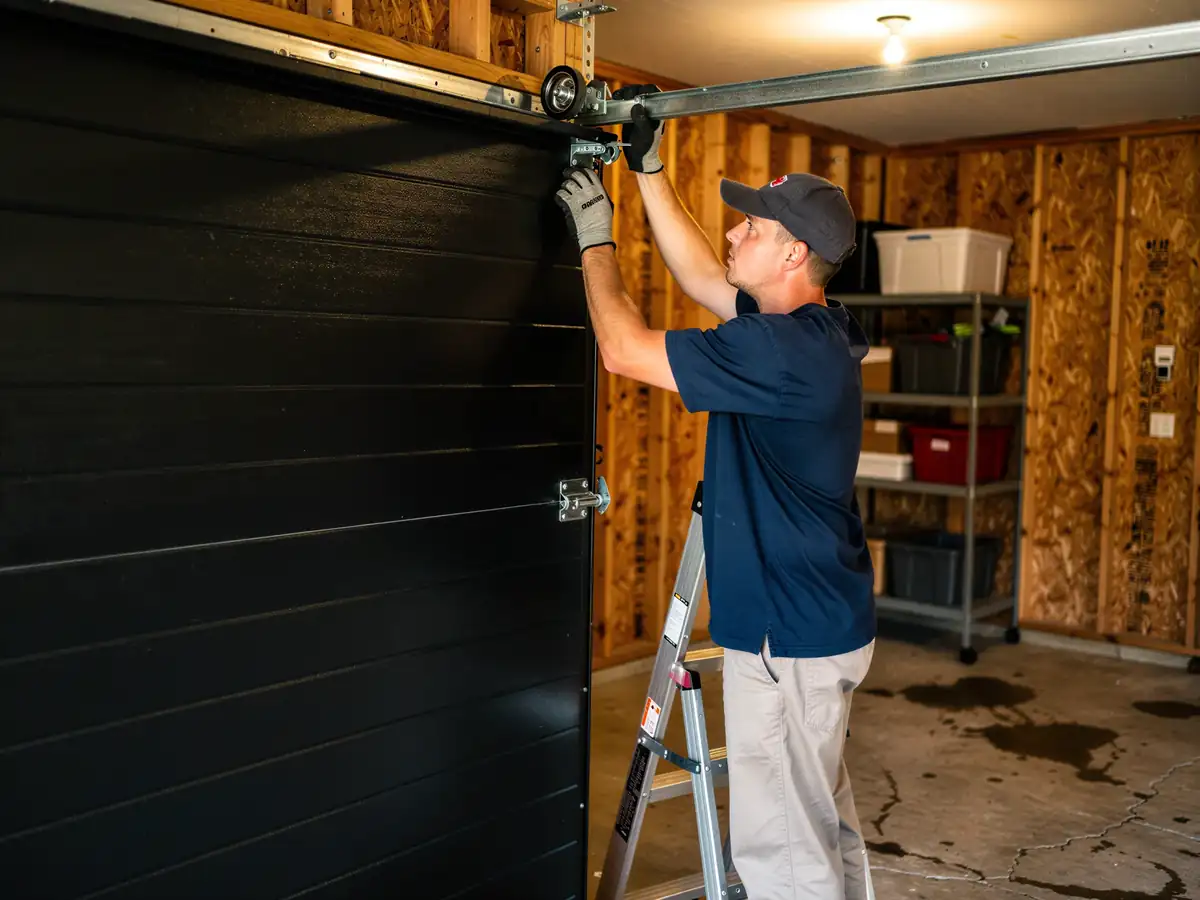
What you shouldn't touch yourself: the high-voltage side of the logic board, or anything involving the travel limits on a chain-drive unit from that era, since the adjustment screws on 80s and 90s units don't match current manuals and guessing can strip the whole assembly.
Getting It Booked In
We work out of Cleveland
And Soddy-Daisy is an 18-mile drive from there - farther than East Cleveland or Hopewell, closer in than Lakesite or Harrison. That distance means opener calls out here get scheduled into a route rather than dispatched the moment you call, so when you book, tell us what the door is doing (grinding, no response, moves then reverses) so we bring the right gear kit or board on the first trip instead of a second one.
With 5,199 households in Soddy-Daisy, we're not making this drive for one job a week
It's a regular stop, just not a same-day one in most cases. If your opener has failed completely and the door is stuck shut, say so when you call; that changes how we slot the visit.
- 5,199 households
What You Are Seeing
The common failure on a house built in the mid-80s is the nylon gear inside the opener housing - it wears down over twenty-plus years of use and eventually strips, which sounds like the motor running with no door movement. Second most common: the logic board itself, especially on units that went through a straight power surge with no protection, which is more common on original 1980s wiring than on anything rewired since.
Safety sensors are a newer-era add - any Soddy-Daisy opener from the original 1985-ish build almost certainly didn't ship with them, since they weren't federally required until 1993. If your unit predates that and still doesn't have eyes added later, that's worth flagging; it's not a repair issue but it is a safety one.
Our moderate cold climate region doesn't push openers the way deep freeze does, so cold-related failures here are less about the motor seizing and more about the chain stretching and slipping off track over time, which shows up as the door stalling partway.
Stocked Parts
We carry gear-and-sprocket kits, drive chains, and logic boards for the chain-drive units most common on Soddy-Daisy's housing stock, since that era is the bulk of what's still running out here. Belt-drive and screw-drive parts for newer installs are stocked too.
What we don't stock: boards for openers discontinued before the 1990s retrofit wave, or proprietary remotes for a few obscure brands. If your unit falls into either category, we'll tell you on-site rather than quote a part we can't get fast, and a full opener swap is usually the better call at that point anyway - chasing a fifteen-year-old board rarely pencils out against a new unit.
What You Pay
At a median household income of $67,824, most Soddy-Daisy opener calls land on the practical side
A gear kit or board swap on a unit that's otherwise sound, rather than a full replacement. We don't have a fixed price list to quote here since it depends on which part failed and whether the unit is still supported, but we'll tell you the number before any work starts, not after.
- $67,824 median household income
One thing worth knowing going in
If the opener is original to a mid-80s build and the board's gone, replacement parts for a unit that old are often harder to source than the labor to install them, and a new opener can end up cheaper than the repair. We'll lay out both options on-site rather than default to the repair just because that's the call you made.