How We Fix It
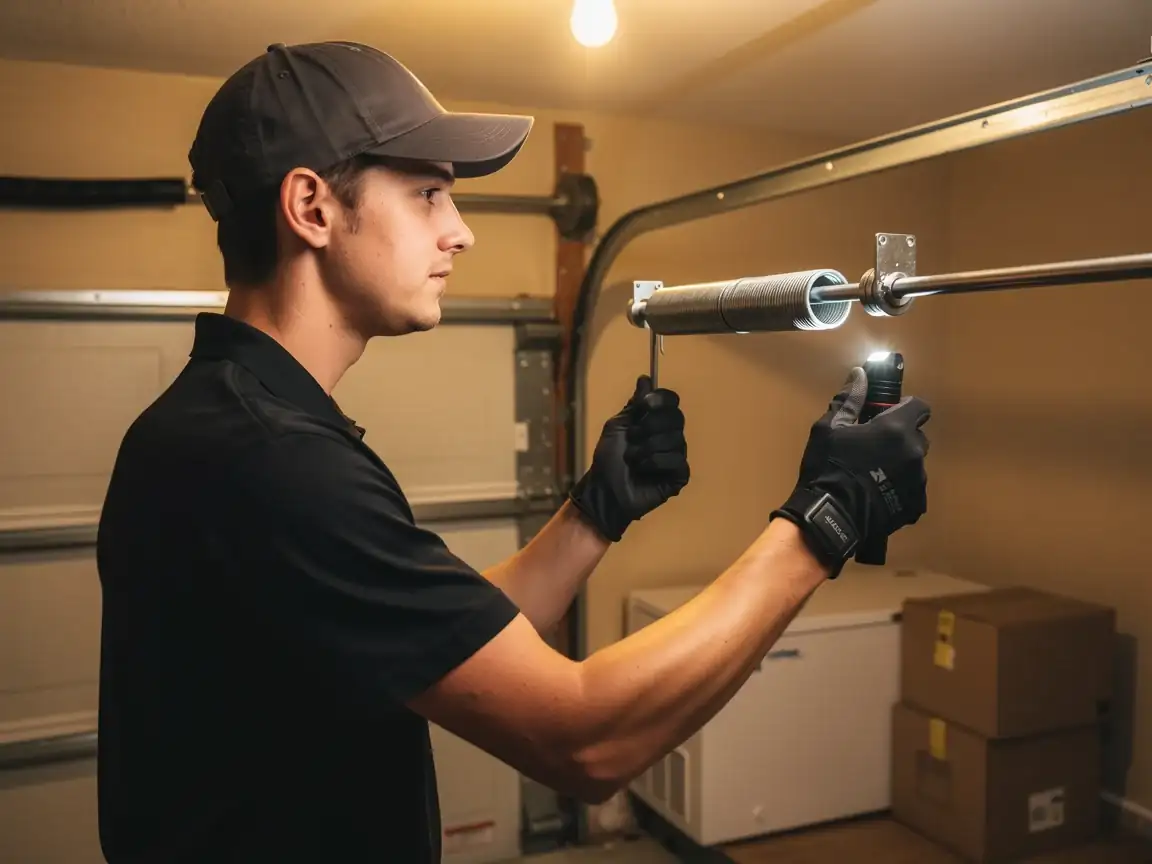
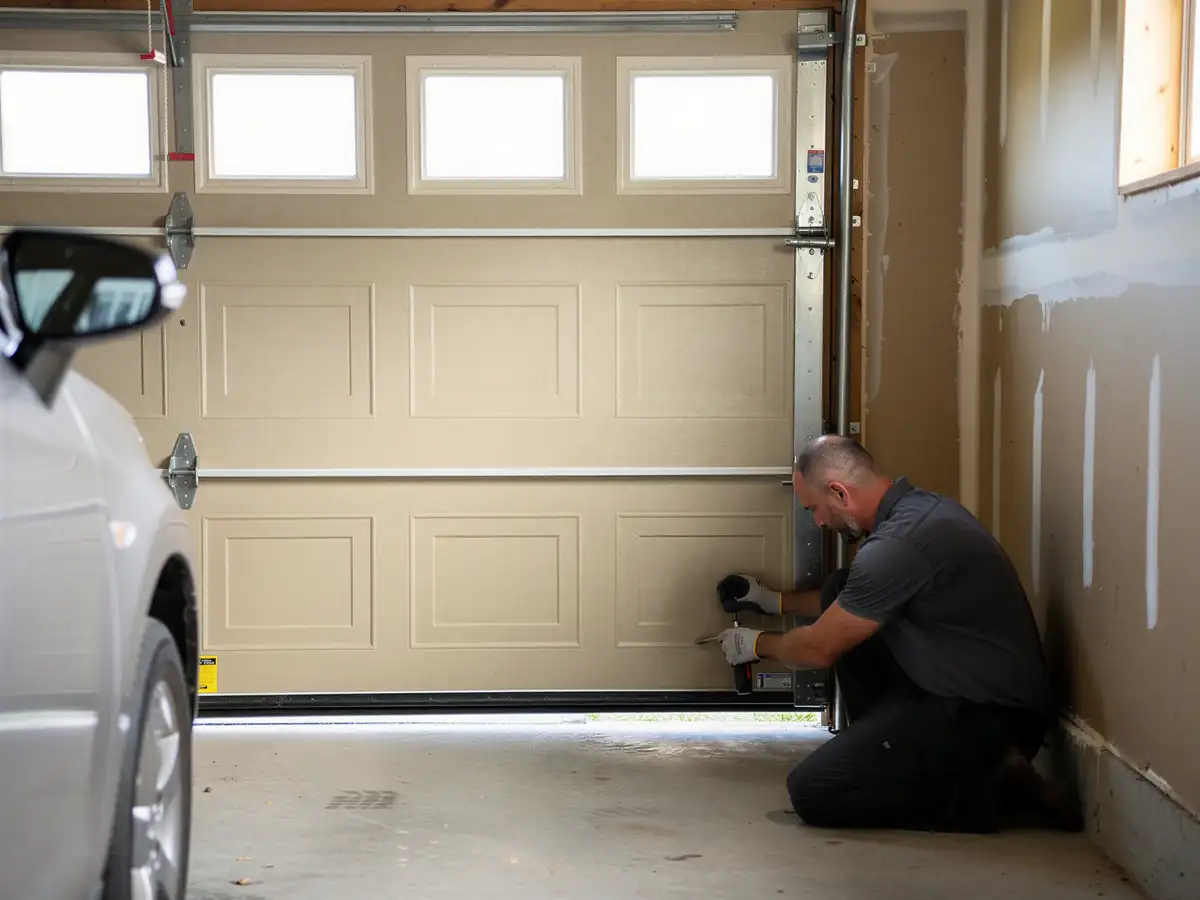
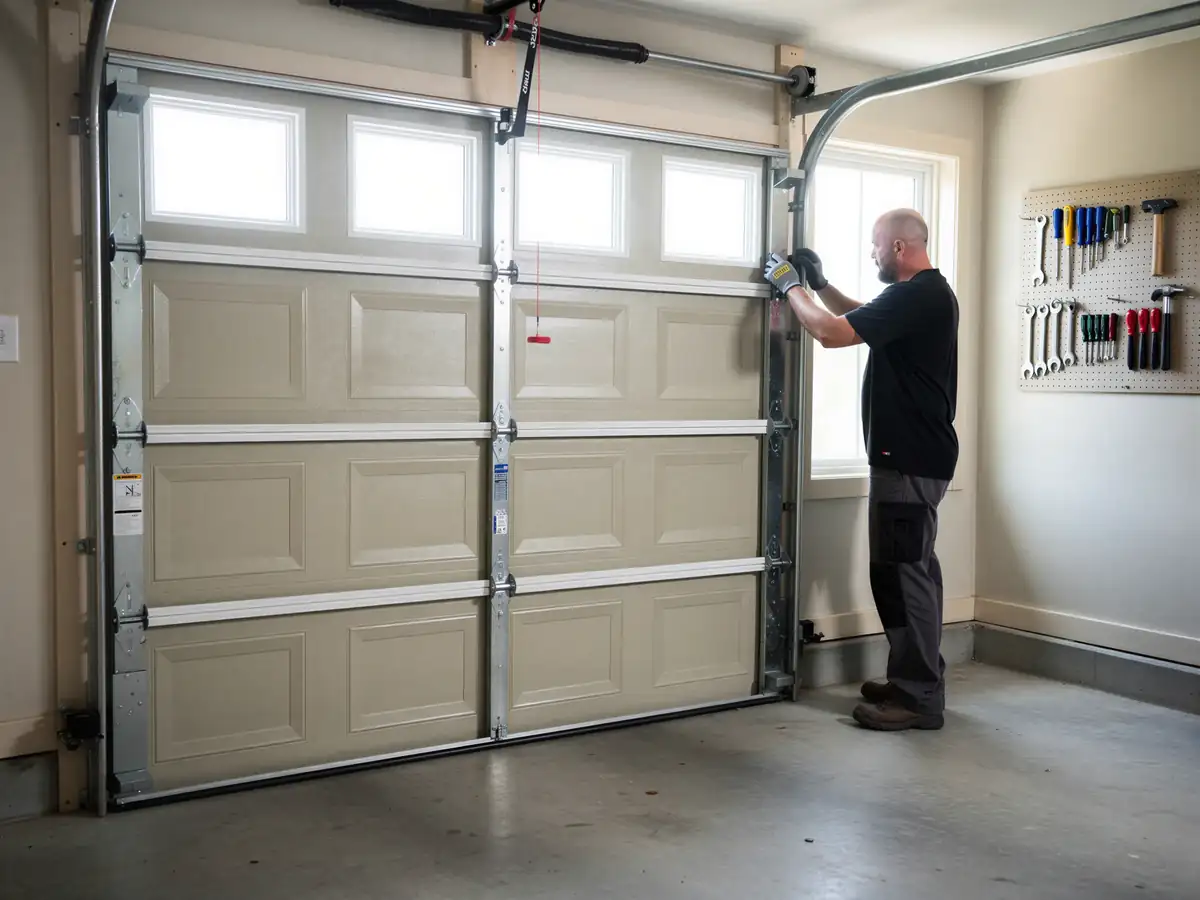
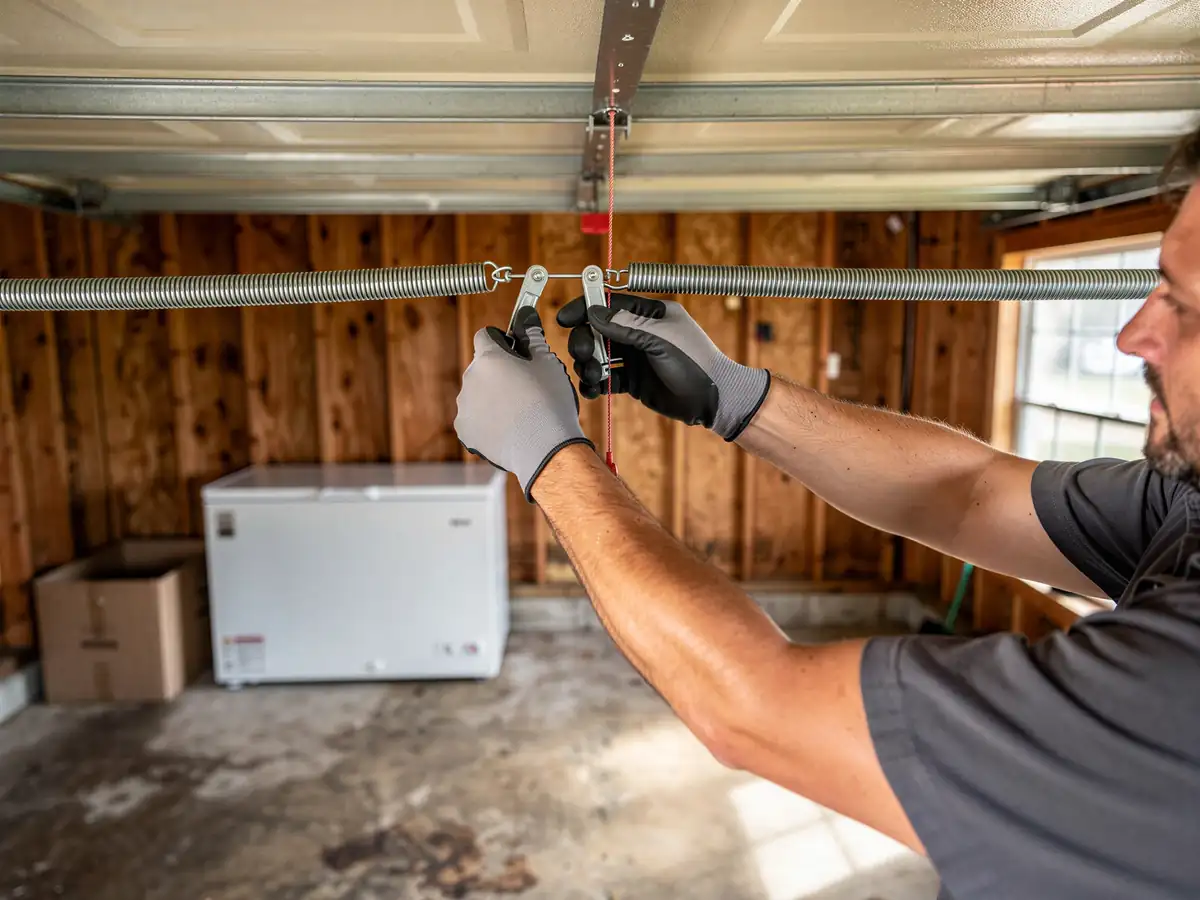
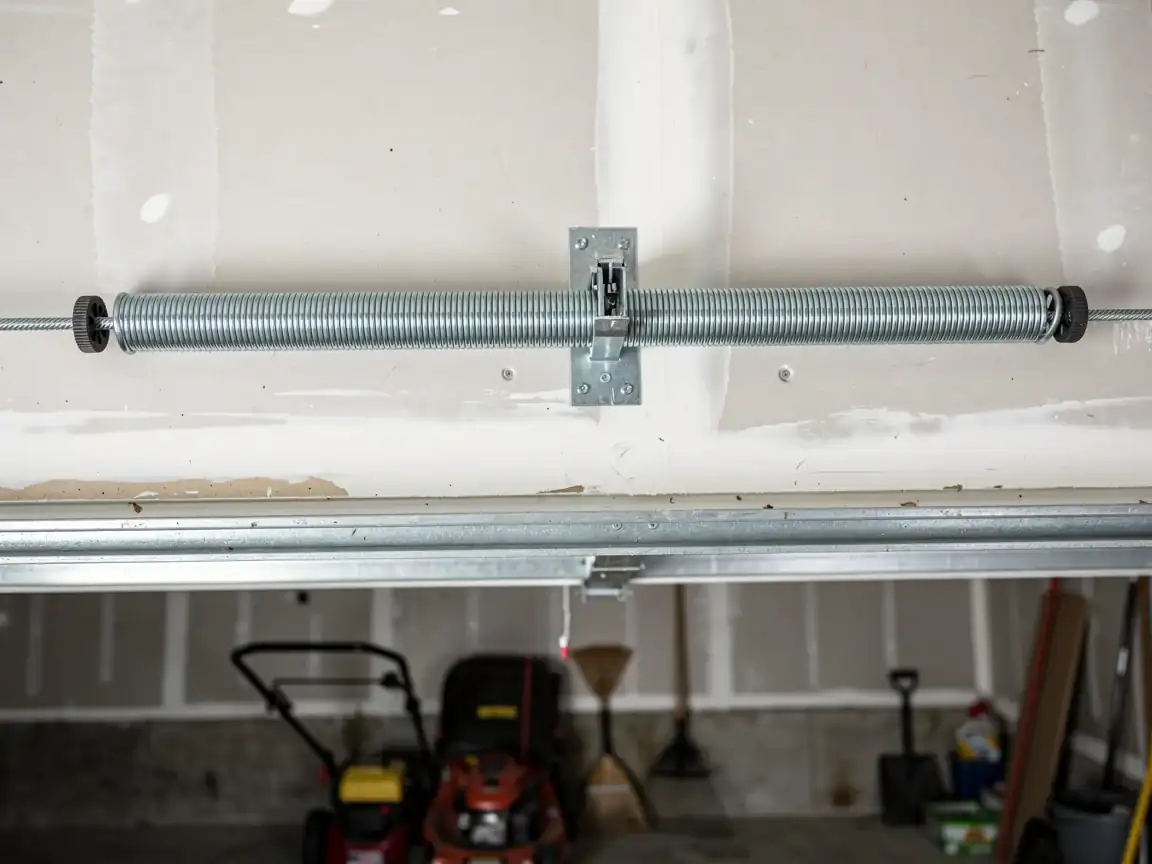
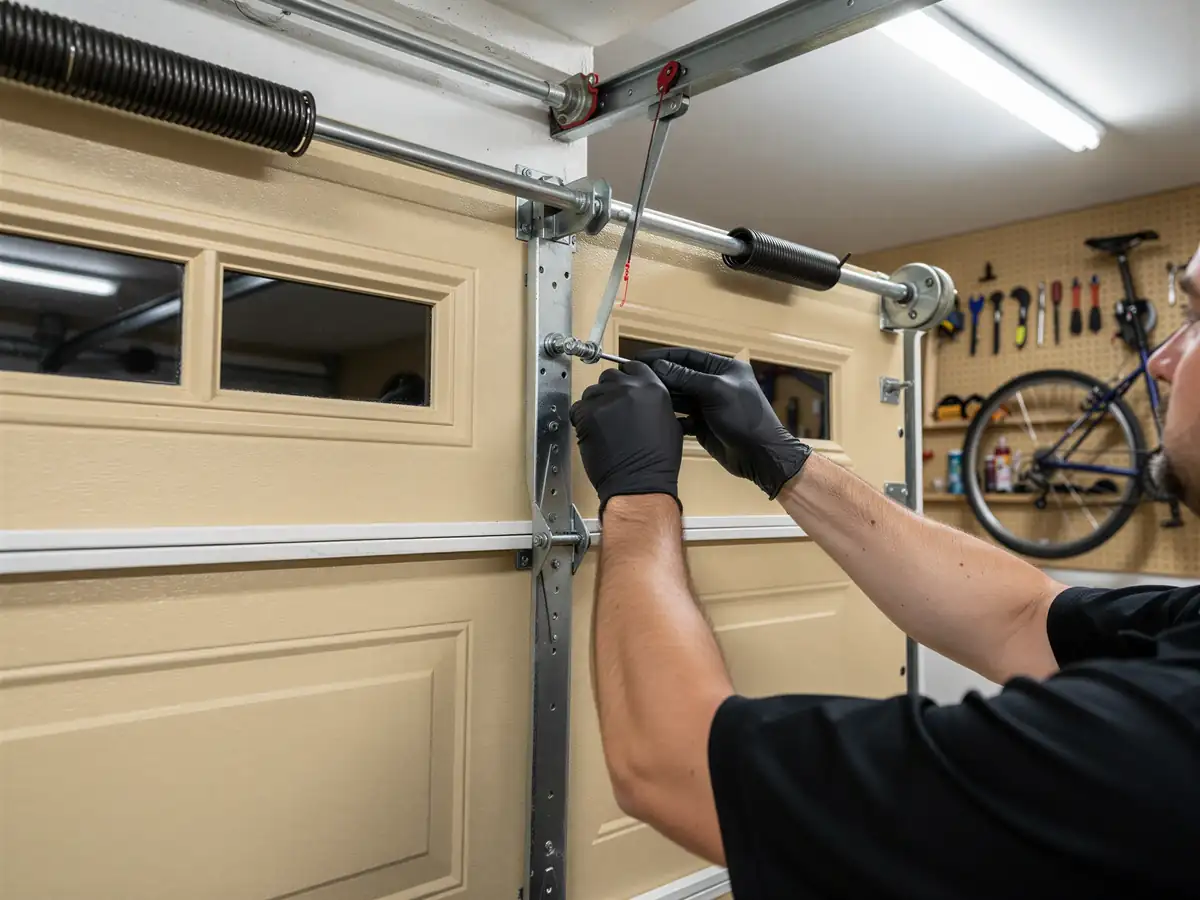
We start with the spring. Most of the doors we service across this area run on torsion springs installed when the house was built, somewhere between 1967 and 2004 going by the housing stock here, and a lot of that hardware has never been lubricated or balance-checked once. We back off tension, pull the springs, check wire gauge against door weight, and re-tension to the actual door instead of whatever was spec'd thirty or forty years ago.
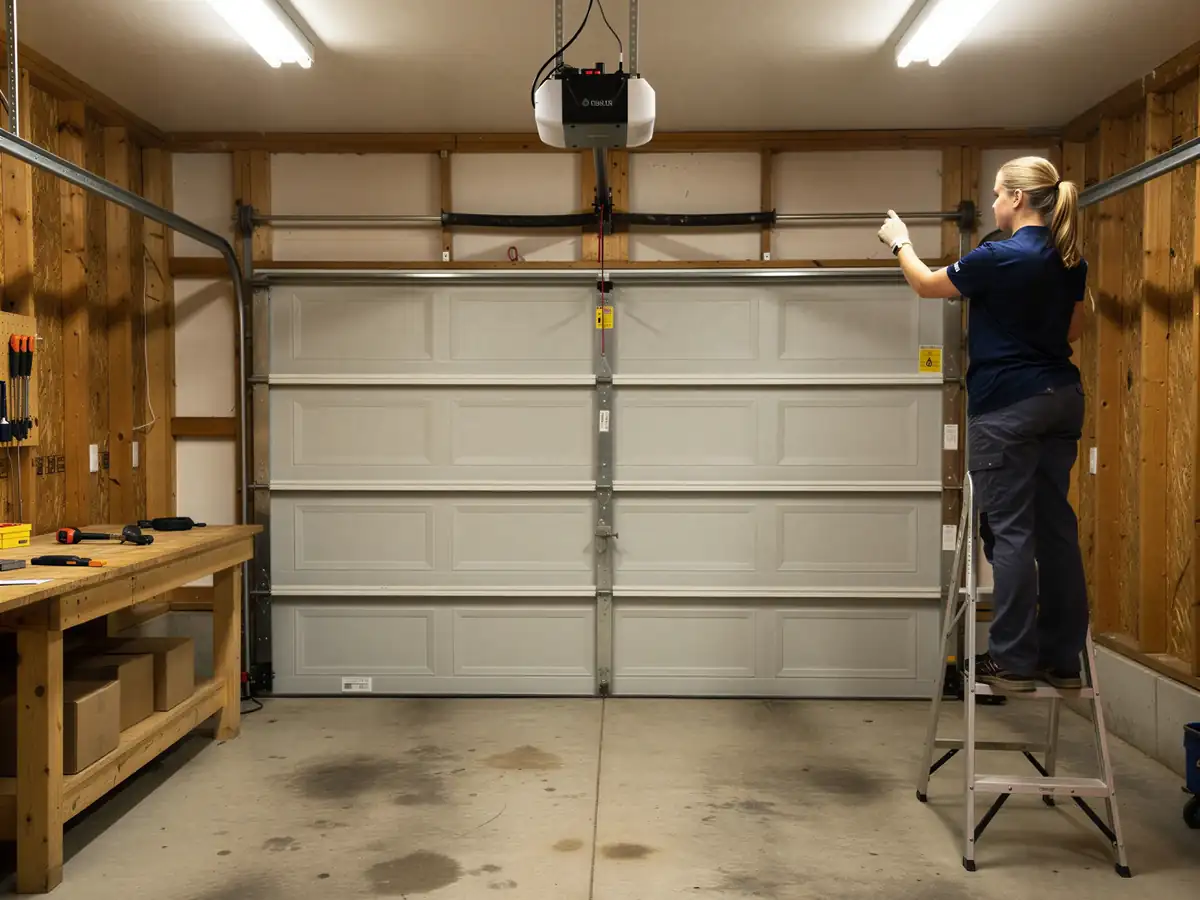
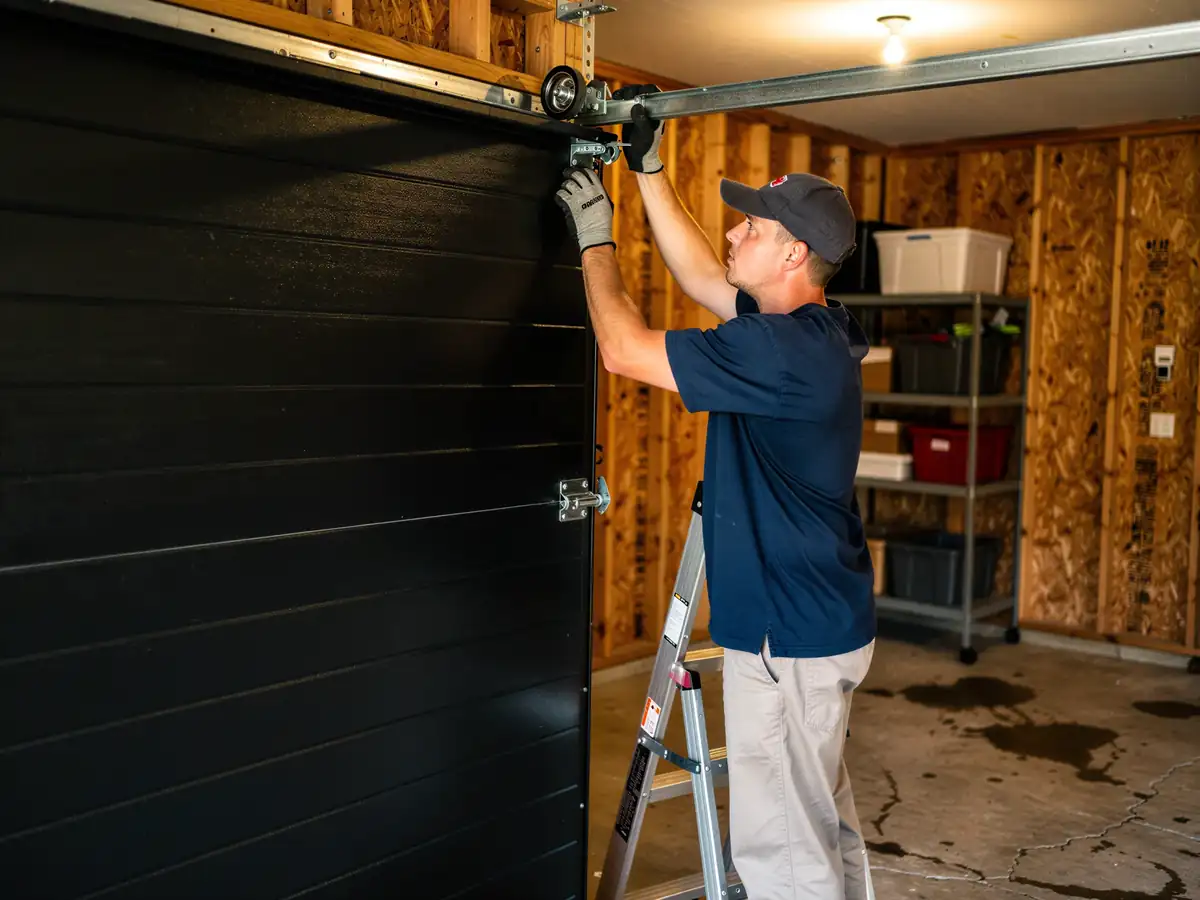
From there we run the track - check for rust pitting at the rollers, check hinges for play, check the opener's force settings against the door's current weight (doors get heavier over the years as panels absorb moisture and old insulation sags). We lube every pivot point with the right grease, not WD-40, which actually attracts grit and makes rollers worse inside a winter.
Last step is the cable and drum. On a door this age the cable has usually stretched enough that the drum grooves aren't seating it evenly, which is the thing that eventually snaps a cable mid-cycle. We re-seat and re-tension it on the visit so that doesn't happen on a Tuesday morning when you're late for work.
Why It Happens Here
A cold-moderate climate band means this area gets real freeze-thaw cycles every winter, not just one cold snap
Temperatures swing through freezing repeatedly, and that's what actually wears out grease and metal, not the depth of any single cold front. Grease that's fine in July turns stiff in January, and a spring under tension that's slightly gummed up doesn't flex evenly. That's where metal fatigue starts.
Add the age of the housing stock
With most homes in the service area built in the 1980s and 90s, you've got original hardware that's now outlasted its expected service life by a decade or two in a lot of cases. Original one-piece doors and the torsion hardware that came with them weren't built for forty years of freeze-thaw without attention, and a huge share of the doors we're called out to have simply never had a maintenance visit at all.
That combination - older original parts plus a climate that cycles through freezing all winter instead of staying cold
Is why the failures we see here cluster hard around spring fatigue, rusted rollers, and drum cable wear, more than, say, opener electronics.
Can You Do This Yourself
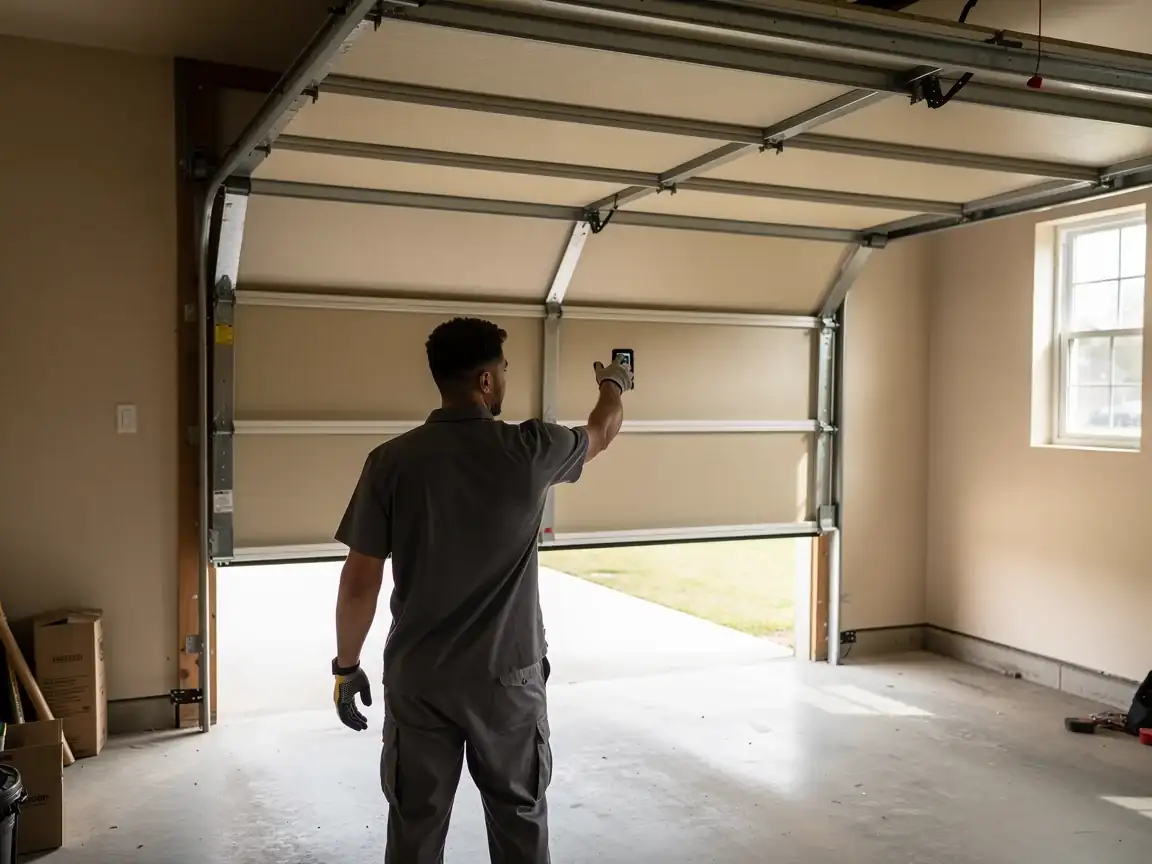
Some of it, yes. You can visually check your springs for gaps or rust, listen for grinding at the rollers, and wipe down the tracks. You can also test your door's balance: disconnect the opener, lift the door halfway by hand, and let go - it should hold its position. If it drops or shoots up, the spring tension is off and that's not a DIY adjustment.
We'll say it plainly: do not touch the torsion spring yourself. It's under enough tension to break a bone or worse, and it's the one job on this list where the tool and the technique matter more than the effort. Lubricating hinges and rollers with the right garage door lubricant is fine for an owner to do between visits. Re-tensioning a spring, adjusting opener force settings, or replacing a stretched cable is not.
If your door is original to a house built decades back and nobody's touched the hardware since, that's exactly the situation where a professional check is worth more than a tube of grease.
What You Are Seeing
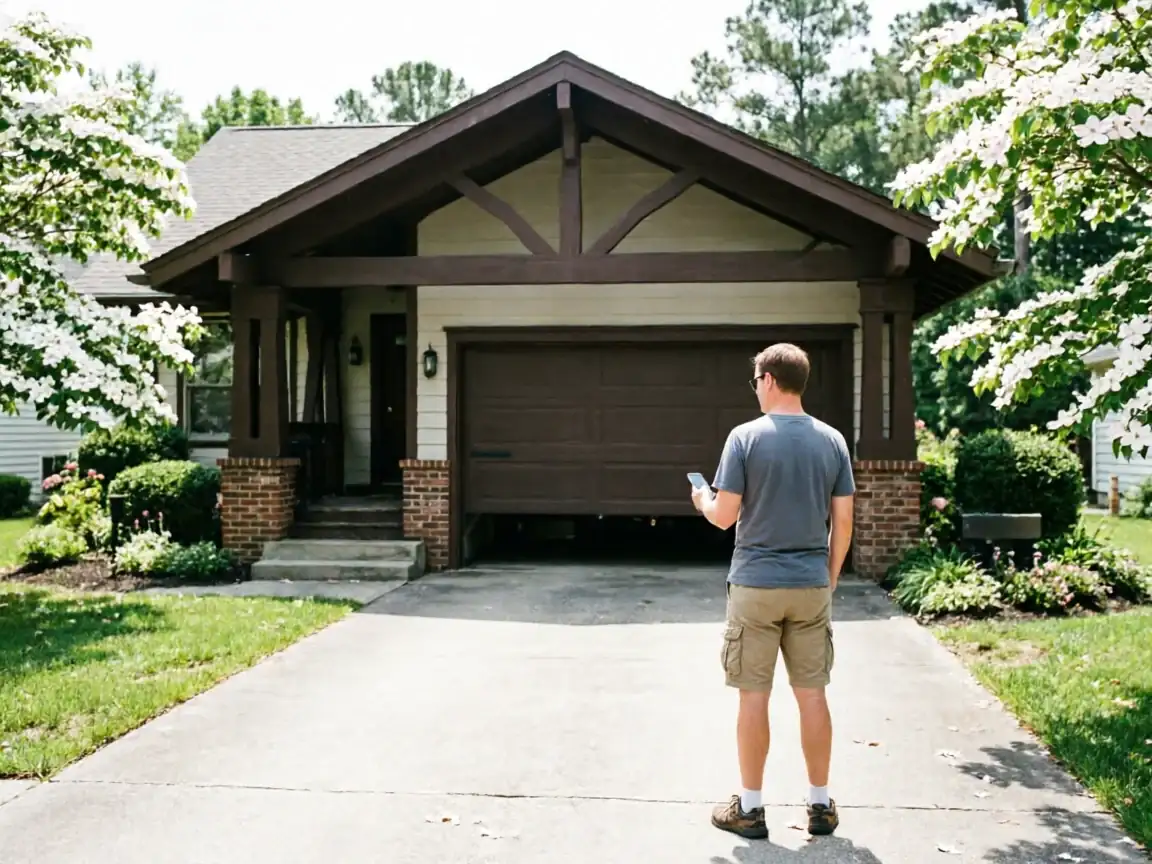
A door that's noticeably heavier to lift by hand than it used to be usually means spring tension has dropped off, not that the door itself got heavier. Grinding or popping at the rollers as the door travels is rust or a flat spot on an old roller, worse in winter when grease stiffens. A door that jerks or hesitates partway up often points to a cable that's lost even tension across the drum.
If the opener strains, reverses on its own, or the door closes and bounces back up, that's usually the opener's force sensor reacting to a door that's out of balance - the opener isn't broken, the door's gotten harder to move and the opener is compensating. None of these are emergencies on day one, but they don't fix themselves, and on hardware that's already a few decades old, a stuck issue tends to become a snapped cable or spring within a season rather than years.
Worth saying clearly: if a spring has already visibly separated or a cable has already frayed through, that's not a maintenance visit anymore - that's a repair call, and we'd rather you book it as one so we bring the right parts the first time.