How We Fix It
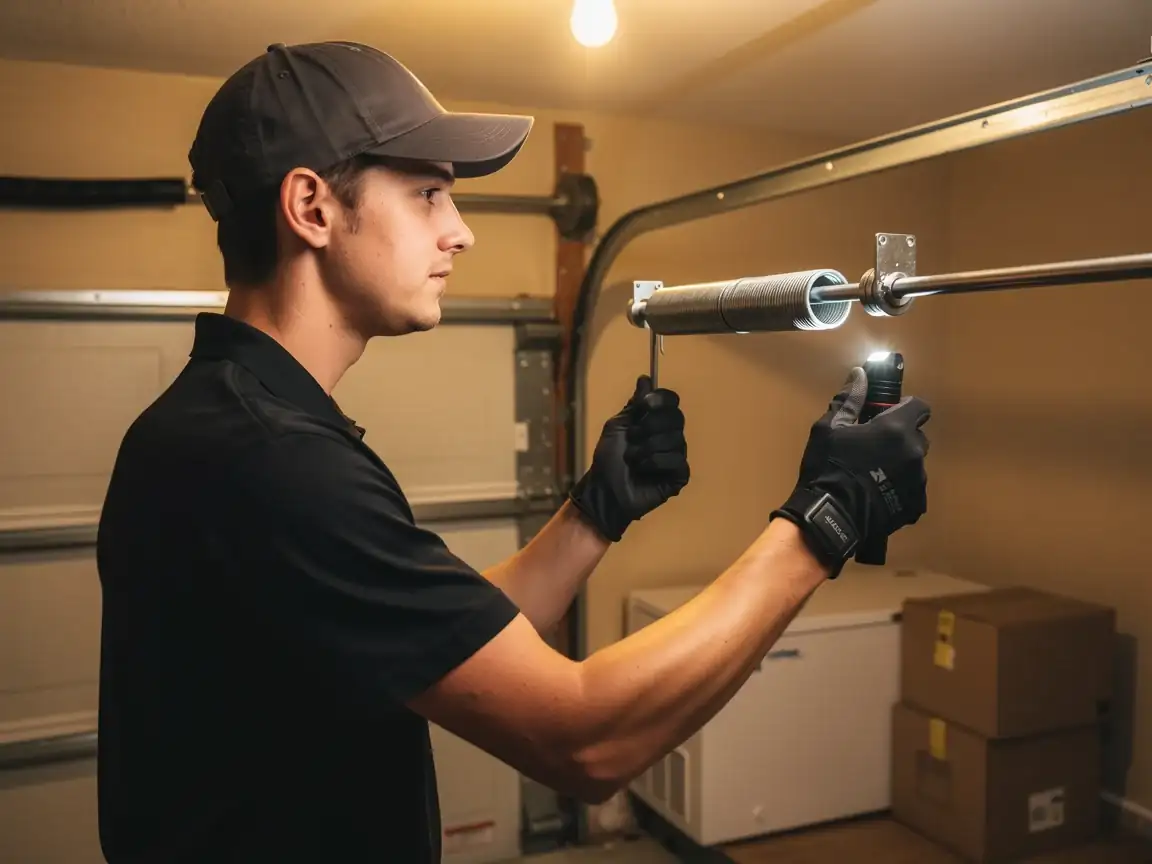
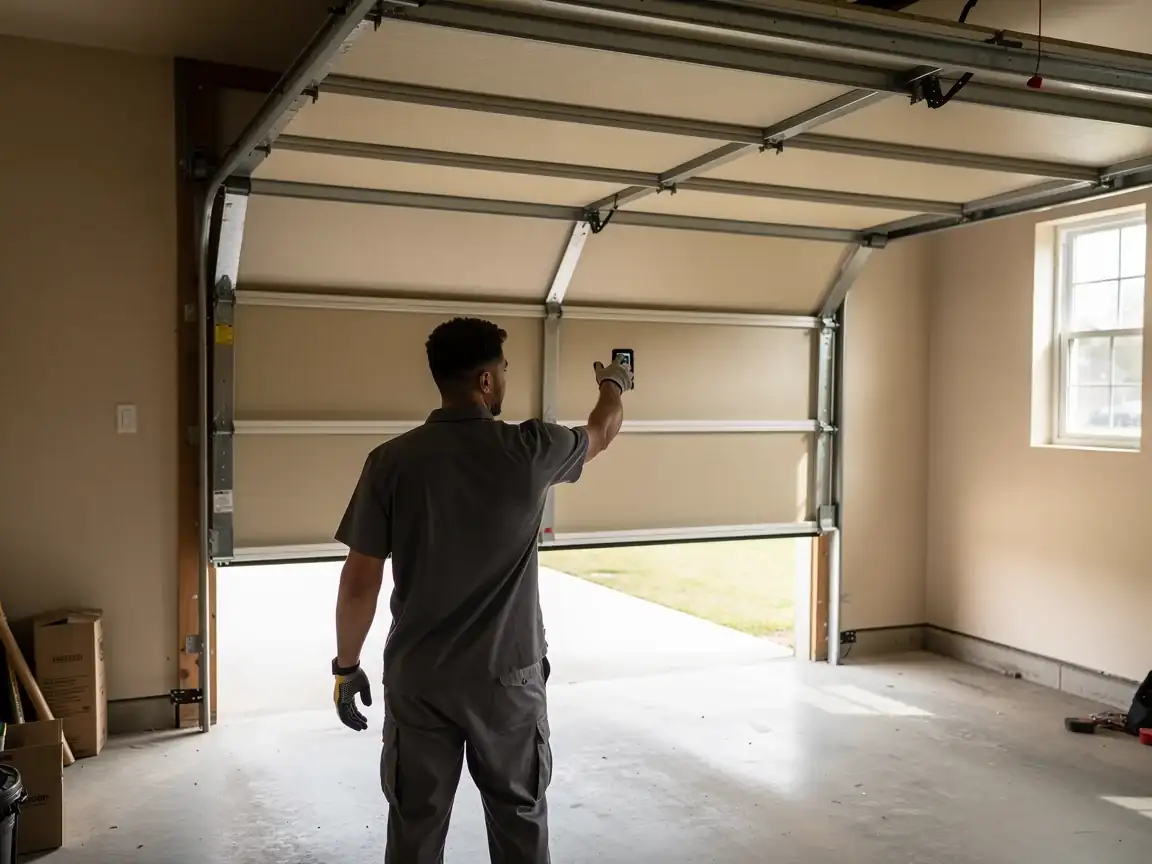
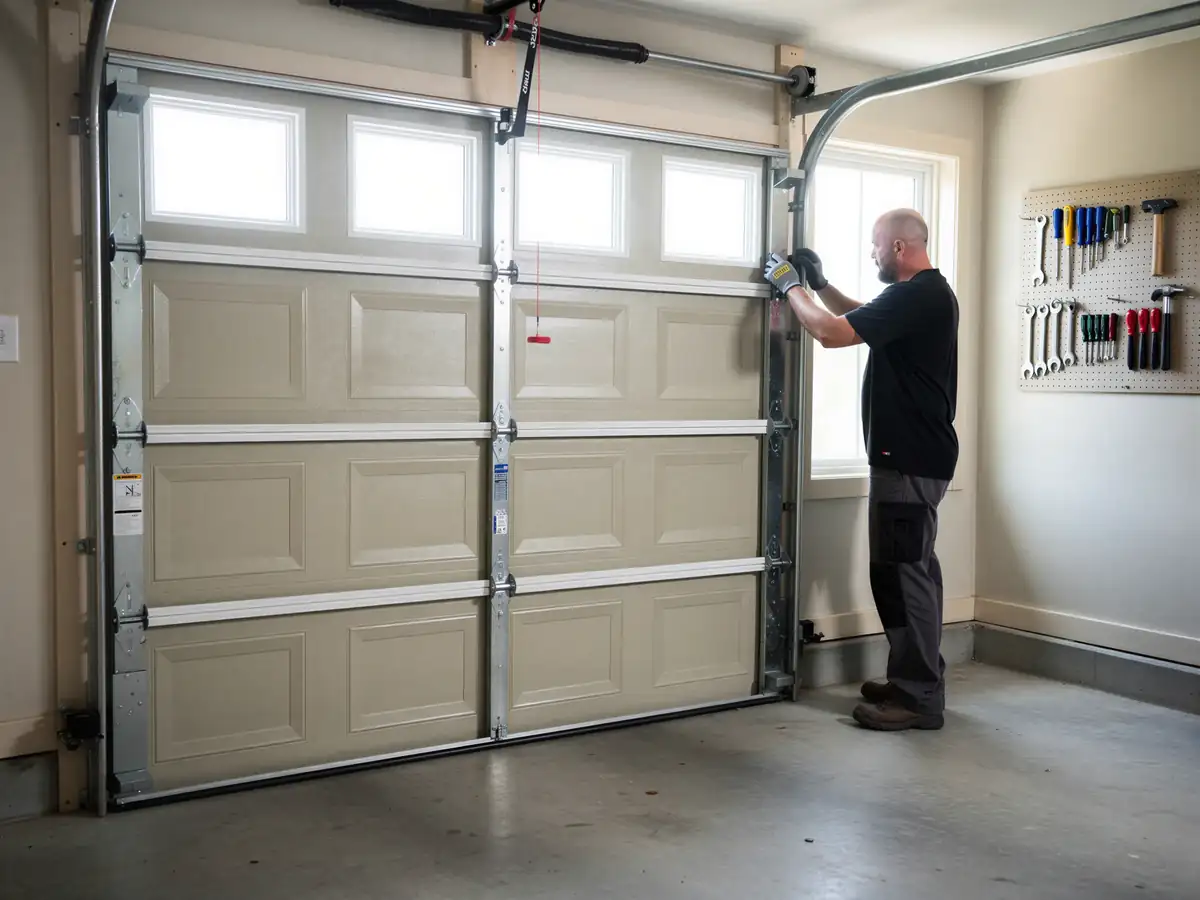
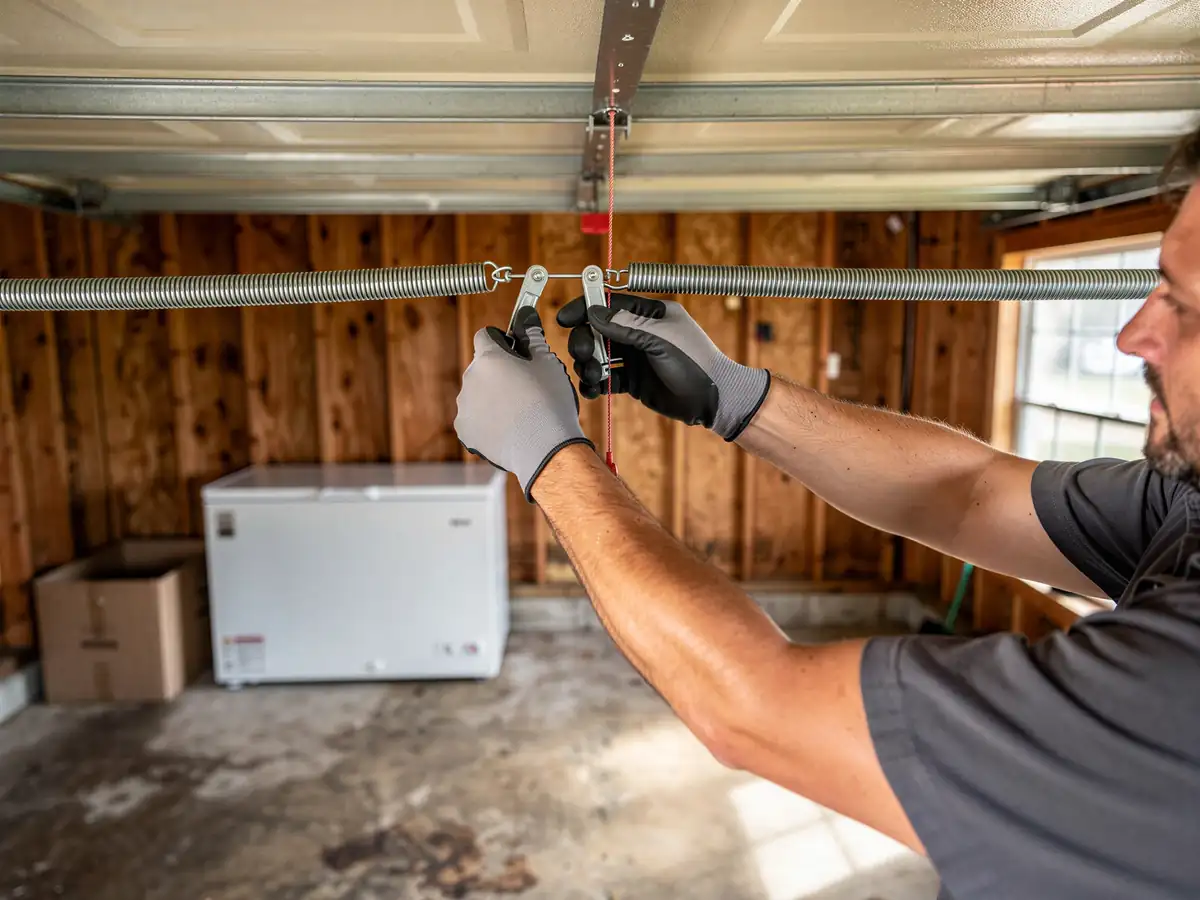
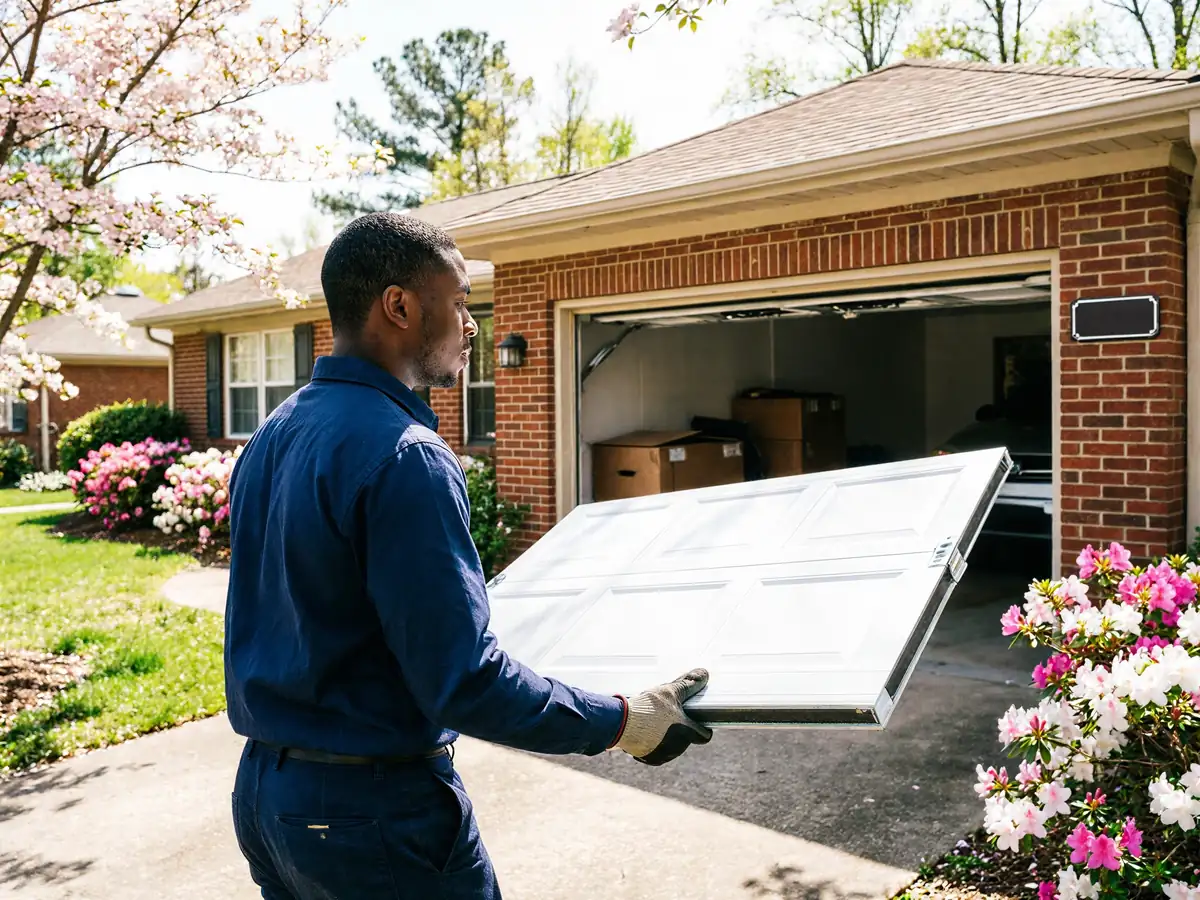
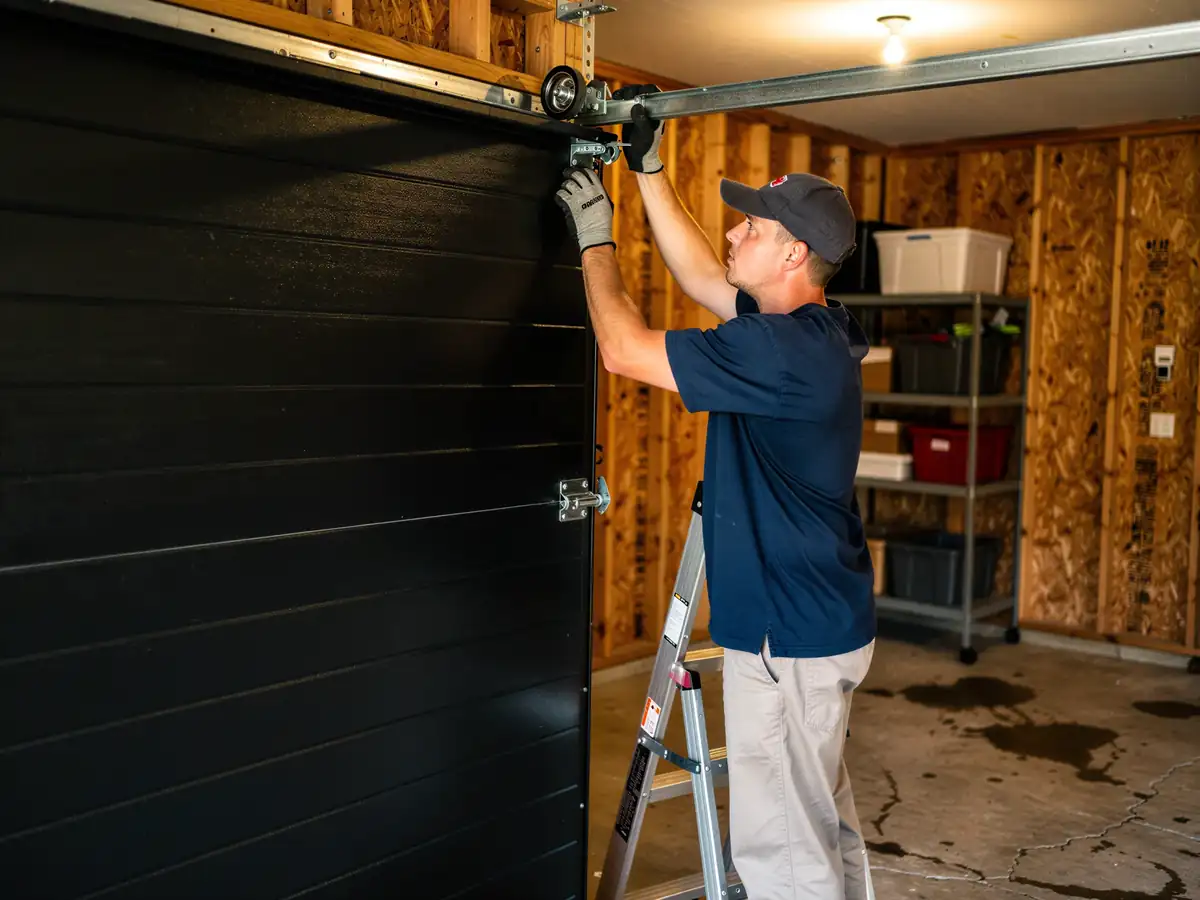
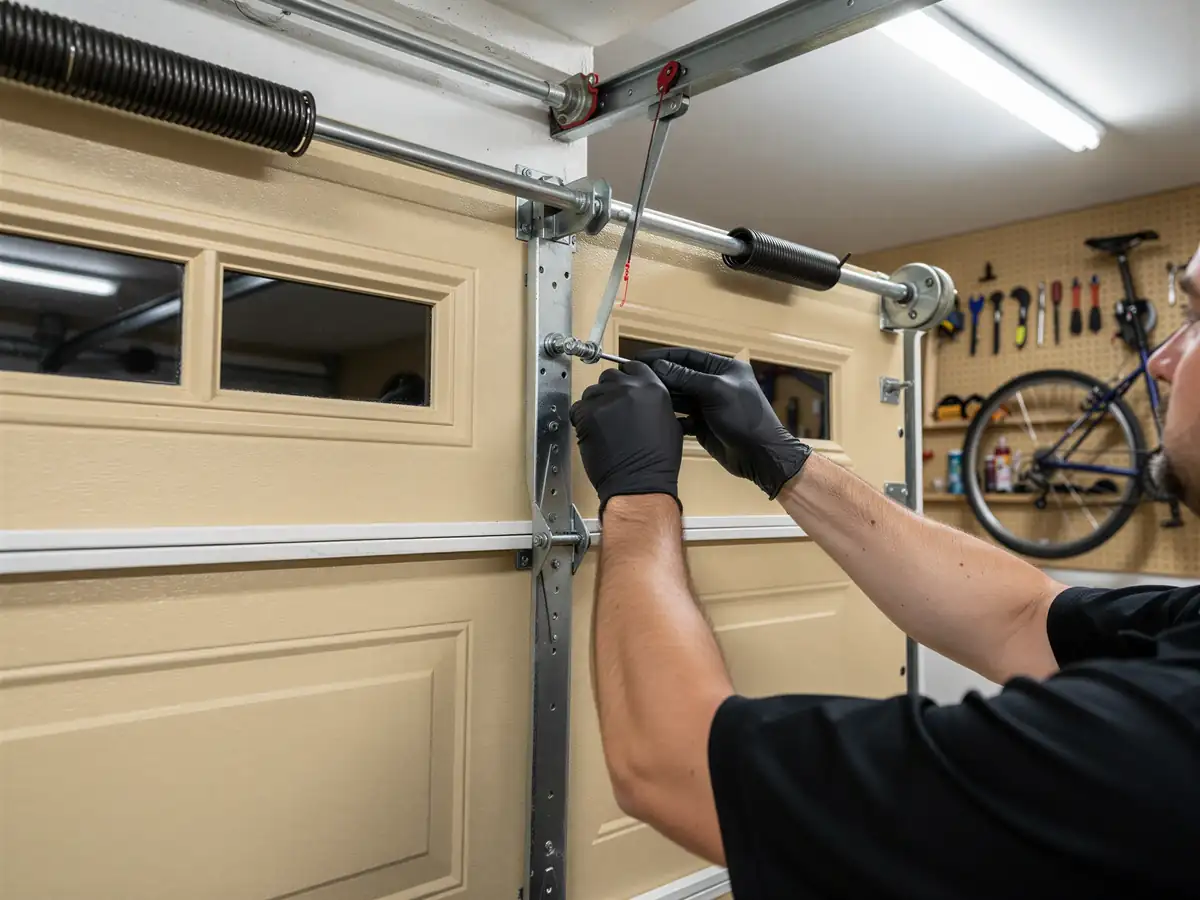
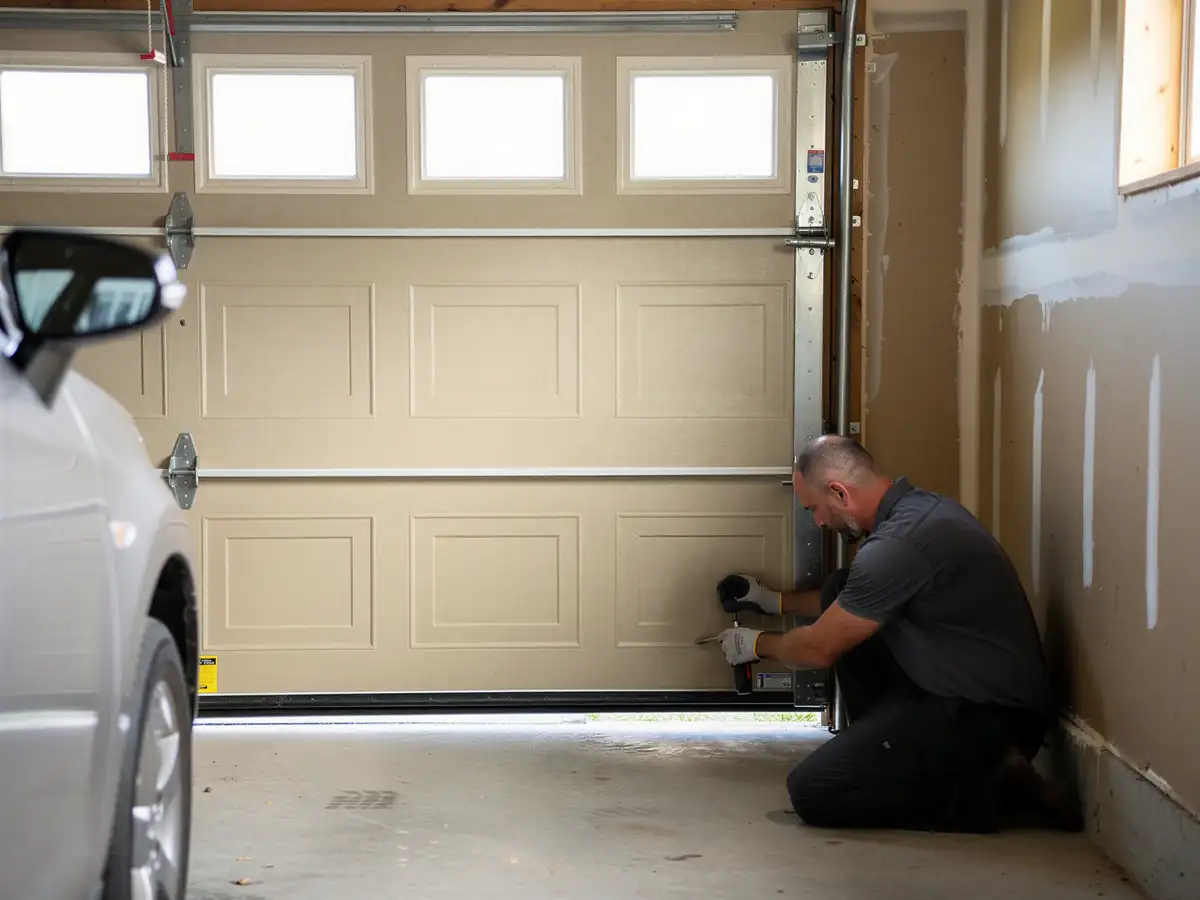
Most calls we run in Cleveland start the same way: a door that won't lift, or one that slams down because a torsion spring let go. We pull the broken spring, measure the wire gauge and wind direction off the drum, and replace it with a matched pair sized to the door weight - we don't run a single spring on a double door, even if that's what's up there now. If the cables are frayed or the bottom brackets are bent from the spring snapping, we replace those in the same visit. On openers, we check the logic board and the travel limits before we swap a motor, because half the "dead opener" calls are a burnt sensor wire, not a dead unit. We carry standard torsion spring sizes for the door weights common on 1980s and 90s construction, since that's most of what we're driving up to. If your door needs a spring size or a bracket pattern we don't stock on the truck, we'll tell you the lead time instead of guessing.
Can You Do This Yourself
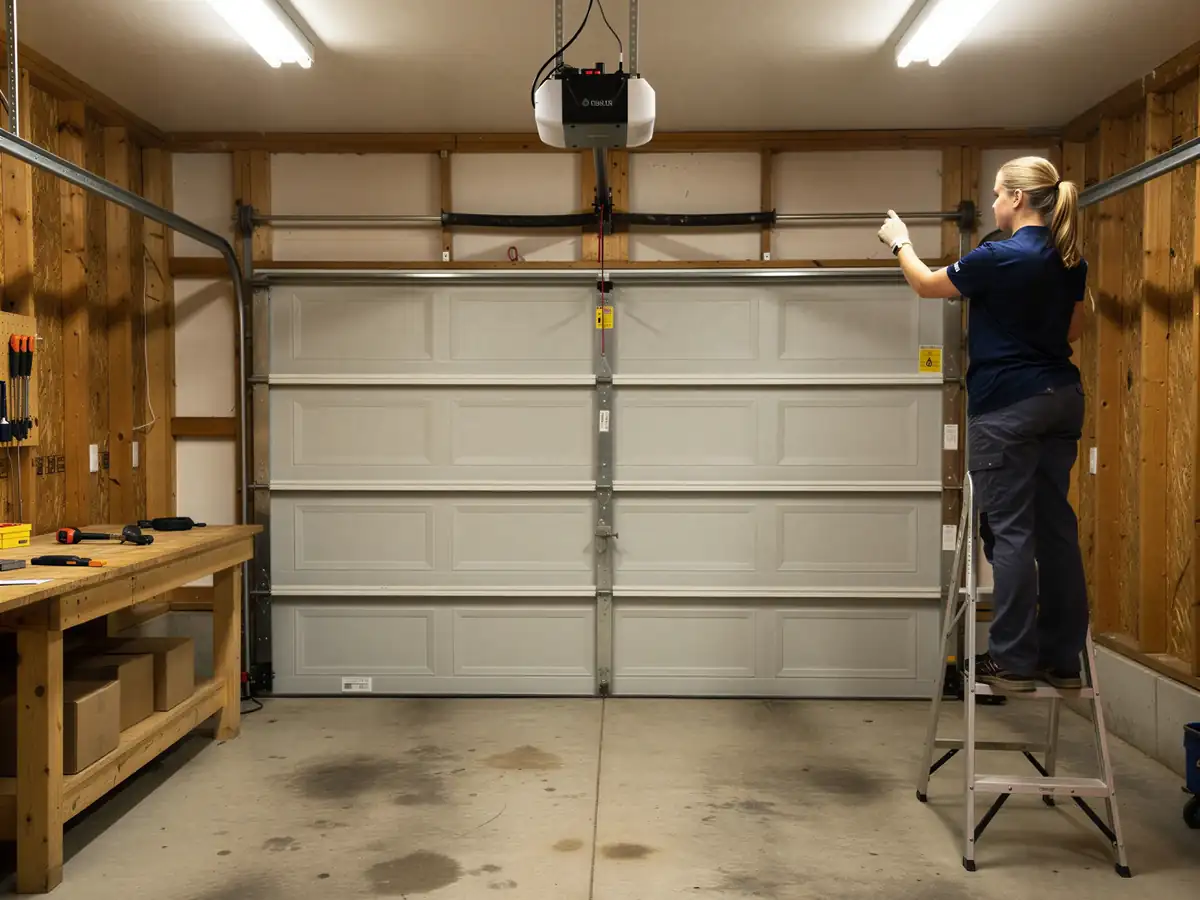
Replacing a broken torsion spring yourself is not a weekend project, and we'd rather tell you that straight than sell you a kit. The spring is wound under enough tension to break a wrist or worse if the winding bars slip, and the sizing has to match your door weight almost exactly or you'll burn out the opener within months. What you can safely do: check that the track bolts are tight, clean and lightly oil the rollers and hinges (not the track itself), and test the auto-reverse by laying a 2x4 flat under the door - it should reverse on contact. If the door is heavy, lopsided when it's halfway open, or the spring has already broken, that's a call for us, not a ladder. Lubricating hardware and tightening a loose bracket is reasonable homeowner work; winding a spring is not.
What You Are Seeing
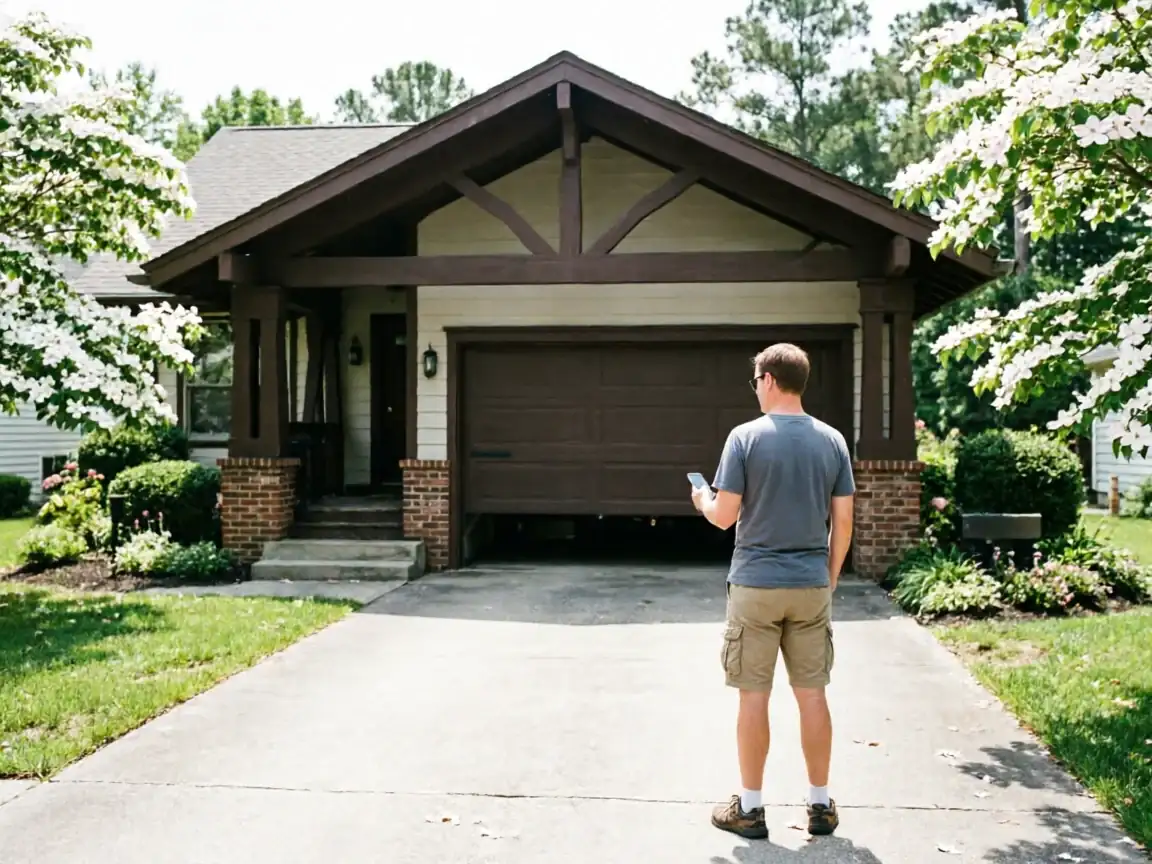
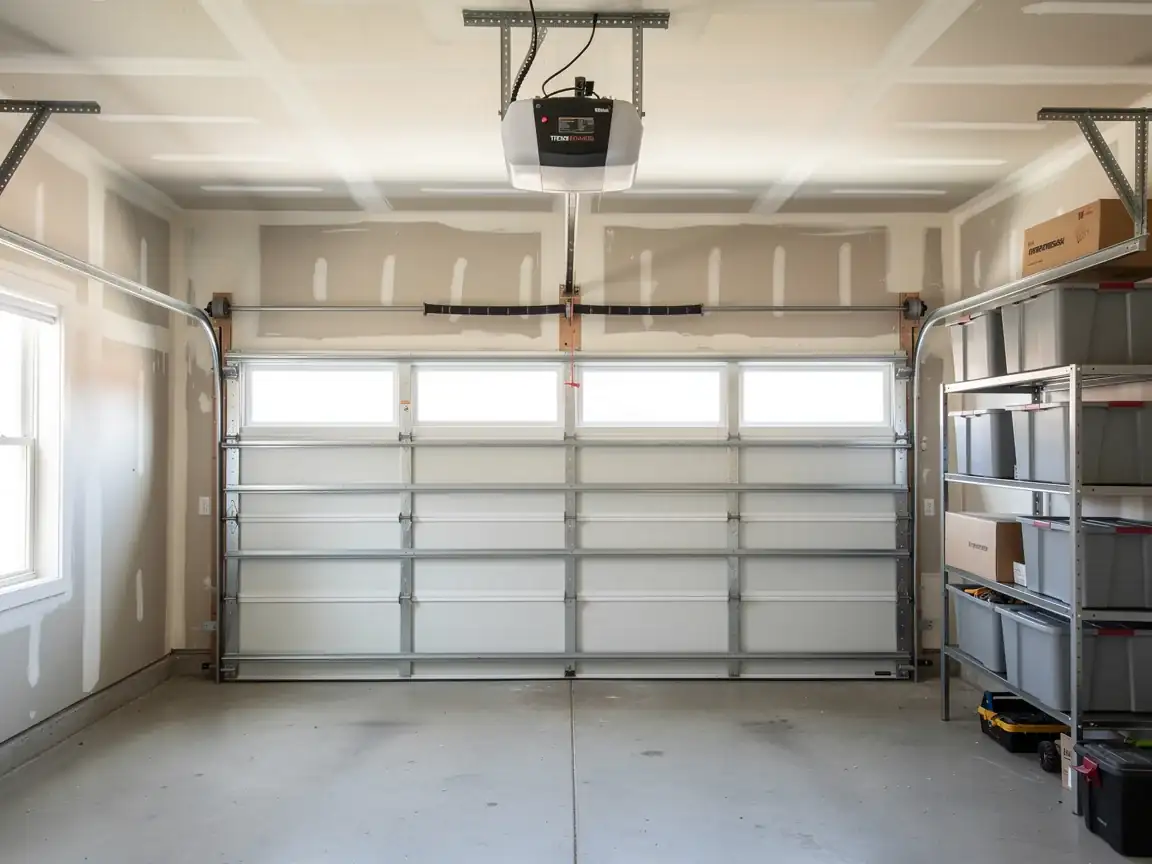
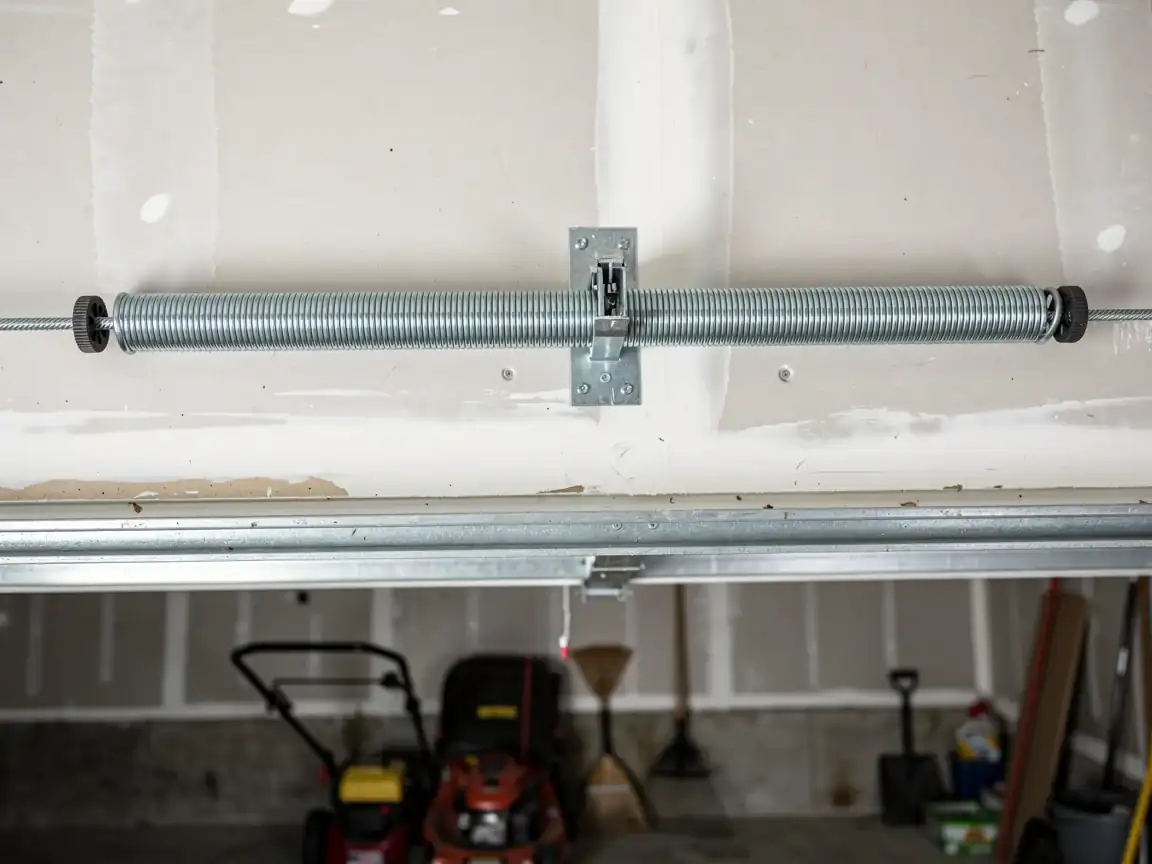
A loud bang from the garage followed by a door that won't budge is almost always a torsion spring snapping - you'll often see the gap in the coil right above the center bracket. If the door lifts a few inches and stops, or feels like it weighs twice what it used to, the spring is likely weak but not fully broken yet, which is the better time to call since it's a controlled swap instead of an emergency one. A door that's crooked, higher on one side than the other, points to one spring gone on a two-spring setup, or a cable that's slipped off a drum. Grinding or popping from the opener with no movement at the door usually means the opener gears are stripped, not the spring at all, which matters because the fix and the cost are different.