The Seasonal Bit
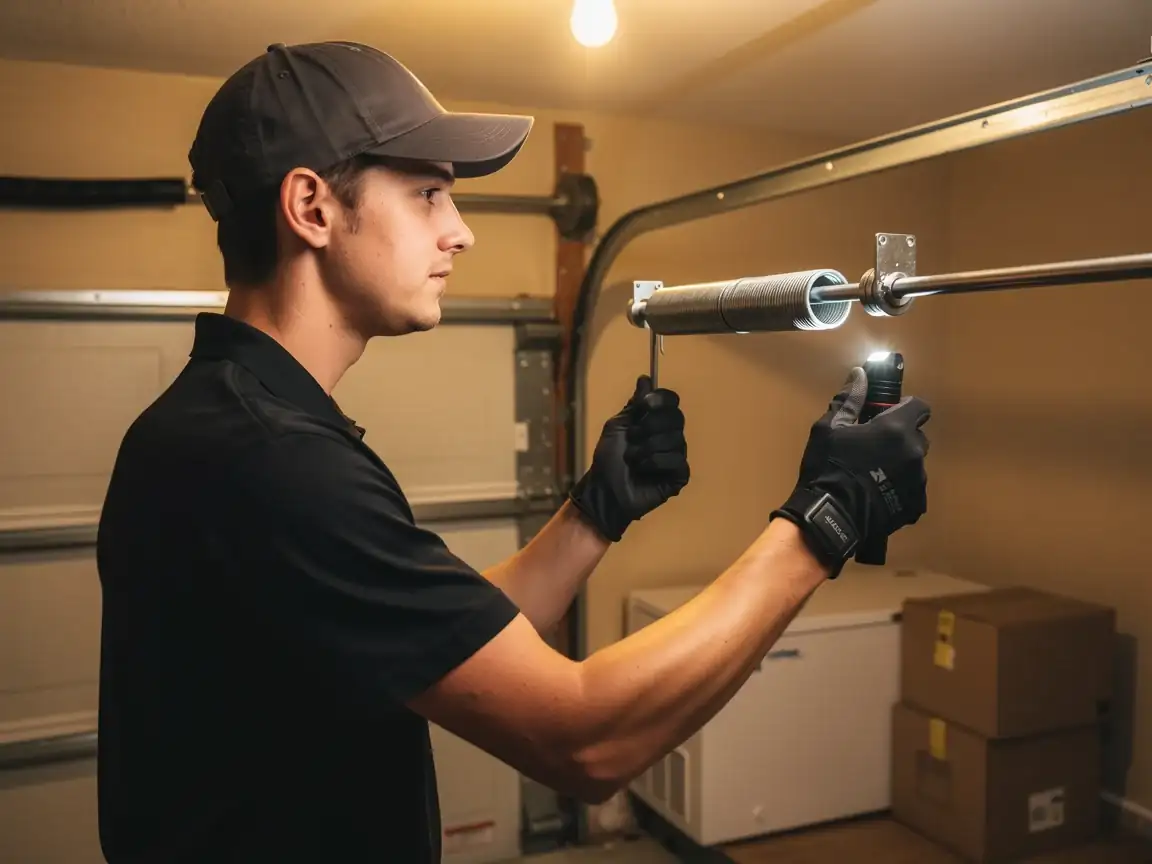
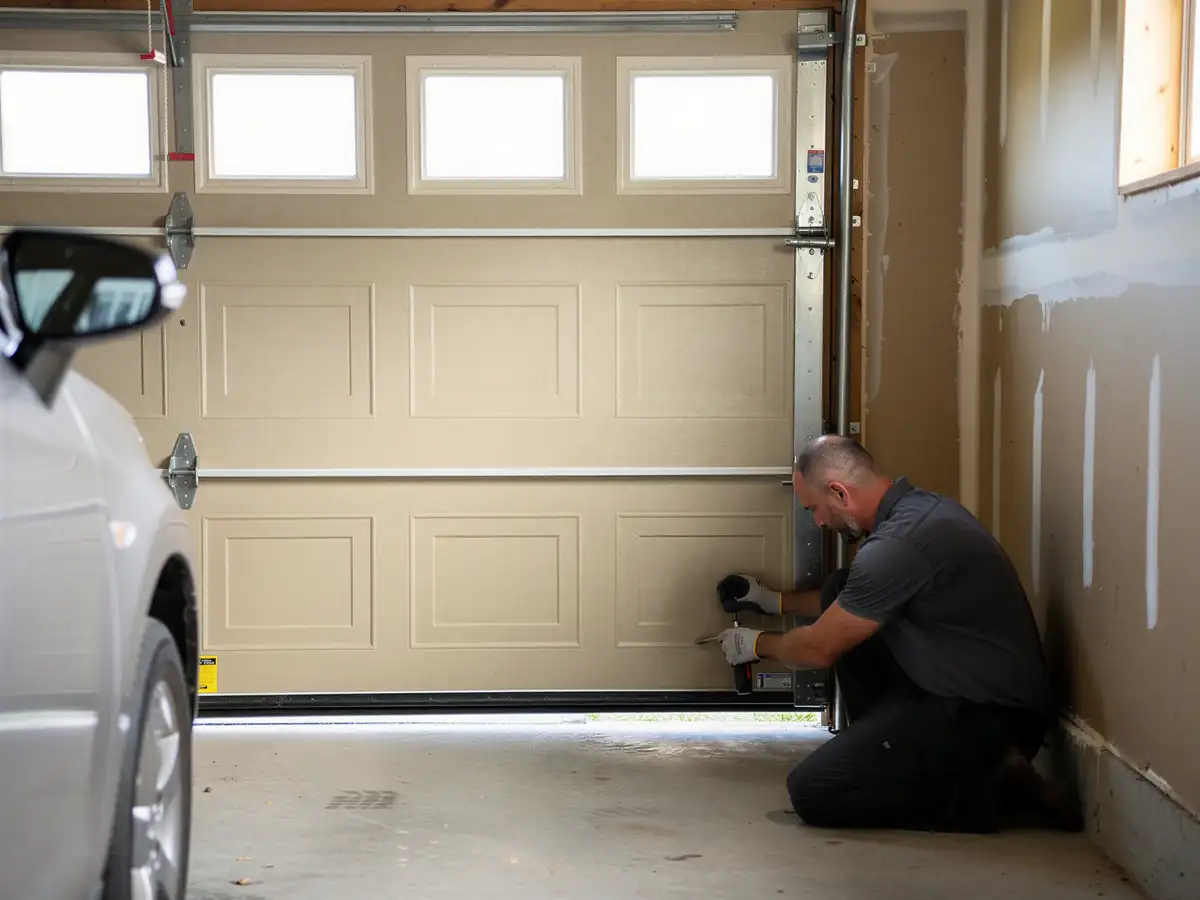
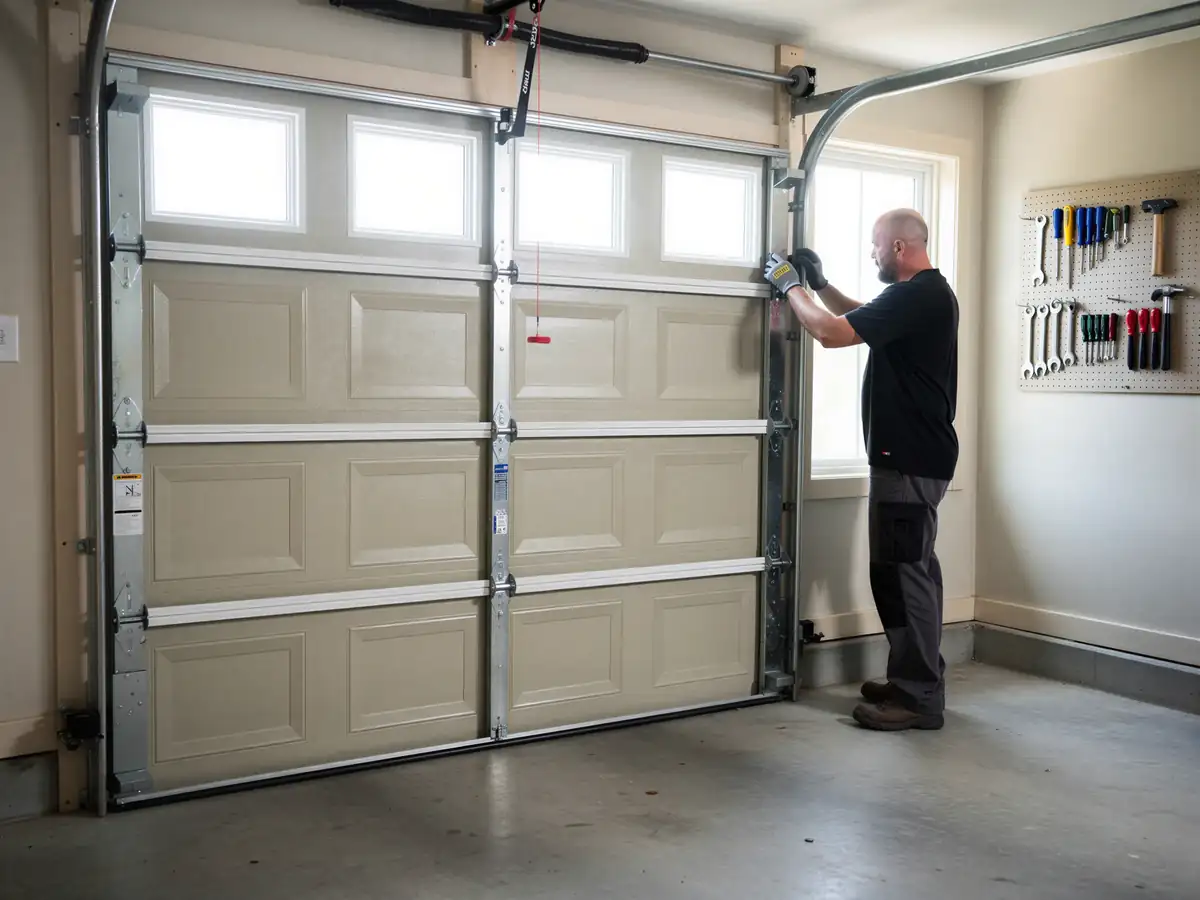
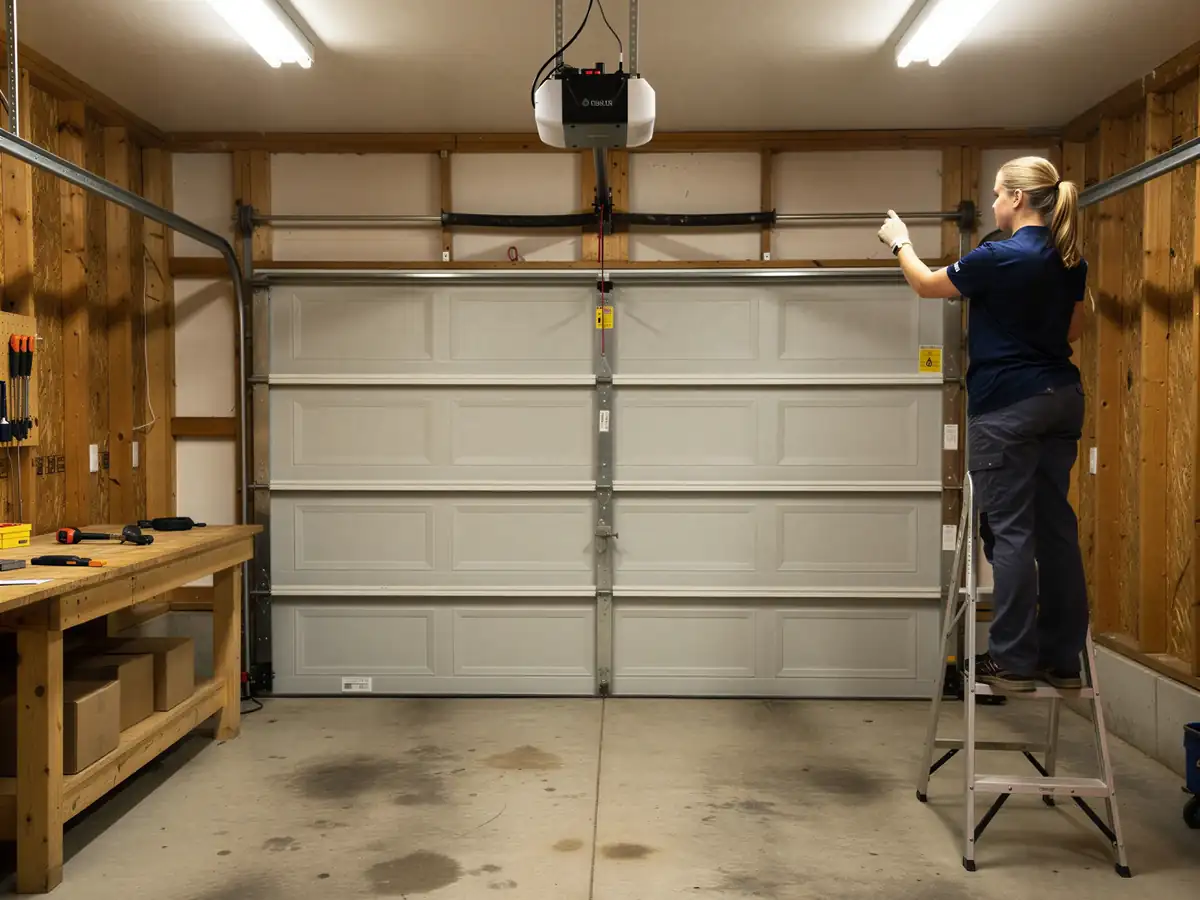
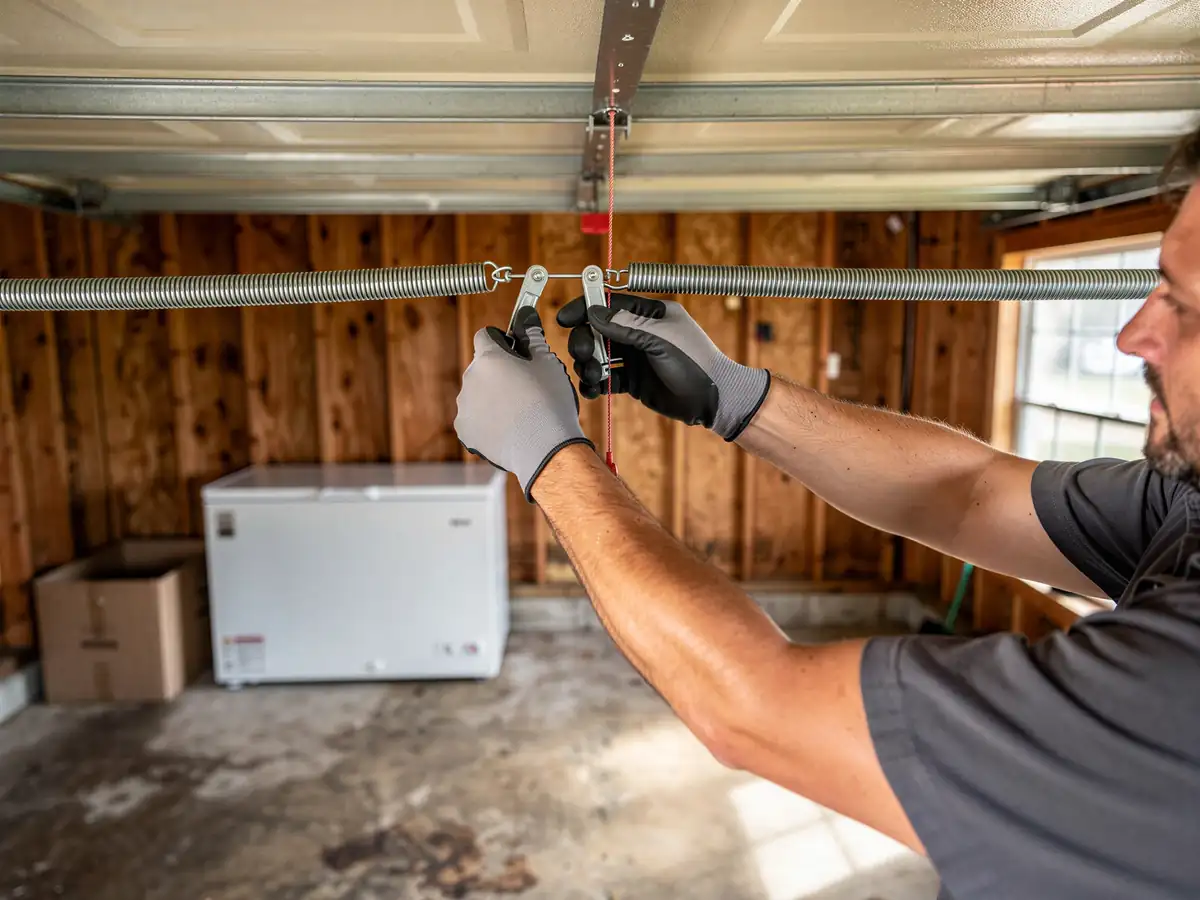
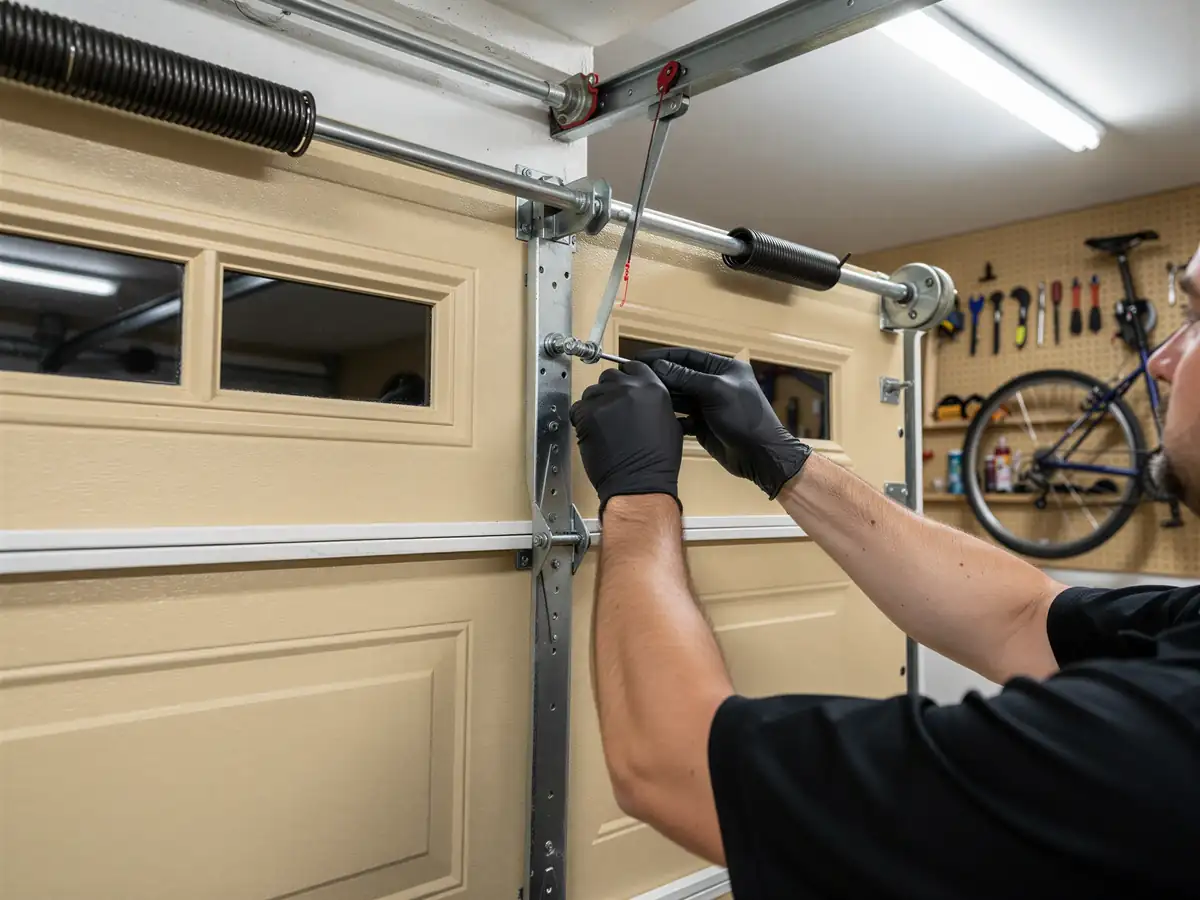
Cleveland sits in a cold-moderate climate band. That doesn't mean brutal winters like you'd get further north, but it does mean real cold snaps a few times a season, cold enough to stiffen grease and shrink metal just enough to matter. On a door built in the 80s or 90s, which is most of what's out there, that shows up as a new noise around the first hard cold front: a groan on lift-off, a knock partway up the track, a spring that sounds tighter than it did in October. None of that is dramatic weather doing damage. It's old lubricant and old hardware reacting to a temperature swing they've handled for thirty-plus winters, getting a little less forgiving each year. The fix most of the time is lubrication and a hardware check, not a new door. Where it does get serious is a torsion spring that's been quietly losing tension for years and finally lets go on a cold morning when the steel is least flexible. That's the one noise worth calling about the same day you hear it: a loud bang from the top of the door, followed by the door refusing to lift evenly or at all.
The Problem
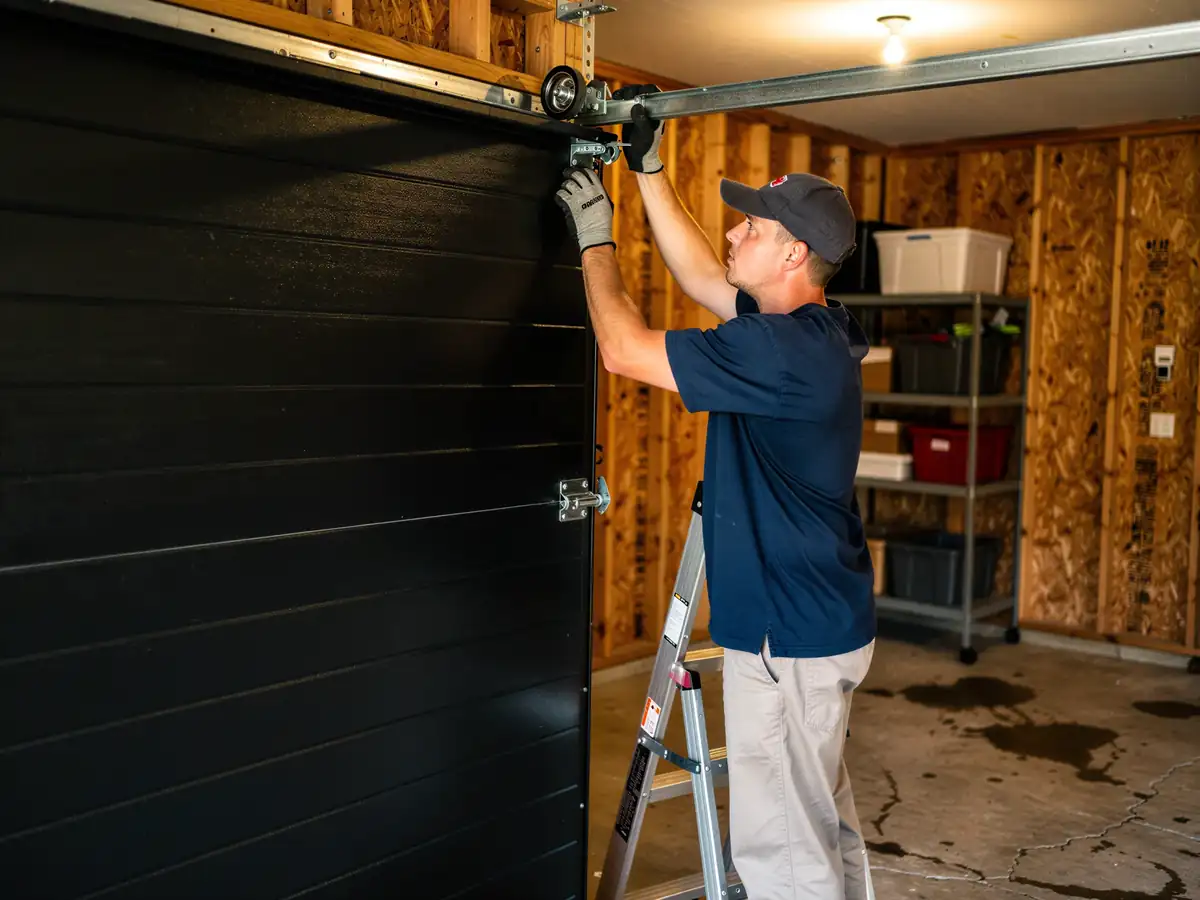
Most of the housing across this service area went up between 1967 and 2004, with the heaviest concentration dating to the 1980s and 90s across the twelve named areas we work in. That matters more than people expect, because garage doors from that era were mostly single-wall steel panels on galvanized rollers, running on hardware that was standard then and is not what's sold off the shelf now. A noise that sounds minor, a rattle in the track, a squeak on one roller, is often the first sign that a thirty- or forty-year-old roller or hinge is finally worn past what grease can fix. The honest limitation here is that we can't always get an exact match for original hardware on a door that old. Sometimes the right call is swapping the whole roller set to a current equivalent rather than chasing a single part that doesn't exist anymore. It's a better long-term fix anyway, but it's worth knowing going in that 'just replace the one part' isn't always on the table once a door's pushing forty years old.
How Local Conditions Play In
Across the service area, 26,126 households include 15,036 owner-occupied houses, and most of that stock lines up with the 1967-2004 build window, concentrated in the 80s and 90s. Combine that with a cold-moderate climate and you get a specific, repeatable pattern: doors that are old enough for original hardware to be wearing out, in a climate that stresses that hardware hardest at the seasonal turn rather than through a long brutal winter. That's different from a region with deep sustained freezes, where metal fatigue and cable failure show up on a different schedule. In Cleveland, the noise to listen for is the one that shows up suddenly after weeks of quiet, right around the first real cold front or the first hot stretch, because that's when thirty-year-old steel and grease get pushed past what they've been coasting on. If your door's been silent for months and suddenly isn't, that timing is the clue, not the noise itself.