How We Fix It
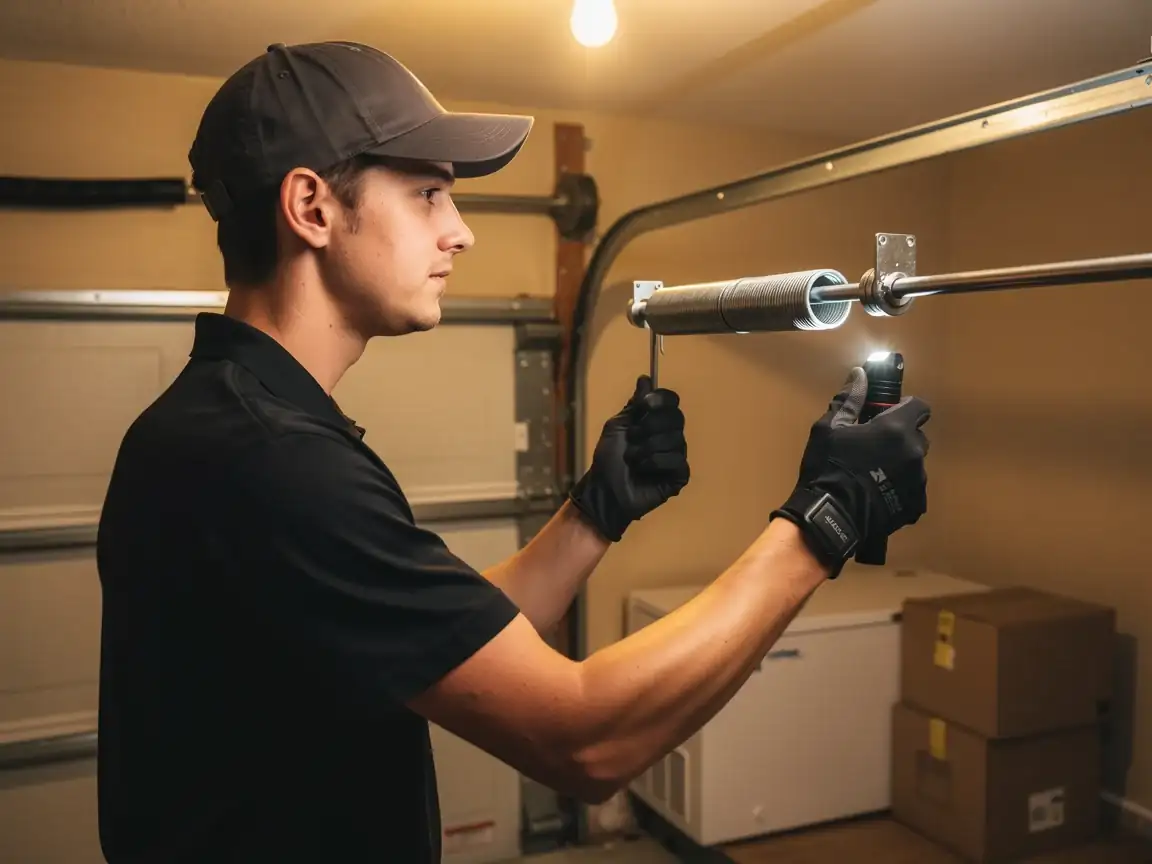
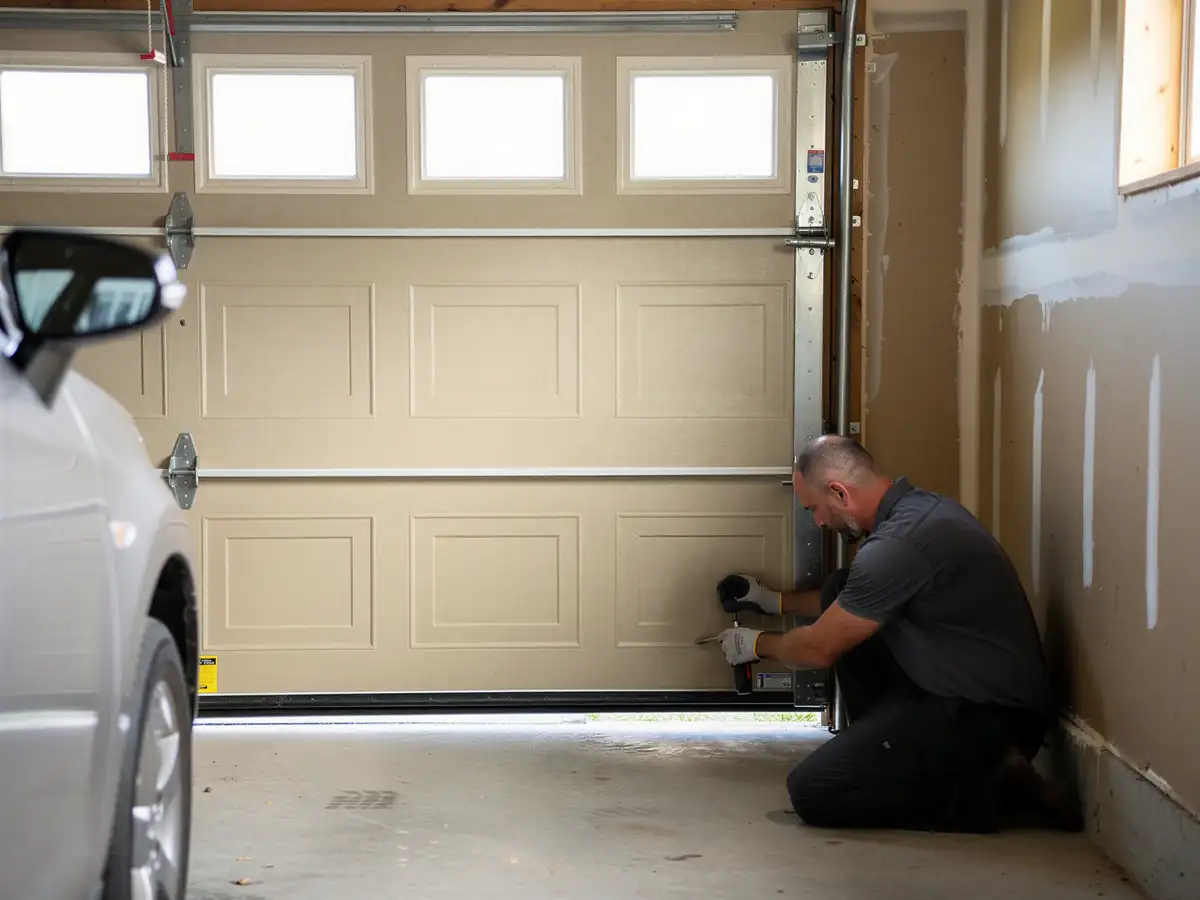
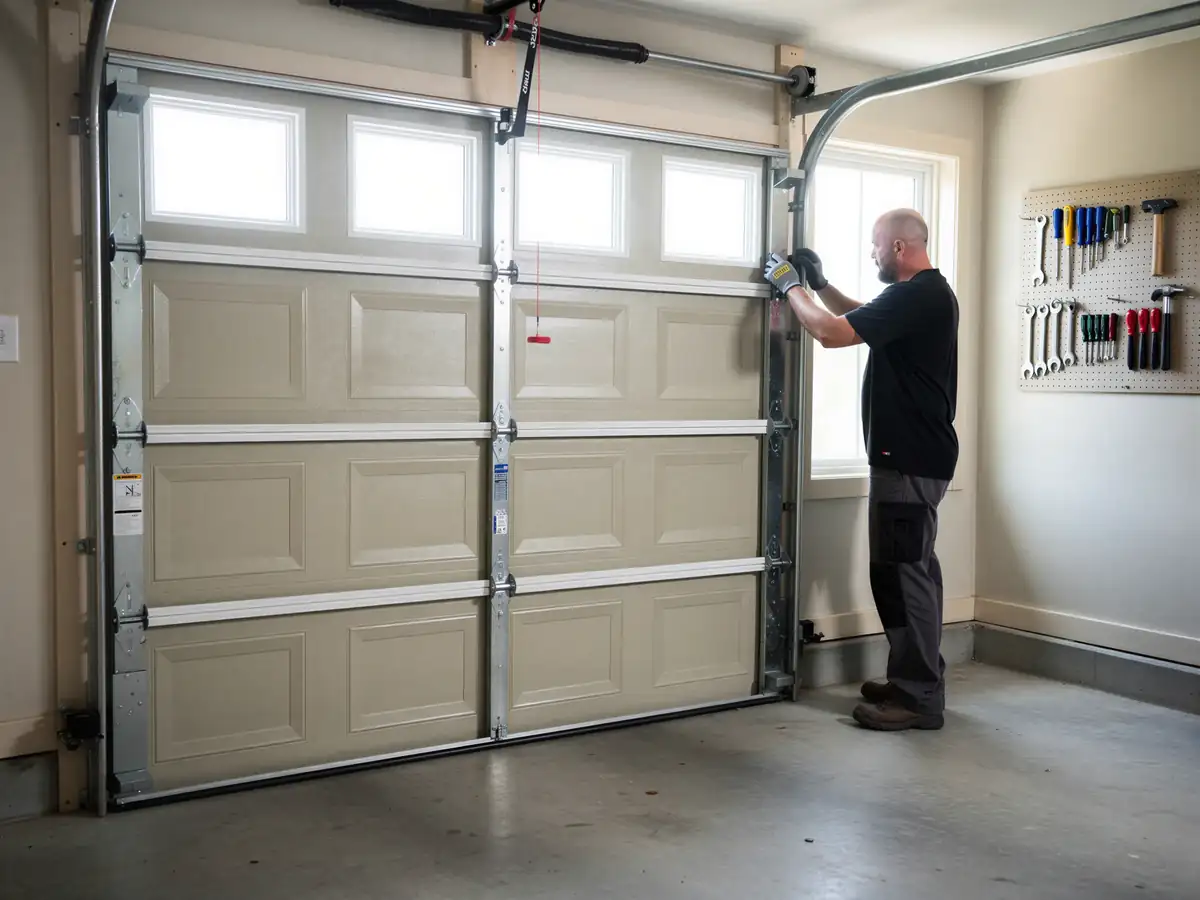
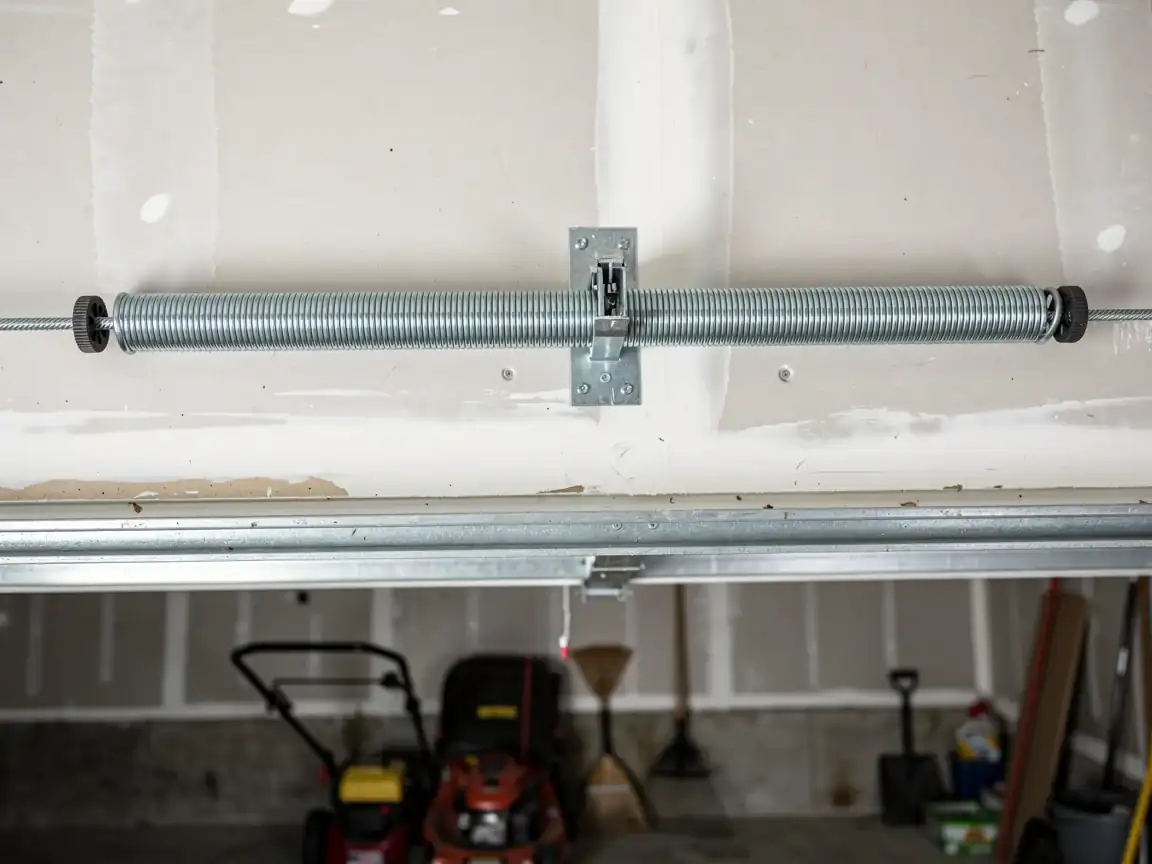
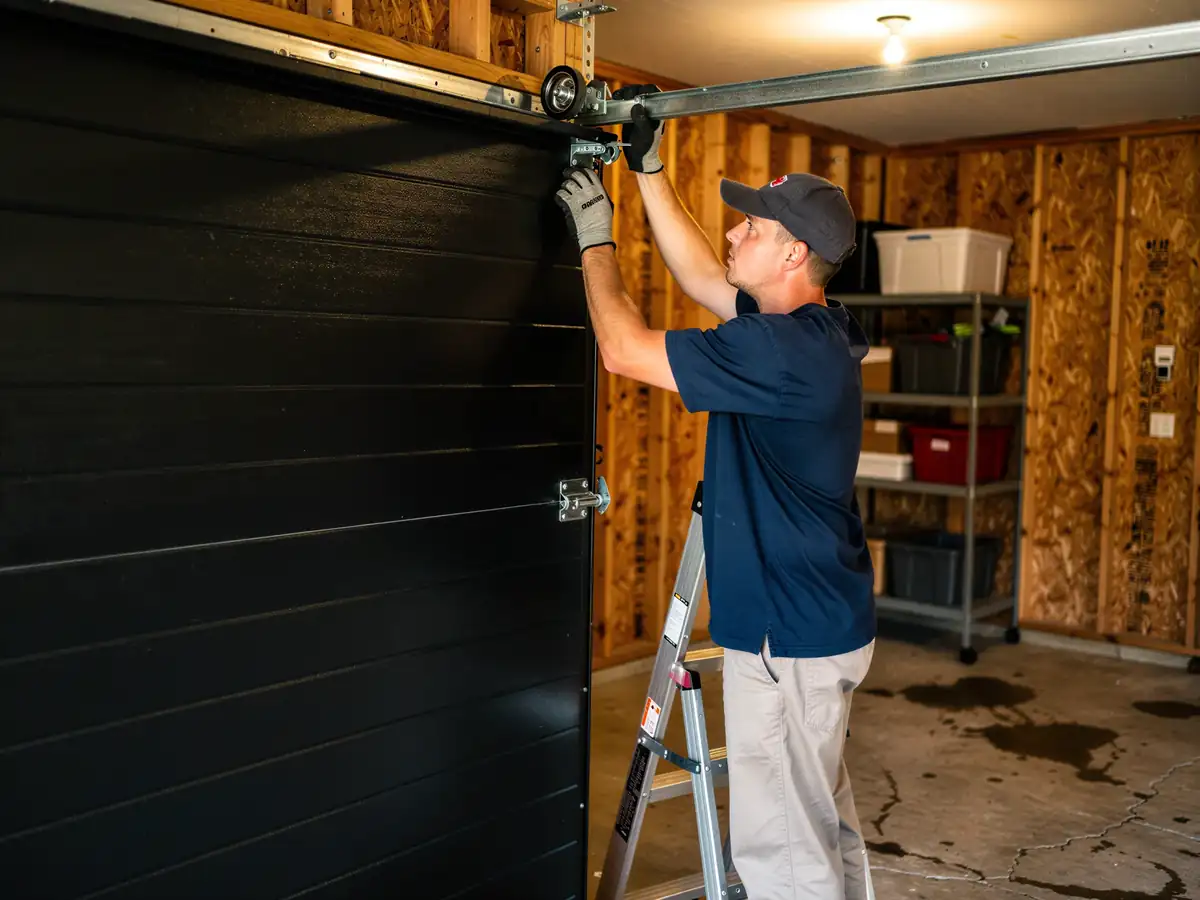
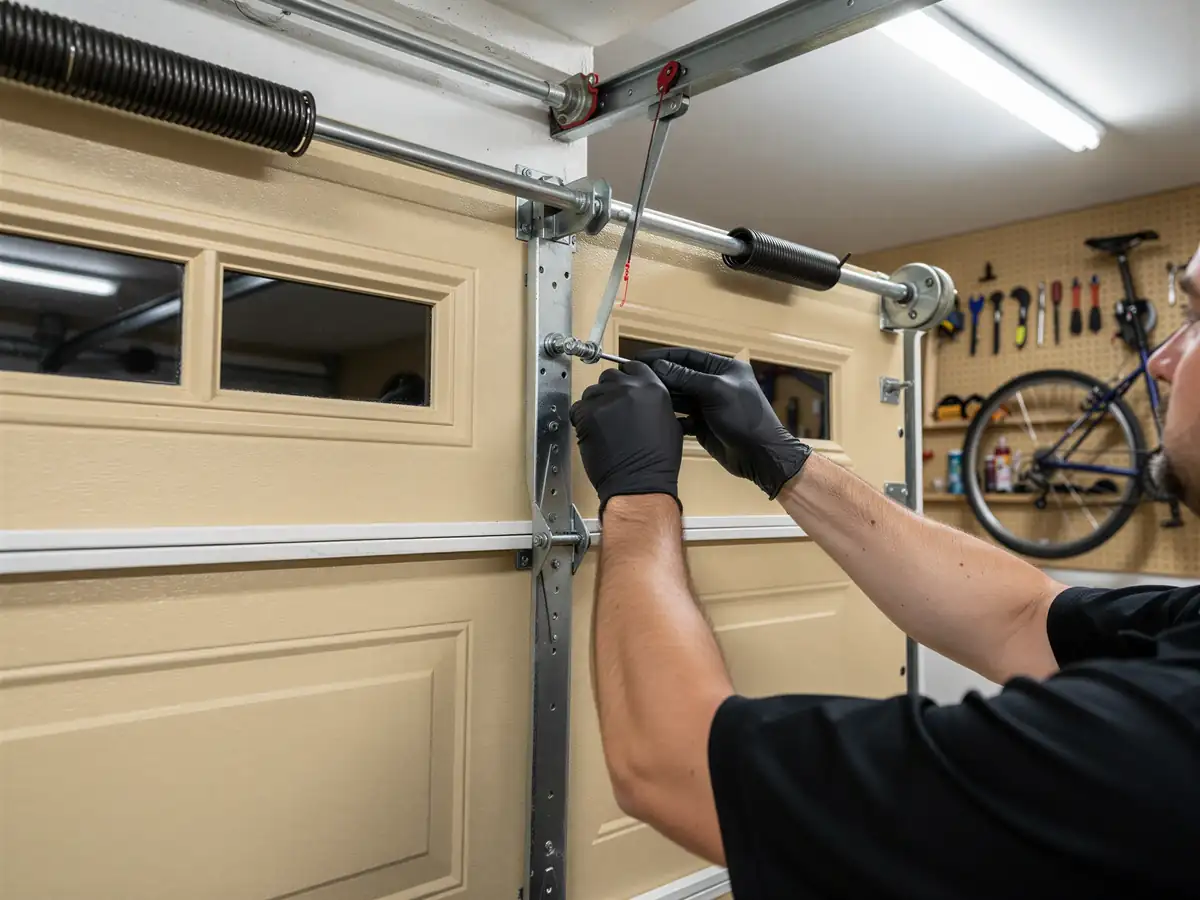
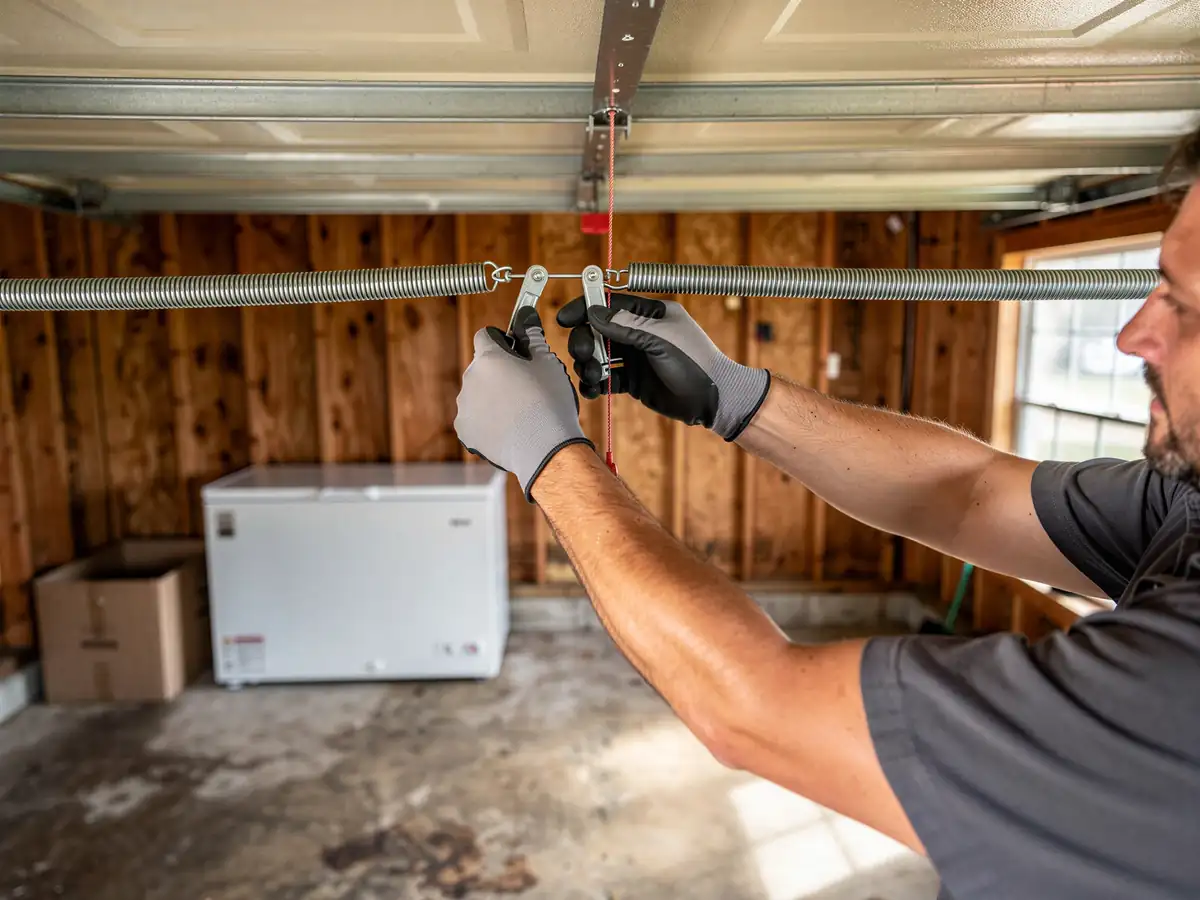
A broken spring is a hardware swap, not a guessing game. We pull the old torsion or extension spring, match the wire size and wind to the door weight, and set the new spring to the right number of turns so the door balances at any point you lift it. On torsion systems we check both the stationary cone and the center bearing plate before the new spring ever goes on the bar, because a worn bearing will chew through a new spring just as fast as the old one. On extension systems we replace both springs together, even if only one broke, and we add safety cables if the house doesn't already have them. Across the 26,126 households in our service area, the mix of torsion and extension setups tracks pretty closely to when the house was built, so we bring stock for both styles on the truck rather than guessing and coming back. One limit worth saying plainly: if the drum or shaft is already grooved from a spring that snapped and whipped the cable loose, that's a bigger repair than a spring swap, and we'll tell you that before we start, not after.
Can You Do This Yourself
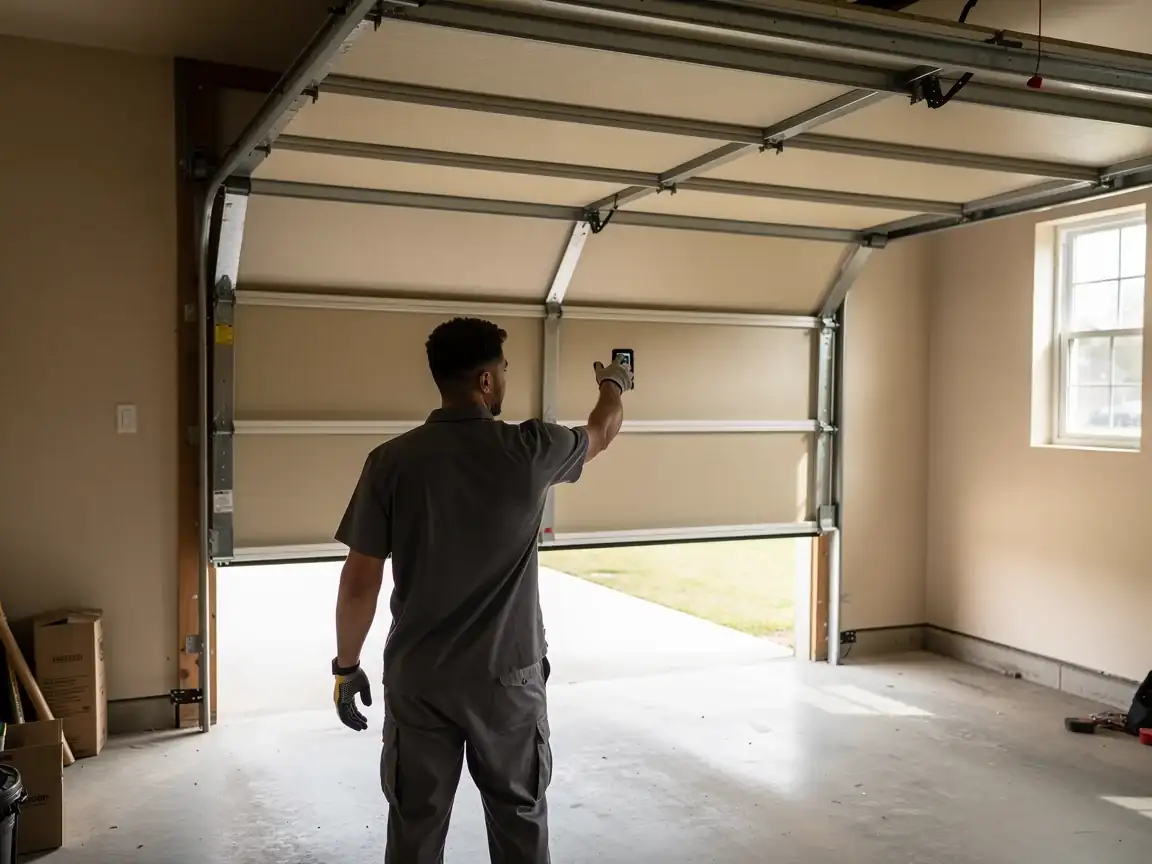
A torsion spring is under enough stored tension to break a bone or worse if the winding bars slip, and extension springs can launch a cable or pulley across the garage if they let go unevenly. We're not going to pretend this is a weekend job to save a service call. Where a homeowner can actually help themselves is in diagnosis: if the door won't lift, or lifts a few inches and stops, or the opener strains and reverses, that's consistent with a spring that's lost tension or broken, and you can safely confirm it by disconnecting the opener and trying to lift the door by hand - if it feels dramatically heavier than it should, leave it alone and call. Don't cut a coiled spring with bolt cutters to relieve tension, and don't try to rewind one with hand tools from a hardware store. The honest version of DIY here is turning the opener off, keeping the car in the driveway, and waiting for someone with the right bars and clamps.
What You Are Seeing
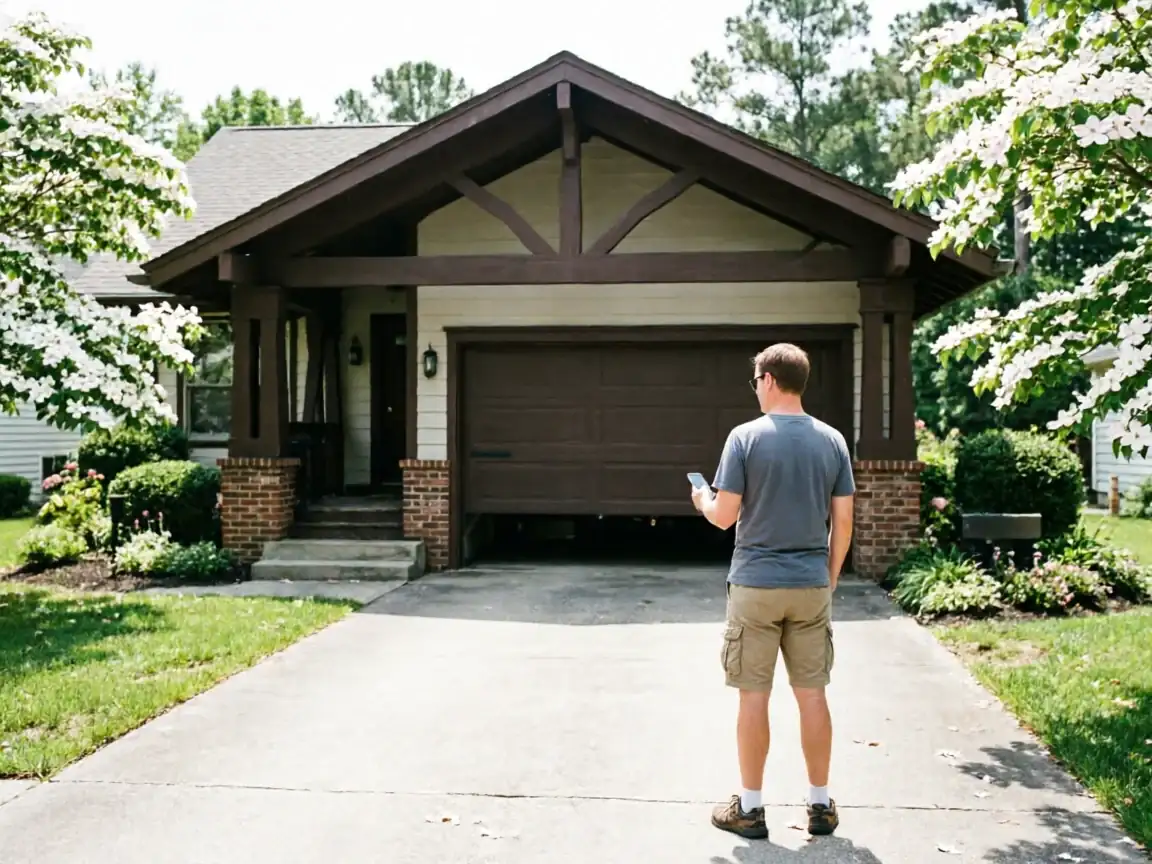
The clearest sign is a loud bang from the garage, often described as a gunshot, followed by a door that won't lift or that lifts unevenly and looks crooked in the track. Other signs show up before the full break: the door feels heavier than it used to, the opener motor strains or clicks without moving the door, or you can see a visible gap in the coils of the torsion spring above the door. On extension-spring doors, a frayed or stretched-out spring along the side rail is usually a failure in progress, not a one-time thing. If a cable has come off a drum or a pulley after a spring let go, don't try to force the door up or down by hand - loose cable under a half-tensioned spring can still do real damage. With household incomes in this area averaging around $64,756, we try to be straight about whether a repair makes sense or whether the hardware's old enough that a full replacement is the better use of that money.