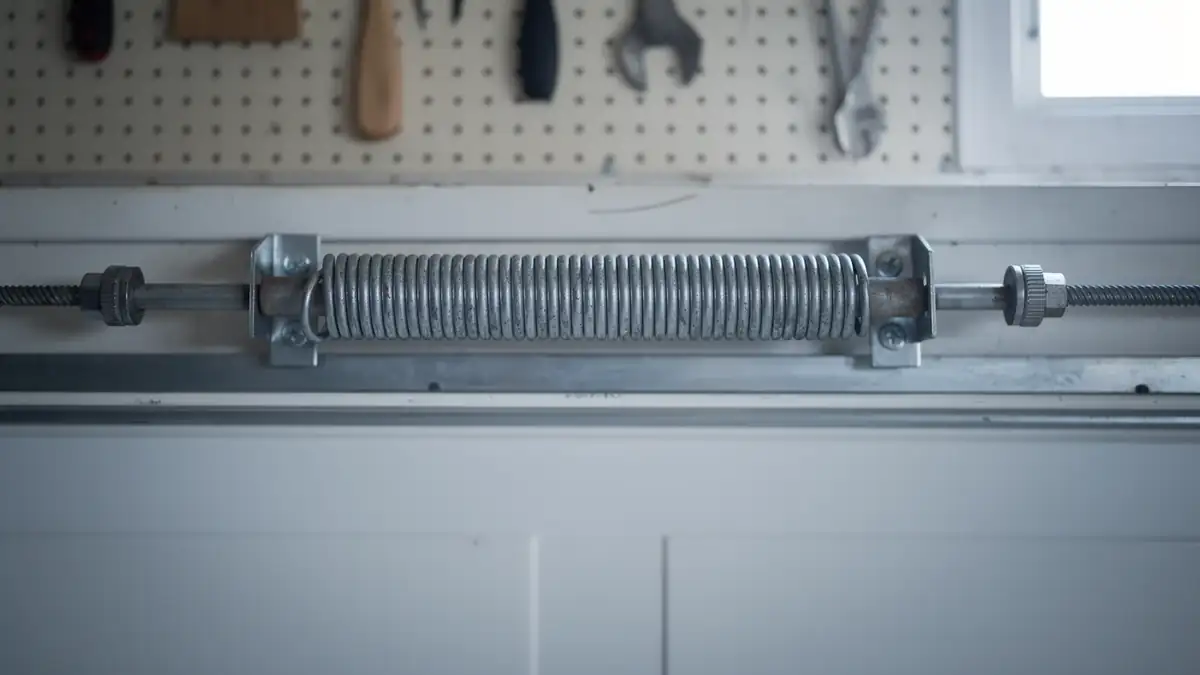
The Seasonal Bit
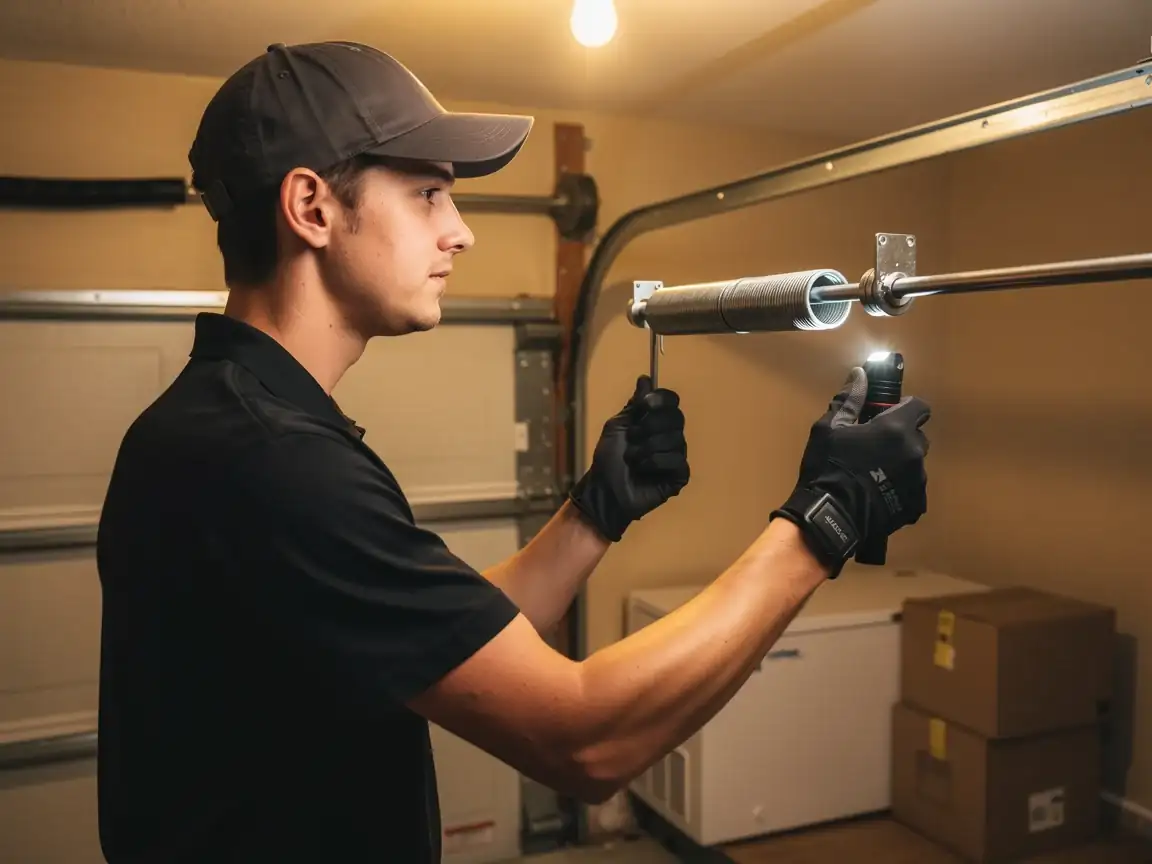
Most of the housing stock we work on here went up between 1967 and 2004, with the bulk clustered in the 1980s and 90s across the twelve areas we cover, from East Cleveland and Hopewell out to Soddy-Daisy and Sale Creek. Doors installed during that build-out are now 25 to 45 years old, and the torsion springs on them are well past the point where they fail on a schedule rather than a surprise.
Cold weather is what actually triggers the failure, not just age. Steel contracts when the temperature drops, and a spring that's already fatigued from three decades of cycles loses the little bit of flex it had left. In our climate band - cold winters, not brutal but real - you get enough freeze-thaw swing through a season to turn a tired spring into a snapped one, usually on the first hard cold snap rather than mid-January. We see the call volume jump right when the first real cold front comes through, not gradually.
If your house falls in that 1967-2004 window, the spring under your door is original or close to it more often than owners expect, because builders in that era didn't spec for 40+ years of service.
What You Pay
We don't have a flat number to hand you here because what a repair costs depends on what's actually wrong and what parts a door from the 1980s or 90s needs
Some of that hardware isn't something every supplier stocks, and sourcing time affects the bill. What we can tell you is who we're working for: median household income across our service area runs about $64,756, and roughly 15,036 of the area's 26,126 households own their home rather than rent. That's the customer base we price for - working homeowners, not landlords managing a dozen units.
- 26,126 households
What drives cost more than anything else is whether you're replacing a single part or the whole opener system
A broken torsion spring on a double door, caught early, is a contained repair. Let it sit and the opener motor can take damage straining against a door it can no longer lift evenly, and now you're paying for two problems instead of one. We'll always tell you straight if a repair isn't worth it against a replacement - sometimes a 1980s door with a dead spring and a worn-out opener is better torn out than nursed along.
The Problem
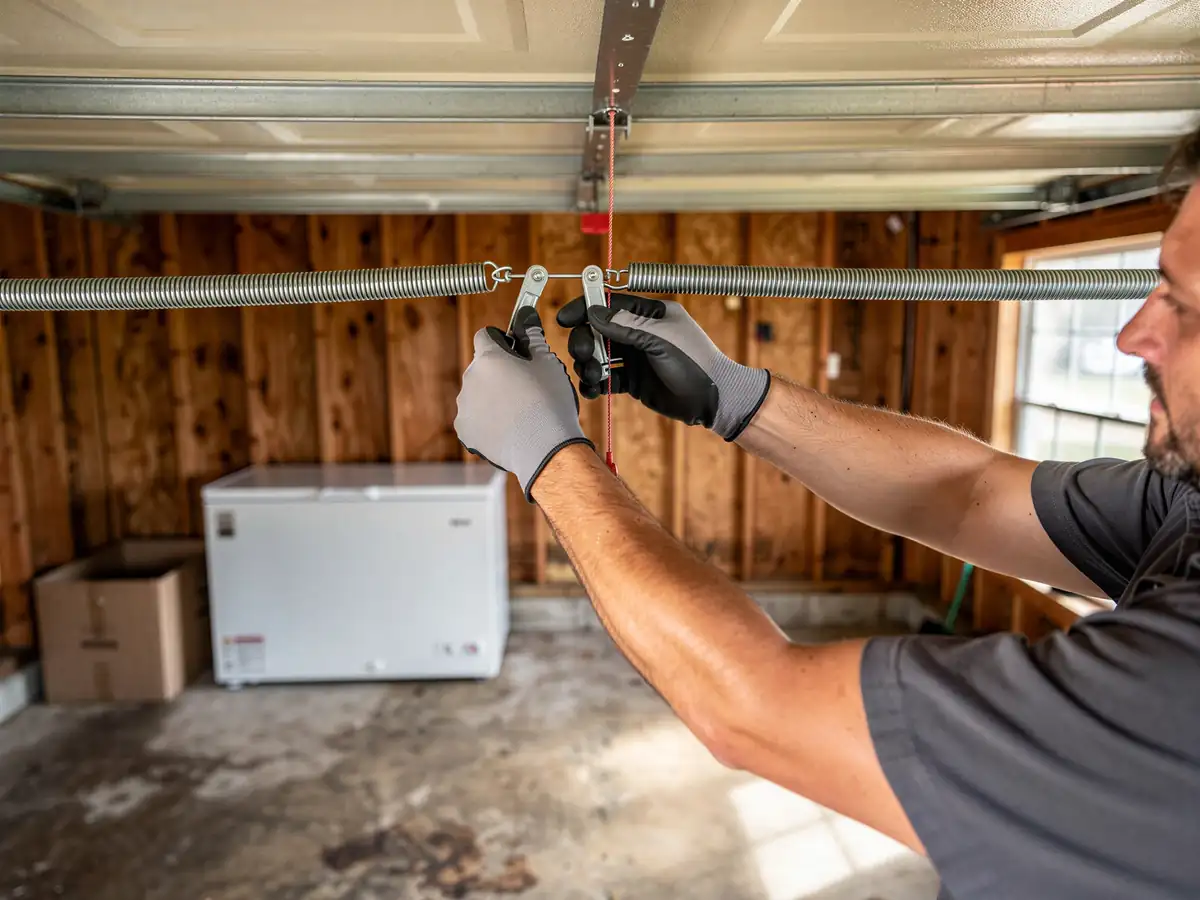
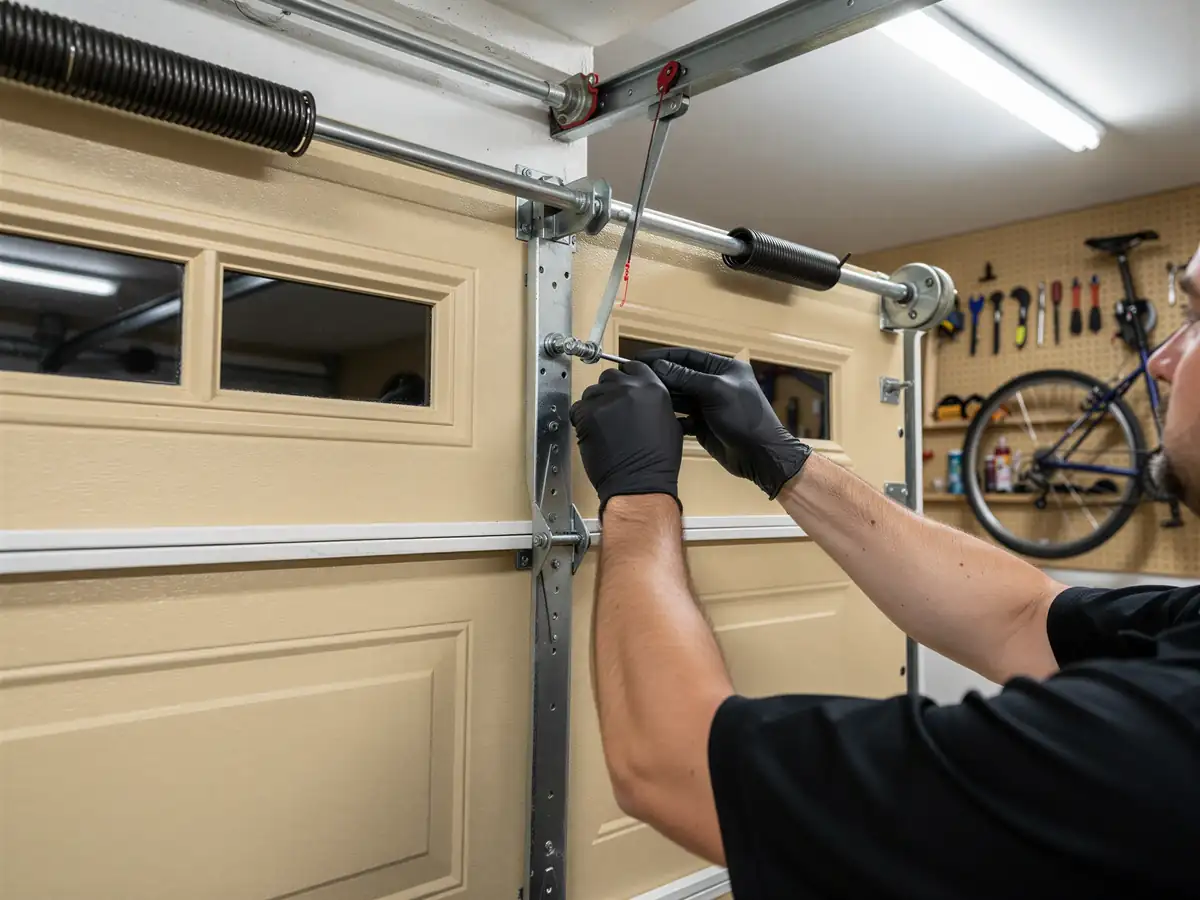
The core problem on houses from this era is torsion hardware that was sized for the door and the climate expectations of 1984, not for 2024. Side-mounted torsion springs from that period weren't built with the cycle life manufacturers spec today, and nobody designed them expecting the door to still be in service four decades later.
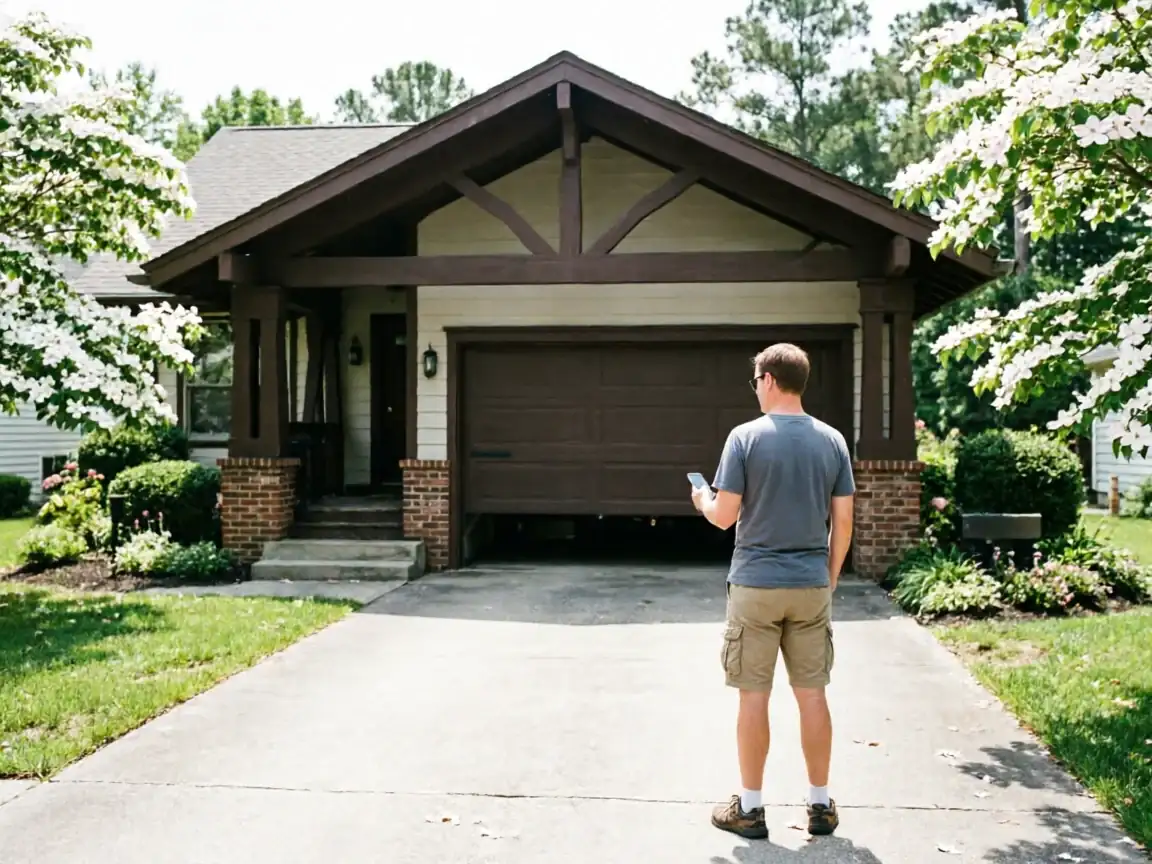
Add cold weather into that and you get a specific failure pattern: the spring doesn't fray or loosen gradually, it goes all at once, usually when you're already standing in the driveway trying to get the door up before work. We get those calls most often in the stretch when nighttime temperatures first drop hard enough to stiffen the steel.
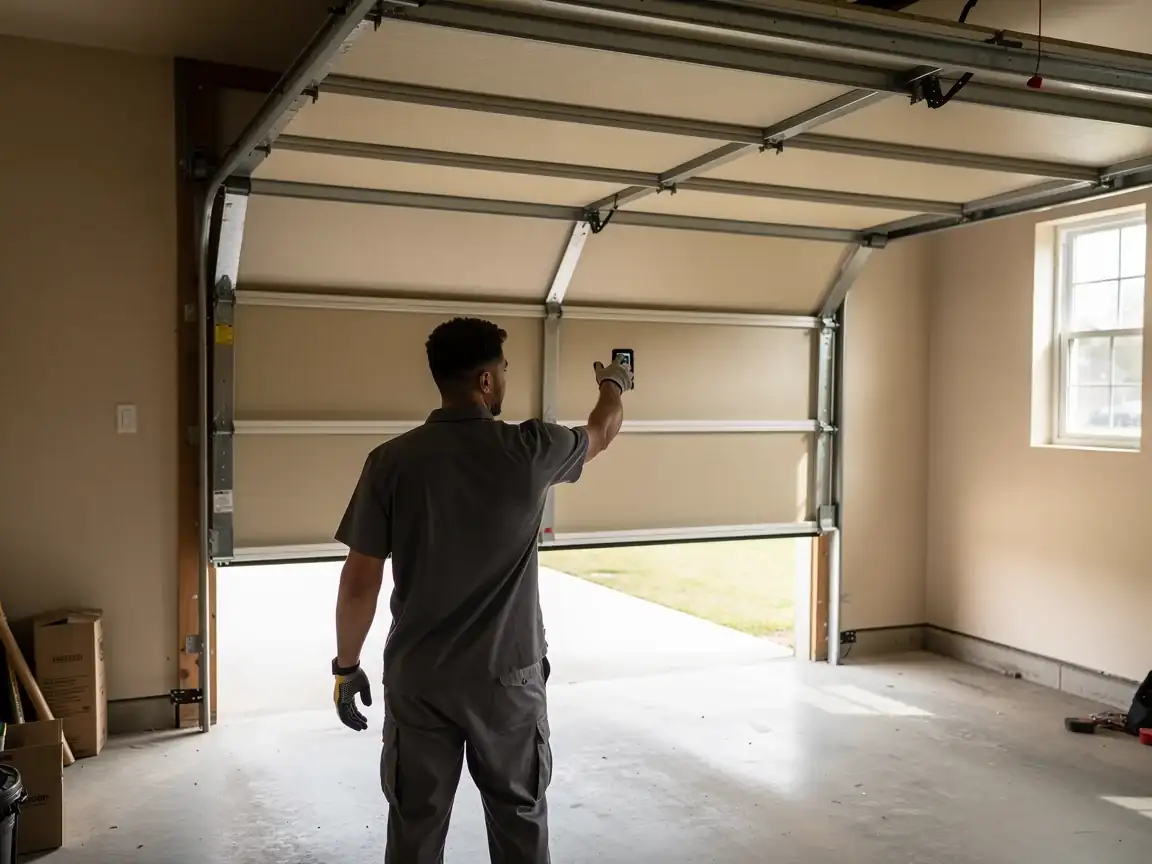
The honest limitation here: if your spring's gone and your opener is also original to a 1980s or 90s install, we may not be able to get a drop-in replacement part for that exact opener model same-day. Some of that older gear just isn't made anymore, and sourcing the right compatible part can add a day or two to the job. We'd rather tell you that up front than promise a same-day fix we can't back.
How Local Conditions Play In
Across the twelve areas we run calls in - East Cleveland and South Cleveland close in, Hopewell and Wildwood Lake a few miles out, Benton, Ooltewah, Collegedale, Lakesite, Harrison, Soddy-Daisy, Middle Valley, and Sale Creek further out - the housing age is fairly consistent: mostly 1980s and 90s construction. That consistency matters because it means the failure patterns repeat house to house. A spring call in Hopewell and a spring call in Middle Valley are usually the same underlying issue, just different driveways.
Our climate band is cold but moderate - we're not dealing with the extreme freeze cycles of further north, but we get enough cold snaps each winter to stress old hardware repeatedly rather than once. That repeated stress, year after year, on a door that's already 25-plus years old, is why the spring failures cluster the way they do. It's not one bad winter doing the damage. It's thirty winters of normal cold doing slow work on hardware that was never meant to last that long.