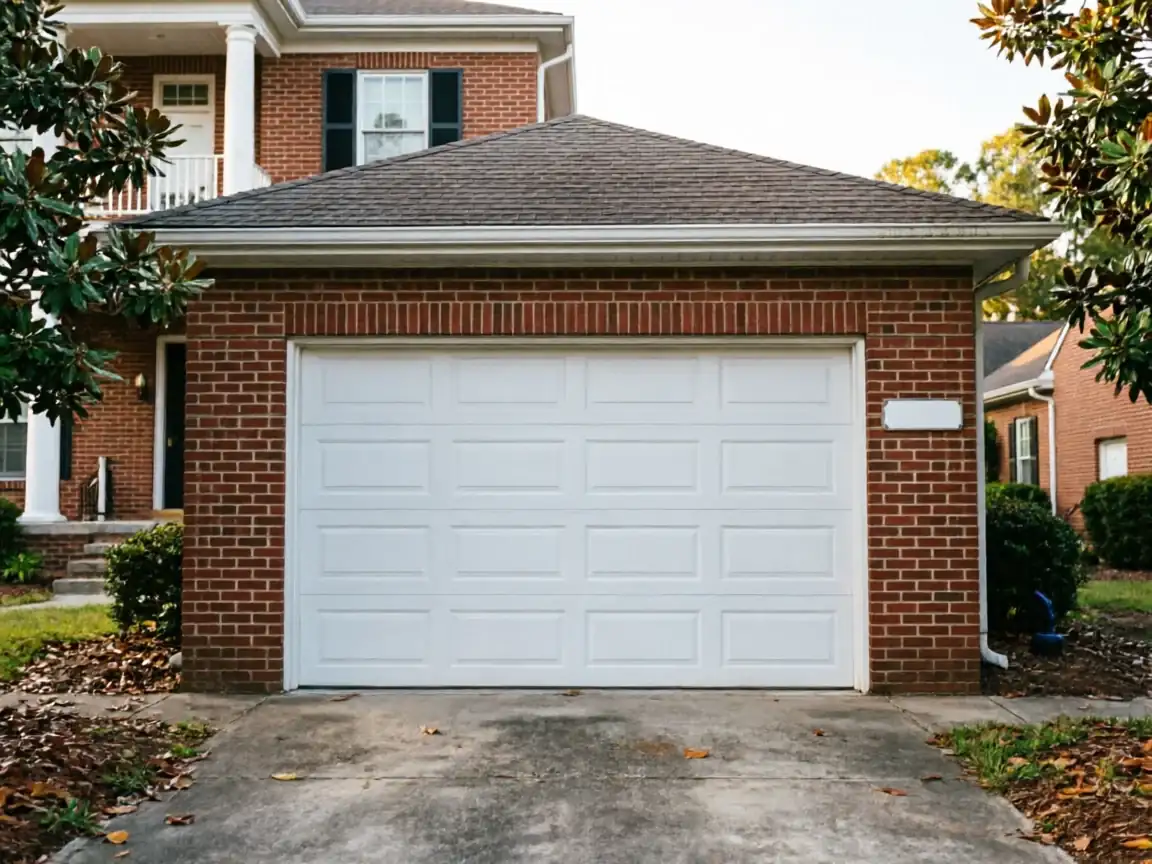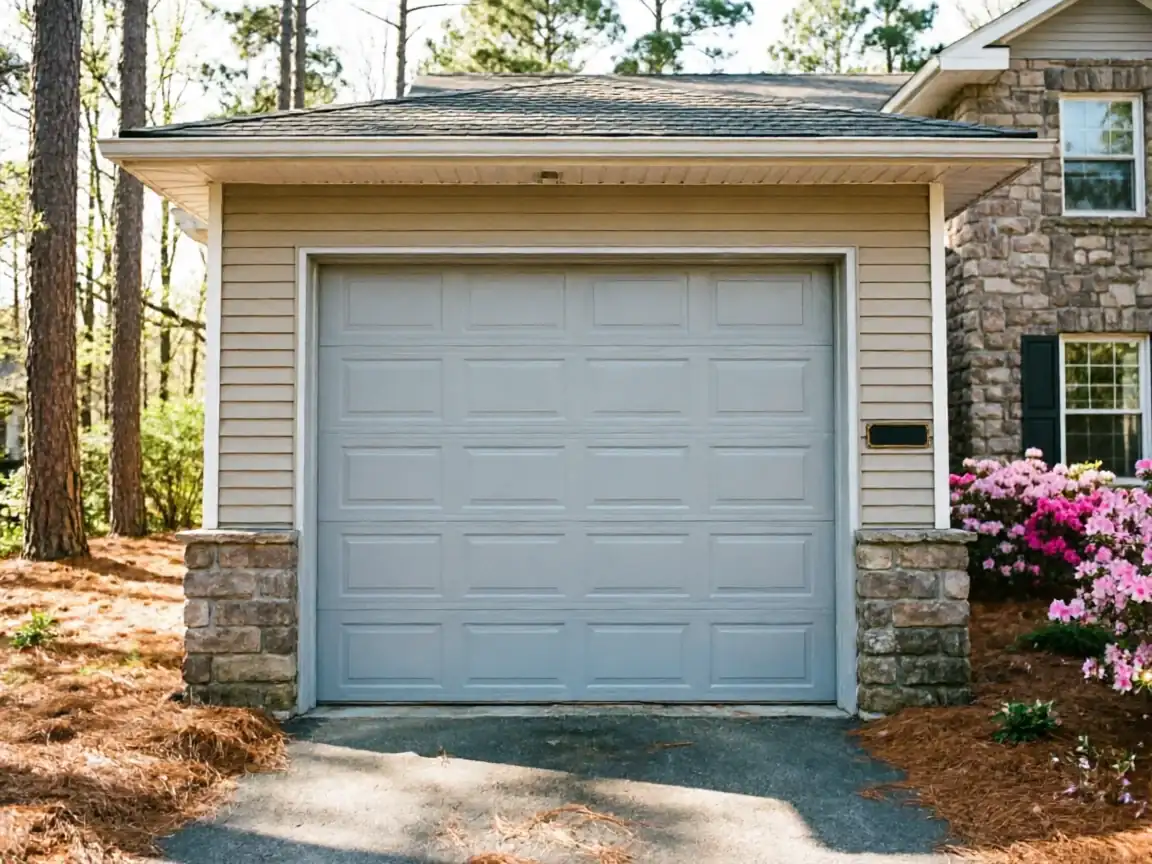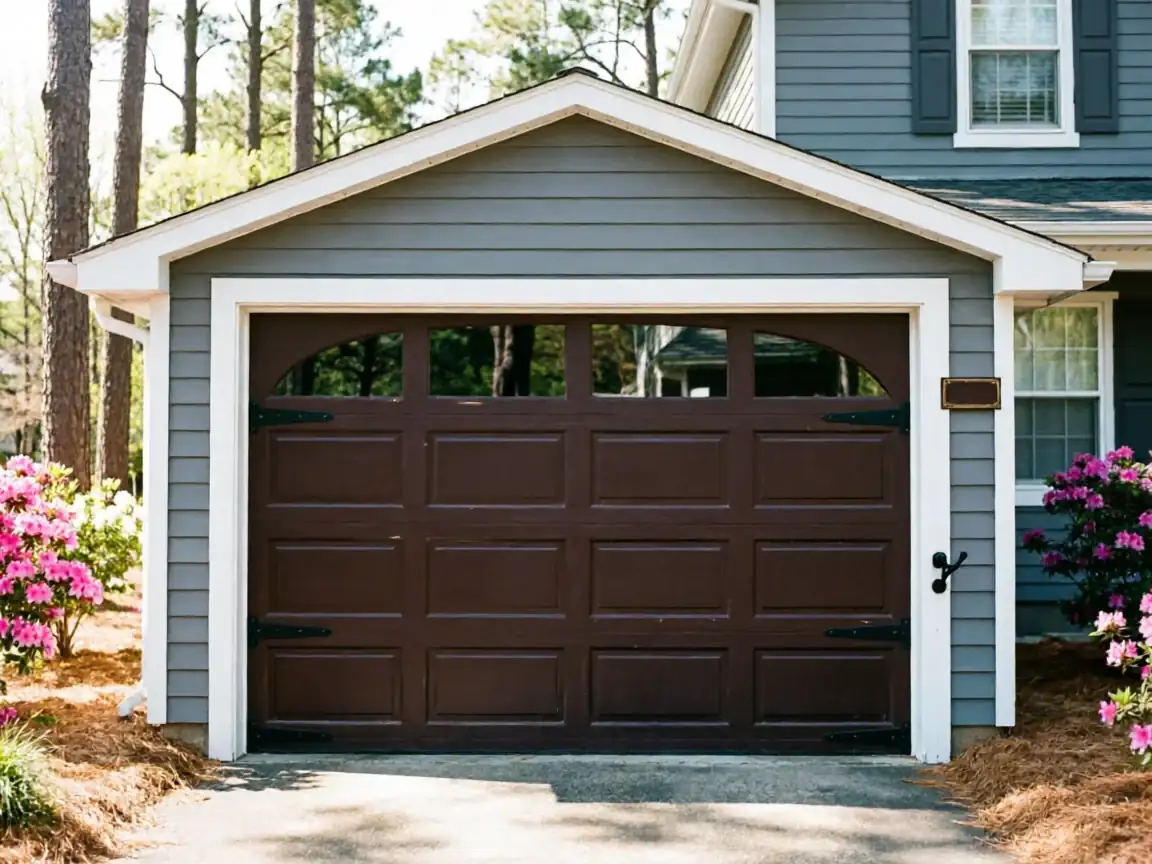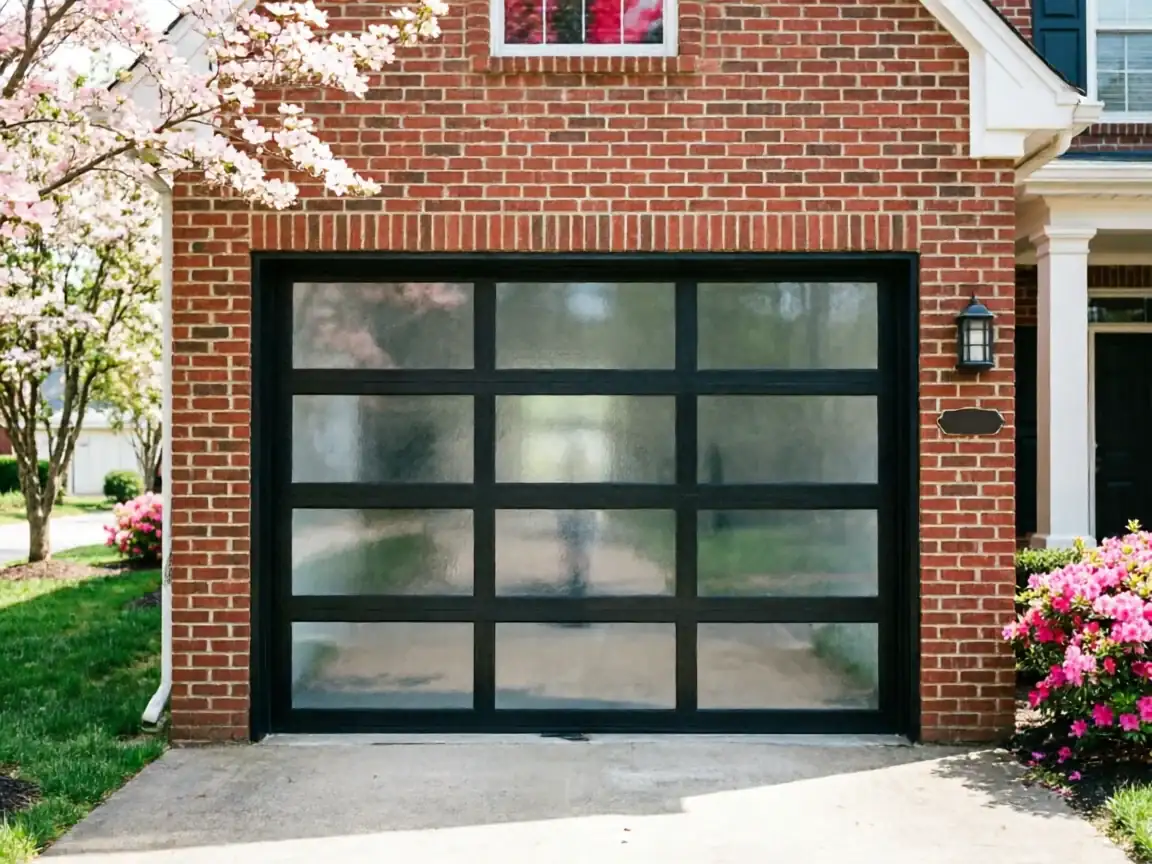
How We Fix It
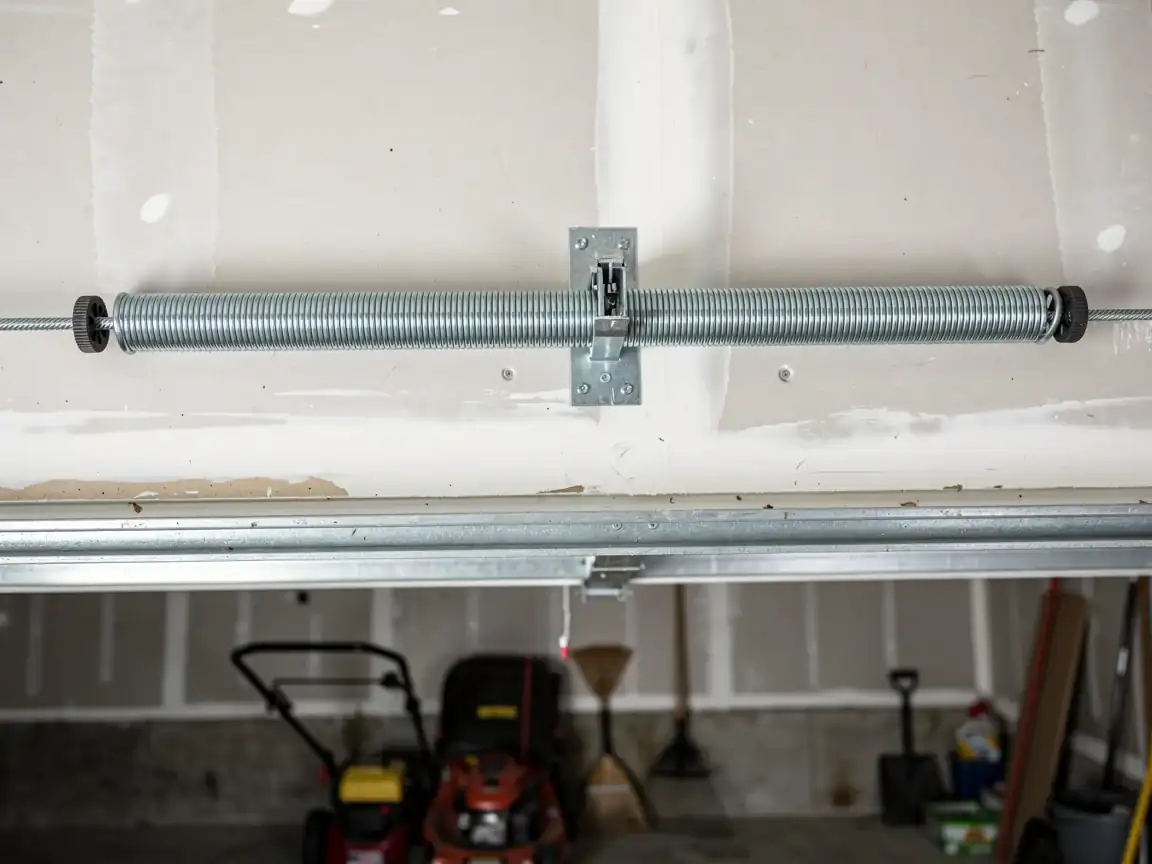
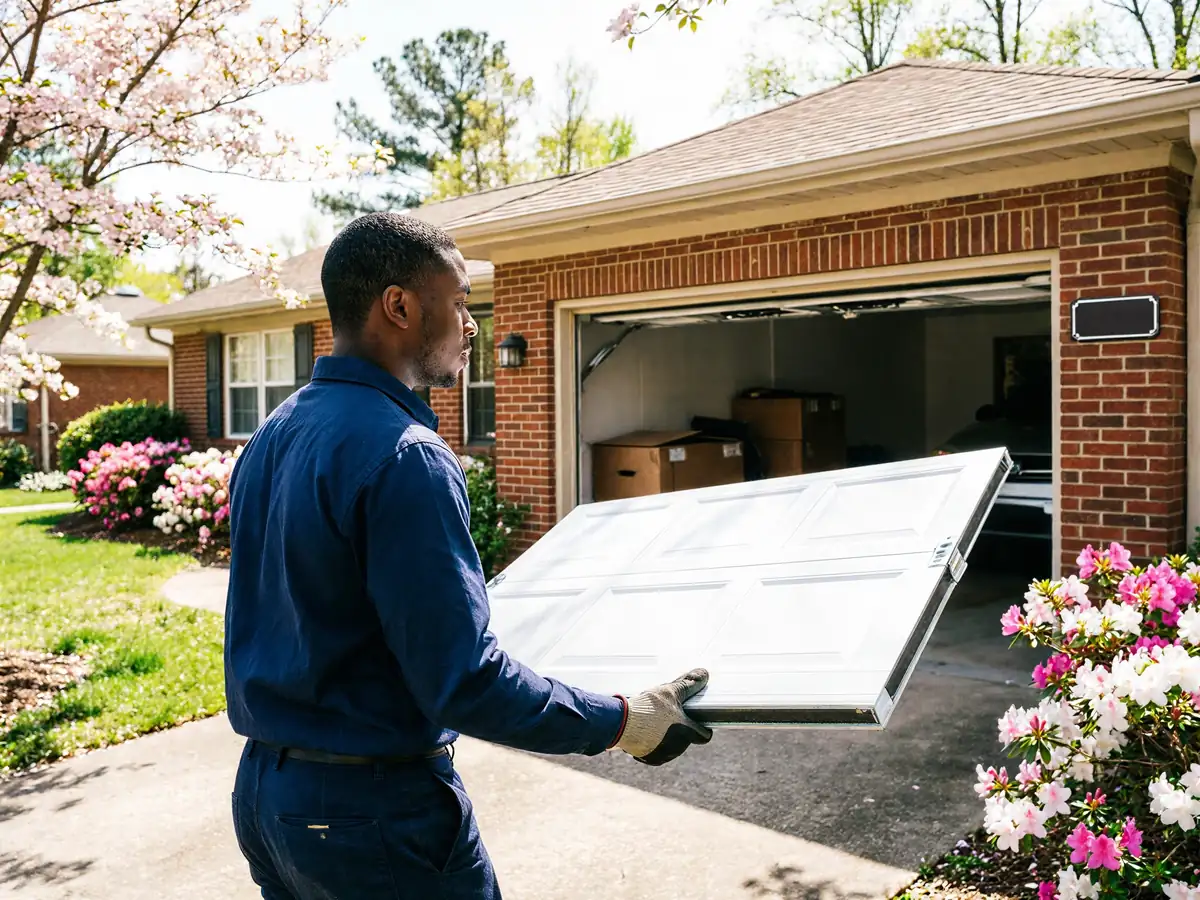
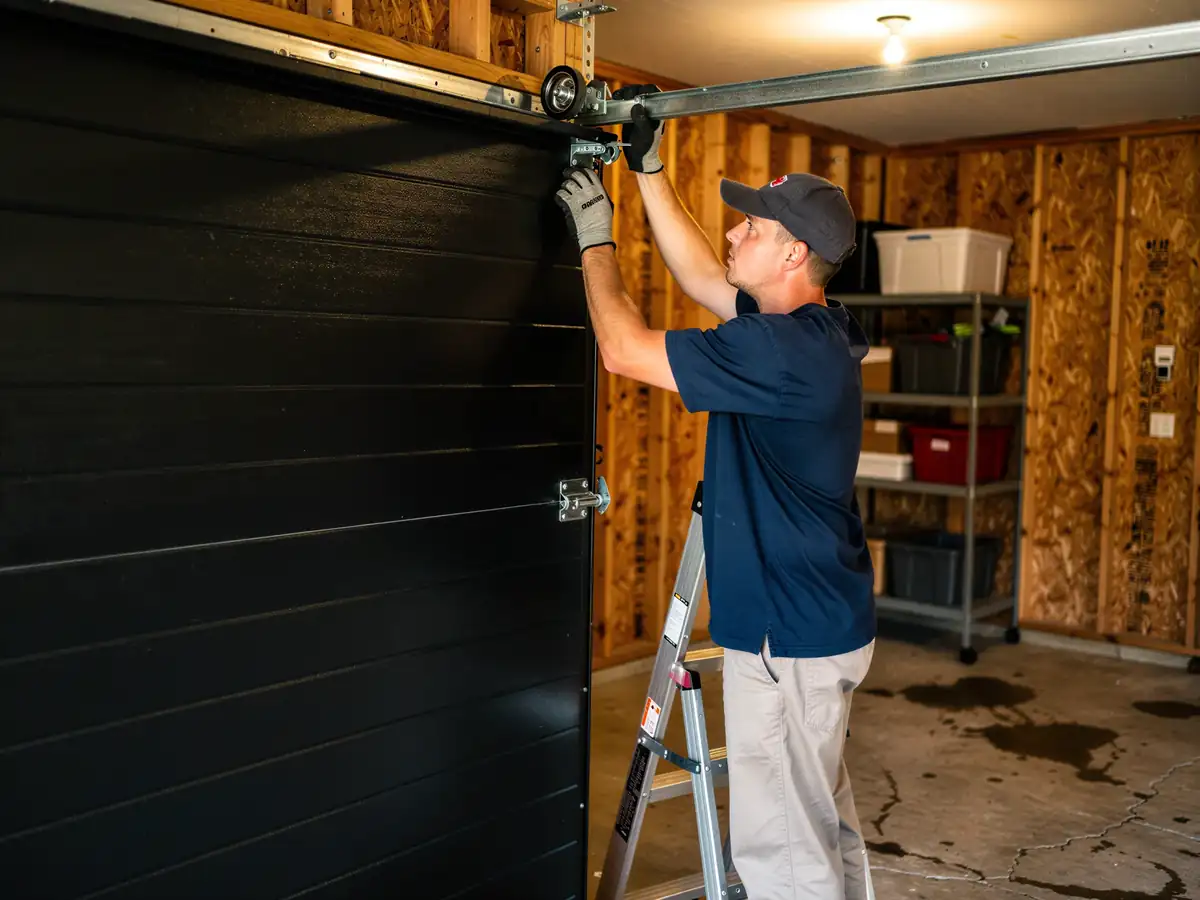
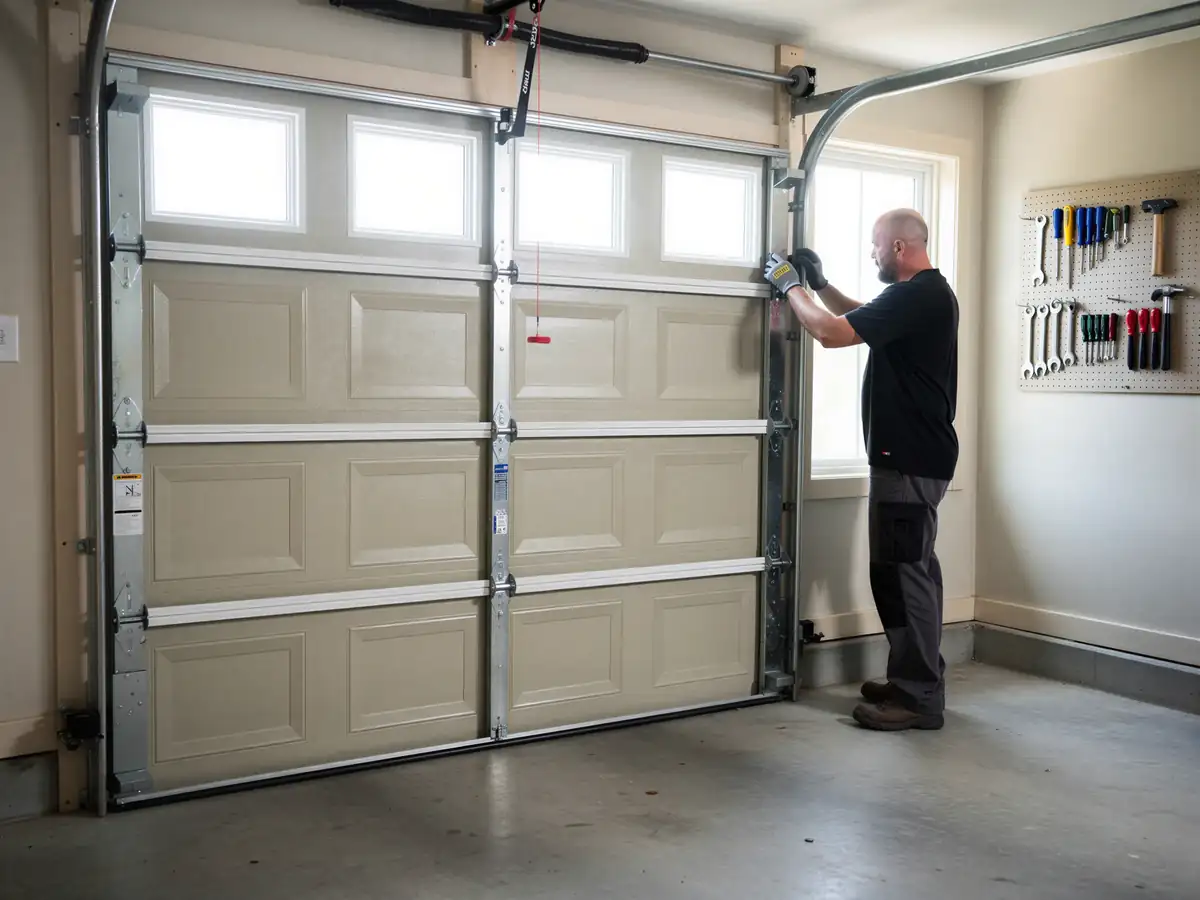
When we quote an install in Cleveland, the first thing we measure is the opening, not the door. Most houses across this service area, from East Cleveland out past South Cleveland, were framed between 1967 and 2004, and a lot of those openings don't match the stock sizes big box stores push. We pull the actual rough opening, check the header for a double door if that's what's going in, and size the torsion spring to the door weight you're choosing, not a generic chart number.
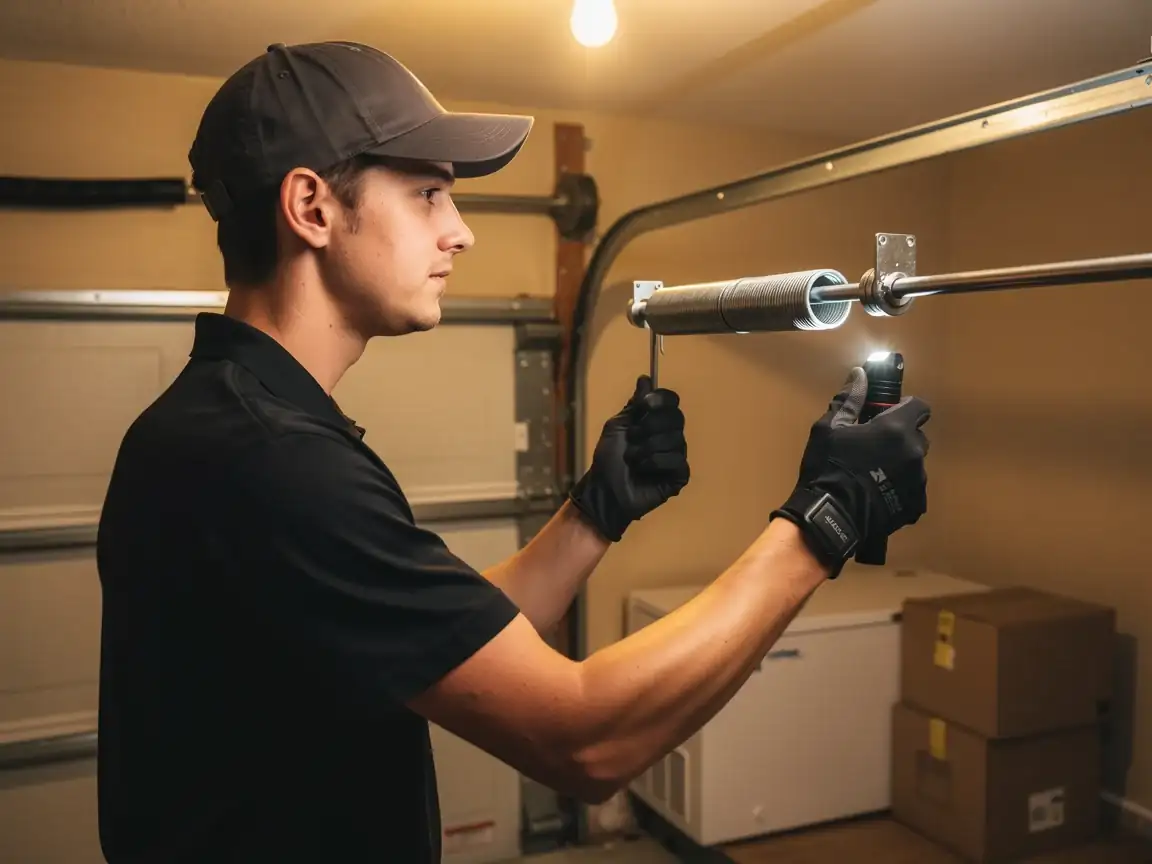
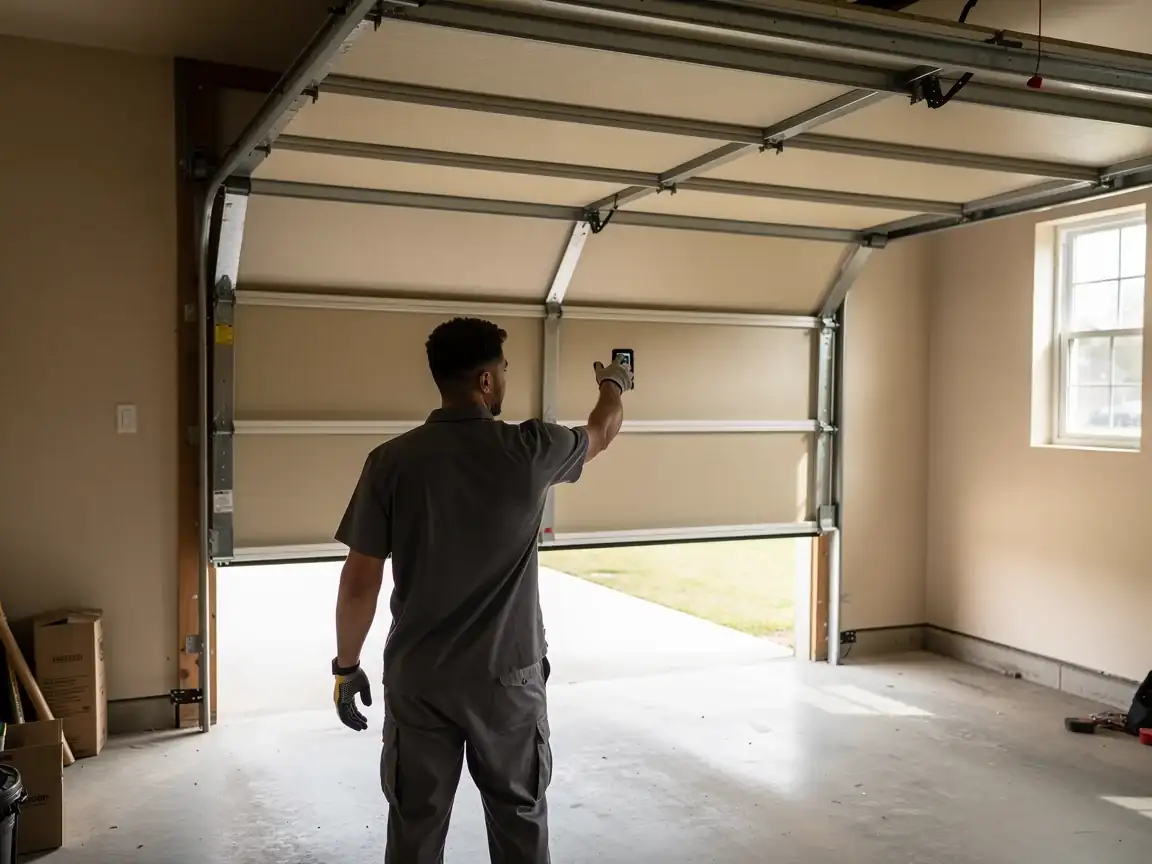
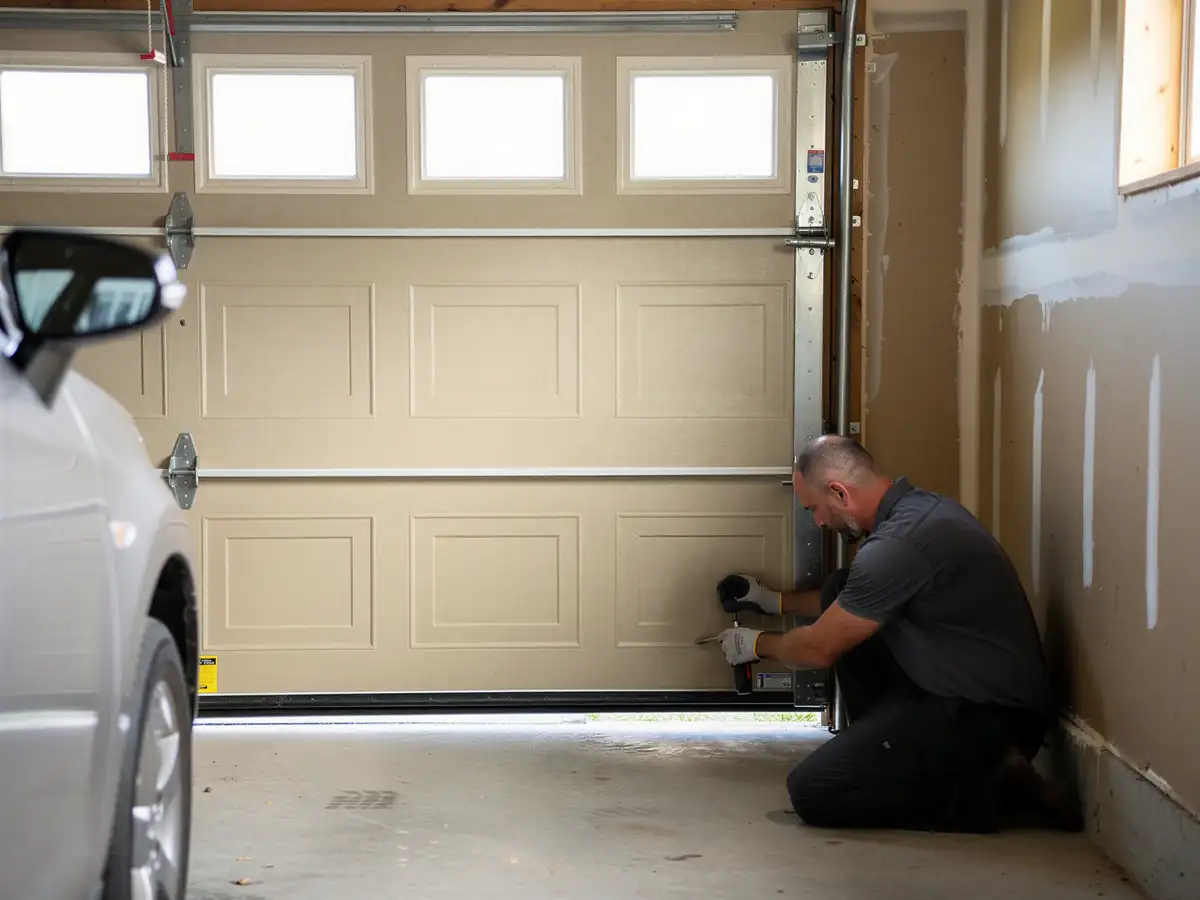
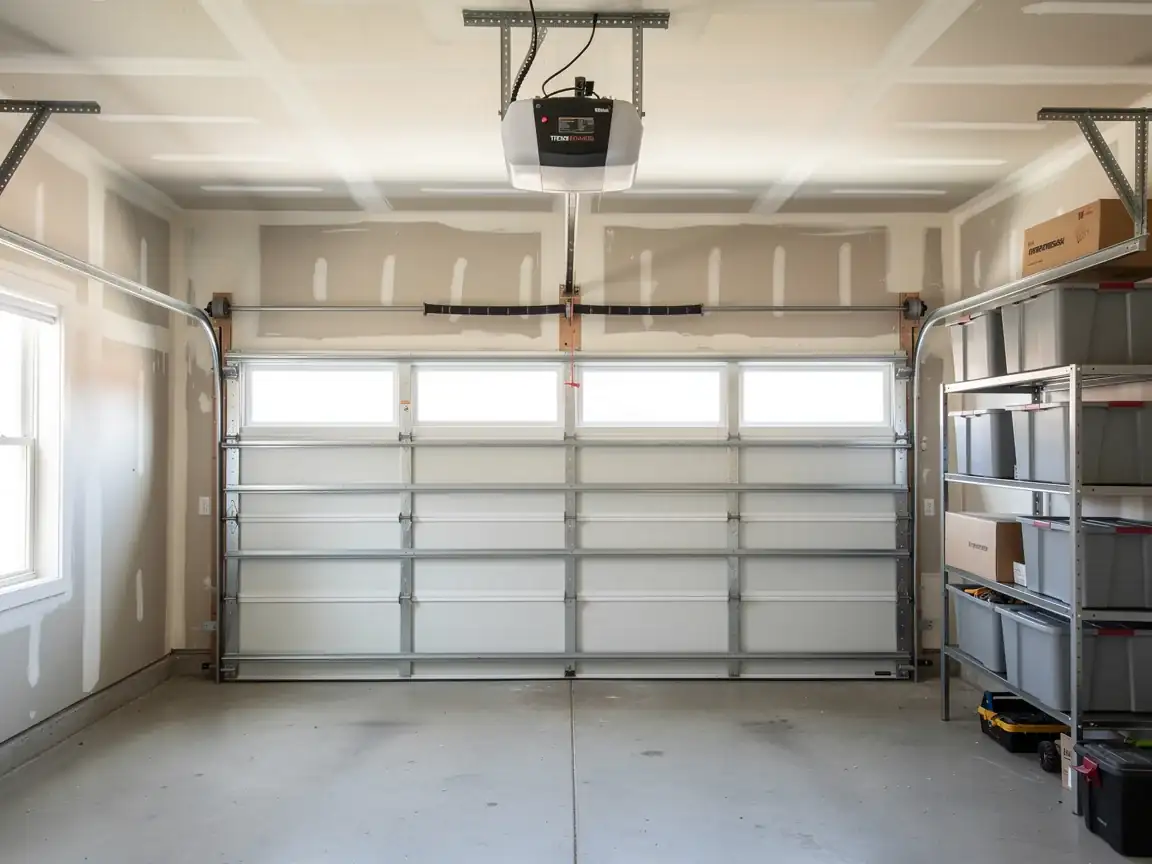
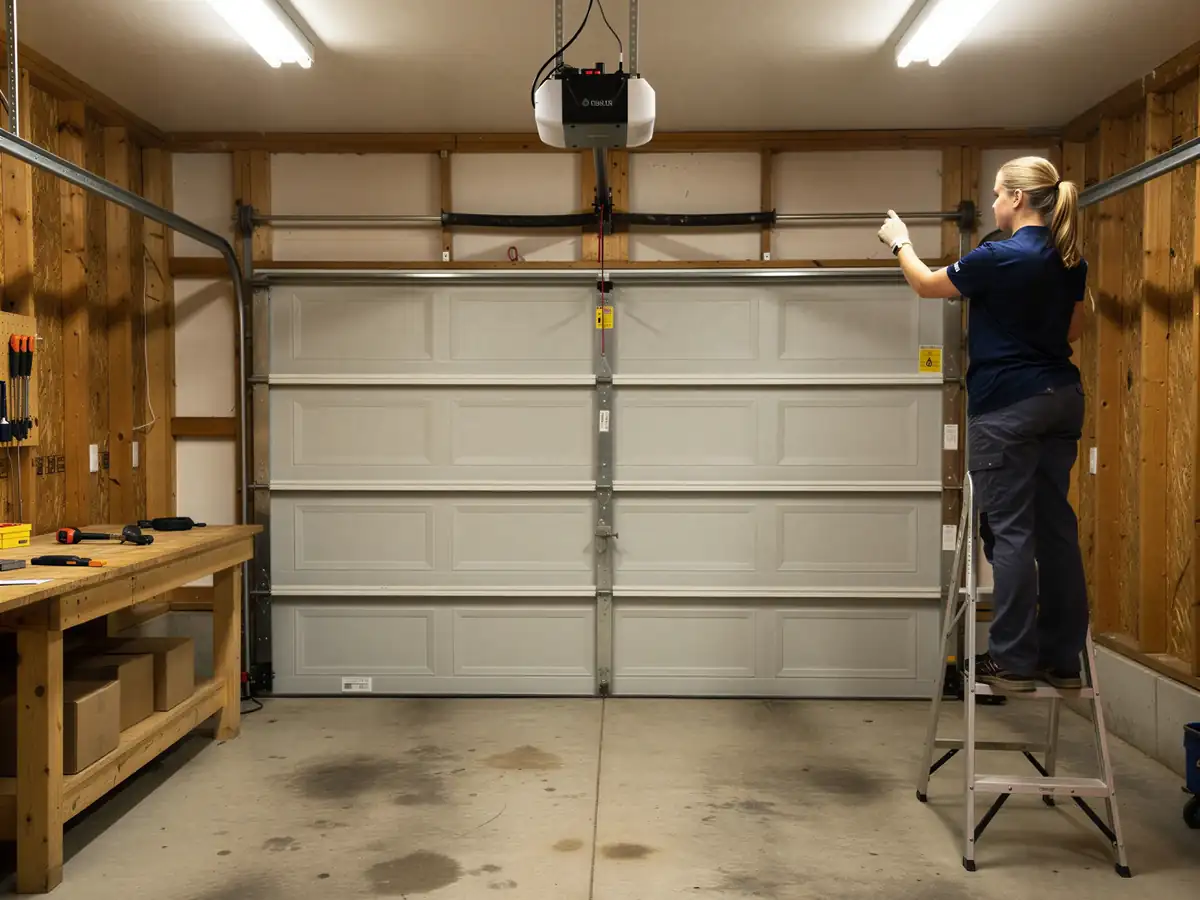
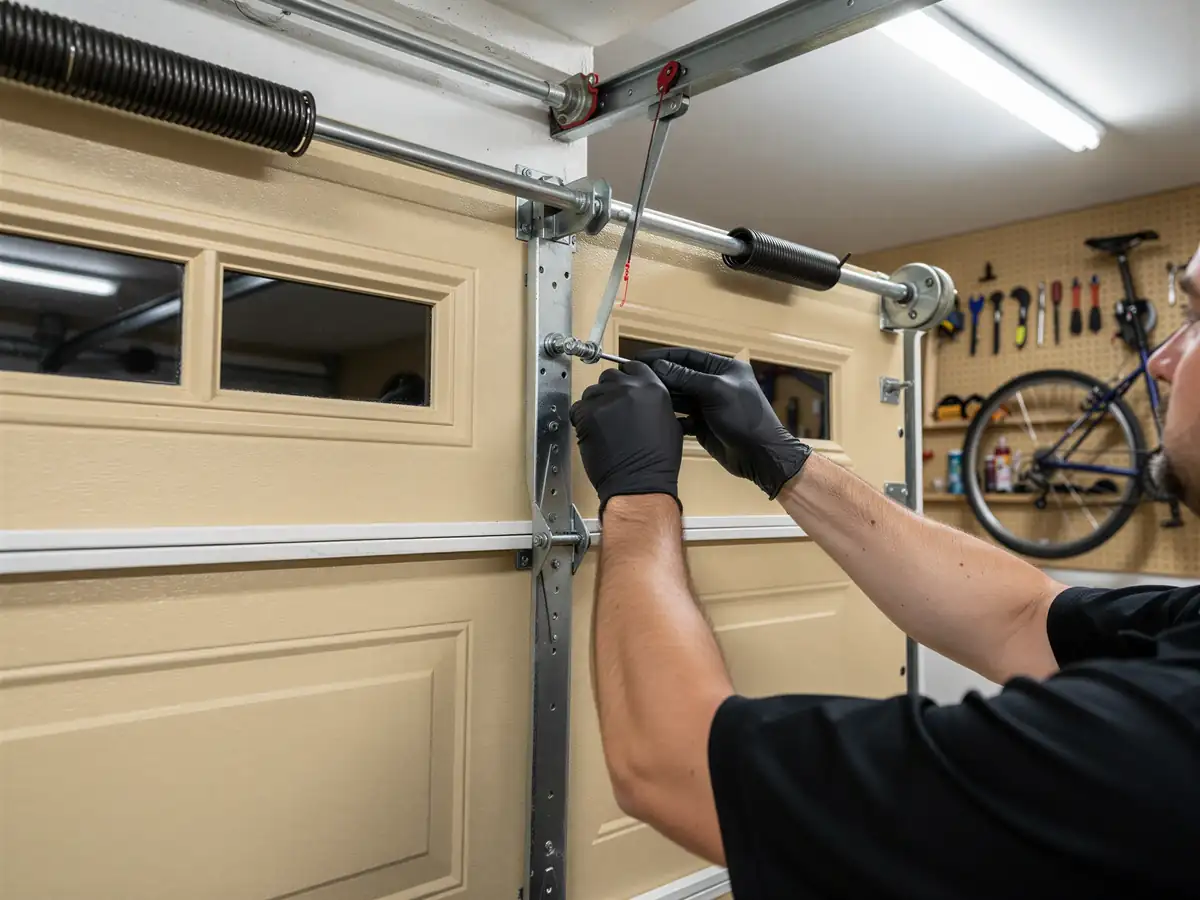
On the door itself, we steer owners toward insulated steel or composite panels with a thermal break, because this area sits in a cold-moderate climate band and a hollow single-layer door loses that fight every winter. We set new track plumb, torque the spring to the door weight, and test the opener's force settings against the new door - an opener tuned for a 30-year-old hollow door will slam a new insulated one if nobody resets it.
We also replace the bottom seal and weatherstrip as part of any install, not as an upsell. On a house built in the 1980s, the original jamb is rarely square anymore, so we shim and seal it properly rather than just bolting a new door to an old frame and calling it done.
Why It Happens Here
The housing stock around Cleveland mostly dates to 1967 through 2004
With the median landing around 1984, and that matters for installs more than people expect. Doors from that era were built to the standards of their decade - single steel skin, no thermal break, springs sized for lighter wood-panel doors that have since been swapped out by a previous owner for something heavier. Twenty, thirty, forty years on, a lot of those original doors are simply at the end of their service life, and the opener straining against them is a symptom, not the real problem.
The cold-moderate climate here adds a second pressure
Seals that were fine in year one shrink and crack with repeated freeze-thaw cycles, and once the bottom seal fails, moisture gets into the bottom panel seam on steel doors, which is where you see rust bubbling first. Across the 26,126 households in this service area, 15,036 are owner-occupied houses - the group that actually has to decide when a 1980s door has gone from repairable to replace-it. With median household income here at $64,756, most of those owners are looking for a single door that lasts, not a patch job they'll redo in three years.
- 26,126 households
Can You Do This Yourself
Swapping weatherstrip or a bottom seal is a reasonable weekend job if you're reasonably handy - pull the old vinyl, measure the track, cut and seat the new strip. That part we won't talk you out of.
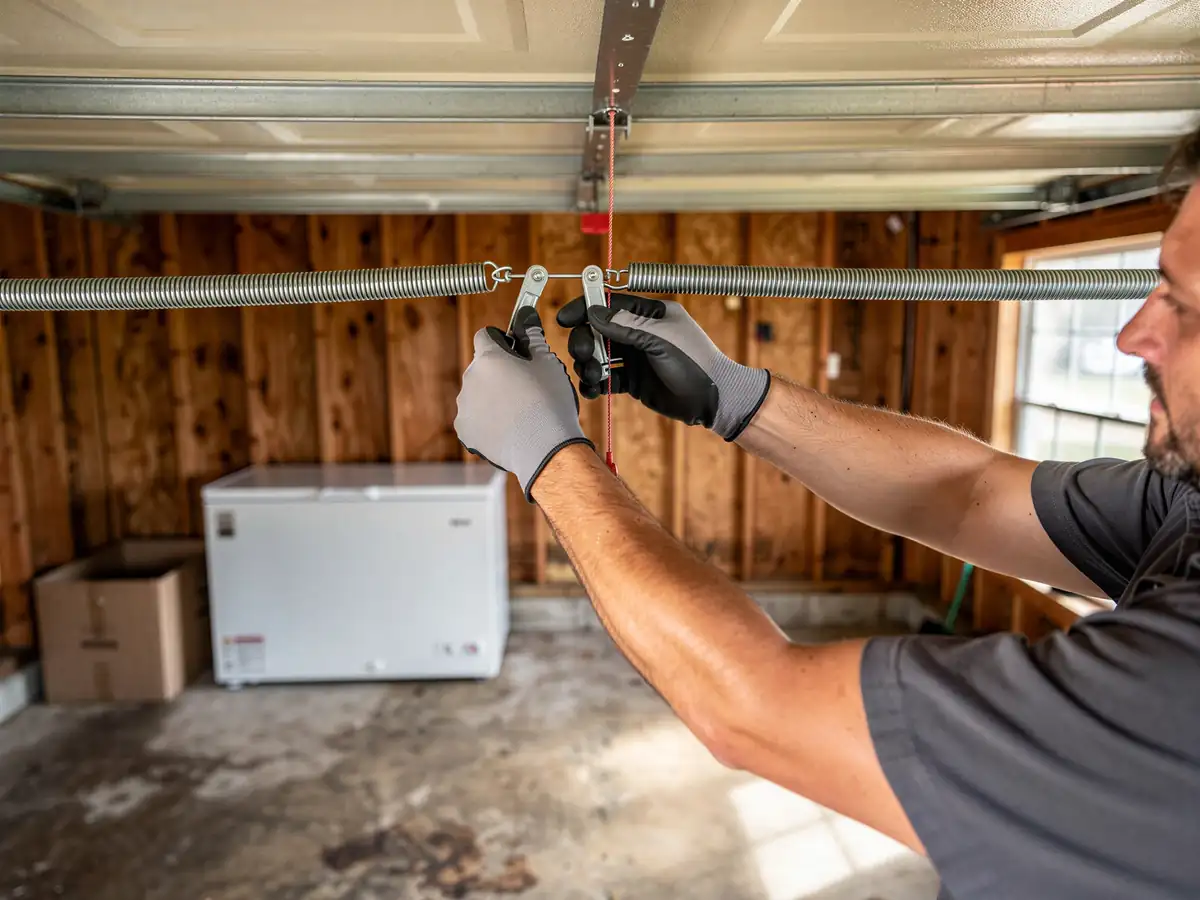
Full door installation is a different matter, and we'll say this plainly: a torsion spring under load can break a bone or worse if you don't know how to wind it, and setting new track square without the right jacks means a door that binds or falls off the rail the first time it's opened. We don't recommend DIY installs on torsion-spring doors, full stop. If you're set on doing the panel swap yourself and just want the spring and track handled, that's a conversation we can have - but we won't quote a job half-supervised over the phone, and we won't pretend every install is a simple bolt-on.
What You Are Seeing
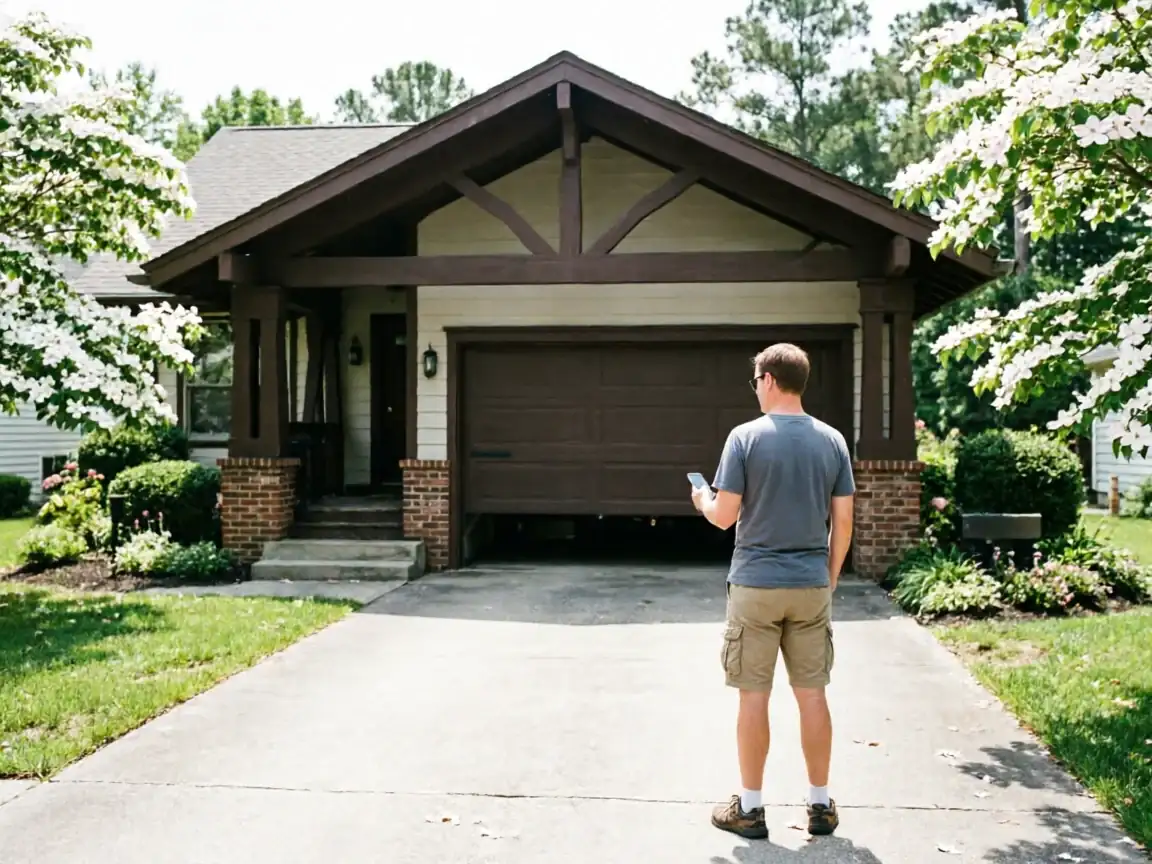
If your door is one of the originals from this area's 1980s or 90s building wave, the signs show up gradually. A single panel starts to sag or bow in the middle, usually the bottom one, because it's taken the most moisture over the years. The opener strains or reverses partway up, which usually means the spring is no longer matched to the door's actual weight - sometimes because the spring's worn out, sometimes because someone replaced the door years back with a heavier model and never had the spring re-rated.
You'll also feel cold air coming in around the edges even with the door shut, especially along the bottom seal or where the panels meet at the sides. On older steel doors without a thermal break, you can sometimes feel the metal itself is cold to the touch on a winter morning, which is a sign the insulation value just isn't there anymore. None of these on their own means you need a full replacement, but together, on a door that's pushing thirty or forty years, they usually point that way.