The Split Between Old and New
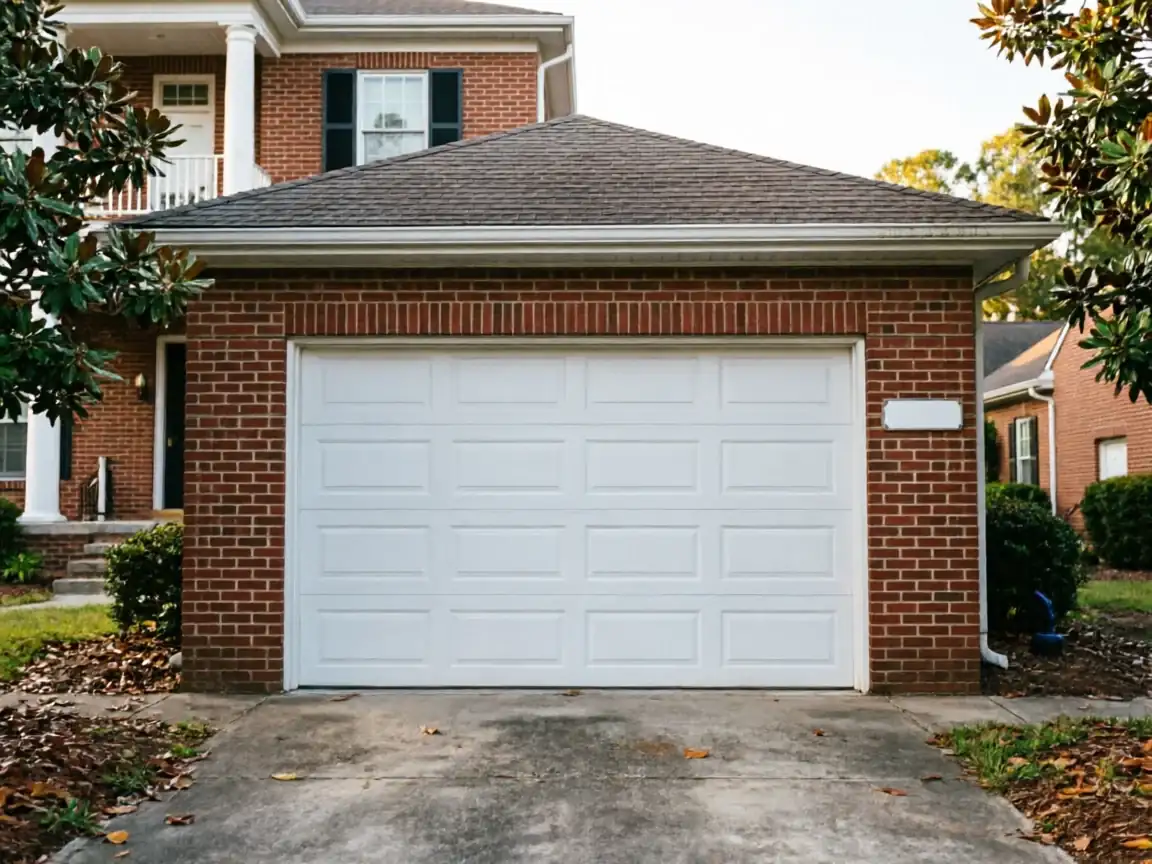
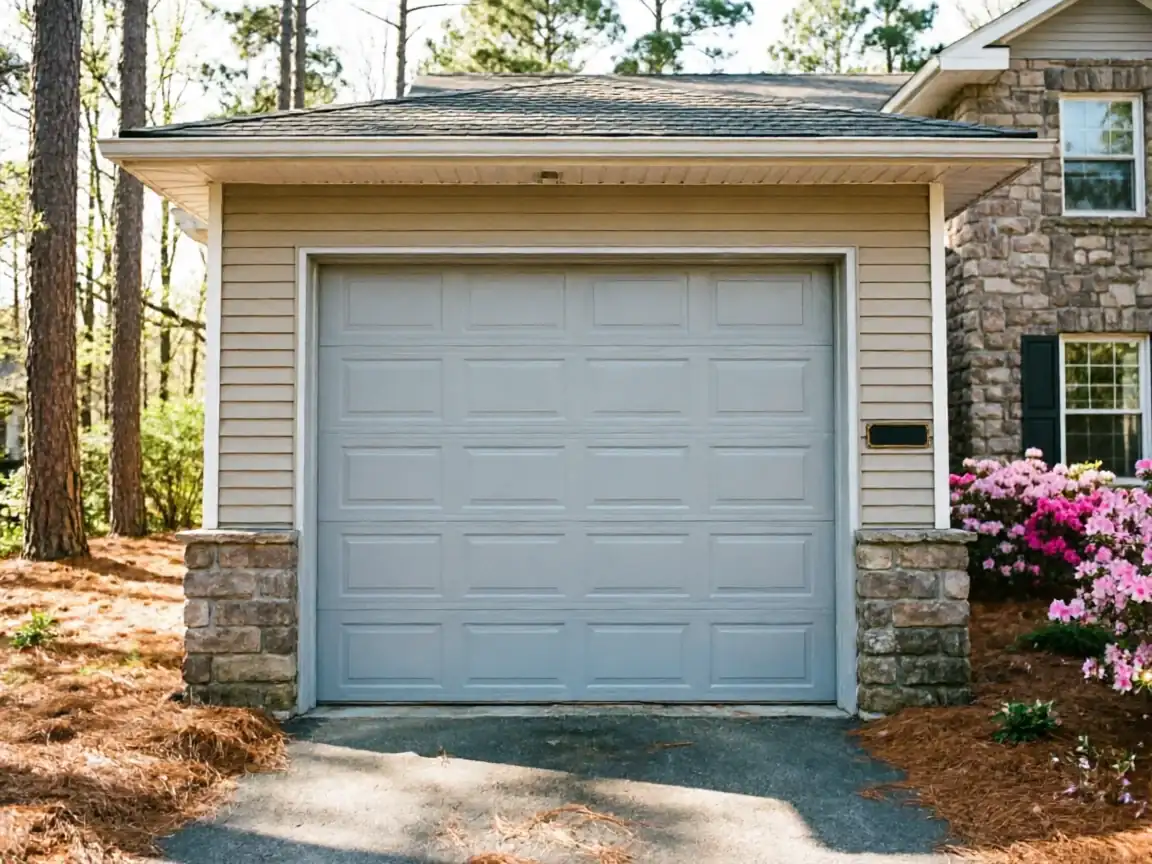
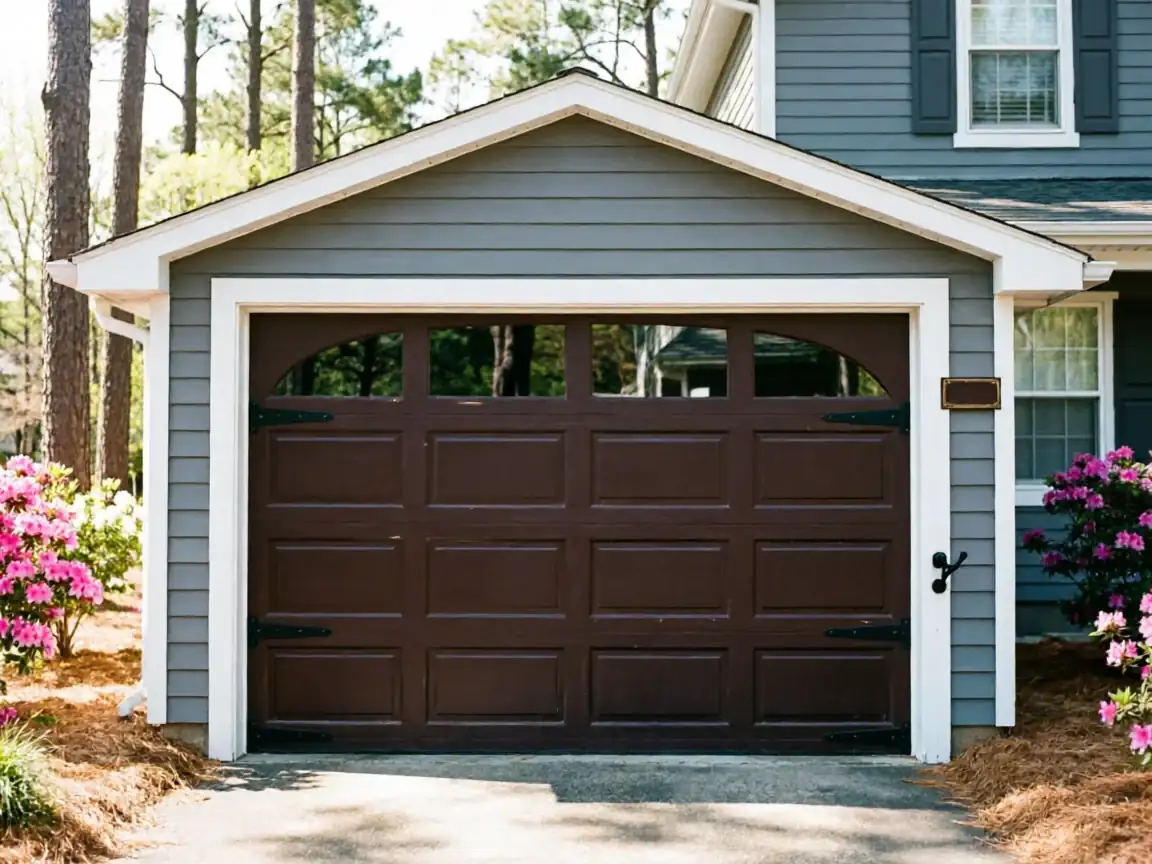
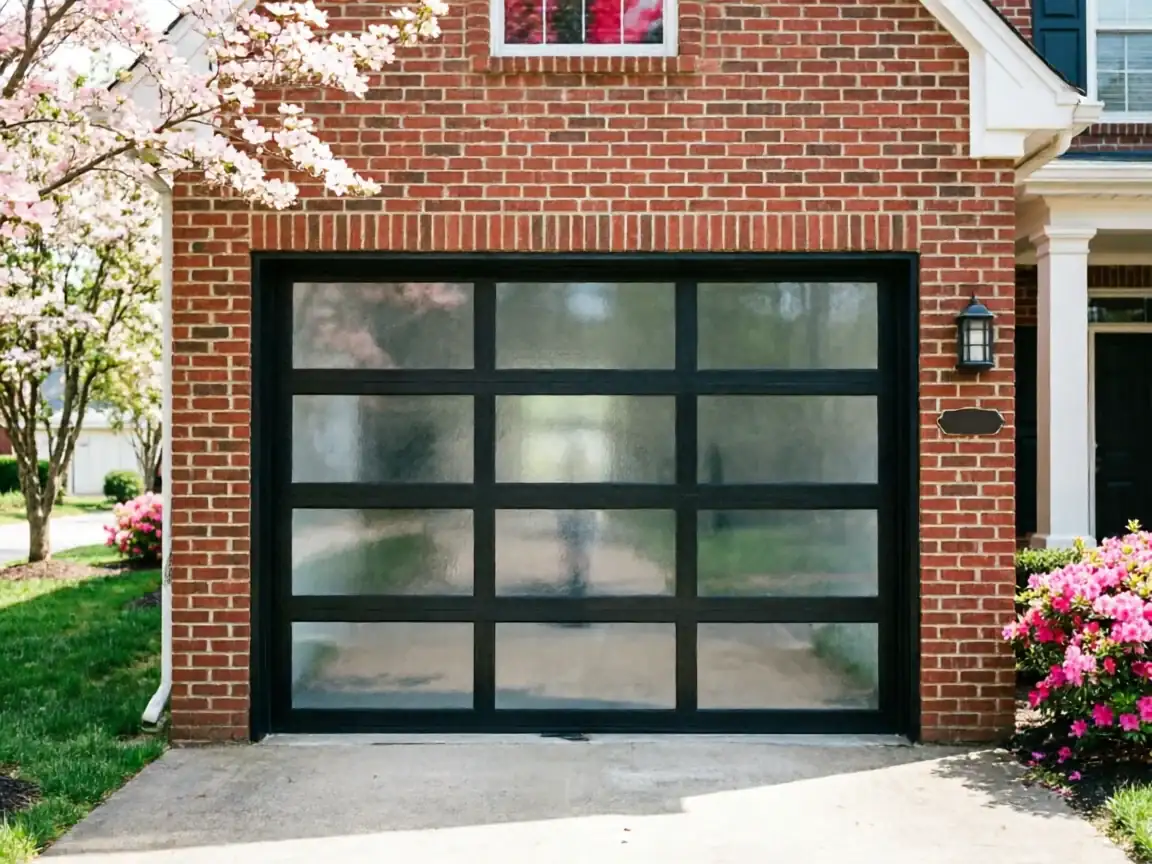
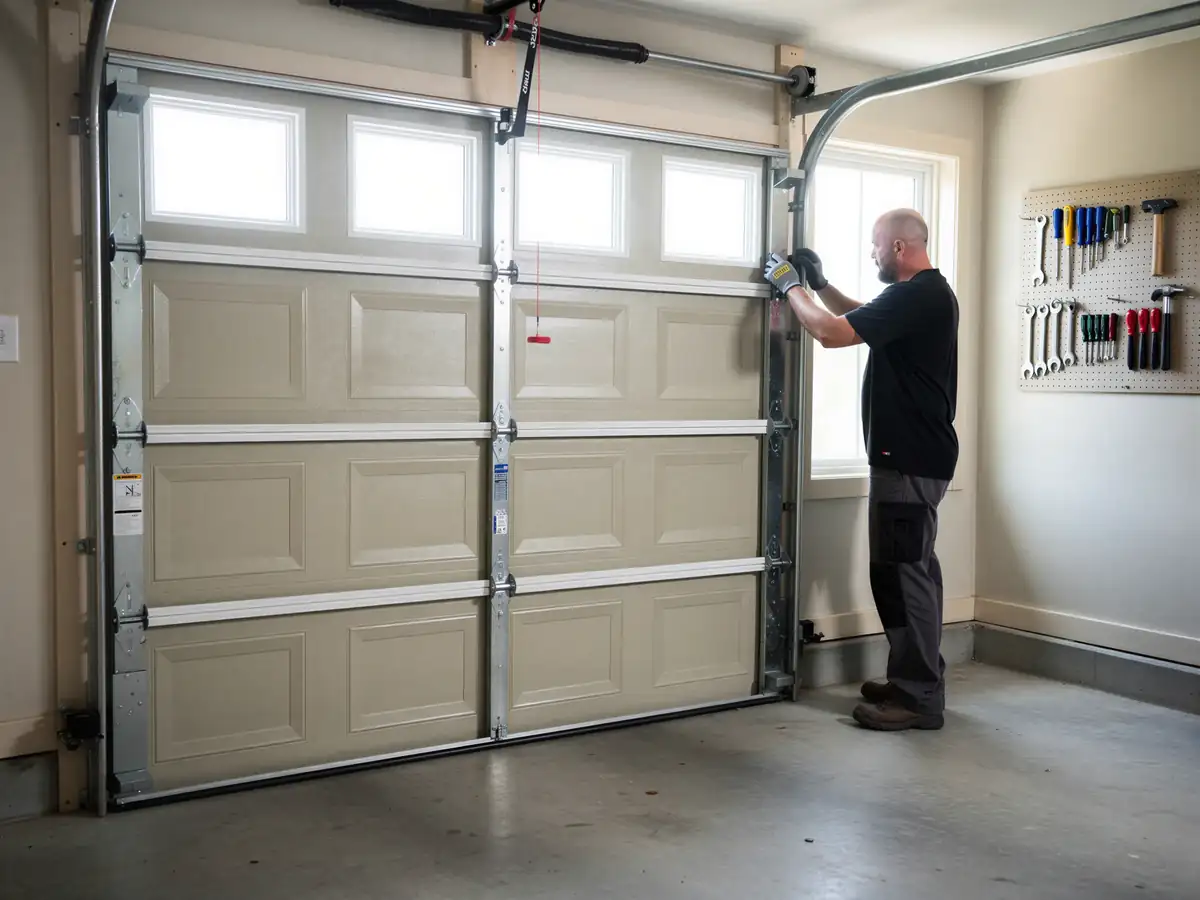
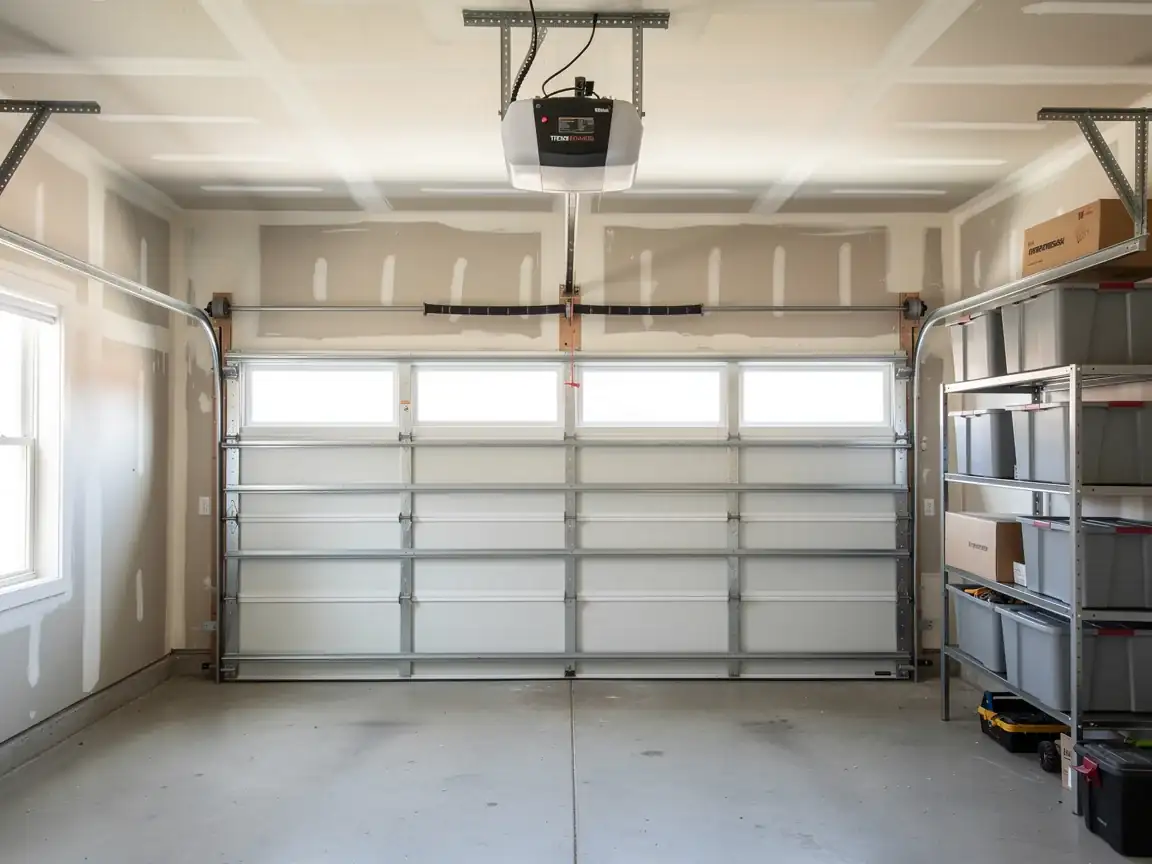
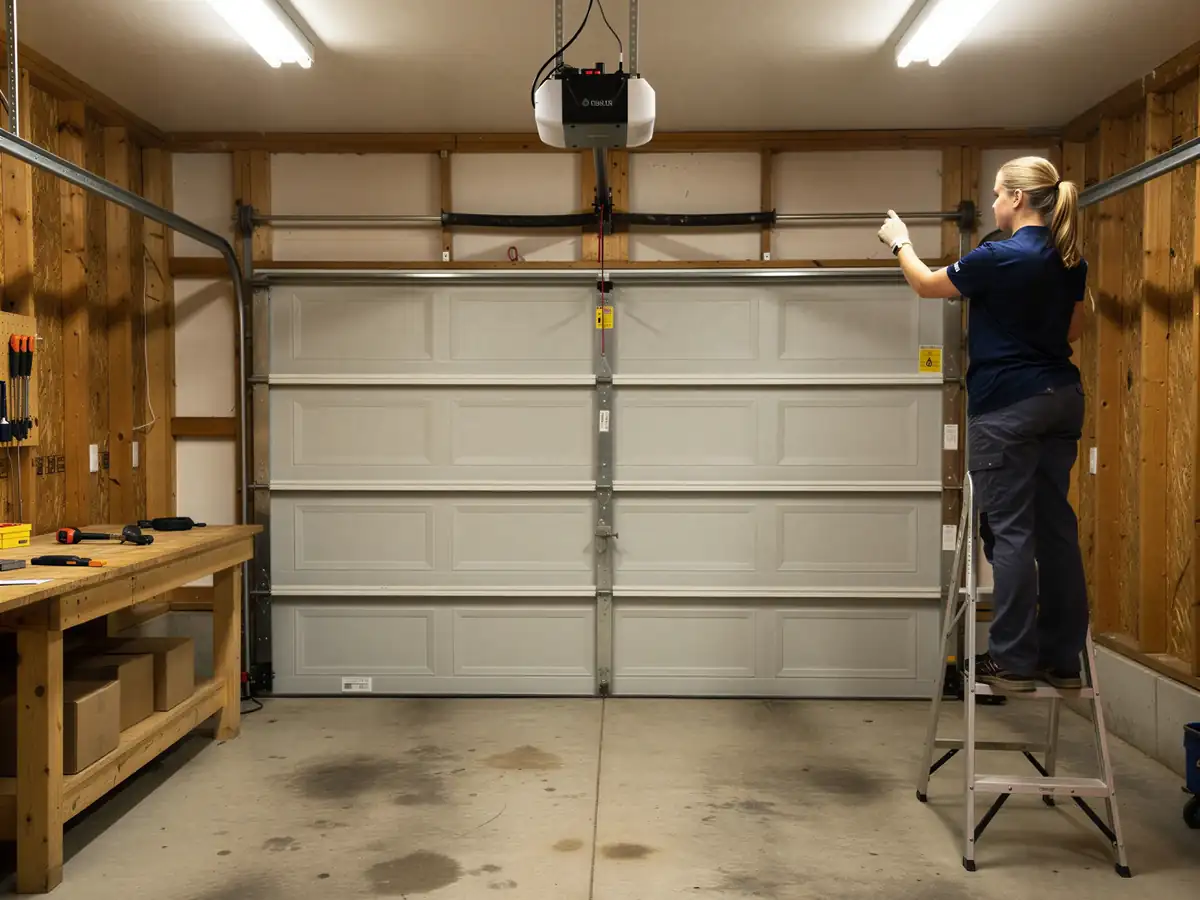
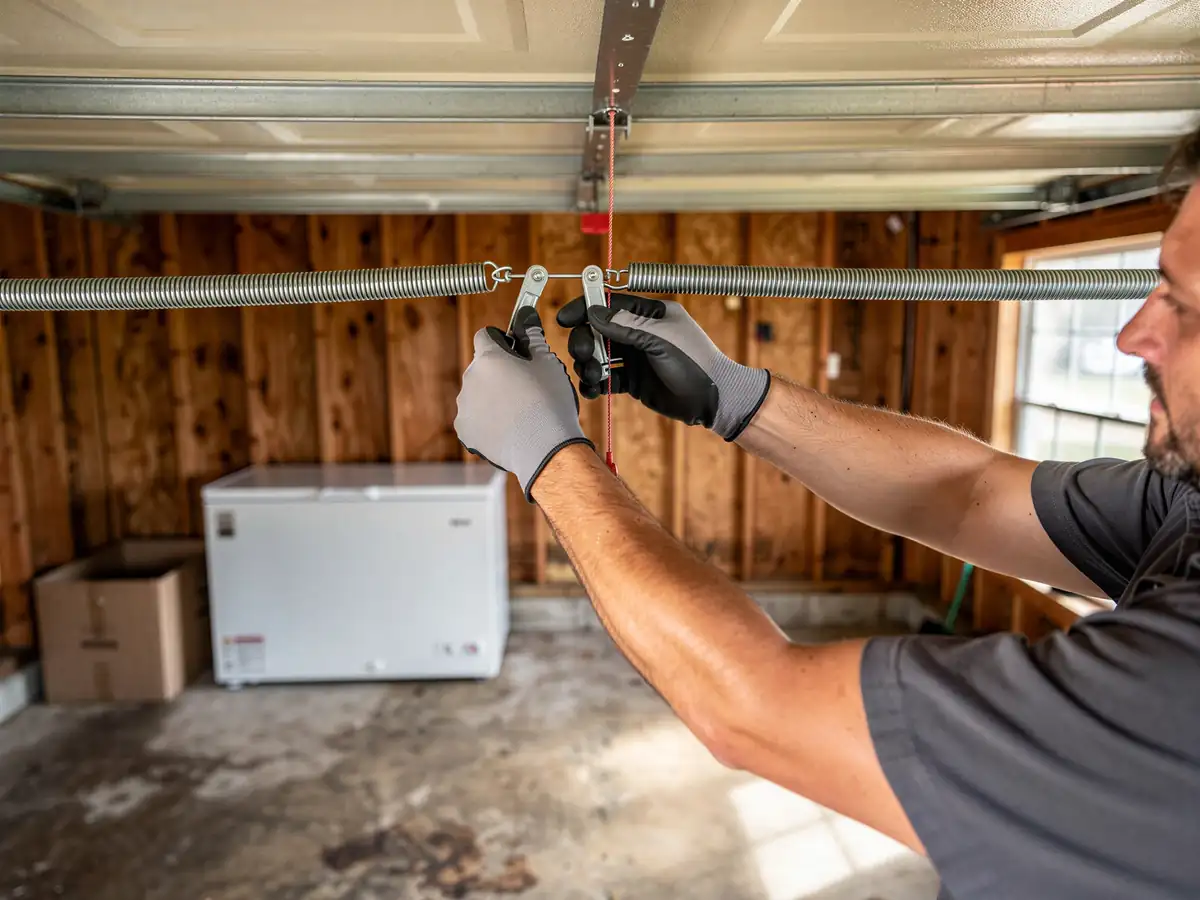
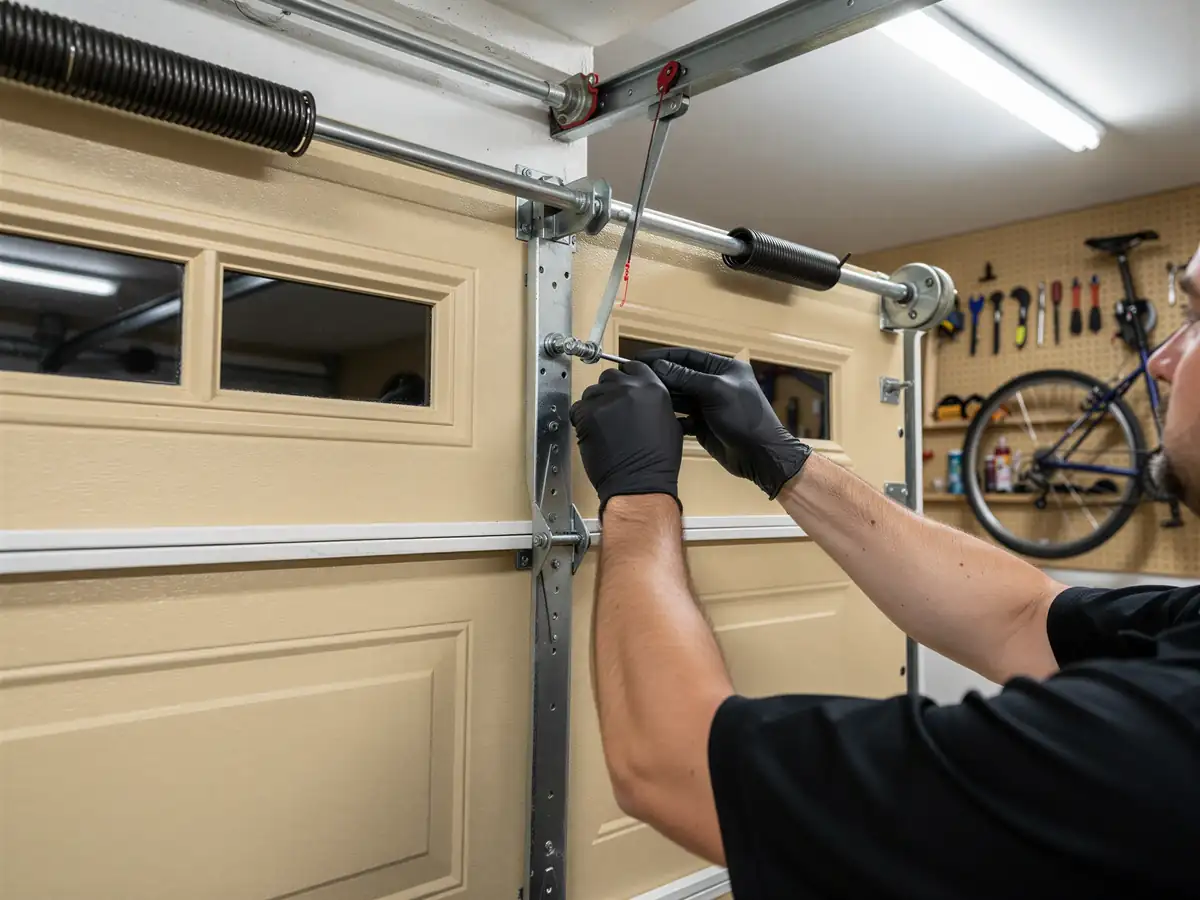
Collegedale doesn't match the rest of the area we cover. Across the wider service territory, houses mostly went up in the 1980s and 90s, with a median build year of 1984. Collegedale runs younger - the median year built here is 2004, two full decades newer than the typical house we see on a call sheet elsewhere in the territory. That gap matters more than it sounds like. A house built in 2004 came with a torsion-spring system designed for lighter insulated steel doors, factory-set opener travel limits, and galvanized hardware that's held up fine so far. A house from the 80s came with heavier uninsulated doors, extension springs in a lot of cases, and openers that have usually been swapped out once or twice already. We're not pulling parts off a shelf meant for one era and hoping it fits the other. When we get a call from Collegedale, we're expecting newer hardware, not rebuilding something from the Reagan administration.
The Houses Here
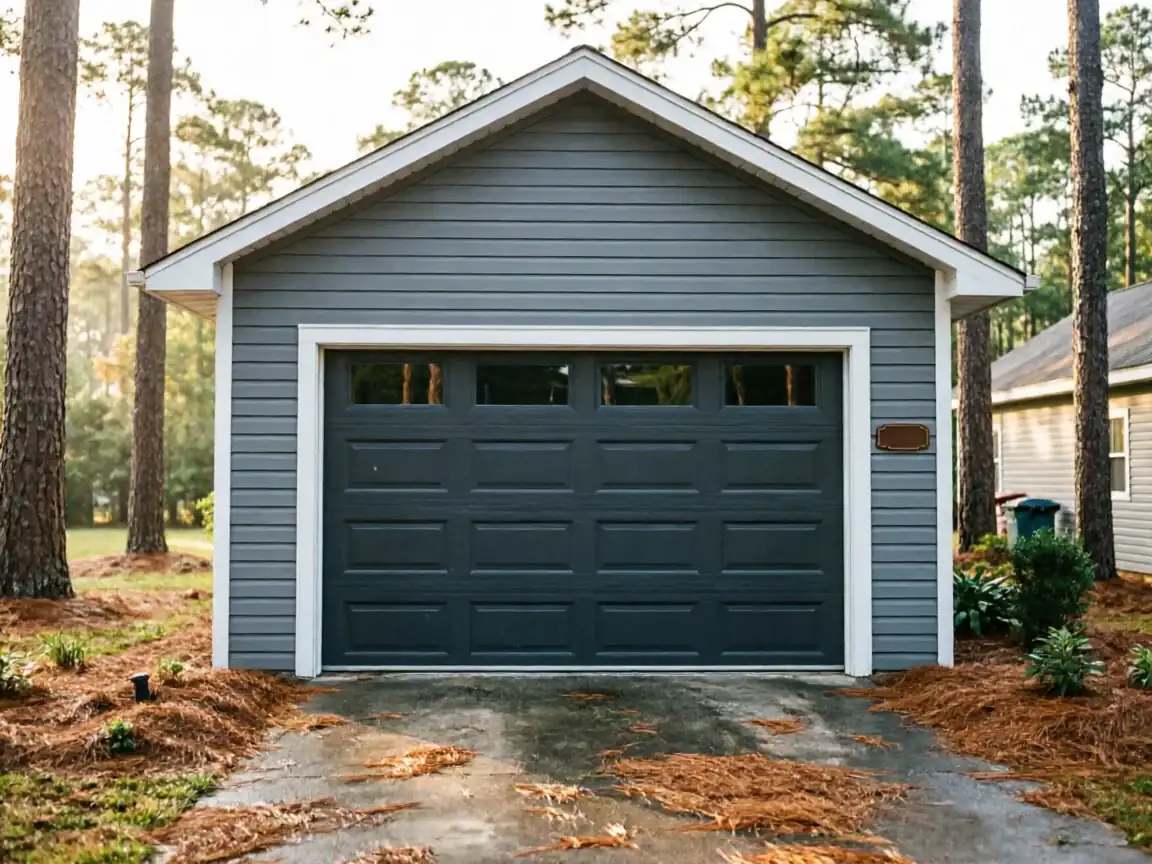
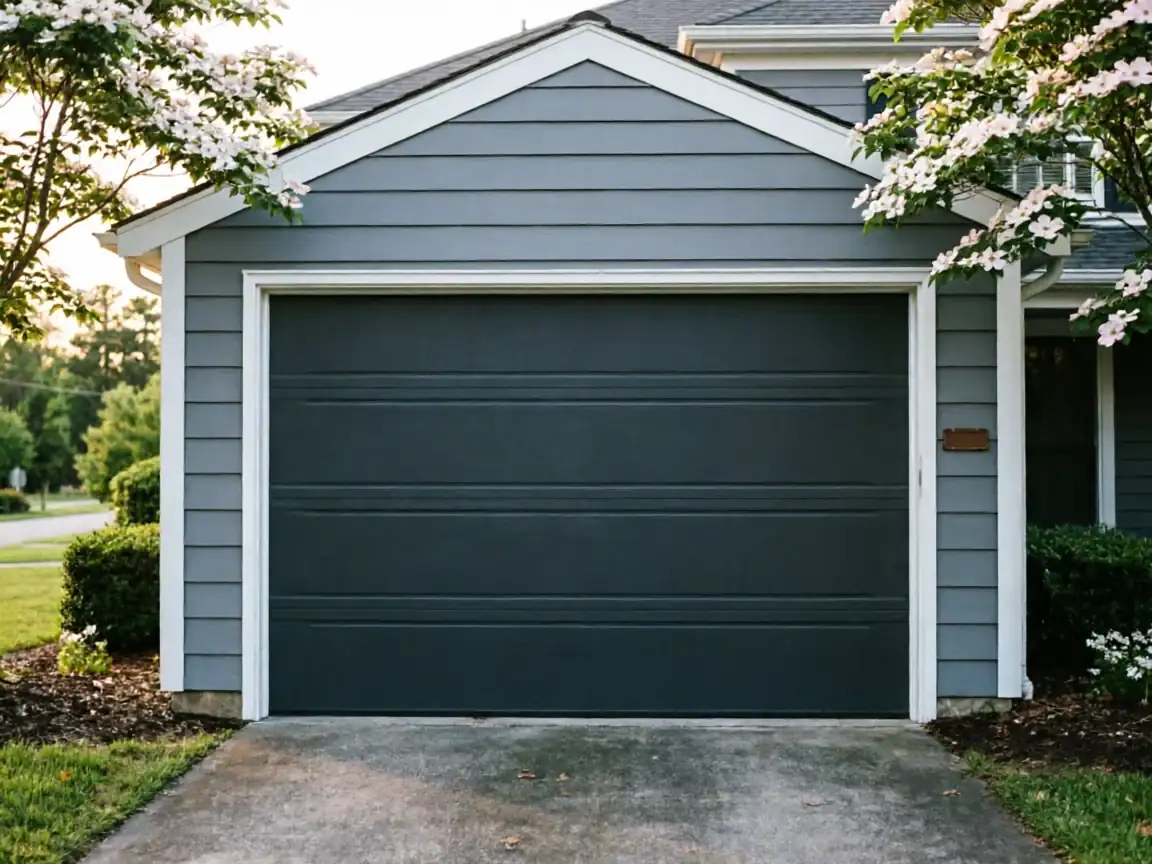
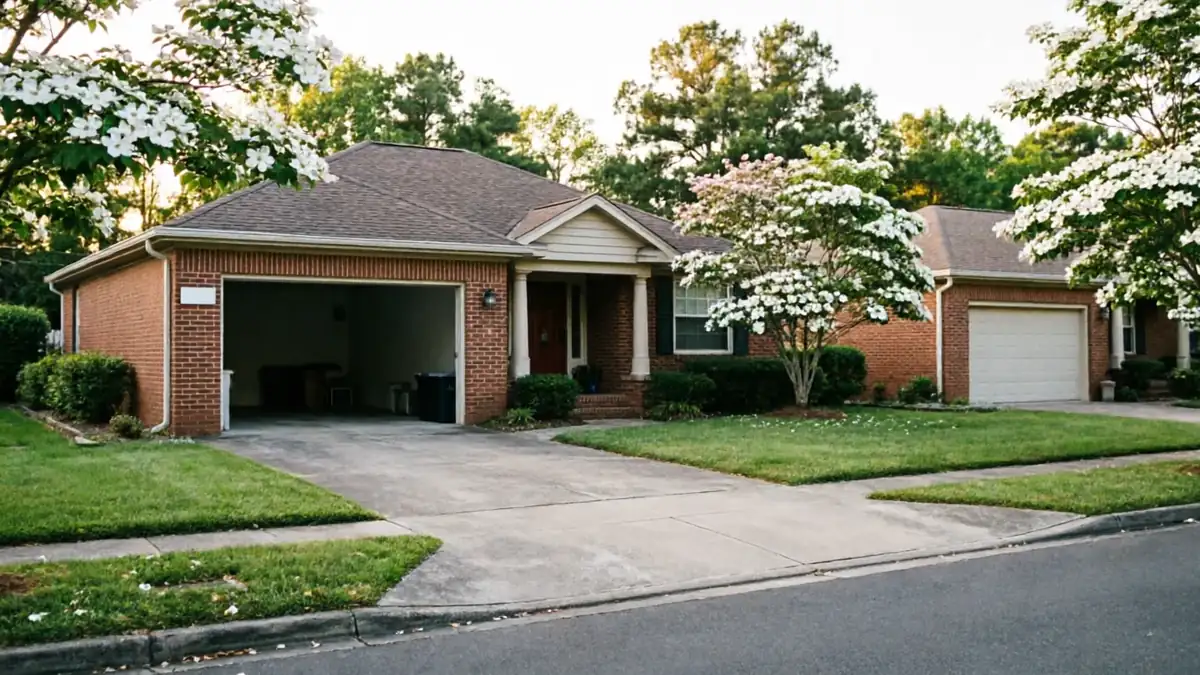
With roughly 4,326 households in Collegedale and a median household income of $64,905, this isn't a town of mansions or teardowns - it's solid, newer, mid-size construction, built mostly in a tighter window than the rest of the area we serve. That consistency actually makes diagnosis faster in a lot of cases. We're not guessing whether a house got a retrofit opener in 1995 or still has its original 1962 hardware, because the building stock here just doesn't go back that far. Most doors we touch in Collegedale are the second owner's problem, not the house's original equipment failing from sheer age - more often it's a spring rated for the original door weight struggling after a panel swap, or a sensor alignment knocked off by a bump.
What That Means for Doors
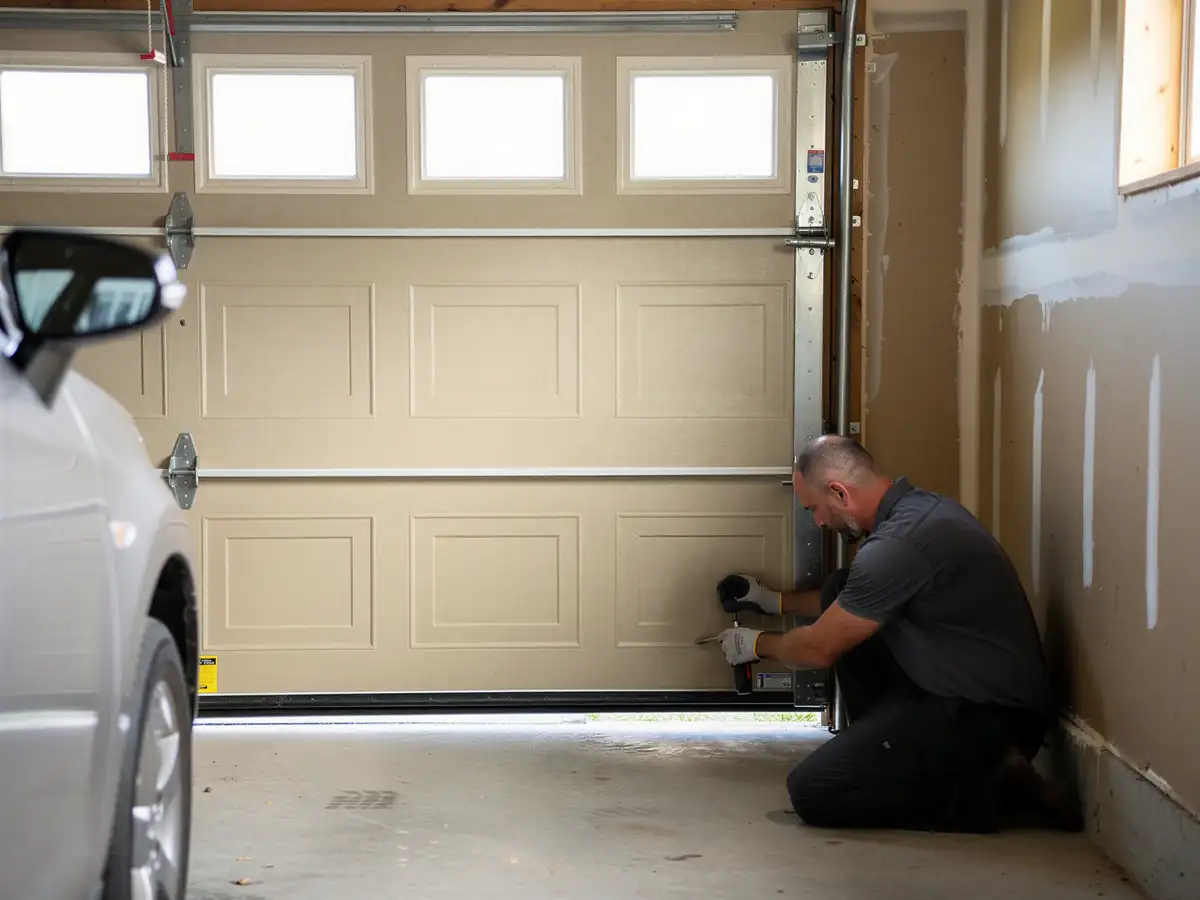
The region sits in a cold-moderate climate band, and that affects lubricant choice and weatherstripping more than it affects structure - this isn't an area where foundation heave or extreme heat warps track, it's an area where cold mornings stiffen grease on older rollers and crack brittle vinyl seals. Pair that with Collegedale's younger housing stock and the common failure here looks different from the rest of our territory: fewer snapped torsion springs from 40-year-old fatigue, more opener logic boards and sensor wiring faults, since those parts have a shorter service life than the steel itself. One honest limit - if a 2004-era opener's circuit board is discontinued by the manufacturer, we'll tell you straight that a full opener swap beats hunting for a dead part, rather than stringing out a repair that won't hold.