Why It Happens Here
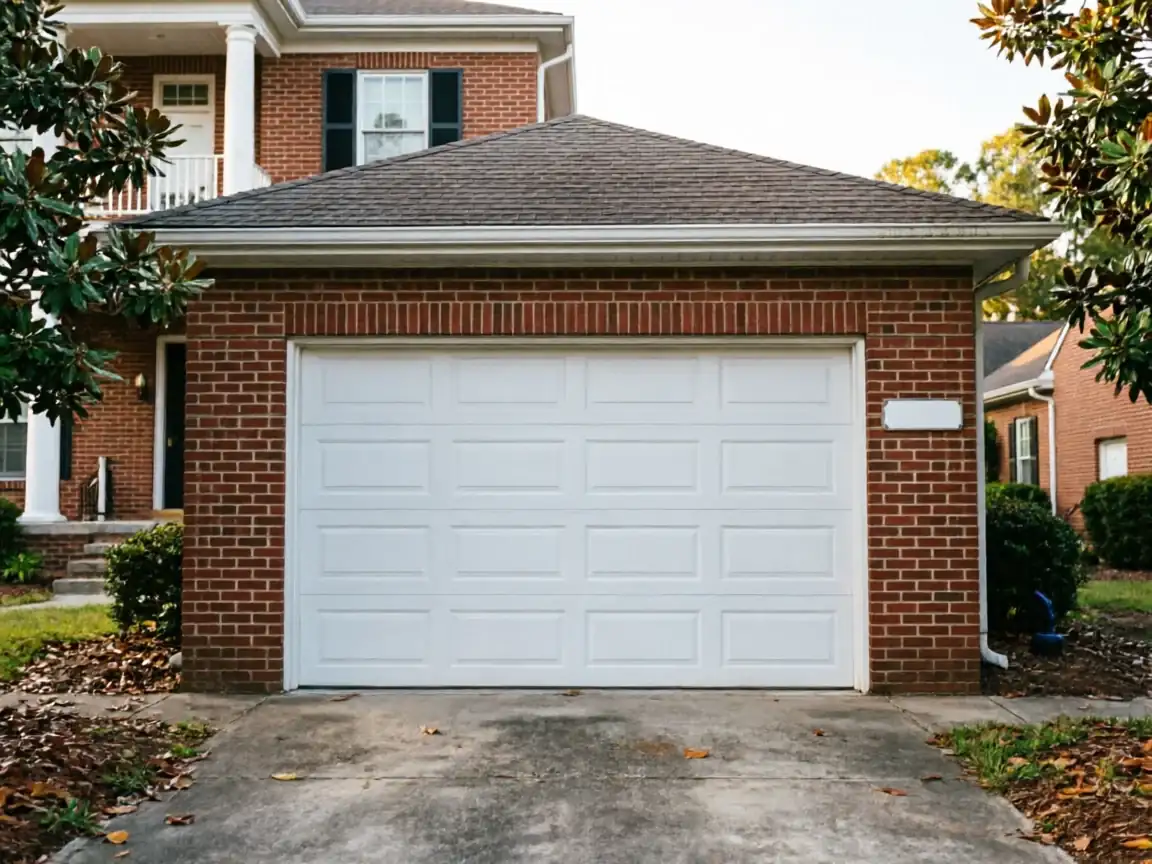
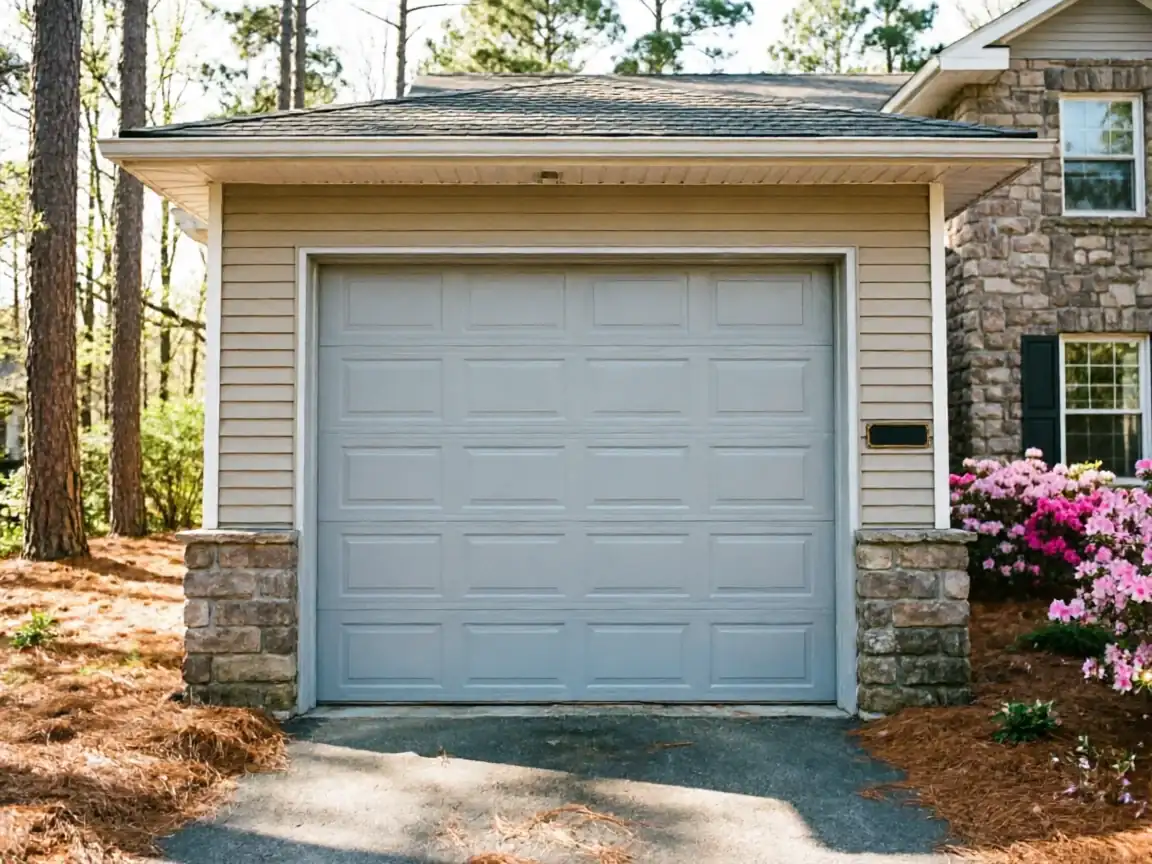
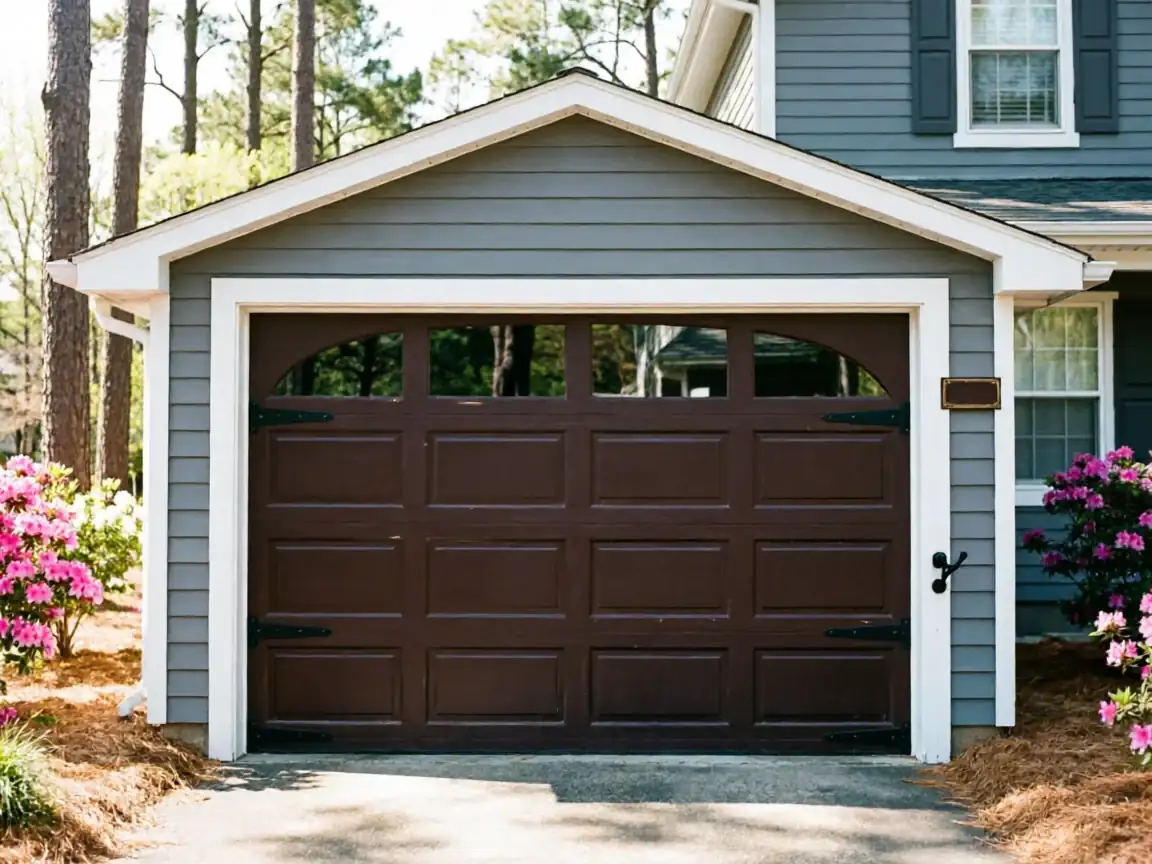
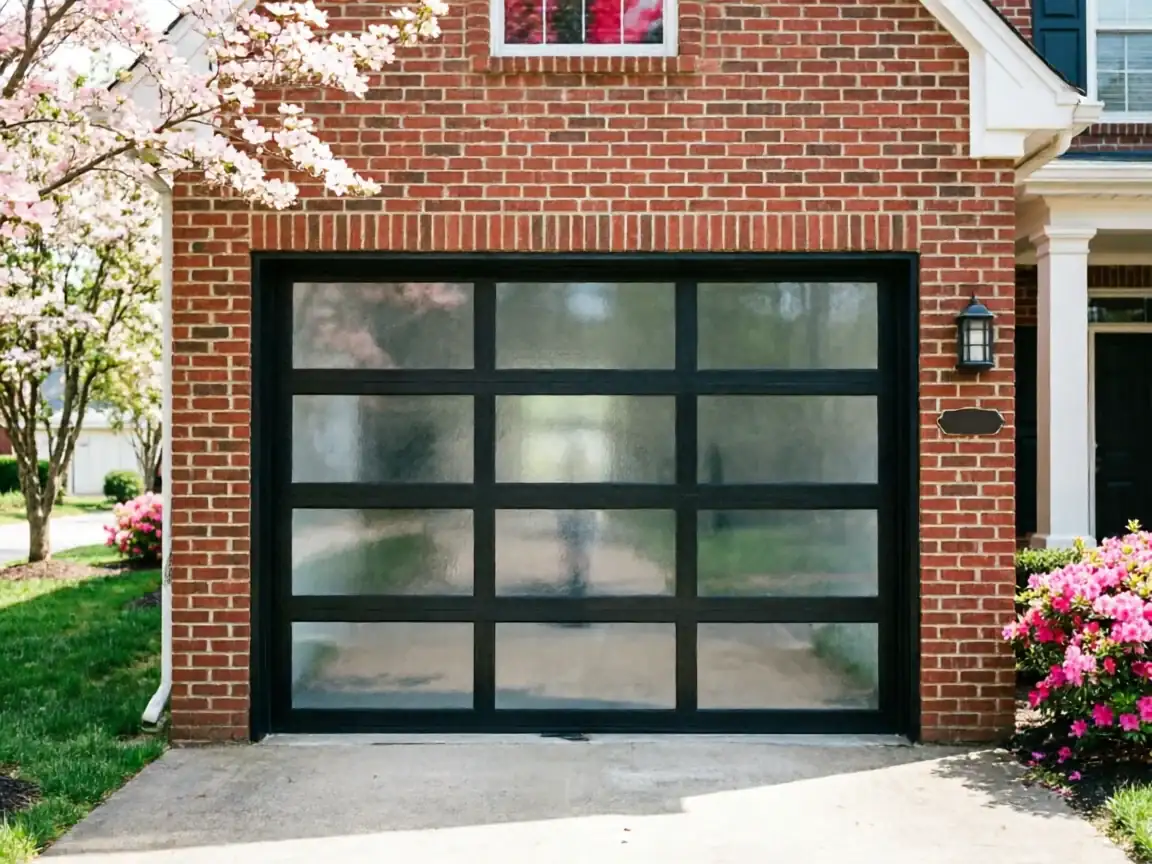
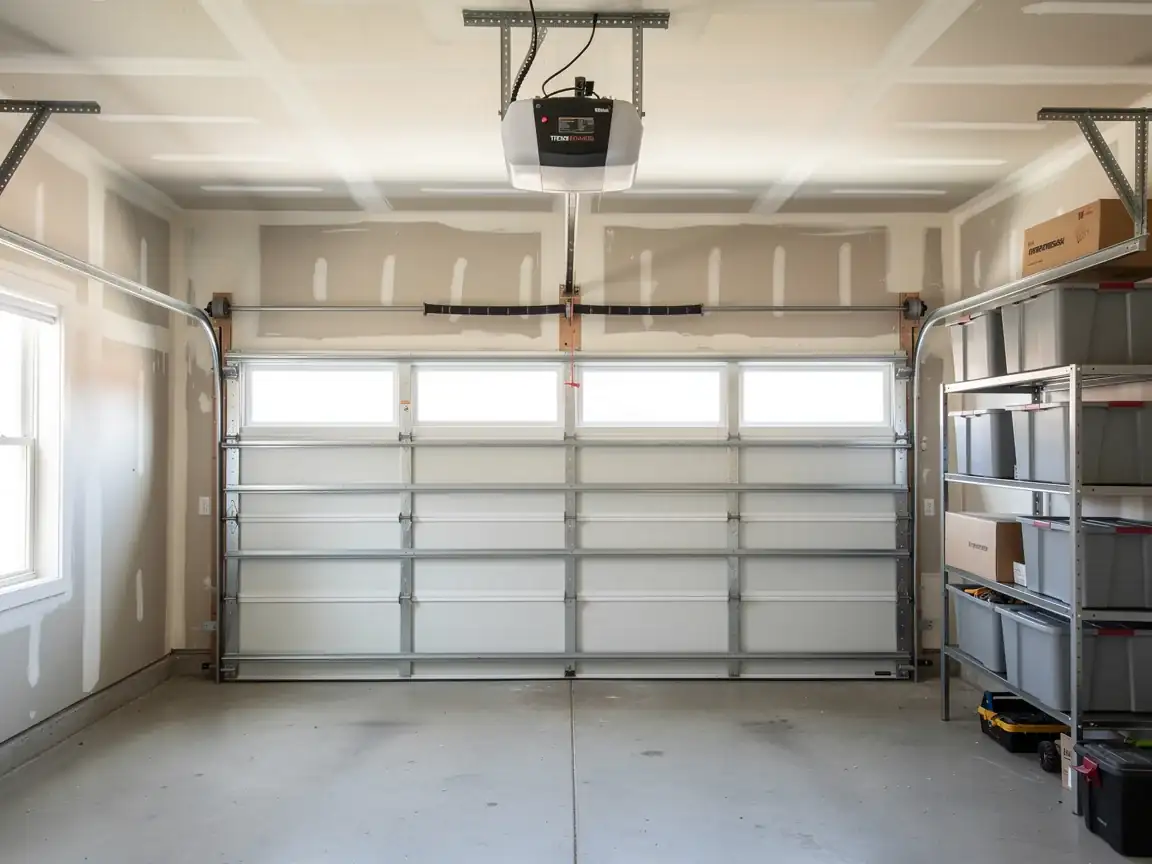
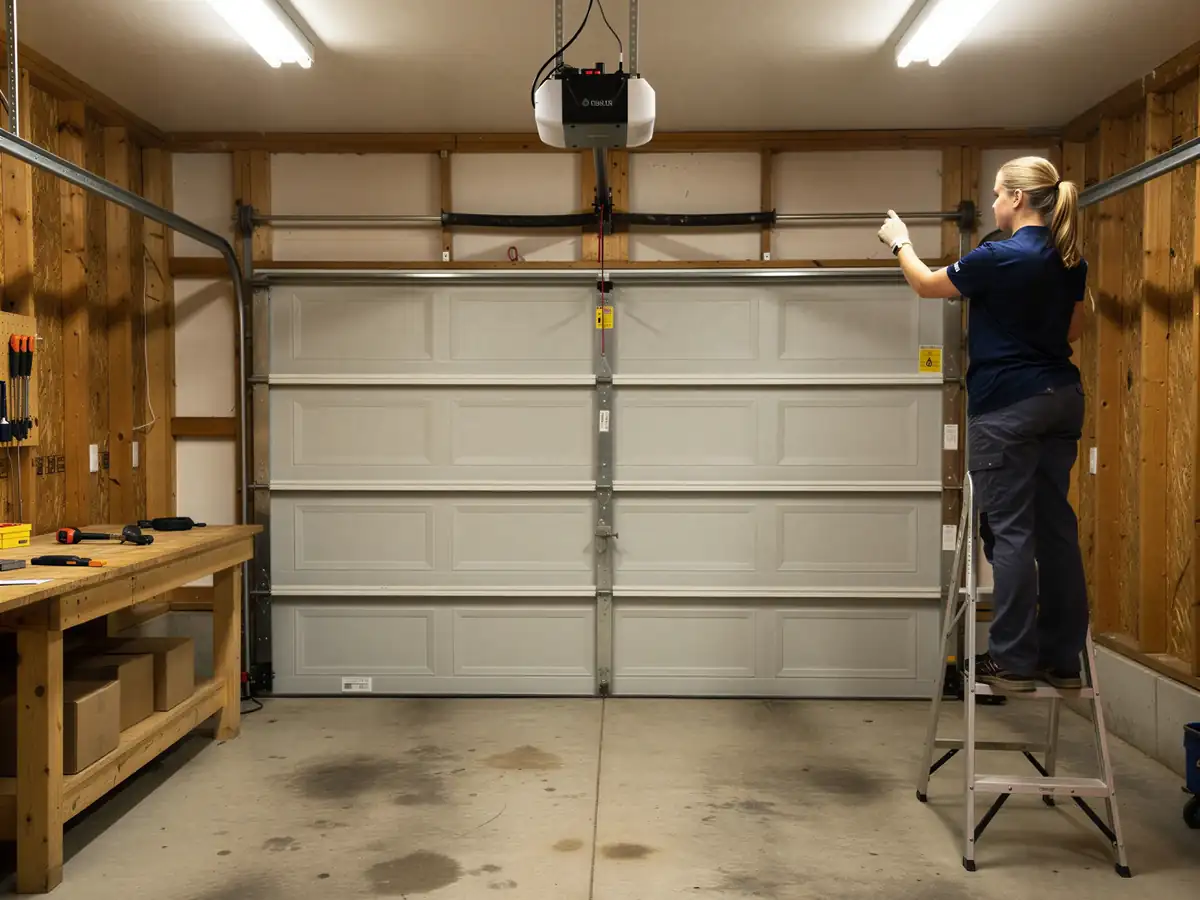
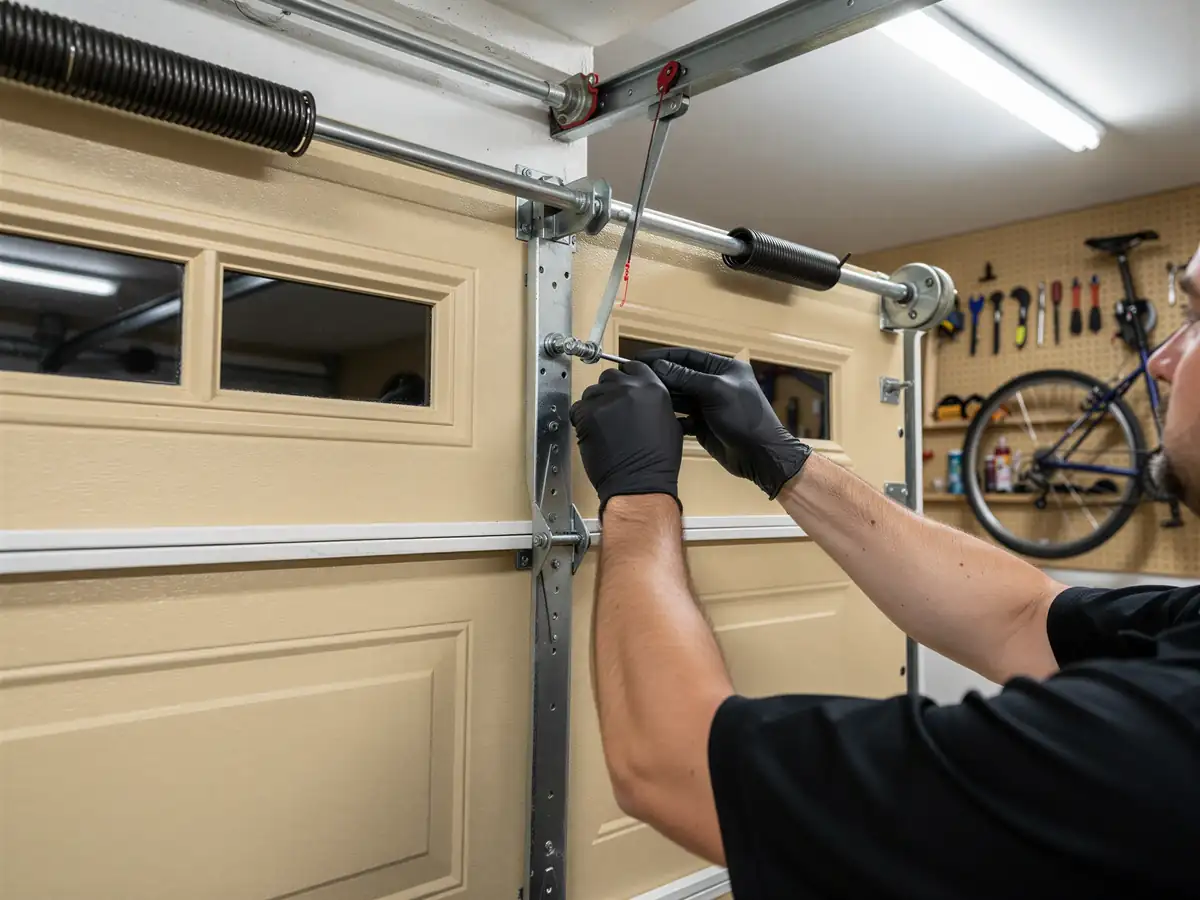
Start with the door itself, because Collegedale's door is not Cleveland's door. The median home here went up around 2004, a full two decades newer than the 1984 median across the rest of our service area. That means most garages in Collegedale hold a steel sectional door, insulated, built after the 1993 federal rule that put photo-eye sensors on every new opener. You are not dealing with the old single-panel wood doors or the bare extension-spring setups that show up on the older side of the territory - you're dealing with torsion spring systems rated for a heavier insulated panel, nylon rollers, and a sensor pair that's supposed to be factory-aligned and usually still is.
The climate here sits in a cold-moderate band, and that matters for a newer door the same way it matters for an old one: steel spring wire fatigues faster through repeated cold-to-warm cycling, and grease that was fine at install thickens up and slows the rollers. On a 20-year-old torsion spring, that fatigue is often the first sign something's about to go. The fault profile in Collegedale skews toward spring wear and sensor drift rather than rot, rust-through, or the warped wood panels you'd find on the pre-1984 stock closer to Cleveland.
What You Are Seeing
Most calls out of Collegedale start with one of two things
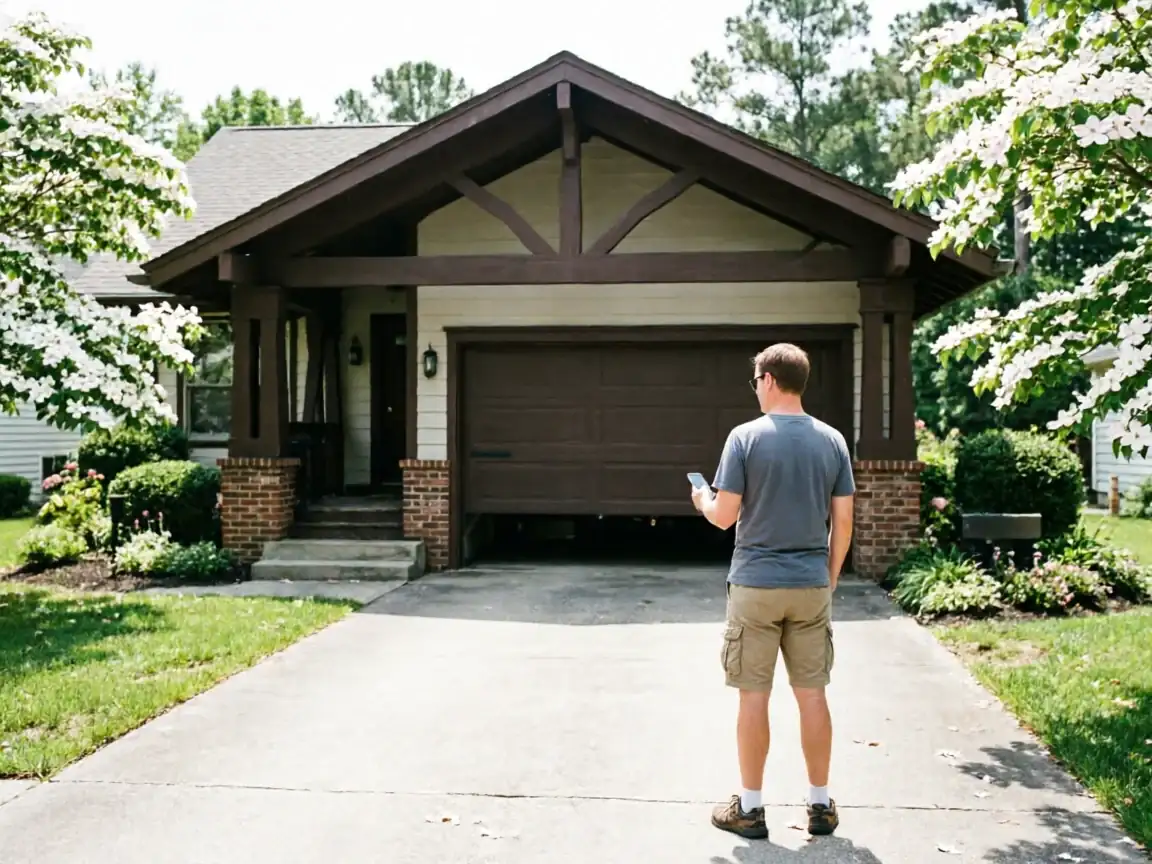
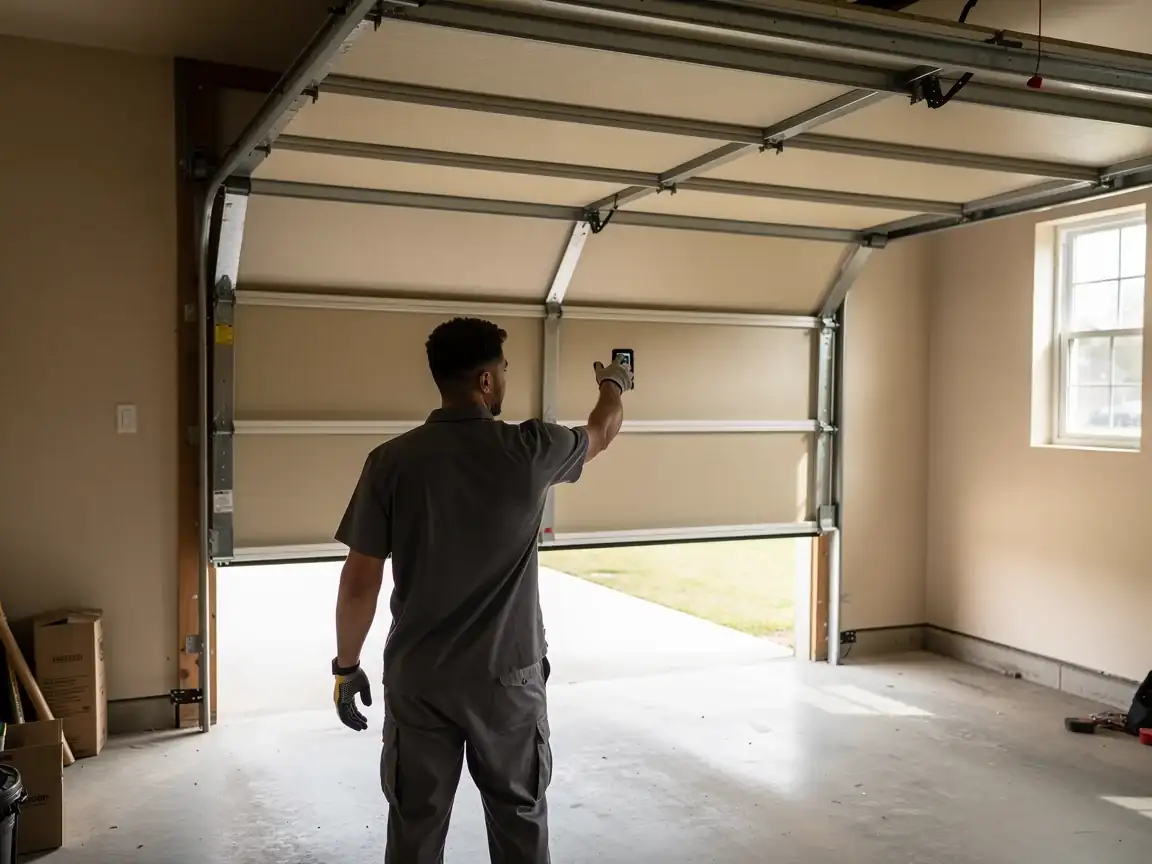
The door reverses before it closes, or it closes most of the way and then opens right back up. On a door built to the post-1993 code, that's almost always the photo-eye pair - one sensor nudged out of alignment, a hairline crack in the lens, or a wire pinched at the bracket. It's not the wiring itself that's unusual, it's that homeowners on newer stock often haven't seen this fault before, because everything else about the door has been fine for years.
The other common complaint is a door that's suddenly heavy to lift by hand
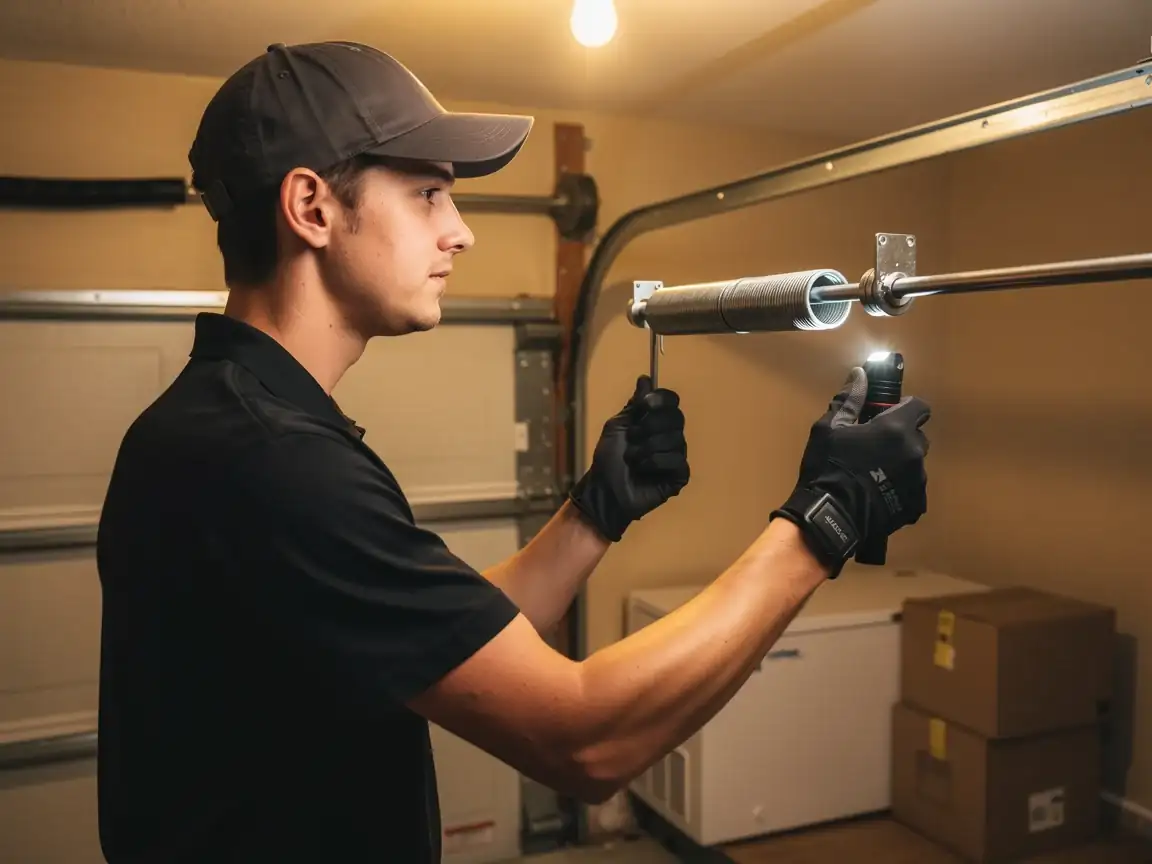
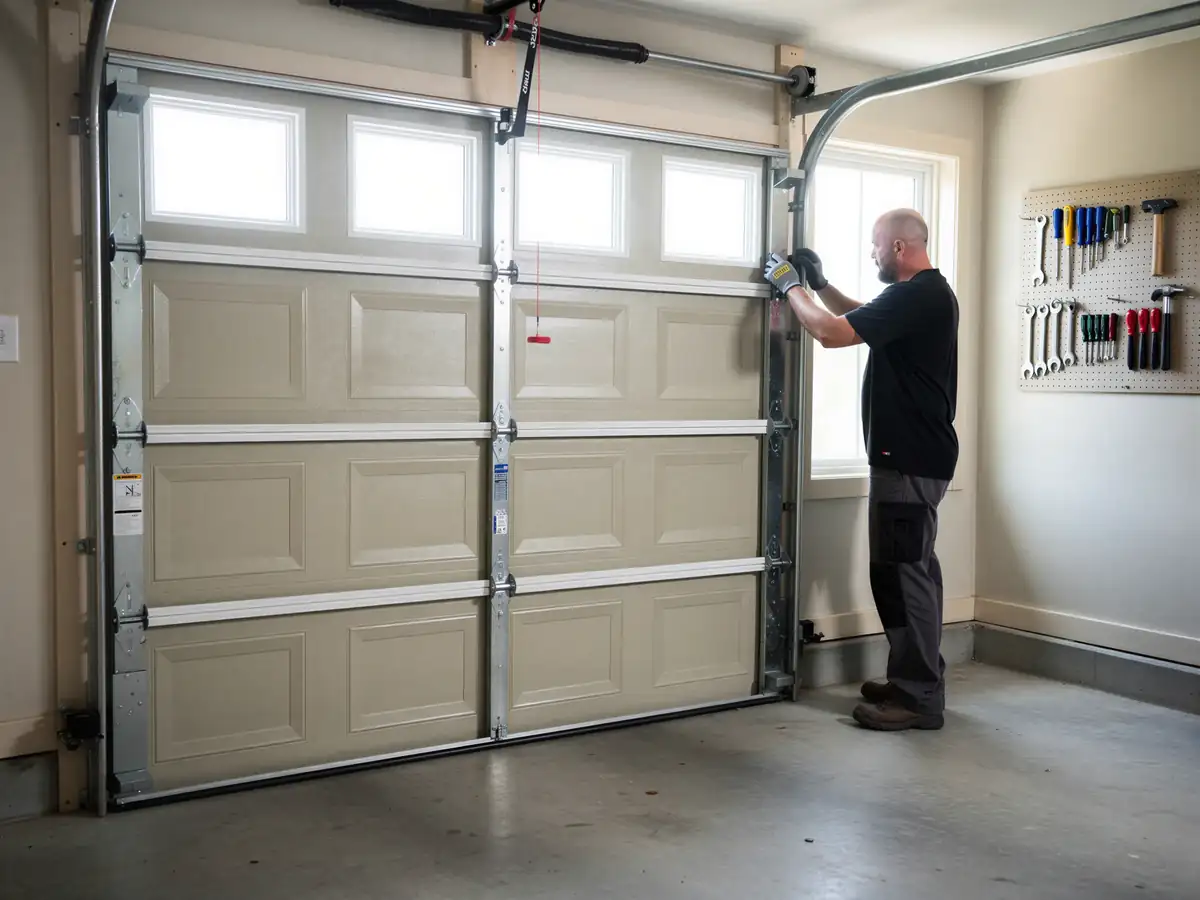
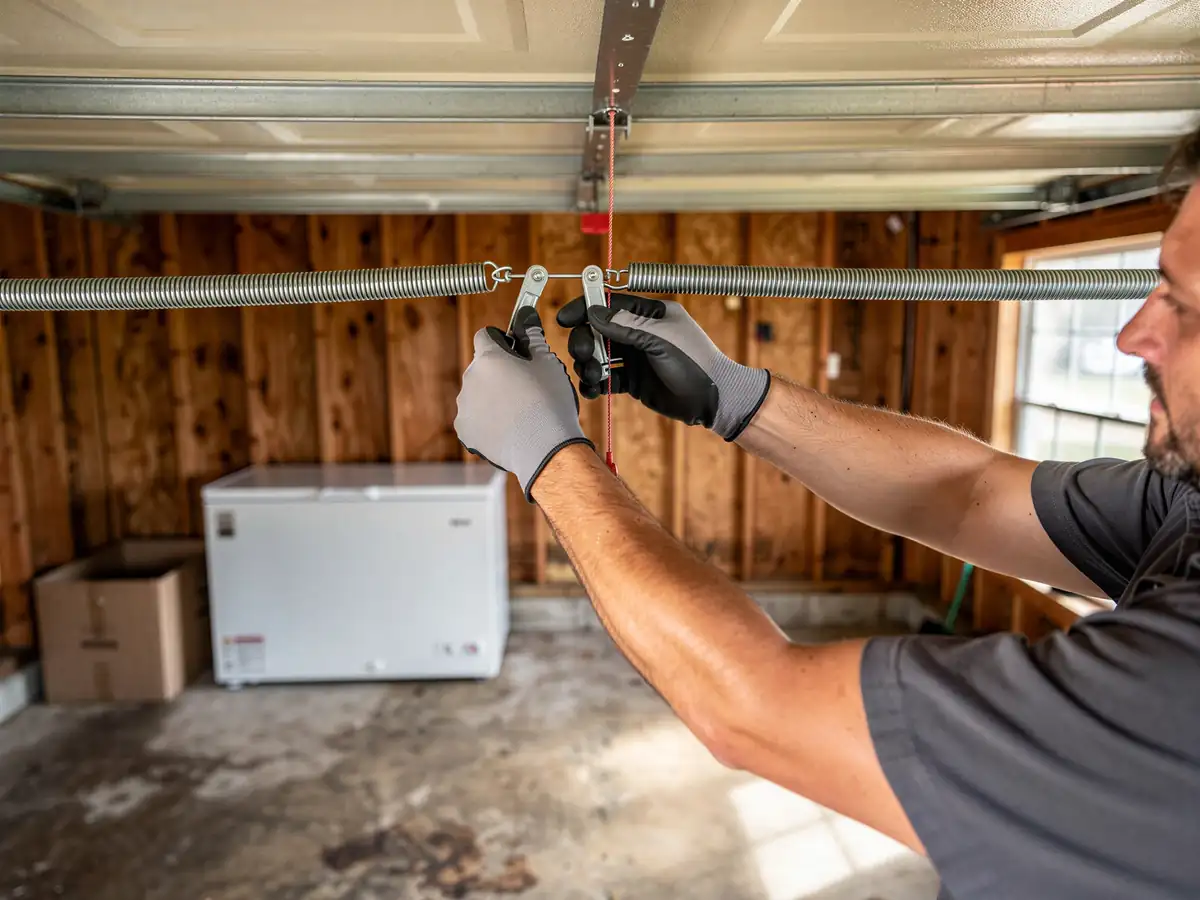
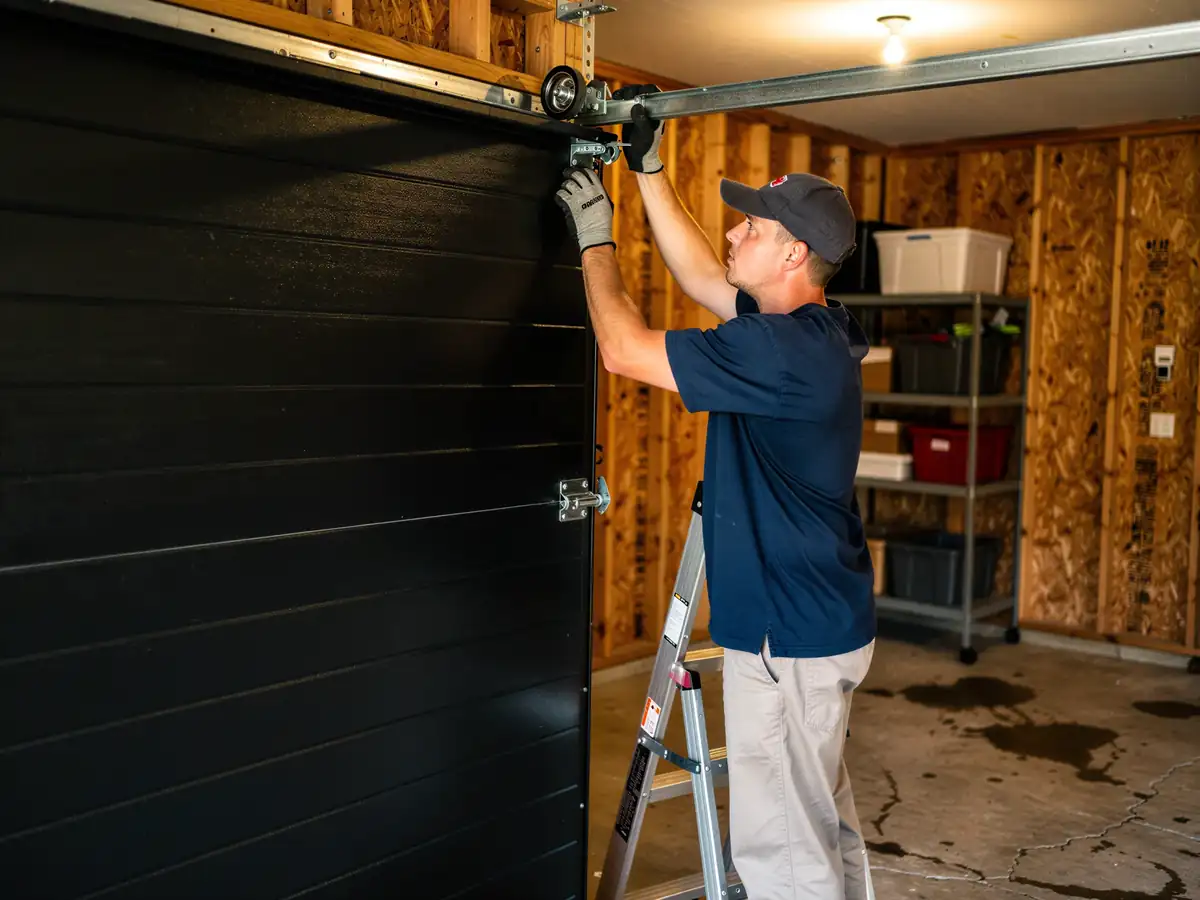
Or an opener that strains and groans partway up. On an insulated steel panel door, that's a torsion spring giving out, and because these panels are heavier than older uninsulated ones, a single broken spring on a double-wide door is a bigger deal than the same failure on an older, lighter door. We also see nylon rollers going brittle and cracking, which shows up as a grinding or popping sound on the track rather than a door that won't move at all.
Stocked Parts
We carry torsion springs sized for the heavier insulated panels common in this era of build, not just the lighter-duty springs that fit older single-layer doors. That distinction matters - the wrong spring weight on a door like this either won't lift it properly or will wear out again within a year.
We also keep photo-eye sensor pairs on the truck, since that's the single most common Collegedale call, along with nylon rollers and the steel hinges and brackets that go with insulated sectional panels. What we don't always have on the truck is a specific opener logic board or a matched replacement panel for a particular door model - those sometimes need to be ordered, and if your door is a less common brand we'll tell you that up front rather than make you wait at the curb while we guess. For the common stuff - springs, cables, rollers, sensors, standard hinges - we're equipped to finish most Collegedale jobs in one visit.
How Long It Takes
Collegedale sits about 13 miles from our shop in Cleveland, and every job here starts with that drive - we don't keep a second truck or a branch stationed in Collegedale itself. That's worth saying plainly: if you need a same-hour fix because the door's stuck open and you're leaving town, call and ask what the truck's schedule looks like that day rather than assuming we're around the corner.
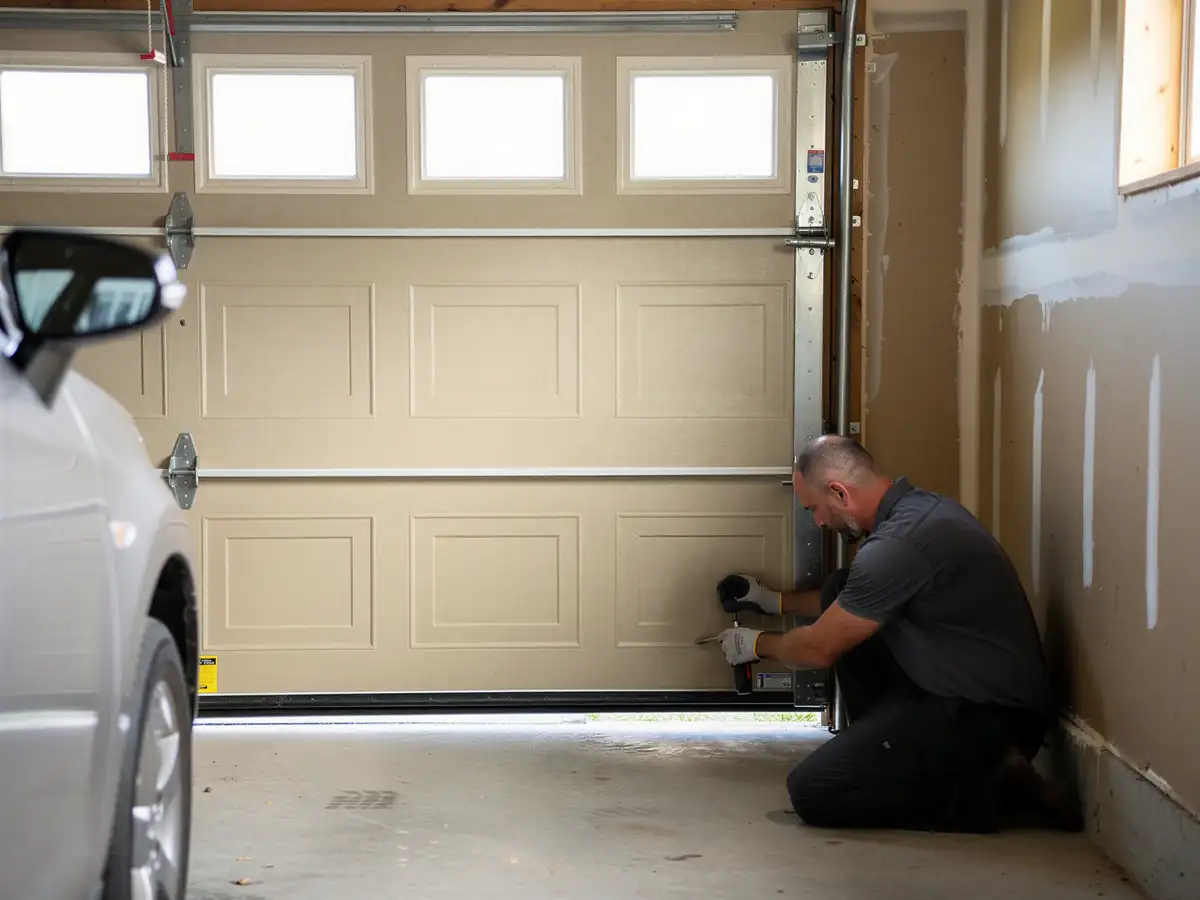
Once we're on site, the common Collegedale repairs - spring replacement, sensor realignment, roller swaps - are same-visit work, usually an hour or two depending on what else we find once the door's open. Anything that needs an ordered part, like a specific opener board or a non-standard panel, means a second trip once the part's in. We'd rather tell you that now than have you wait at home expecting a one-visit fix that isn't realistic for that particular part.
The Complications
The newer build age in Collegedale cuts both ways
It means less rust, less rot, and fewer of the warped, waterlogged panels we see on the pre-1980s doors elsewhere in the territory. But it also means a homeowner calling about a 15- to 20-year-old opener is often dealing with a logic board or circuit issue rather than a mechanical one, and those aren't always worth chasing - if the opener's old enough that the board's failing, a straight opener swap is frequently the better call than trying to source a matching part for a discontinued model.
Median household income here runs close to $64,905, in line with the rest of the service area
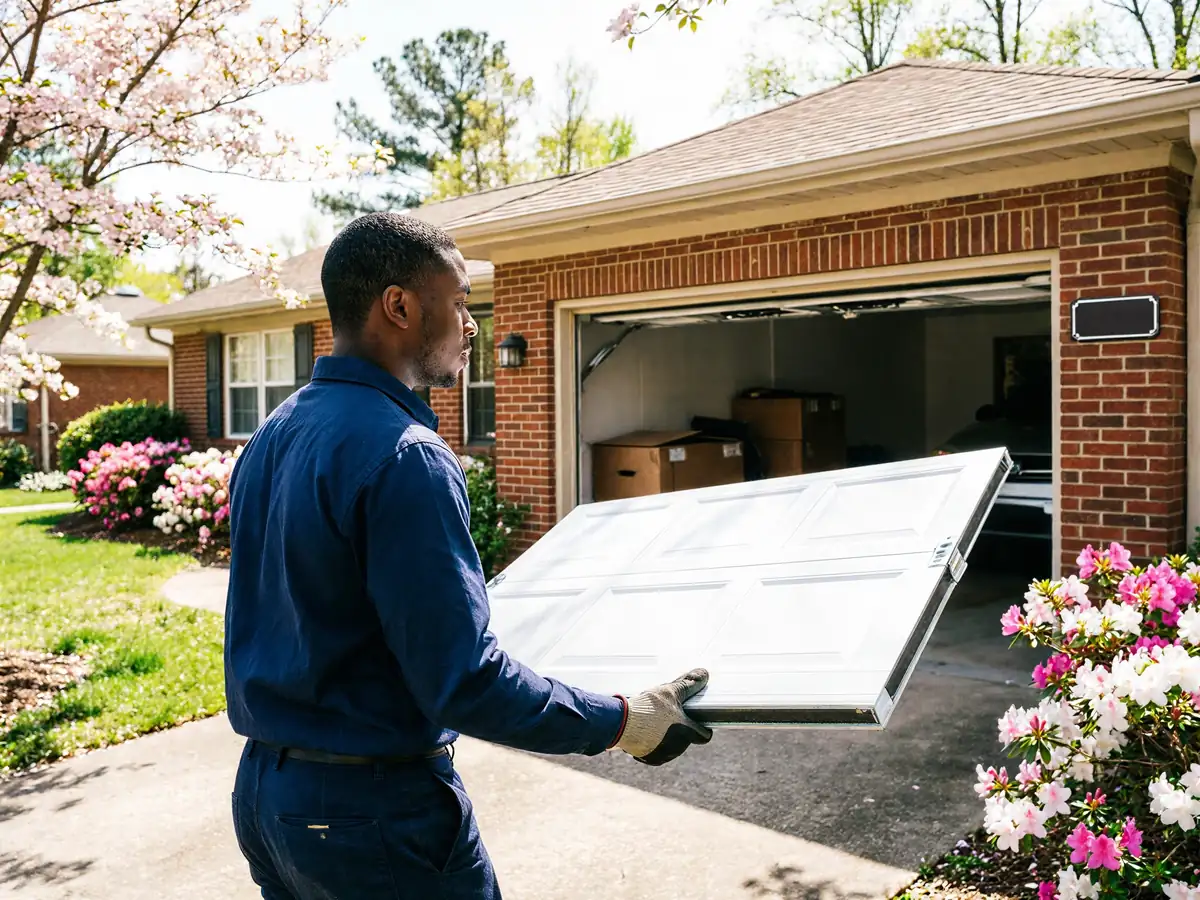
And that's the number that usually decides whether a repair or a full door replacement makes sense on an insulated panel door - insulated sectional doors cost more to replace outright than the older single-skin doors, so we'll walk through the actual repair cost against a new door price before recommending either one, rather than defaulting to replacement because it's the easier sale.