Why It Happens Here
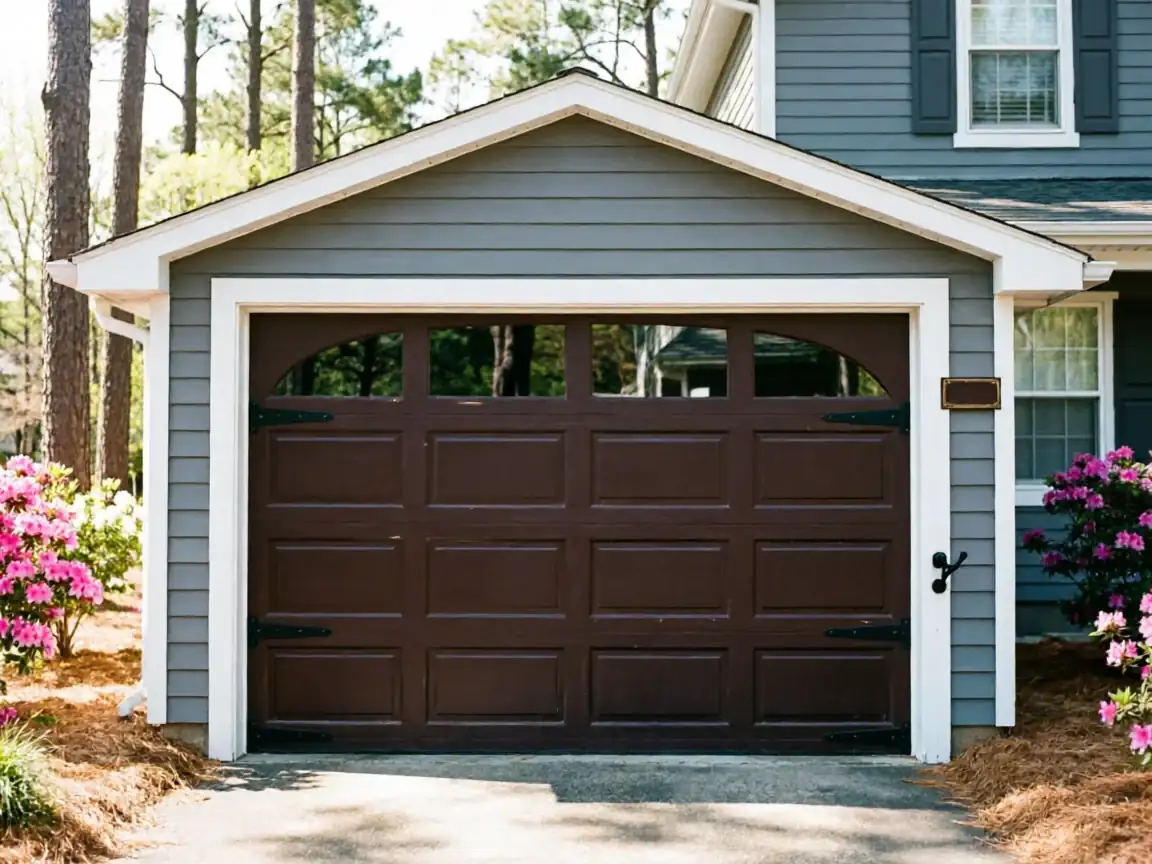
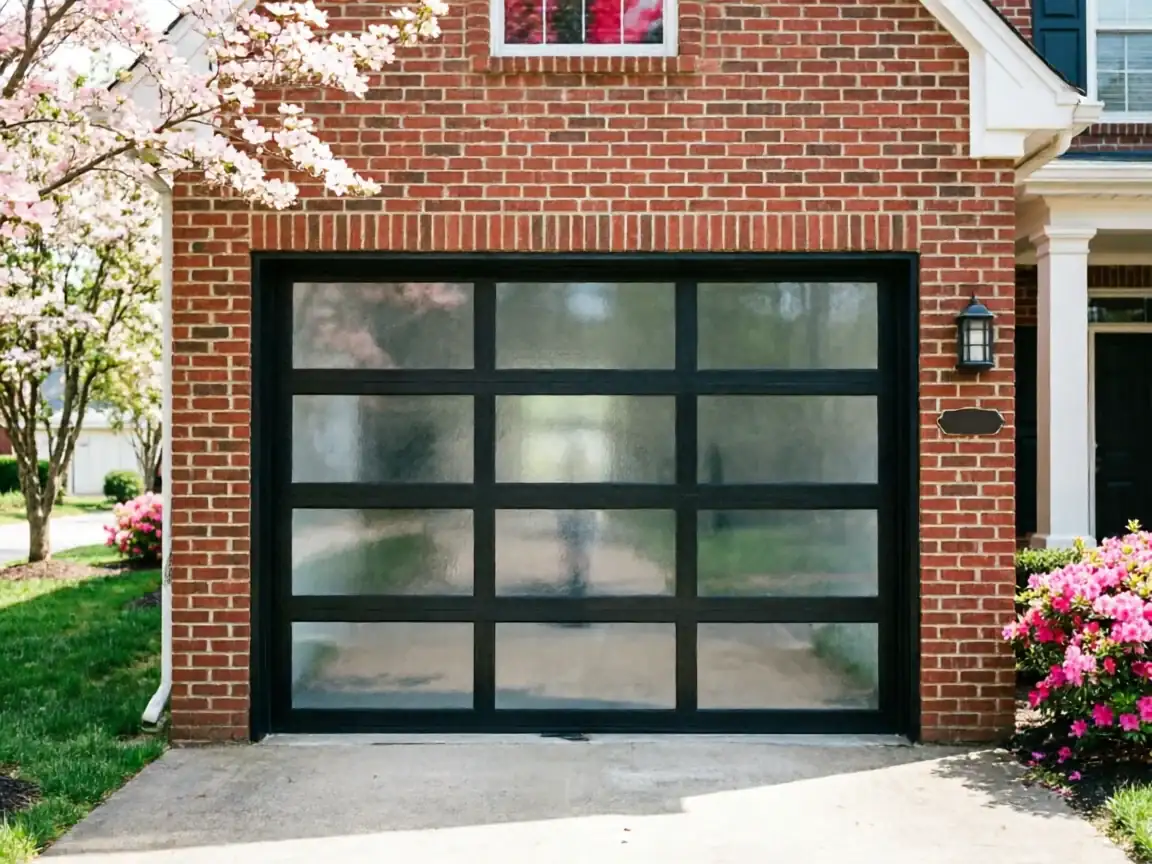
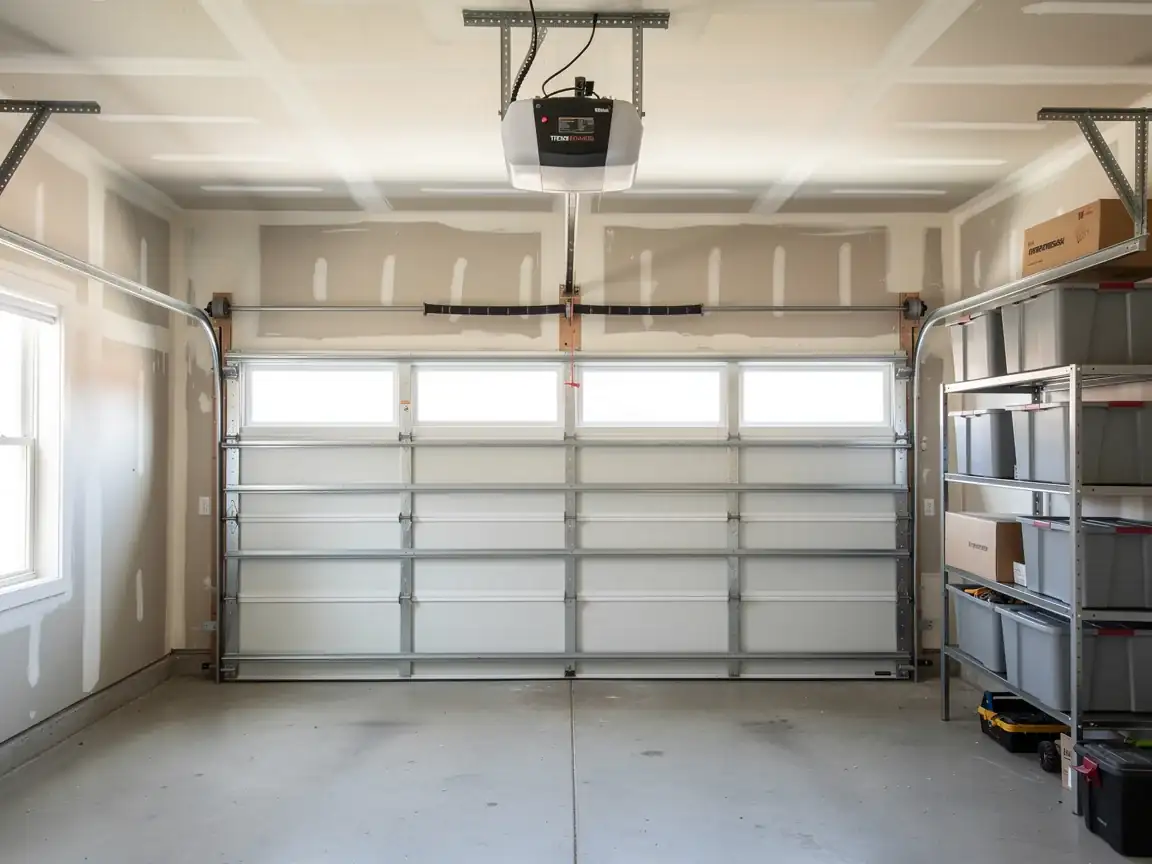
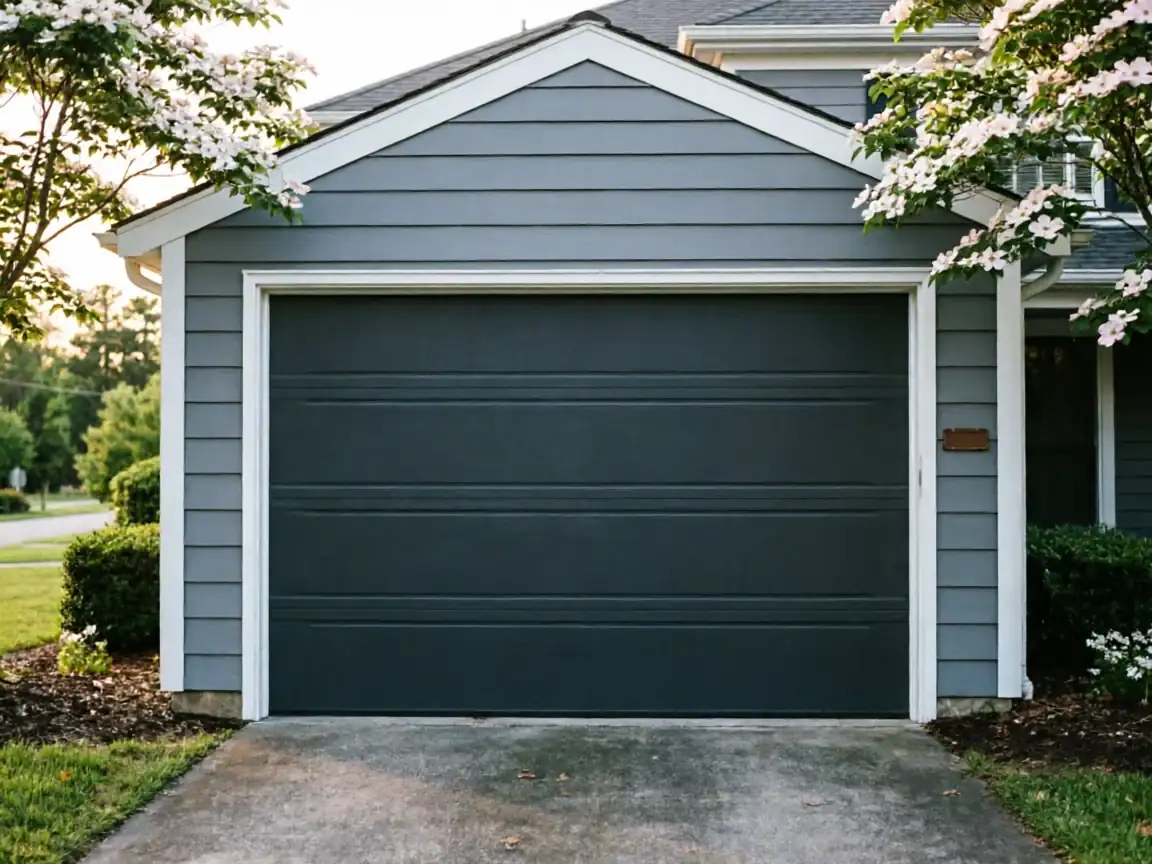
Across the wider Cleveland service area, the median house went up in 1984, with stock running from 1967 to 2004. Collegedale sits at the other end of that range - its own median build year is 2004, which puts most garages here on factory steel doors from the early 2000s rather than the older one-piece or hand-built doors you find closer to the city center. That matters for roller wear. A door built in 2004 almost always shipped with 7-ball nylon rollers on a sectional steel door, not the raw steel wheels you see on older hardware. Nylon rides quieter and lasts longer than bare steel, but the stem and bearing still wear, and in a cold-moderate climate the grease in that bearing stiffens every winter and thins every summer, which speeds up the wear cycle on a part that already has a shorter service life than the hinges or track around it. We're coming from Cleveland, 13 miles out, so when a roller call comes in from this side of the service area we already know which era of door and which roller style we're likely dealing with before the truck leaves.
Stocked Parts
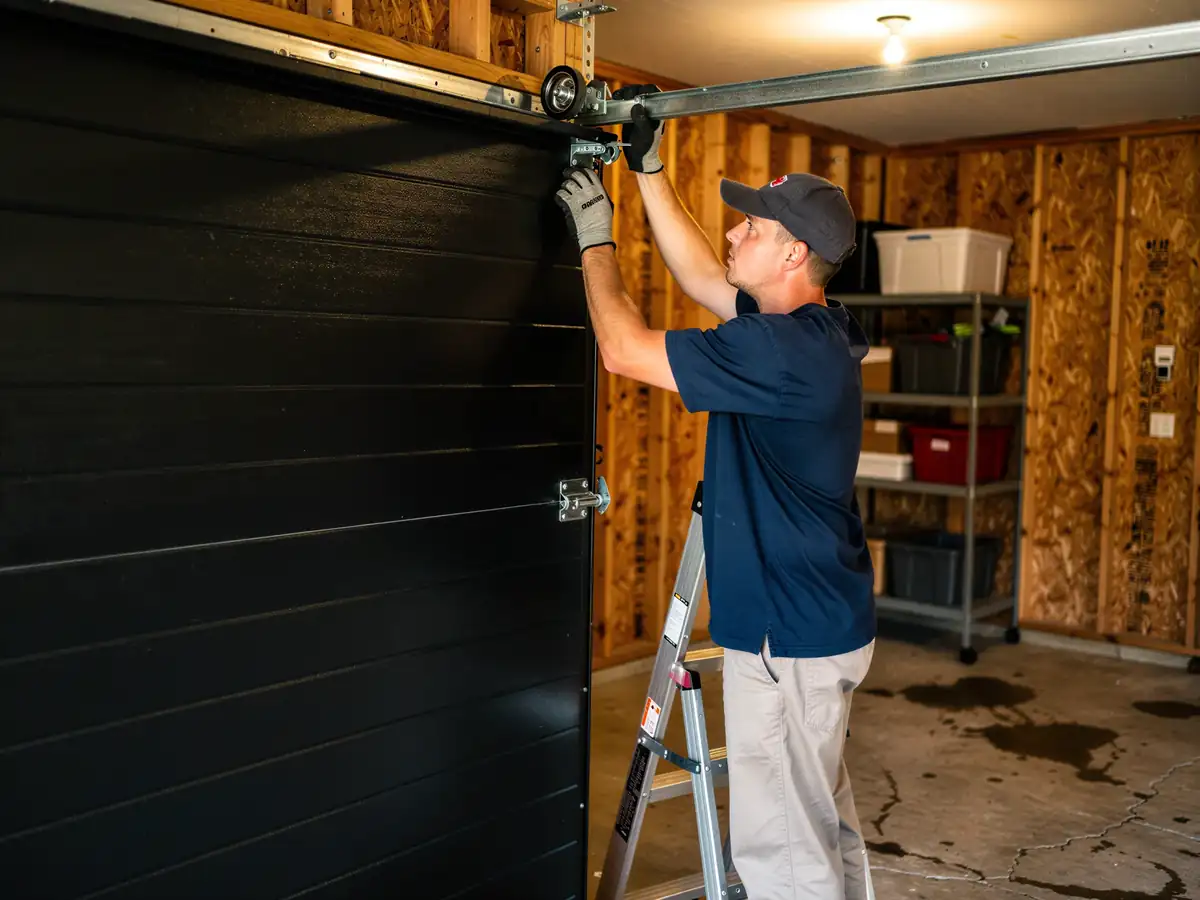
We carry 7-ball nylon rollers with sealed bearings as our standard stock item, since that's what fits the bulk of the doors installed across this part of the service area in the 1990s-2000s window, Collegedale included. We also keep steel rollers on the truck for the older doors closer to the city, and a smaller stock of extended-stem rollers for the wider jamb clearances you sometimes see on 2000s-era garages. What we don't stock are specialty rollers for custom or imported door brands - if a Collegedale door turns out to need a nonstandard stem length or a roller sized for a door we don't commonly see out this way, that part has to be special-ordered, and we'll tell you that up front rather than guess.
How Long It Takes
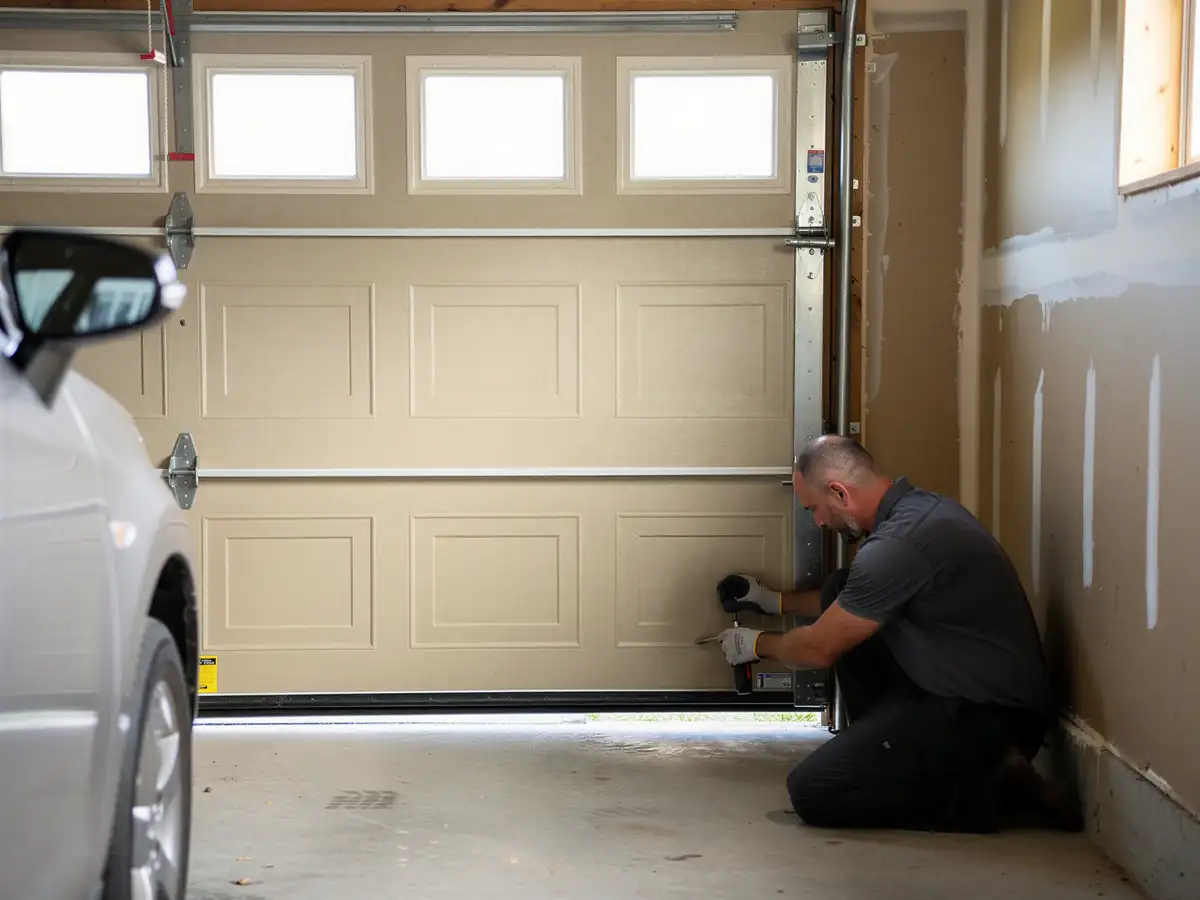
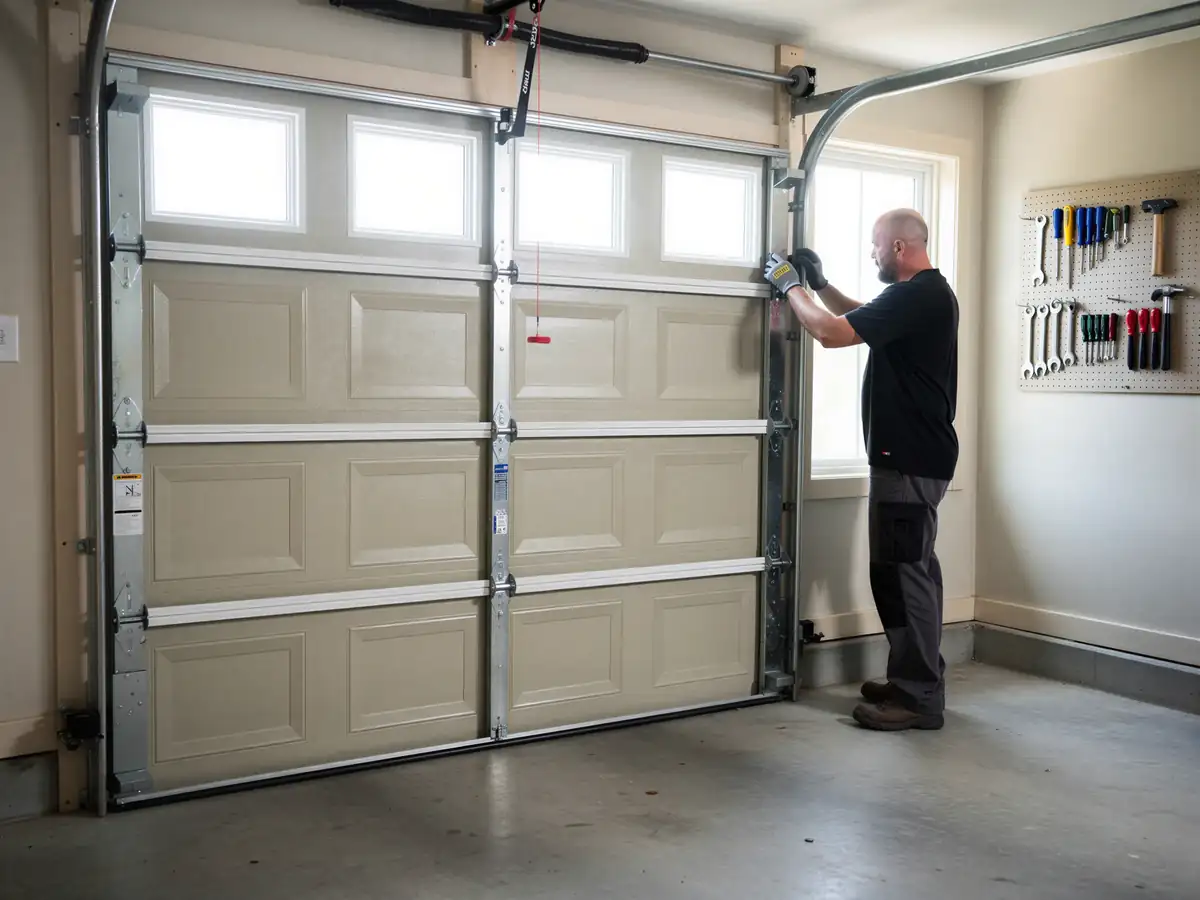
A straight roller swap on a standard double or single door, all ten rollers replaced in one visit, is a short job once we're on site - most of the time goes into removing and resetting the track brackets, not the rollers themselves. What adds time is if one roller failed because the track bent or pulled away from the frame, which we see more on 2000s-era builder doors where the track gauge is lighter than what you'd find on a heavier older door. In that case we're also straightening or replacing a section of track, which roughly doubles the job. We'll know which situation we're in within the first few minutes of looking at the door.