How We Fix It
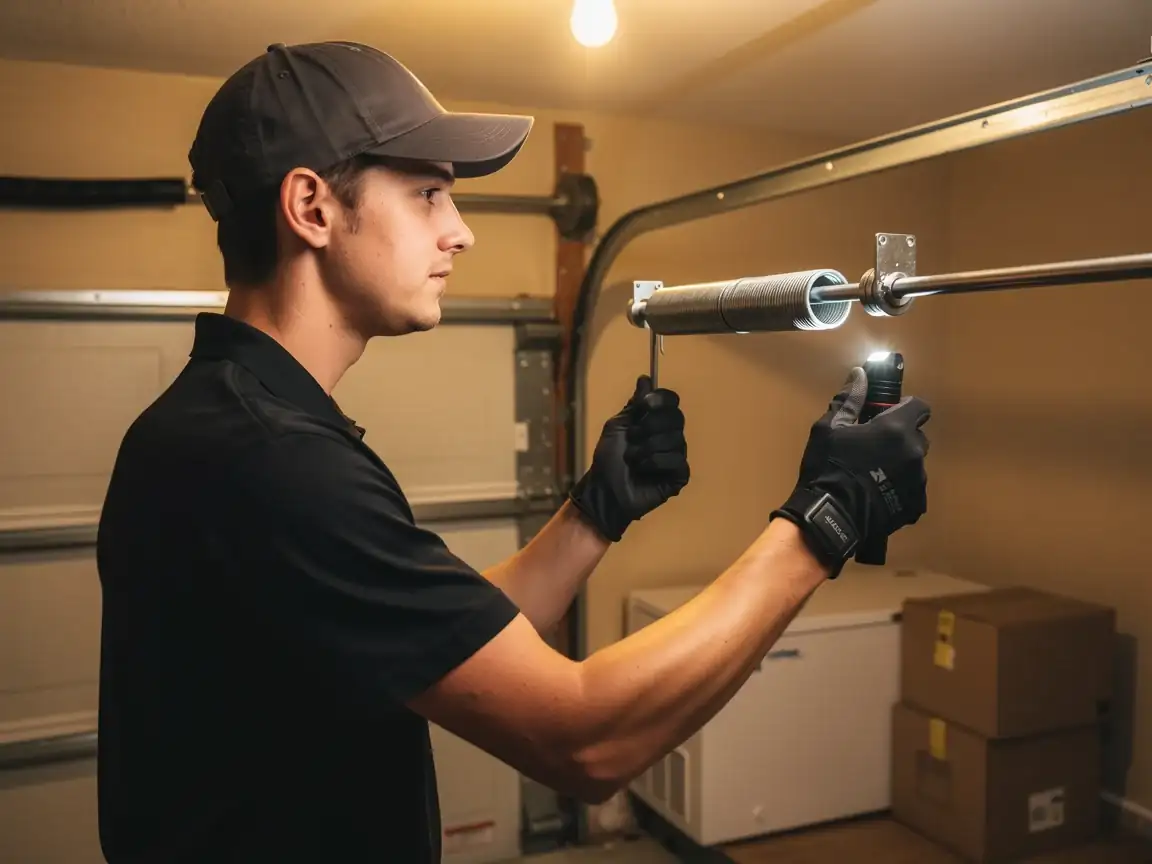
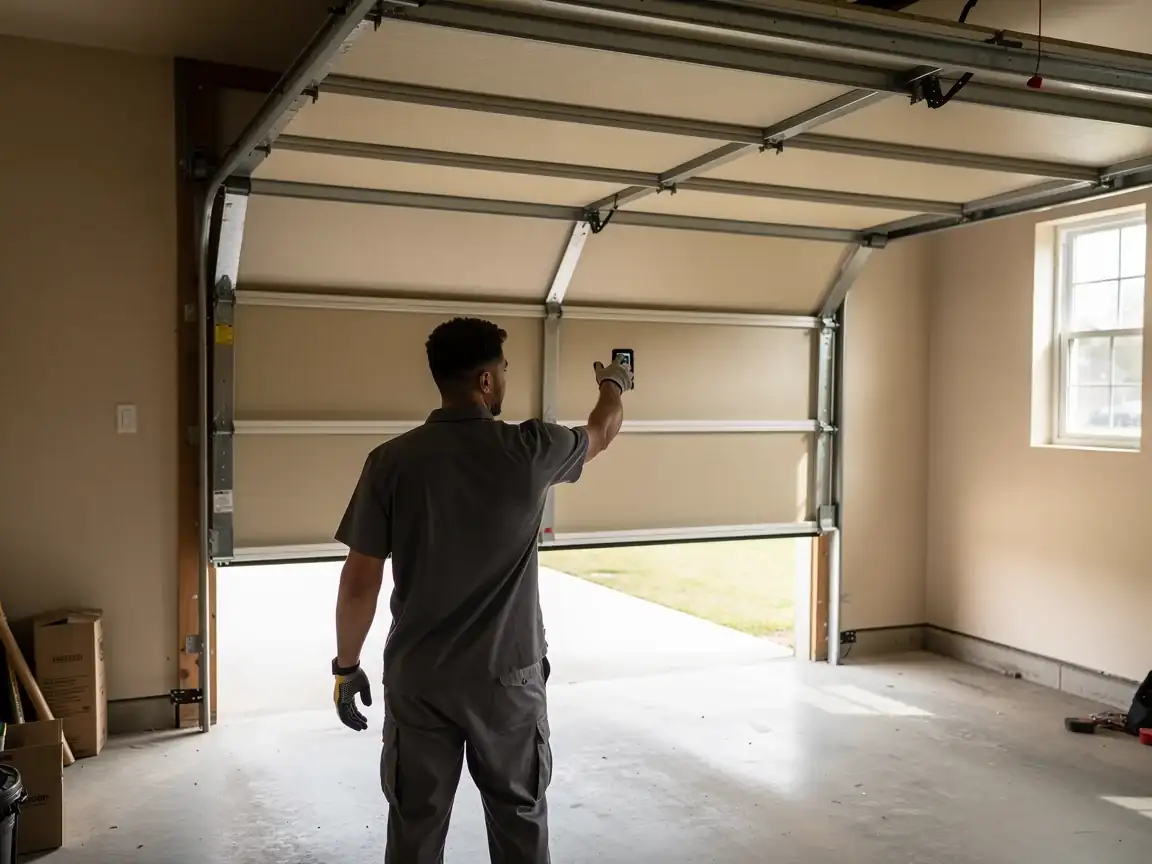
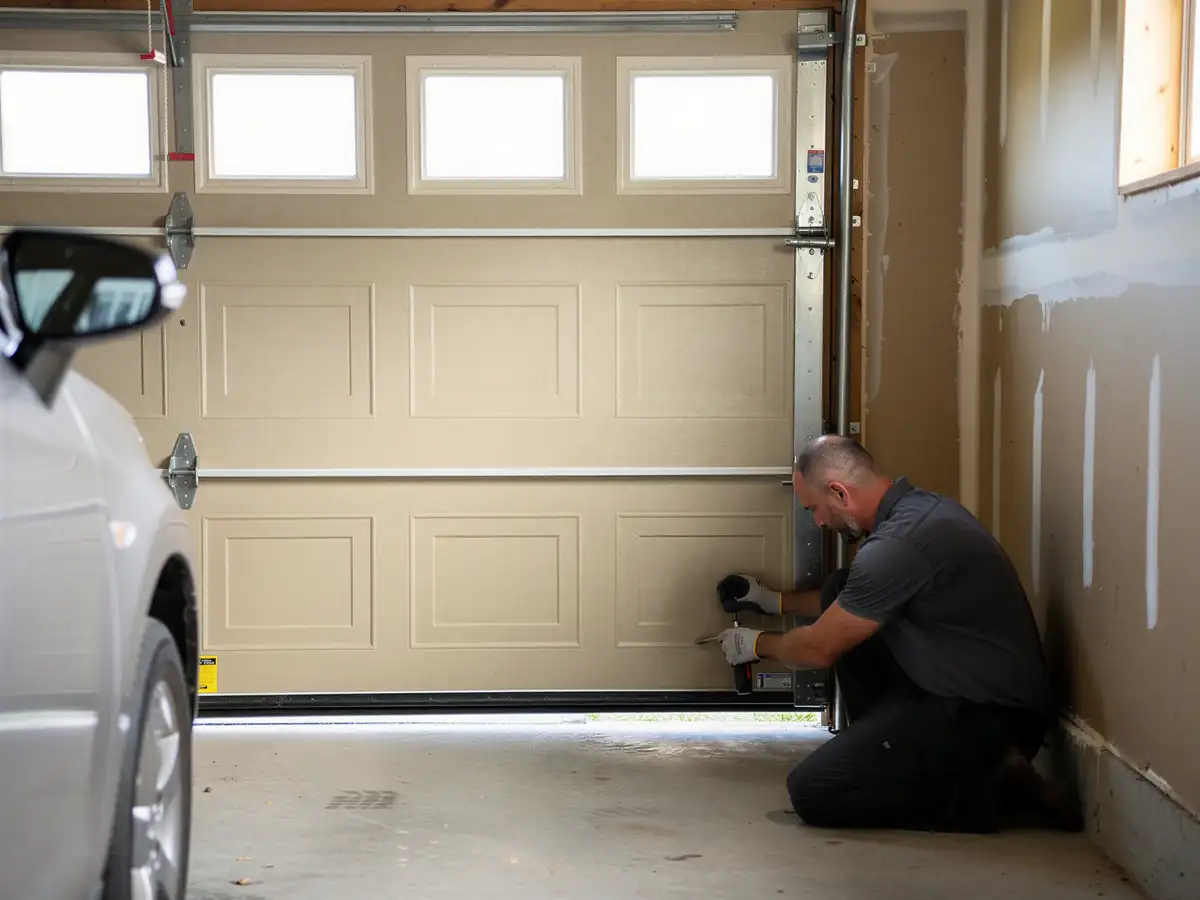
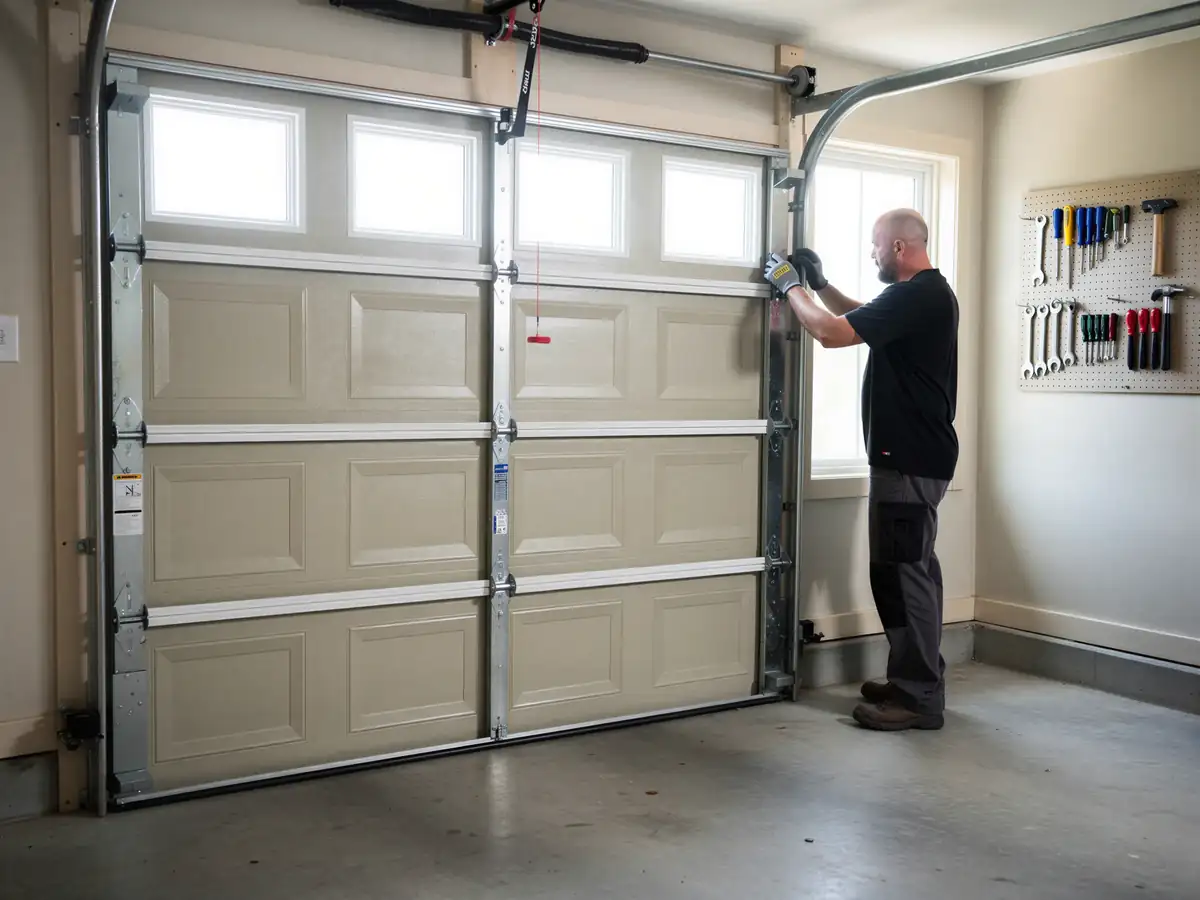
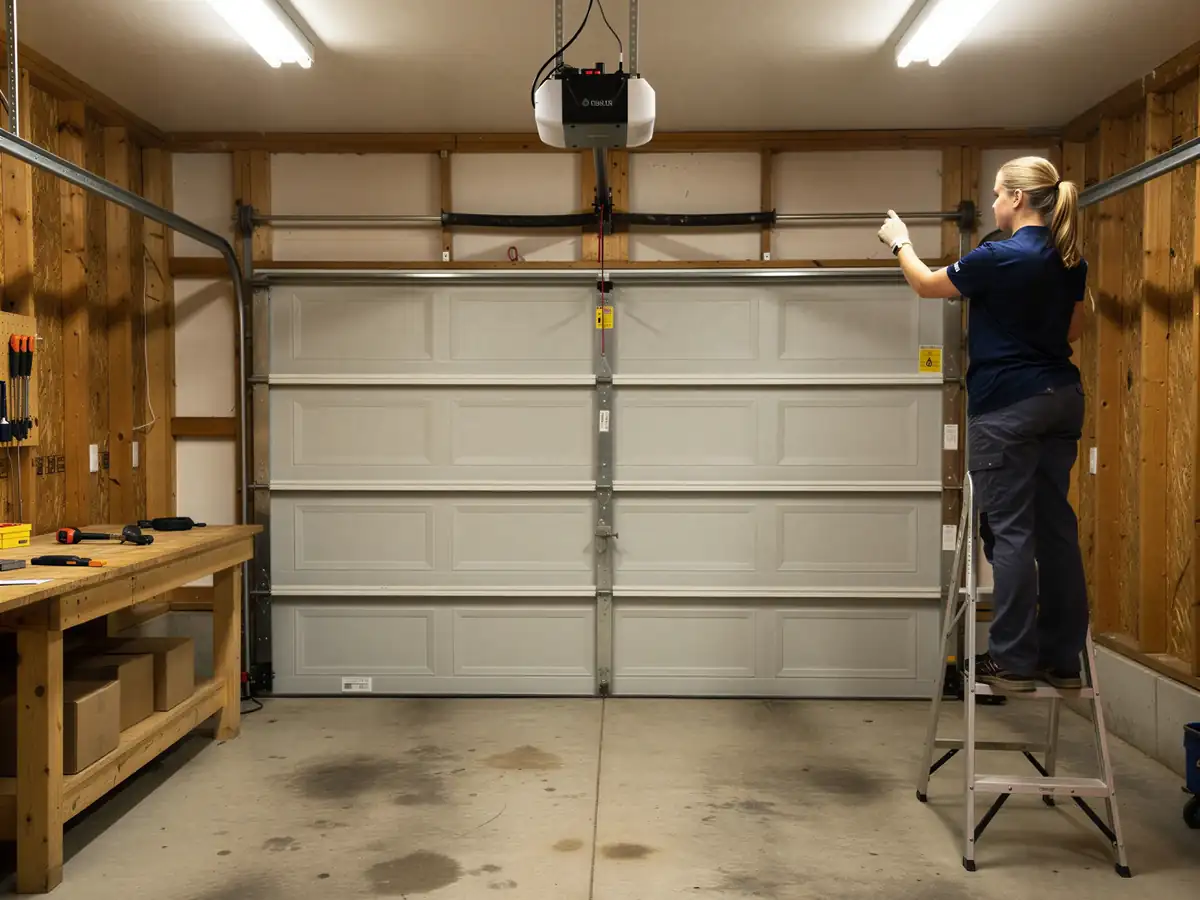
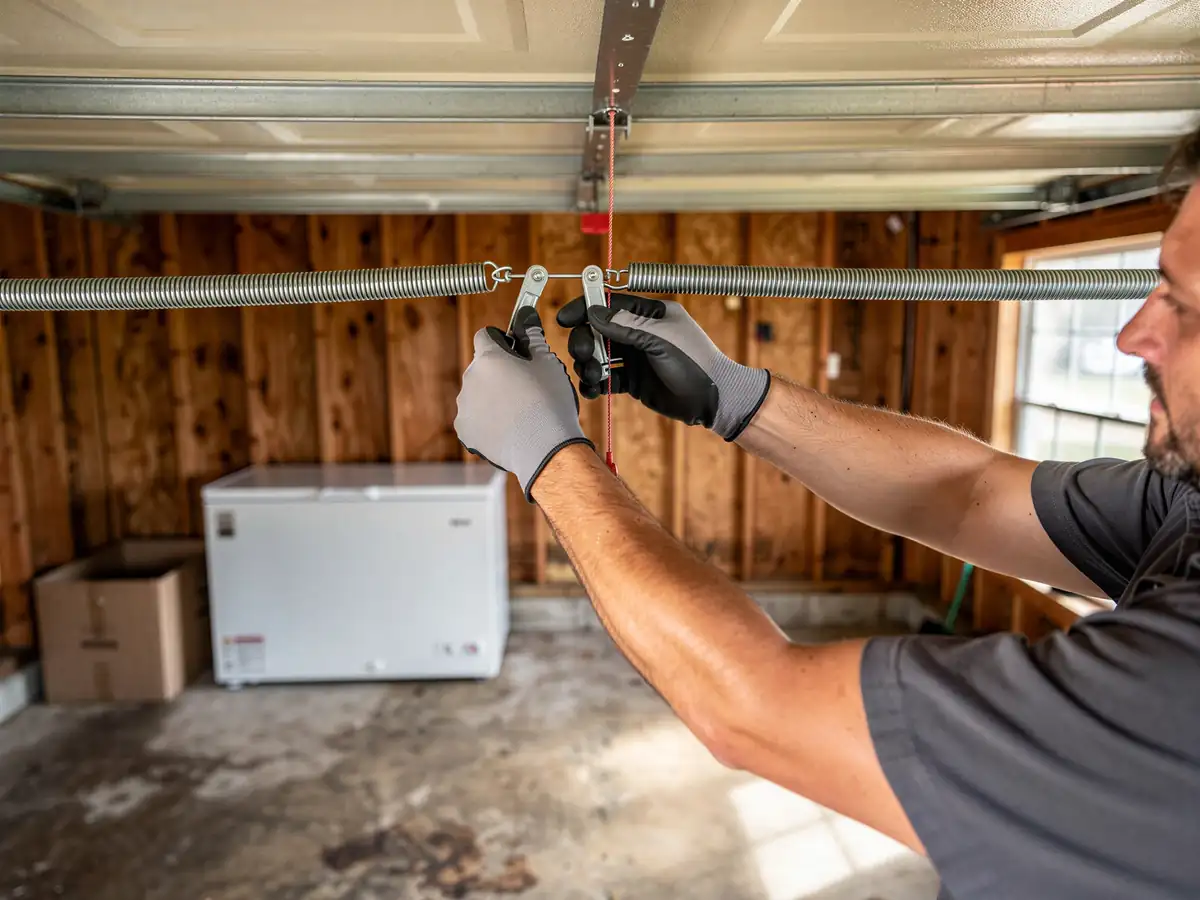
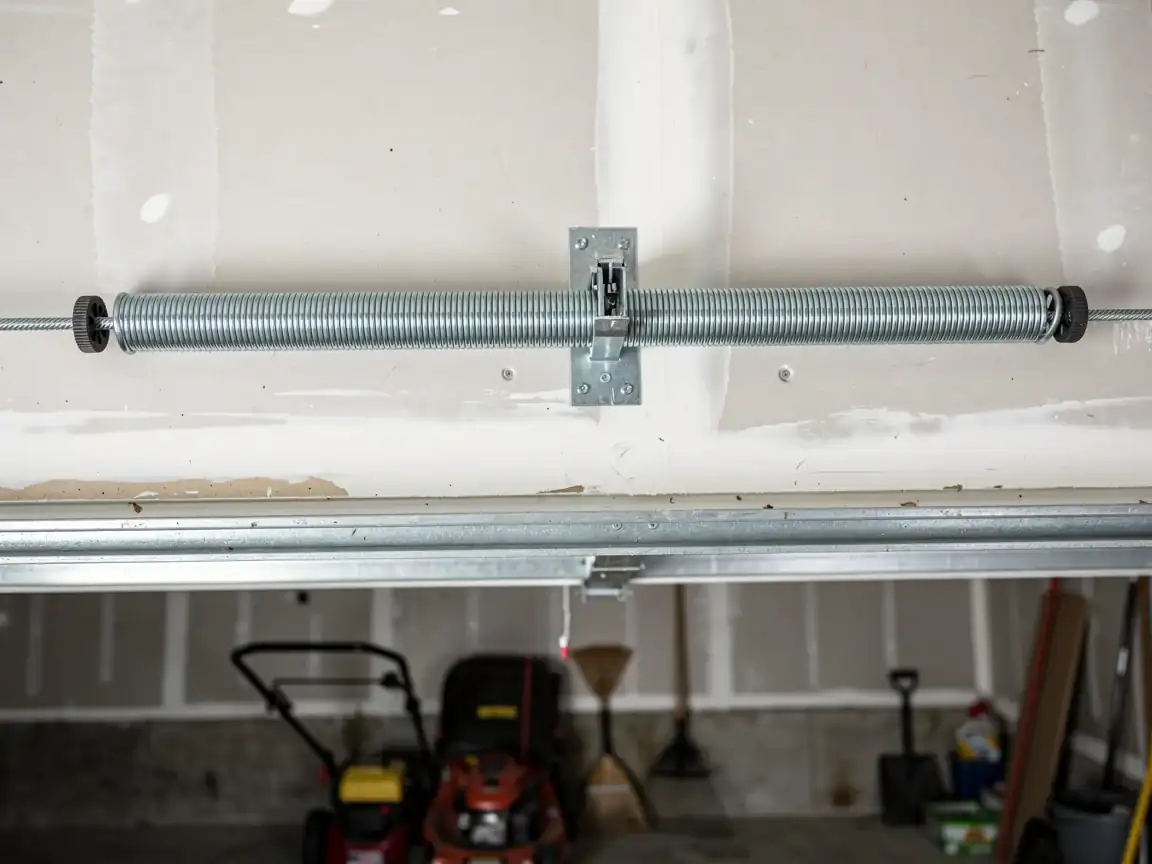
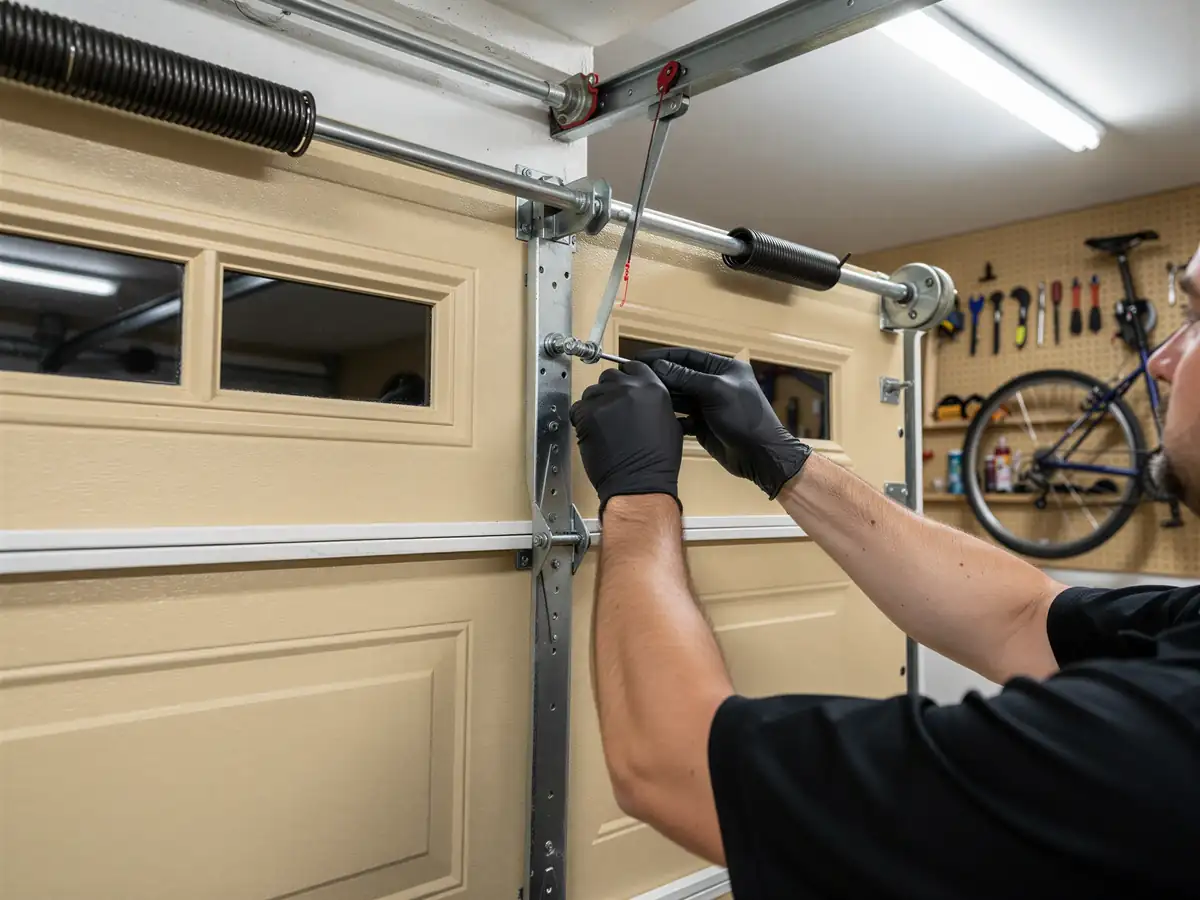
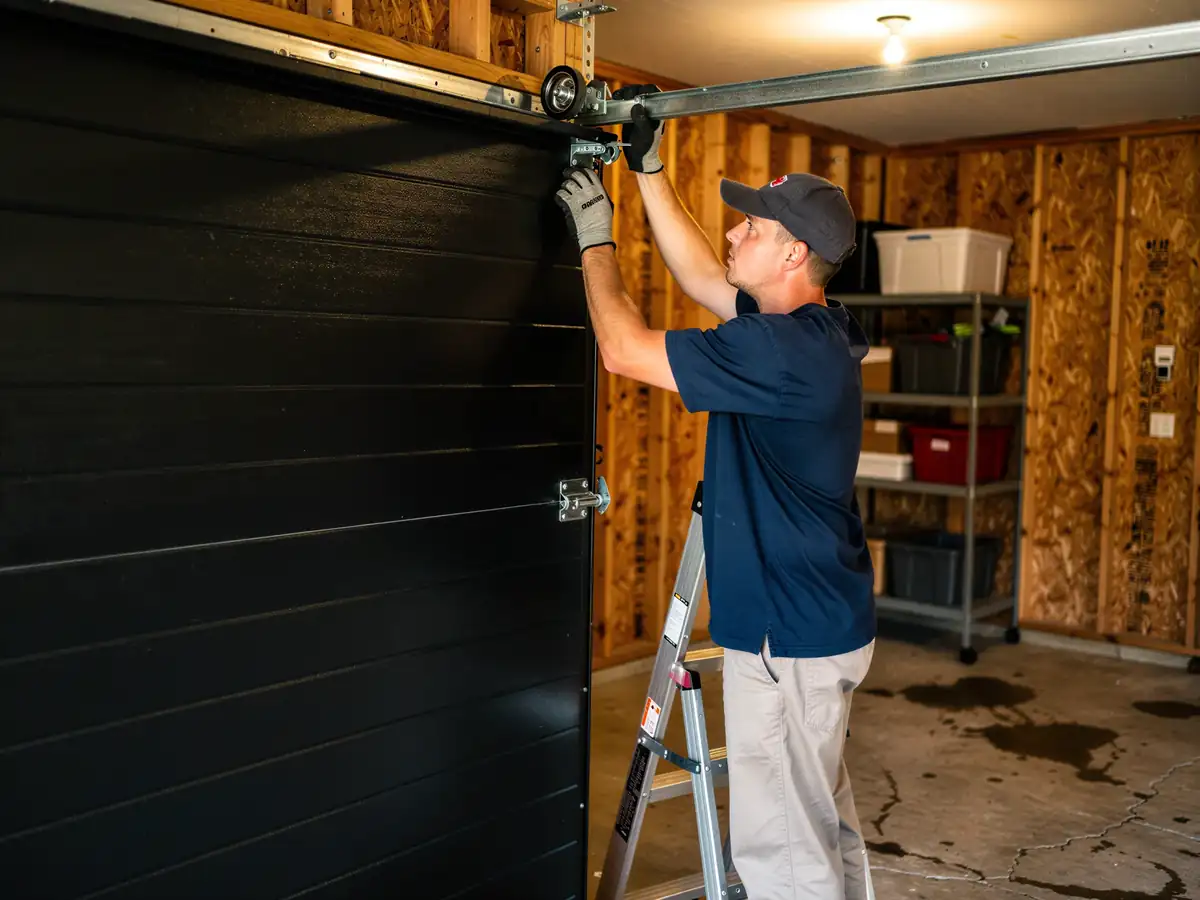
We pull the door down to a safe working height, unload the springs so there's no tension on the track, and work one roller at a time so the door never comes off its rails. Steel rollers on sealed bearings go in where the stock nylon or hollow-stem steel rollers failed - they run quieter and hold up longer under repeated cycling. We check the track alignment at the same time, because a bent or narrowed track is usually what killed the rollers in the first place, not just age. On most of the houses we see across this service area, built between 1967 and 2004, the track brackets are original equipment, so we re-set them to spec rather than just swapping parts and hoping. If a track section is too pitted or bent to true up, we replace that section rather than the whole run - no reason to sell a full track job when six feet of steel will do it. Full roller sets on a double door usually run under two hours once the door's down and the springs are safe. We test the full travel, listen for drag, and leave the door balanced before we call it done.
Can You Do This Yourself
Swapping a single roller on an unloaded section of track, with the door propped open and the springs untouched, is within reach for a homeowner who's comfortable with hand tools. The part itself isn't expensive and the top two rollers on each side are usually the easiest to reach. Where it gets dangerous fast is the bottom rollers nearest the floor brackets, because those brackets anchor the cable - loosen the wrong bolt and the cable can whip. We also don't recommend doing this on a door where a spring is already visibly sagging or the door doesn't sit level, because at that point you're working on a loaded system, not a resting one. Our honest limit here: we don't talk anyone through spring work over the phone, loaded or not, and if your rollers are failing because a spring is already going, that's a second problem that needs to be fixed before or alongside the rollers, not after.
What You Are Seeing
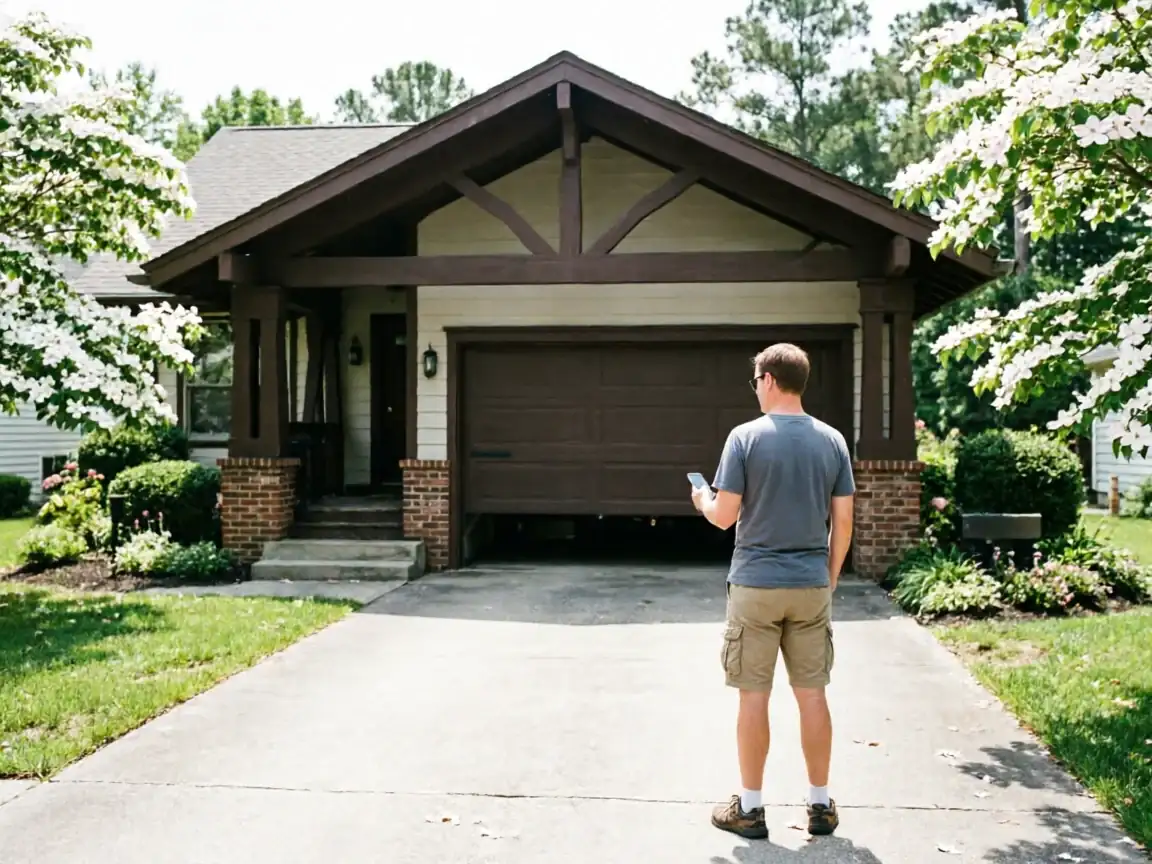
A door that grinds, shudders, or hangs on part of its travel instead of gliding is usually a roller problem, not a motor or opener problem, even though the opener gets blamed first. Listen for a rhythmic clunk that lines up with each roller passing a track joint - that's a flat spot worn into the roller wheel. A door that drifts to one side as it closes, or that needs a shove partway up, is telling you one side's rollers are worse than the other, which happens when one track catches more moisture or cold than the other. Visible wear - a roller stem that's black with worn-off nylon dust, or a steel roller with a flat edge instead of round - means it's already past the point of lubrication fixing it. If the door comes off the track slightly at the top corners when it's fully open, stop operating it; that's a roller that's worn enough to walk out of the channel, and running it further risks bending the track or dropping the door off the rail entirely.