Why It Happens Here
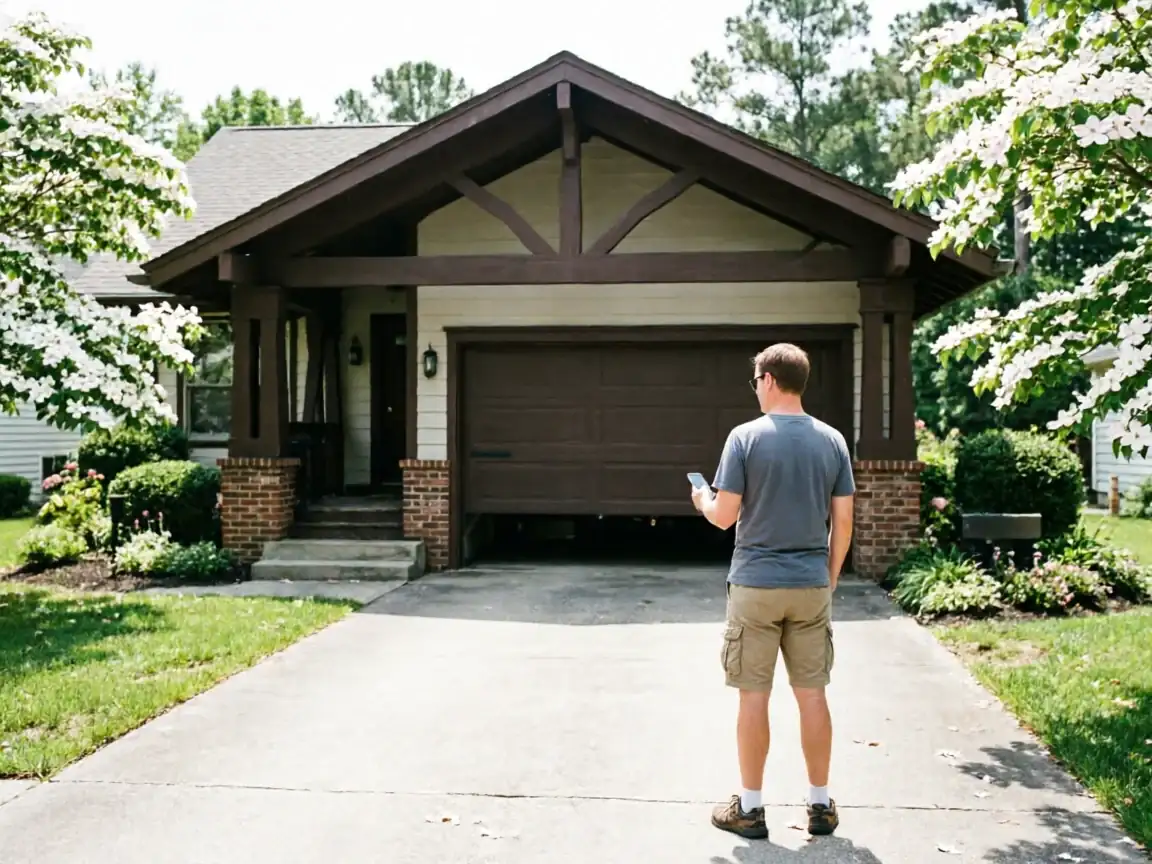
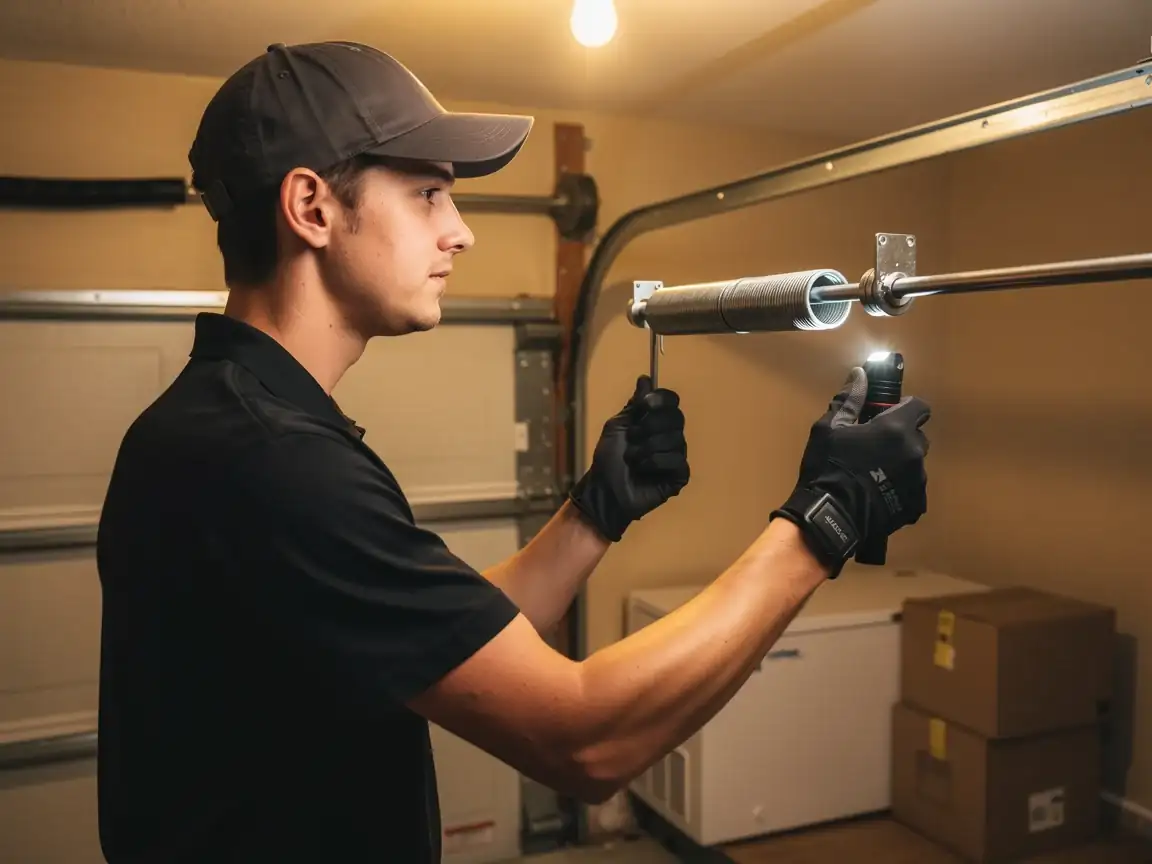
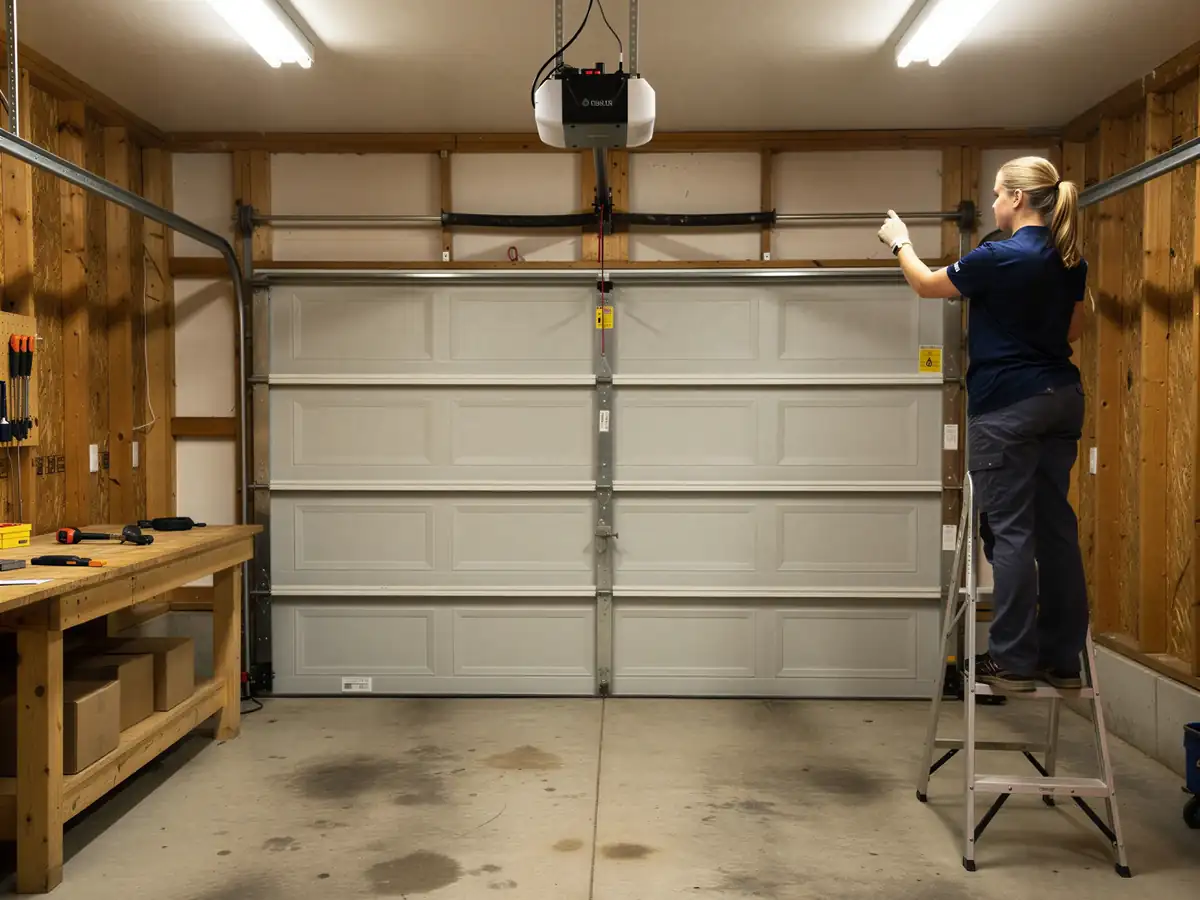
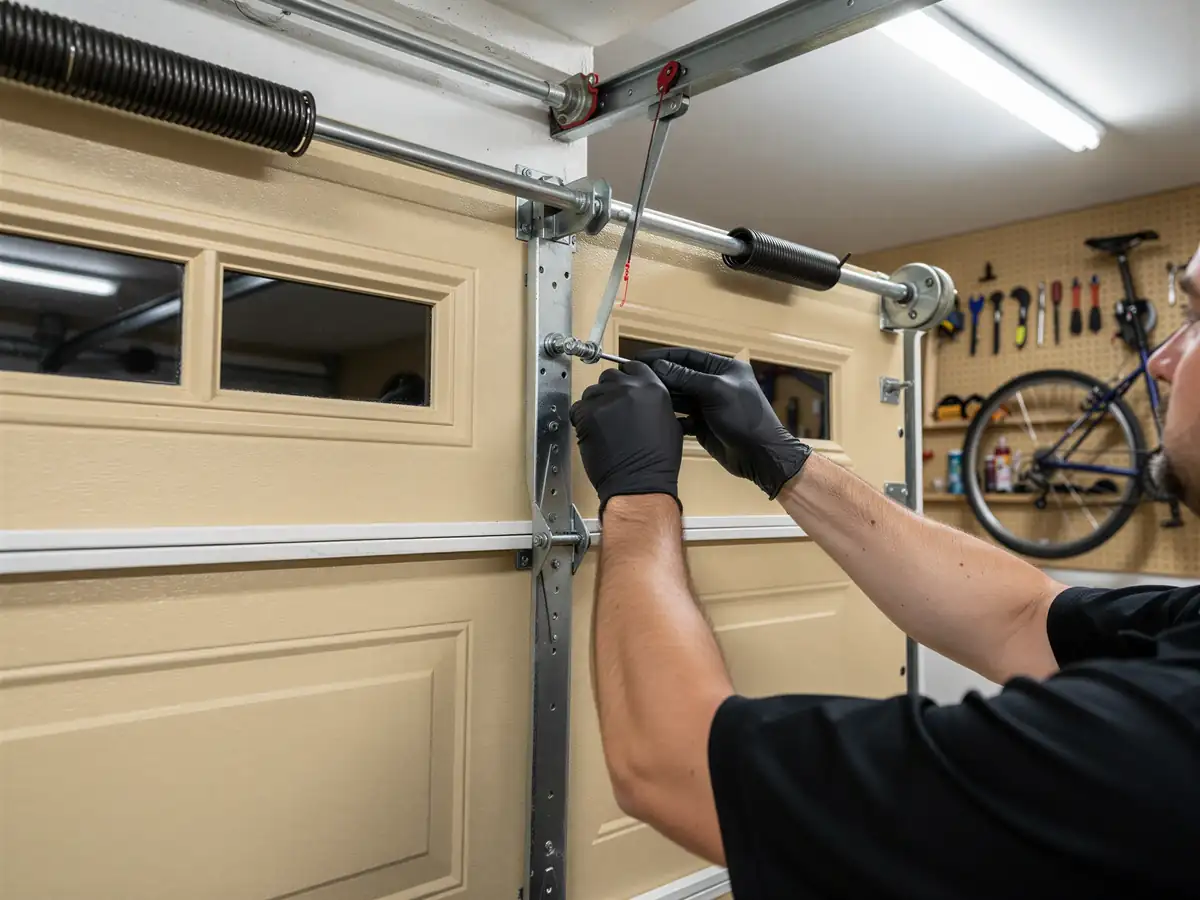
Collegedale's housing stock skews younger than most of the area we cover - the median build year here is 2004, almost two decades past the 1984 median for the wider service territory. That matters more than people think. A torsion spring is rated for a set number of open-close cycles, usually somewhere around 10,000, and builder-grade springs installed during a subdivision's original construction run are rarely the heavy-duty upgrade. If your house went up in the early 2000s boom here, the spring on it is now 20-plus years into a part that was never meant to outlast the house's first roof.
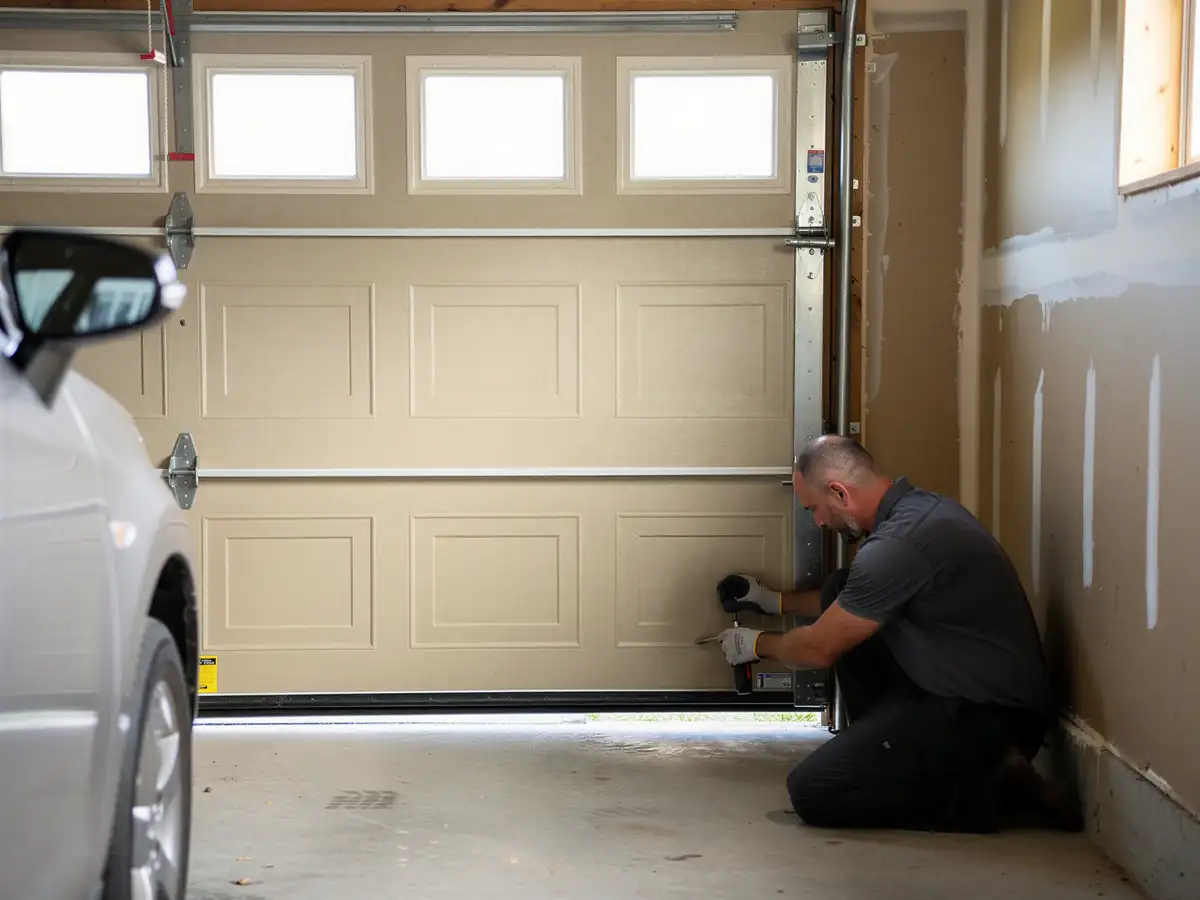
That's the fault pattern we see out of Collegedale more than anywhere else on the route: not corrosion, not rust-through, just a spring that's finally used up every coil of wire it had. It usually lets go without much warning - a loud bang from the garage, then a door that won't lift, or lifts crooked on one side.
What You Are Seeing
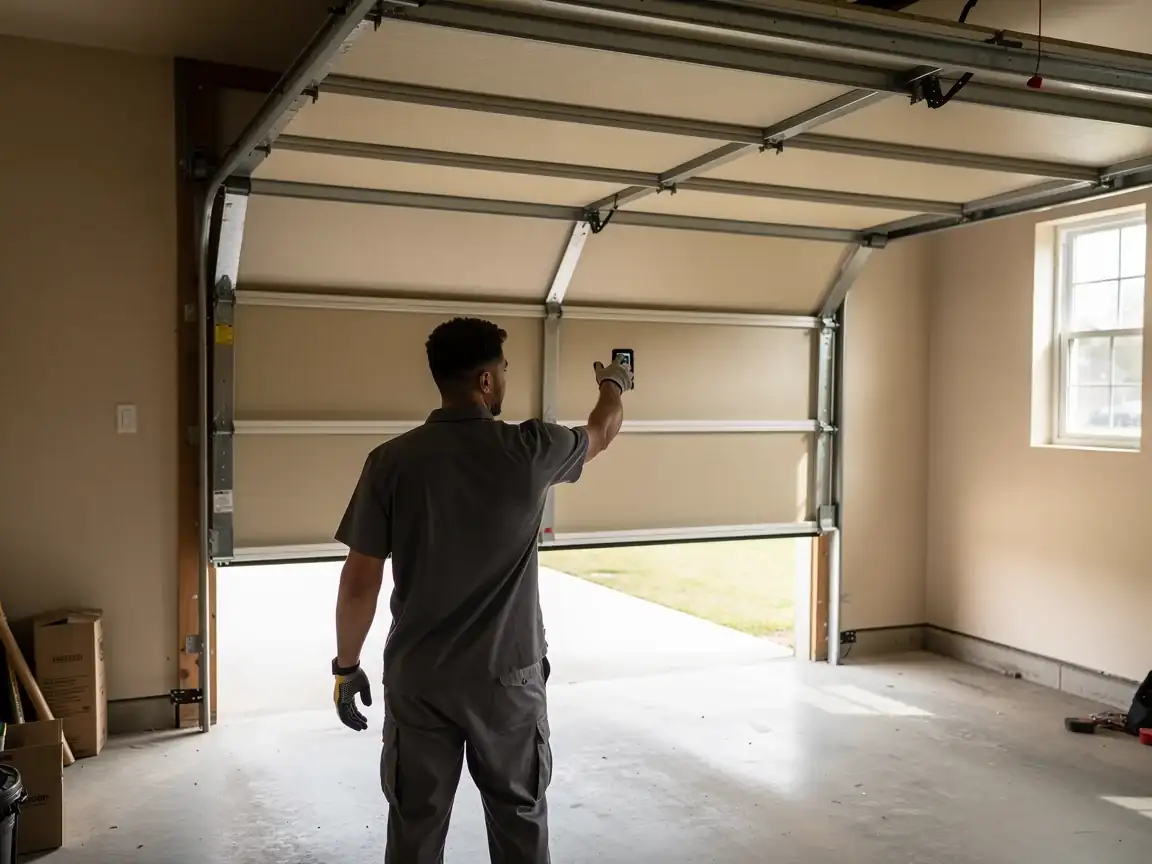
If the door won't budge and the opener strains or reverses itself, that's a dead spring, not a dead opener
Most people call about the motor first and it's almost never the motor. On a double door you'll often see the panel sag on one side before the spring fully snaps, because the two springs on a wider door don't always wear evenly even when they were installed the same day.
Coldweather mornings make it worse
This region sits in a moderate-cold climate band, and steel contracts in the cold, which adds a little extra tension right at the moment a spring near the end of its life has the least to give. That's why failures here tend to cluster on the first hard cold snap of the season rather than spread evenly through the year.
Stocked Parts
The truck carries the common torsion spring sizes used across the service area's 1980s-2000s stock, which covers most of what's on Collegedale doors. Where we run into a gap is on a handful of newer builder-spec doors that used a lighter wire gauge than what we stock as standard - if that's your door, we may need to order the exact spring rather than swap one off the truck same-visit. We'll tell you on site if that's the case rather than force a mismatched spring onto your door.
How Long It Takes
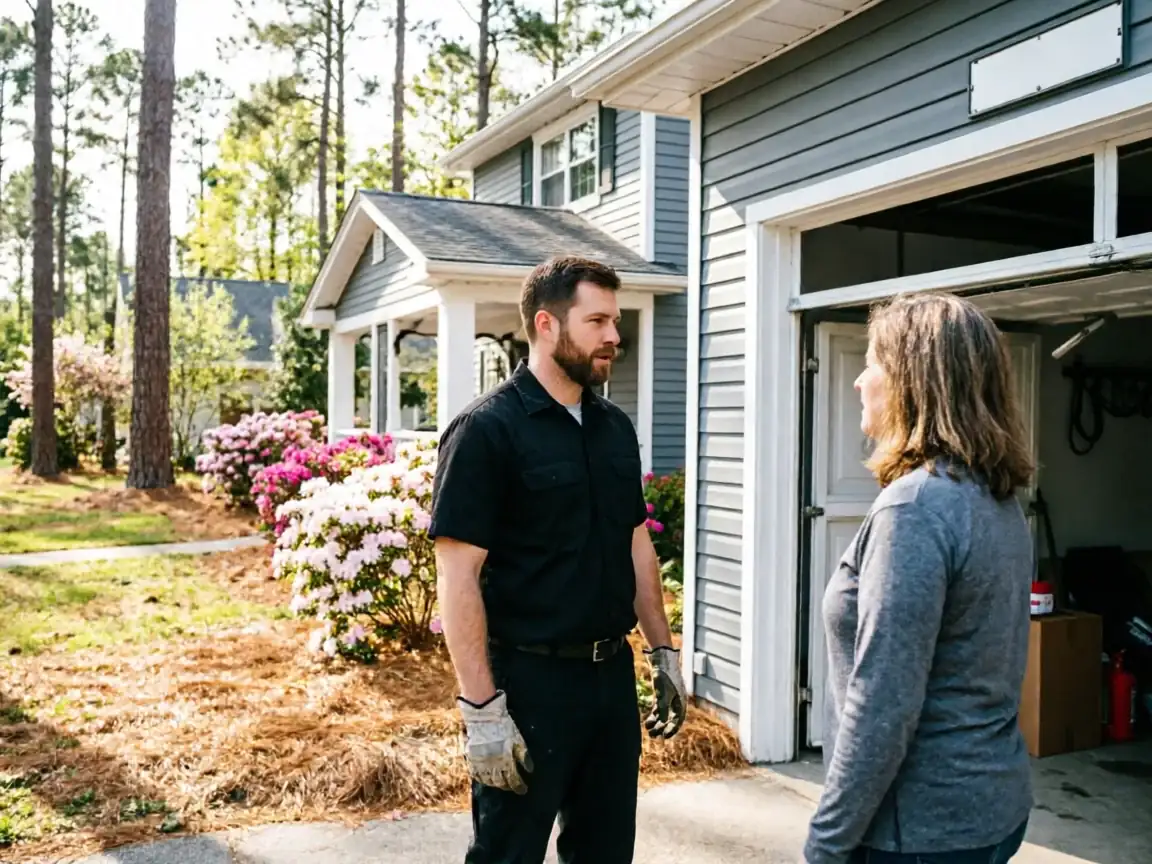
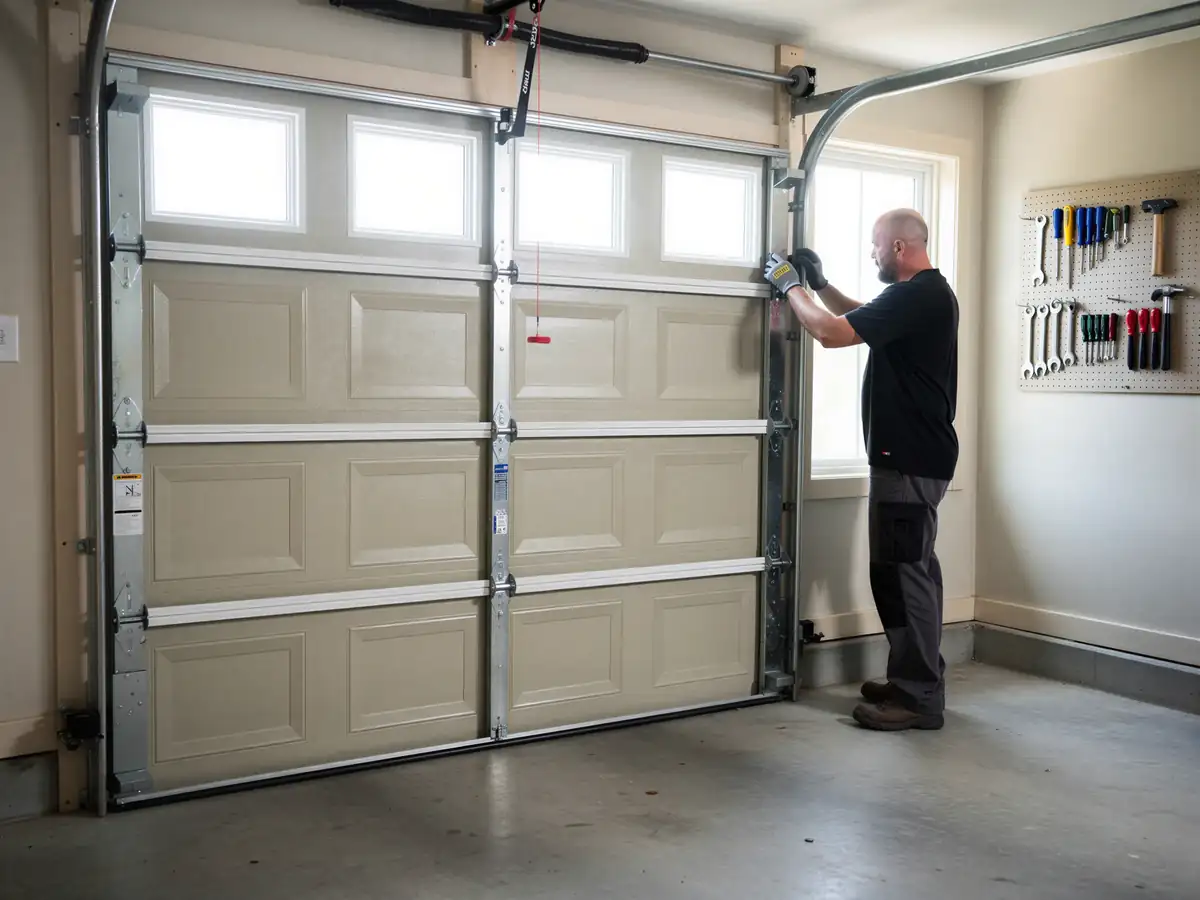
Collegedale is about 13 miles out from our shop in Cleveland, which is on the farther end of the towns we cover regularly. The repair itself, once we're there with the right spring, is usually under an hour for a single door and not much longer for a double with two springs. The variable is the drive and whatever's ahead of your job on the schedule that day - we don't promise a same-day window here the way we might for a stop five minutes from the shop, so if your door is stuck shut, plan for a call to confirm timing rather than assuming we're around the corner.
The Complications
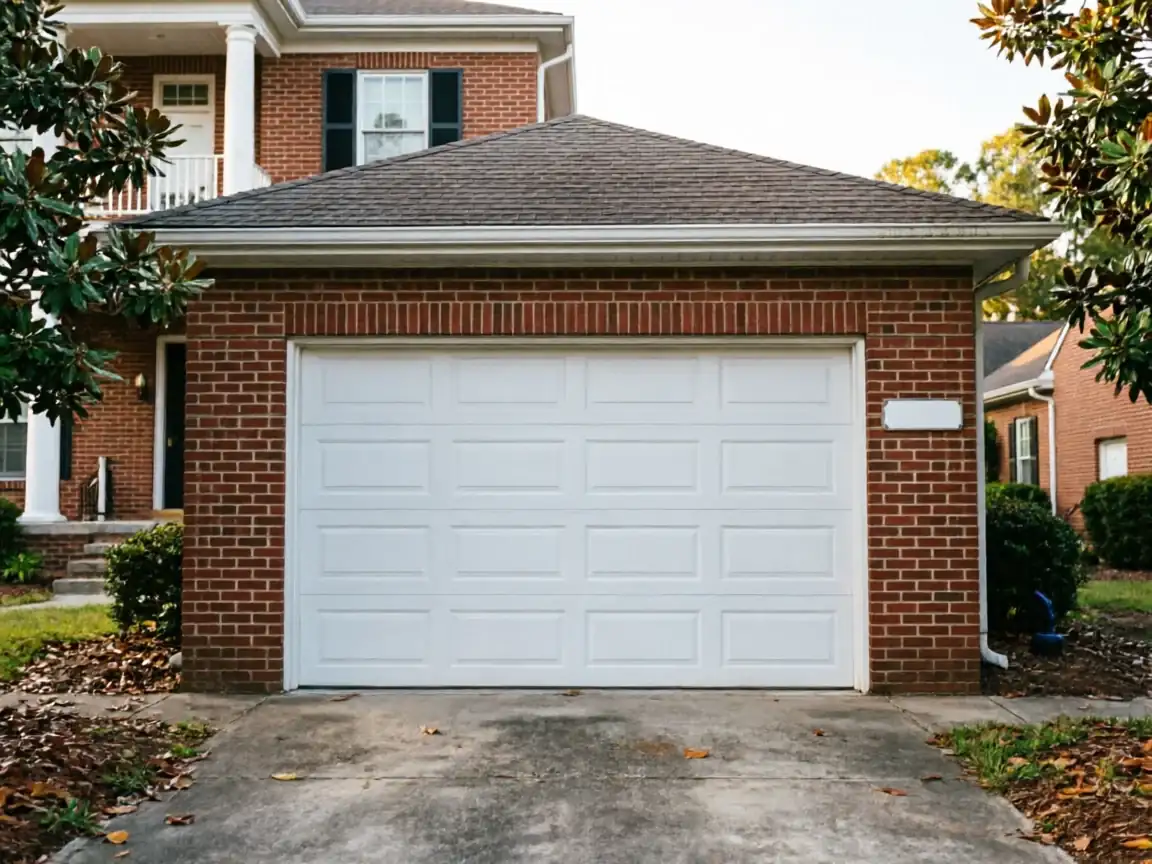
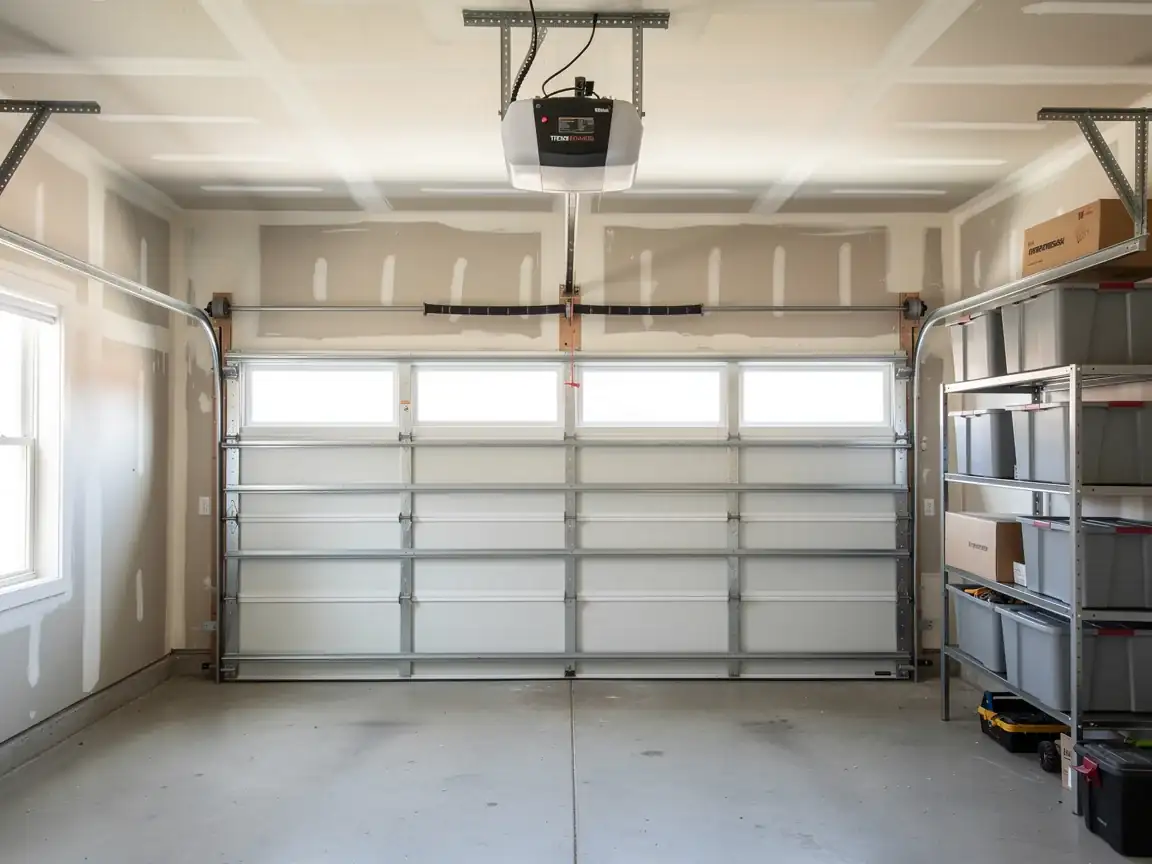
A lot of Collegedale garages hold double doors
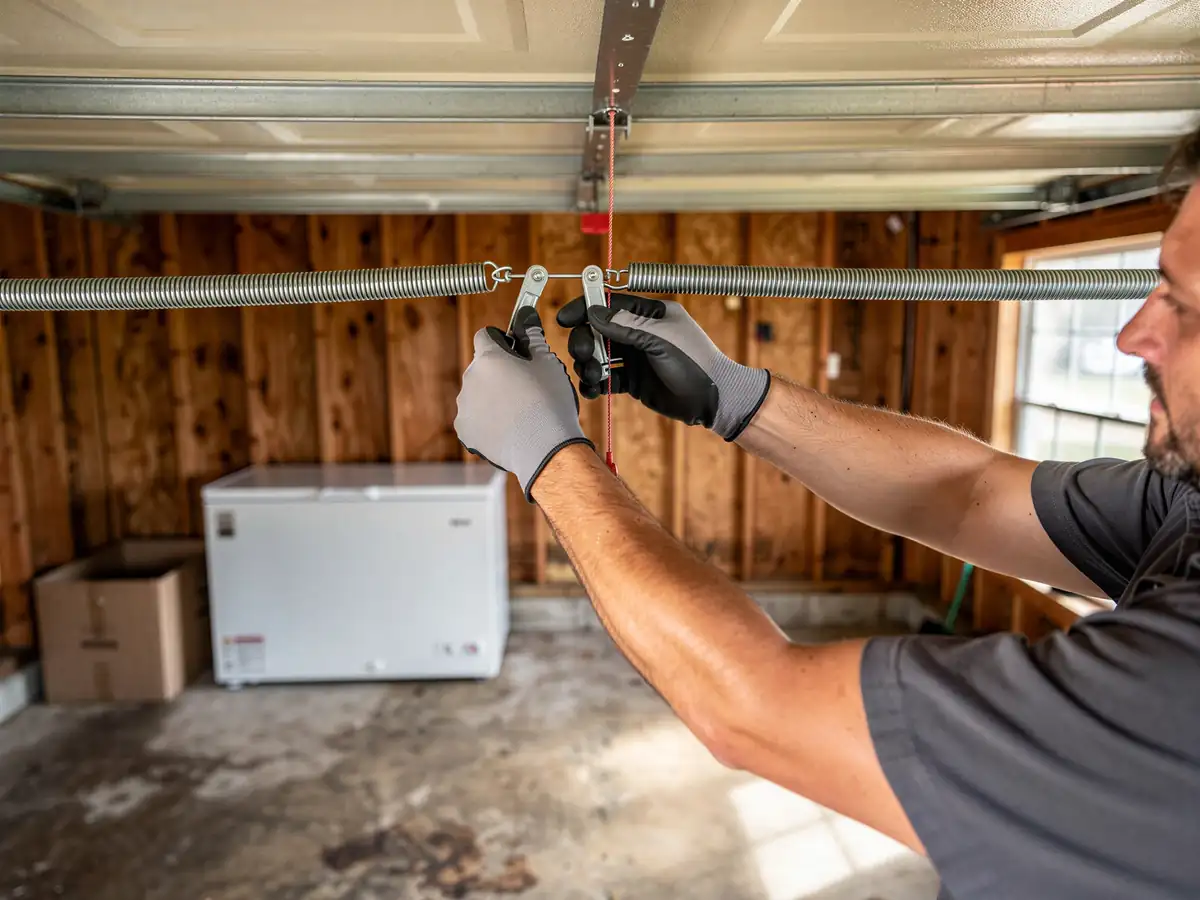
Which means two springs working the same track system, and a complication we run into is a mismatched pair - one spring replaced at some point and one original, so they're carrying the door unevenly even before the second one fails. If that's what we find, we'll recommend replacing both rather than just the broken one, since the older one is usually close behind it anyway.
The other complication is diagnosis versus assumption
A door that's hard to lift isn't always a spring - sometimes it's a bent track or a worn roller on a door built with lighter hardware, and pushing a fresh spring onto a door that has other problems just wears that spring out faster. With median household income here at $64,905, most owners want the repair done once and done right rather than a quick fix that's back on the schedule next year, so we'll flag anything else going on with the door while we're under the hood.