Can You Do This Yourself
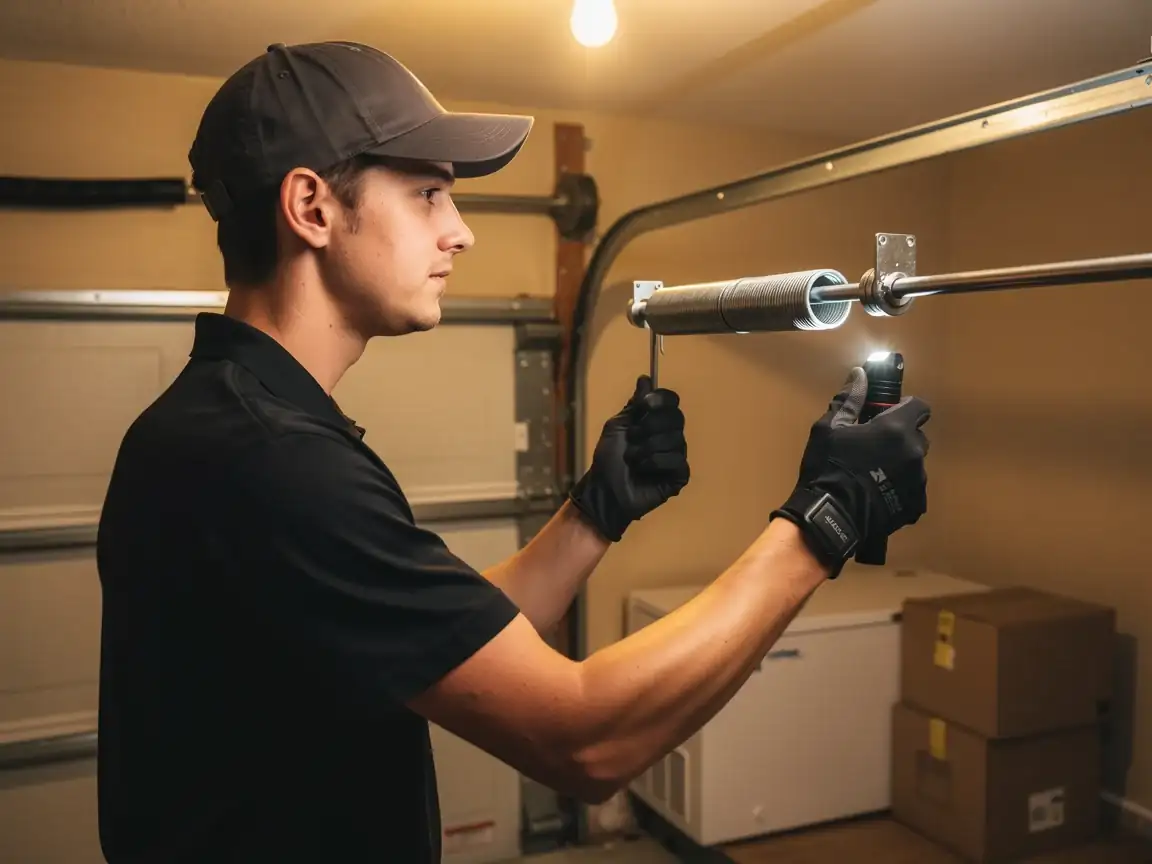
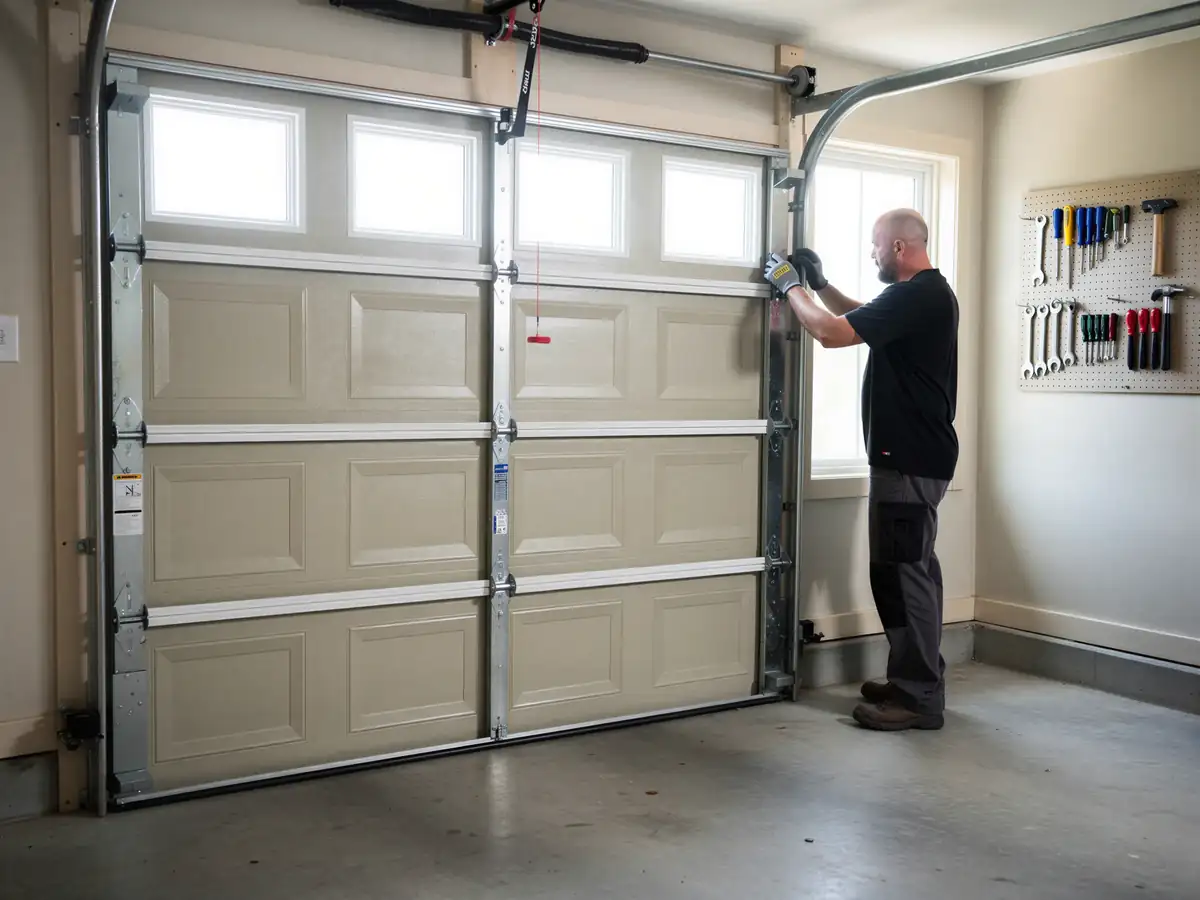
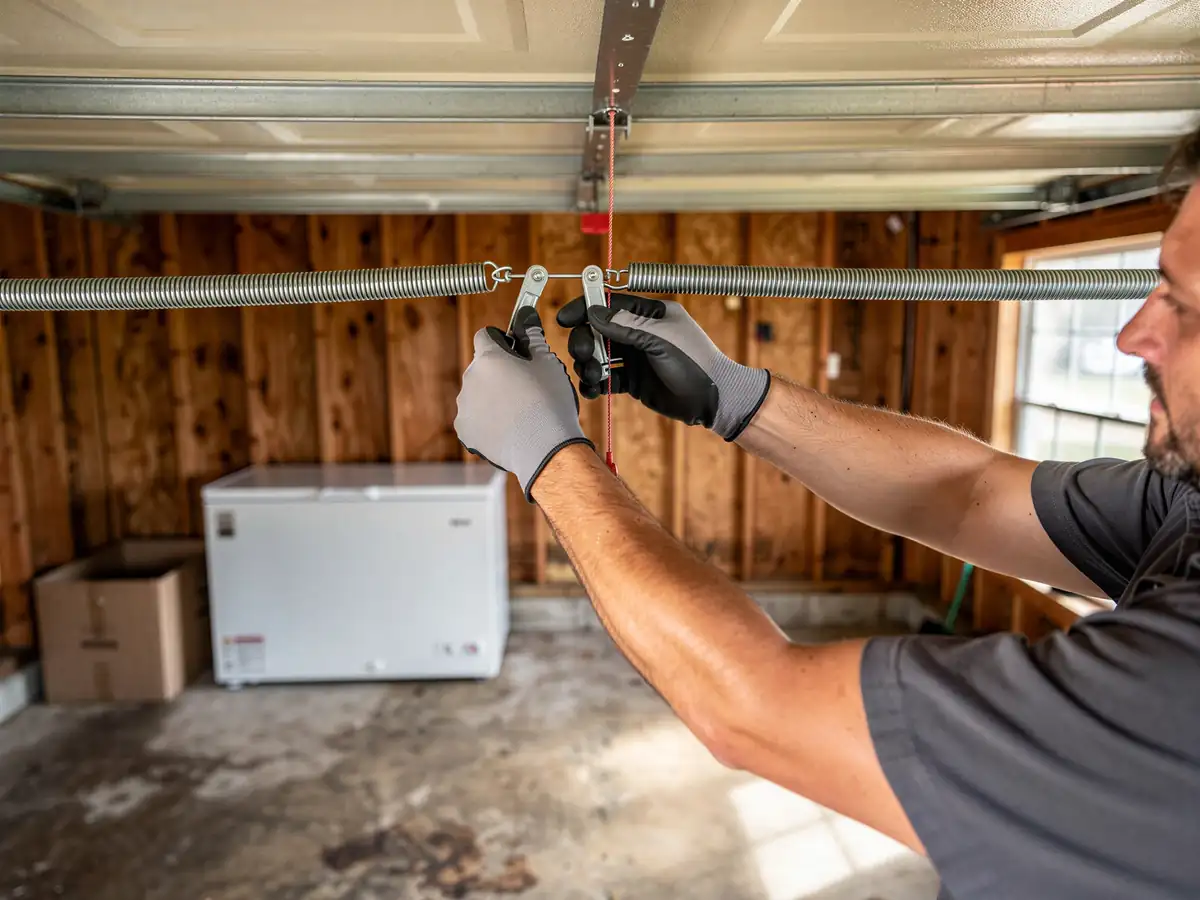
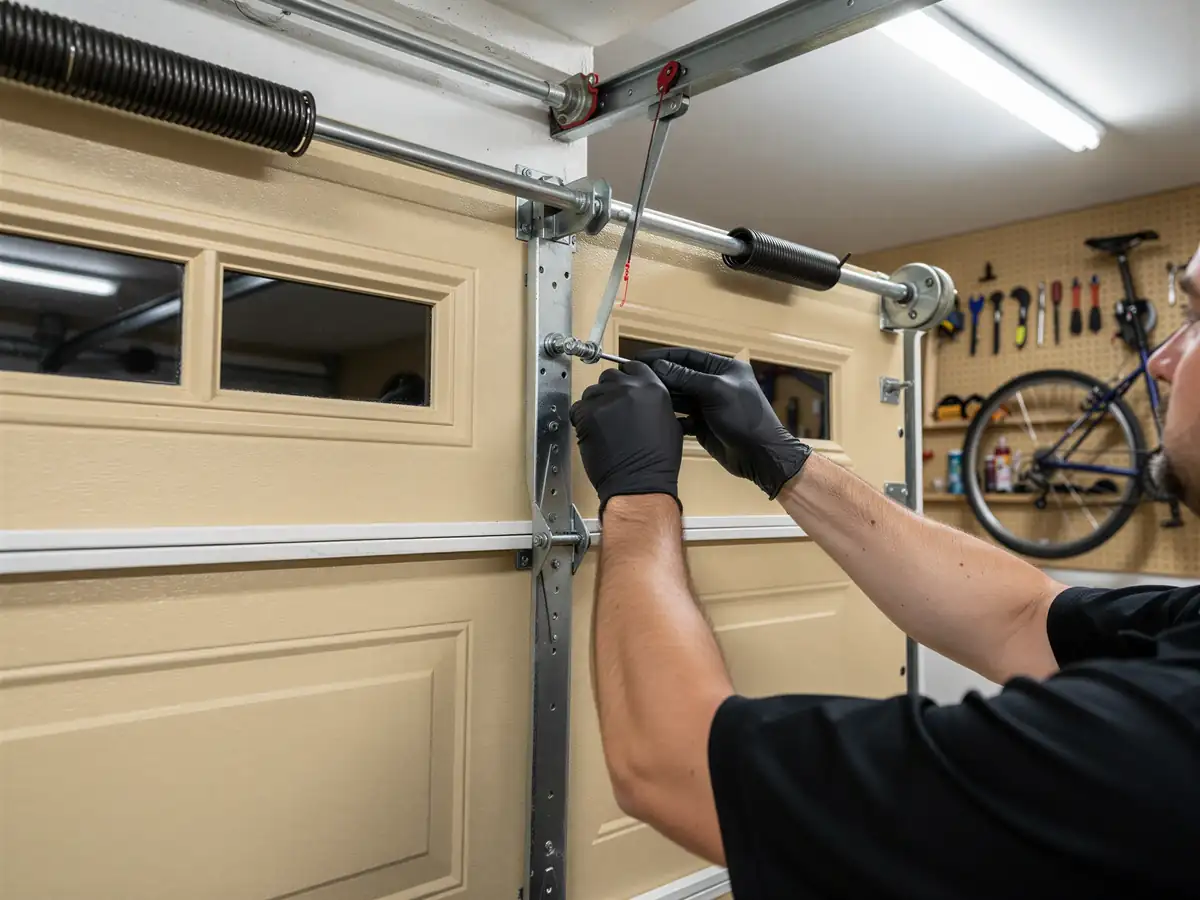
A lot of the garages in Soddy-Daisy went up around the same time, median year built 1985, and that era of door hardware is where homeowners get hurt trying to save a service call. If your door has extension springs running along the horizontal tracks instead of a torsion spring over the header, you're looking at hardware that predates the 1993 federal requirement for a containment cable through the spring. Without that cable, a spring that lets go can send itself across the garage. That's not a job to free-hand on a Saturday.
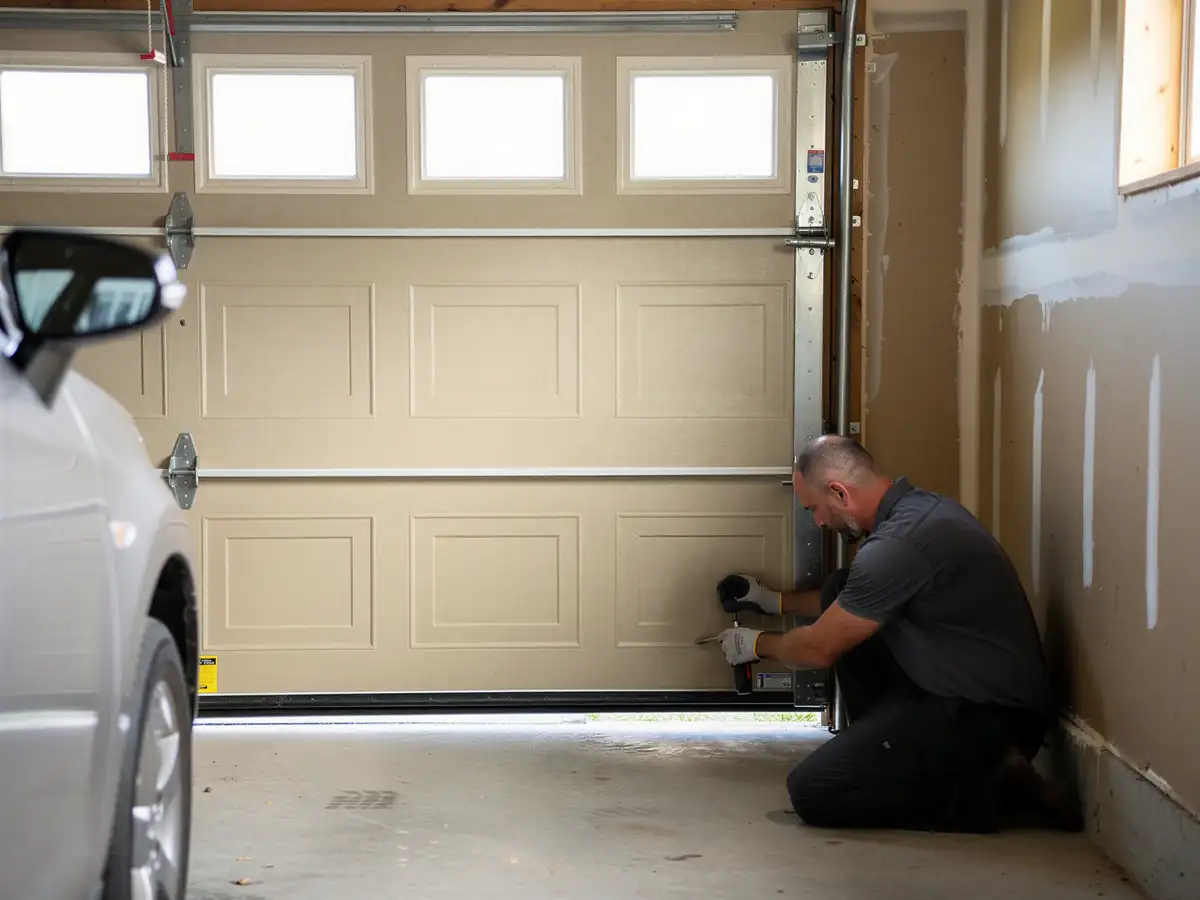
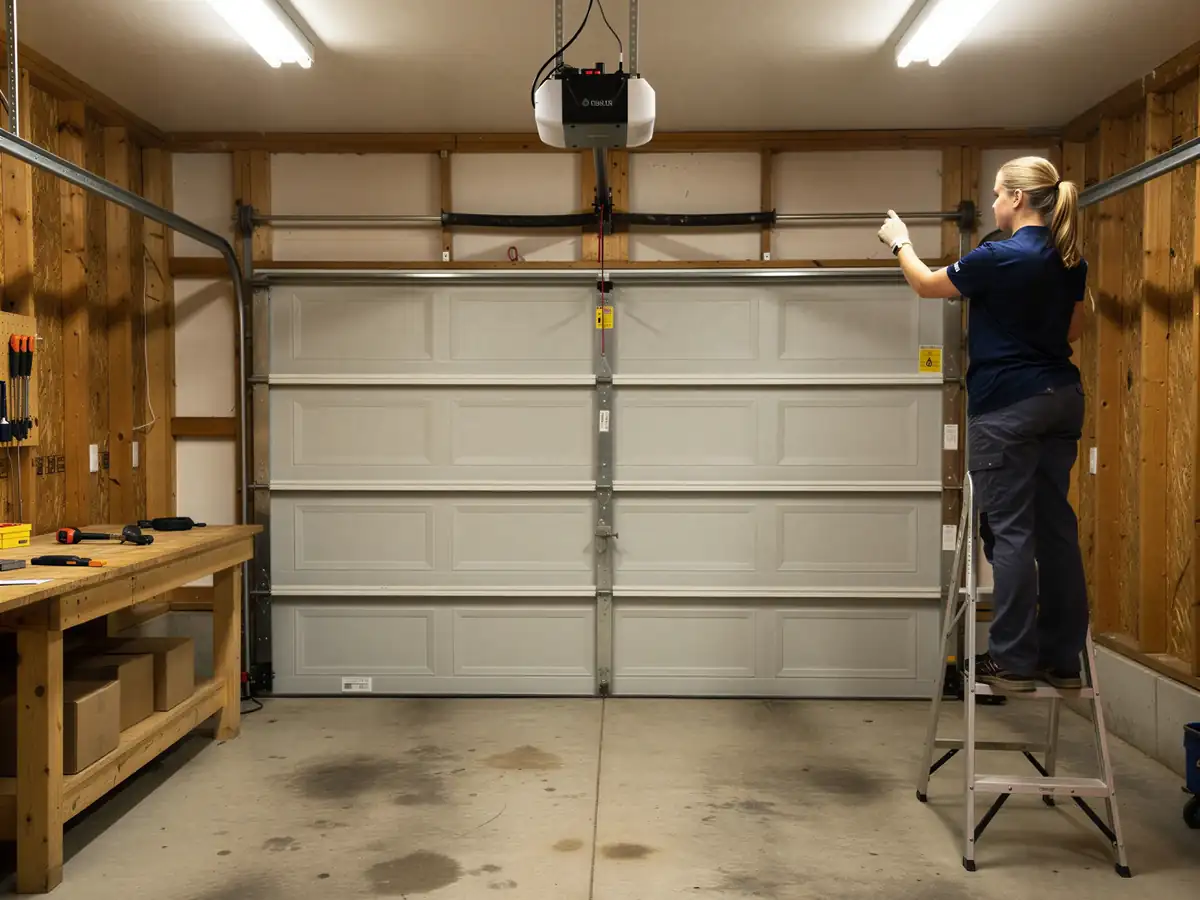
What you can reasonably do yourself: tighten loose hinge bolts, clear track debris, lubricate rollers and hinges with the right product, and test your auto-reverse by placing a 2x4 flat on the ground under the closing door. If it doesn't reverse, stop using the opener until someone looks at the sensors. Anything involving the spring, the cable, or the opener's force settings is where the math on parts and labor stops favoring a DIY attempt, especially on doors this old where the drum or end bearing plate may also need replacing at the same visit.
Getting It Booked In
We run out of Cleveland, about 18 miles from Soddy-Daisy
So a service call here gets scheduled as a run rather than a drop-in. When you call, tell us the door's approximate age if you know it and whether it's making noise on the way up, down, or both - that one detail changes what we load on the truck before we leave Cleveland. Soddy-Daisy sits close enough that most single-visit repairs don't need a second trip for parts, but anything requiring a special-order panel or an opener model we don't stock means telling you that up front rather than after we're standing in your driveway.
- 18 miles
We don't keep a branch or staff in Soddy-Daisy itself
Every job here is dispatched from the Cleveland shop, which is worth knowing if you're comparing us to a company with a yard closer to you.
What You Are Seeing
With median year built at 1985, the common complaint out here isn't a dead opener, it's a door that's heavy and slow to close, or one that reverses for no visible reason. Cold-moderate winters put real stress on springs this age: steel fatigues faster through repeated temperature swings than most owners expect, and a 35-to-40-year-old torsion spring is well past the cycle count it was rated for when it was installed. If your door groans going up and drops fast on the way down, that's usually a spring losing tension, not the opener failing.
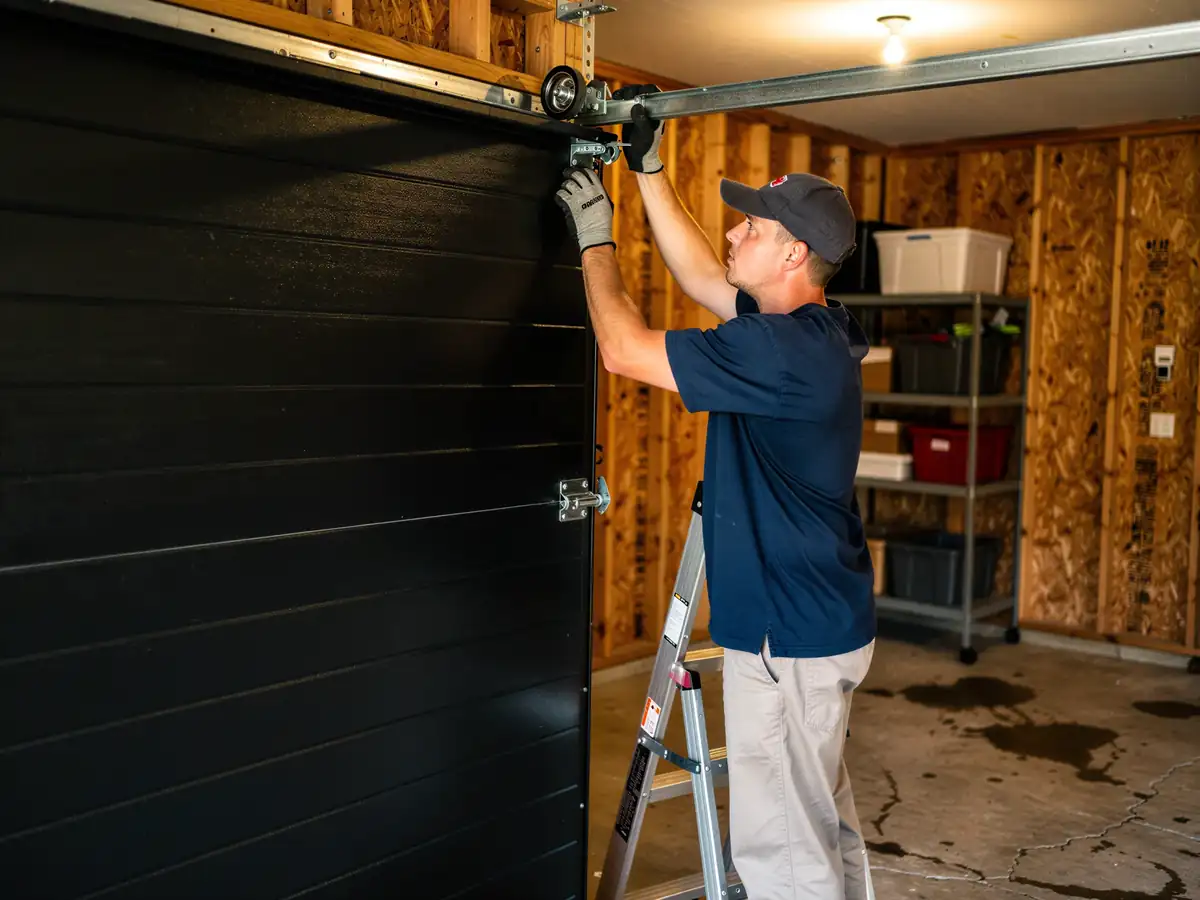
Another pattern on 1980s-built houses: galvanized rollers that have worn oval instead of round, which shows up as a rhythmic thump every few feet of travel. It sounds like an opener problem and it almost never is.
Stocked Parts
We carry common torsion spring sizes, standard rollers, cables, and hinges on the truck, which covers most of what fails on doors from the 1967-2004 building era this part of the service area falls into. What we don't carry standing inventory for is a specific replacement panel to match an older door's exact color and ribbing, or a less common opener circuit board - those get special-ordered once we've confirmed the make and model at your house.
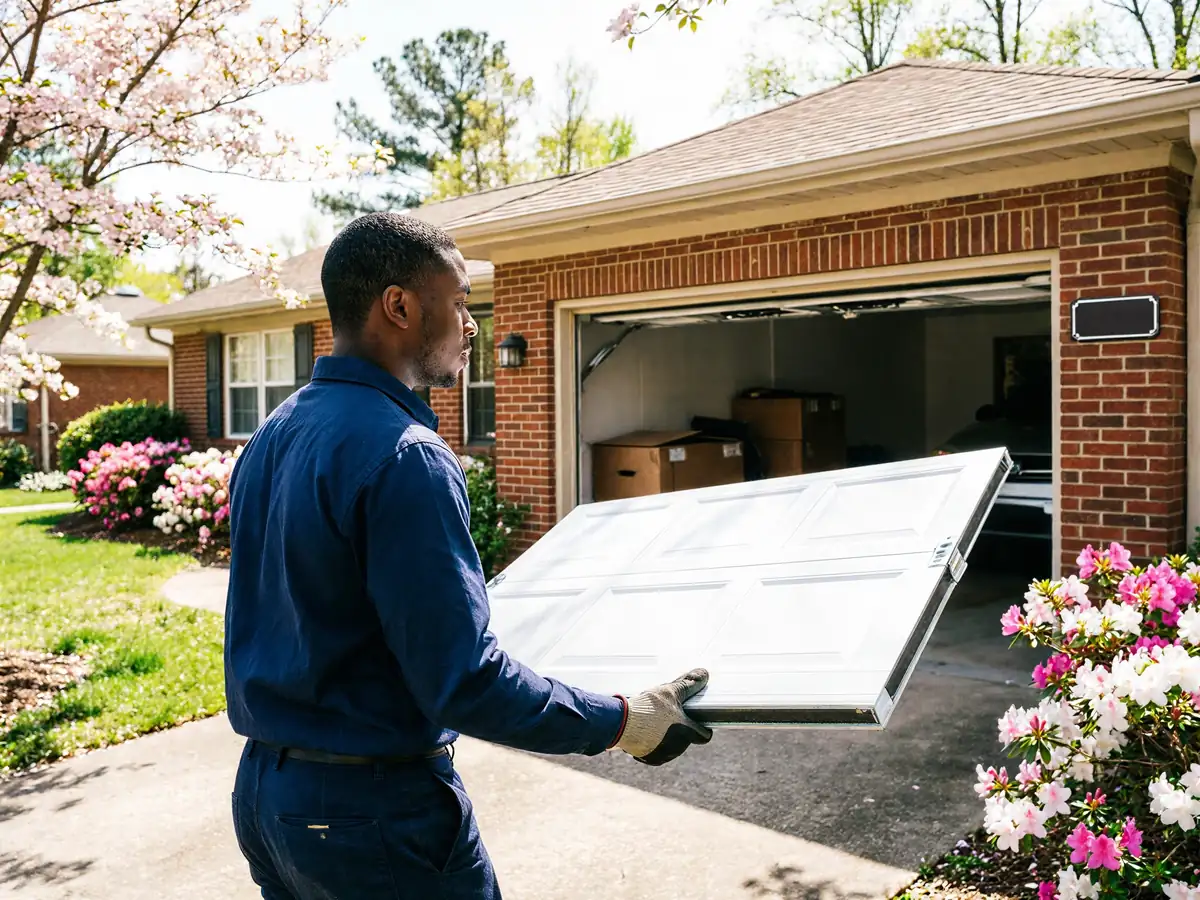
If your door is original to a mid-80s build and a single panel is dented or rusted through, matching it exactly often isn't possible anymore; we'll tell you honestly when replacement makes more sense than patching one section onto a door that's otherwise sound.