Can You Do This Yourself
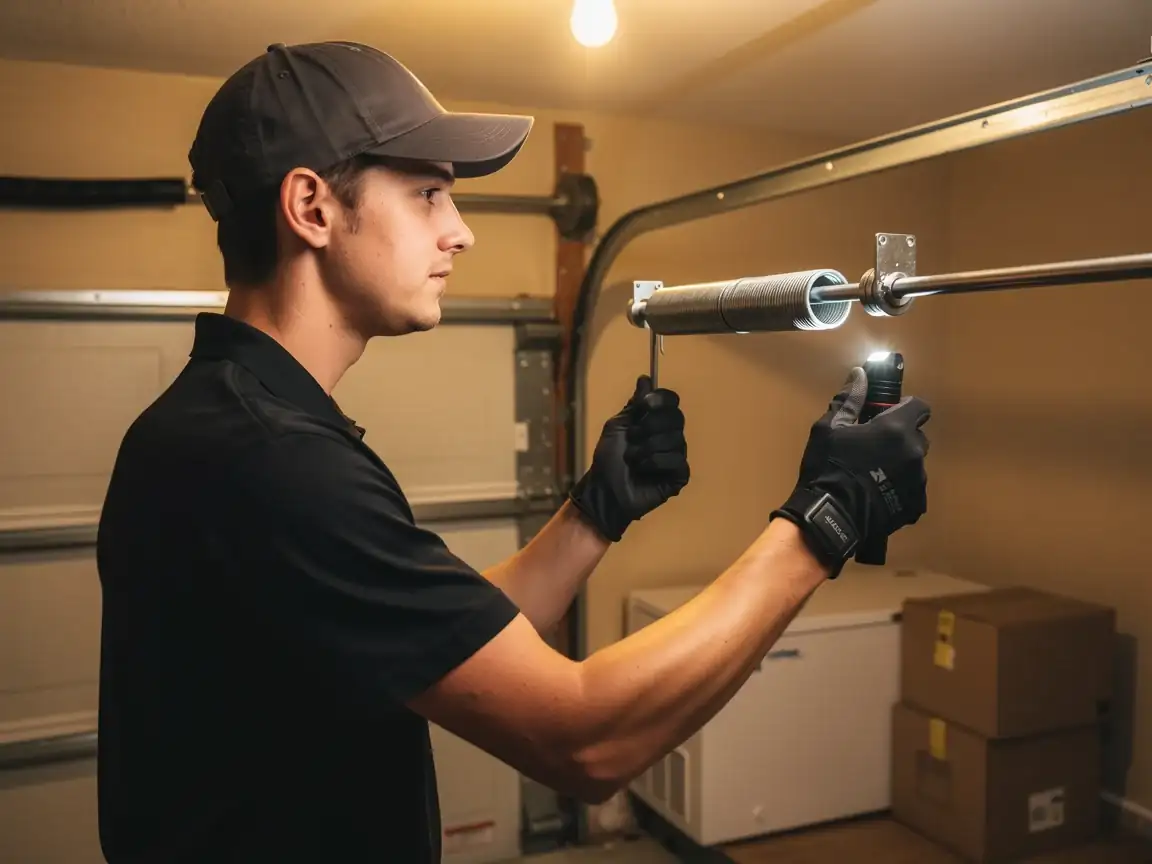
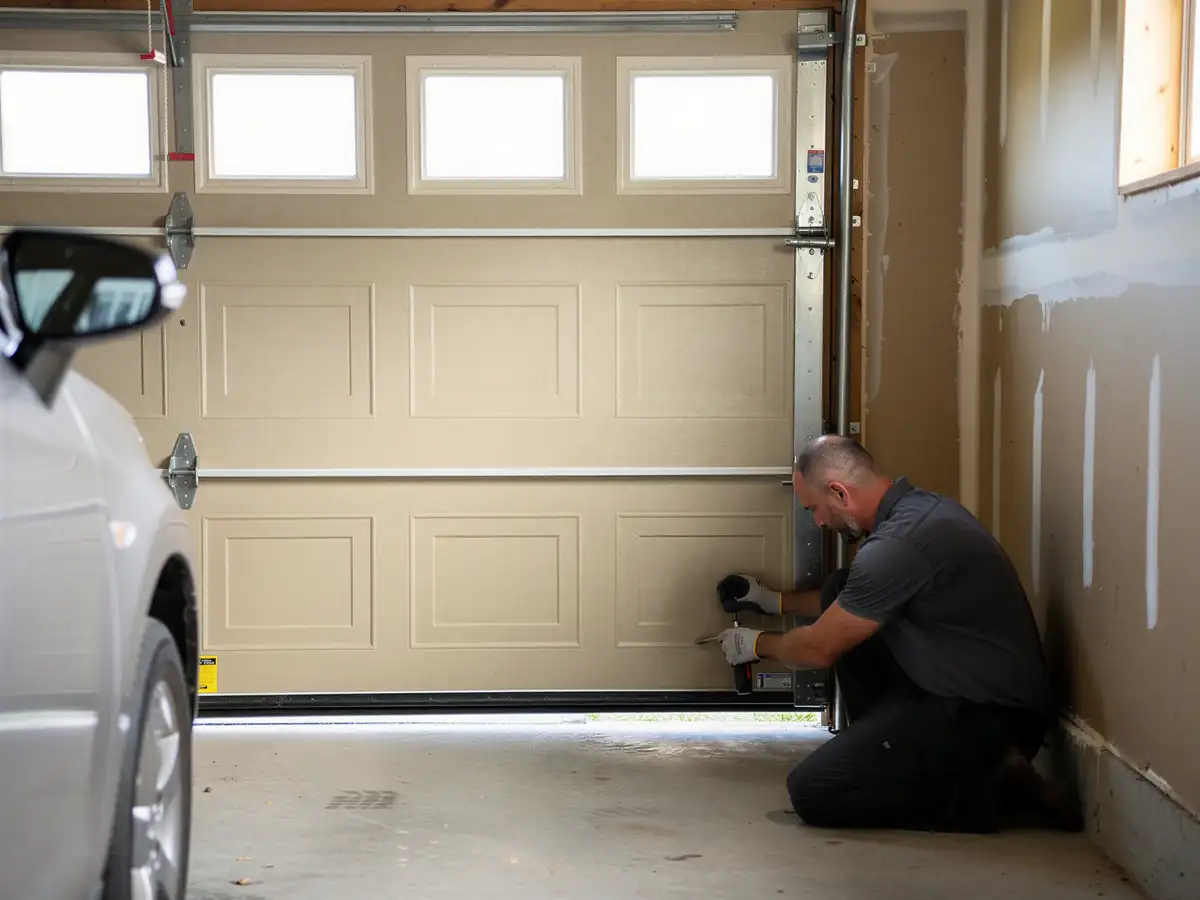
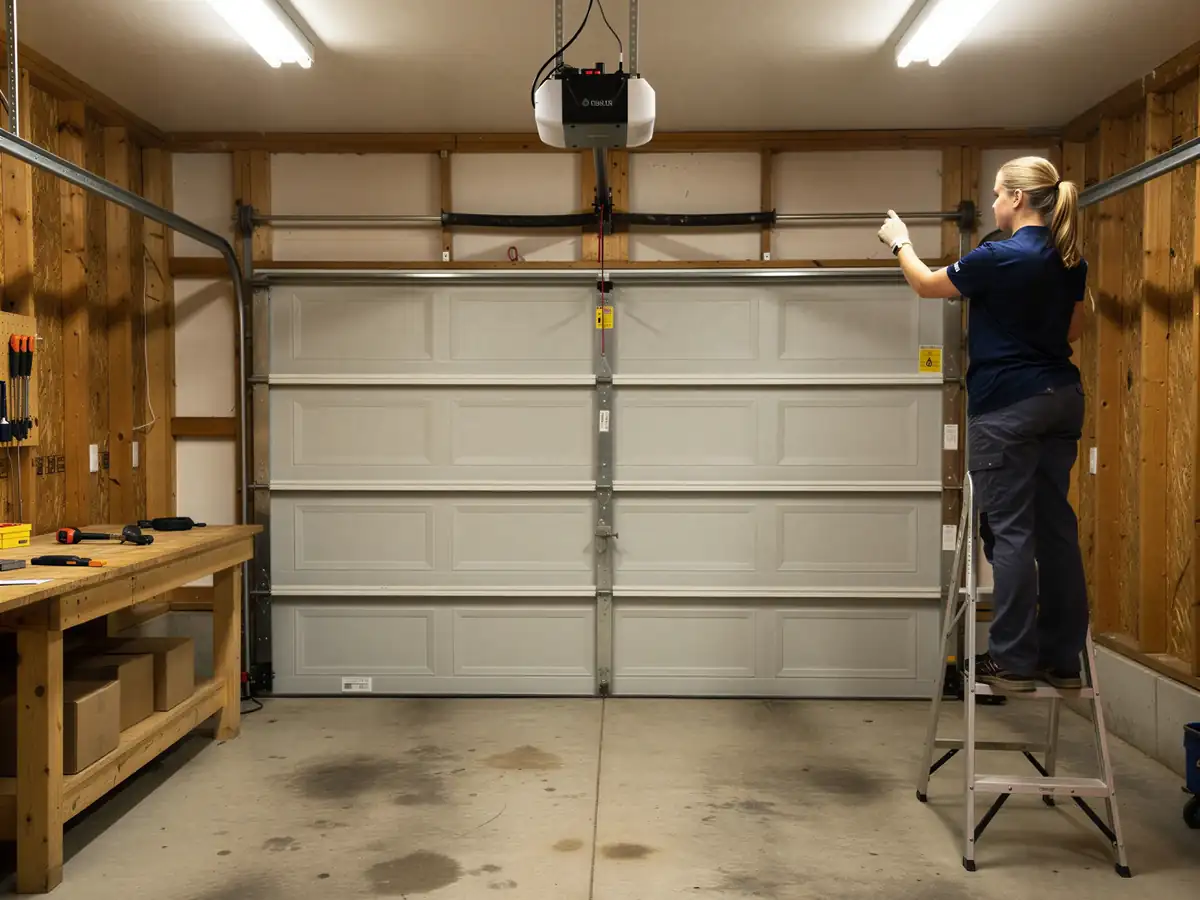
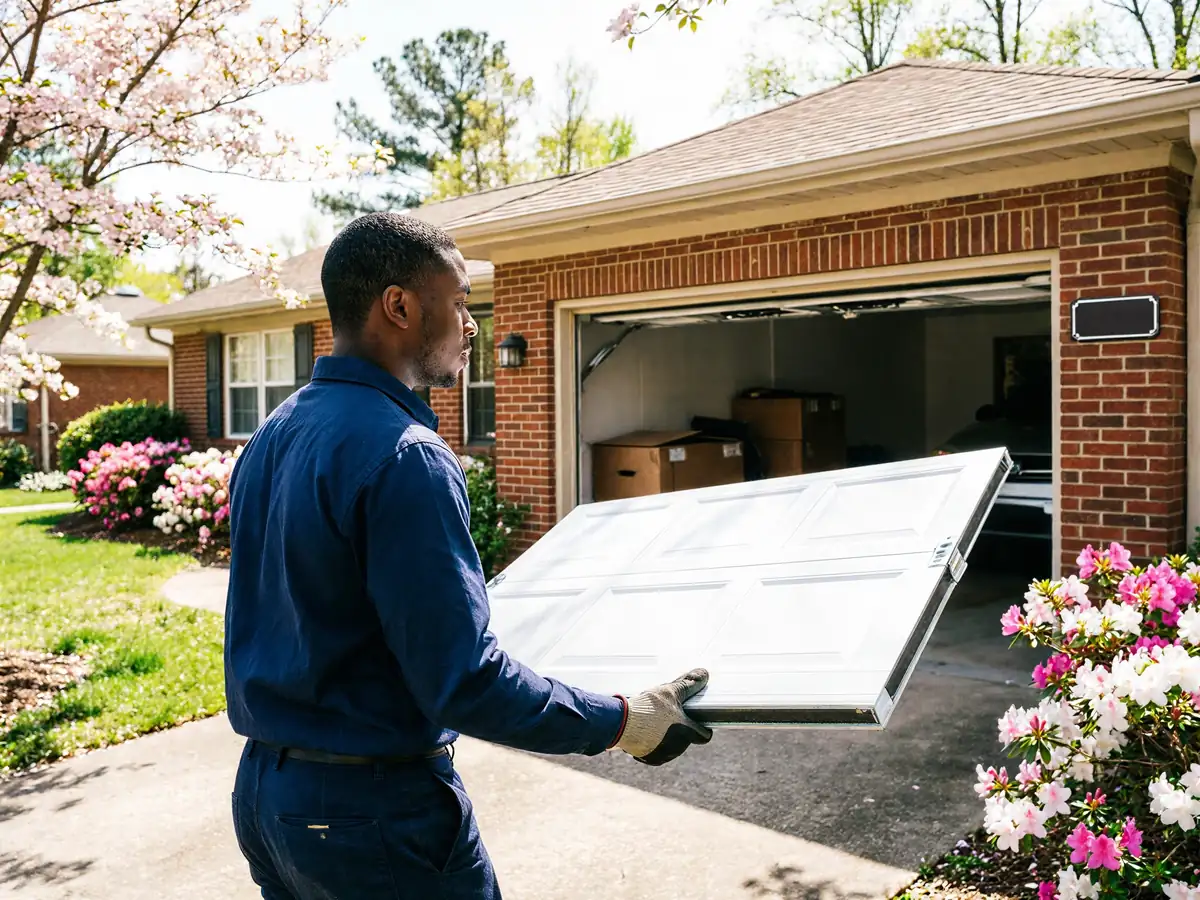
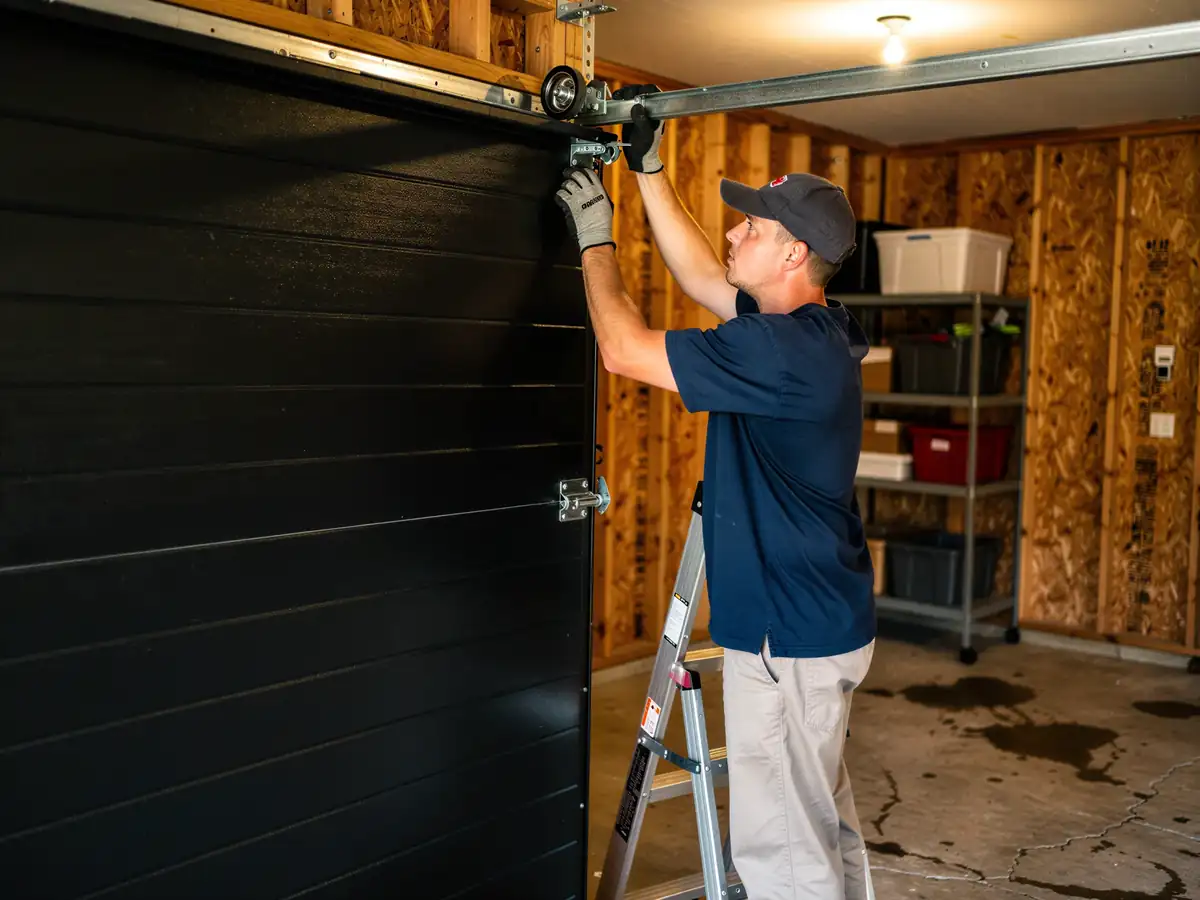
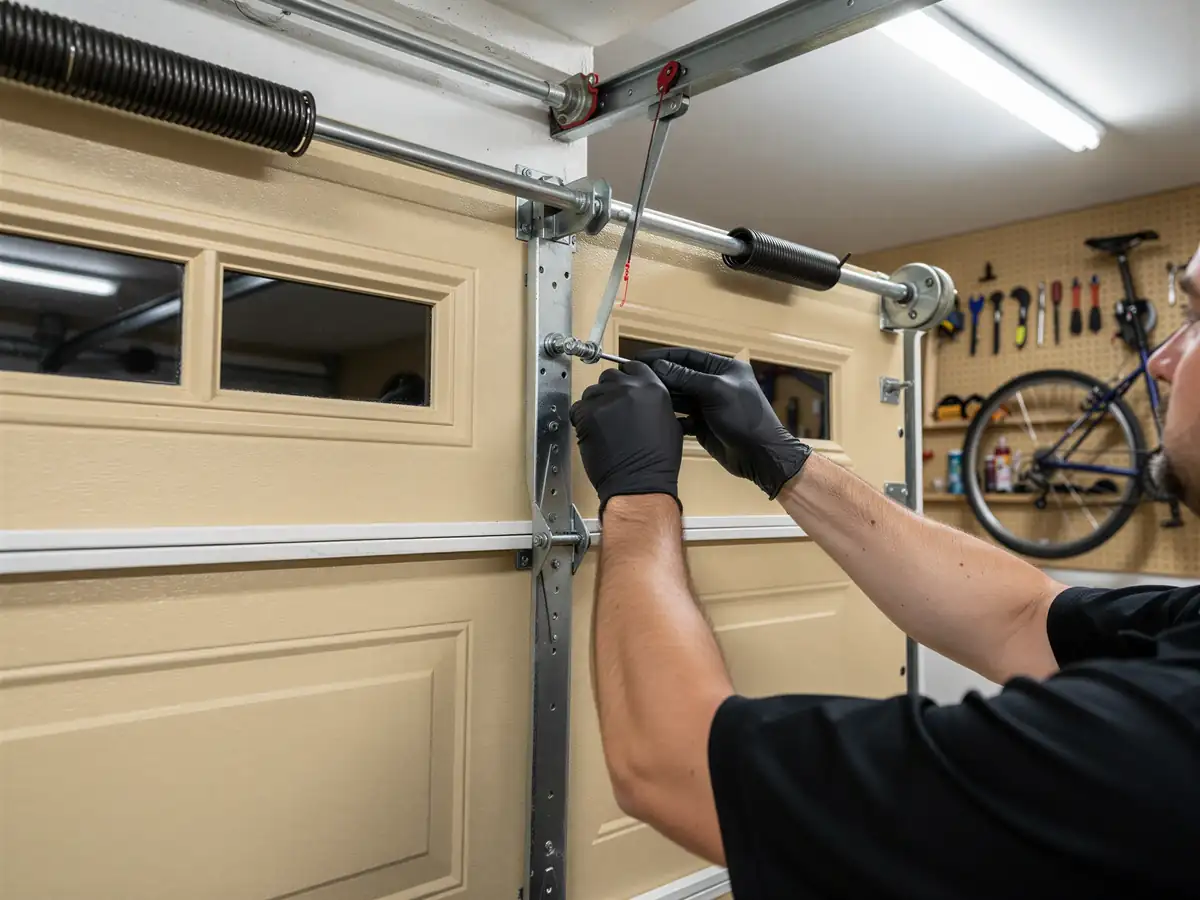
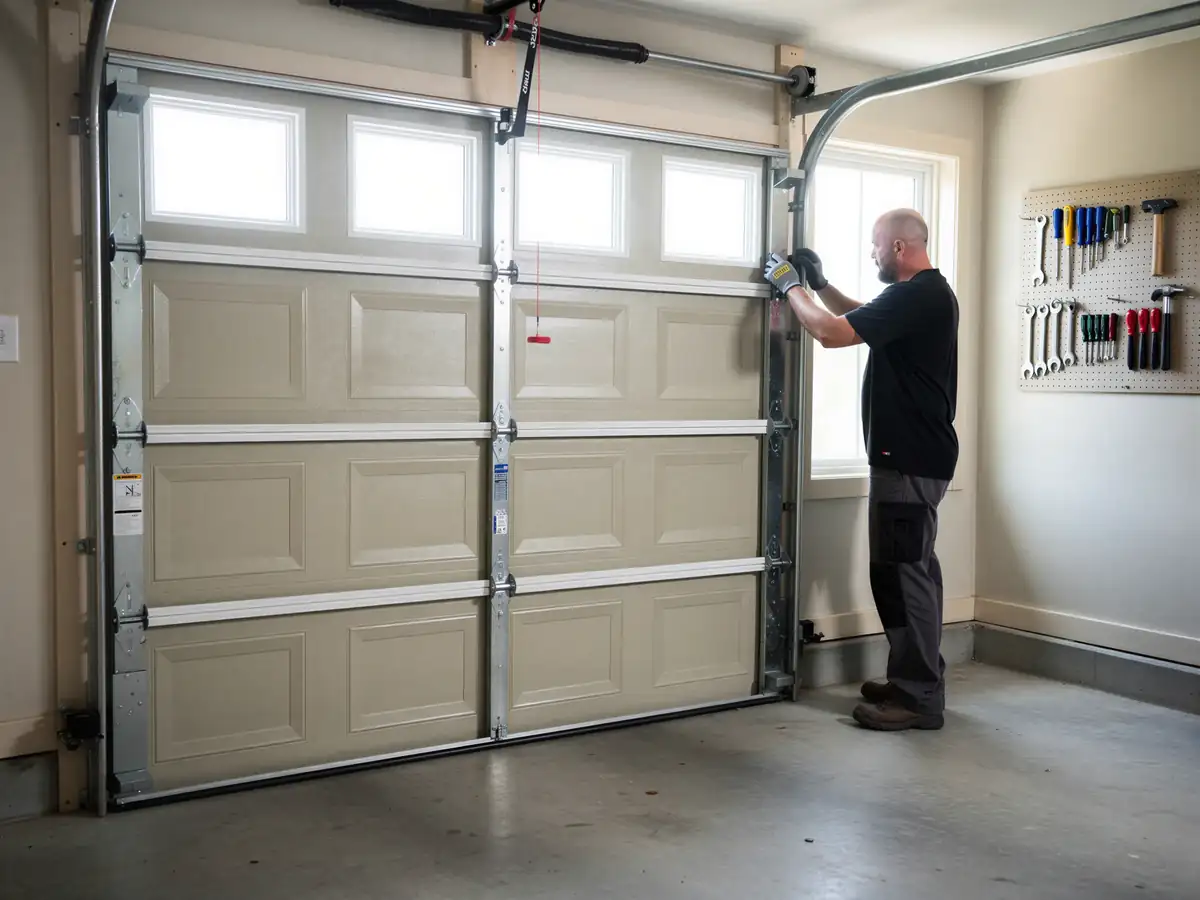
If your house in Soddy-Daisy went up around the area's typical build year of 1985, there's a decent chance the door, the opener, and the torsion spring are all original. That's close to forty years on hardware that was rated for a couple decades of cycles at best. A full tear-out and new install is not a one-person Saturday job. You're dealing with a torsion spring under real load, track that has to be plumb on both sides, and an opener that needs the travel limits and force settings dialed in so it doesn't crush a bumper or a kid's bike. Swapping a panel on a door you already have is sometimes manageable. Replacing the whole unit - door, track, springs, opener - is where we see the most callbacks from DIY attempts that went sideways. We'll say plainly: if you're comfortable with a torque wrench and you've watched someone do this before, the labor itself isn't exotic. What trips people up is sourcing a door sized right for a 1980s-era opening, since framing dimensions from that era don't always match what's on the shelf at a big box store today.
What You Are Seeing
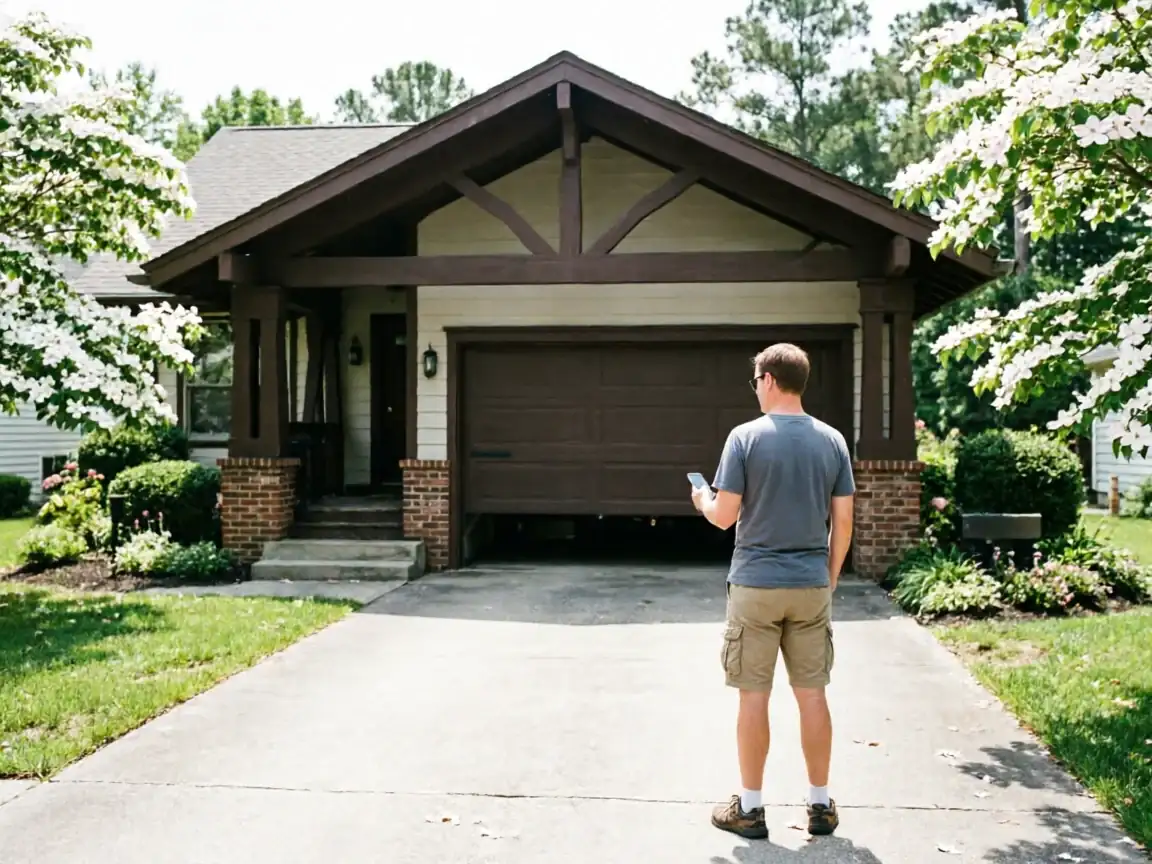
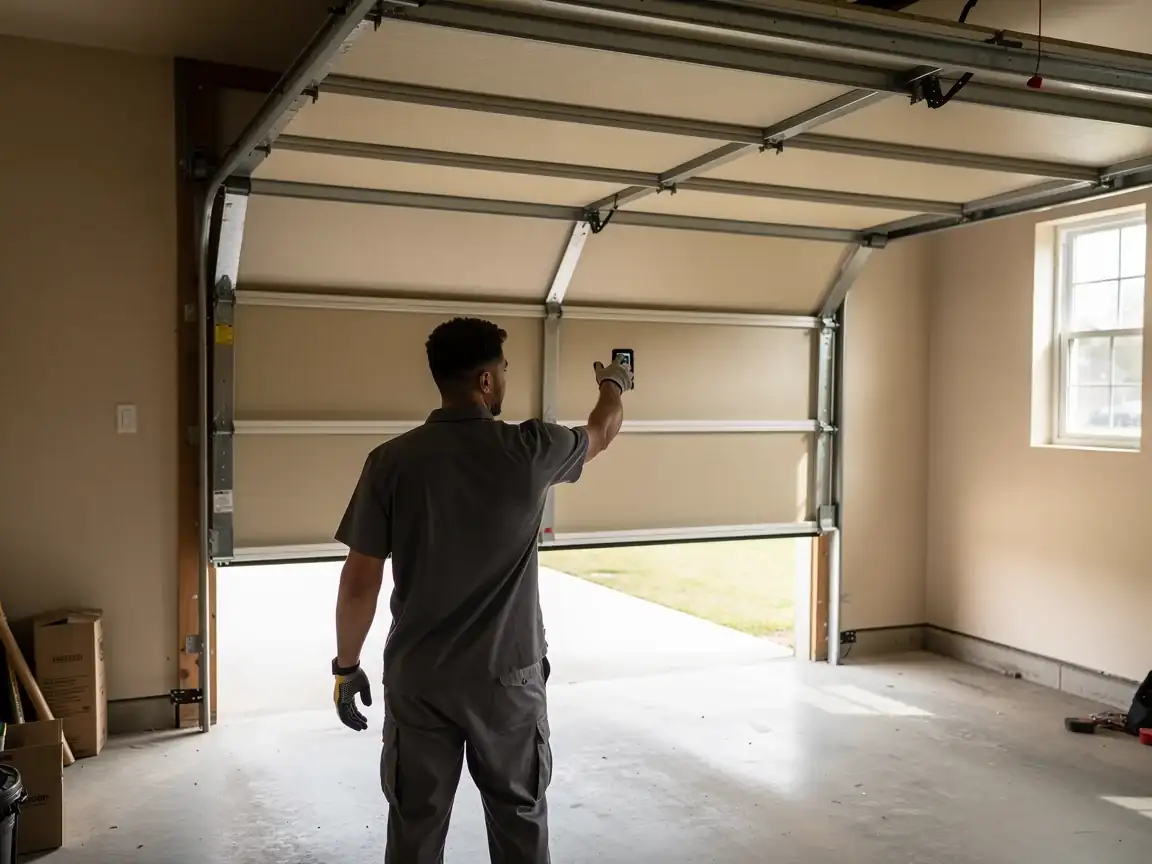
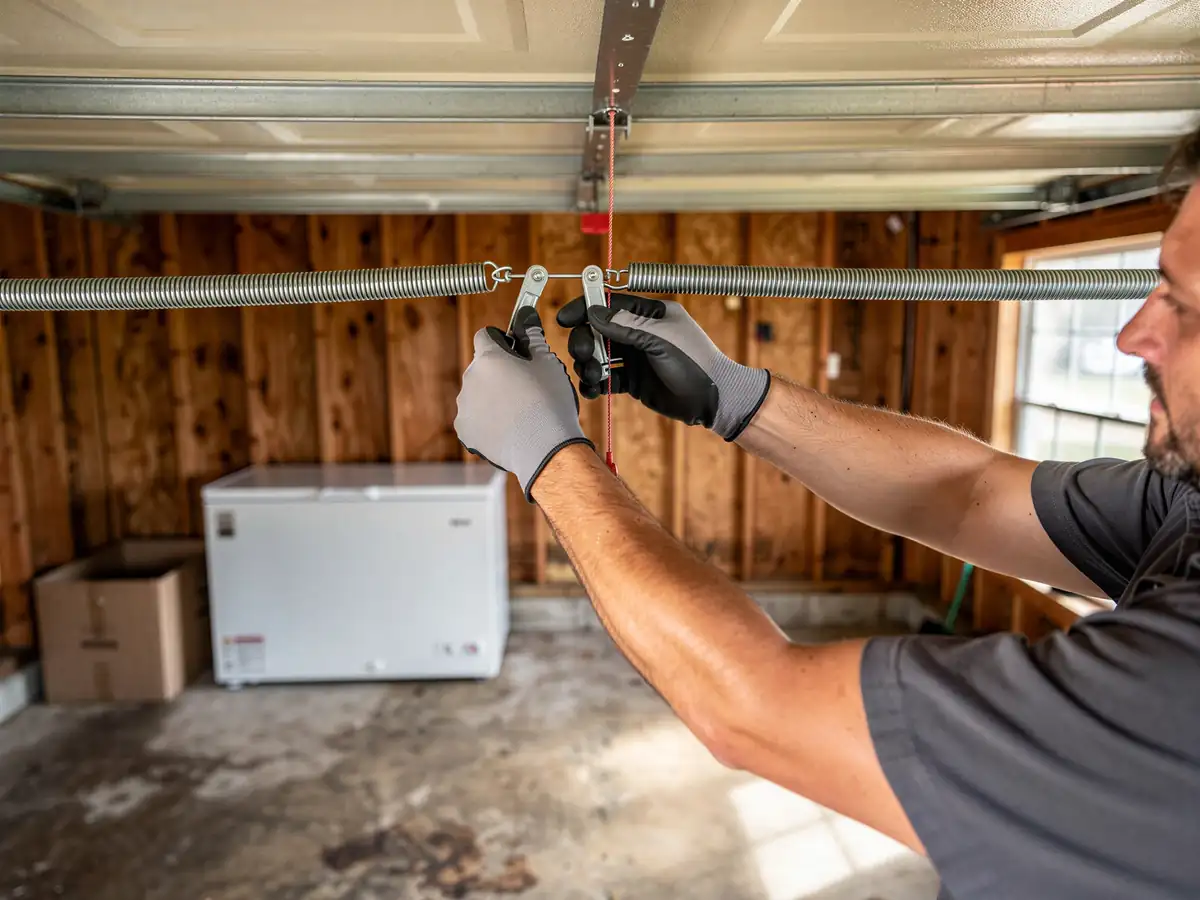
With roughly 5,199 households in Soddy-Daisy and a median build year around 1985, a lot of the garages here are hitting the point where cosmetic wear and real hardware fatigue show up together. You'll see a door that still looks fine from the driveway but groans going up, an opener that trips the safety reverse for no clear reason, or a spring that's visibly stretched past its coils' original gap. Cold winter mornings put extra strain on an aging spring and on steel panels that have gone brittle with age, which is common across this part of the service area given the moderate cold climate here. If your opener predates the mid-1990s rolling-code standard, that's also worth flagging - older fixed-code remotes are easier to clone than most owners realize. None of this means a full replacement is automatically the right call. Sometimes a spring swap and a new opener head buy you another decade. We'll tell you which situation you're in rather than default to selling the bigger job.
Stocked Parts
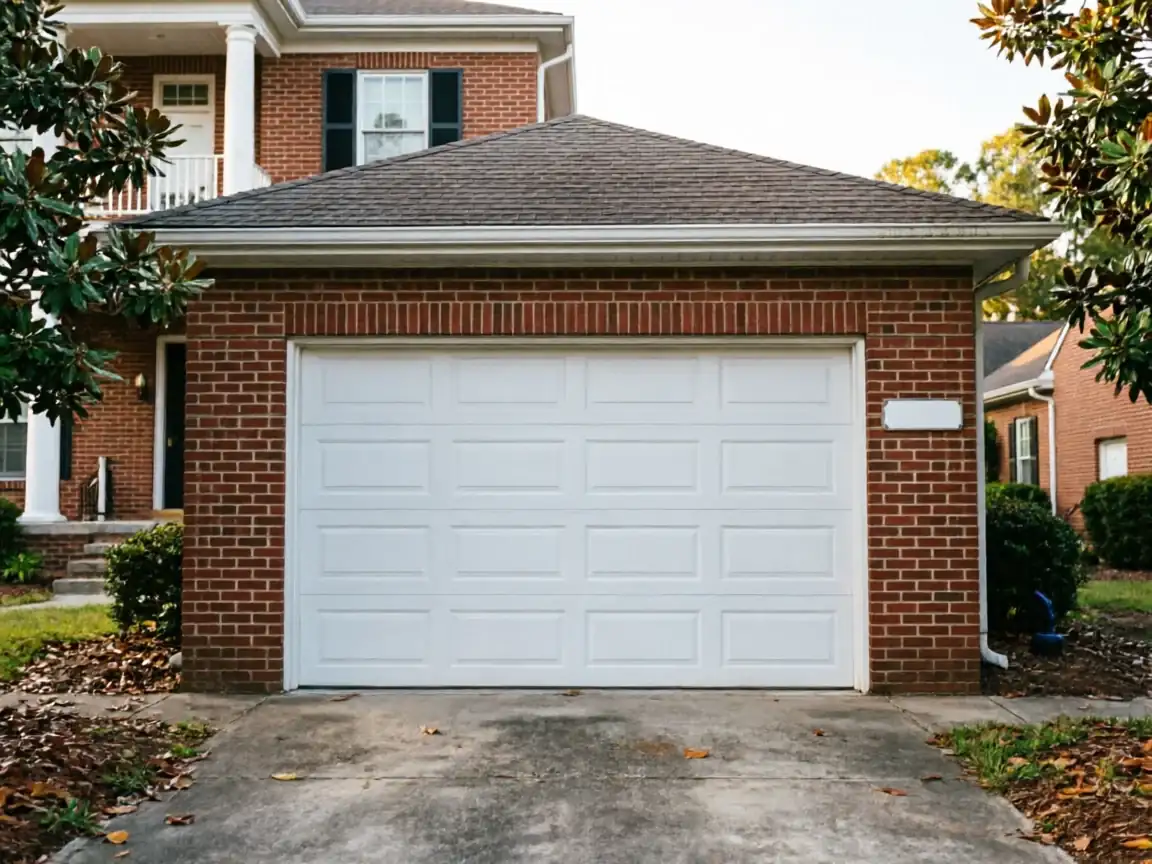
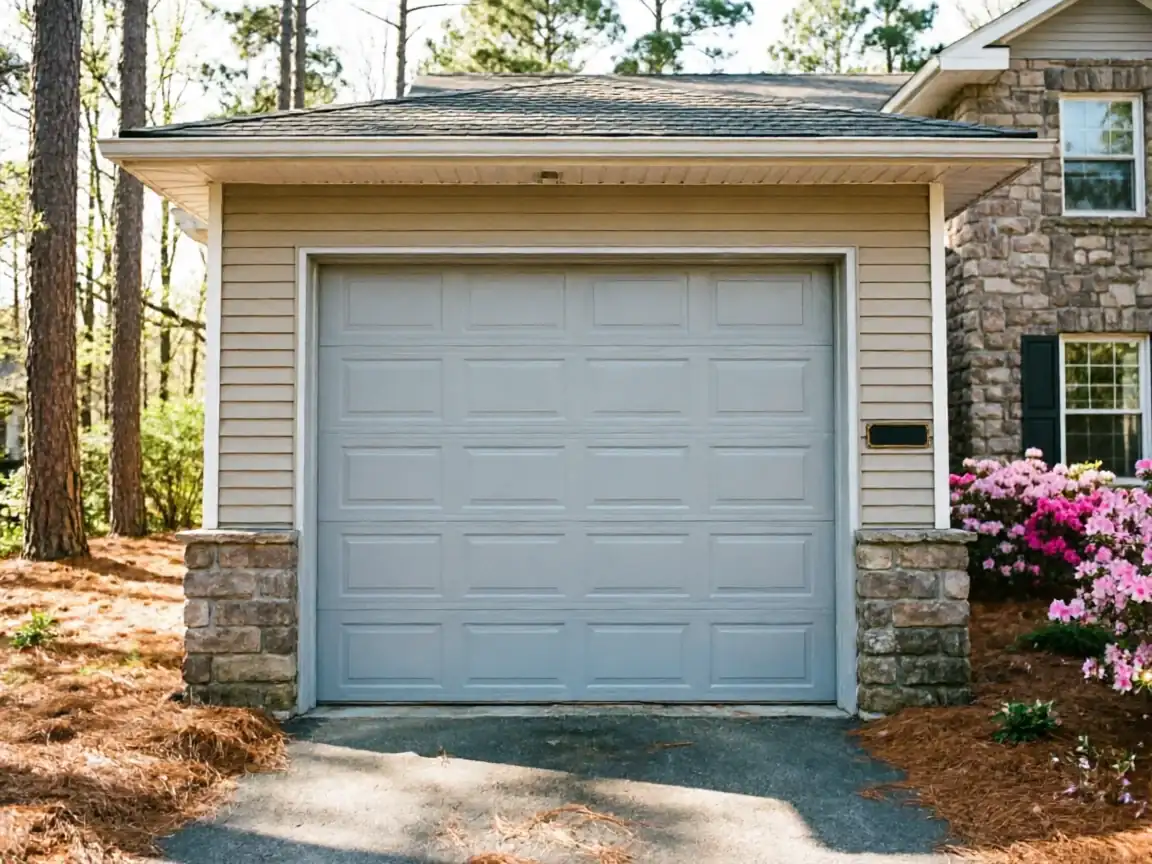
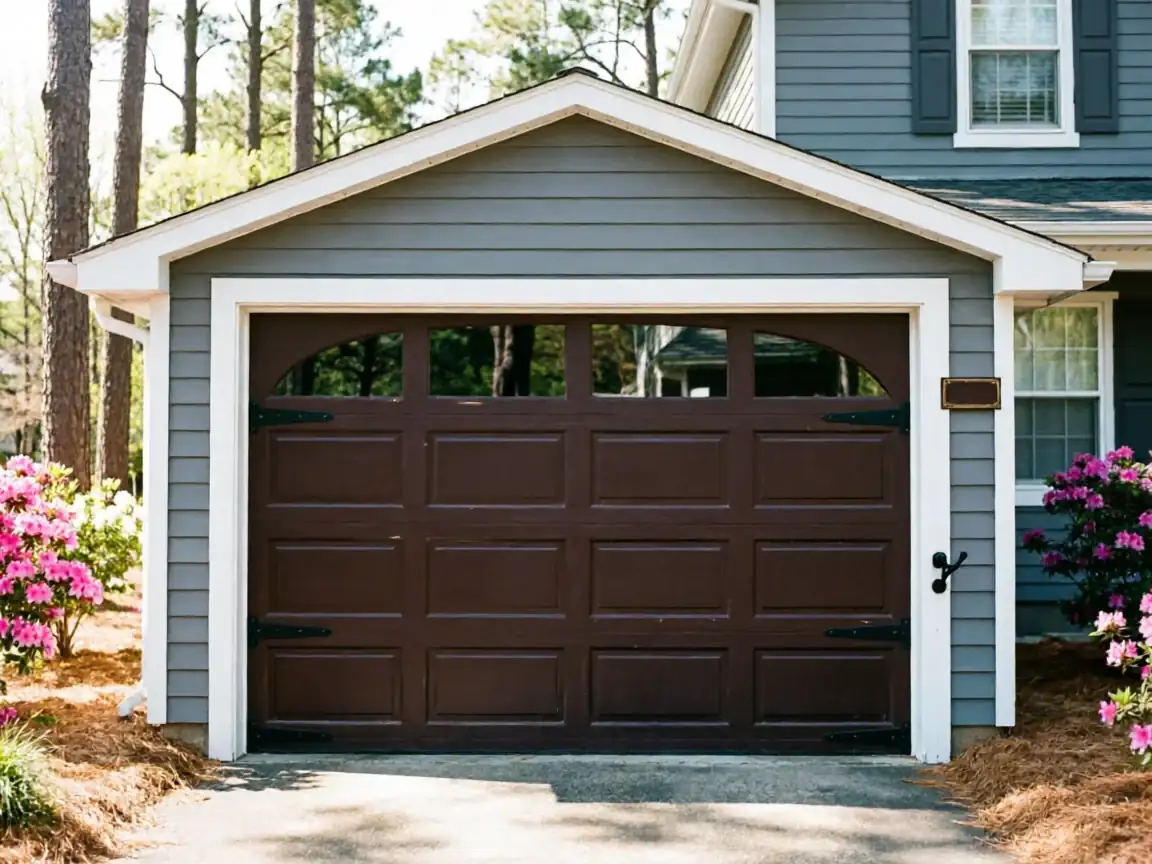
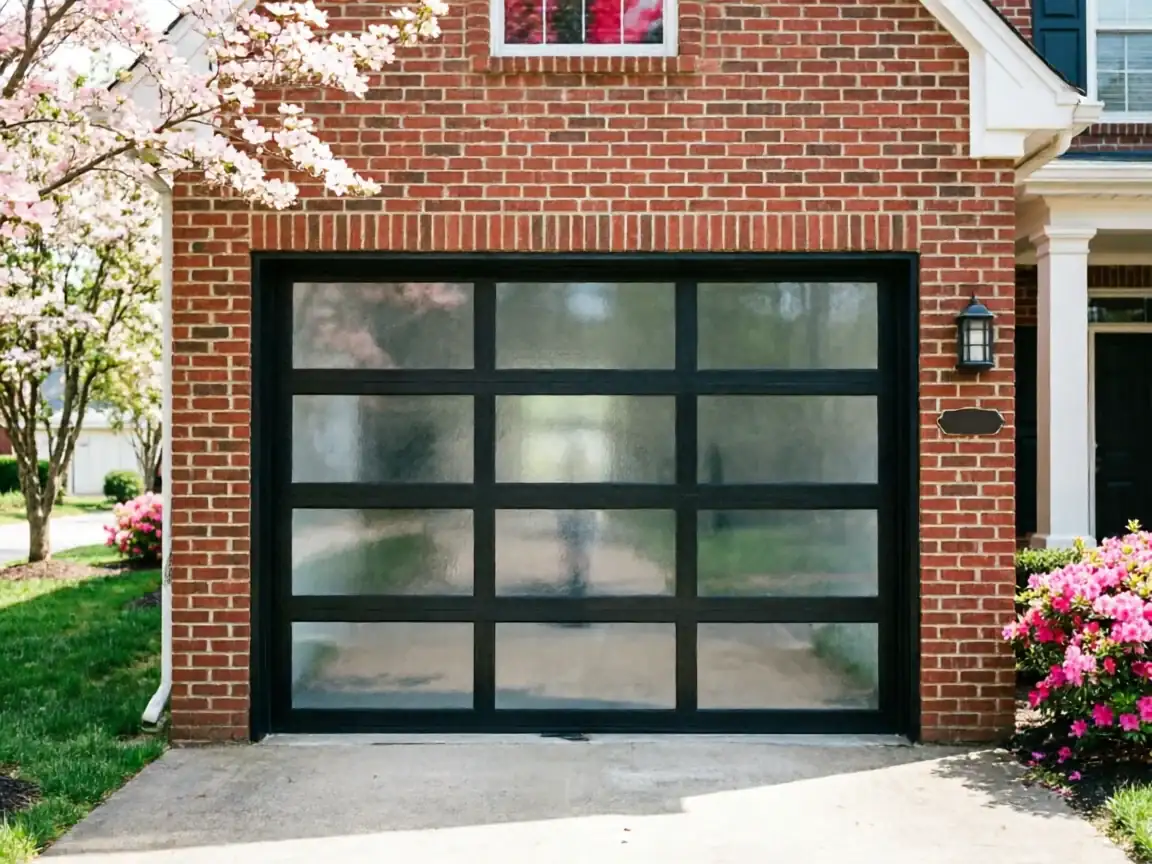
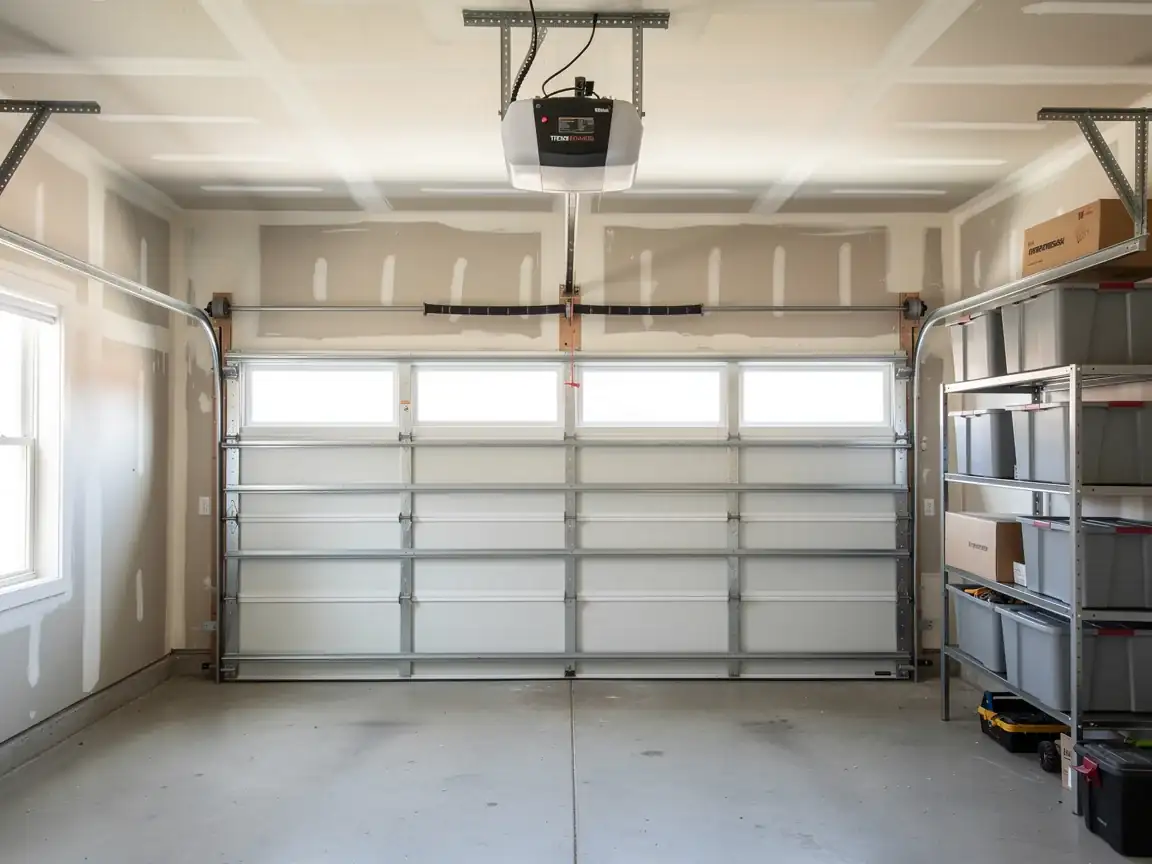
For a full new install, the parts that matter are the torsion spring rated for your door's weight and width, the track and roller set, and the opener itself. Doors sized for openings common in the area's mid-1980s construction - standard 16-foot doubles and 7-foot singles - are stock sizes we carry regularly, so lead time on the door itself usually isn't the holdup. Where we sometimes wait is on insulated doors with a specific panel style or window cutout, since those come from the manufacturer rather than off our truck. Springs are sized to the door at time of install, so there's no universal part sitting around for every job - we size and cut on site or bring the correct spring based on the measurements you gave us ahead of time. We won't install a mismatched spring just to save a trip; an undersized spring on a double door fails fast and it's not a safe shortcut.