Can You Do This Yourself
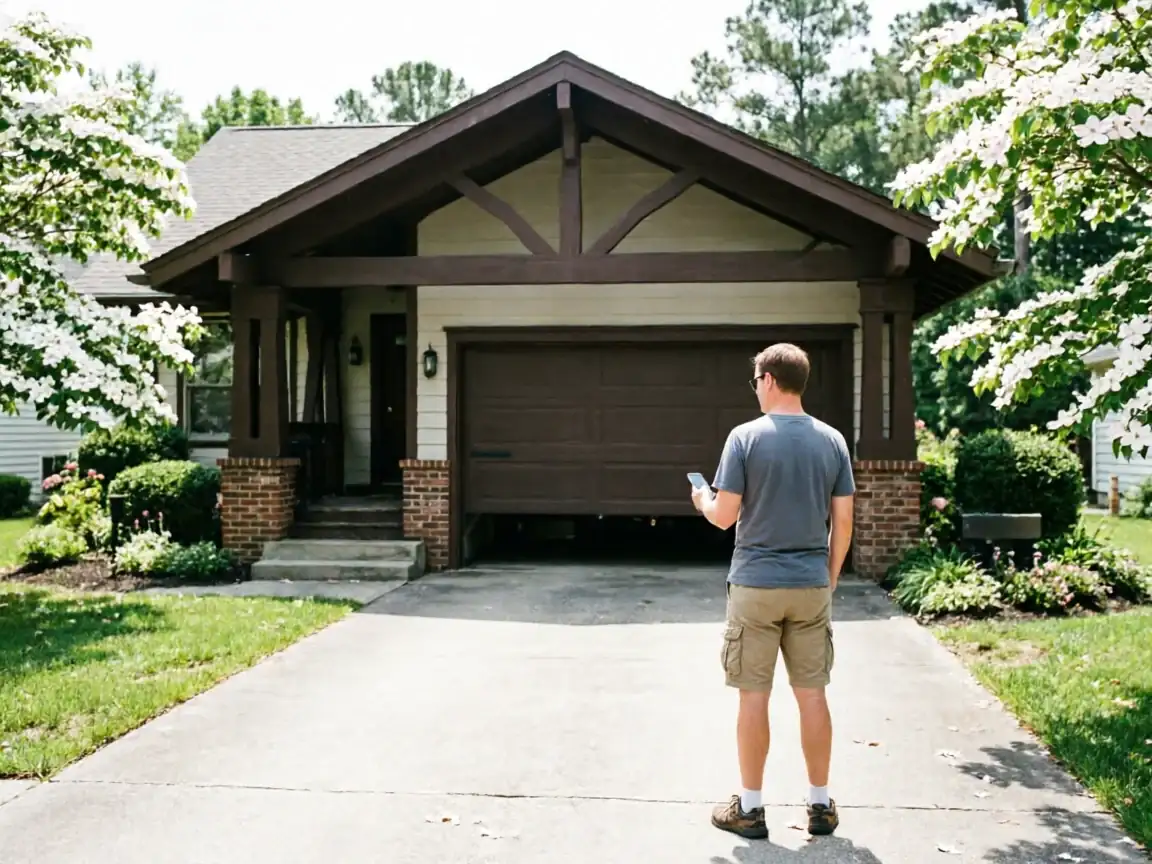
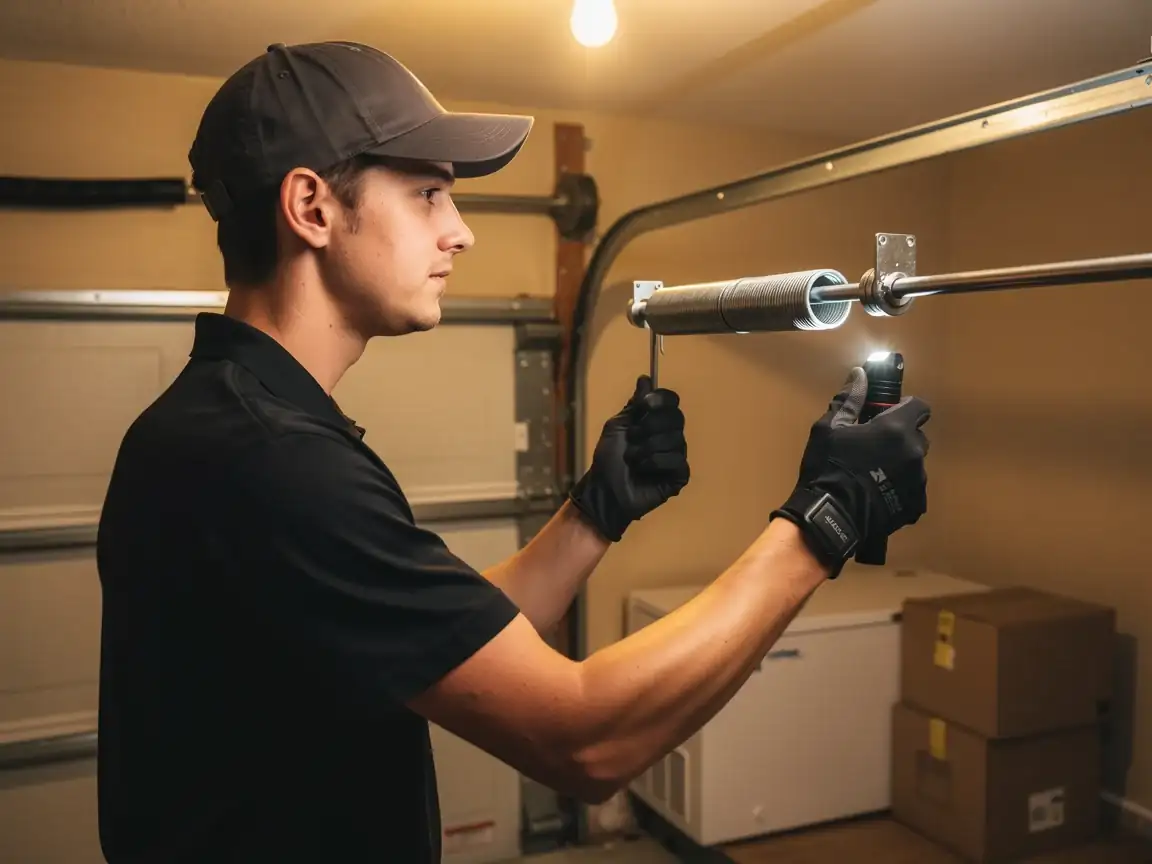
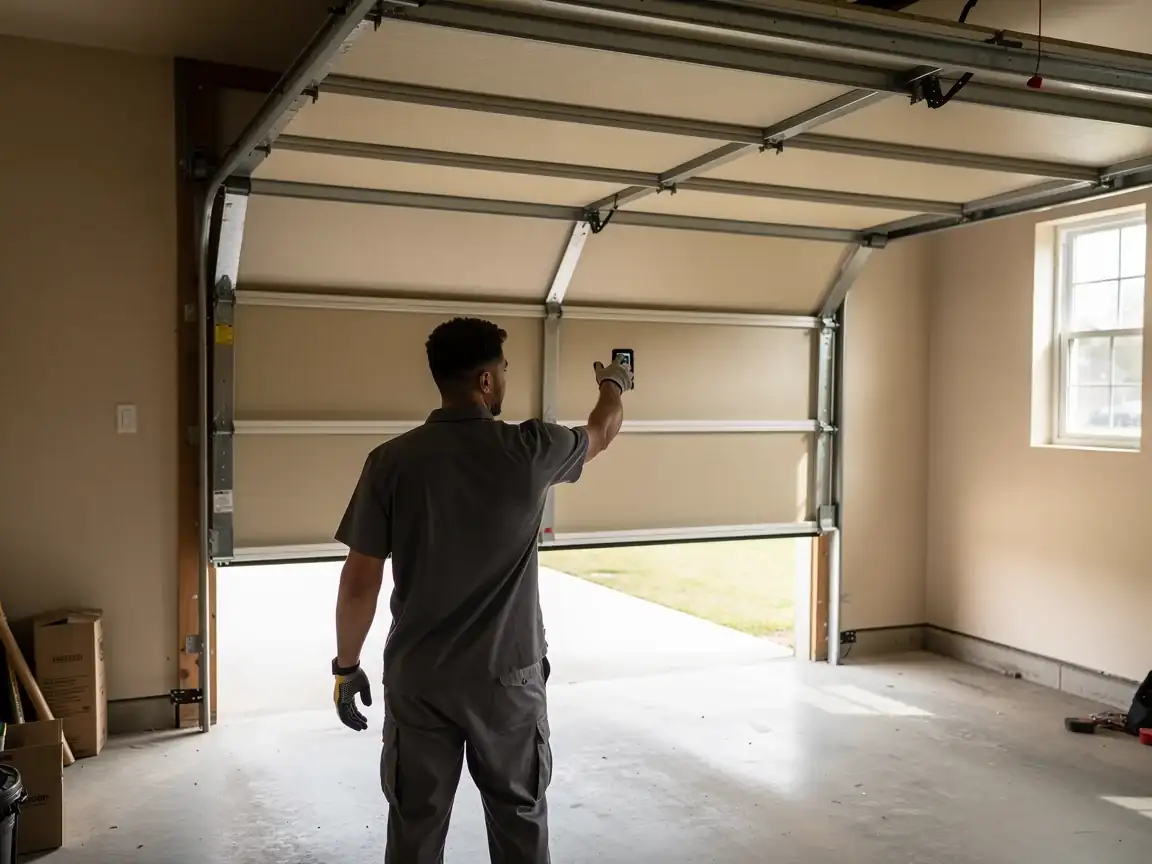
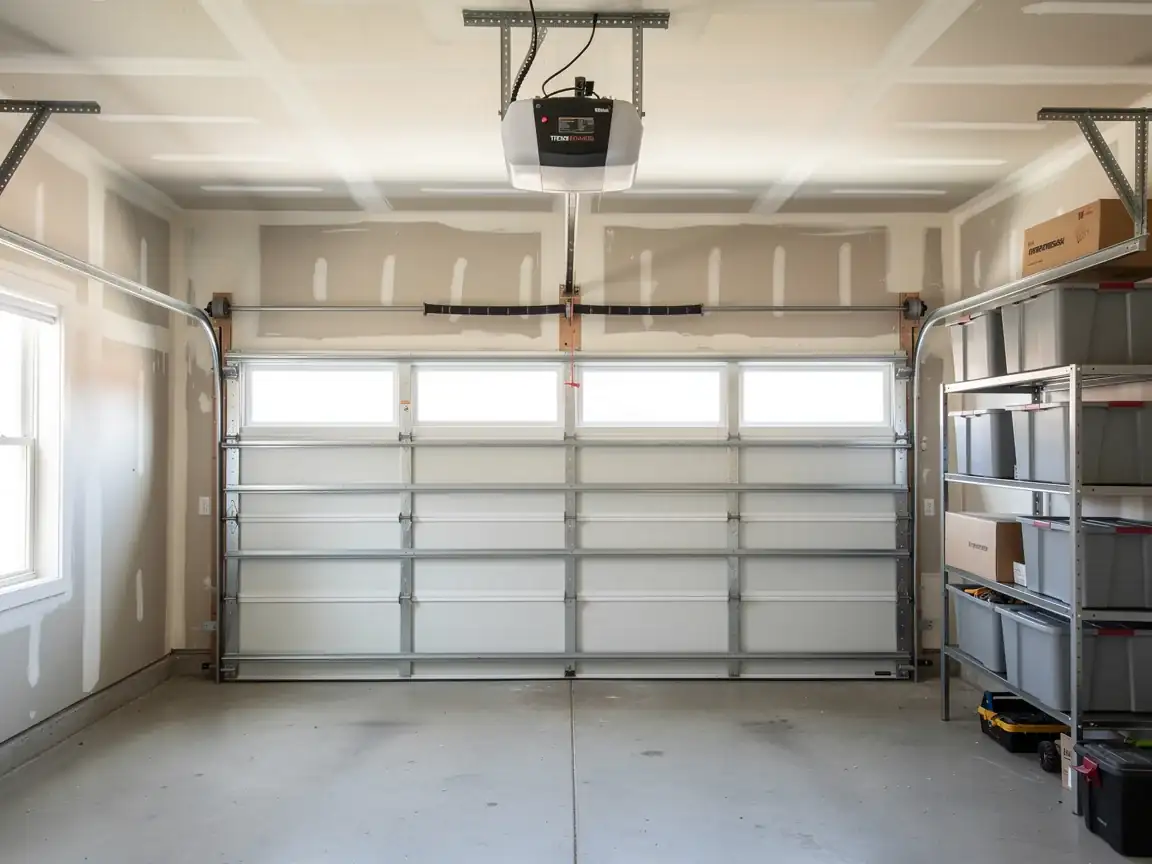
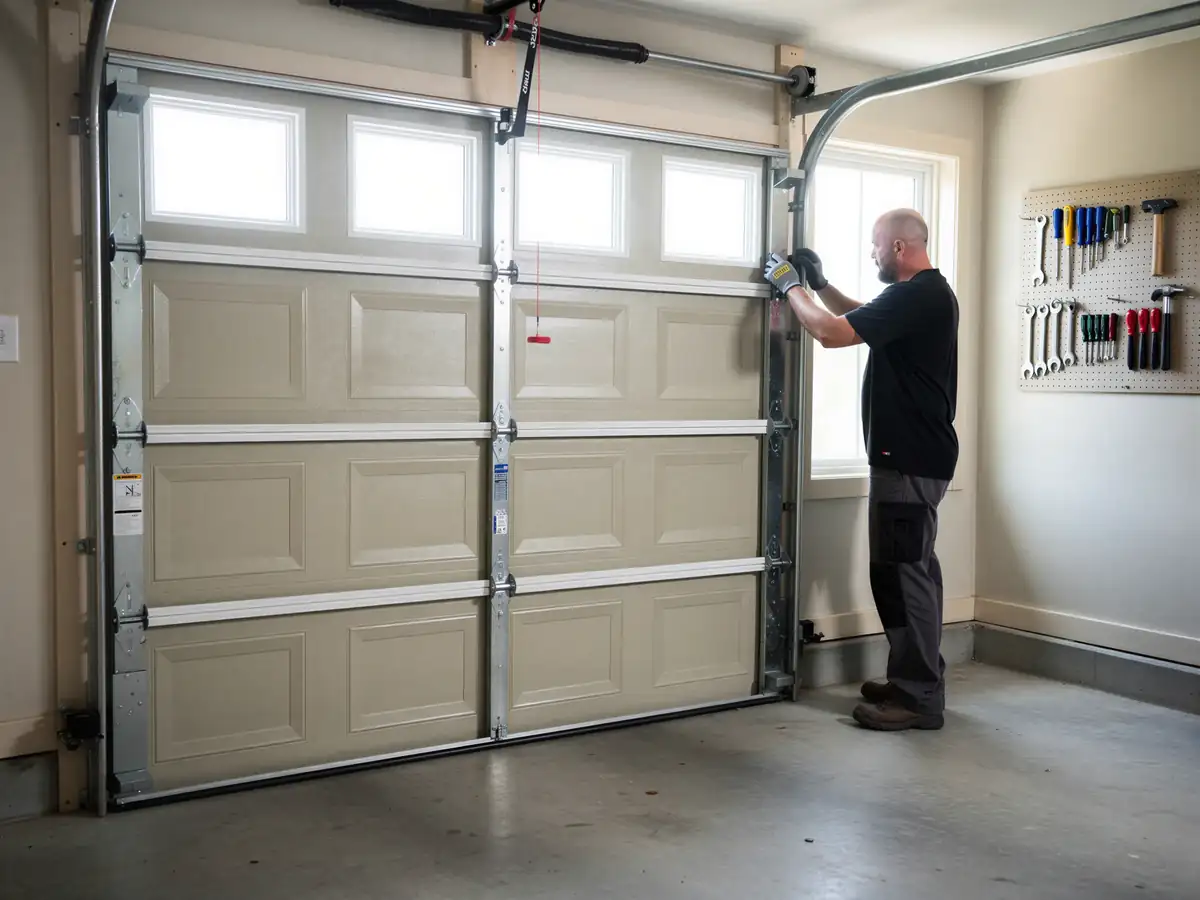
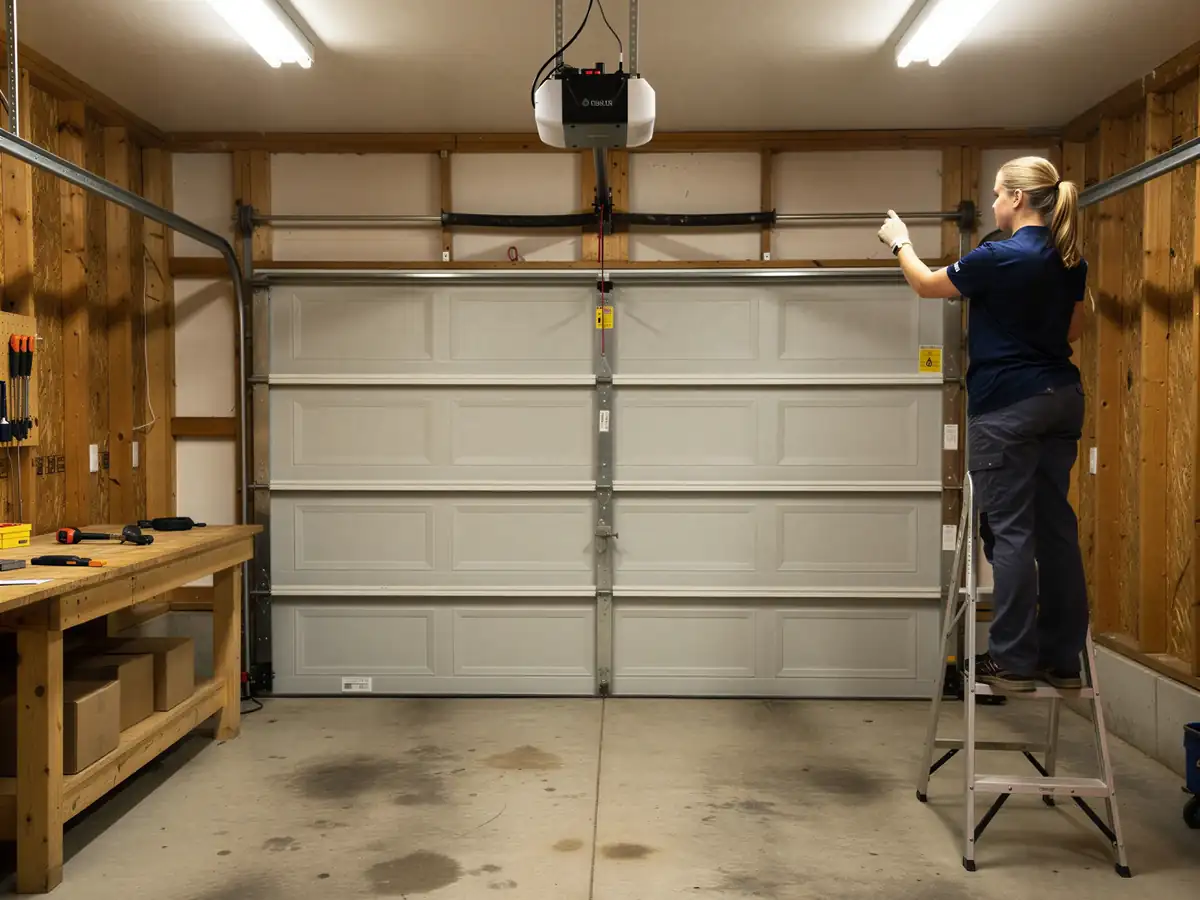
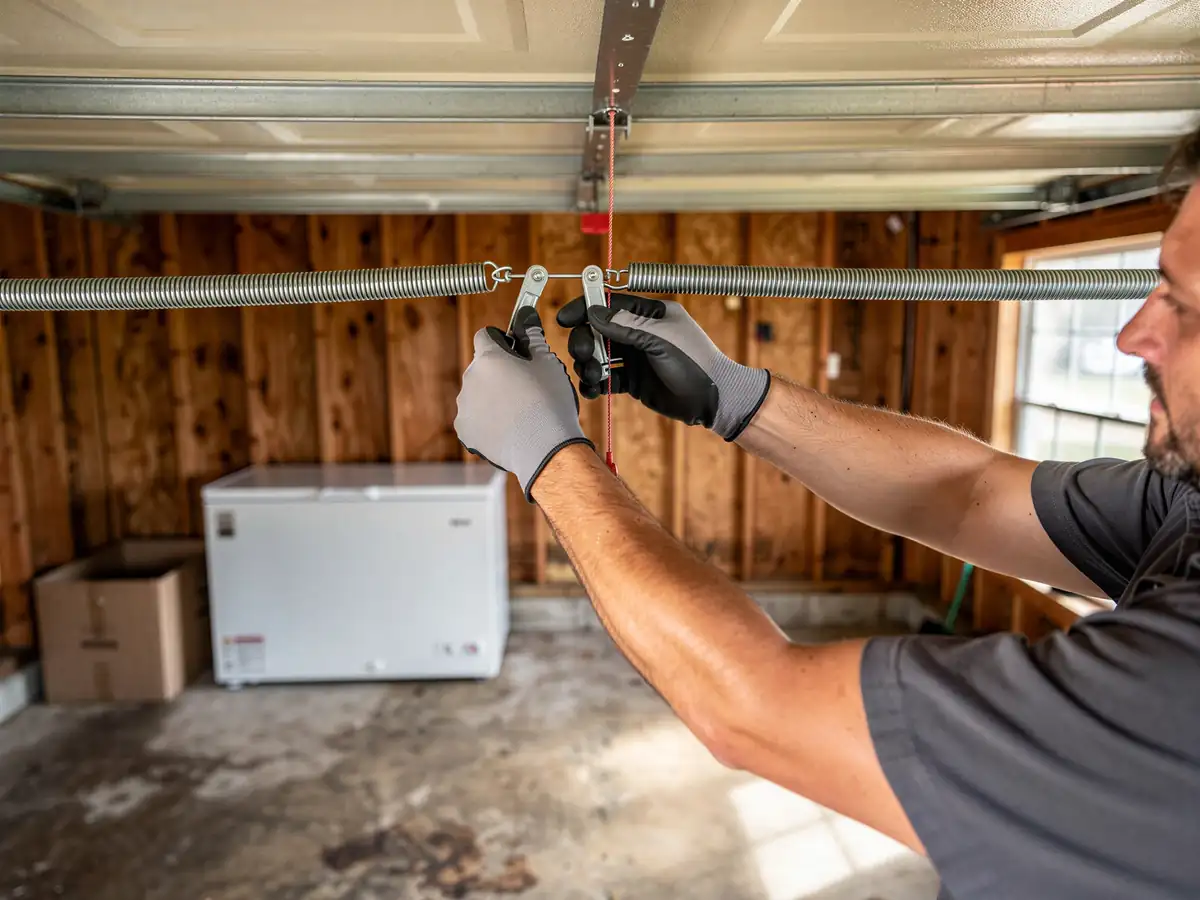
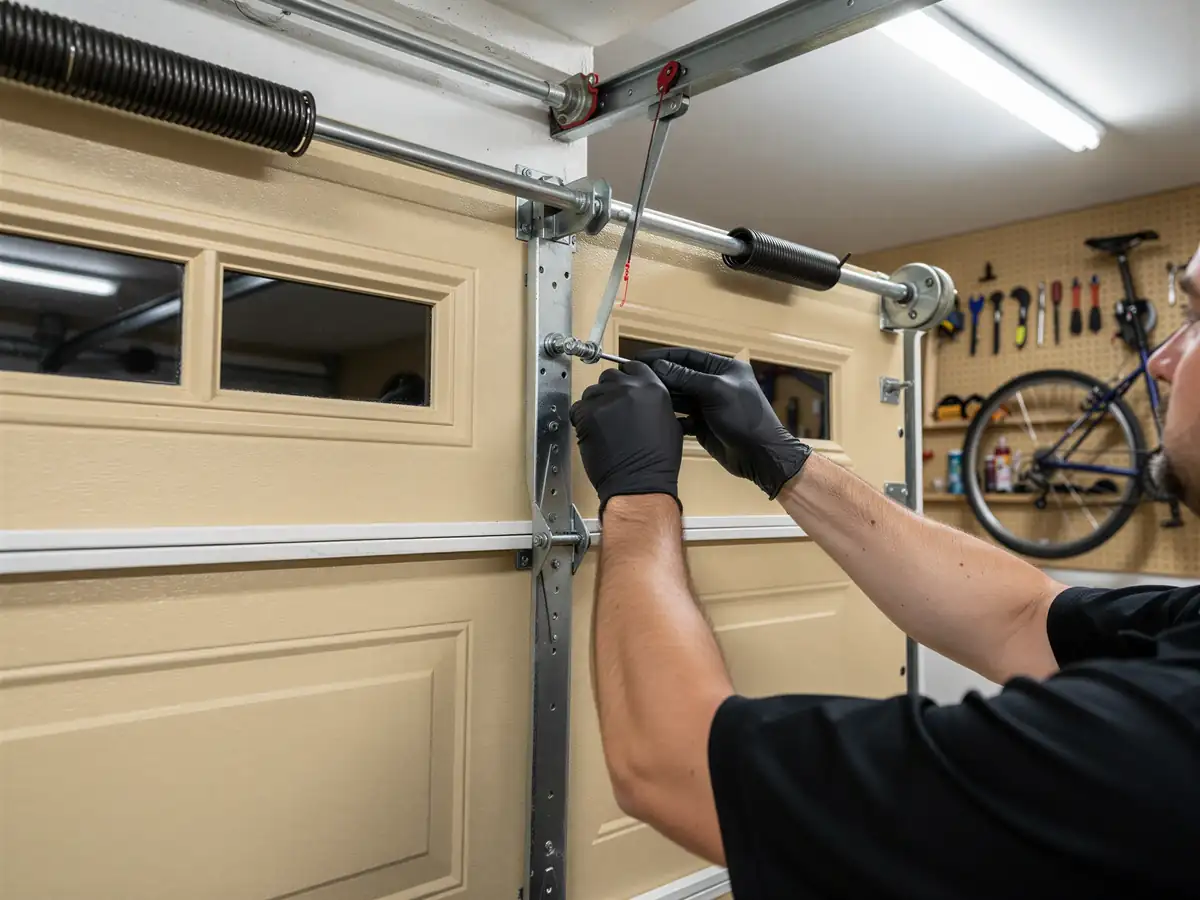
Soddy-Daisy's housing stock centers on 1985, which puts most garage doors here a notch newer than what you'll find closer to the Cleveland side of the service area, where the median build year runs to 1984 across a much larger, older mix of neighborhoods. That one-year difference sounds small until you're standing in front of the opener. A mid-80s door usually means a steel section door on a extension or early torsion setup, not the older hardware you'd find on a house built in the 1960s or 70s. If your opener won't respond, check the wall switch first, then the breaker - that's a five minute job. Past that, torsion springs are not a DIY repair. They're wound under enough tension to break a bone, and on a door this age the spring has likely never been replaced, so it's near end of life regardless of what else is wrong. If the door won't budge and you hear a bang before it stopped moving, that's a broken spring. Stop there and call. Anything involving the spring, the cable, or pulling the door apart to inspect the drum is where we draw the line between what you can look at and what you should let a tech handle.
What You Are Seeing
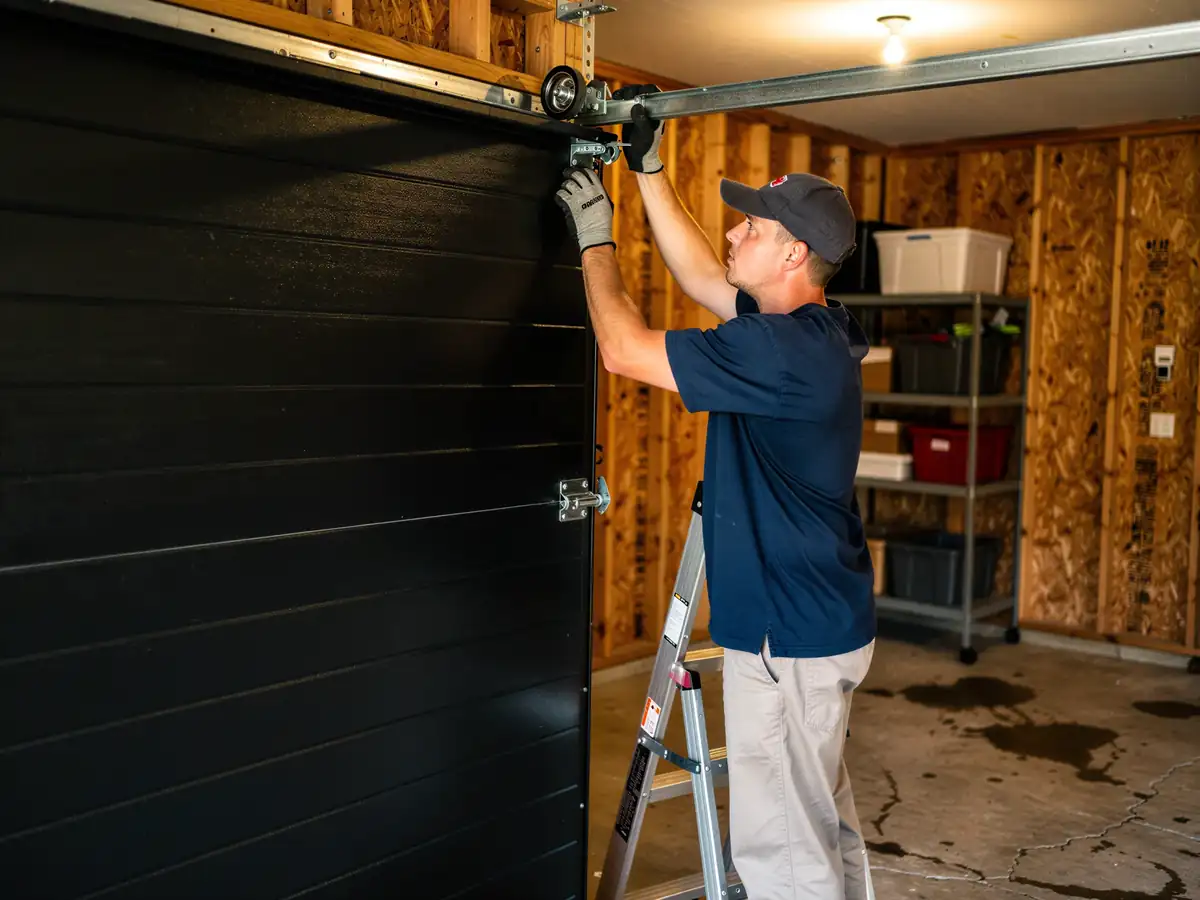
A door built around 1985 is old enough now that the original torsion spring is almost certainly past its rated cycle count, and that's the single most common call we get from this part of the service area. You'll notice it as a door that feels heavier than it used to, or one that slams the last foot instead of lowering smooth. Nylon rollers from that era have usually gone brittle and loud, even if the door still opens fine - that's a maintenance item, not an emergency, but it's worth fixing before a roller comes off the track altogether. The region sits in a cold-moderate climate band, and a 35-plus-year-old steel door with no insulation retrofit will show it: condensation on the inside face of the panel in winter, and hardware that stiffens up in the cold snaps. None of that means the door is failing, just that it's doing what a door this age does.
Stocked Parts
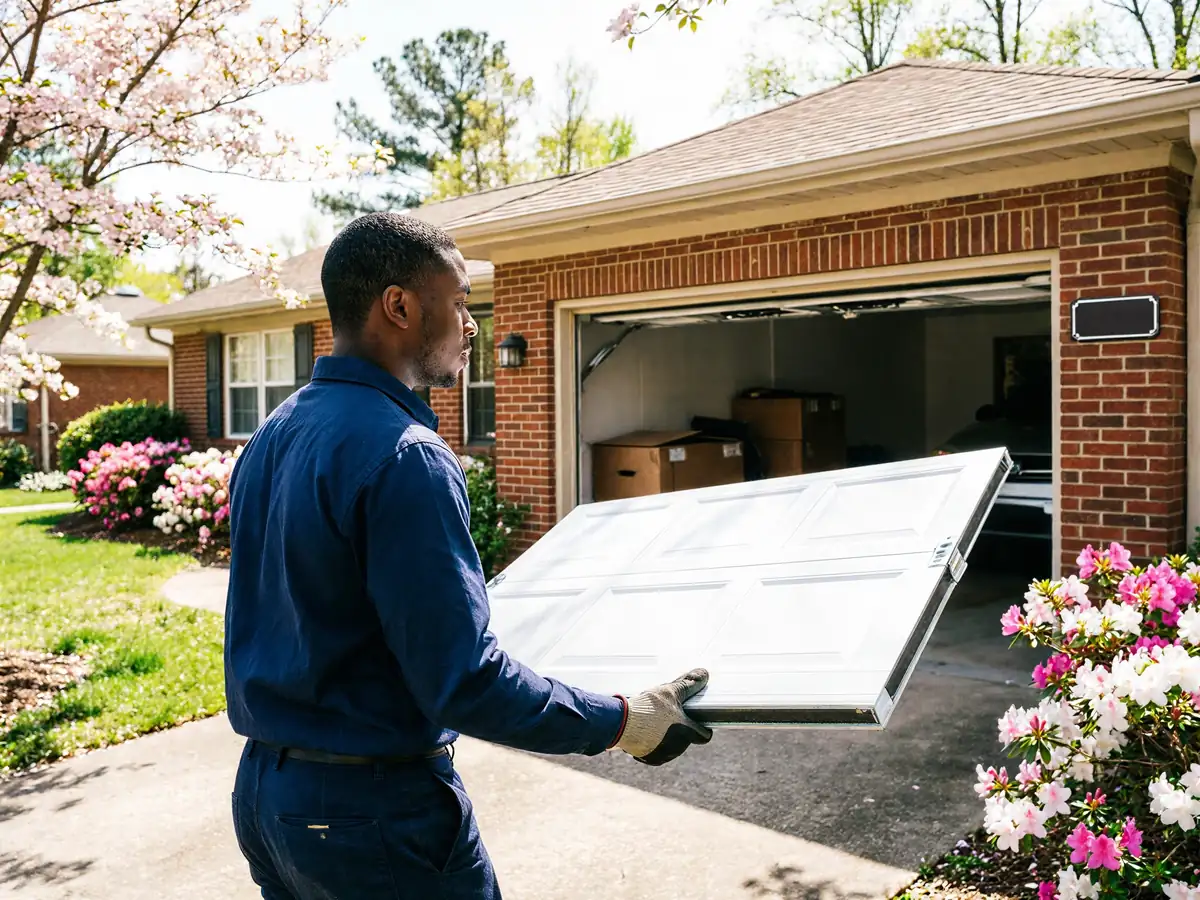
Because so much of the housing around here landed in the same decade-plus window, the parts that fail are predictable: standard torsion springs sized for a single or double steel door, 7-foot and 8-foot track sections, and the usual roller and cable replacements. We carry those on the truck. Where we run into trouble is anything custom - a door that's been resized for an odd opening, or an opener model old enough that the control board isn't made anymore. On a house from this era that's uncommon but not unheard of, and if we hit it, the part has to be ordered and that adds a day or two, not an hour. We won't pretend otherwise; that's the one real limitation of working from stock versus a dealer showroom.