Can You Do This Yourself
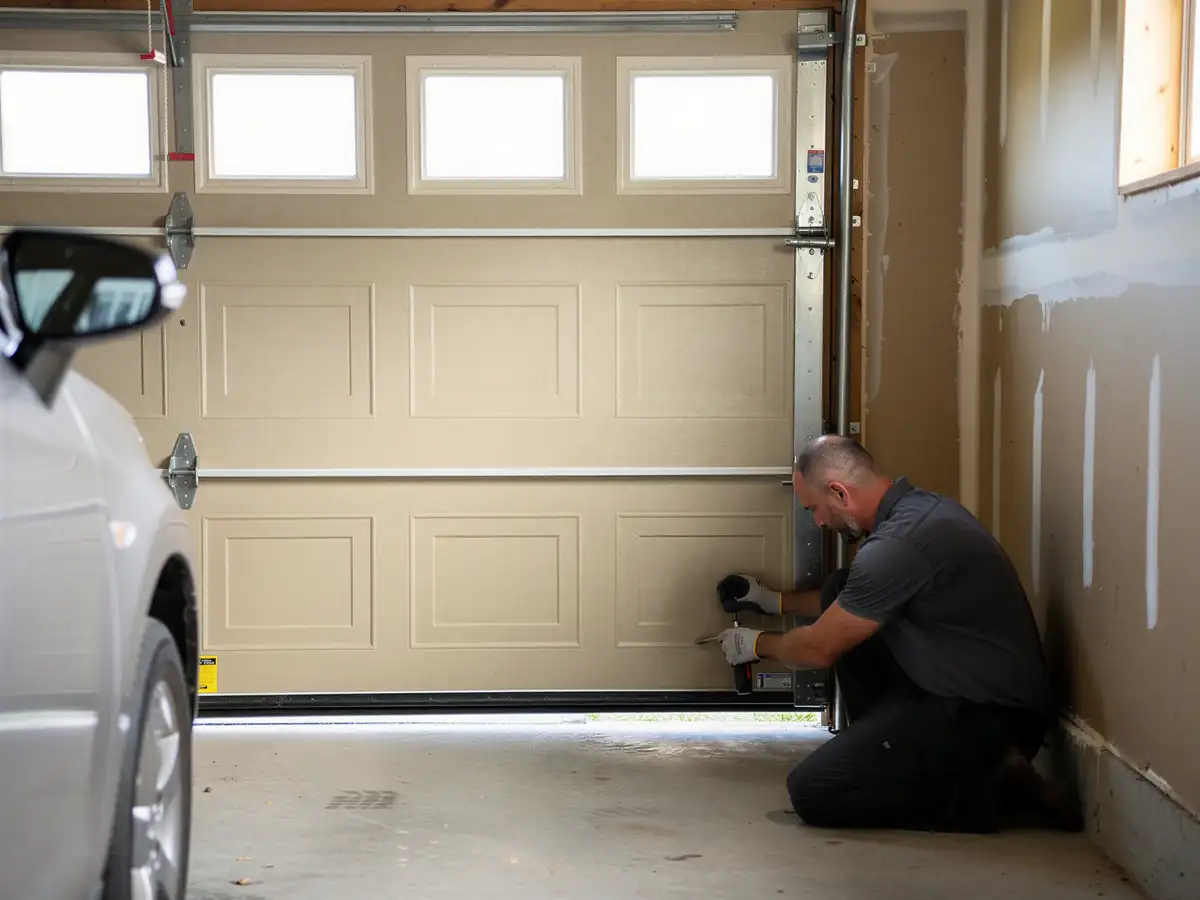
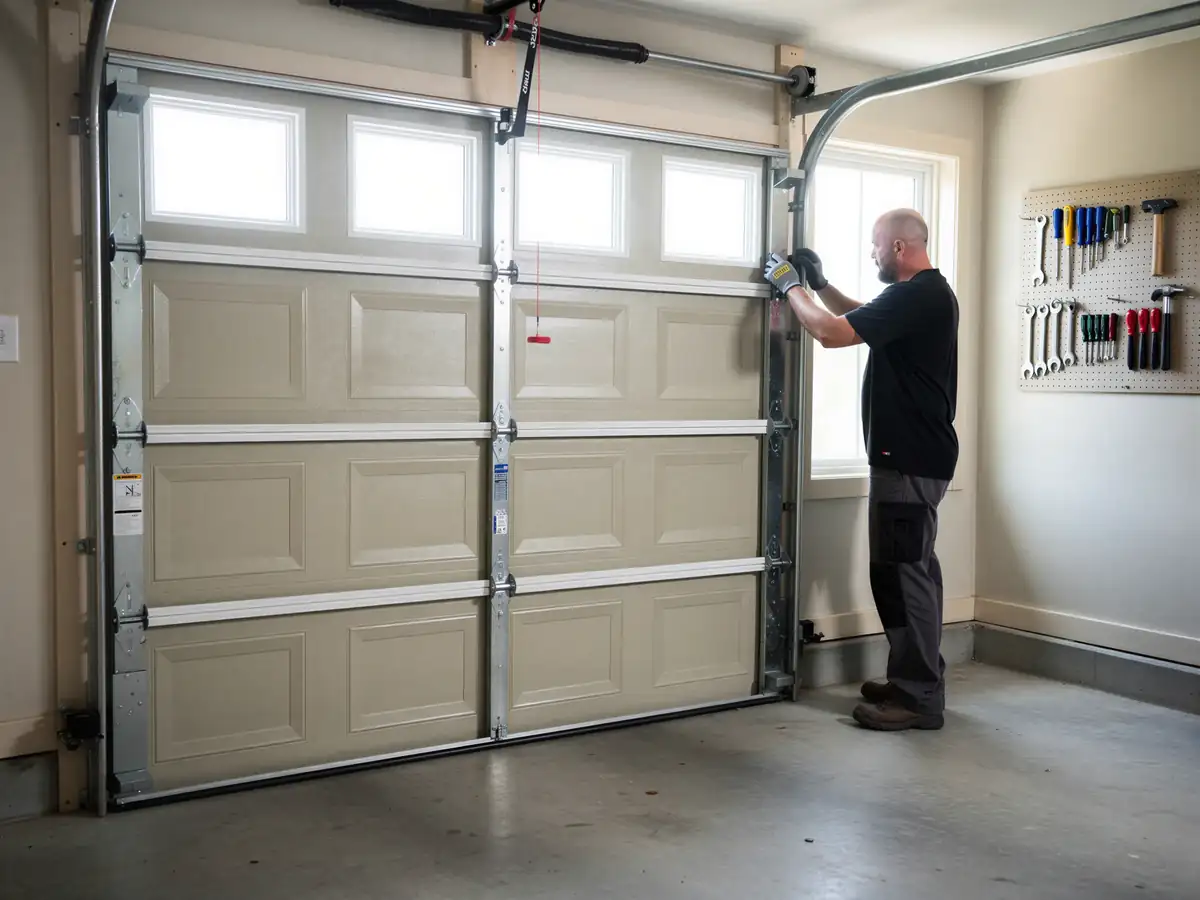
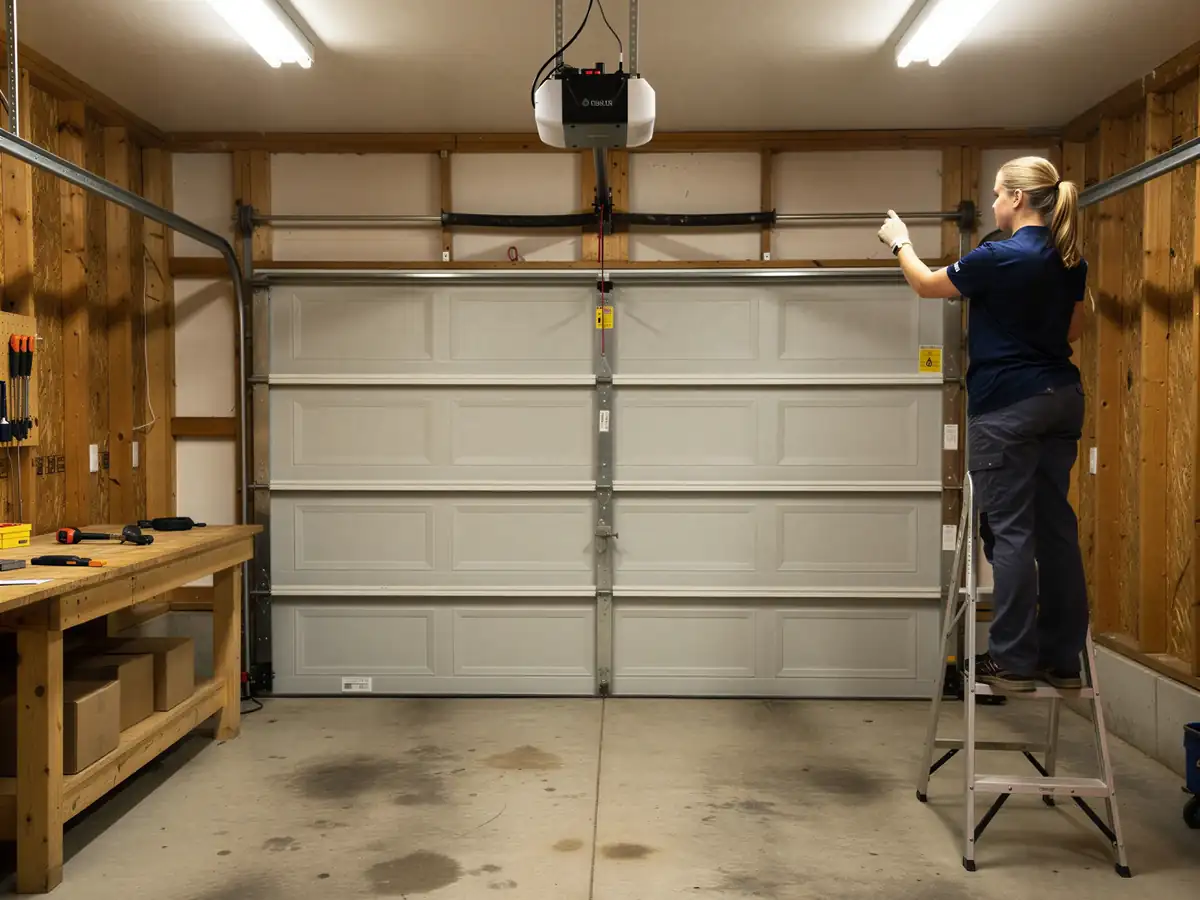
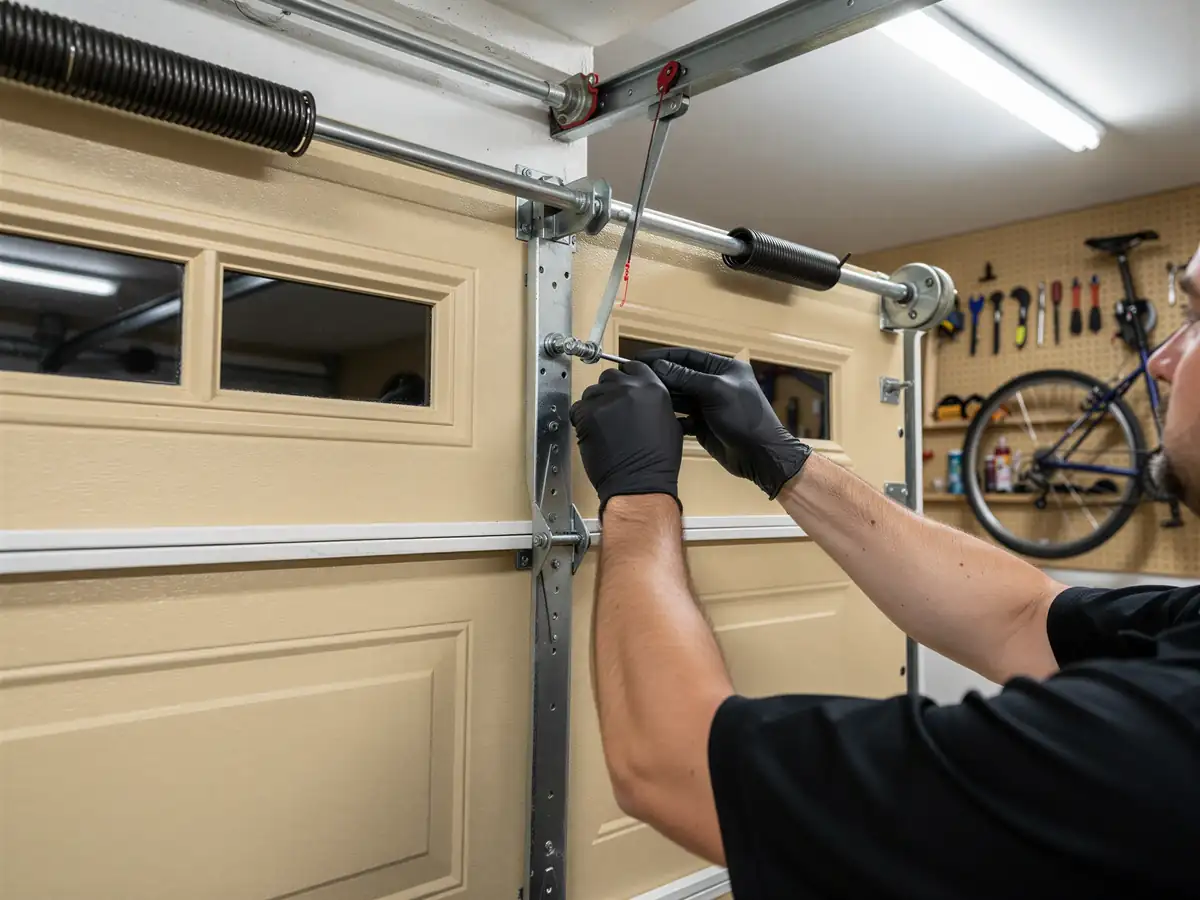
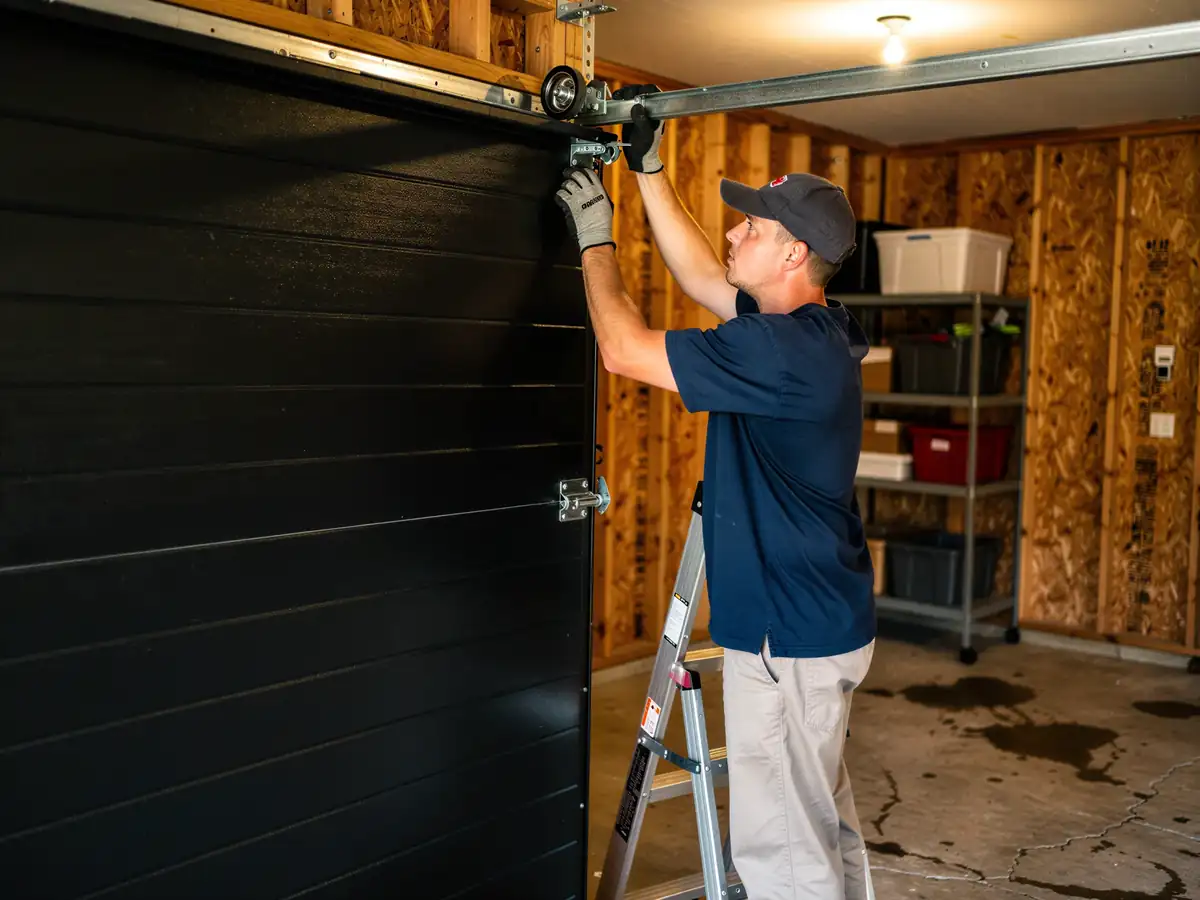
Swapping a worn roller is one of the few garage door jobs a homeowner can reasonably take on, and in a town of around 5,199 households like Soddy-Daisy, a fair number of people do. The track comes off a bracket, the roller slides out, a new one slides in. If you're only replacing one or two rollers on the bottom of the panel, away from the spring system, and the door is down and the opener unplugged, the risk is low.
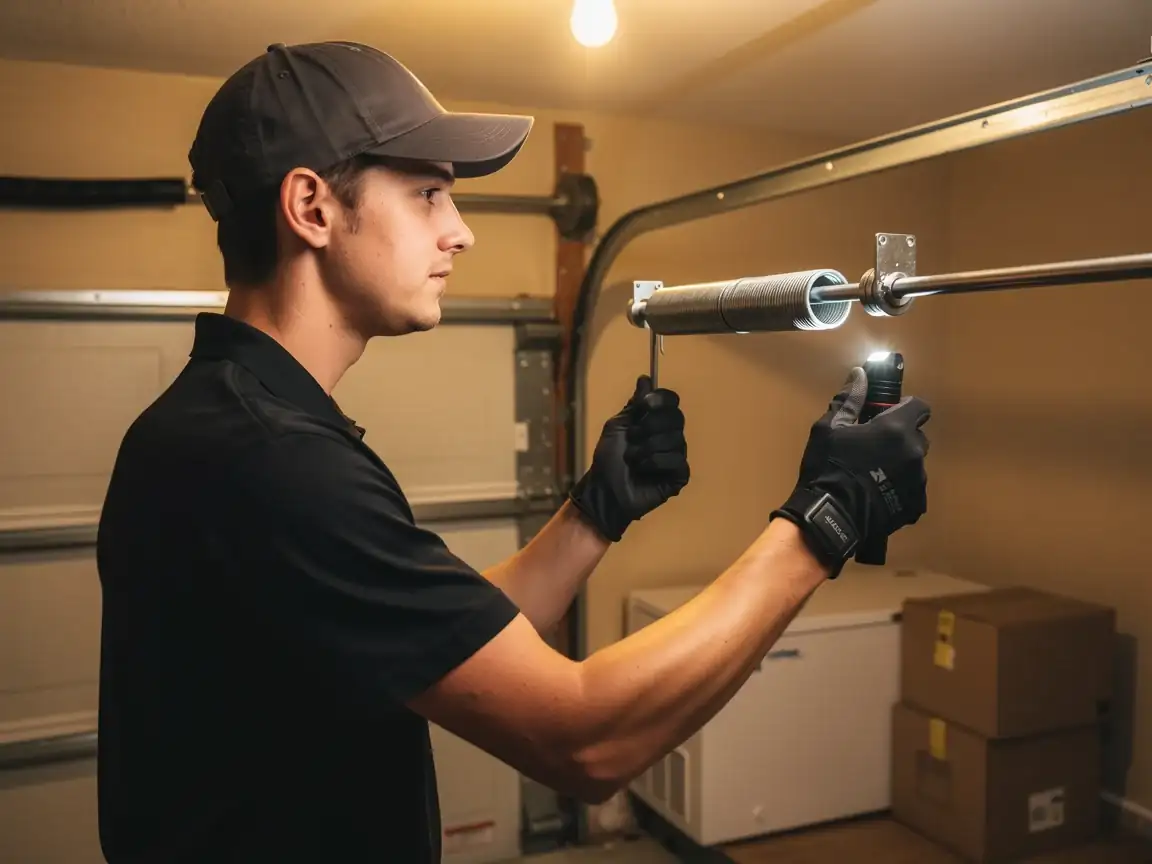
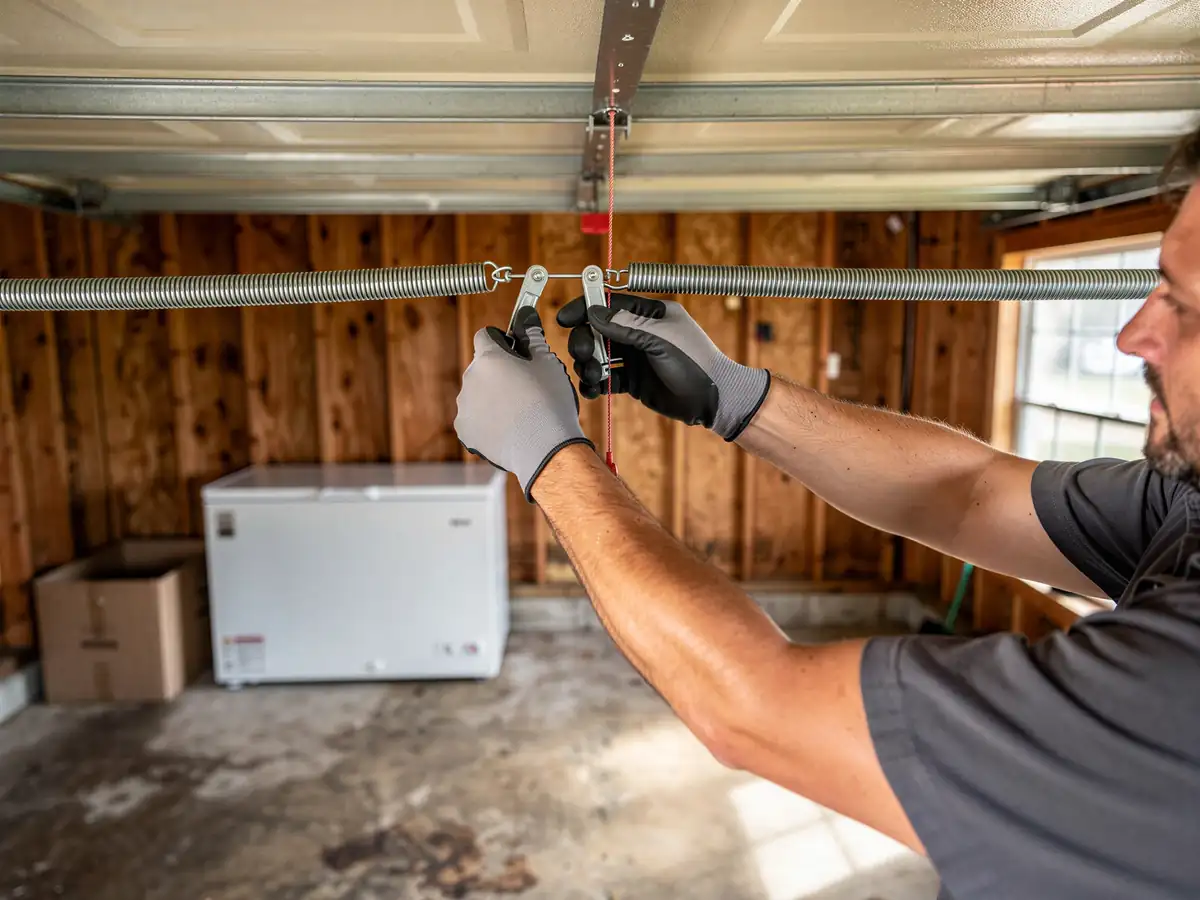
Where it gets dangerous is higher up. Rollers near the top bracket sit close to the cable and spring assembly, and a bracket that's been bent or rusted for years can let go while you're working on it. Most houses in this area were built in the mid-1980s, which means 30-plus-year-old steel hardware that hasn't been touched since it left the factory. That hardware doesn't always come apart the way a how-to video says it will.
If you're not sure whether a roller is failing on its own or dragging a bent track with it, that's worth a second set of eyes before you start pulling brackets.
Getting It Booked In
We cover Soddy-Daisy from our Cleveland shop, about 18 miles out
There's no local branch here, so a roller job gets scheduled as a truck run rather than a drop-in, which means it helps to know roughly what you're dealing with before you call: how many rollers look worn, whether the door binds or grinds at a specific spot in the travel, and the age of the door if you know it.
- 18 miles
We don't claim a same-day window for every address in the service area
And we won't promise one here that we can't back up. What we can do is get the right rollers on the truck before we leave Cleveland, which matters more for this town than most, since a wasted trip costs more time on a longer haul.
What You Are Seeing
Soddy-Daisy's housing mostly dates to the mid-1980s, with a median year built around 1985, close to the wider service area's 1967-2004 range. Doors from that era were almost always built with steel rollers on steel stem shafts, no nylon, no sealed bearings. Thirty-plus years of that setup grinding against a steel track produces a particular set of symptoms: a rhythmic thump as the door travels, grooves worn into the roller's wheel, or a track edge that's been chewed shallow from metal-on-metal contact.
The climate here doesn't help. This part of Tennessee sits in a cold-moderate band, which means hardware sees enough freeze-thaw cycling through winter to dry out old grease and let surface rust take hold on anything that isn't sealed. A roller that's merely noisy in October can be seizing by February.
If your door jerks or hesitates at the same point every time it opens, that's usually one bad roller catching on a flat spot, not the whole track needing replacement.
Stocked Parts
We stock replacement rollers in the sizes that match the 1980s and 1990s steel-track doors common across this part of the service area, both 2-inch and the newer 2.5-inch top-bracket sizes. Nylon rollers with sealed ball bearings are what we install for most replacements now, since they run quieter and don't need the periodic greasing steel stem rollers do.
One honest limit: if a door's track is proprietary to a builder-grade system from that era and the roller size has been discontinued, we may need to special-order it, which adds lead time. That's uncommon but it does happen on a handful of older builder lines, and we'll tell you up front if your door falls into that category rather than guess.
What You Pay
Roller replacement pricing depends on how many rollers need swapping and whether the brackets or track show wear alongside them
A full set replacement costs more than spot-fixing two or three worn ones, but it also means you're not paying for a second truck trip out to Soddy-Daisy in a year when the next roller fails. With median household income here at $67,824, a bit above the wider area's $64,756, most of what we see are owners choosing the full-set job once they're already paying for the drive and the labor.
We'll give you a number once we've looked at the actual rollers and track, not a phone quote
Since the condition of the bracket changes the job more than the roller itself does.