Stocked Parts
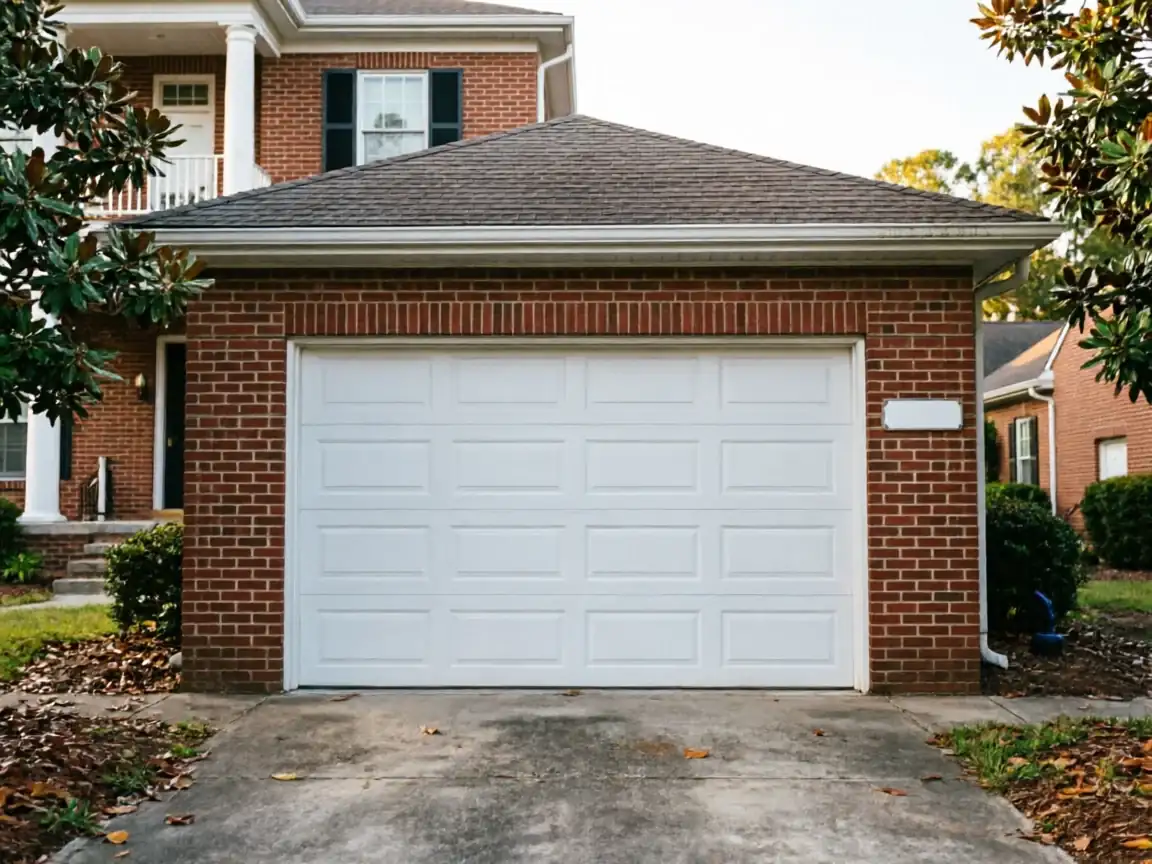
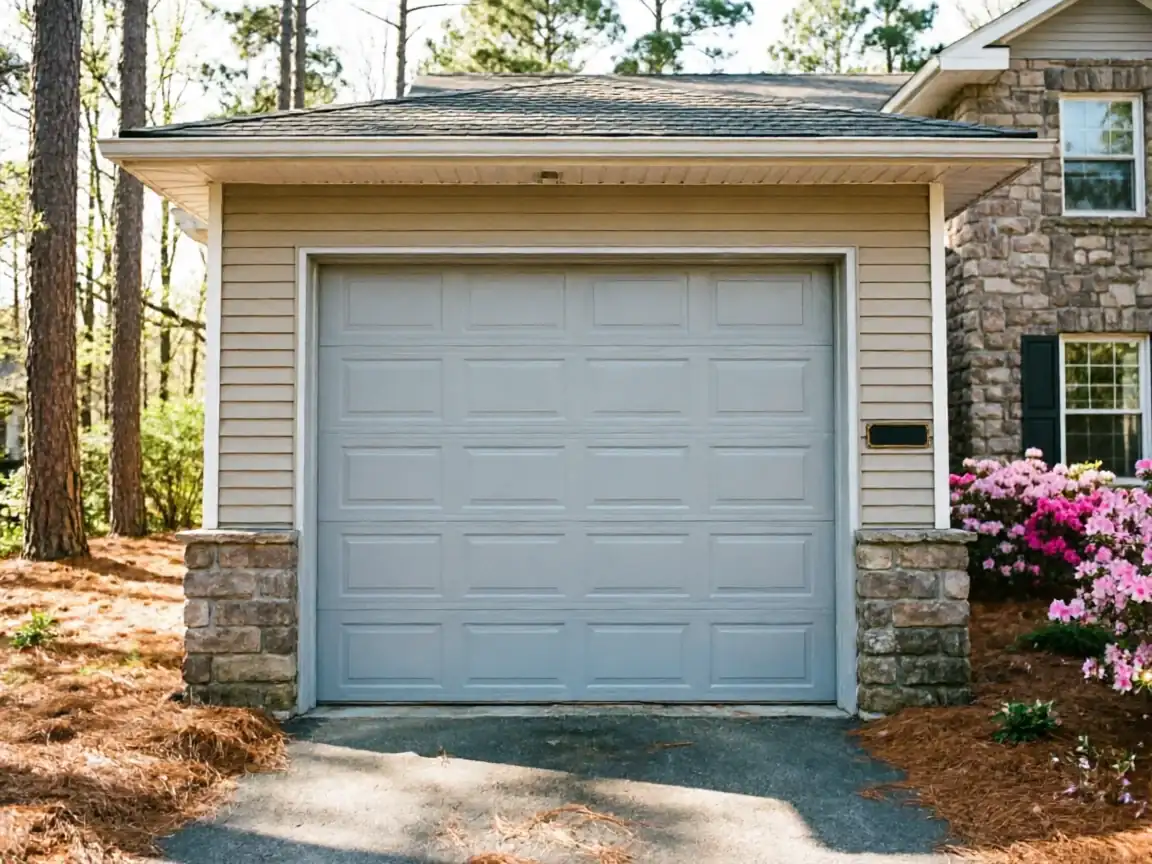
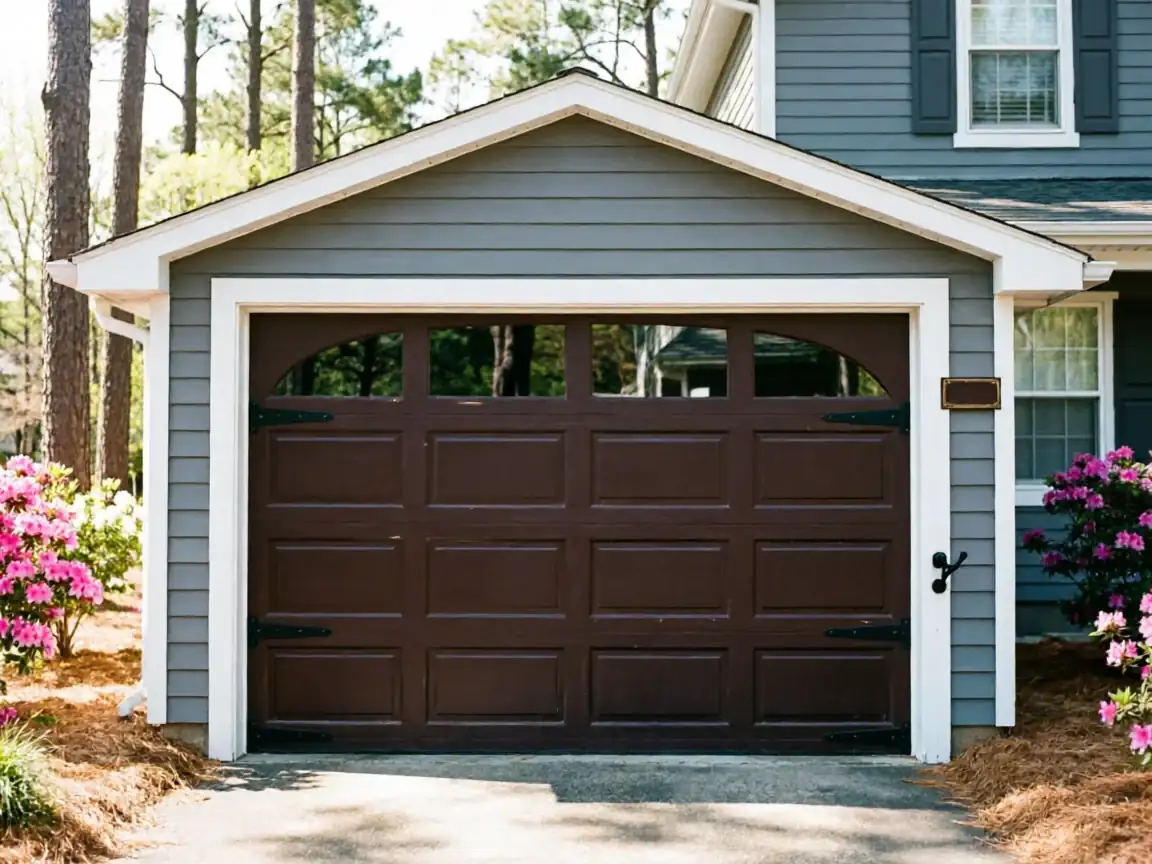
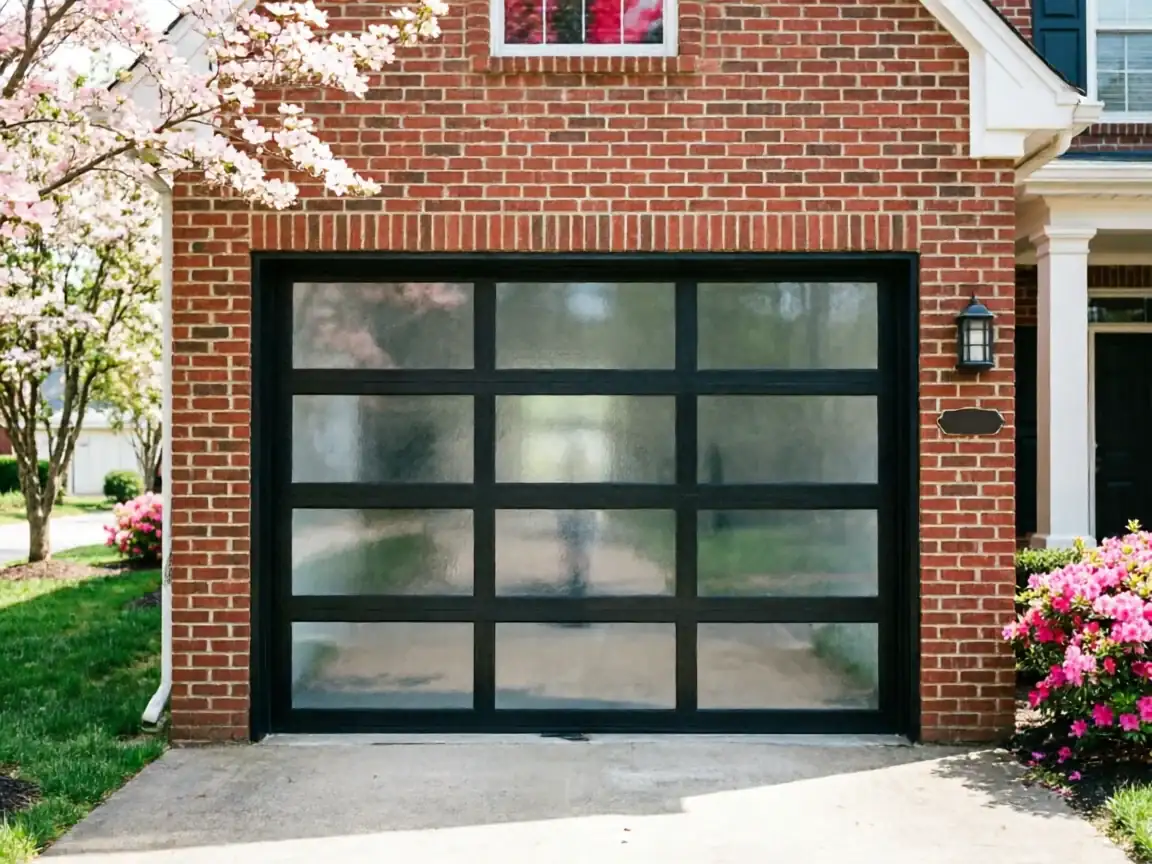
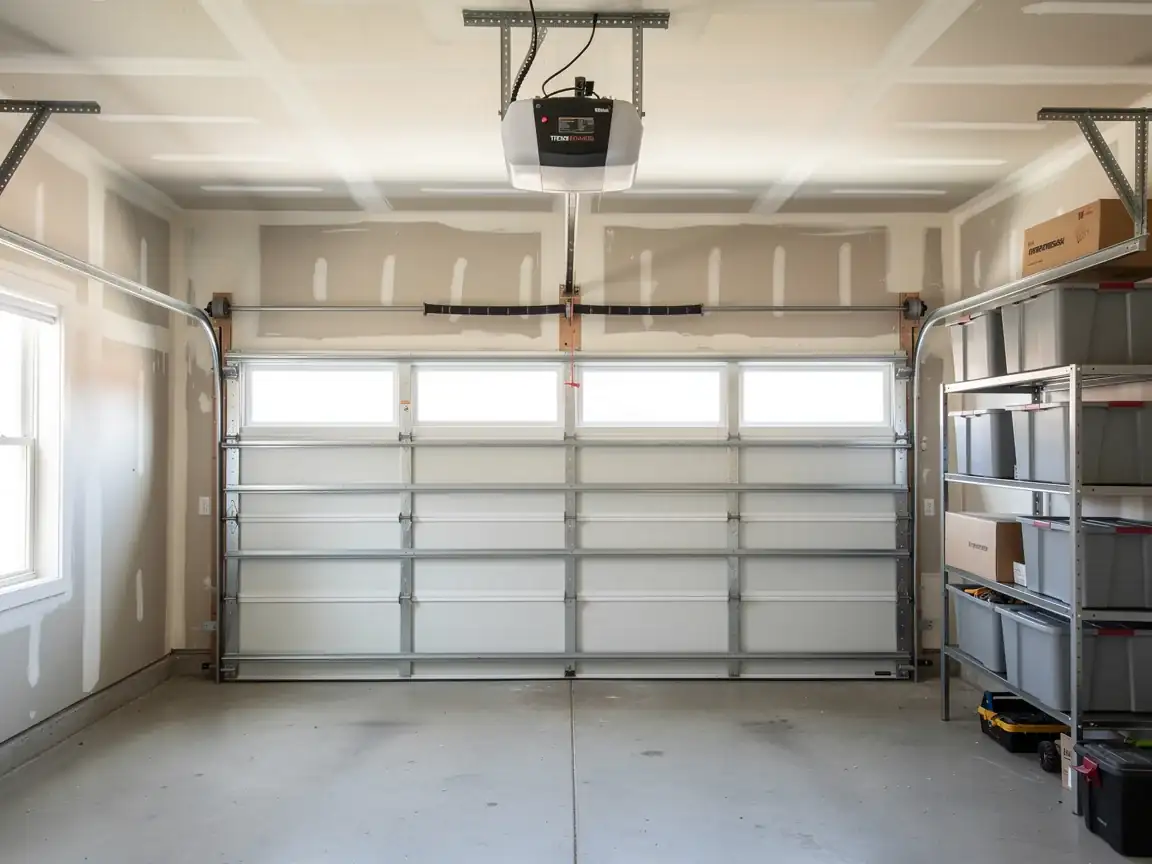
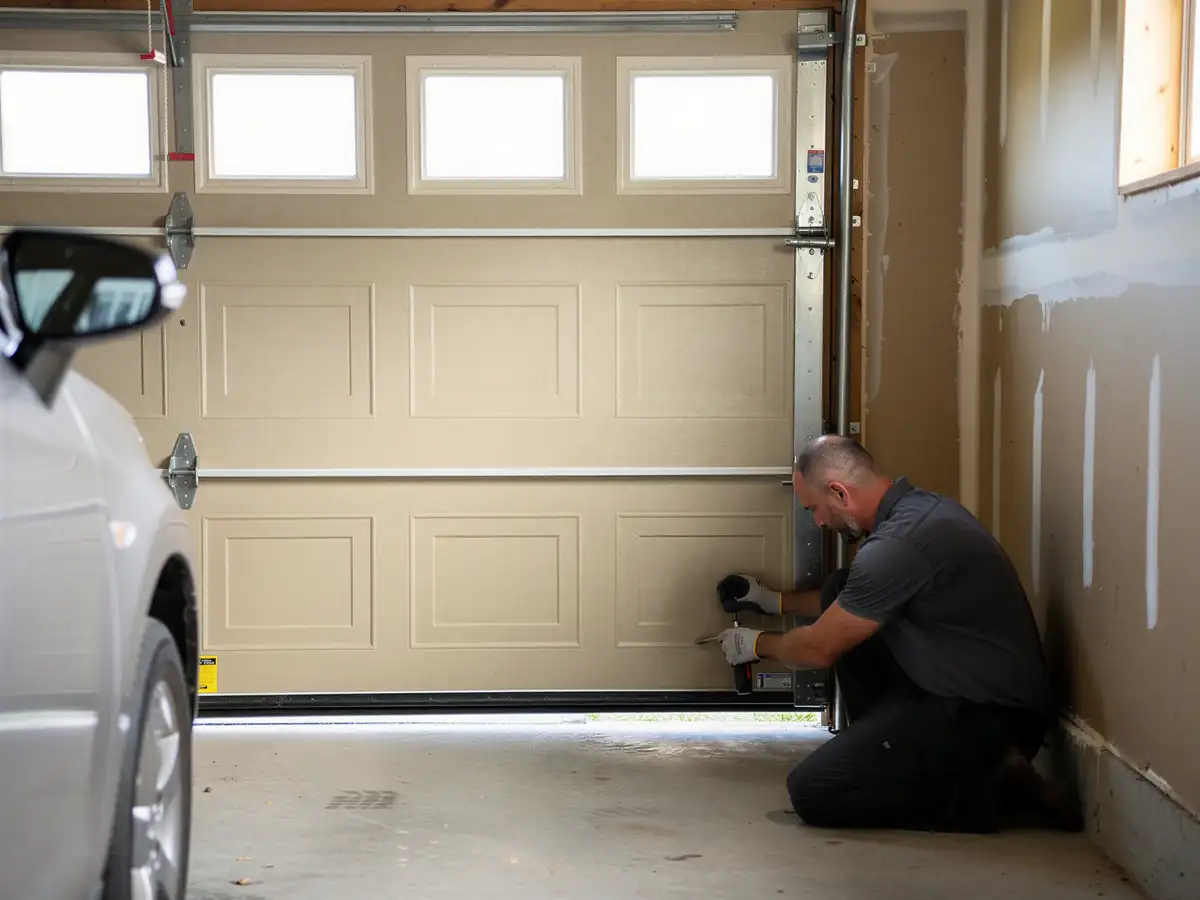
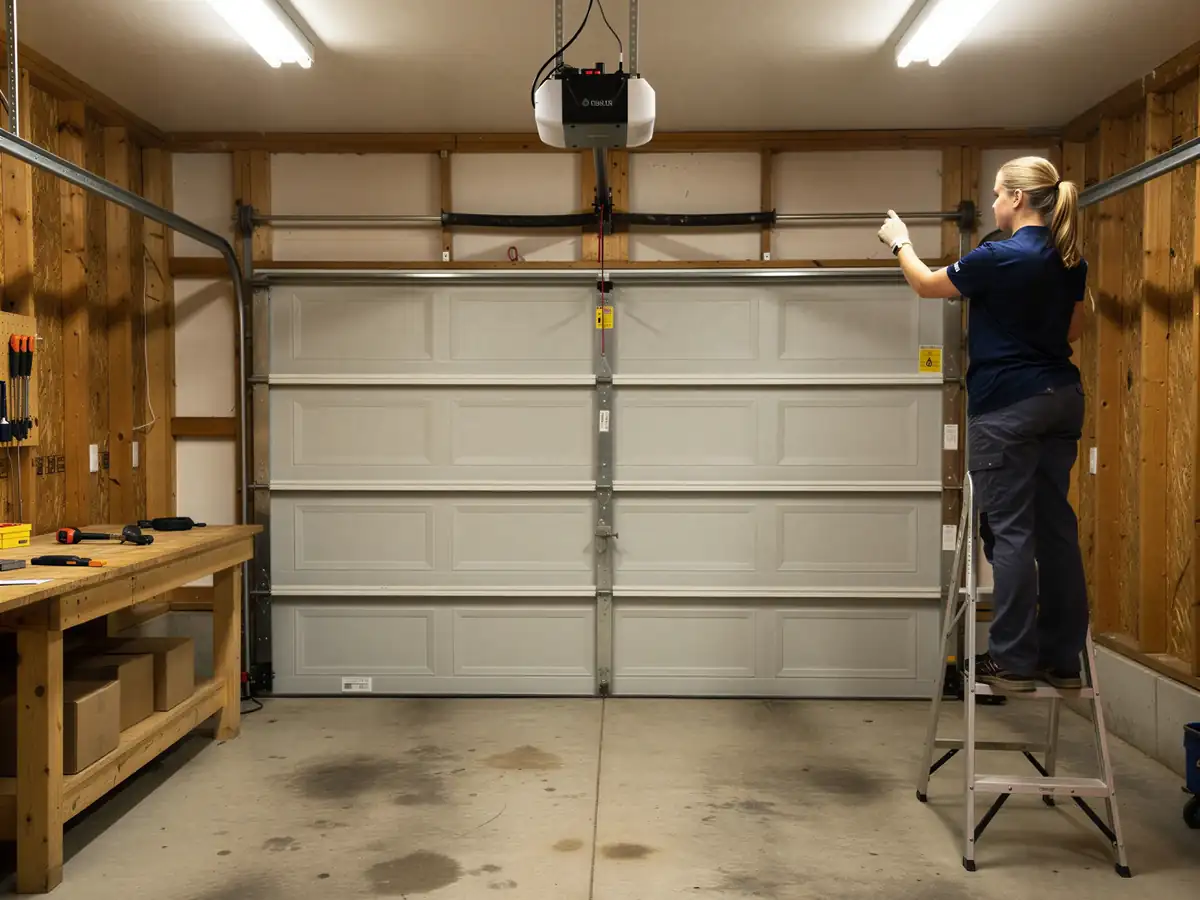
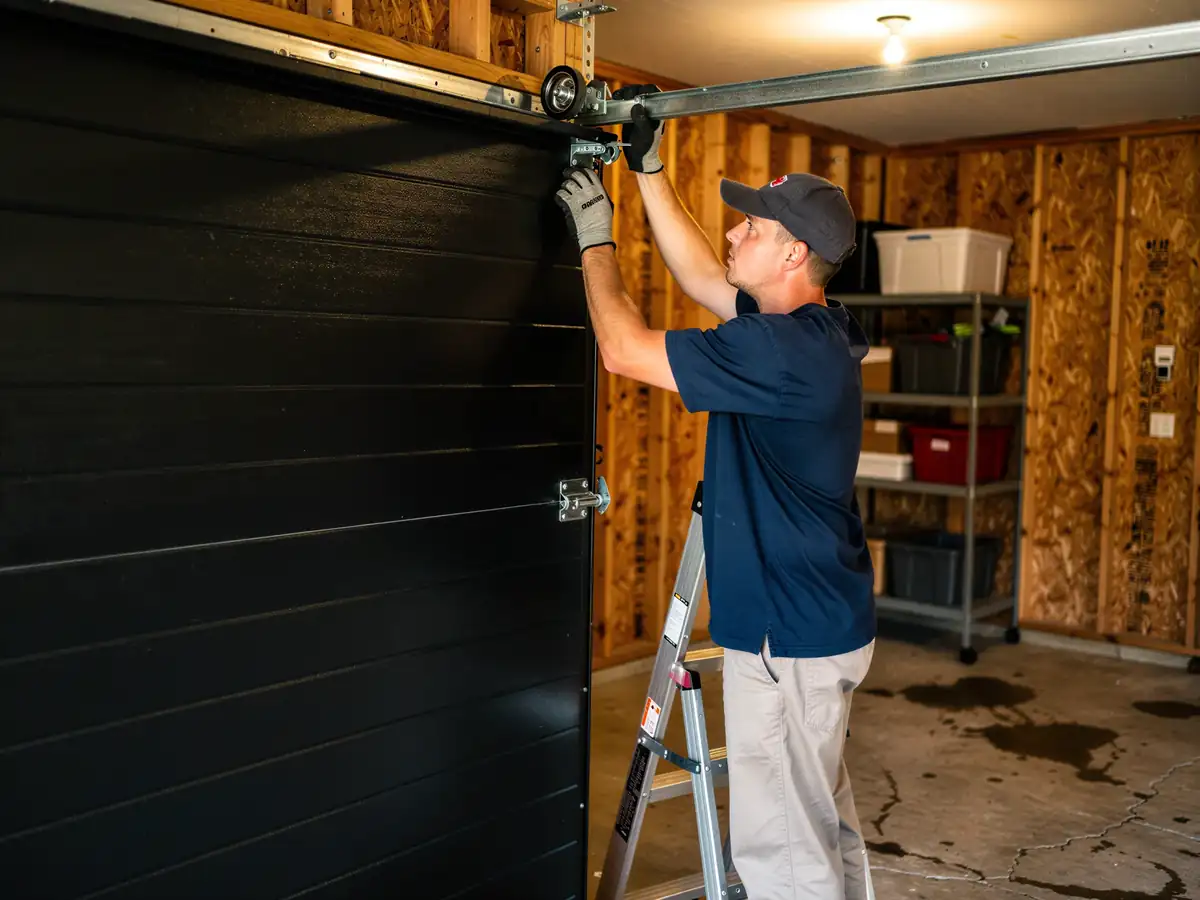
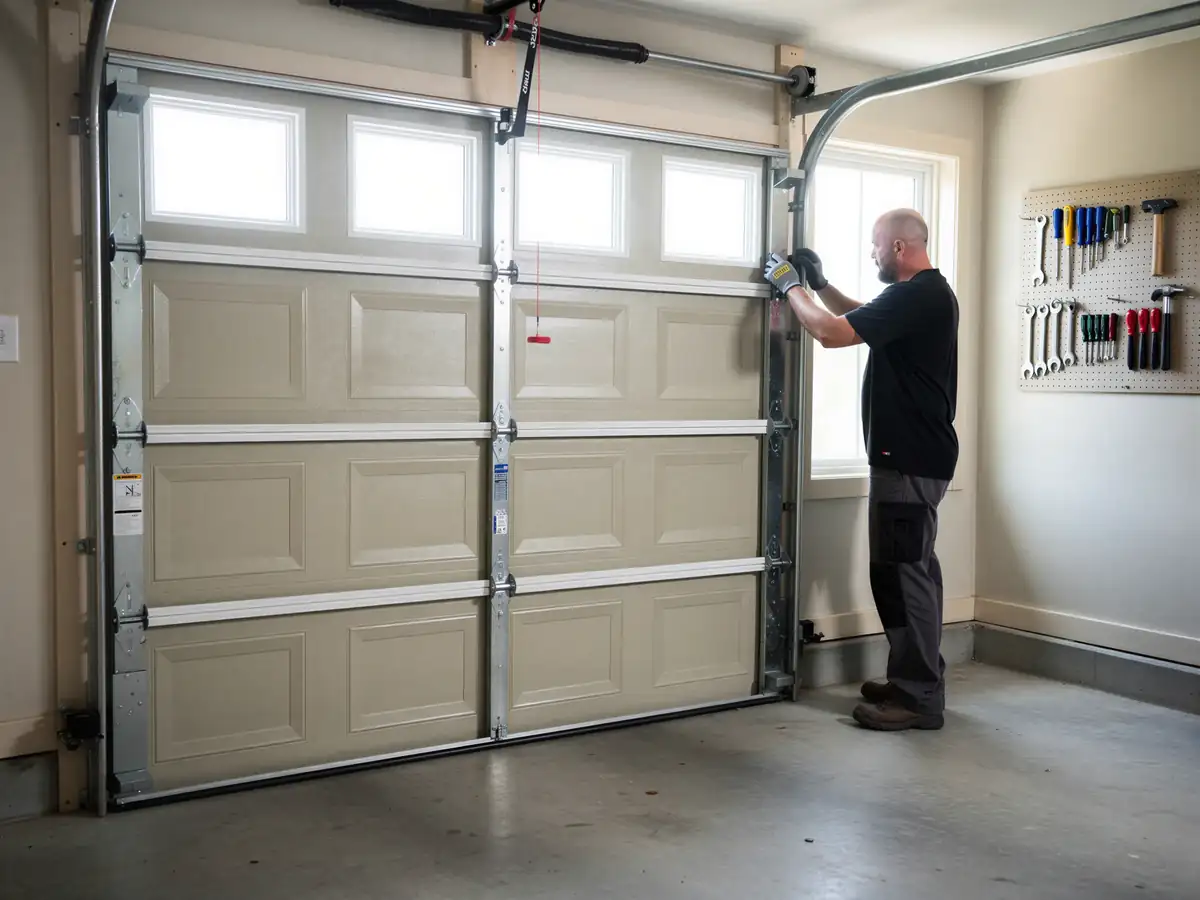
Houses in Hopewell date to about 1985, a year newer than the service area's overall median build year of 1984, and that single year doesn't change what's still hanging in most garages out here. Hopewell's stock is part of the same 1980s-90s wave that built out a dozen other areas we cover, which means the door and opener hardware most of these houses started with were never swapped out - a one-piece or early sectional steel door on torsion springs sized for a lighter panel than what's made today. When we drive out from Cleveland, the truck carries standard-width panels (8 and 16 foot runs cover most driveways from this era), torsion springs rated for both plain and insulated panels, and galvanized track sections sized to the jamb depth typical of houses built before 1990. We also stock weatherstrip kits and bottom seals rated for a cold moderate climate, since an uninsulated 1985 panel won't hold heat the way a newer door does. What we don't carry on the truck: custom widths or glass-panel inserts - those get special-ordered, and the install gets scheduled around the supplier's lead time.
What You Pay
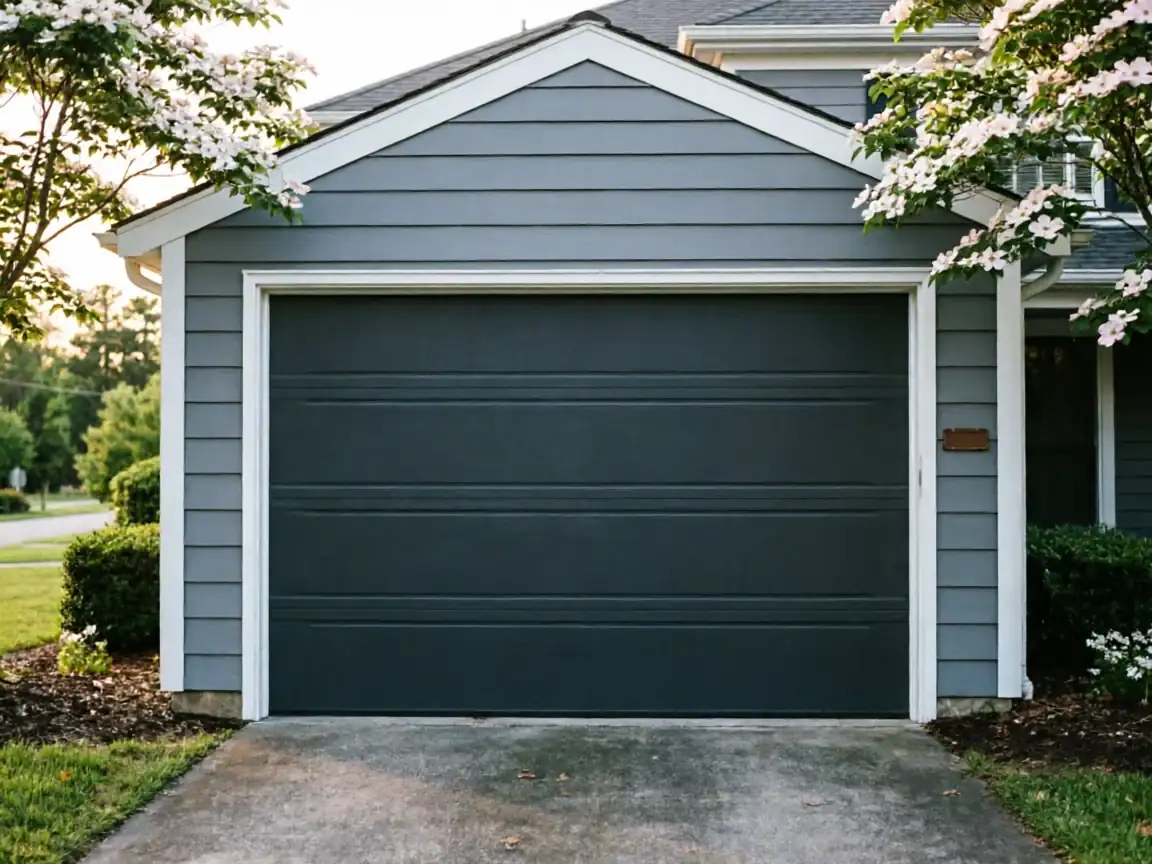
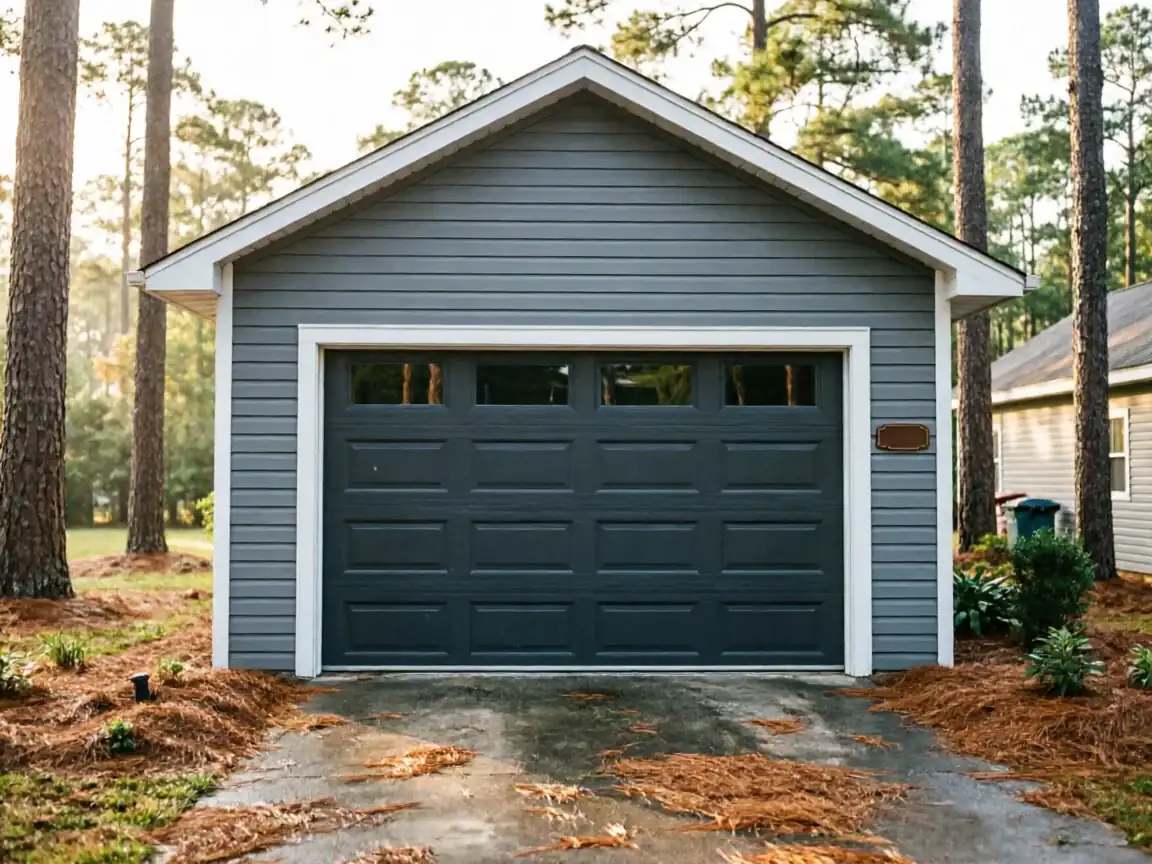
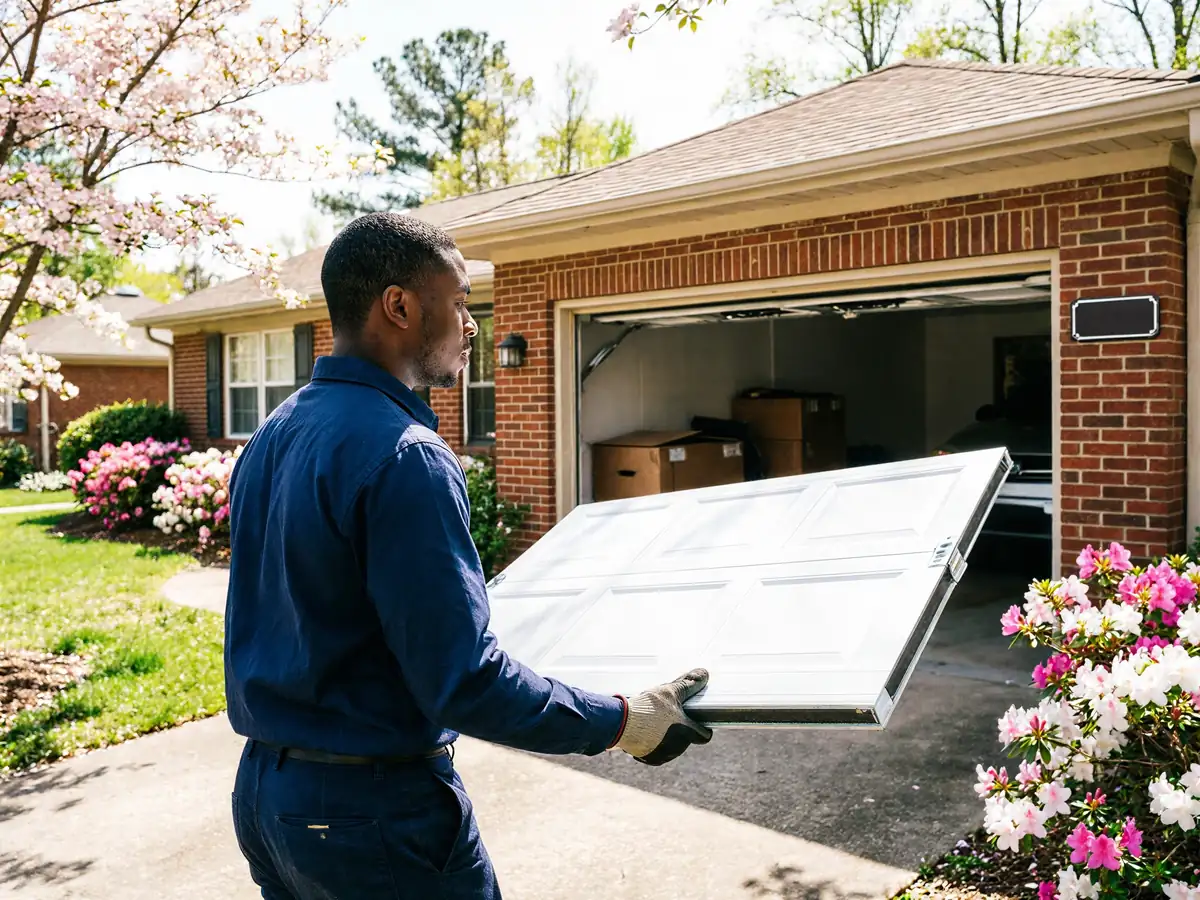
We don't post a flat number for a new door install because price swings with door material, insulation, size, and whether the opener needs replacing too. What we can tell you is local: Hopewell's median household income of $85,461 runs well above the $64,756 figure for the service area as a whole, and Hopewell counts about 950 households, a small fraction of the 26,126 across the full service area. None of that sets your price, but it's part of why we see more insulated and custom-panel orders out this way than in some other spots we cover. Hopewell sits about five miles out from our shop in Cleveland, closer than nine of the other eleven areas we serve, and that drive is built into the estimate rather than billed as a separate line. You'll get an actual number after we've measured the opening and talked through door options, not before - guessing over the phone just means redoing the quote in person anyway.
What You Are Seeing
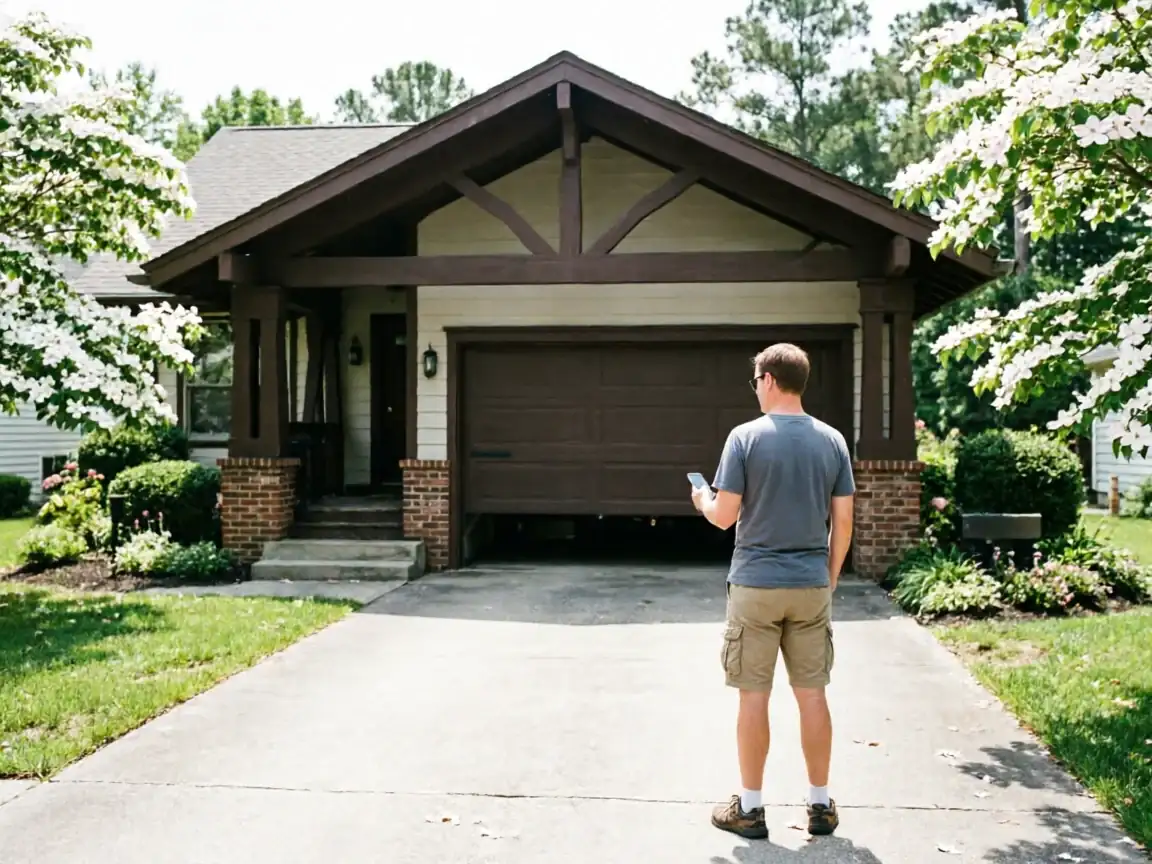
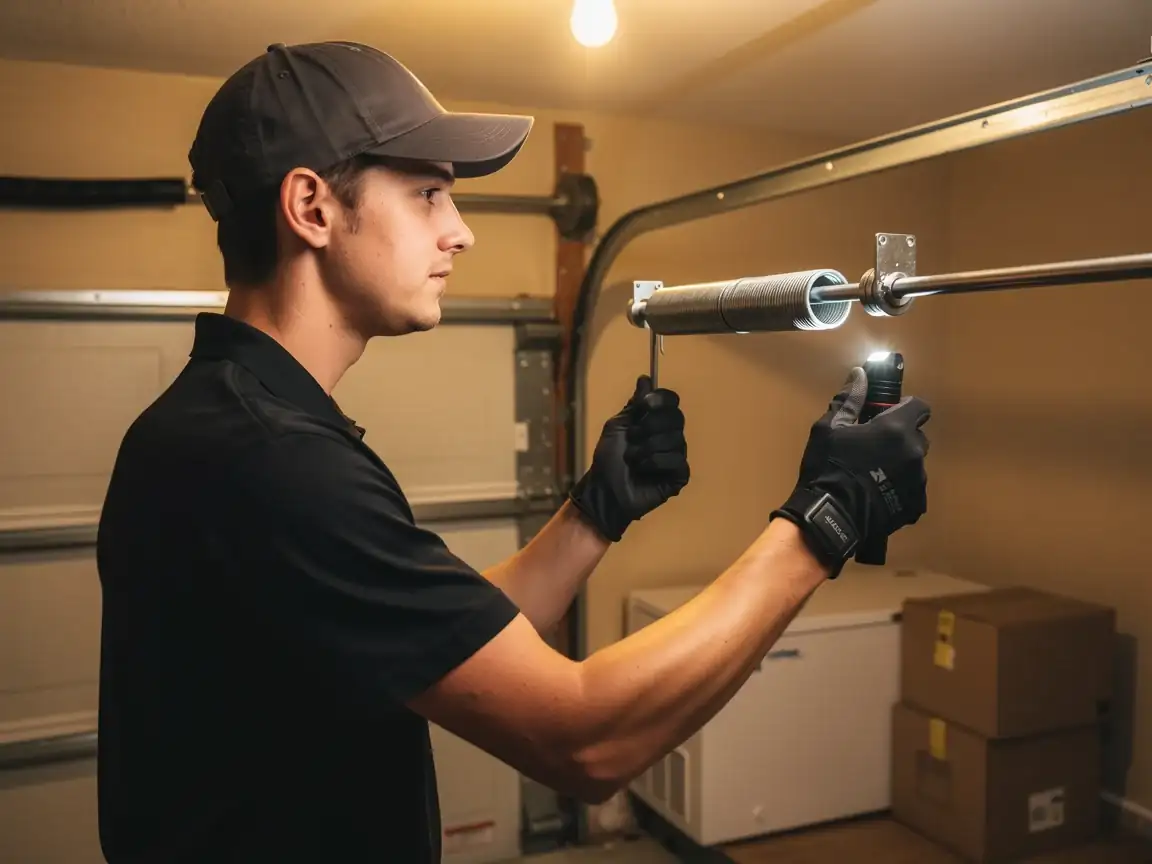
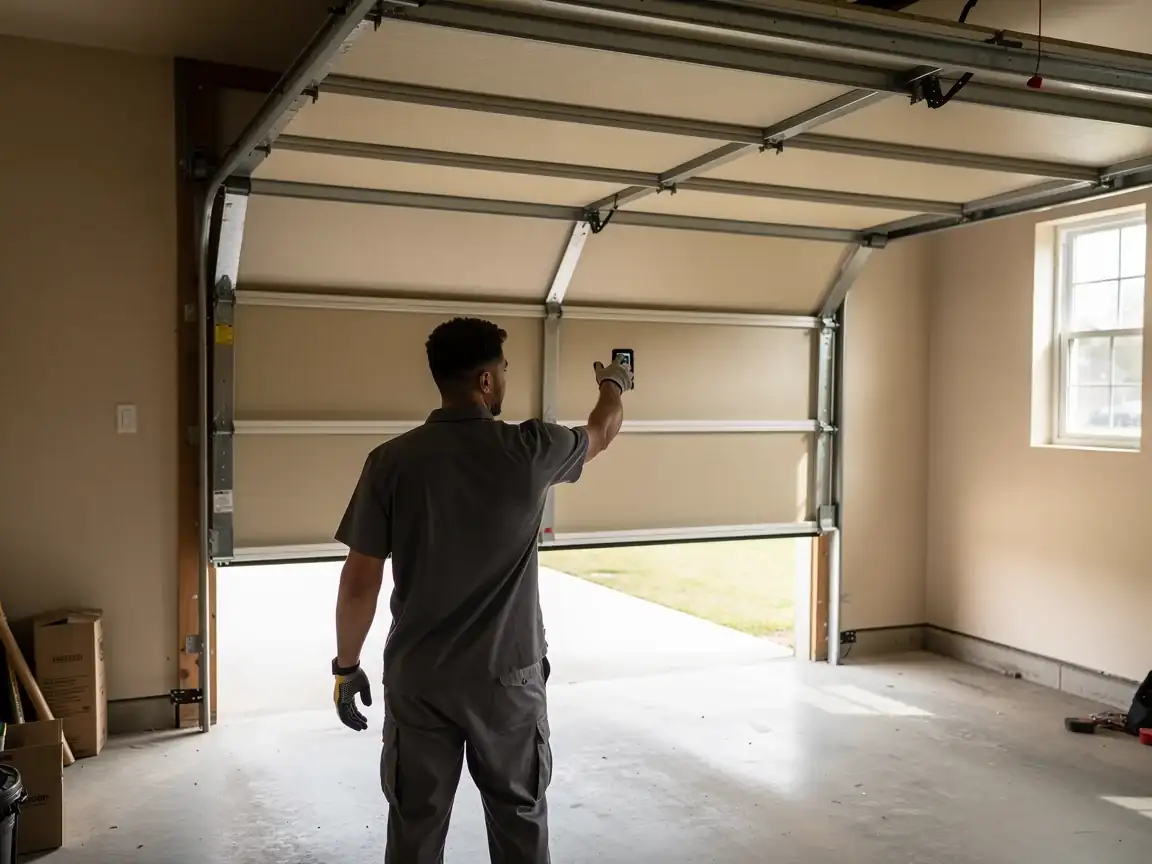
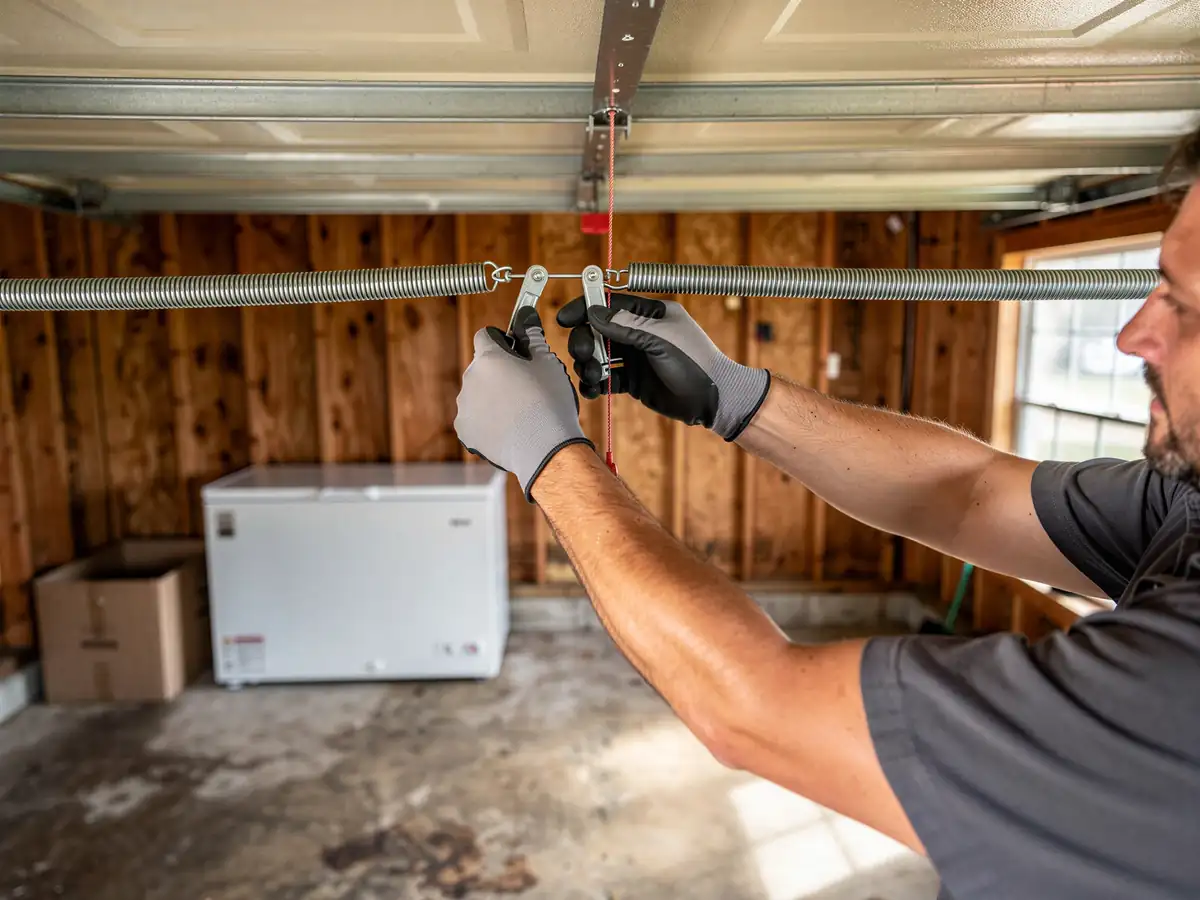
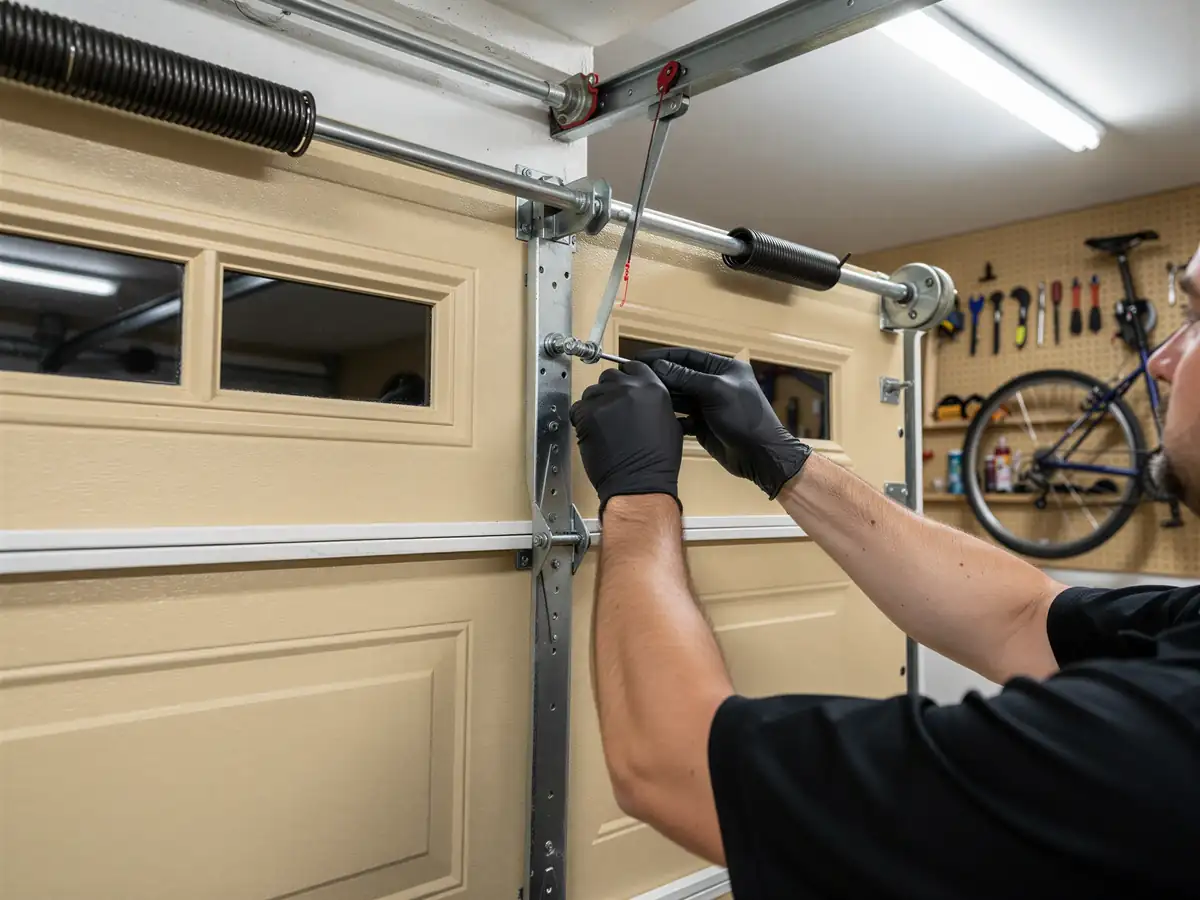
If your garage door still has the hardware it was built with back in 1985, you'll recognize it: a door that's heavier to lift by hand than it should be, a spring that's started making a flat clank instead of a smooth stretch, or an opener that grinds before it catches. A lot of Hopewell houses are hitting the point where that original setup is original for a reason - nobody's replaced it, and it's lasted about as long as hardware like that lasts. Rust on the spring coils, a track that's pulled slightly away from the jamb, or a door that drifts open or shut on its own when you let go halfway are all signs the hardware's past matching to a new door safely. None of that means the panel itself is bad - sometimes the door is fine and it's just the spring and opener that have aged out. We'll tell you which is which before we quote anything.