Stocked Parts
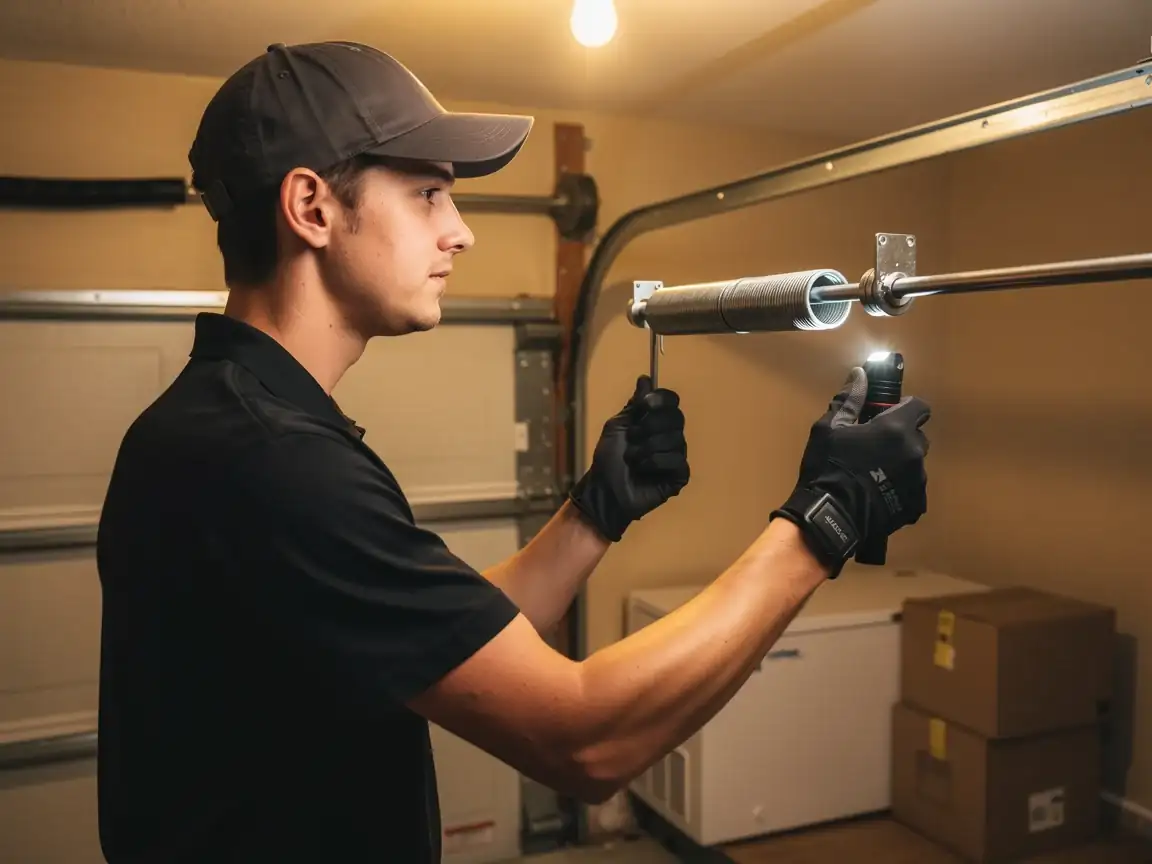
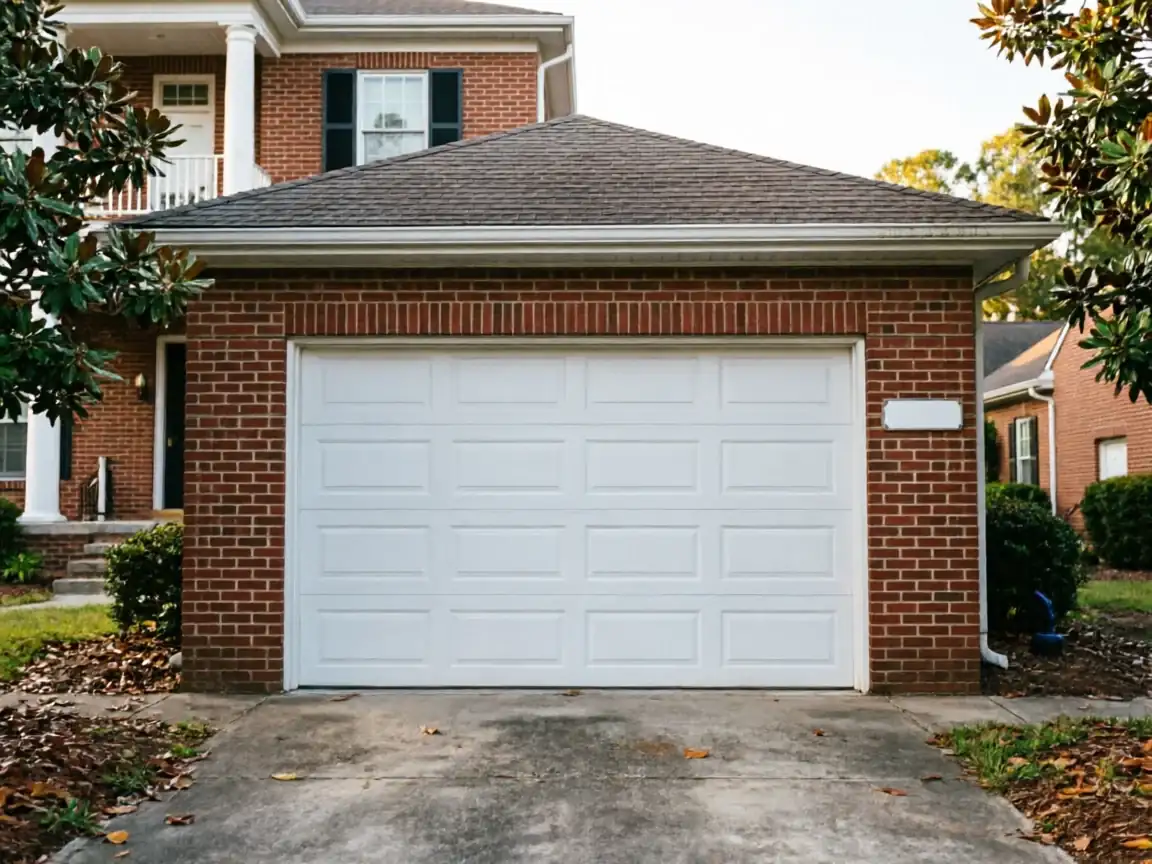
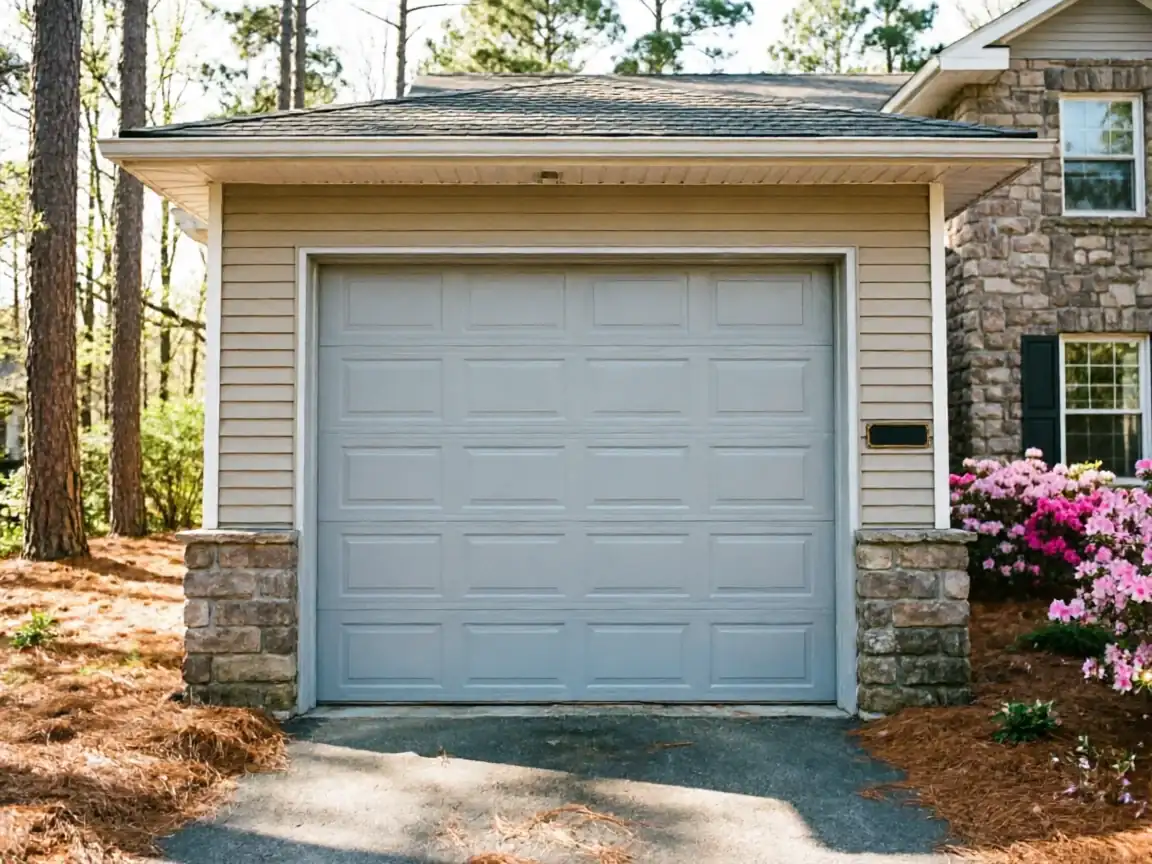
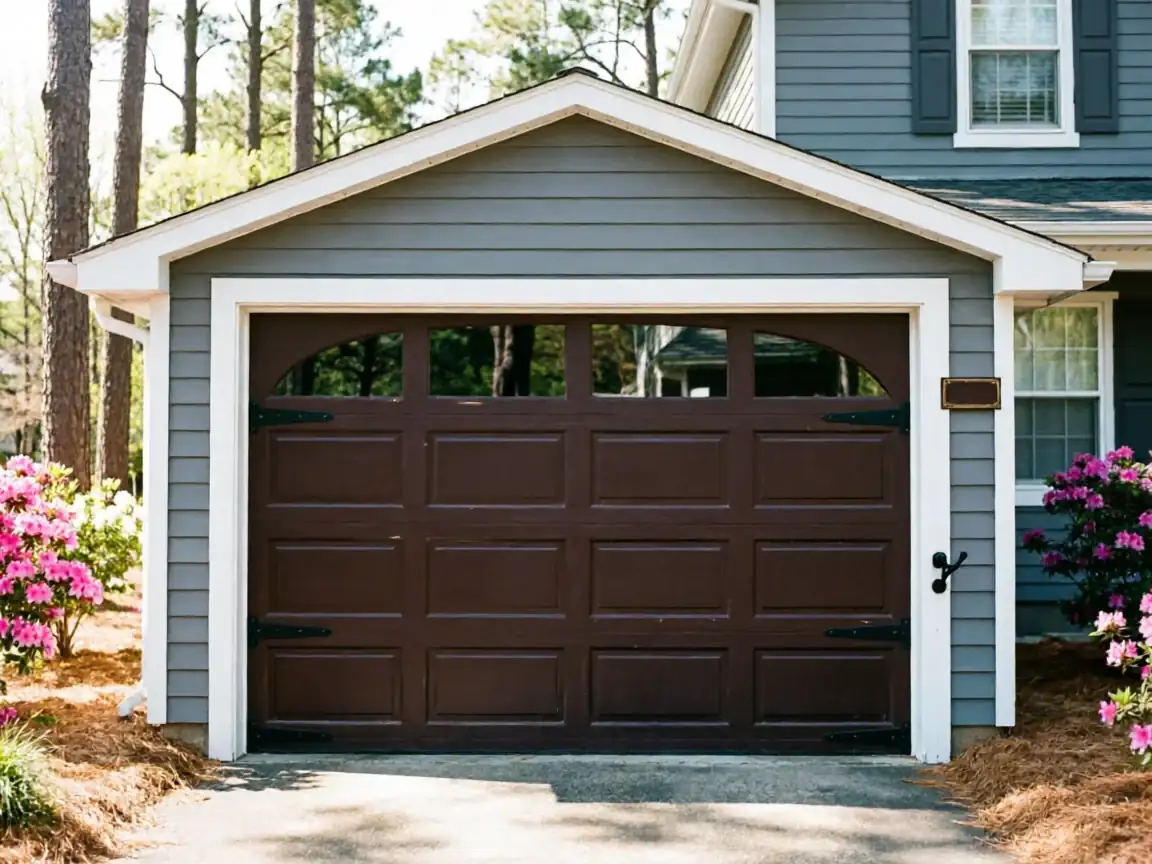
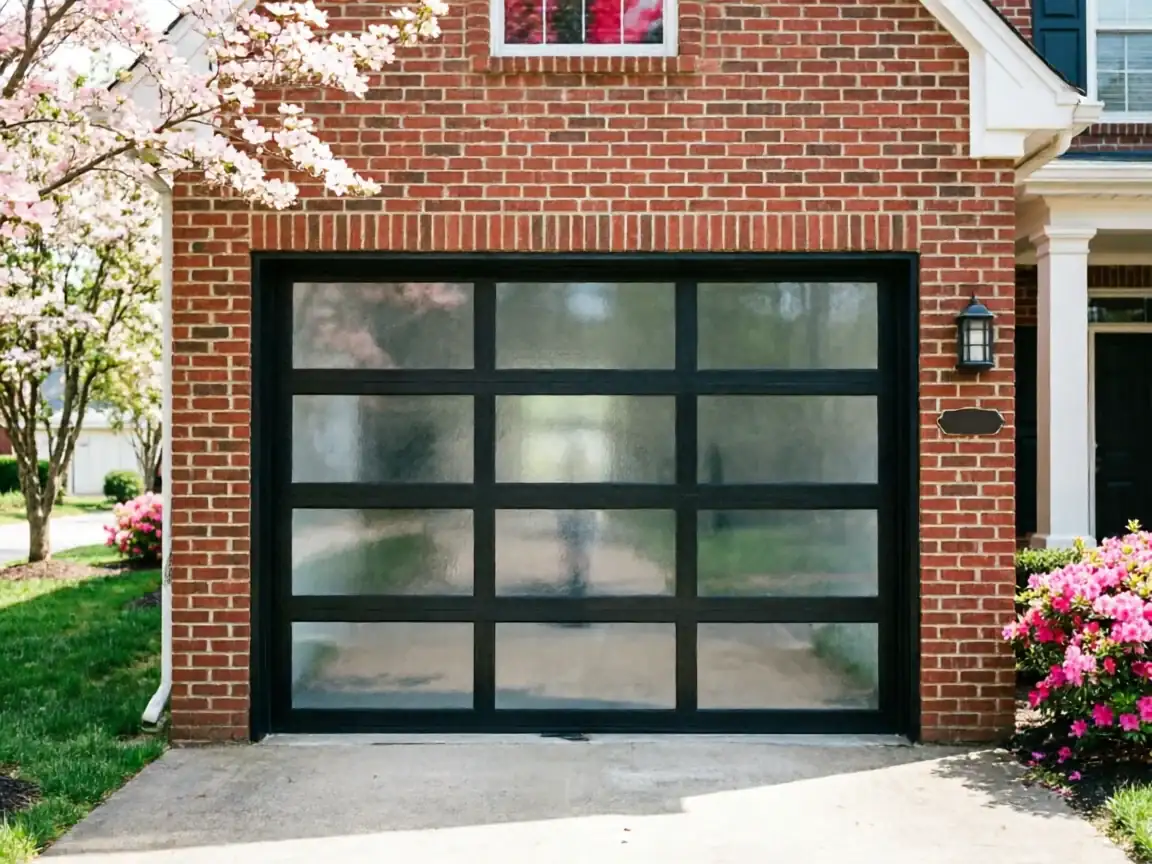
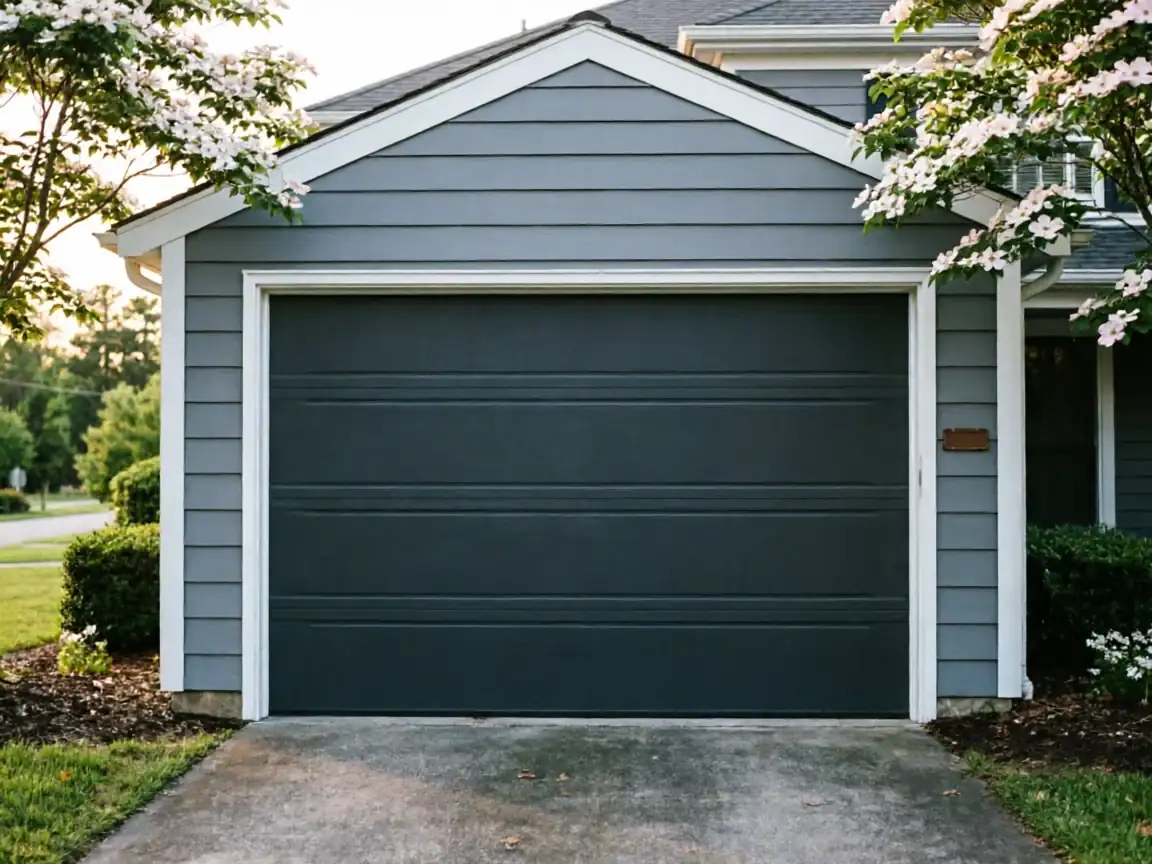
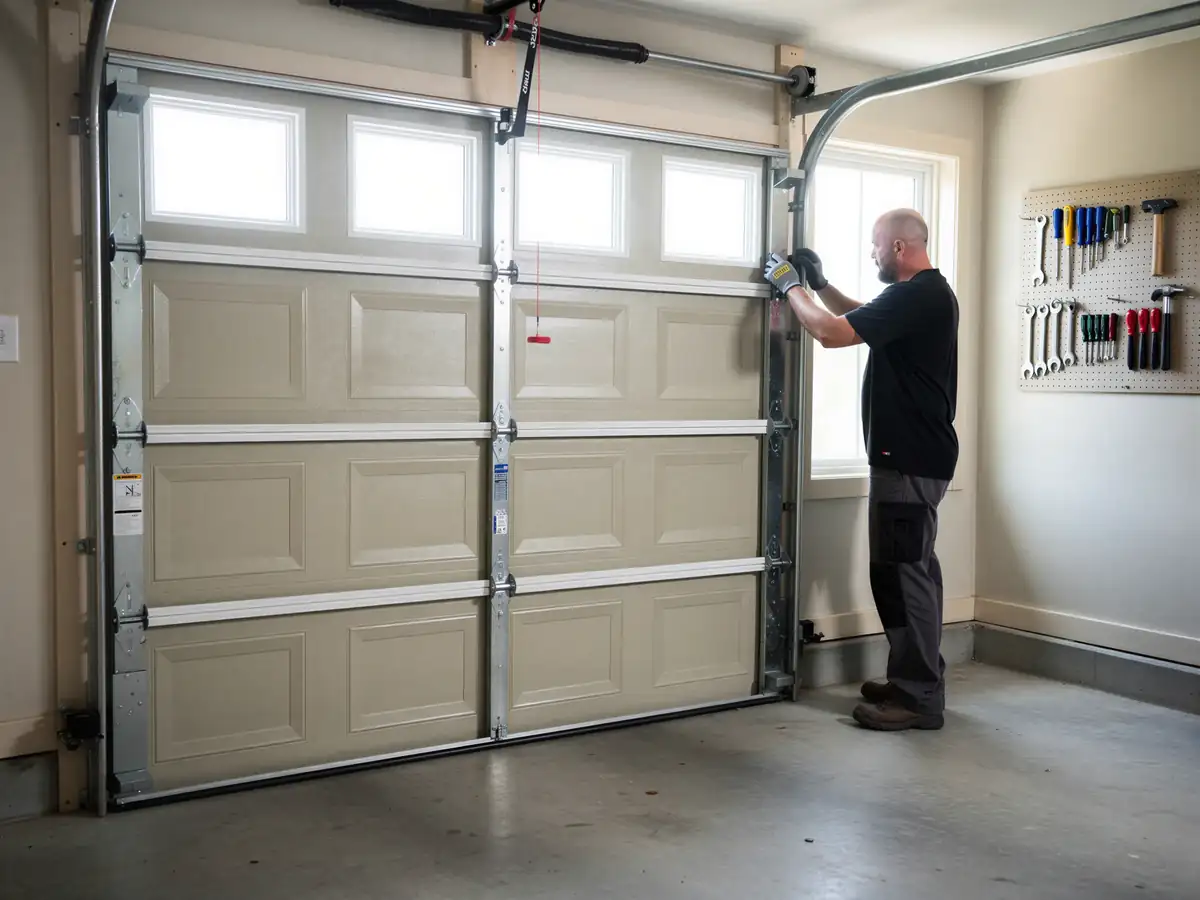
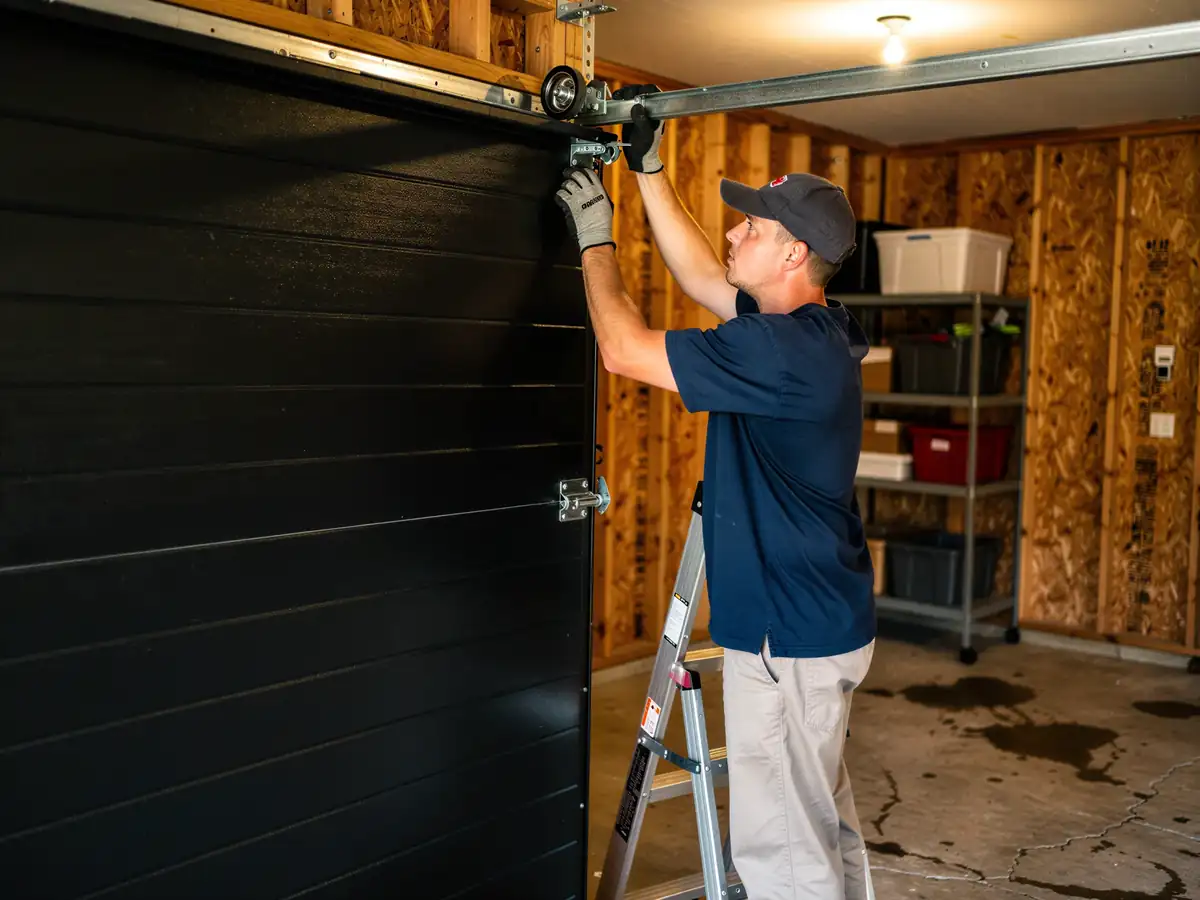
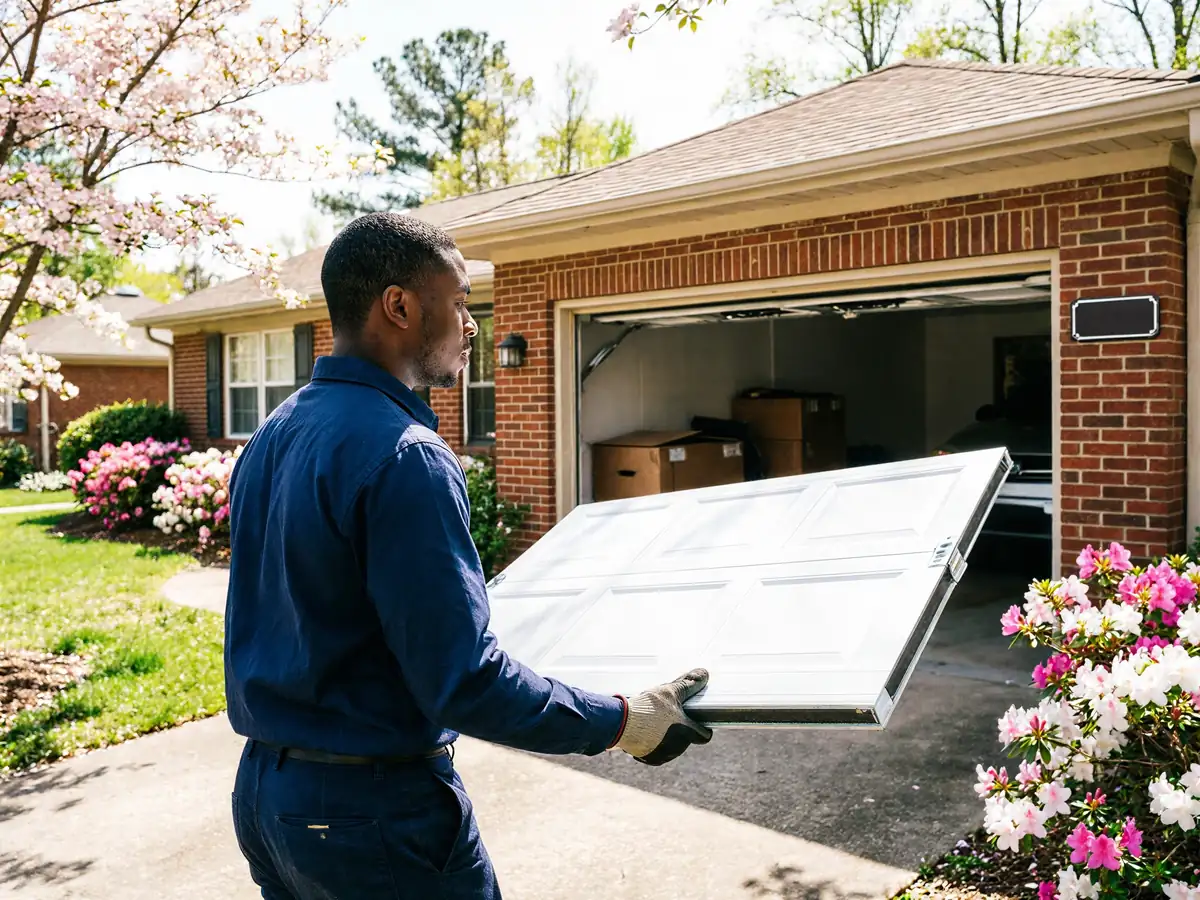
Hopewell sits five miles out from our shop in Cleveland, close enough that we don't have to guess what's on the truck before we leave. Most houses here went up around 1985, which puts them square in the stretch of construction the whole service area saw between 1967 and 2004. That matters for panel work because doors from that window used a narrower set of standard panel heights and steel gauges than what's sold today. We keep stock sized for that era pulled before the drive out, rather than finding out on your driveway that the section we brought is half an inch off and heading back to Cleveland for the right one. The short trip means we can also bring two or three panel options when the exact match isn't obvious from a phone description, instead of making you wait on a second visit. If your door turns out to be an oddball size outside that common 1980s-90s range, we'll tell you straight that it may need an order - we're not going to force a panel that doesn't sit flush just to finish the job in one trip.
What You Pay
We don't have a Hopewell-specific price list to quote, and we're not going to invent one just to fill this section. What we can tell you is that households in our service area sit around a median income of roughly $64,756, and Hopewell itself runs higher than that - a detail that matters less for what the part costs and more for what kind of fix people here tend to choose. We see more owners in this area opt for a matched factory panel over a mismatched salvage piece, since a single wrong-colored section is more noticeable on a well-kept 1980s house than it would be on an older or more weathered one. Final cost depends on the door brand, the panel size, and whether the track or hardware needs attention alongside the panel itself - we price that after we've actually seen the door, not over the phone.
What You Are Seeing
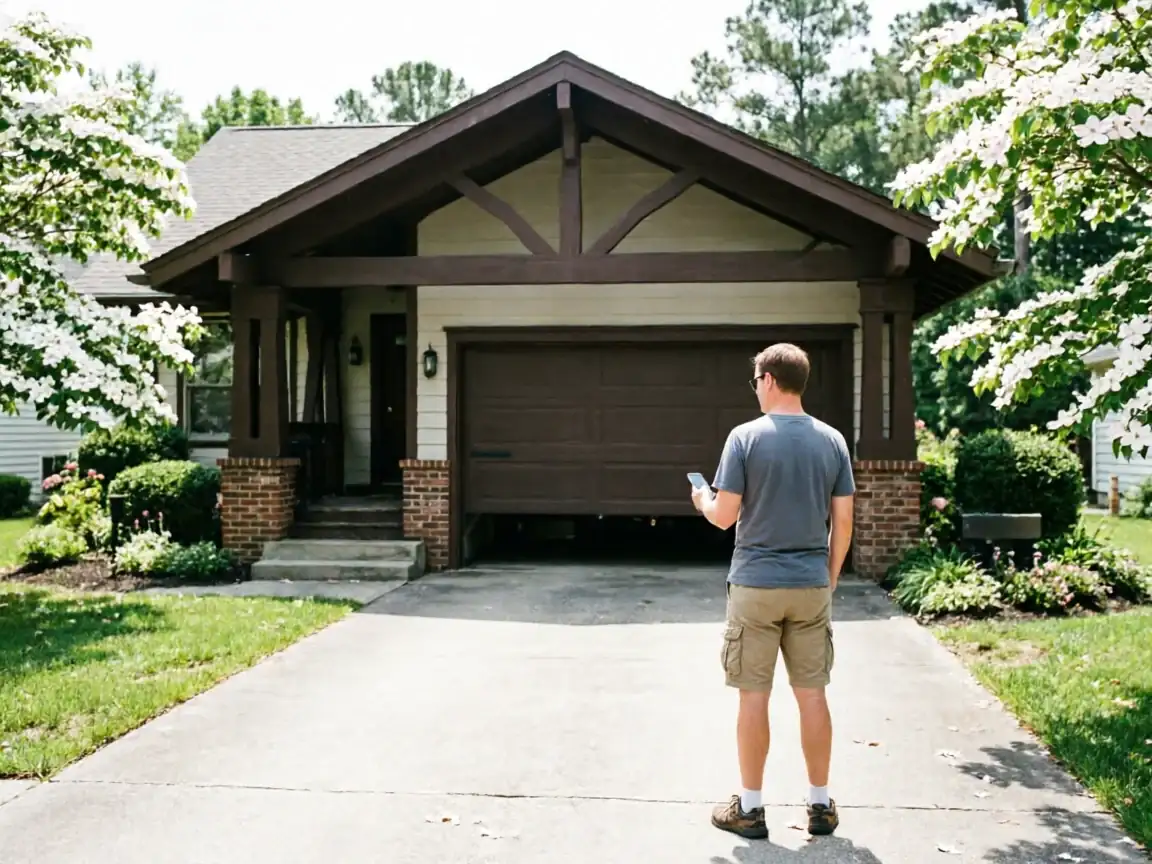
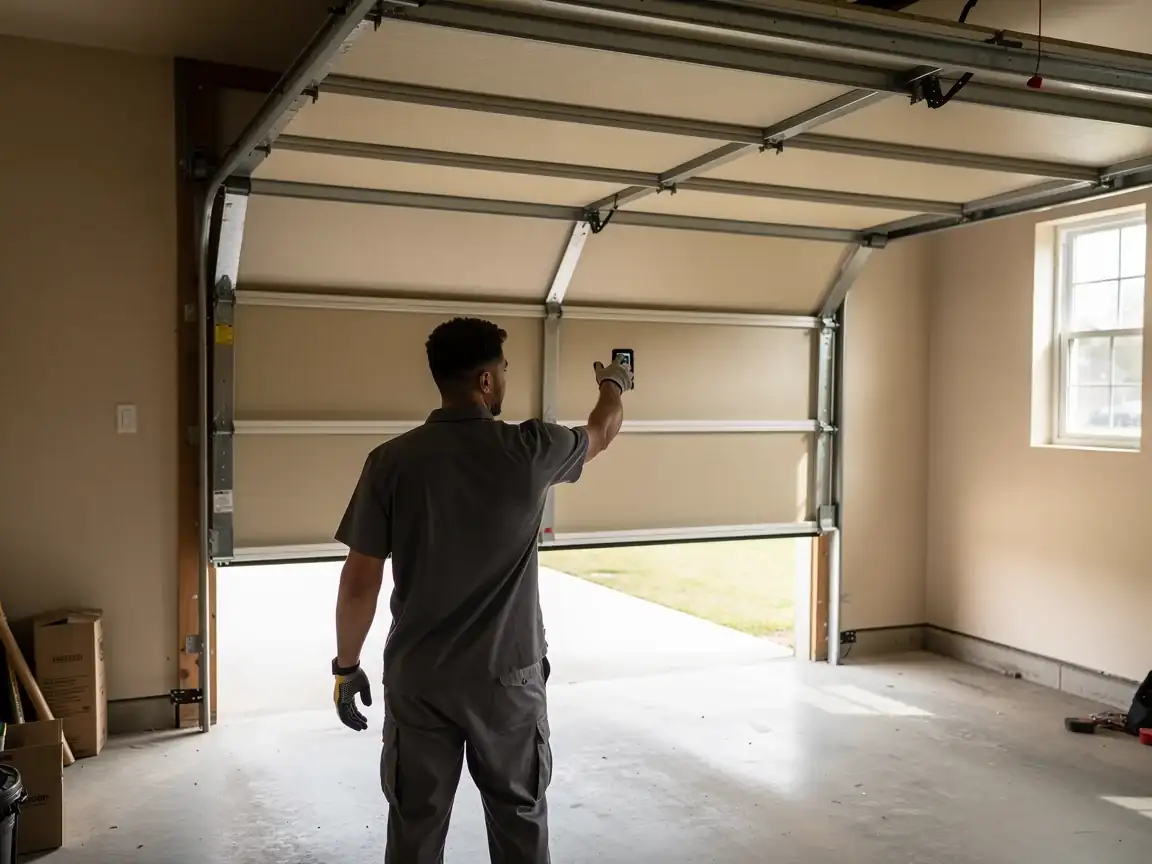
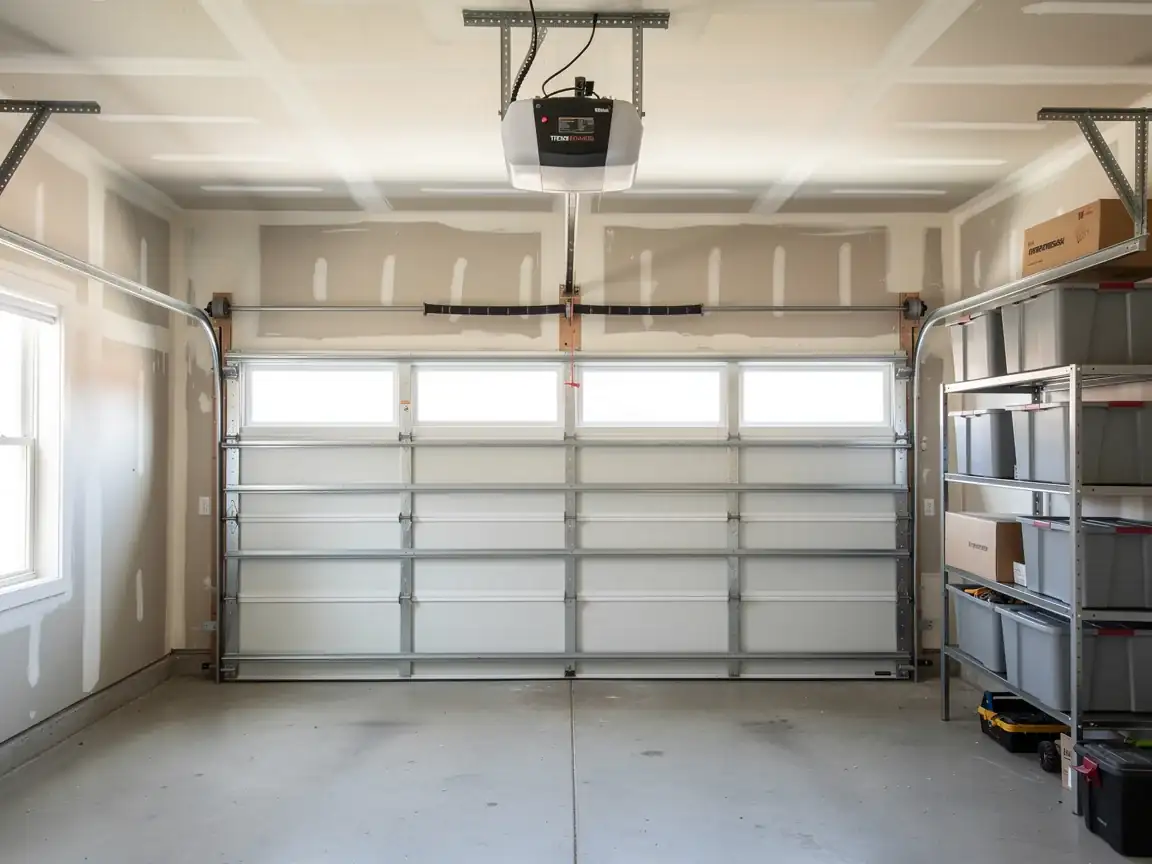
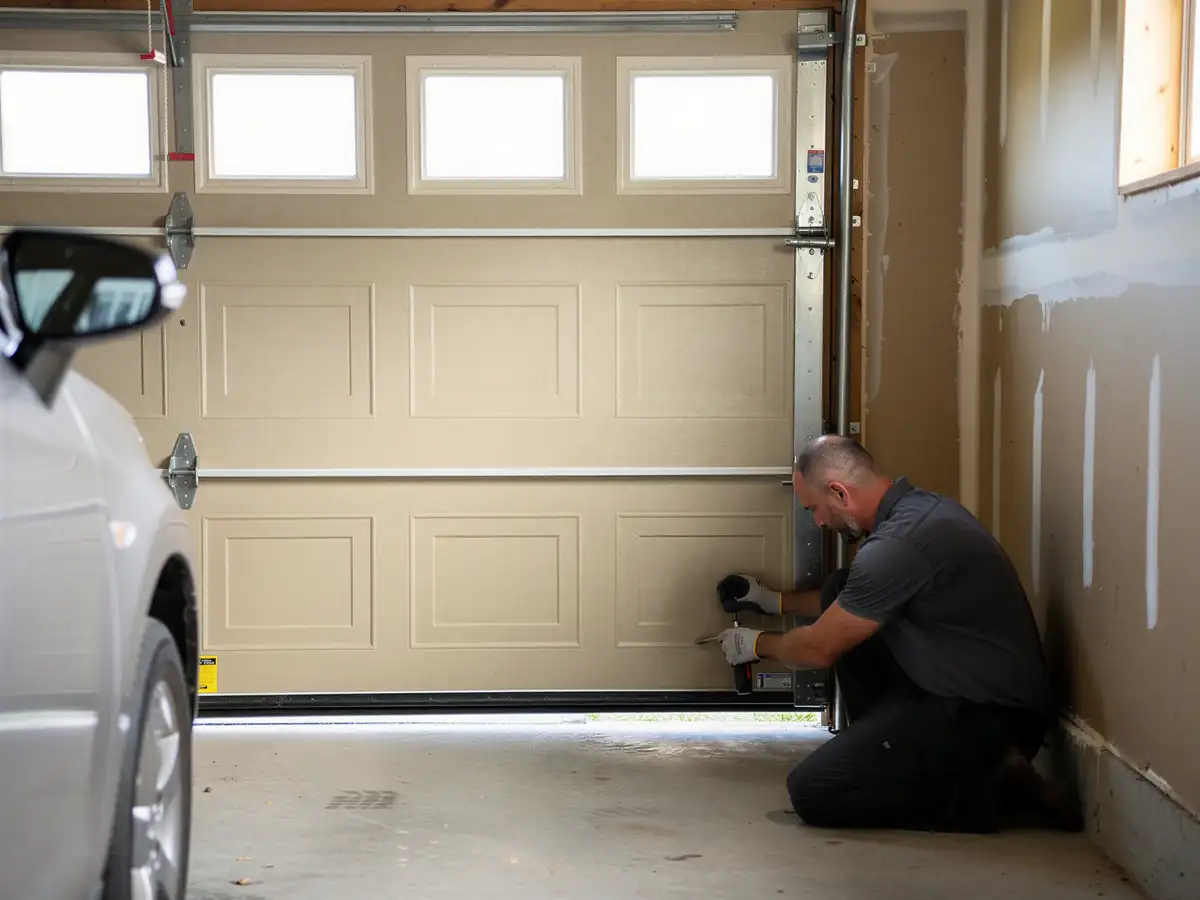
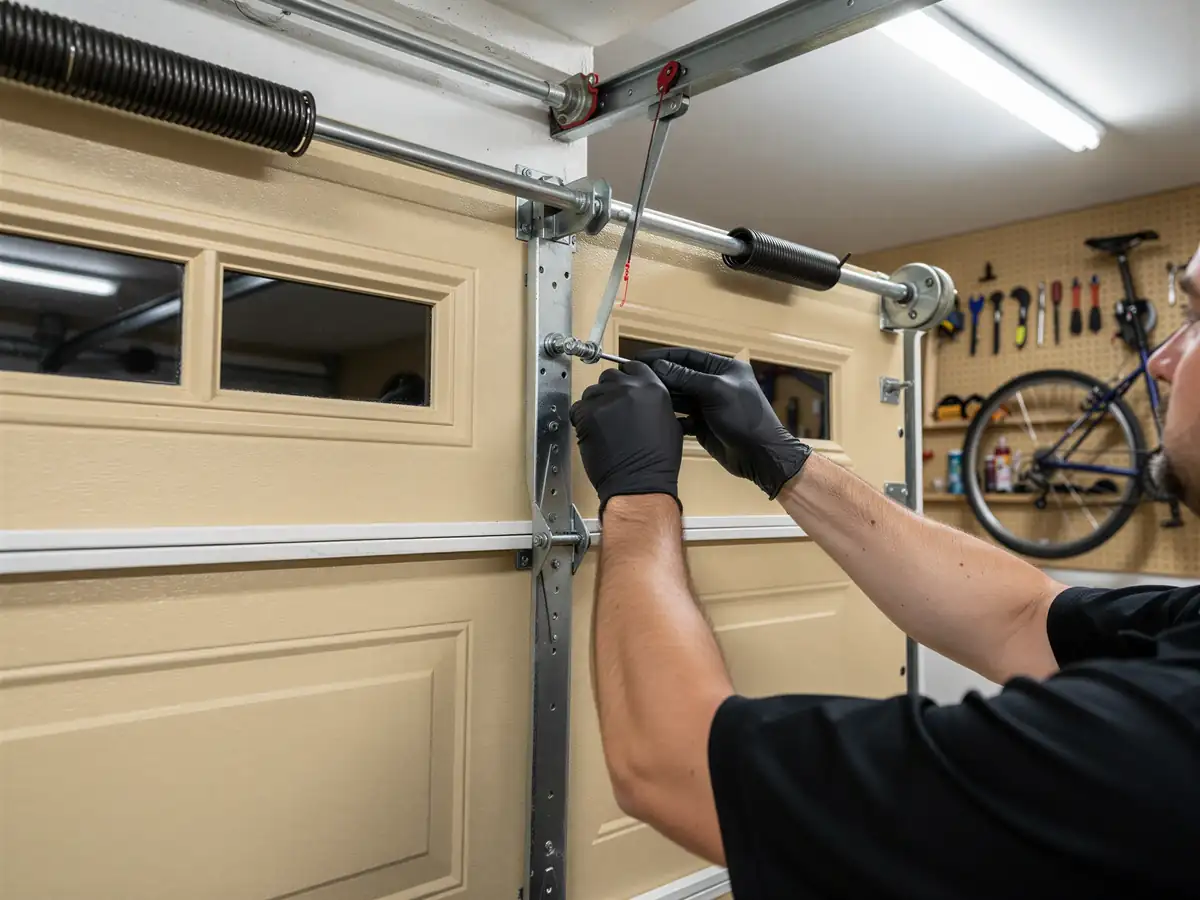
If a panel on your garage door is bowed, cracked along a seam, or dented in from a backed-into mower or a wind-thrown branch, it's worth fixing before the gap lets more weather in behind it. With the cold winters this part of Tennessee gets, a door section that's lost its seal lets moisture sit against the steel underneath, and that's where rust starts working from the inside out. Houses built around 1985, which describes most of what's standing in Hopewell, are at the age now where a cracked panel often isn't the only thing showing its years - check whether the rollers squeal or the door drags at the bottom track when it closes. One damaged panel on an otherwise sound door is a straightforward swap. A door with multiple failing panels, rust through more than one section, or a track that's bent along with the panel is usually a case where full replacement costs less over time than chasing parts for a door that's reaching the end of its run.