Stocked Parts
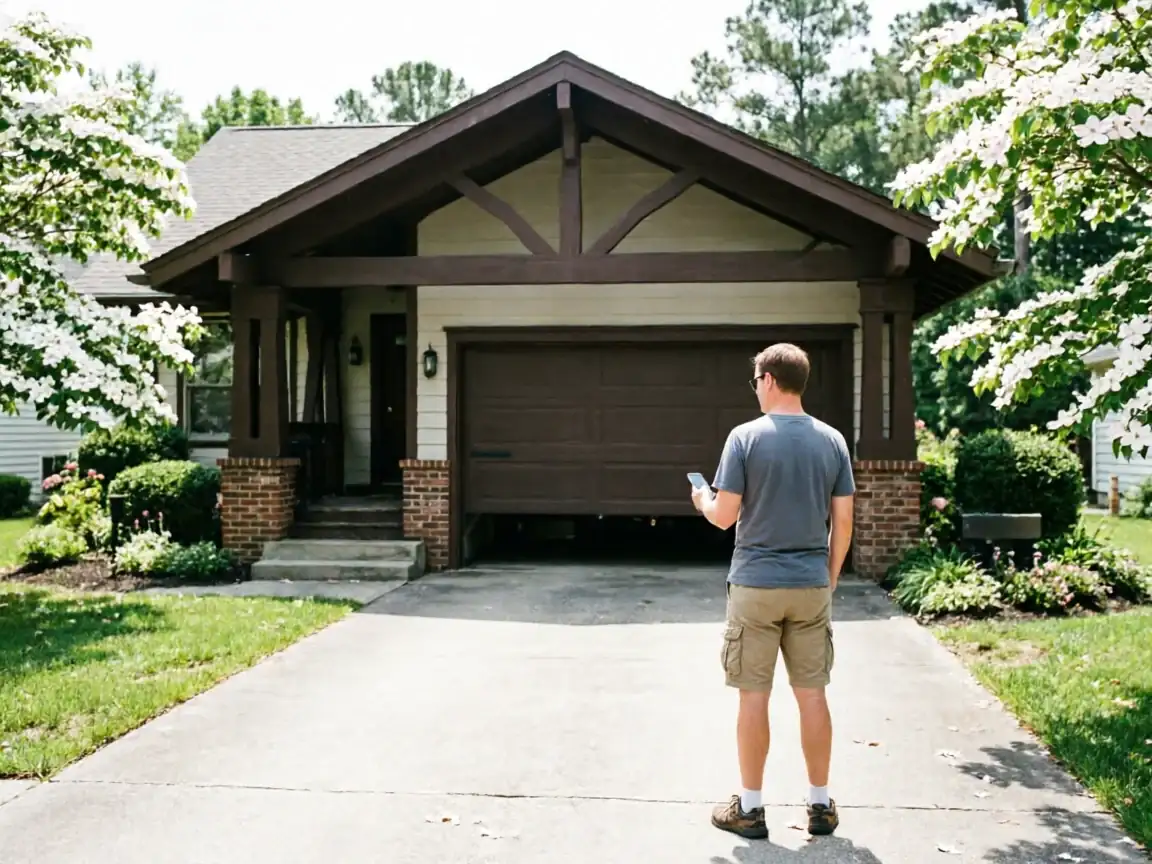
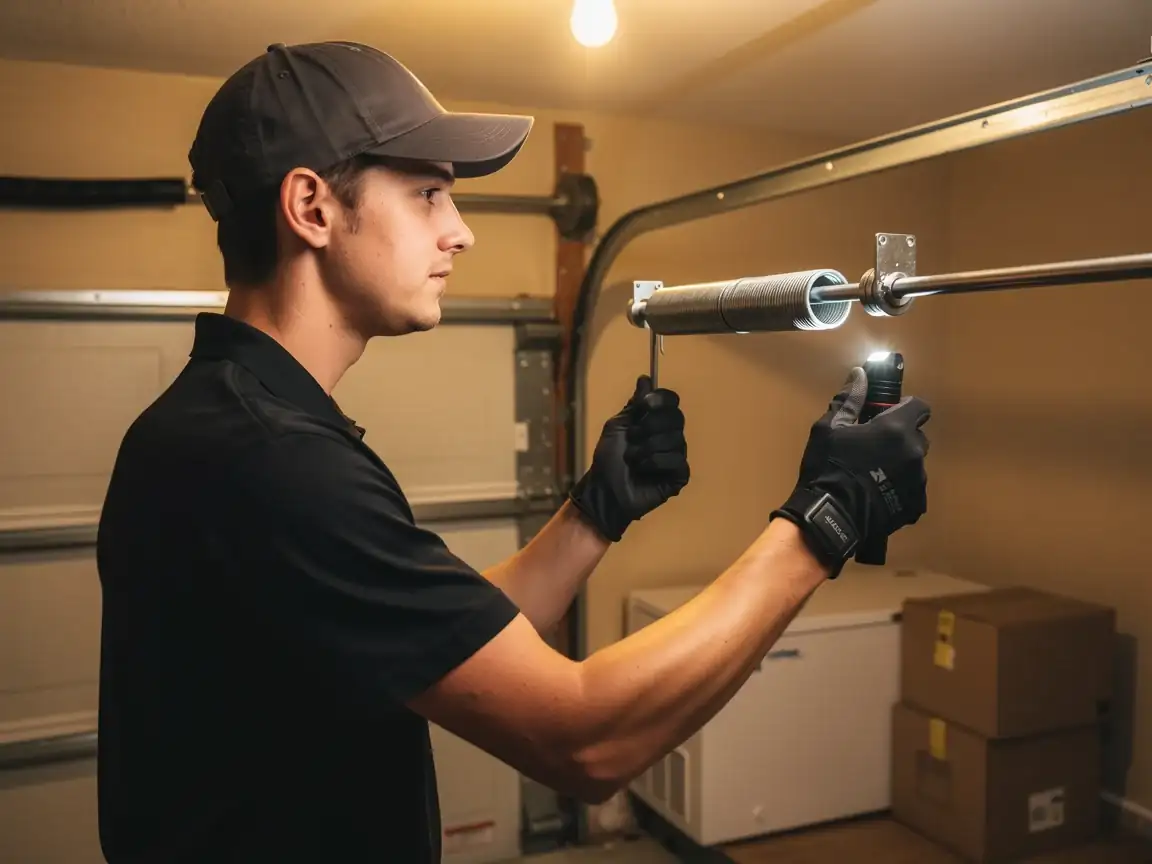
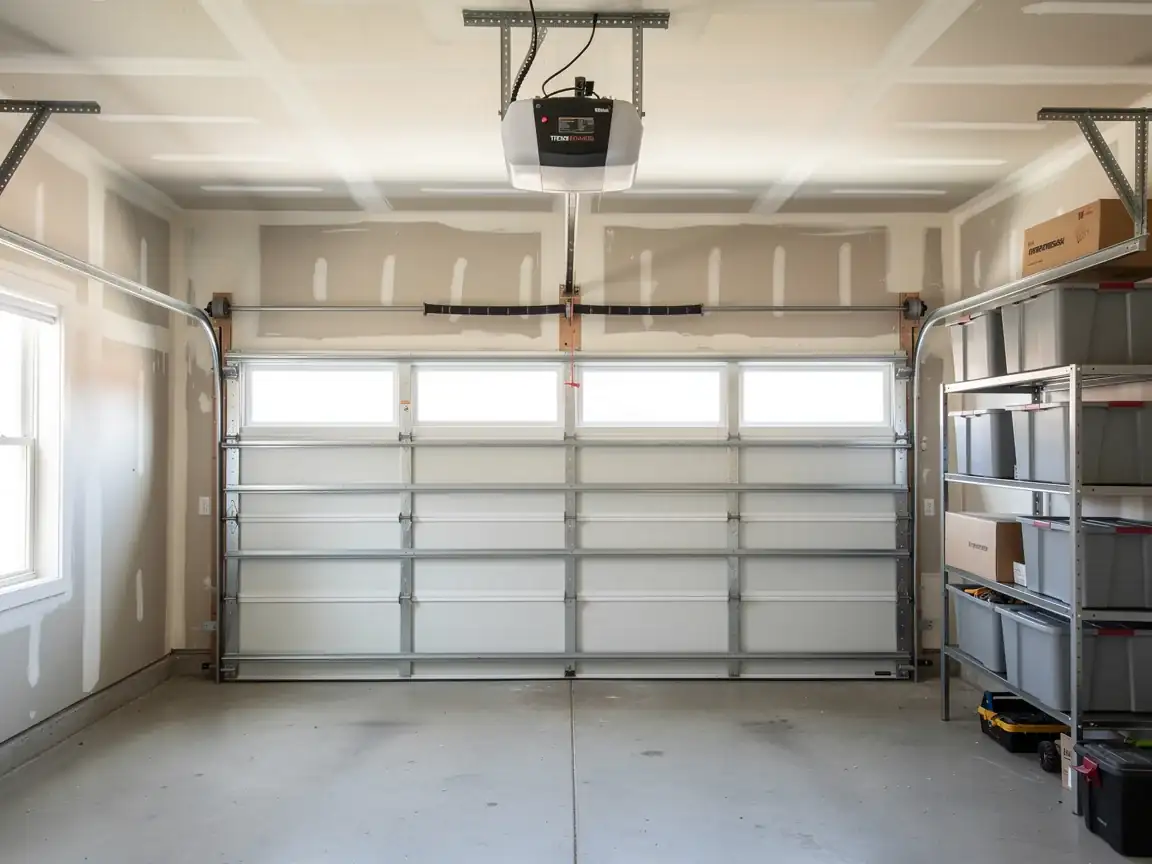
Most houses in Hopewell went up around 1985, which puts the neighborhood squarely in the chain-drive era. That's the drive type we expect to find on the truck call before we even knock on the door: a steel chain looping around a rail, a 1/2 horsepower motor, and a logic board that's been swapping out circuit assemblies for thirty-odd years as manufacturers changed their part numbers. We carry the common replacement boards, chain sprockets, and drive gears that fit openers from that build window, plus the newer belt-drive units for anyone ready to swap over entirely. What we don't carry on the truck is a part for every discontinued model from that era - some low-volume boards from brands that stopped making residential openers altogether take a special order, and we'll tell you that up front rather than have you wait on a part that isn't coming. If your opener is a legacy model with a board nobody's made in a decade, replacement usually beats hunting for parts.
What You Pay
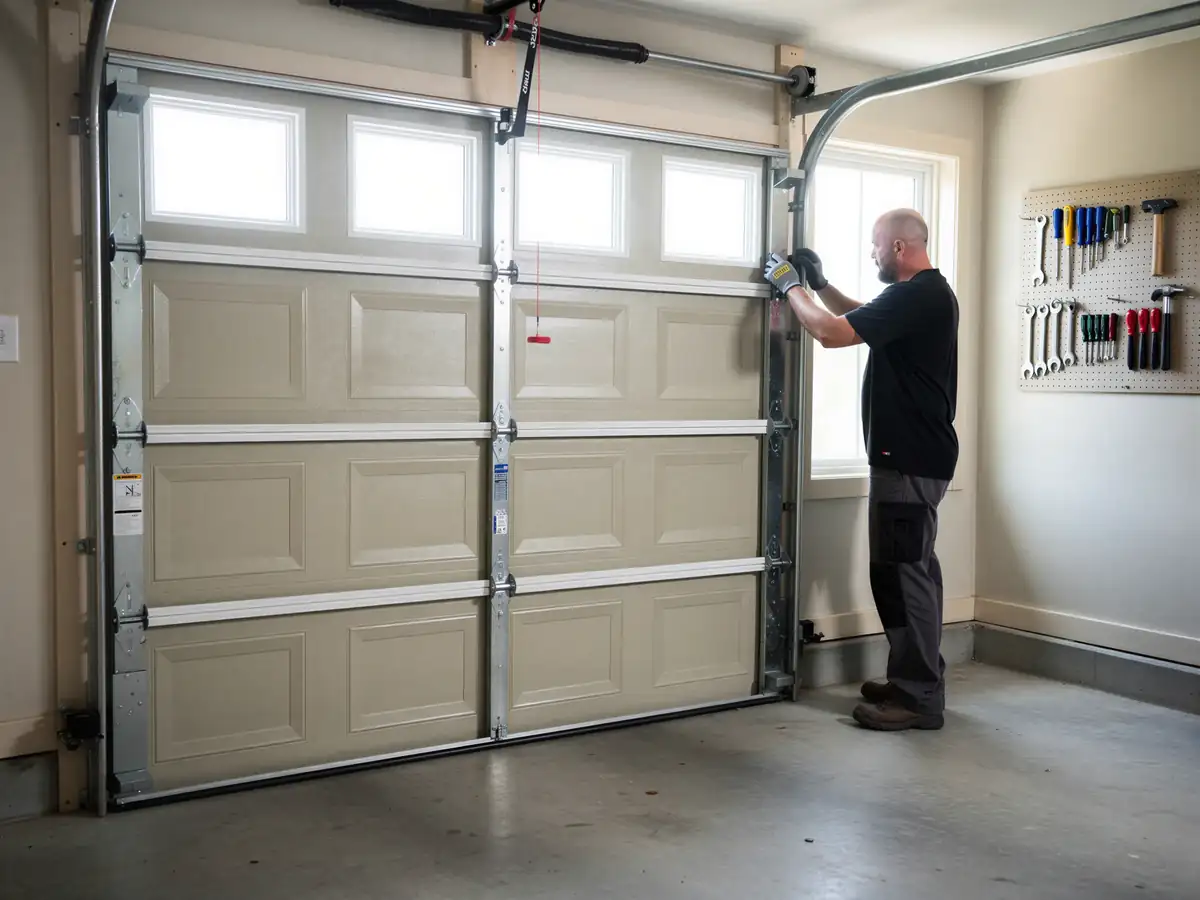
We travel the 5 miles from our Cleveland shop out to Hopewell for every opener call - there's no satellite branch here, so the job cost reflects a service call plus whatever part fails, not a flat neighborhood rate. A stripped drive gear or a worn sprocket is a quick fix. A dead logic board costs more because the part itself runs higher than a mechanical piece. We quote the repair once we've opened the unit and seen exactly what failed, not before, because guessing on an opener that's been running since the house was built is how you end up either over-charging or coming back for a second visit. One thing we won't do is talk you into a full opener replacement when a $30 gear kit solves it - but if the board, motor, and gear are all showing their age at once, we'll say so plainly, because stacking repairs on a unit that old rarely makes financial sense.
What You Are Seeing
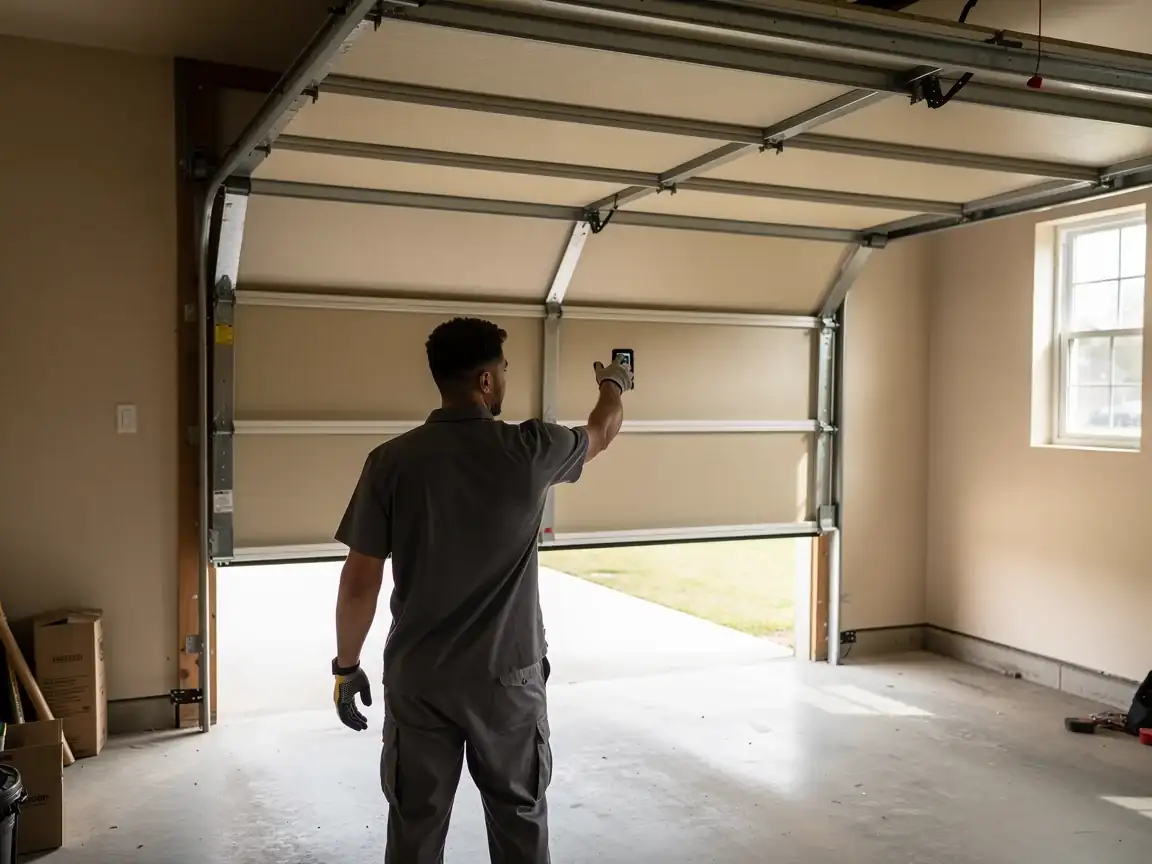
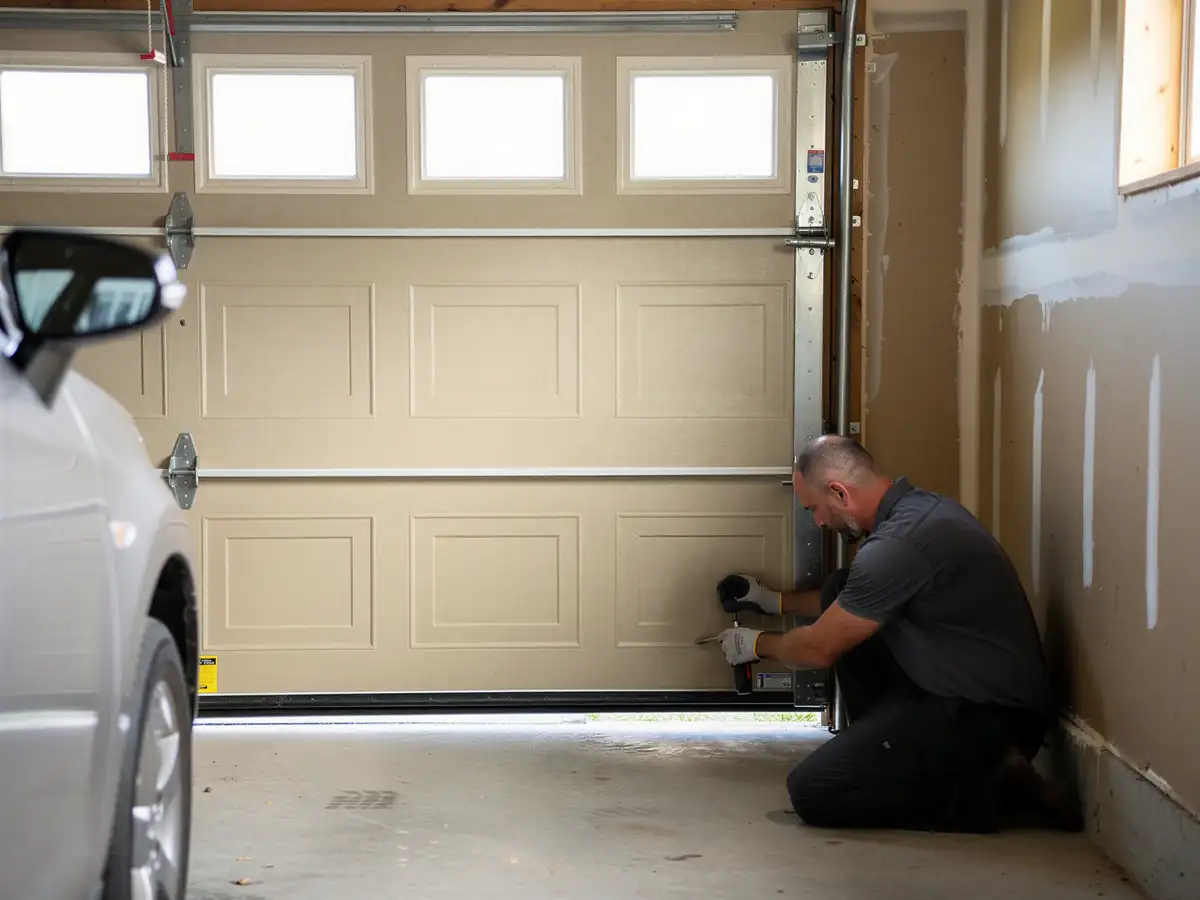
If your opener in Hopewell is straining, reversing partway up, or running loud enough to hear from the driveway, the pattern usually traces back to the gear or chain tension rather than the motor itself - that's the most common failure on a drive train this age. A door that opens fine on the wall button but not the remote points to a dead receiver board or a battery that's finally quit after years of use. Clicking with no movement is almost always the stripped gear. A door that reverses right at the floor before closing fully is often a sensor alignment issue rather than anything wrong with the opener's brain, and that's a five-minute fix once we're on site. None of these point to a bigger structural problem with the door itself, which is good news - opener trouble on a house this age is usually the motor unit catching up with its years, not a sign the door or track needs replacing too.