Stocked Parts
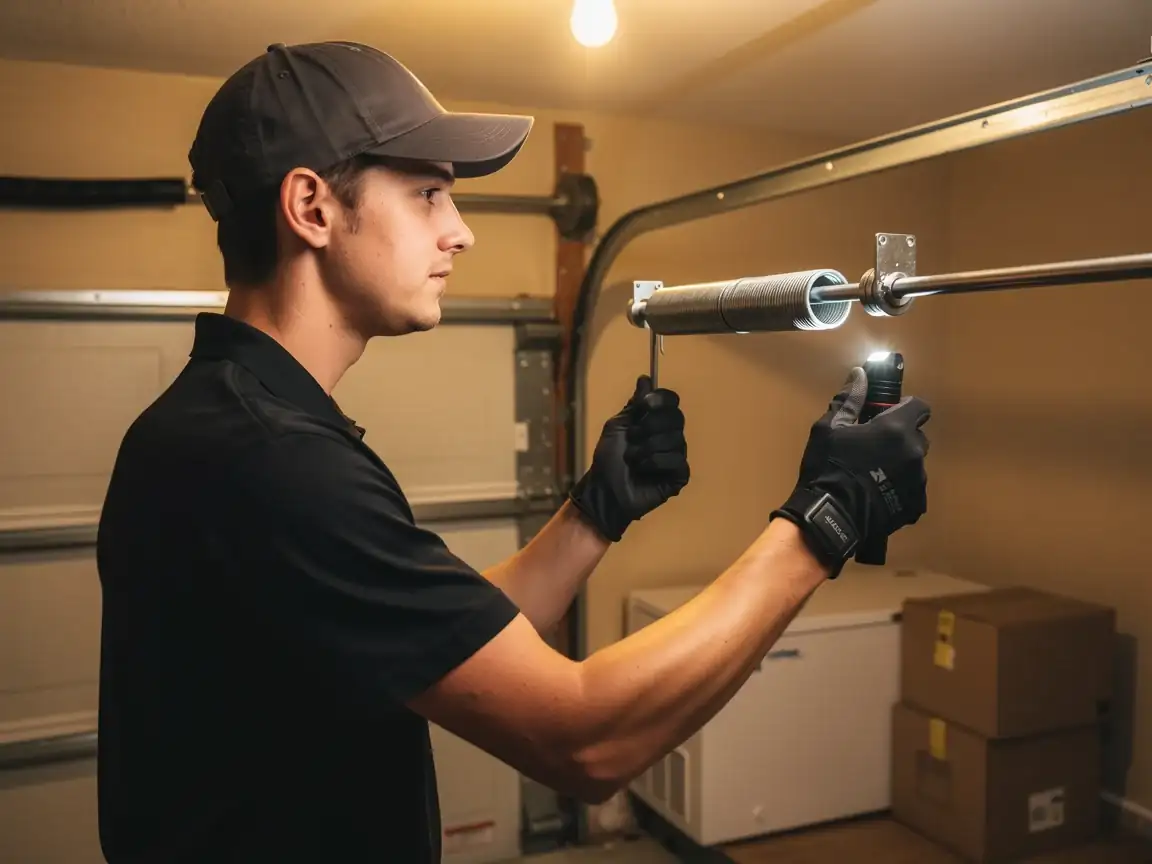
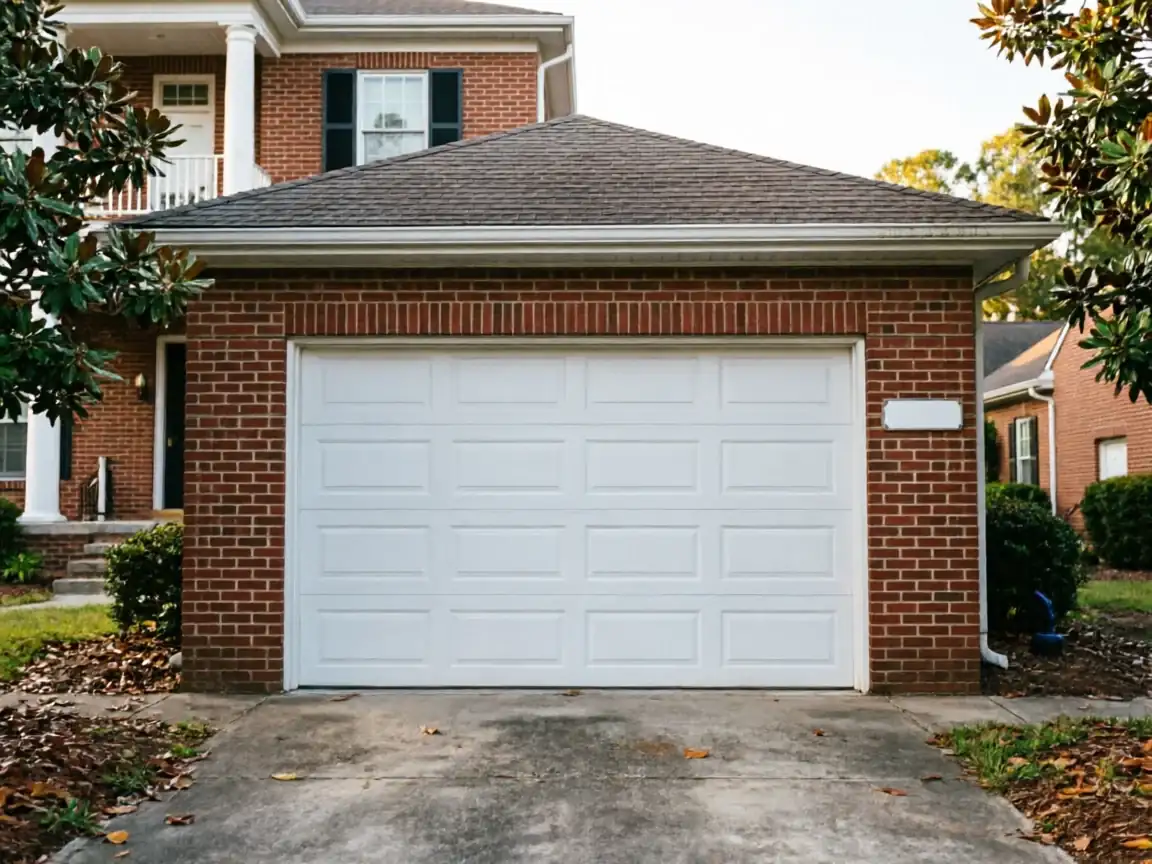
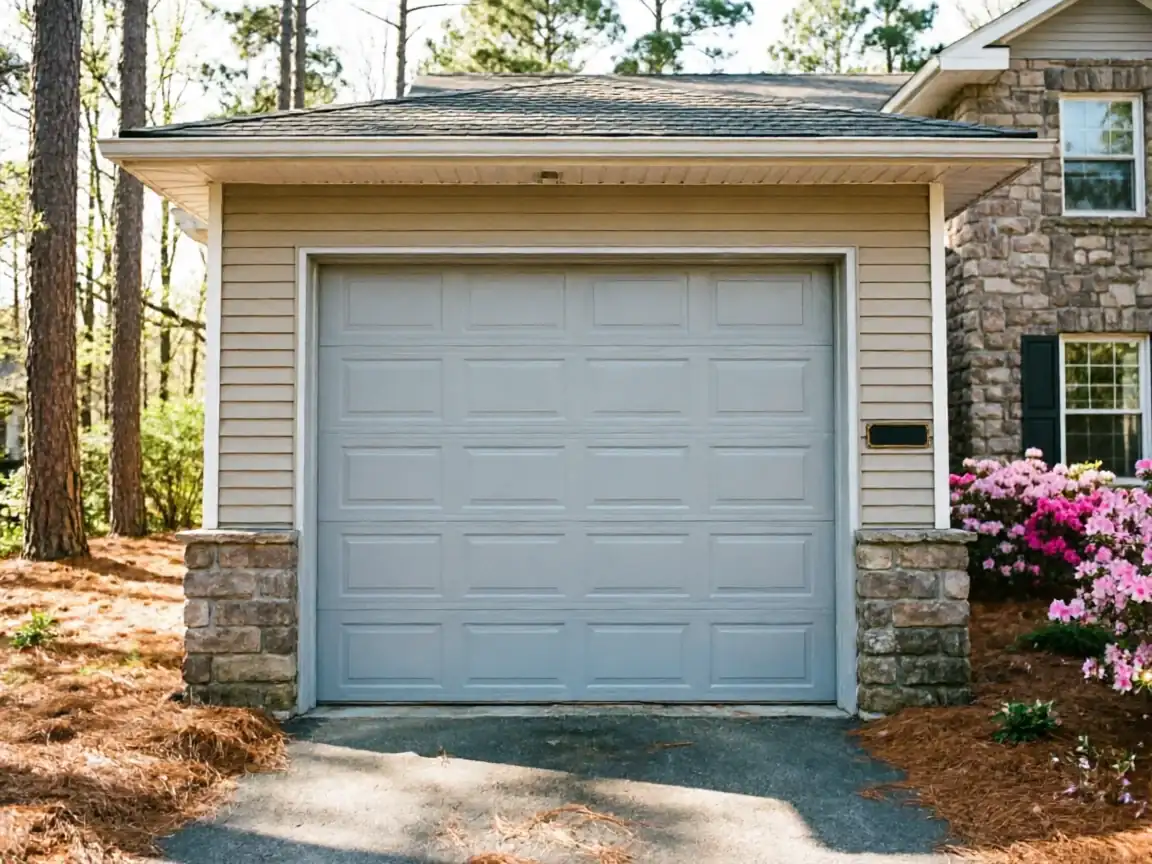
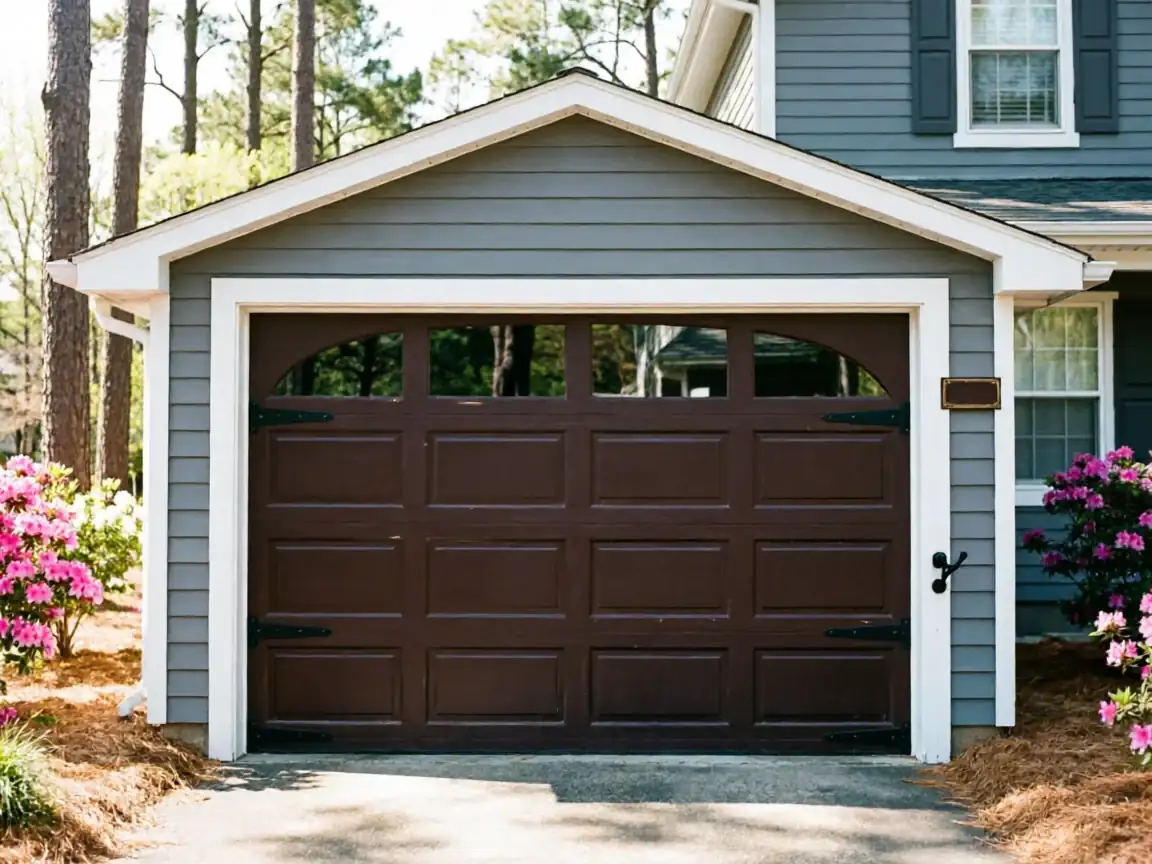
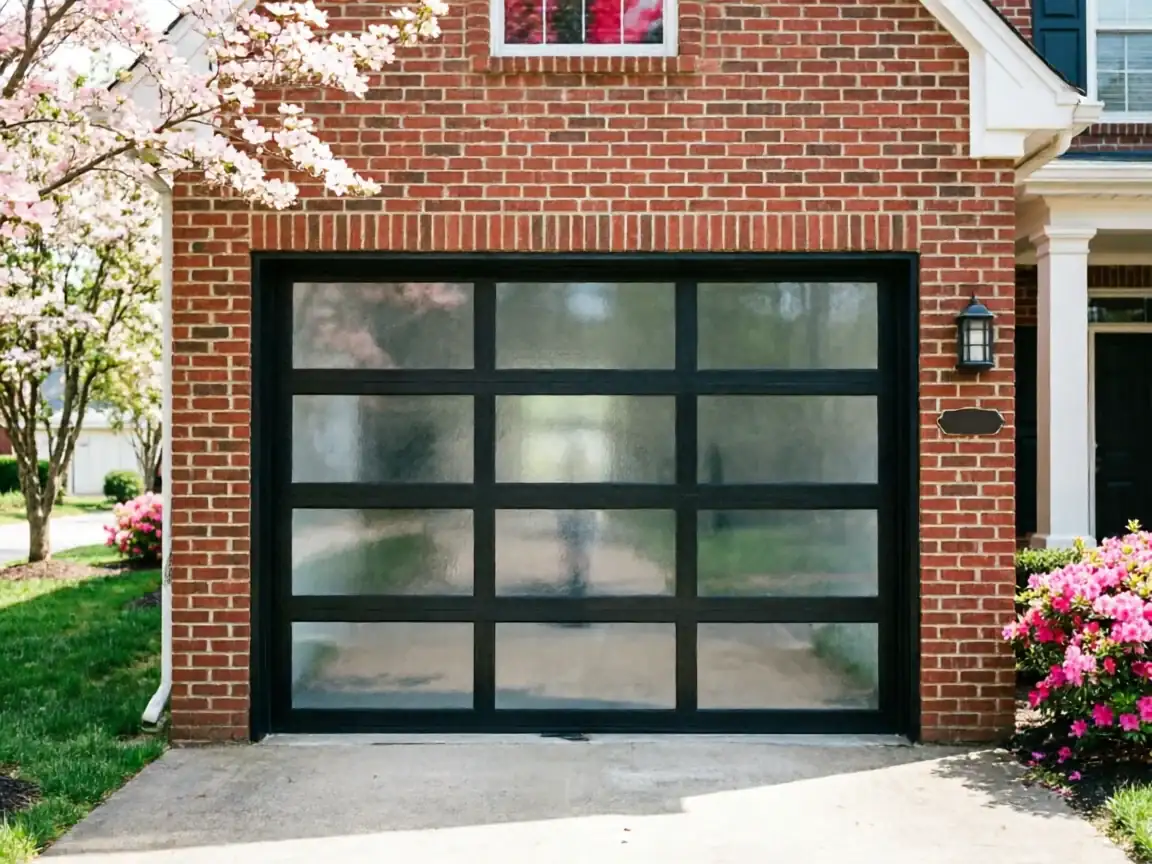
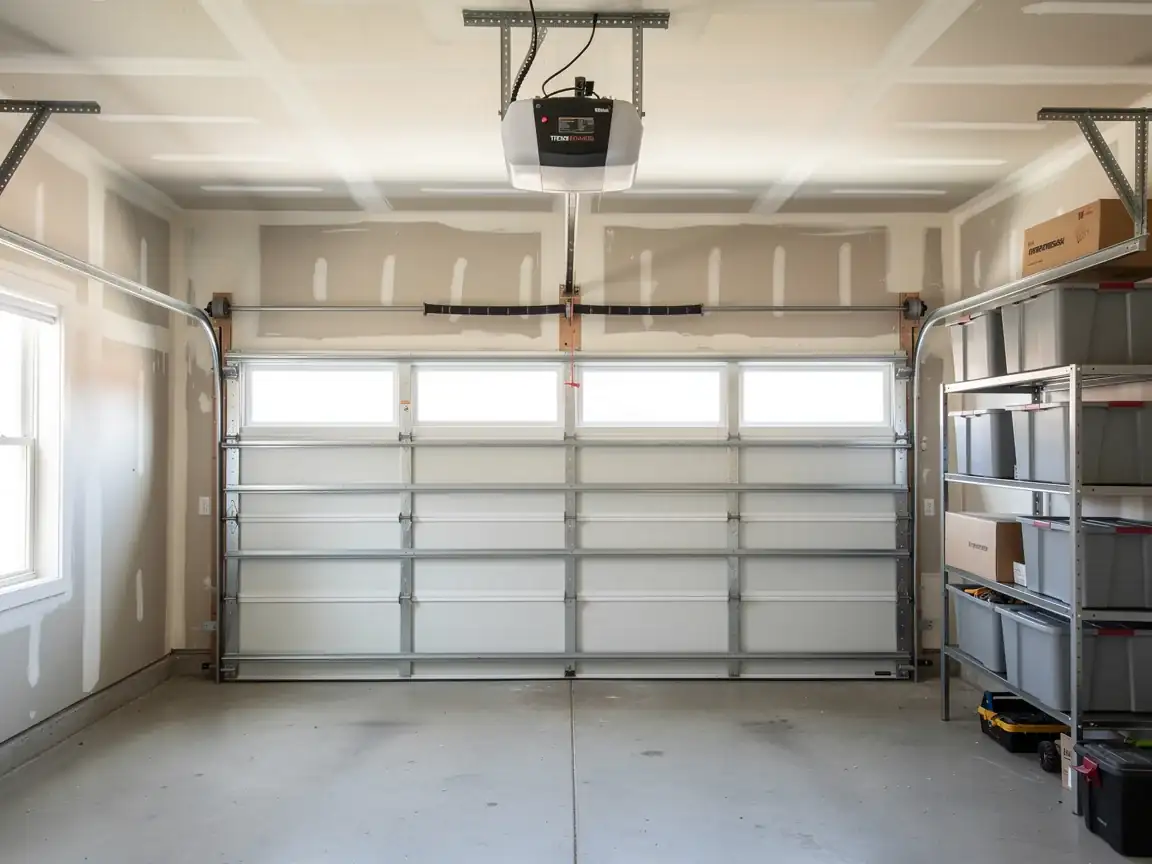
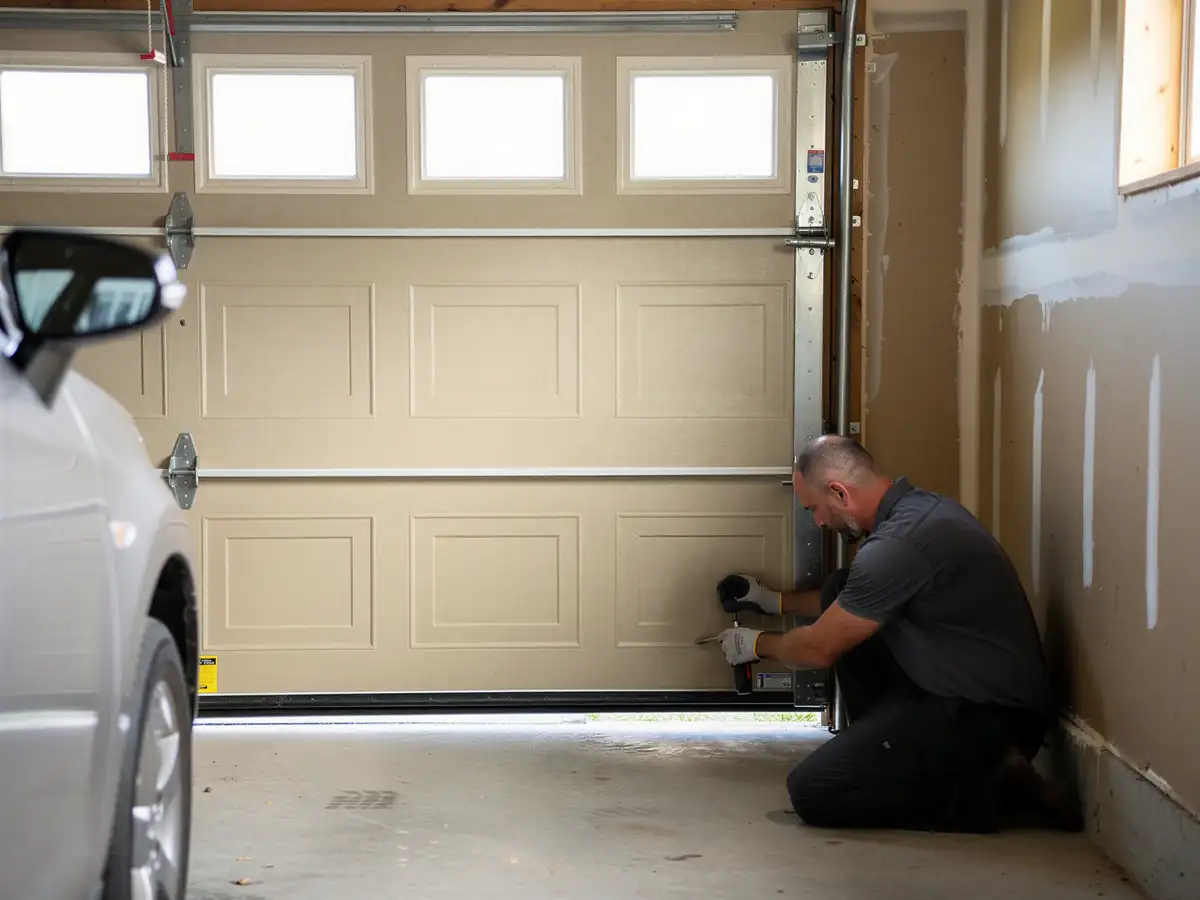
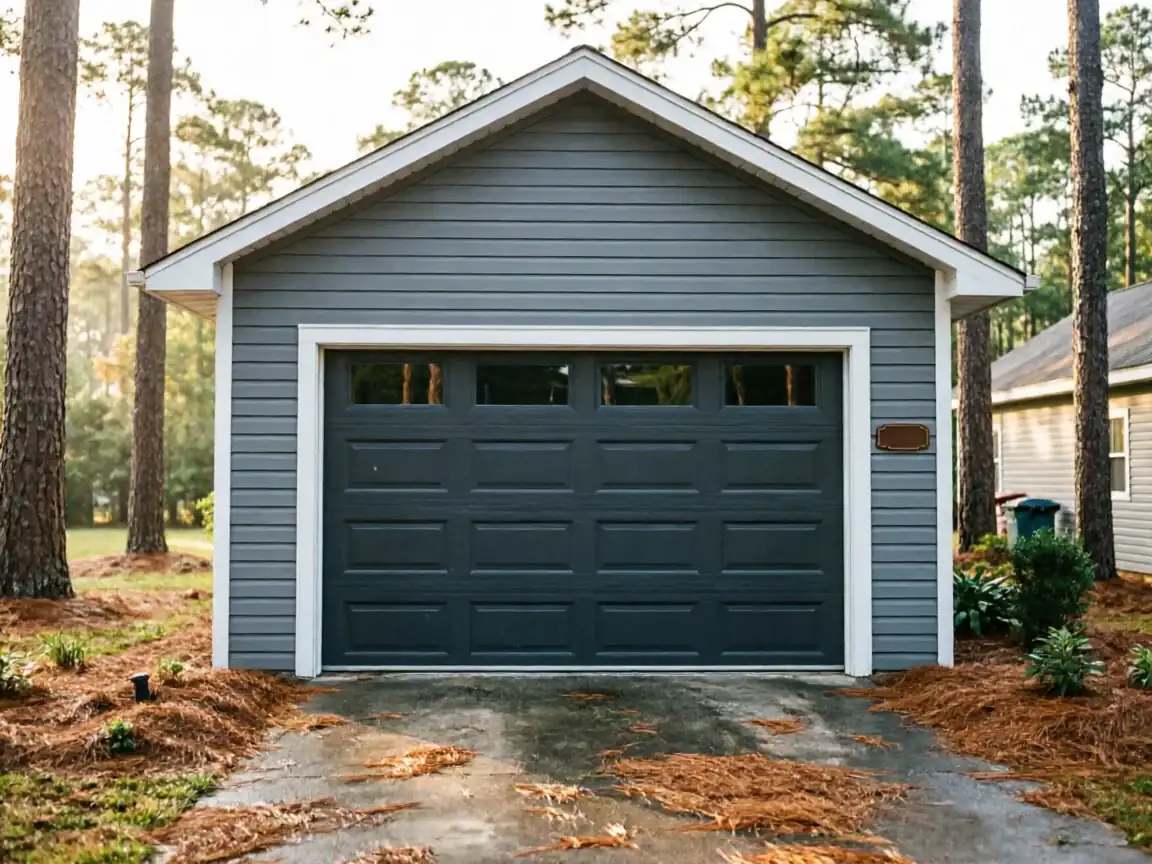
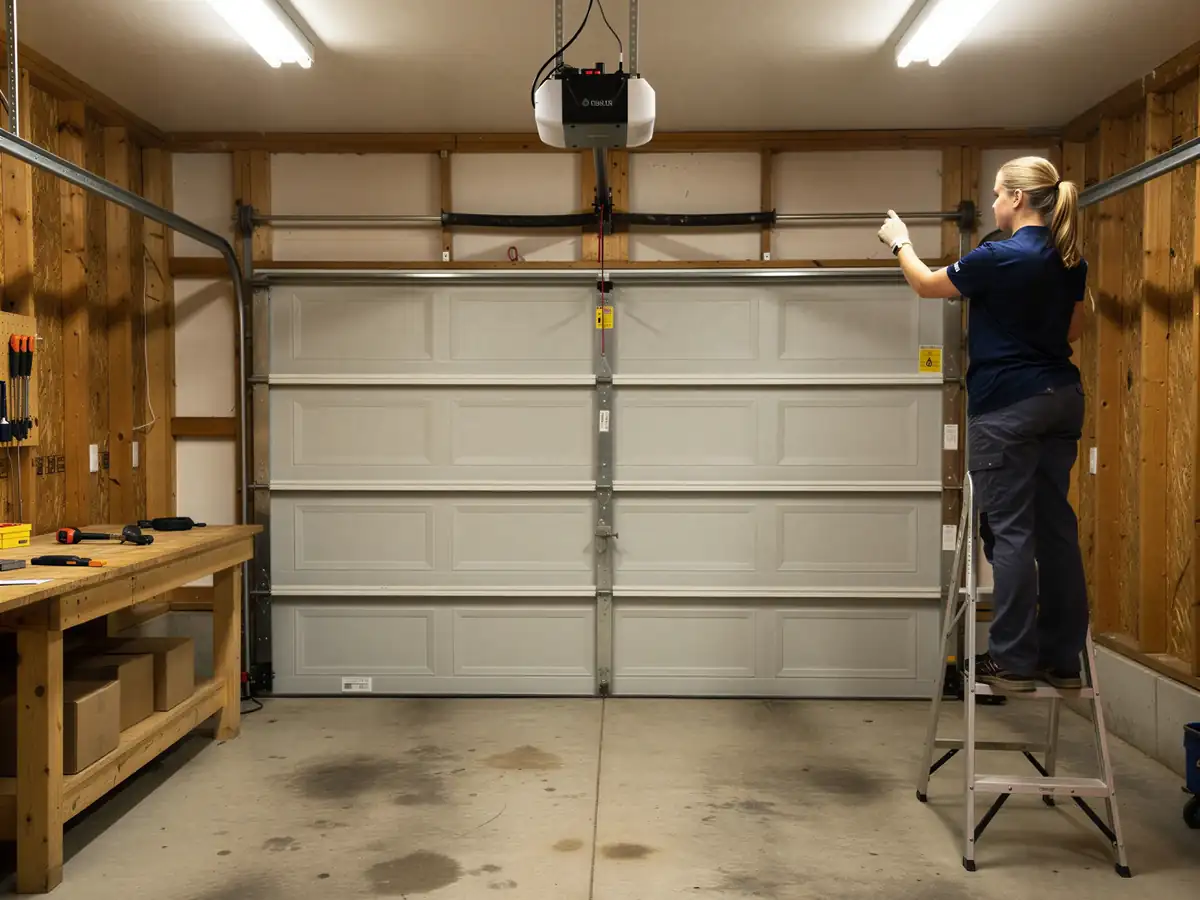
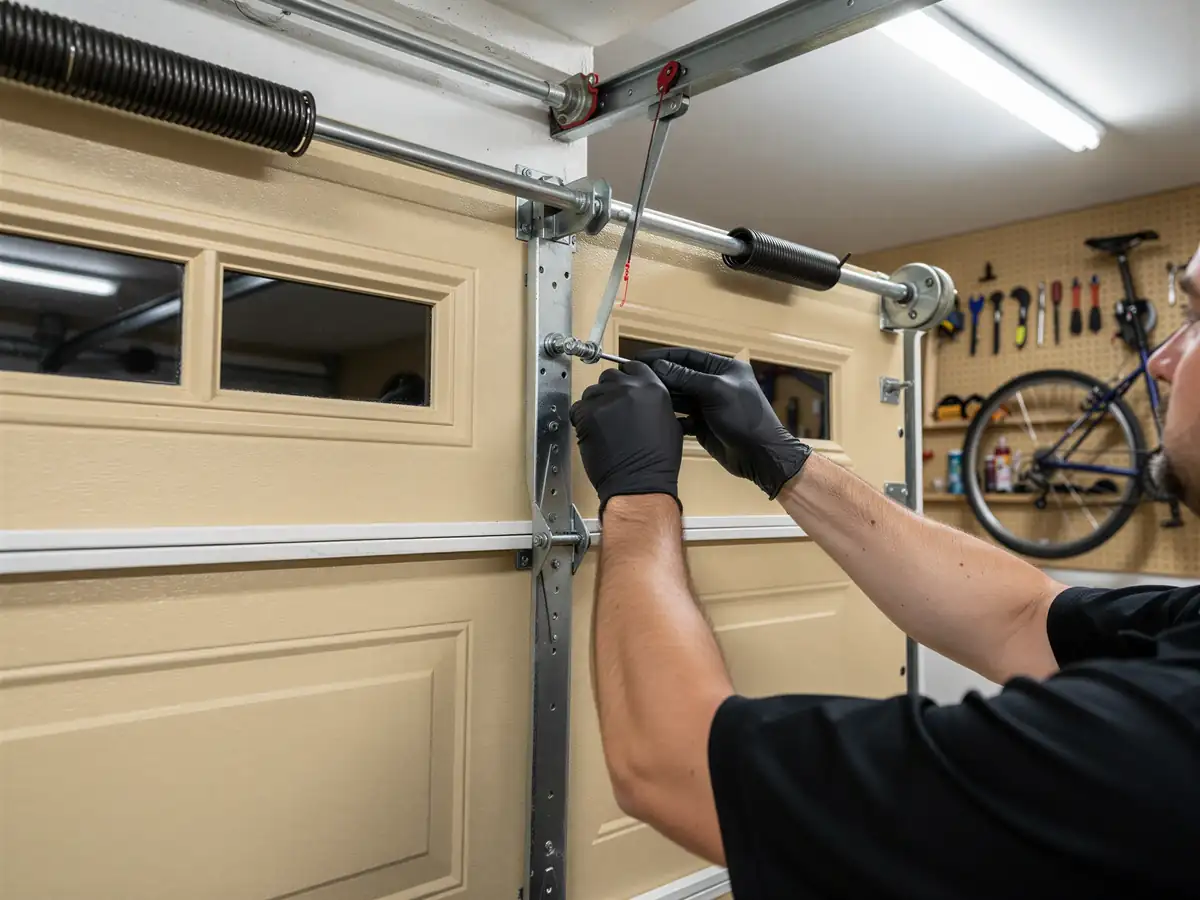
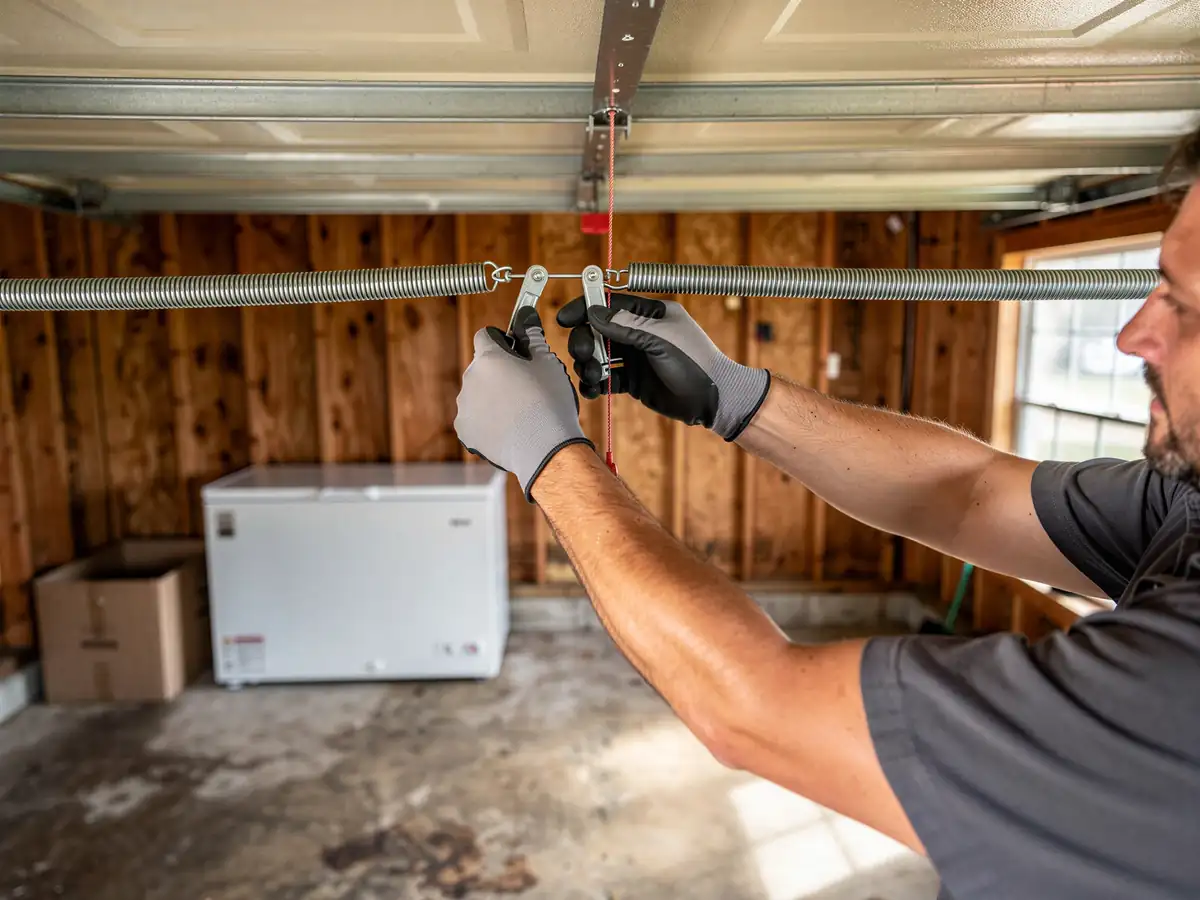
Most of Hopewell went up in the mid-1980s, which narrows down what's actually on these doors. Houses from that build era almost always run torsion springs on steel panel doors rather than the older extension-spring setups you'd find on something built before 1970. That means a short list of common wire gauges and winding lengths covers the bulk of what we see out there, and we keep those on the truck. What we don't carry are oddball sizes for custom doors or anything imported - if a door's been replaced once already with something nonstandard, that part may need to be ordered, and that can add a few days. We won't pretend otherwise. For the stock torsion setup that matches a typical Hopewell garage, the spring itself is rarely the hold-up; getting out there is the only drive involved, since the shop is in Cleveland, five miles off. One other limitation worth saying plainly: if the drum, the end bearing plate, or the track is also shot from age, a spring swap alone won't fix the door, and we'll tell you that before we start rather than after.
What You Pay
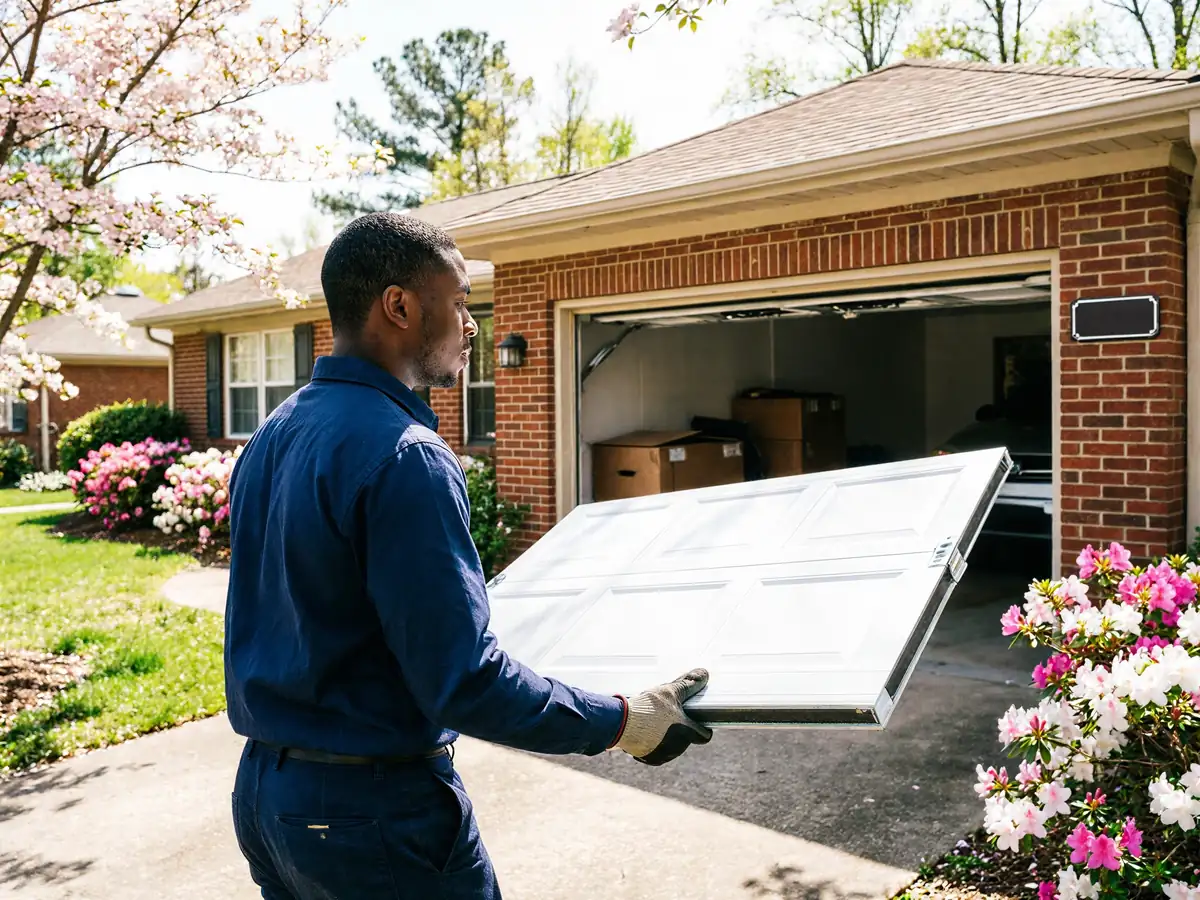
Hopewell's median household income sits at $85,461, well above the $64,756 median across the wider Cleveland service area, and that gap matters for one decision in particular: whether a worn spring gets replaced on its own or the whole door gets looked at for a fuller upgrade. At this income level, a lot of owners here choose to replace both springs as a matched pair when one fails, rather than patch the one that broke and wait for its twin to go six months later - the labor's already on site either way. We don't have a flat number to quote in this page; every door's spring size and count differs, and we're not going to print a figure that doesn't hold up once we're standing in front of your actual door. What we can say is that a torsion spring job is a same-visit repair, not a multi-day project, and that replacing a spring is almost always the right call over replacing the whole door - unless the track or the panels are also failing, in which case we'll say so before any work starts.
What You Are Seeing
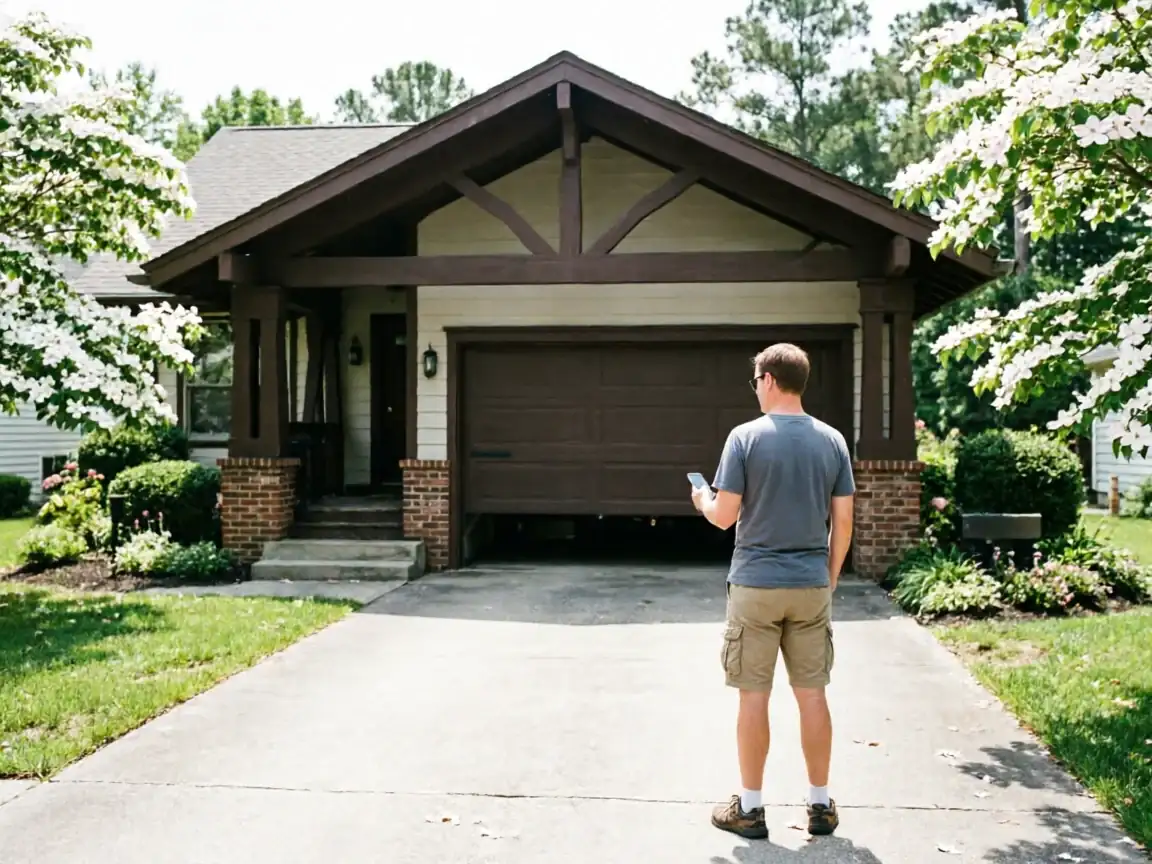
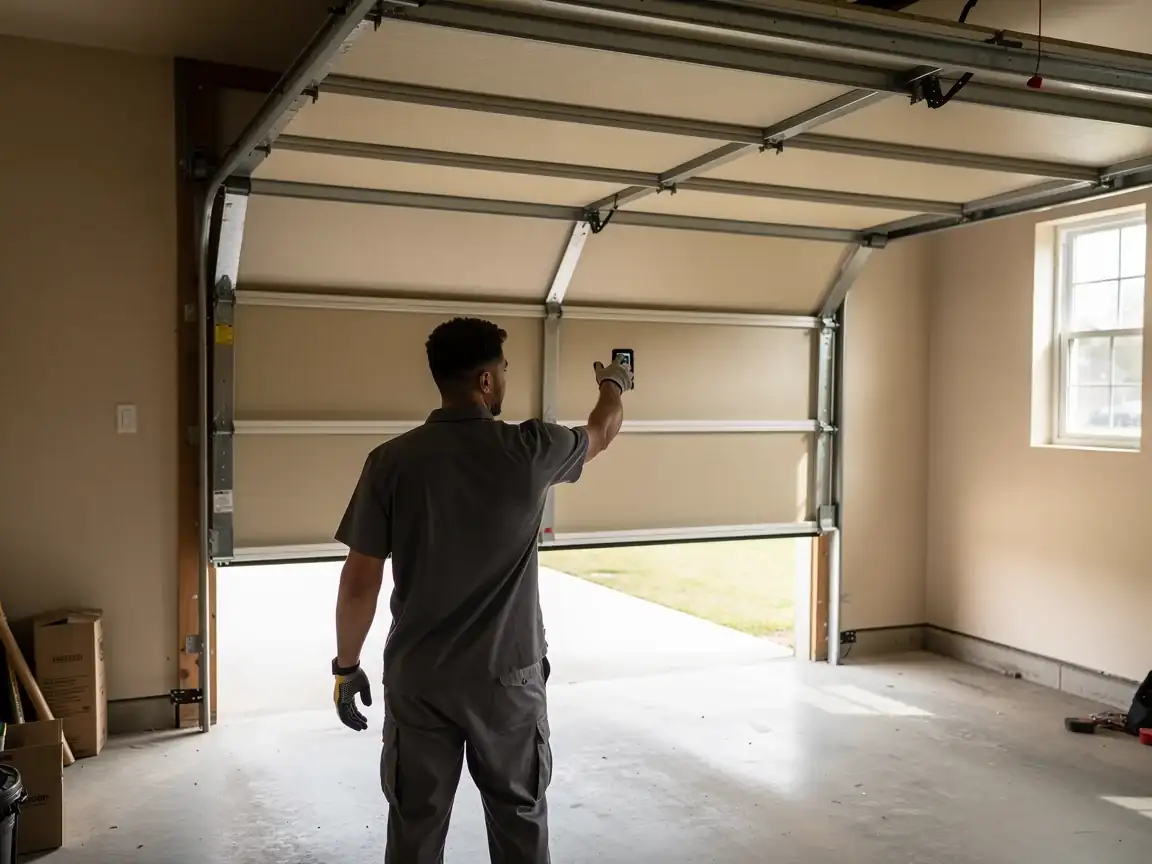
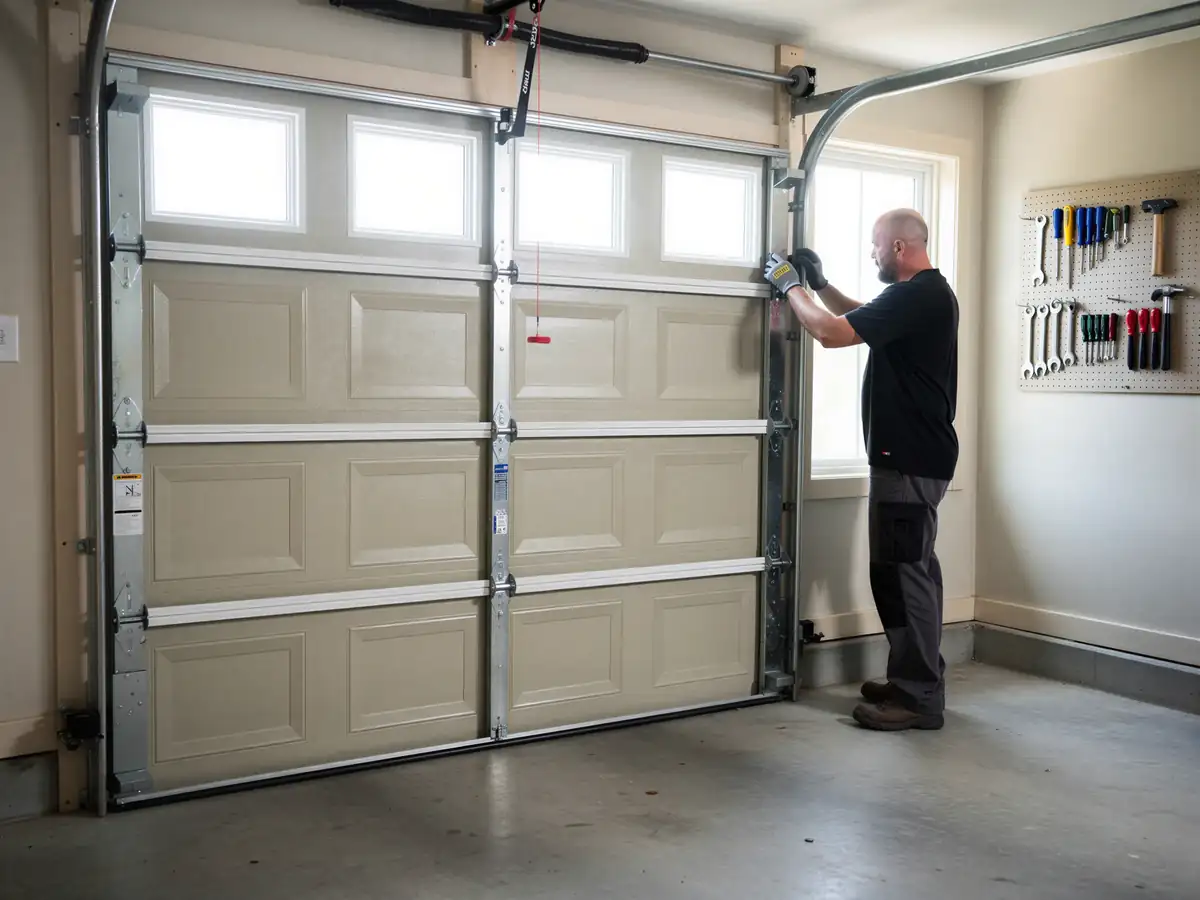
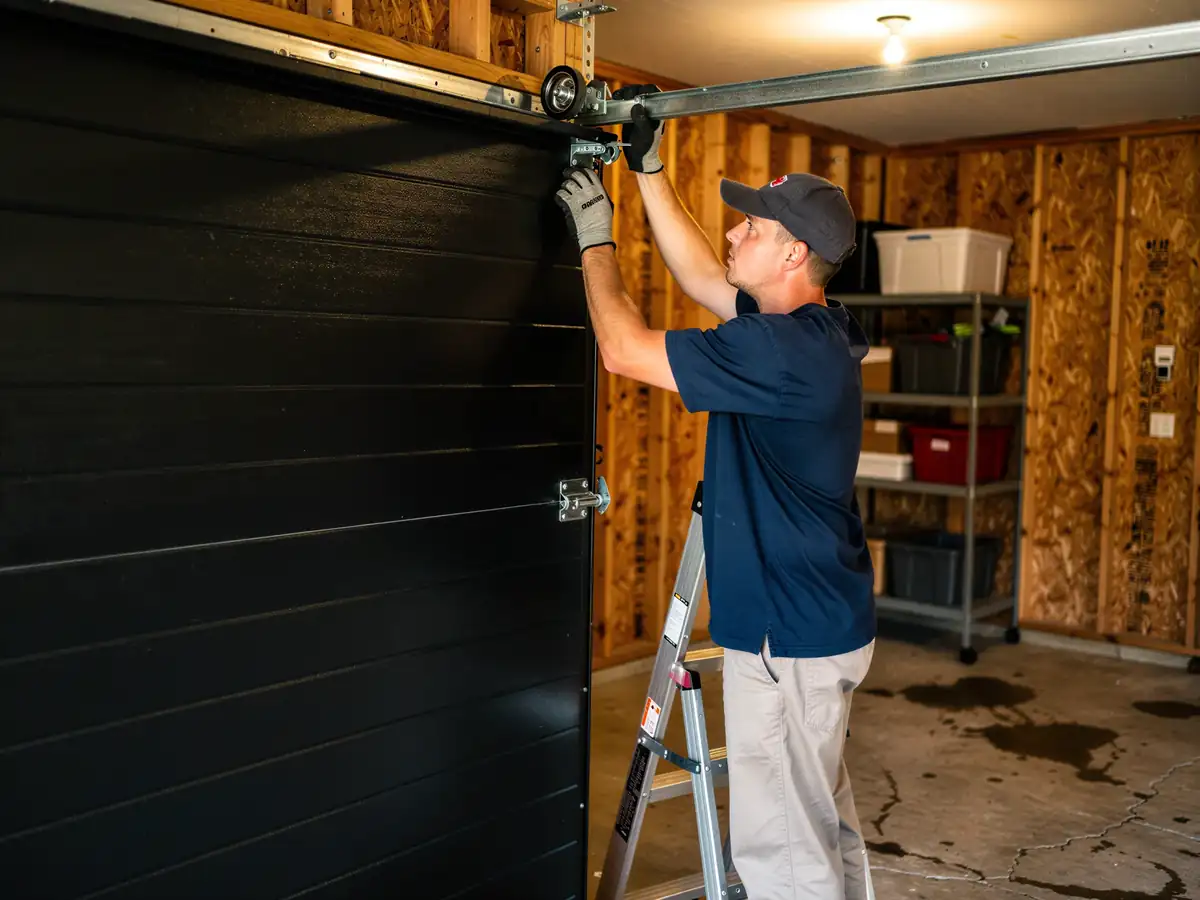
A door that's suddenly heavier to lift by hand, or an opener straining and reversing partway up, is usually the spring giving out rather than the opener itself. On houses from Hopewell's 1985-ish building wave, that spring has had close to four decades of winter cold-snap and summer-heat cycling to fatigue the steel, and the cold moderate climate here means the metal's been through real temperature swings each year, not a mild coastal range. A loud bang from the garage, often mistaken for something falling, is frequently the spring itself snapping under tension. Other signs: the door closes crooked, one cable looks loose or frayed at the bottom bracket, or the door won't stay open on its own anymore and drifts back down. None of these mean the door is unsafe to walk past, but they do mean don't run the opener through more cycles trying to force it - that's how a cable jumps the drum and turns a spring job into a bigger repair.