Why It Happens Here
South Cleveland sits five miles from our shop, close enough that a call here doesn't change how we work, just how long the drive takes. What does change the job is the house. Most of this pocket of the service area went up when the broader area was building out between 1967 and 2004, and the typical South Cleveland house traces to around 1984 - squarely in that window. That means a lot of torsion springs and openers original to the house, or replaced once sometime in the 90s or early 2000s, now at or past the end of their rated cycles. Springs here aren't failing because of anything the owner did wrong; they're failing because 30-some years of daily openings is what springs are rated for, and that clock doesn't reset itself. Cold, damp winters in this part of Tennessee also stiffen old lubricant in rollers and hinges, which is usually the first thing an owner notices - a door that groans or hesitates before it really breaks. A 1984-built door with its original hardware and a 1984-built door that's had one replacement look almost identical from the driveway, but they fail differently, and we ask about the opener's age on the phone for that reason.
Can You Do This Yourself
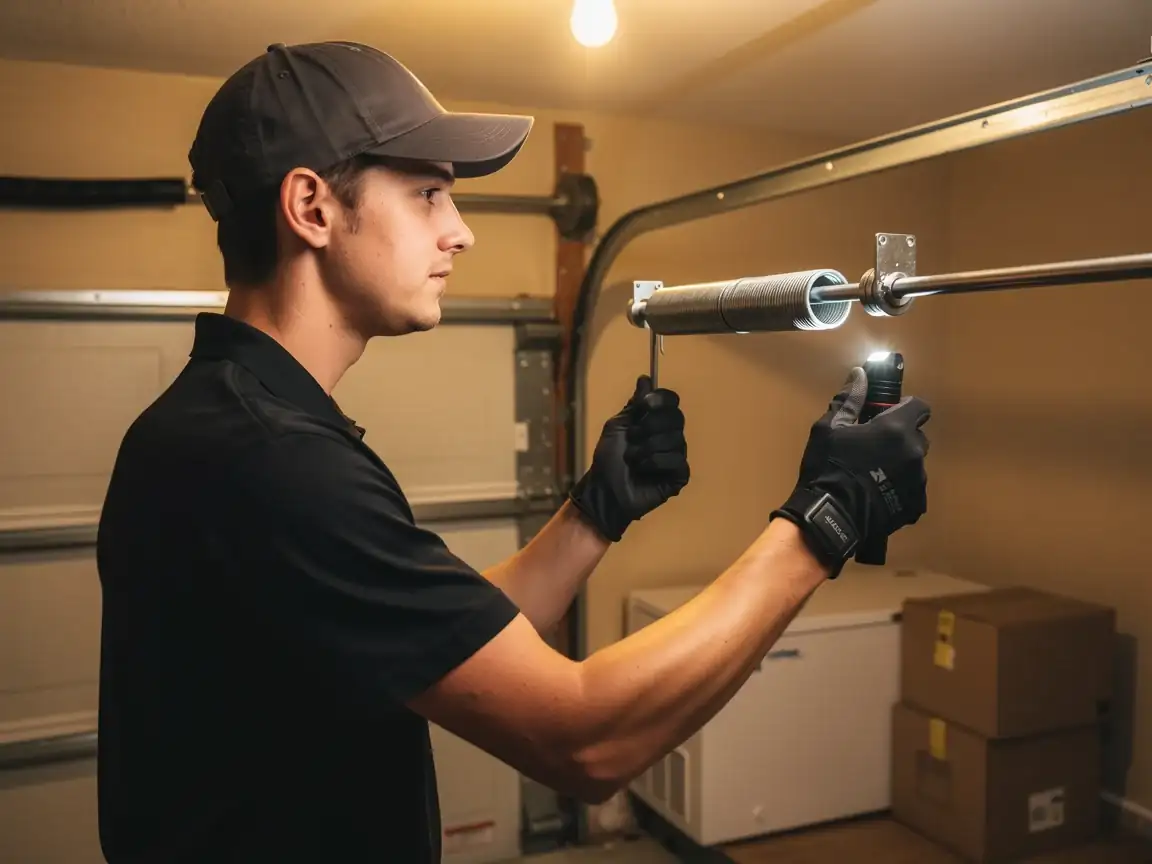
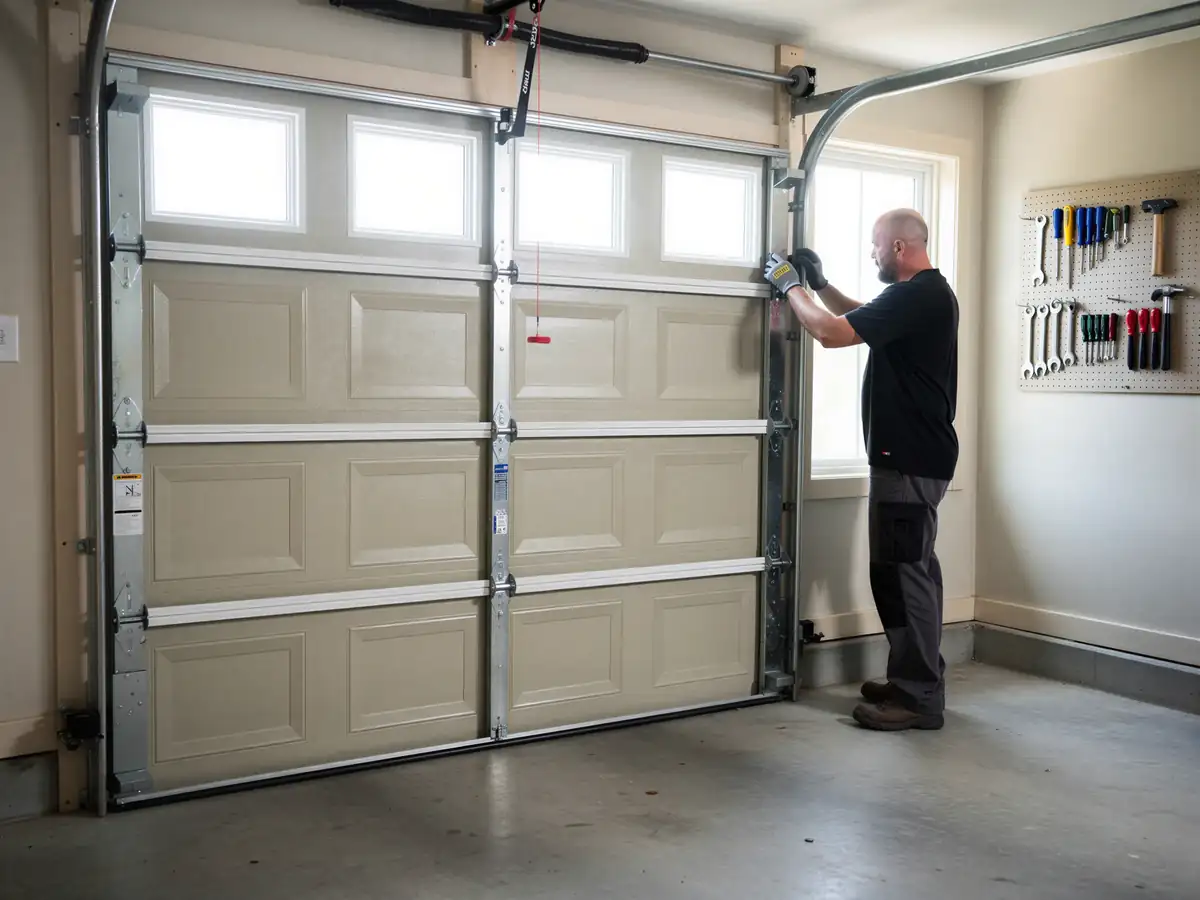
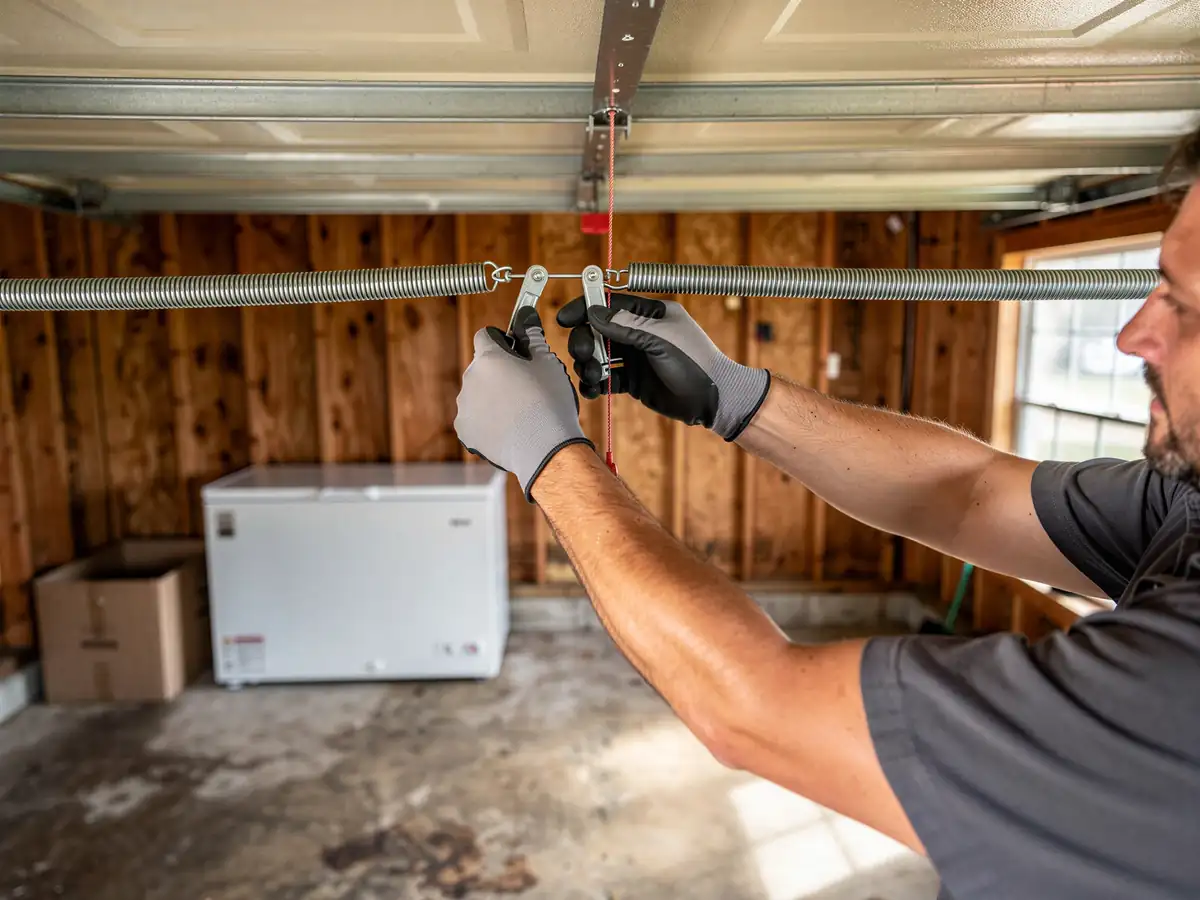
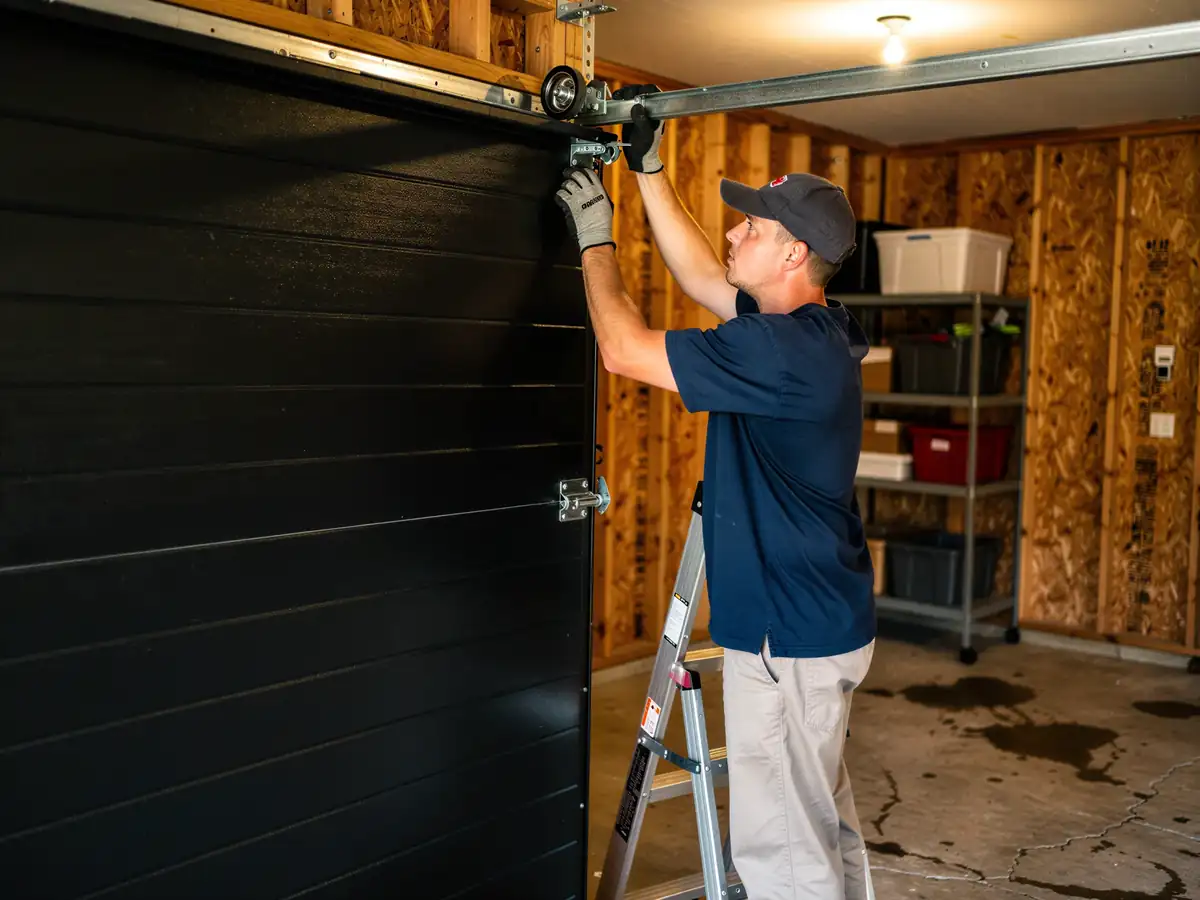
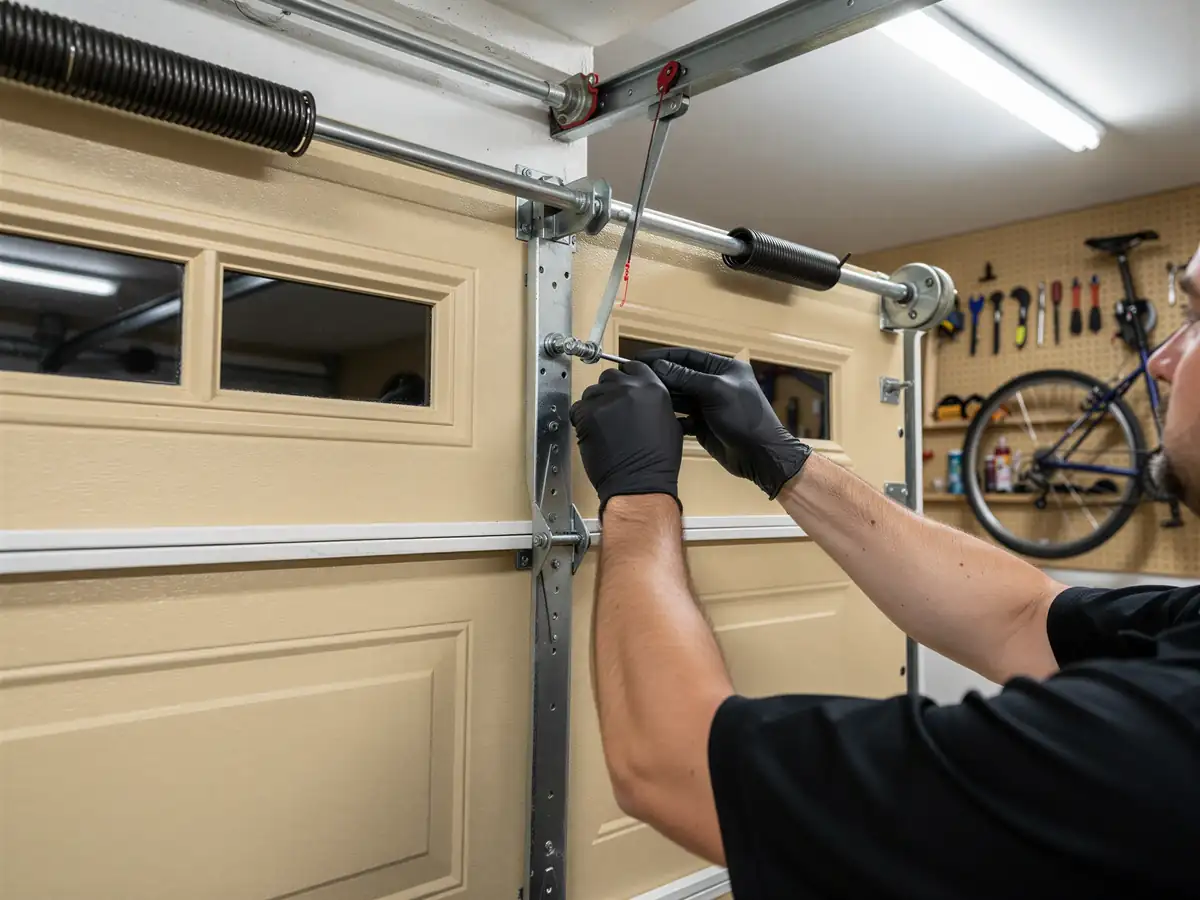
A torsion spring under tension is not a DIY repair - it's the one job on a garage door that puts people in the ER, and we mean that plainly, not as a sales pitch. Rollers, weatherstripping, and tightening loose hardware are reasonable for an owner with basic tools. Anything involving the spring, the cable, or realigning a bent track on a door built in the 80s or 90s - where replacement parts sometimes don't match current stock sizes exactly - is worth the call. If your door is from that era and suddenly won't open, don't force it by hand repeatedly; that's usually what turns a $200 spring job into a $600 track-and-panel job.
Getting It Booked In
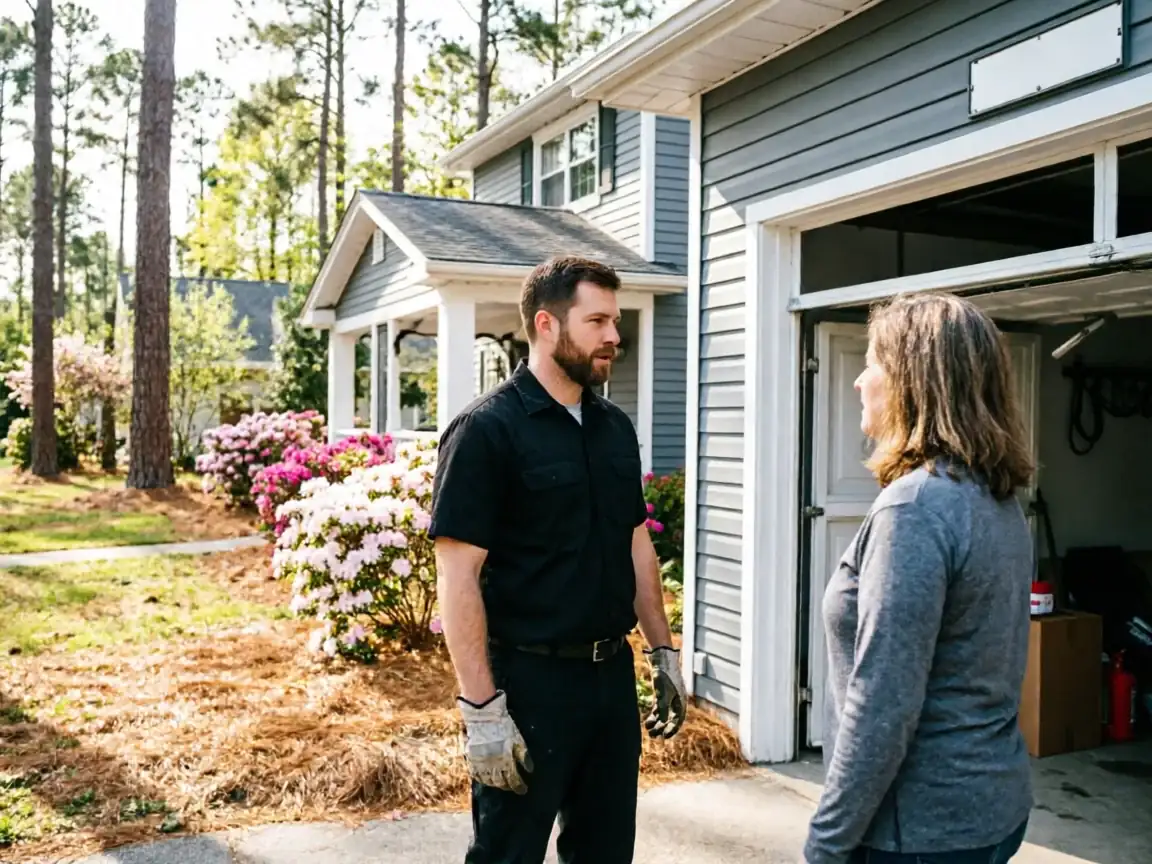
Calls from South Cleveland go through the same scheduling as the rest of the area we cover out of Cleveland - there's no separate crew or depot here, just a five-mile drive we make routinely. Tell us the age of the house if you know it and whether the door is single or double; that alone tells us a lot about what spring size and opener type to load before we leave. You can also check the South Cleveland area page for what else we cover nearby.
What You Are Seeing
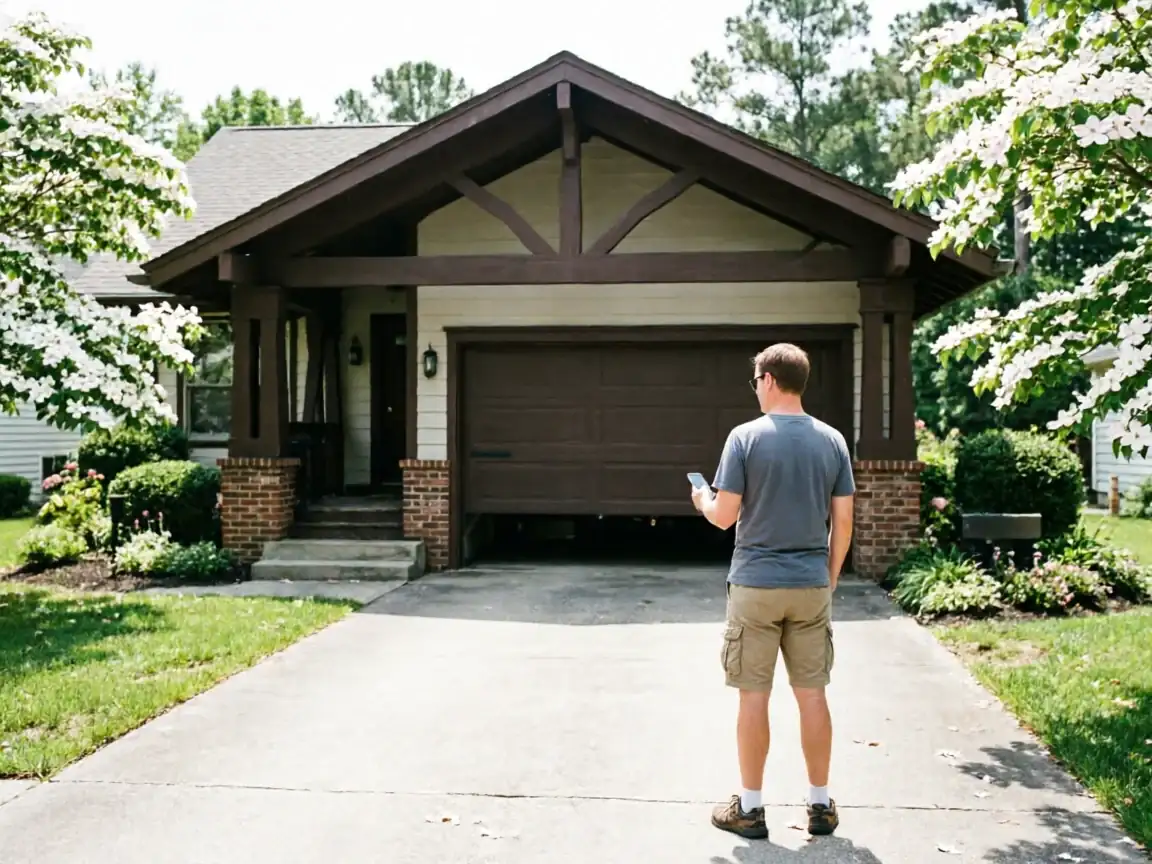
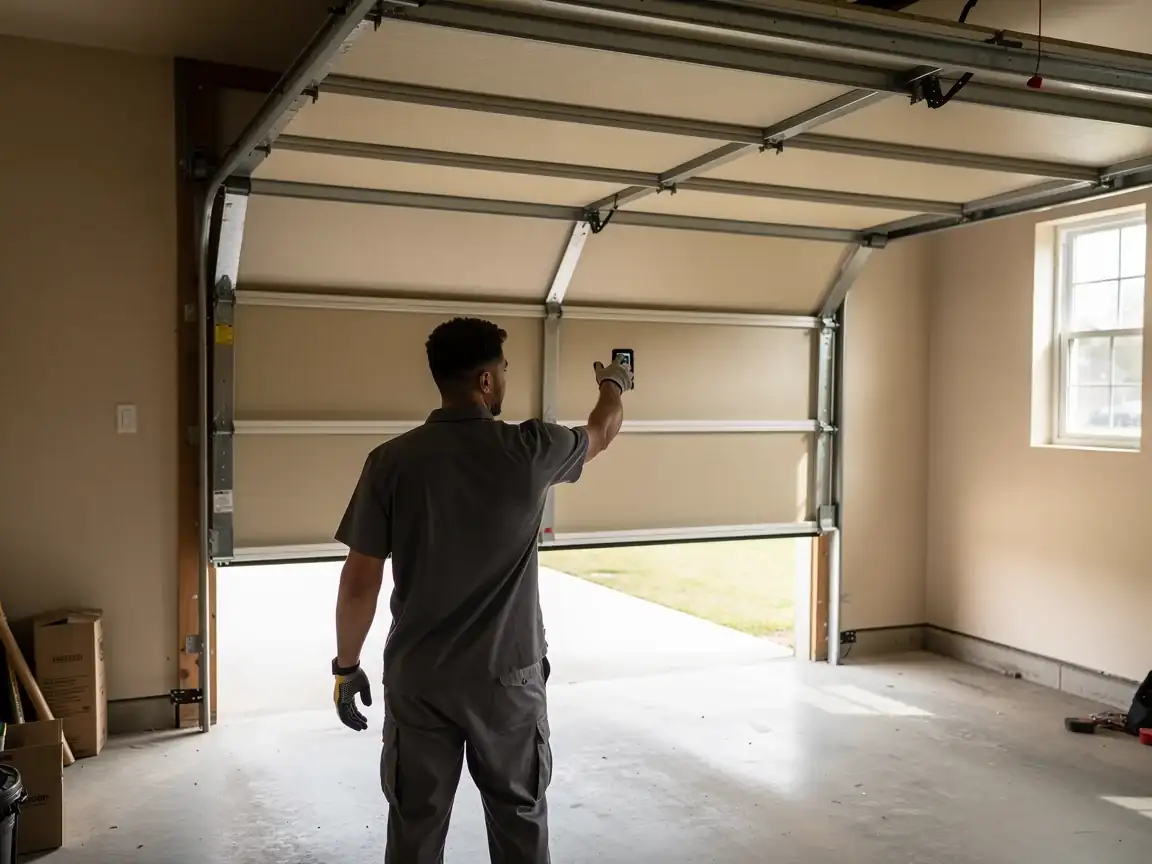
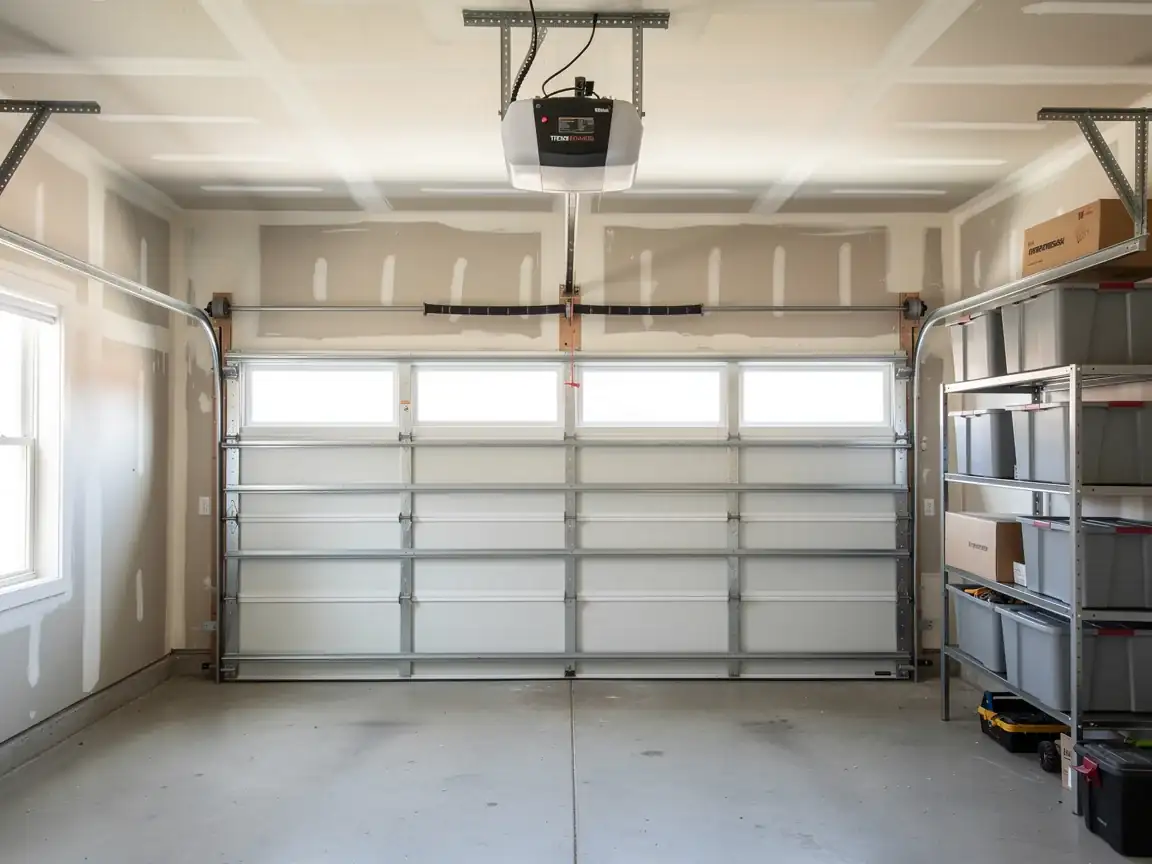
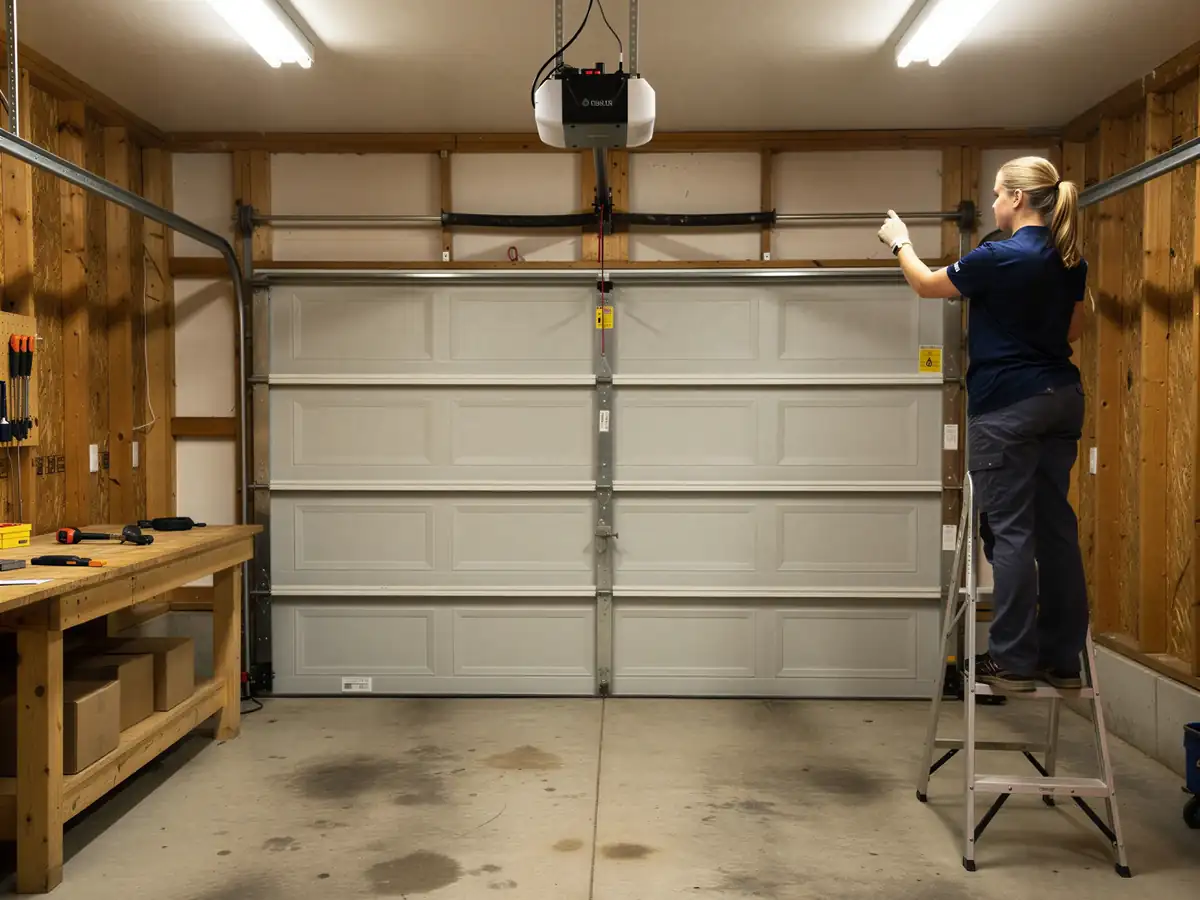
If your door is slow to rise, drops partway, or makes a bang followed by it not moving at all, that's almost always the torsion spring - and on a house built in the mid-80s, that spring has likely never been replaced. A door that reverses right after touching the floor usually means a misaligned safety sensor, which is a quick fix, not a spring issue. Grinding from the opener itself, especially on units that sound like they're straining before the door even moves, points to a motor or gear nearing the end of its life rather than the door itself. None of these are emergencies you have to sit with - but none of them get better by waiting, either. For the broader range of what we handle beyond repair calls, the Cleveland garage door page covers installs and other services.