Why It Happens Here
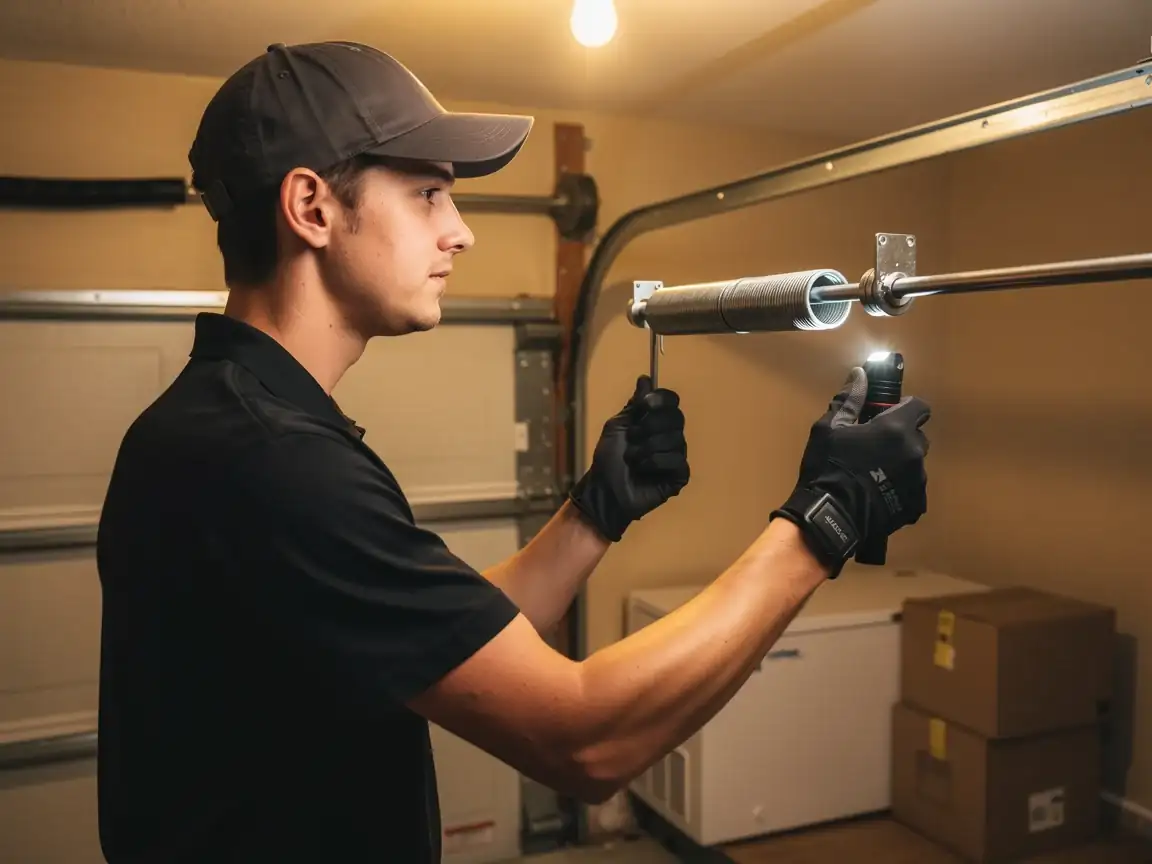
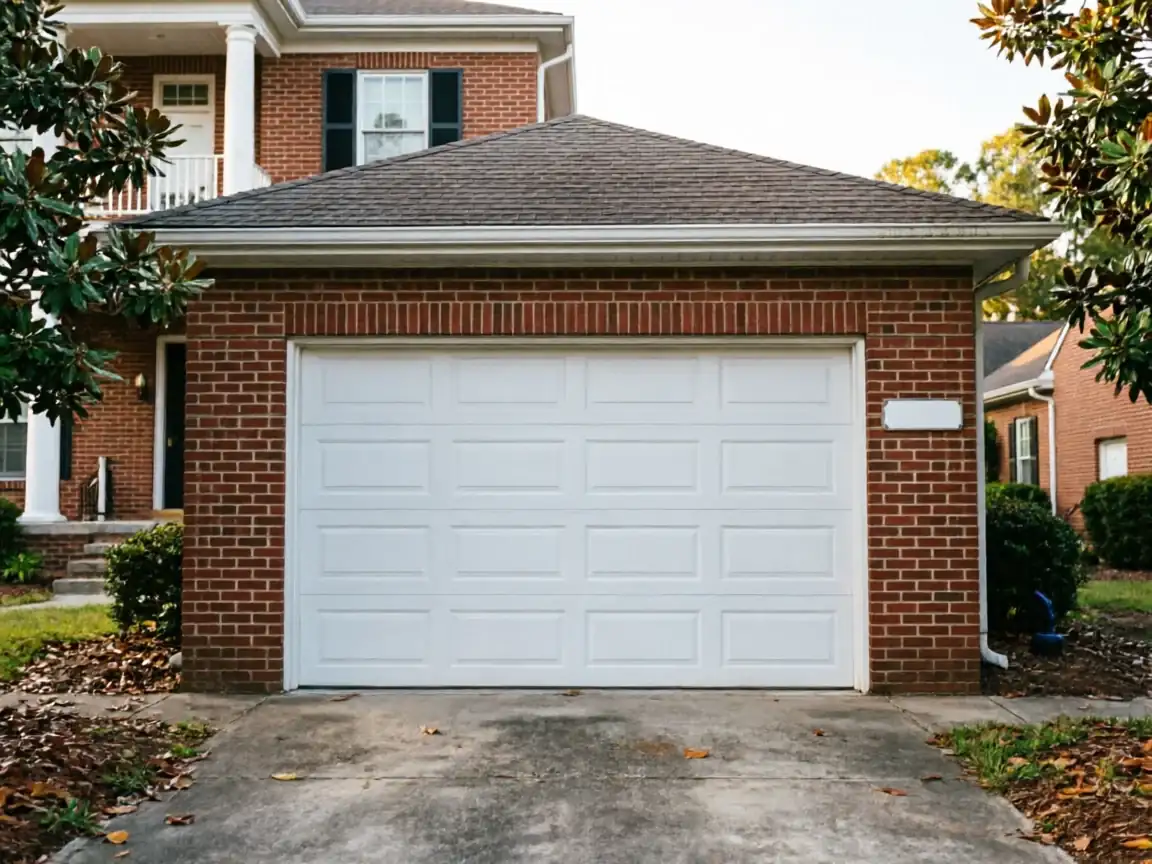
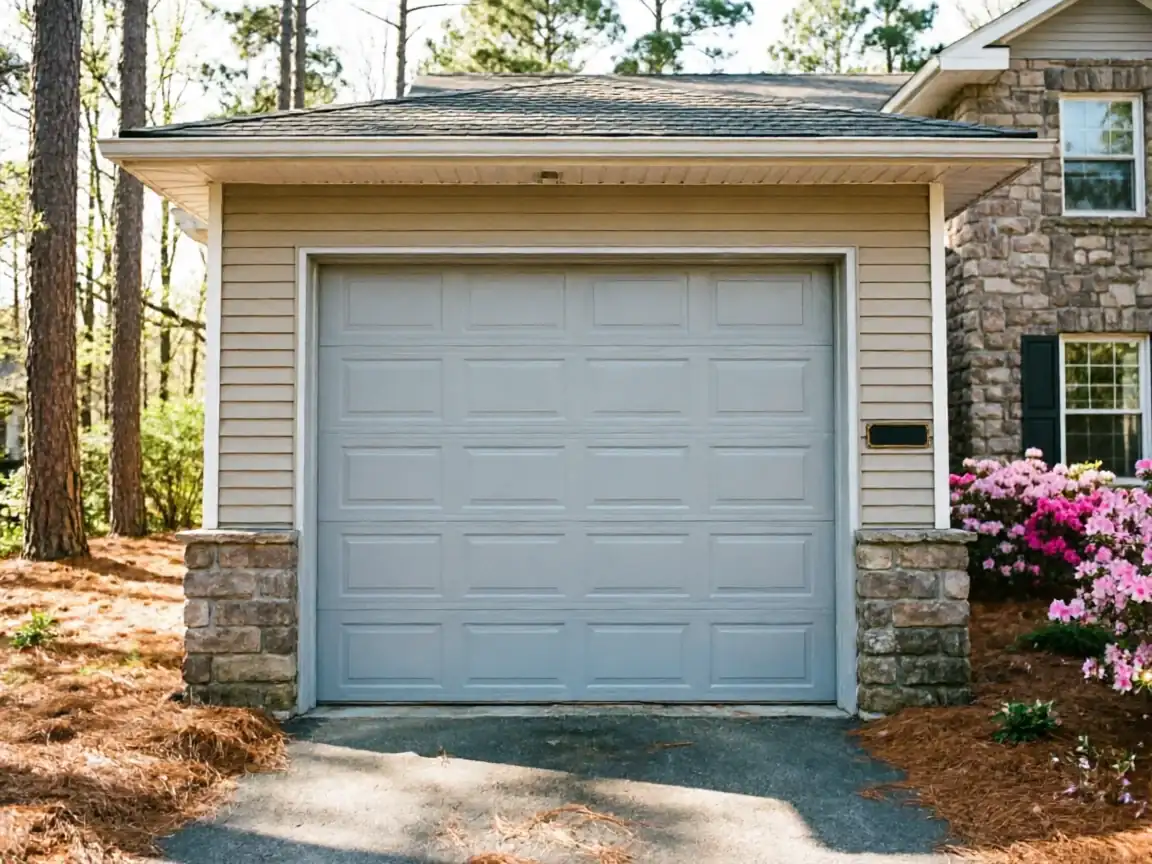
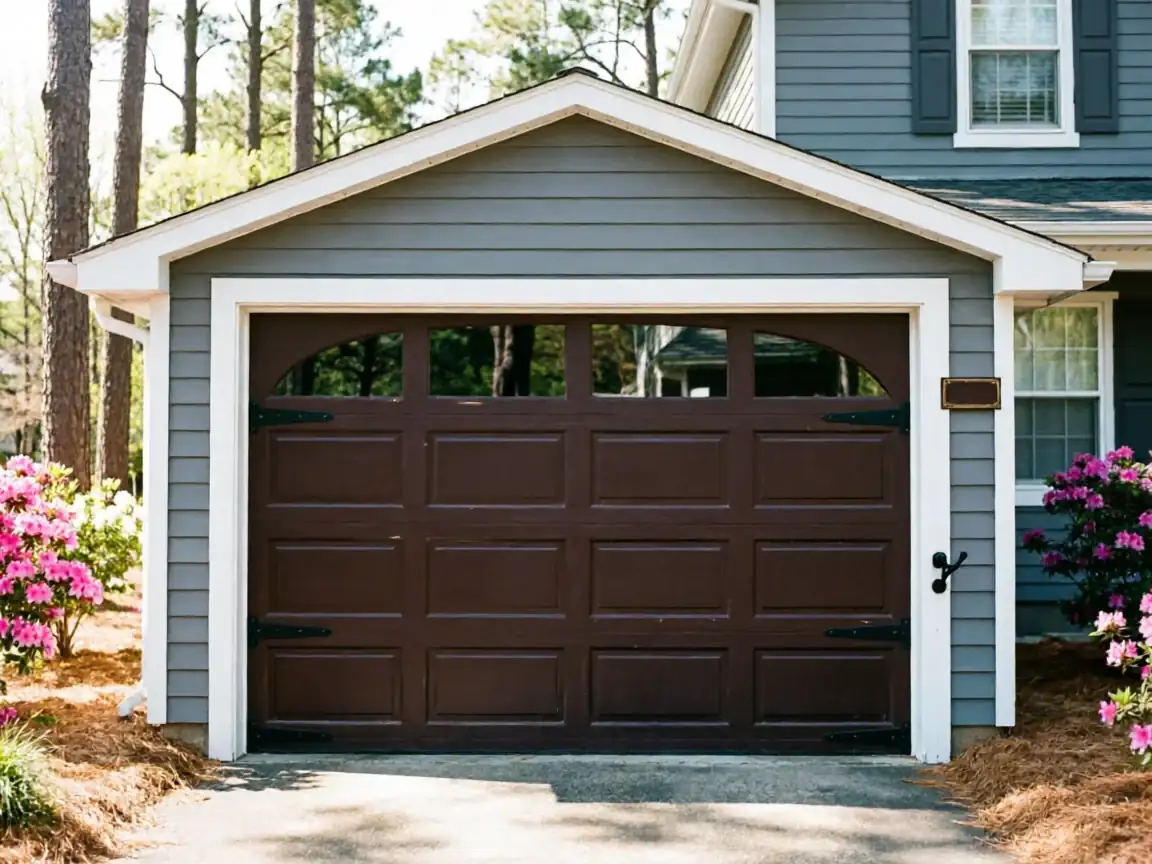
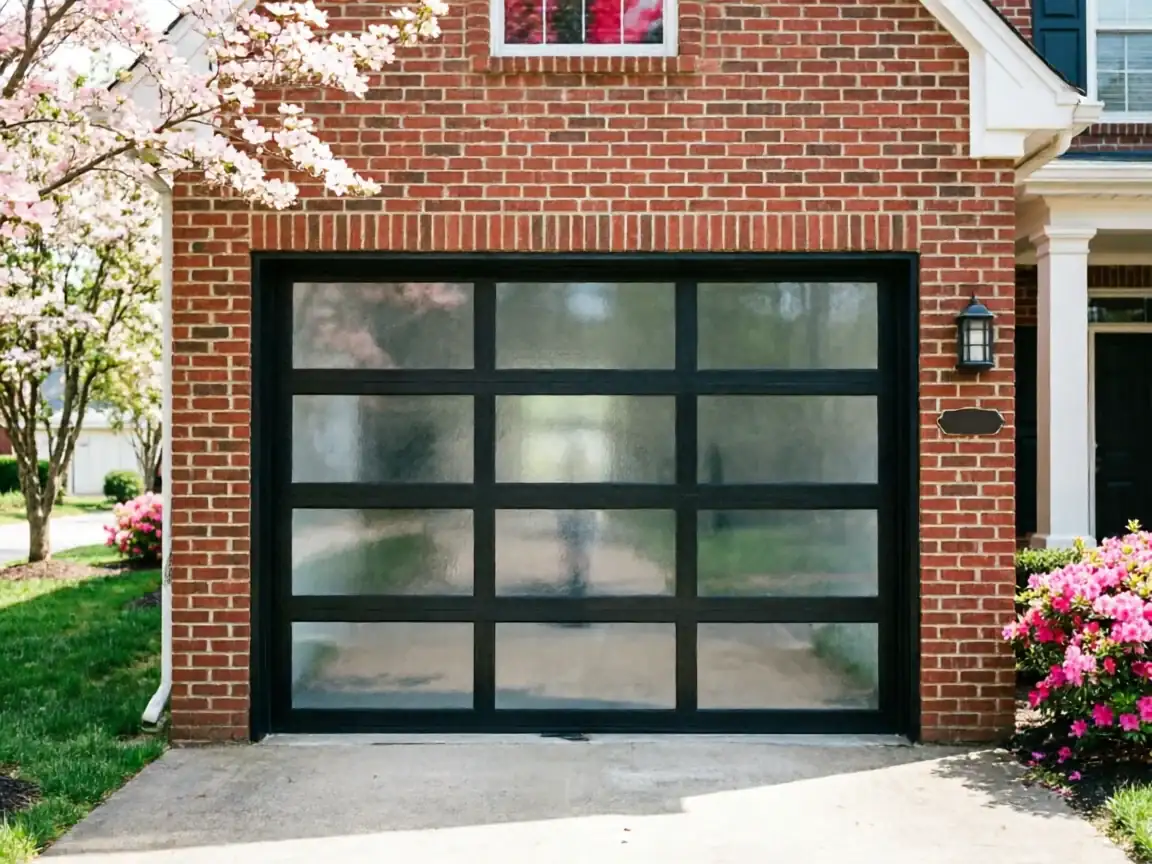
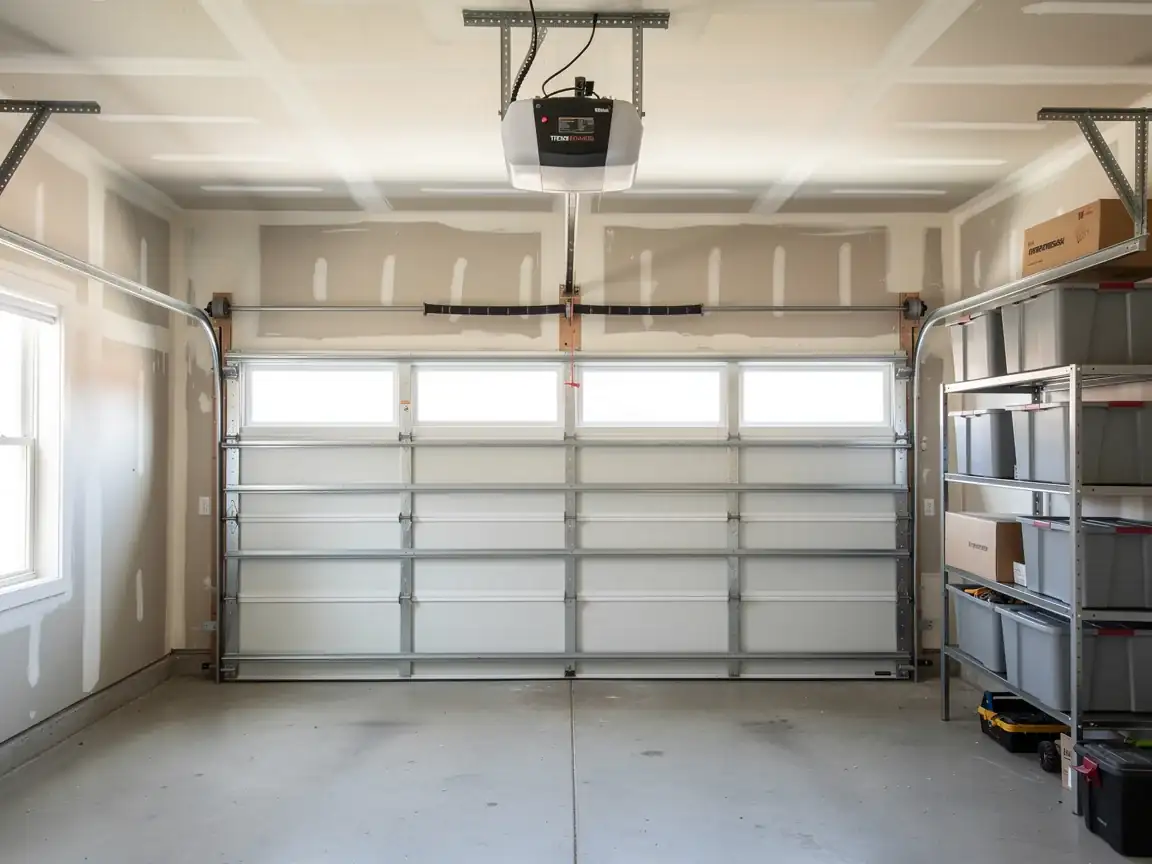
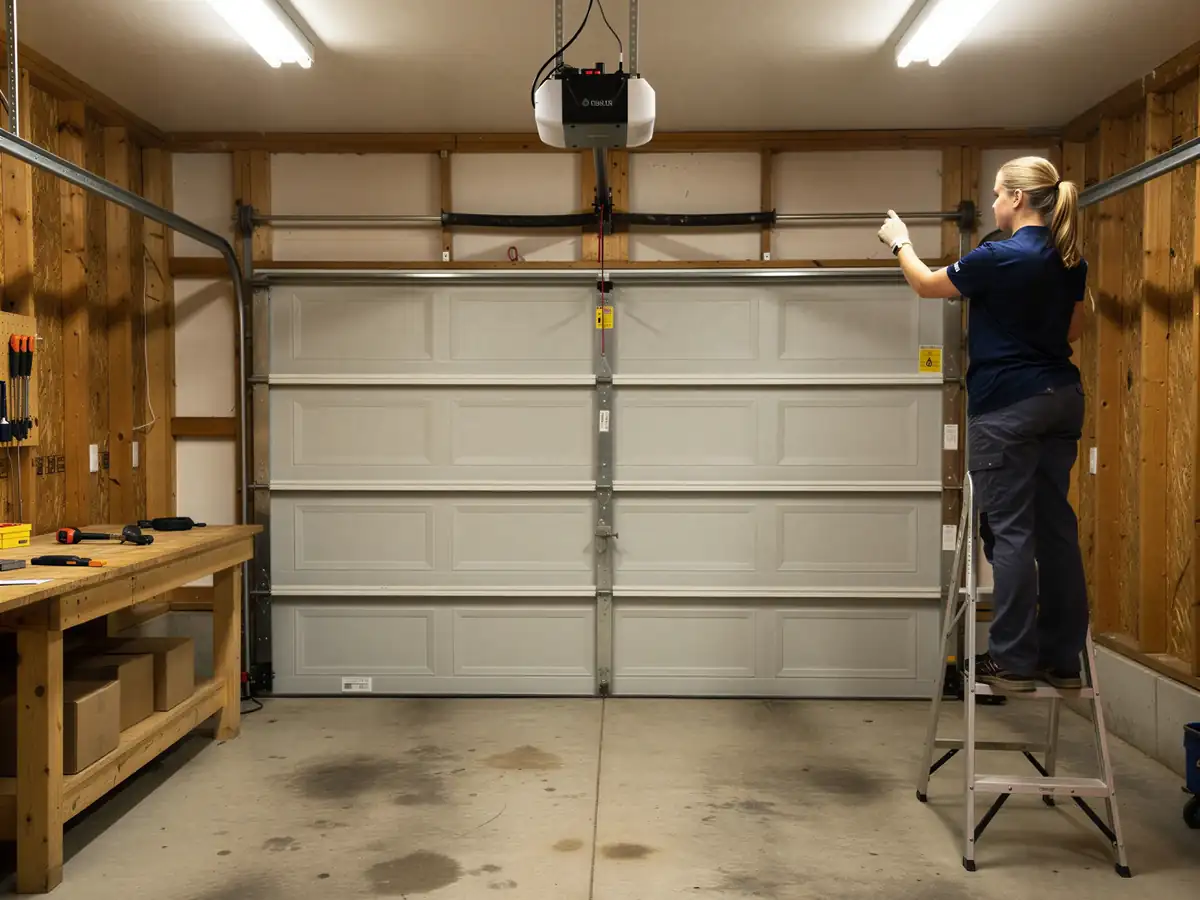
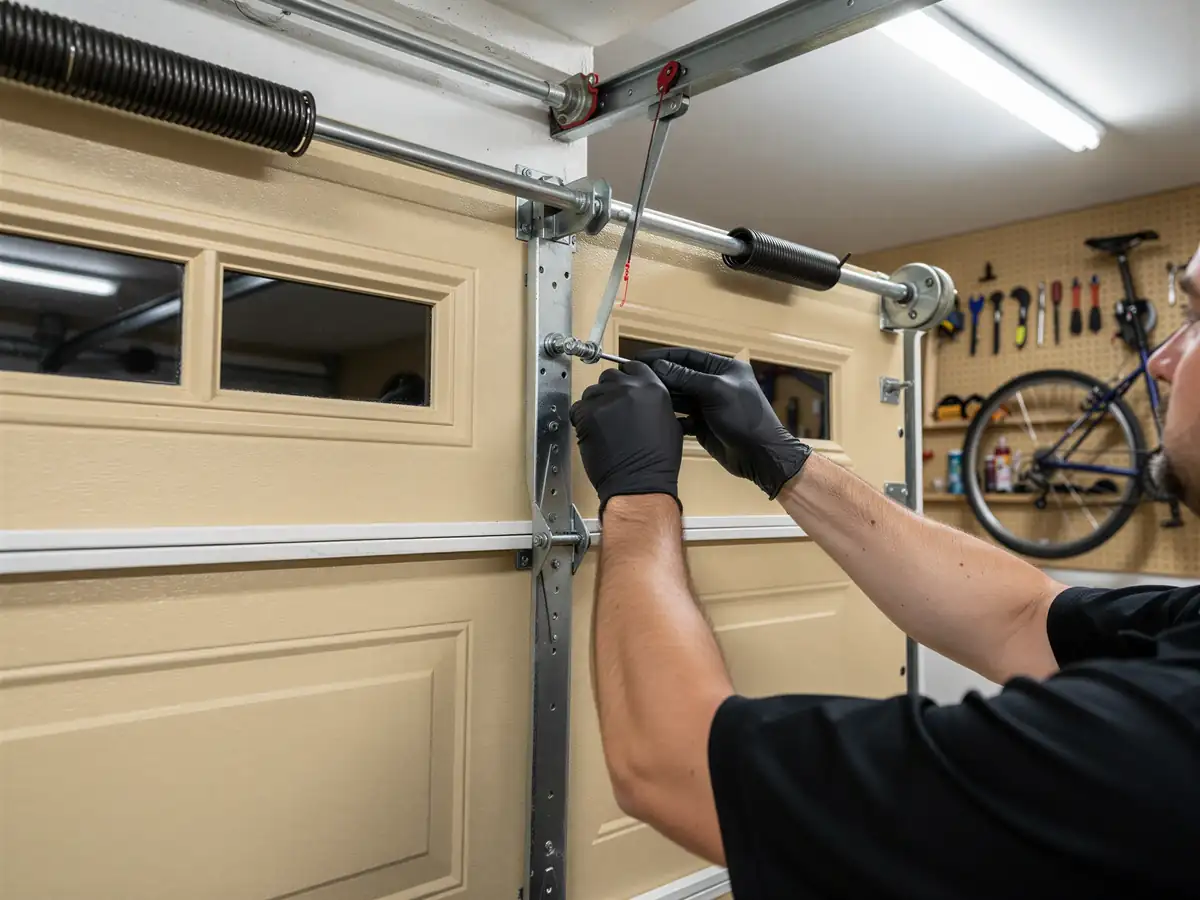
South Cleveland's housing stock centers on a median year built of 1984, sitting inside the broader 1967-2004 range that covers this part of the service area. That matters more than it sounds like it should. Doors installed through the 80s and into the 90s came standard with torsion springs mounted on a single center shaft above the header, usually a single spring on a one-car door and a pair on a two-car door. That hardware is now 30 to 40 years old in a lot of these houses, and torsion springs have a working life measured in cycles, not years - somewhere around 10,000 open-and-close cycles before metal fatigue takes over, regardless of how well the door was installed. A door that age that still has its original spring is close to the end of that life whether it's making noise yet or not. We also factor in the cold-moderate climate band this area sits in - steel contracts in winter, and a spring that's already fatigued is more likely to snap on a cold January morning than in July. It isn't the cold causing the failure. It's the cold catching a spring that was already due.
Can You Do This Yourself
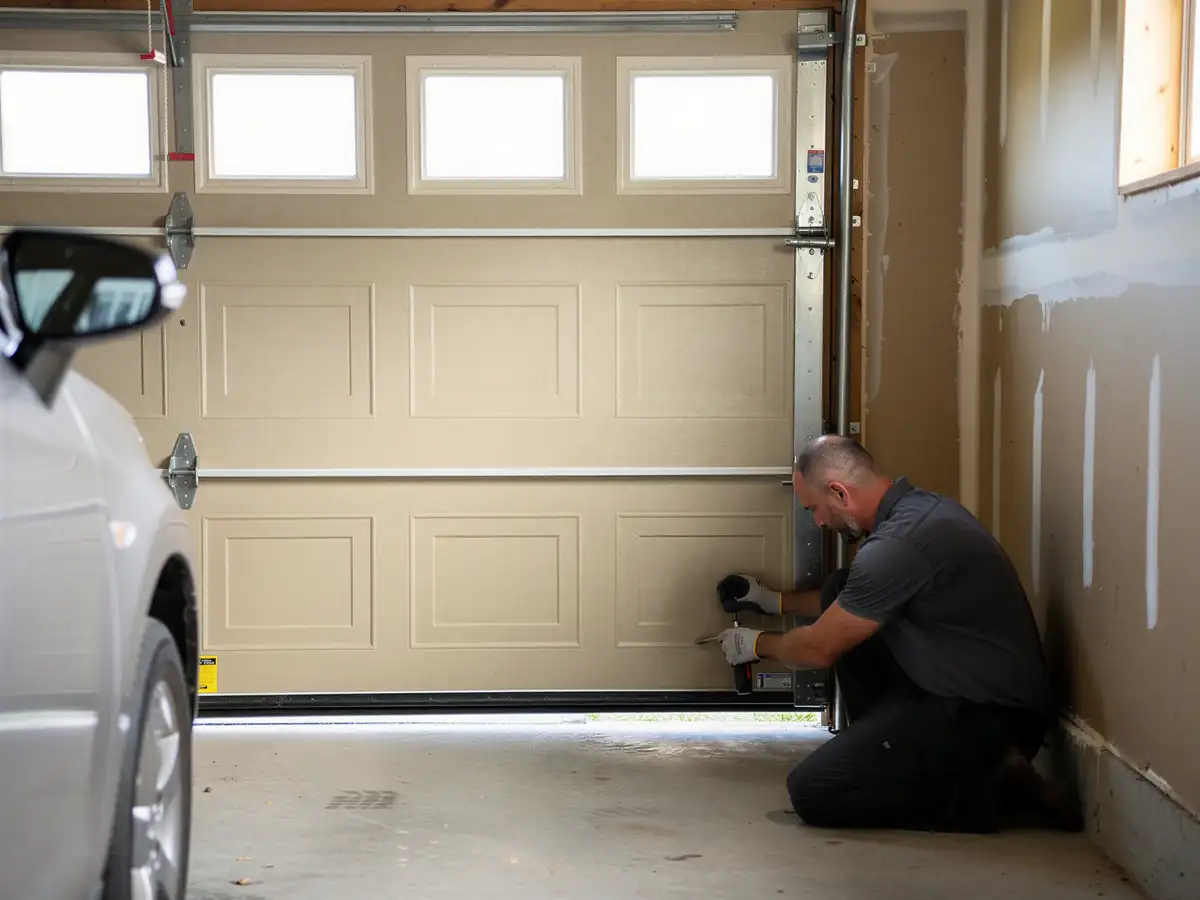
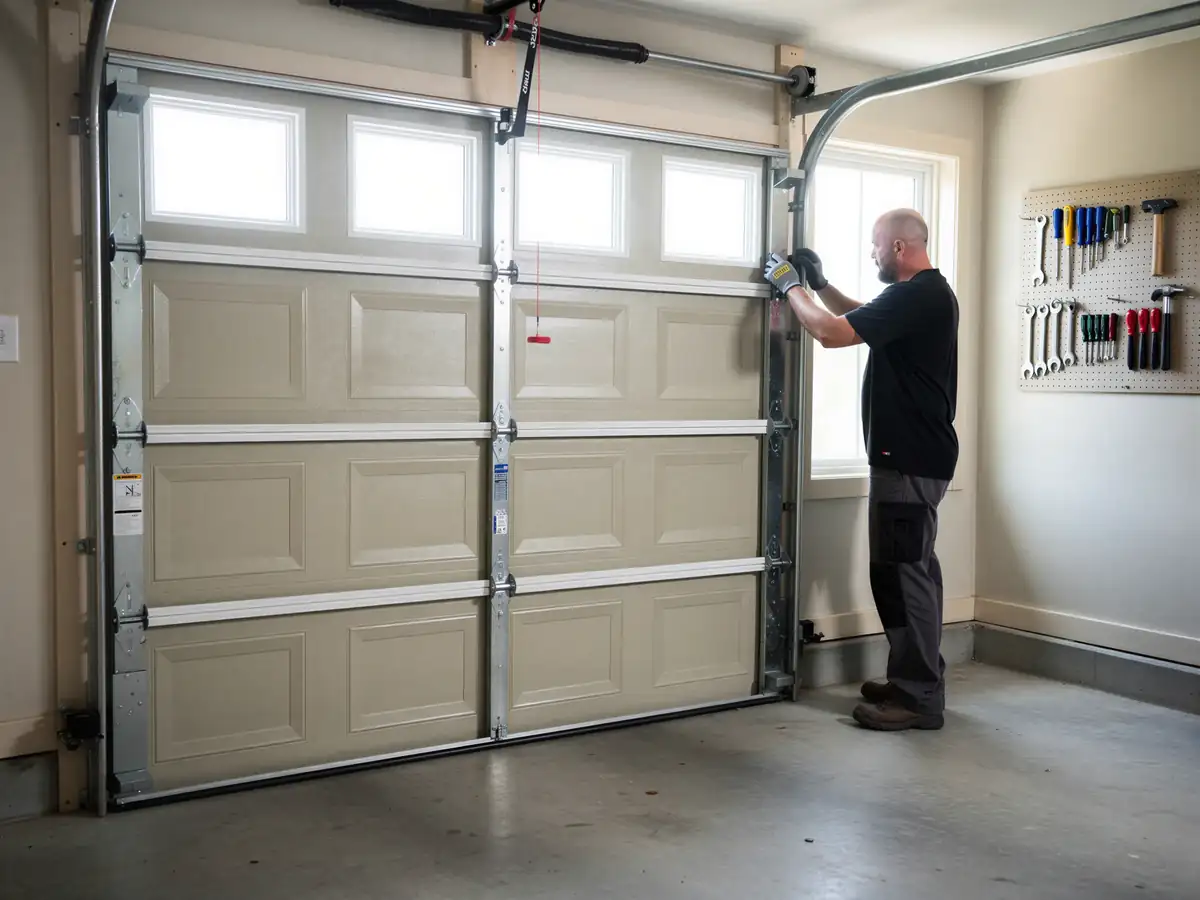
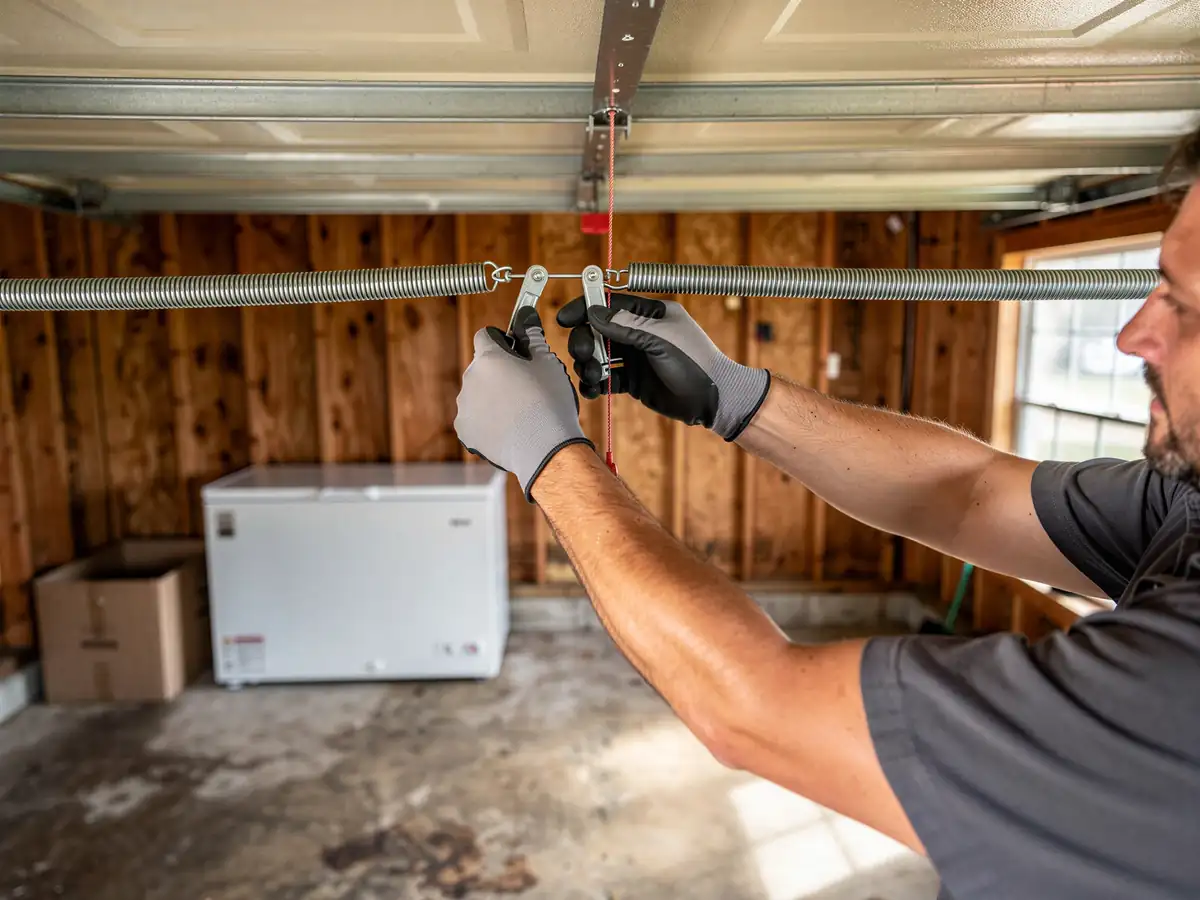
We'll say this plainly: don't. A wound torsion spring holds enough stored energy to break a wrist or worse if the winding bars slip, and the tools to do it safely - proper bars, a vise grip setup, a sense of how many quarter-turns a given spring needs - aren't things most homeowners have lying around. Extension springs, the kind mounted along the horizontal tracks on some older or lower-end doors, are a little less dangerous to handle but still under real tension. If you're hearing a loud bang from the garage and the door won't lift, or lifts crooked with one side higher than the other, that's a broken or unevenly worn spring. Leave the door down, don't force the opener to fight it, and call it in.
Getting It Booked In
South Cleveland sits about 5 miles from our shop in Cleveland, and we run jobs out here on the regular schedule - no separate branch, no satellite crew, just the same truck making the short drive. When you call, tell us the door size, whether it's a single or double spring setup if you know, and what you're seeing - won't lift, lifts unevenly, loud bang, opener straining. That lets us bring the right spring size the first trip instead of guessing.
What You Are Seeing
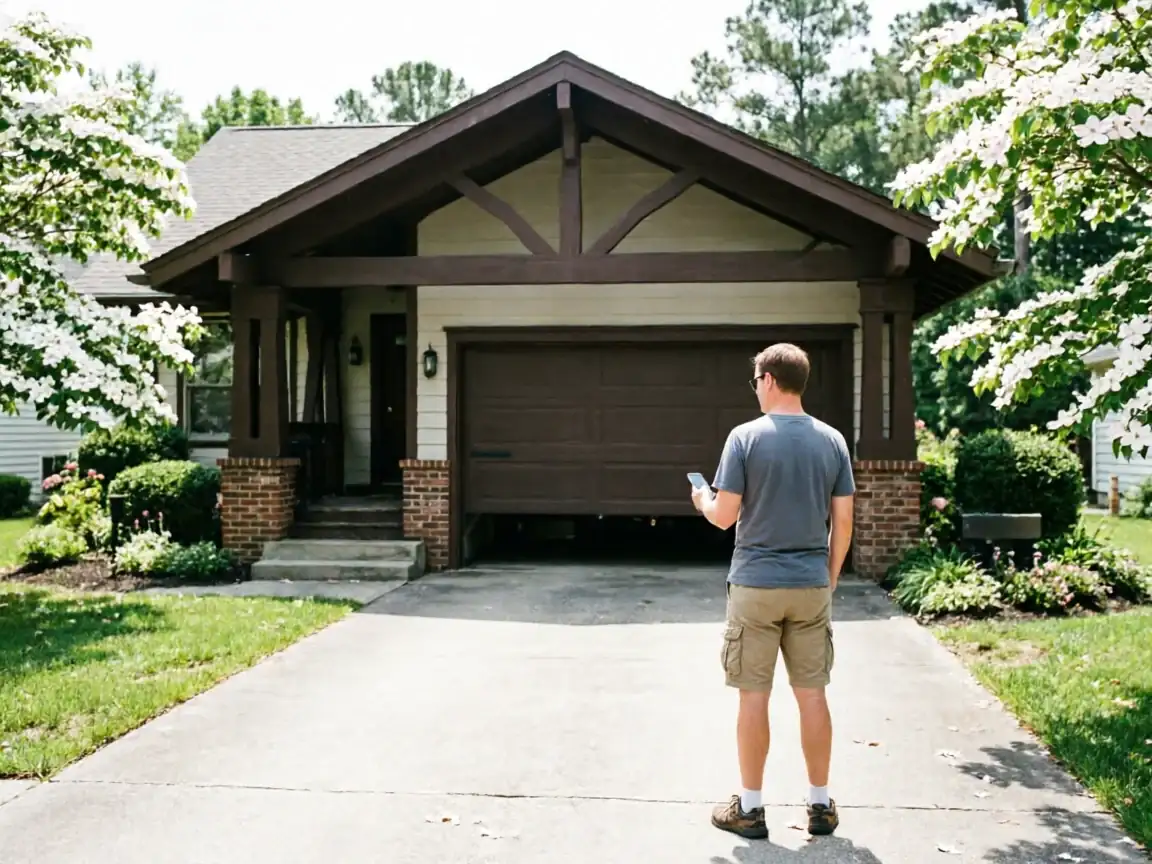
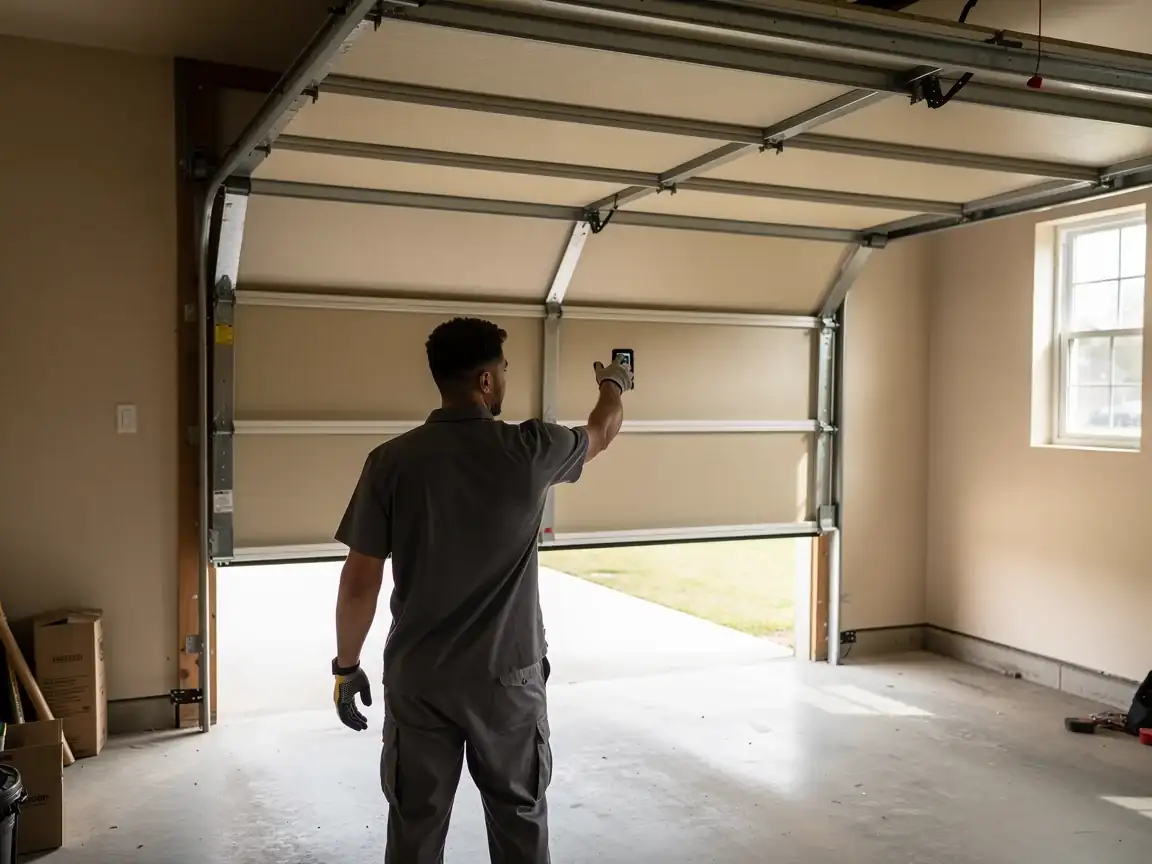
A few signs point straight at the spring and not the opener, the track, or the panel. The door feels heavy when you try to lift it by hand with the opener disconnected - a healthy spring should let a standard door lift with one hand. One side of the door rises faster than the other, which usually means one spring in a pair has gone while the other is still holding. You hear a sharp bang from the garage, often when nobody's touched the door - that's the spring itself snapping under tension, not a slammed panel. Or the opener motor runs but the door barely moves, straining against weight it was never meant to carry alone. Any one of these on a door from the 80s or 90s era common to this area is reason enough to get it looked at before someone tries to force it open.