Why It Happens Here
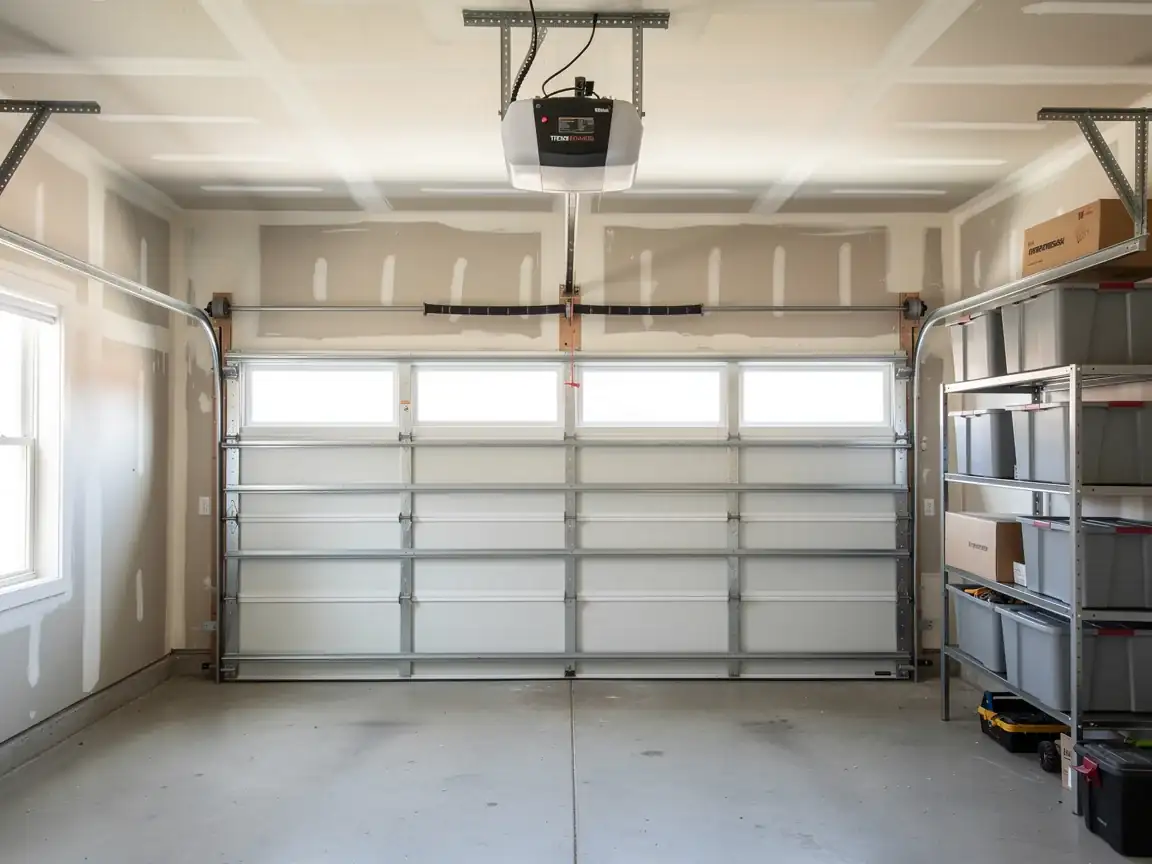
The opener failure we see most often in South Cleveland isn't a bad door - it's a worn-out motor unit. The subdivisions here went up mostly around 1984, and the chain-drive and screw-drive openers installed with those builds are now pushing forty years old. Nylon drive gears strip, drive belts stretch, and the relay-based logic boards that ran those early openers finally stop holding a signal reliably.
That 1984 median build date matters more than it sounds like it should. Garage door openers from that era used motors and circuit boards that manufacturers stopped making decades ago. When a board on one of these units fails, you're not swapping a part - you're often replacing the whole head unit, because the original design simply isn't supported anymore. It's less about bad luck and more about a house hitting the age where original equipment runs out of road.
How Long It Takes
Diagnosing an opener problem usually doesn't take long
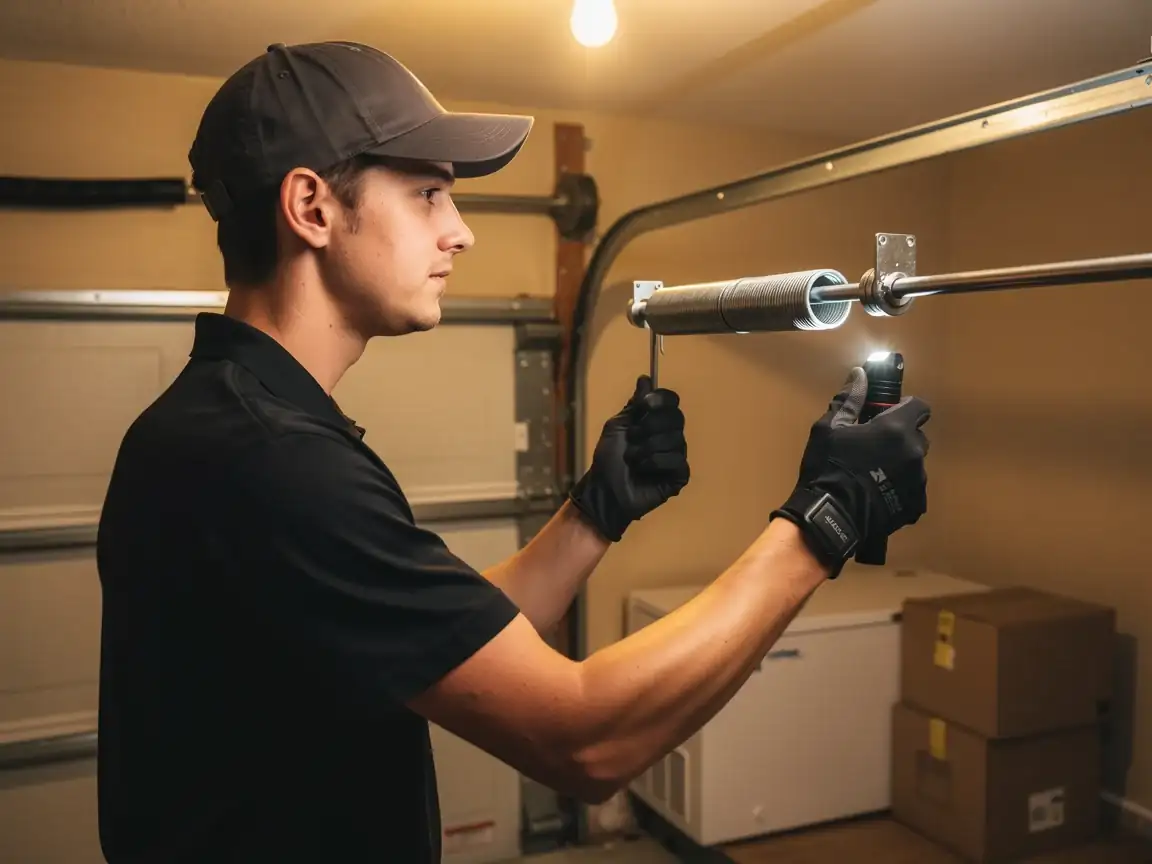
Most failures show themselves within a few minutes of watching the unit try and fail to run a cycle. What takes the time is sourcing the right part. If the fix is a sensor, a capacitor, or a drive gear kit for a newer unit, that's often a same-visit repair. If it's a logic board or motor for one of the 1980s-era openers still running in South Cleveland, the part may not exist anymore, which pushes the job toward full replacement rather than repair - and replacement openers are stock items, so that part of the job moves faster than people expect.
We don't promise a fixed turnaround here because it depends entirely on what's actually broken and whether the part is still made
What we can say is that guessing at the fault over the phone almost never saves time; a look at the unit tells us in minutes what three phone calls wouldn't.
Can You Do This Yourself
Some opener problems are fair game for a homeowner. Replacing batteries in a remote, reprogramming a keypad, or cleaning dirty photo-eye sensor lenses is well within reach with the manual that came with the unit. Tightening a loose mounting bracket on the rail is usually safe too.
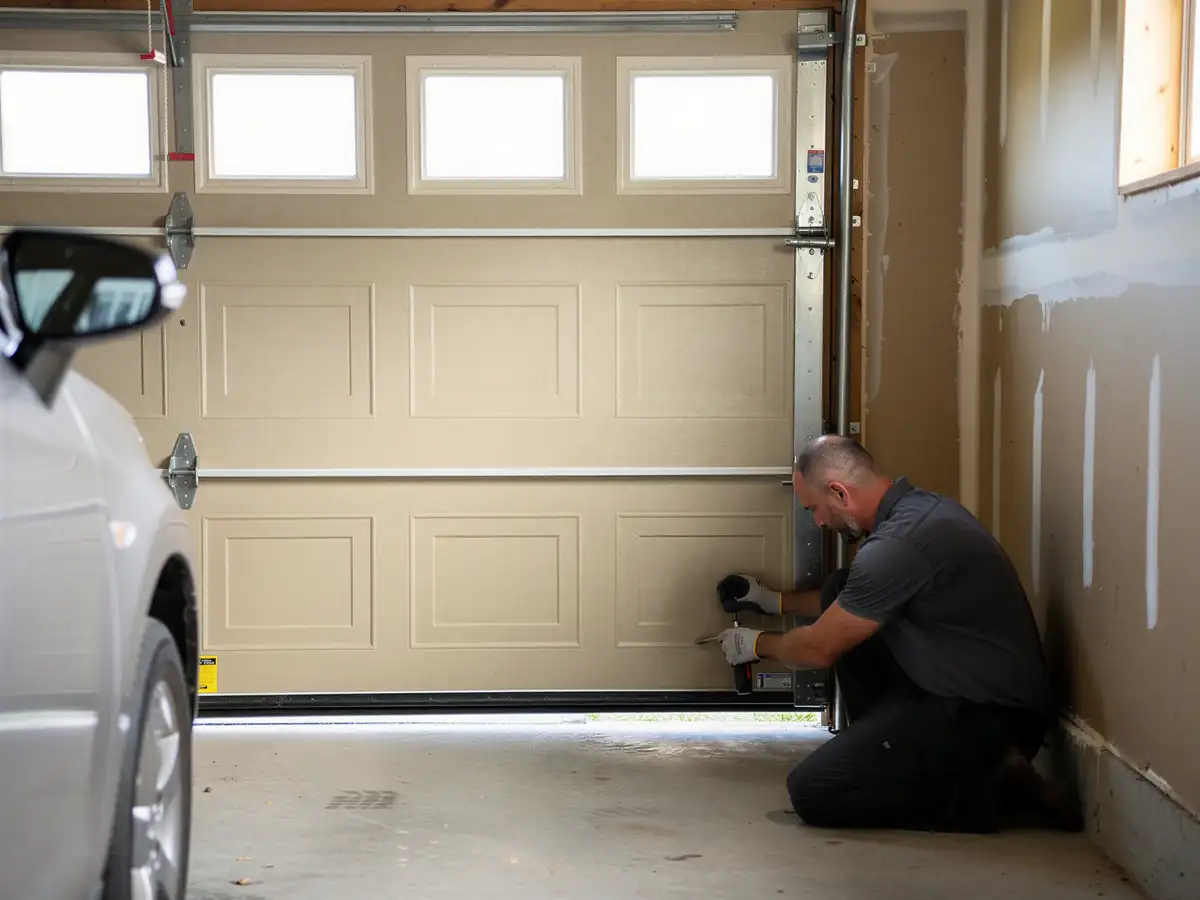
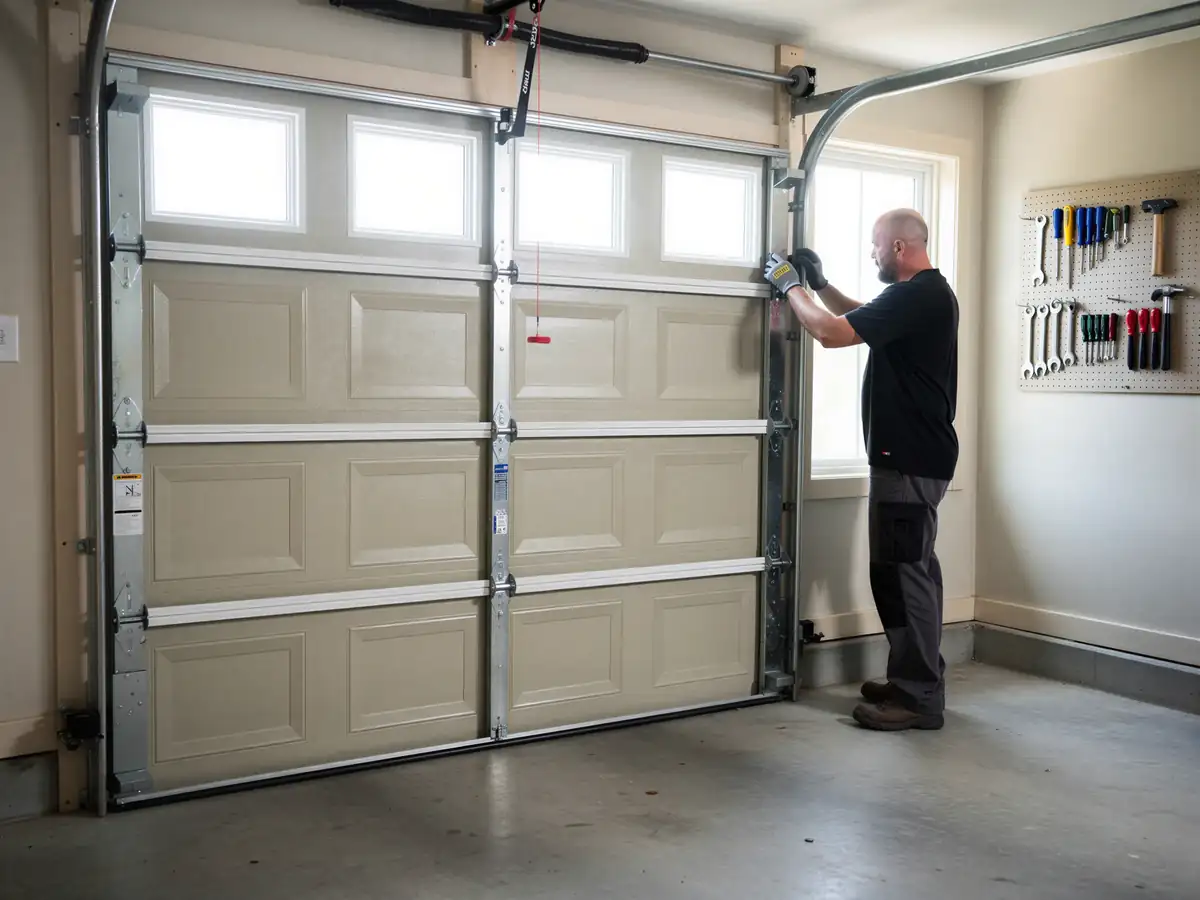
Where we'd stop you is anything involving the drive gear, the logic board, or the opener's connection to the door itself. Garage door openers work under spring tension transferred through the door, and a motor that's run for decades can have worn mounting hardware that lets go under load. We also won't talk anyone through chain or belt tensioning on a screw-drive unit from the 1980s-90s stock common in South Cleveland - the parts and adjustment points on those older units don't match anything sold today, and getting it wrong usually means a second call to fix what the first attempt broke. If the opener is original to a house built in that era, we'd rather look at it in person before you start pulling panels off the head unit.
Getting It Booked In
We run opener calls in South Cleveland out of Cleveland - there's no separate branch or stocked van parked in the area, just the same crew making the five-mile drive for every job here as we would anywhere else on the route. That distance doesn't change what we bring; most common logic boards, sensor kits, and replacement openers ride on the truck regardless of which street we're headed to.
Booking works the same way it would for any opener call: tell us what the unit is doing - won't close, reverses, runs but doesn't engage the chain, dead keypad - and that narrows down what we load before we leave. If you know the opener's age or brand, that helps too, since parts availability on anything from the original 1980s-90s builds in this area is a real factor in whether we repair or replace.
What You Pay
We don't have a flat number to quote for South Cleveland specifically
Cost depends on whether the fix is a sensor, a capacitor, a drive gear, or a full head unit swap. South Cleveland has roughly 3,080 households, many sitting on openers original to the 1980s building boom. With a median income here around $64,607, we see plenty of split decisions: some owners want the cheapest fix that gets the door moving again, others would rather replace an opener outright than keep nursing a motor that's pushing forty years old.
- 3,080 households
That second option often makes more financial sense than it sounds
A logic board for a 1980s opener, if you can even find one, can cost close to what a new opener runs - and the new one comes with parts that are still made and supported. We'll always walk through both options before doing the work, not push whichever one benefits the invoice.
What You Are Seeing
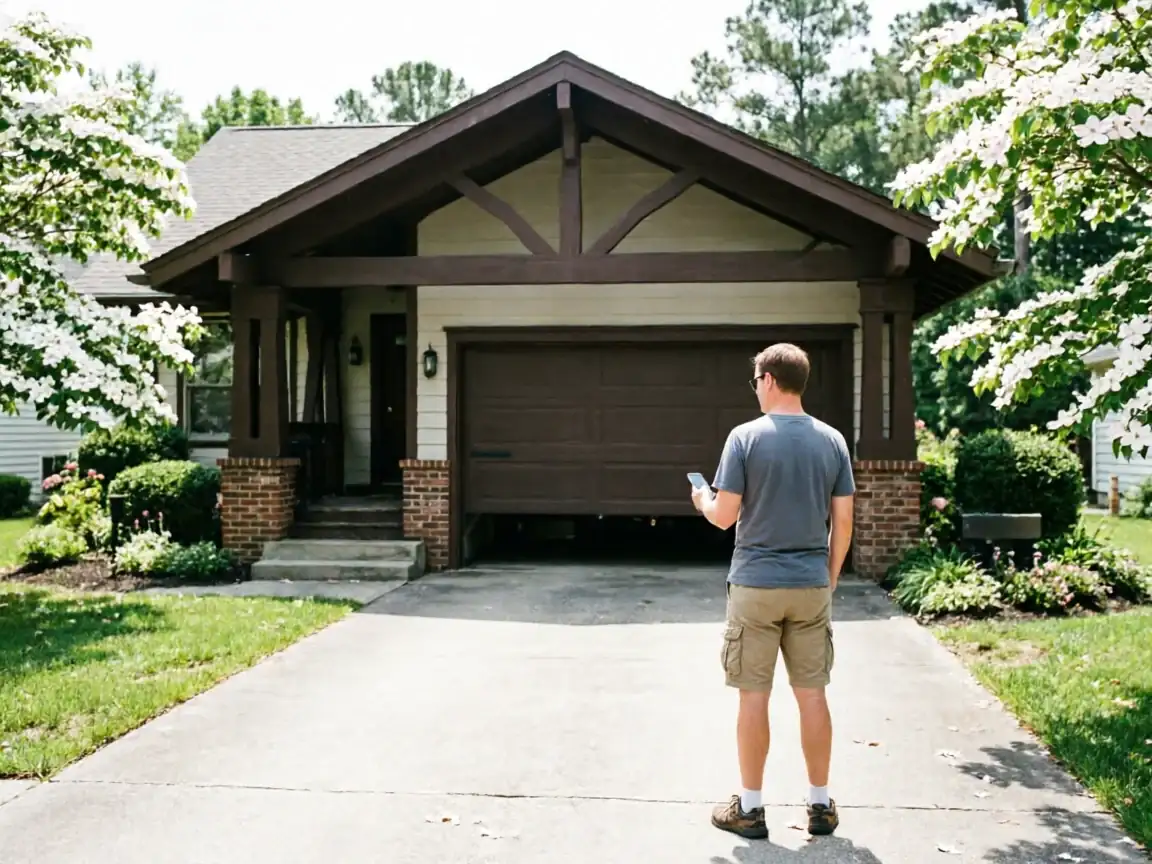
If your opener runs but the door doesn't move, that's almost always a stripped drive gear or a worn drive chain or belt - common on units that have been cycling daily since the 1980s-90s construction boom in this part of the service area. If the opener hums and does nothing, suspect a dead capacitor or a seized motor.
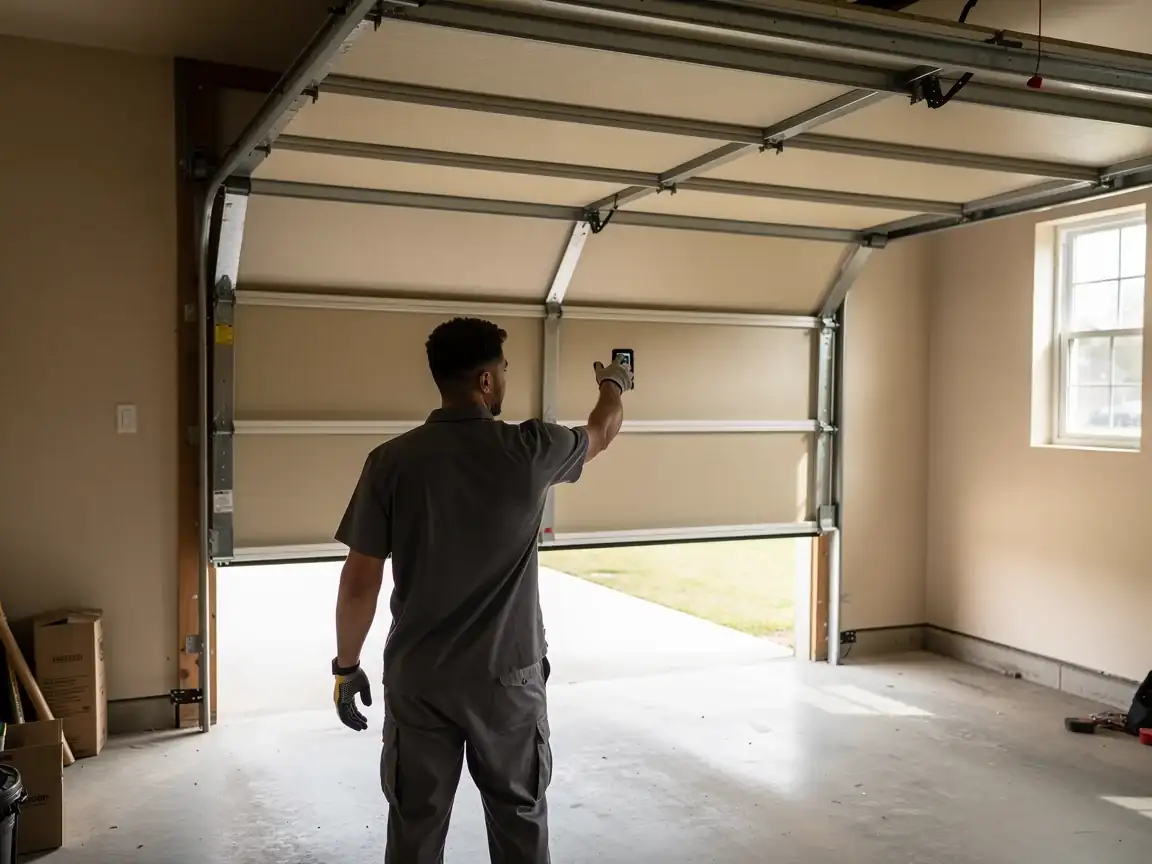
Lights blinking and the door refusing to close usually points to a misaligned or dirty photo-eye sensor, which is often a quick fix rather than a sign the whole unit is dying. A remote that's stopped working on its own, with the wall button still fine, is almost always a battery or a logic board losing the ability to pair - on a 1984-era opener, that pairing failure is often the first sign the board itself is on its way out, not something a new remote will fix.
We see all of these patterns more in houses built closer to that 1984 median than in newer construction, simply because that's where the original equipment has had the most years to wear down.