Why It Happens Here
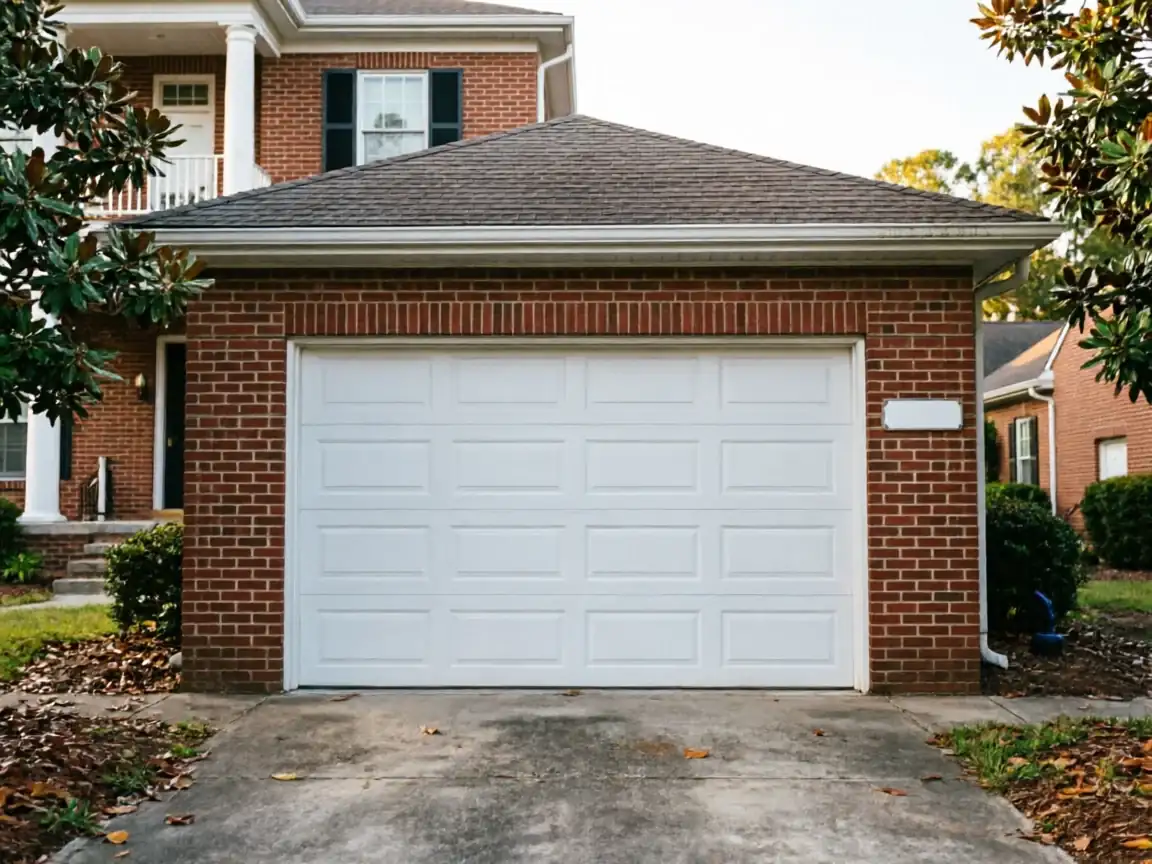
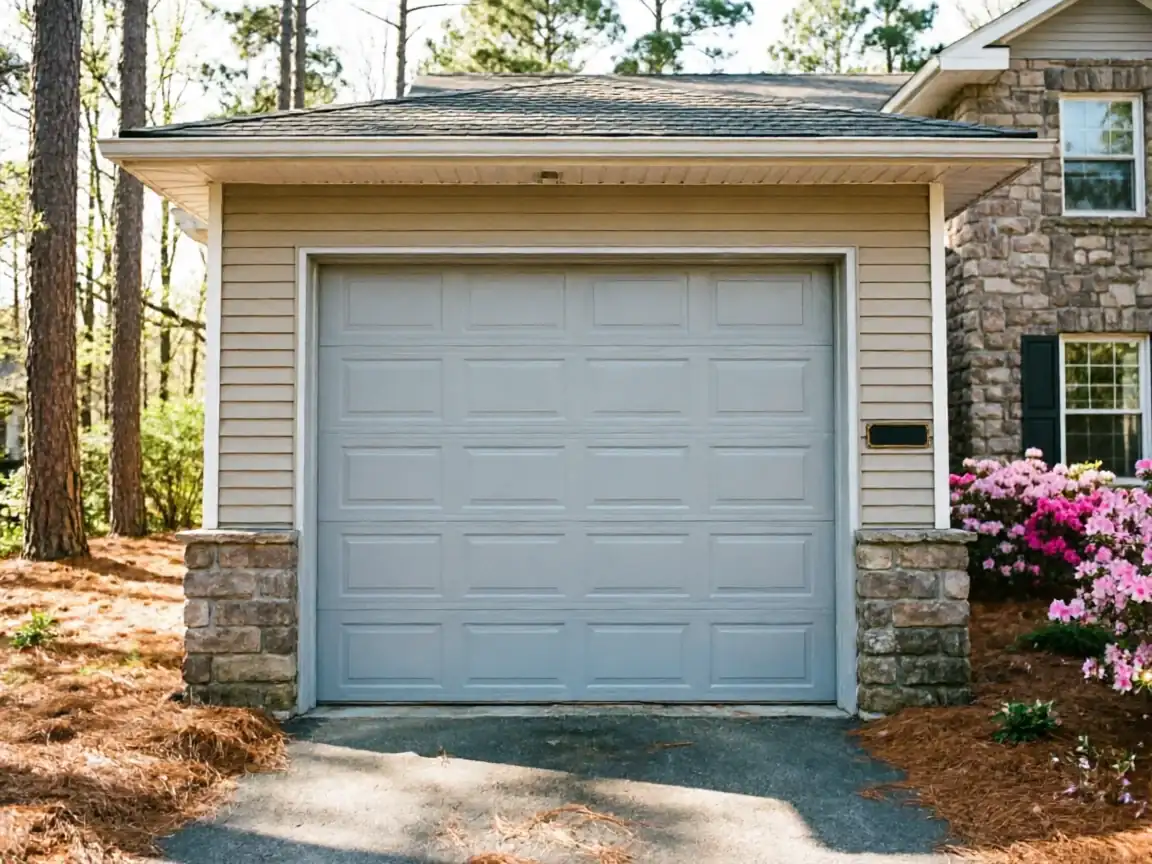
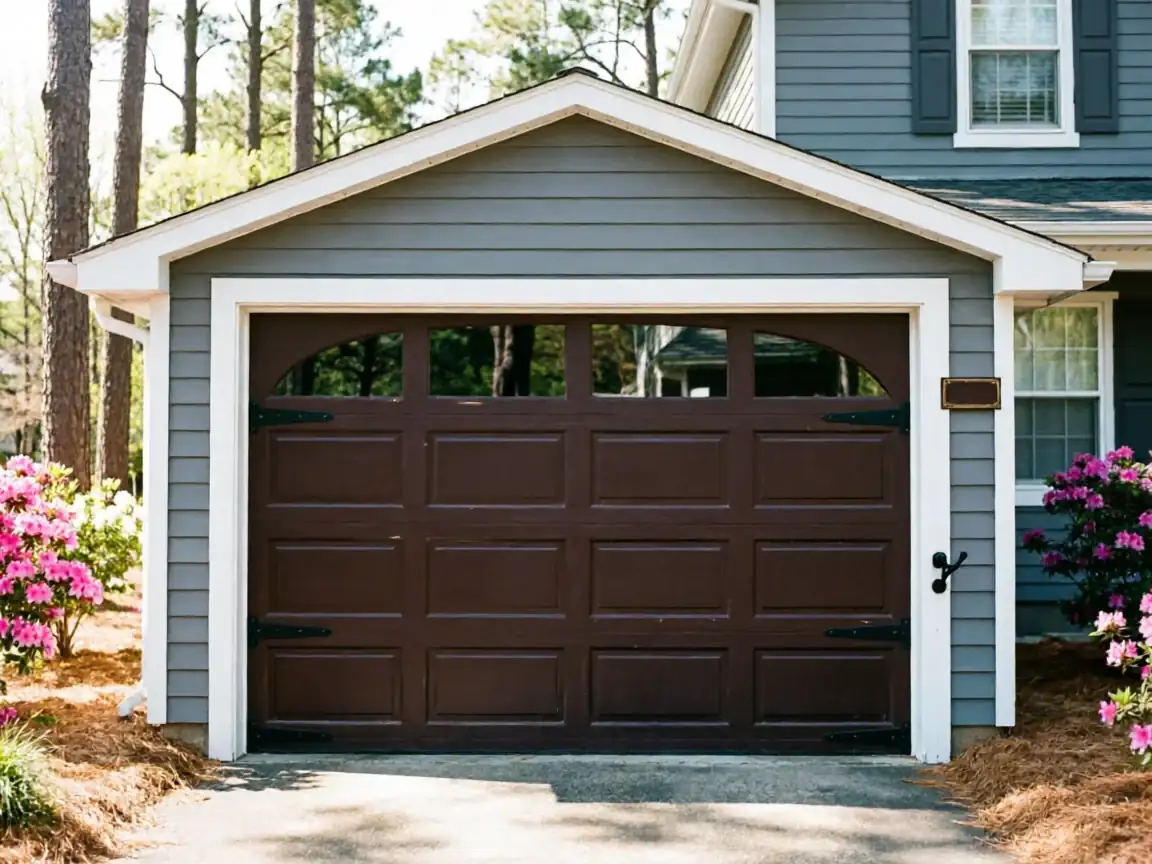
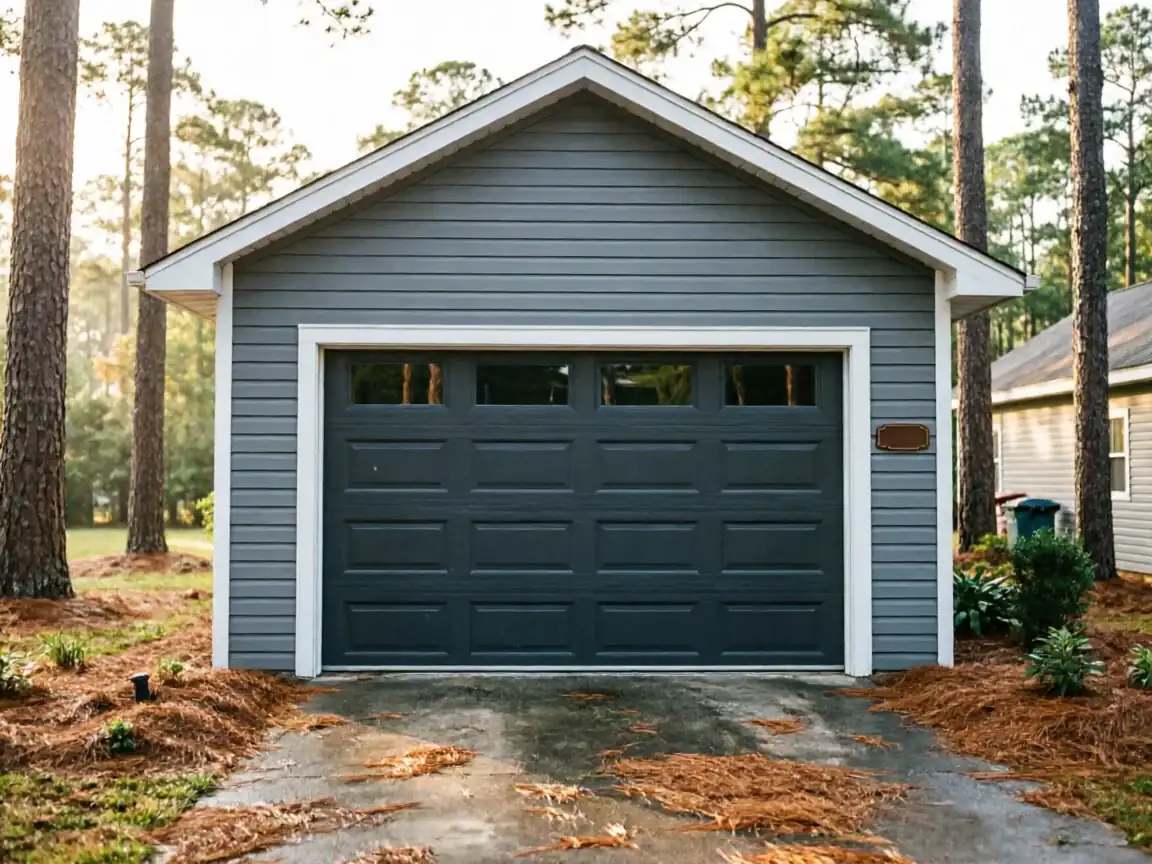
Most houses in this pocket of the service area went up around 1984, which puts the original steel panels at roughly forty years old - long past when the baked-on finish and foam backing typically start failing. A lot of those doors have never had a panel touched since the builder hung them. The steel from that era runs thinner than what's sold today, and the foam-backed insulation (where it exists at all) has usually shrunk or crumbled inside the shell, which is why a dent that would've popped back out in year one now stays put and the seam around it starts to rust from the inside. Housing across the wider service area spans 1967 to 2004, but this stretch sits tighter around that 1984 mark than most, which narrows down which panel profile and groove pattern you're likely dealing with. That matters more than people expect - a door from this build window often takes a panel style that current manufacturers have changed dimensions on, so matching isn't always a drop-in. We check the existing panel's ribbing and height before we promise anything will match exactly.
Can You Do This Yourself
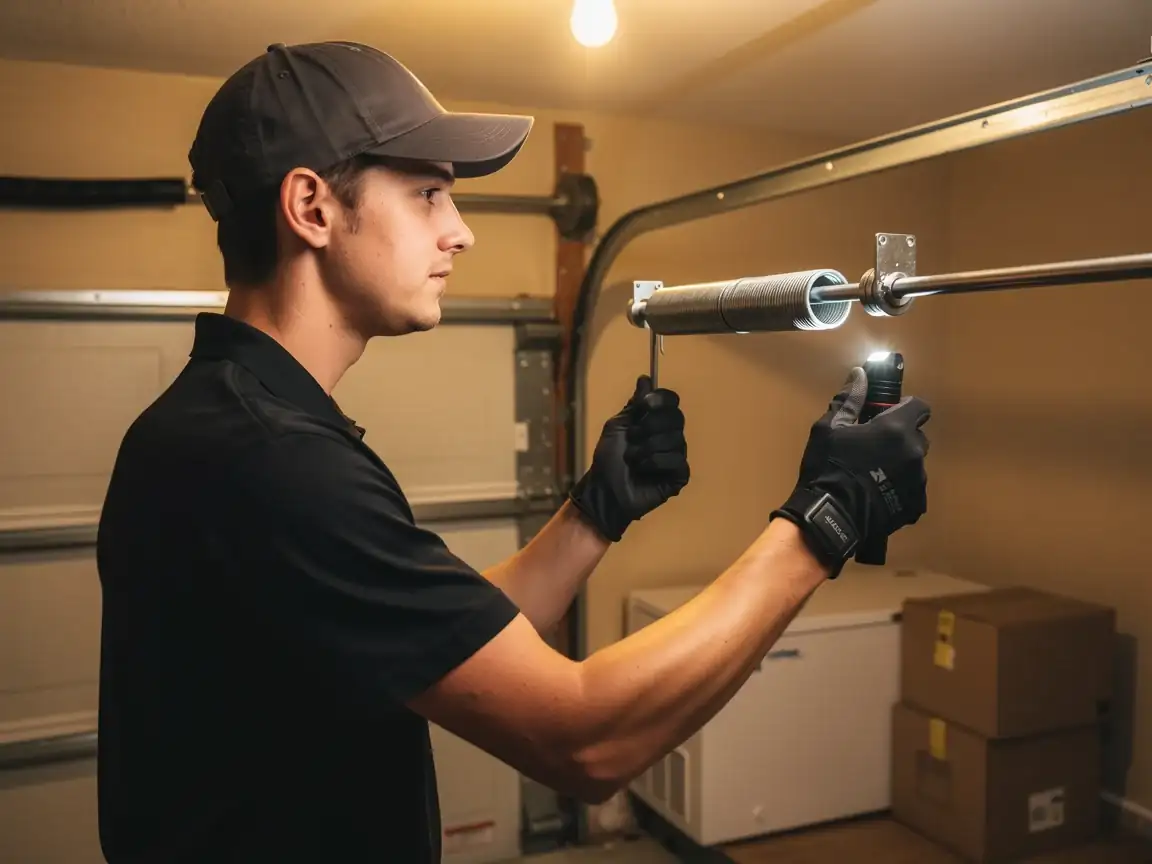
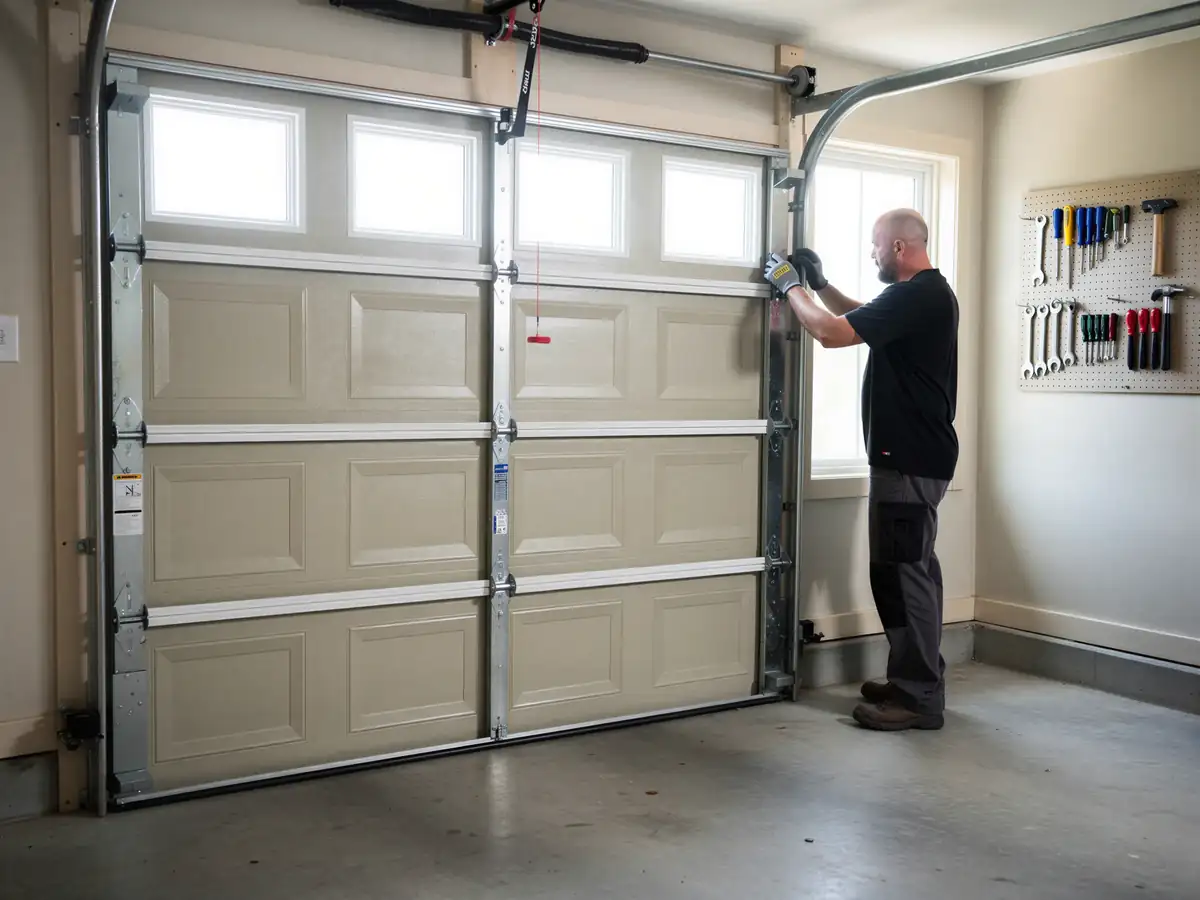
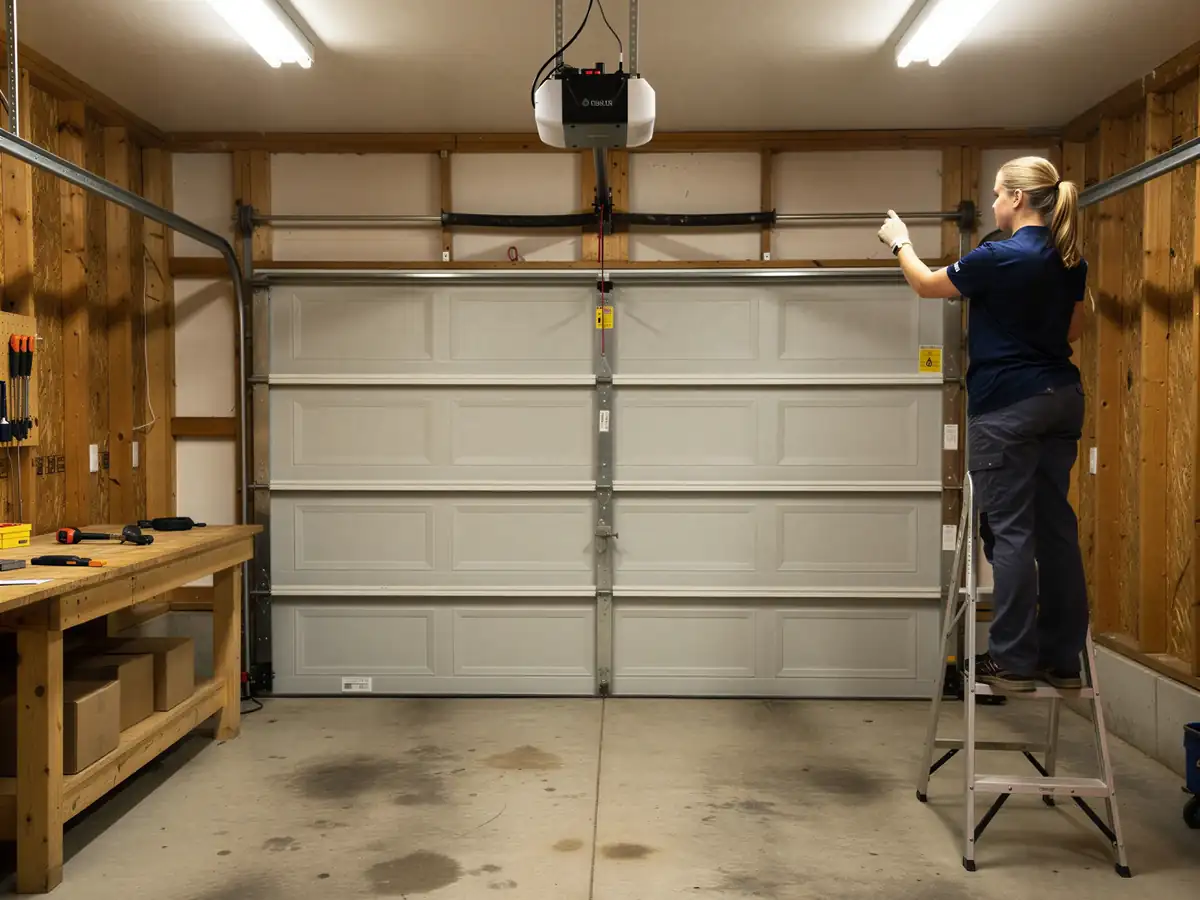
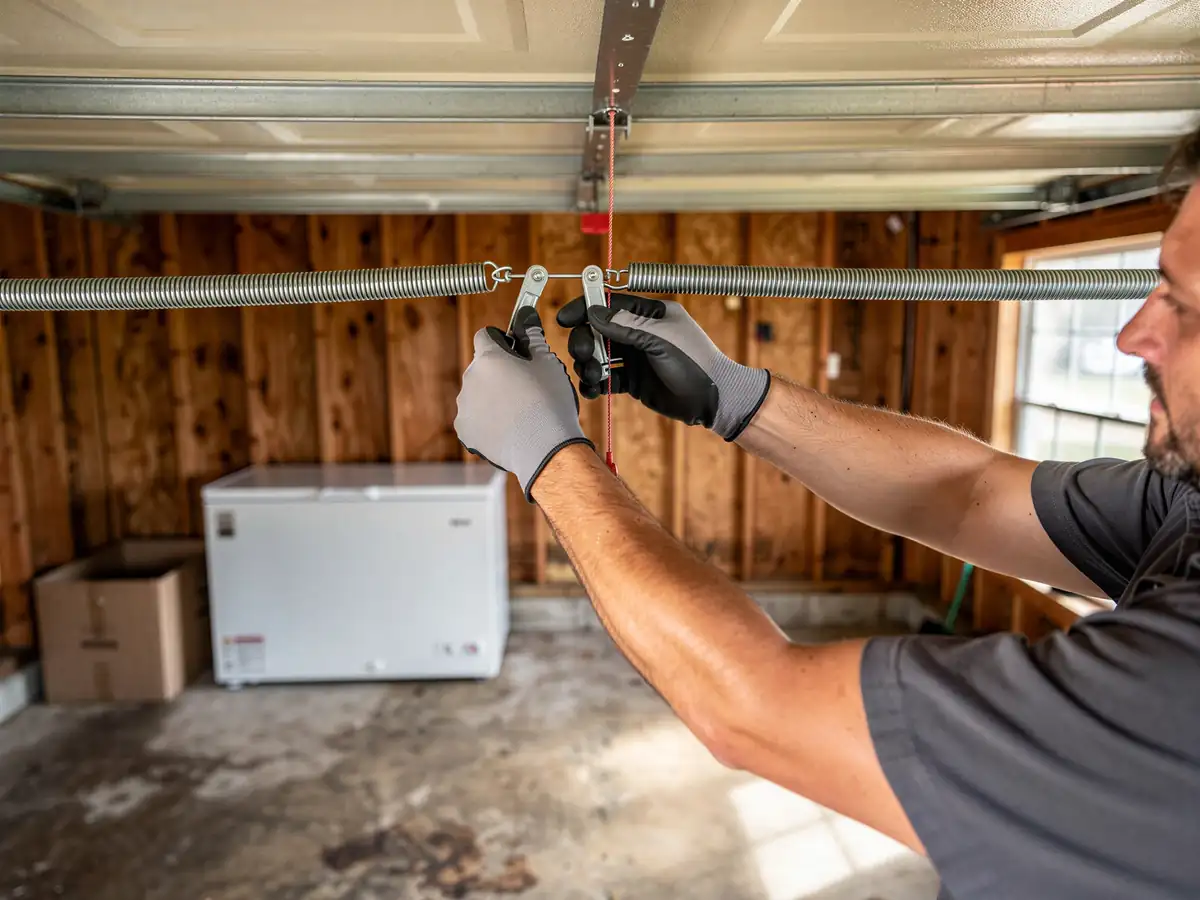
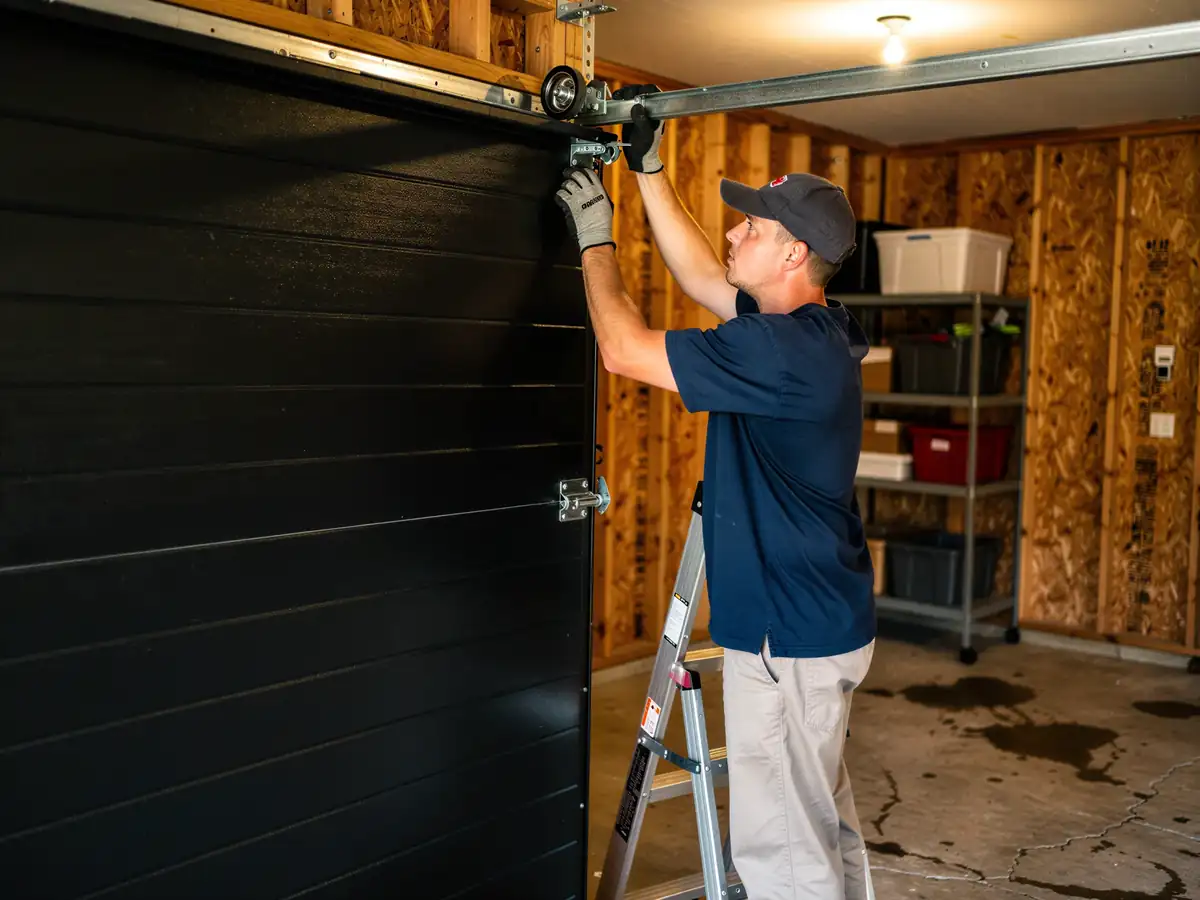
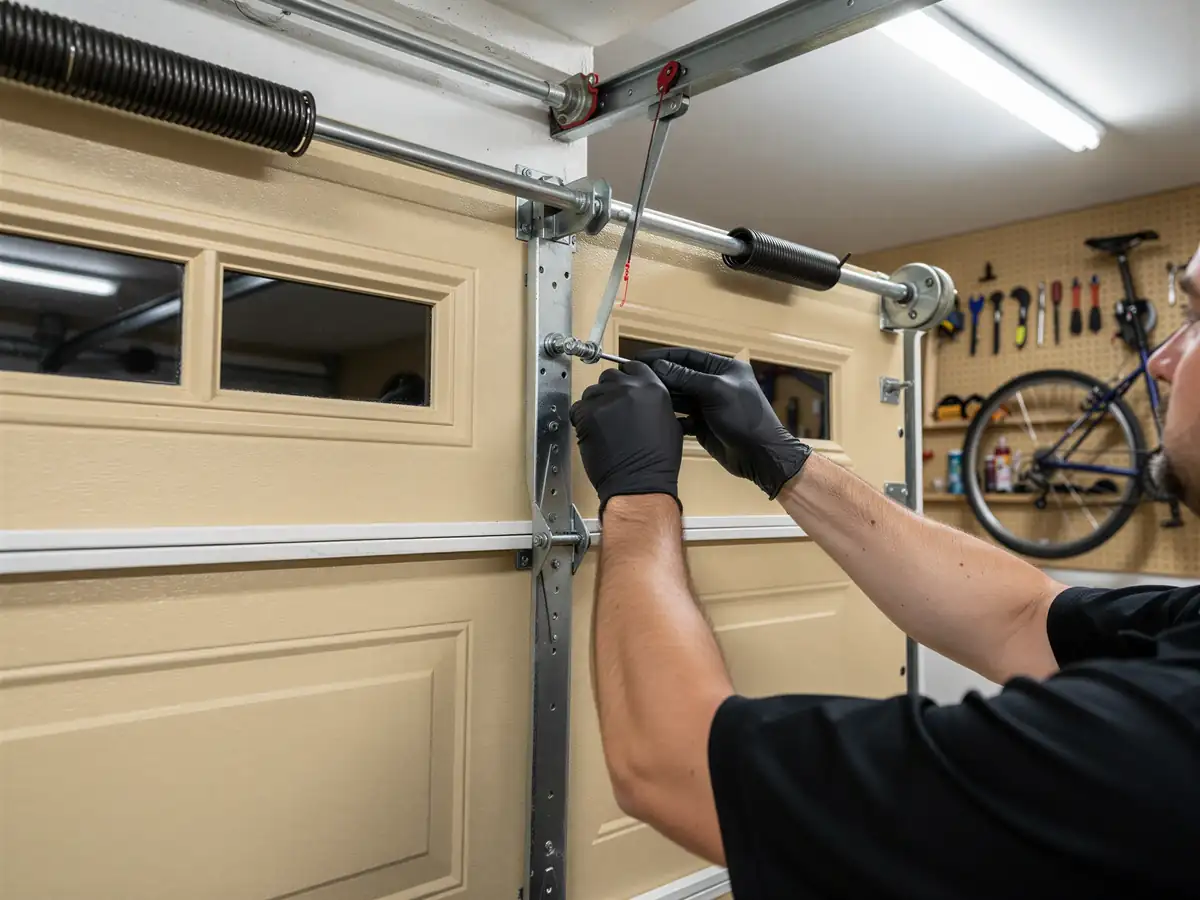
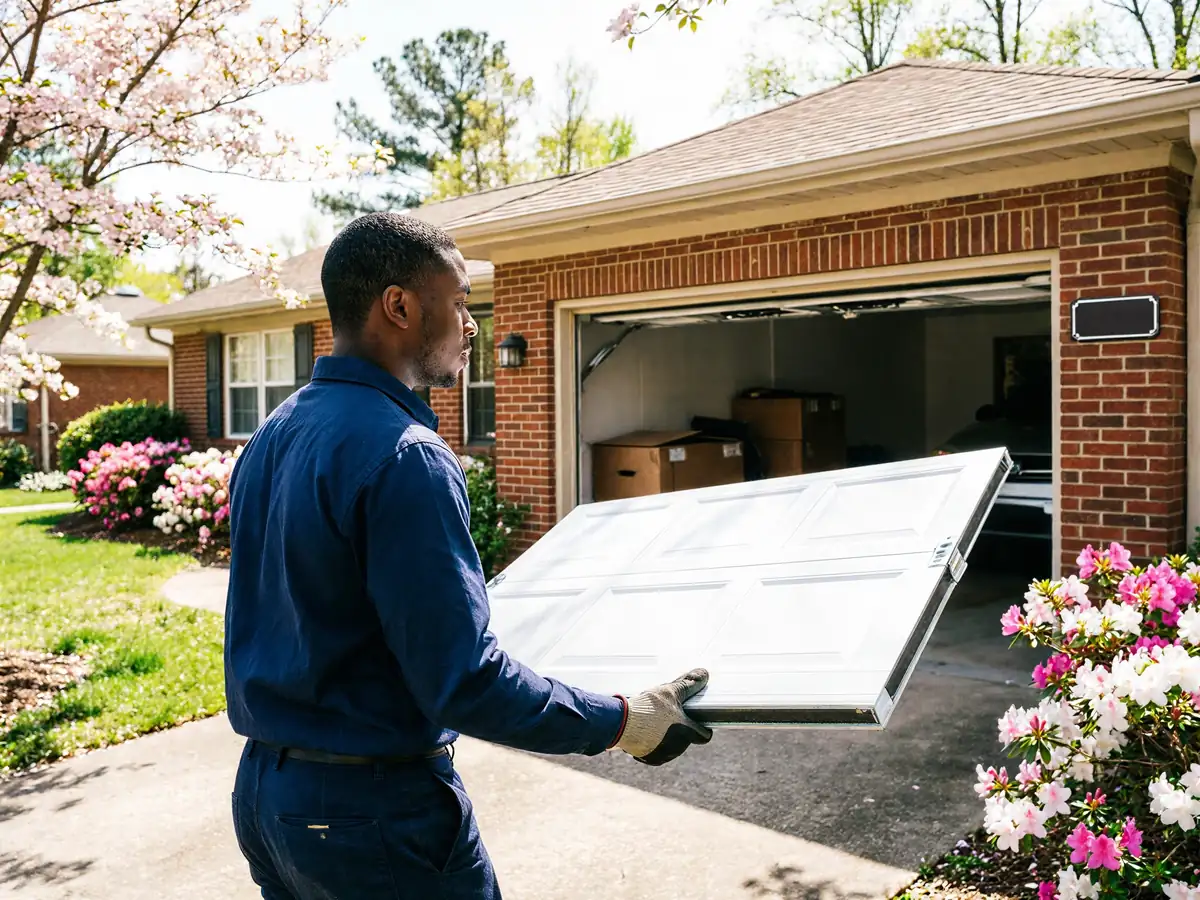
A single panel on a steel sectional door is one of the more doable DIY jobs in this trade, if the door is still square and the track isn't bent. Where people get stuck is sourcing a panel that actually matches a door built around 1984 - a lot of those exact profiles aren't stocked anymore, and ordering the wrong one means a visible seam mismatch or a panel that doesn't sit flush against its neighbors. There's also real weight involved on the bottom sections, and getting the hinges and rollers reseated without racking the panel takes more care than it looks like from the driveway. If you've got a top panel with no hardware on it, it's a reasonable weekend job. If it's a bottom panel carrying the bottom brackets and cables, that's where we'd rather you call first than find out mid-job that the spring's still under tension.
Getting It Booked In
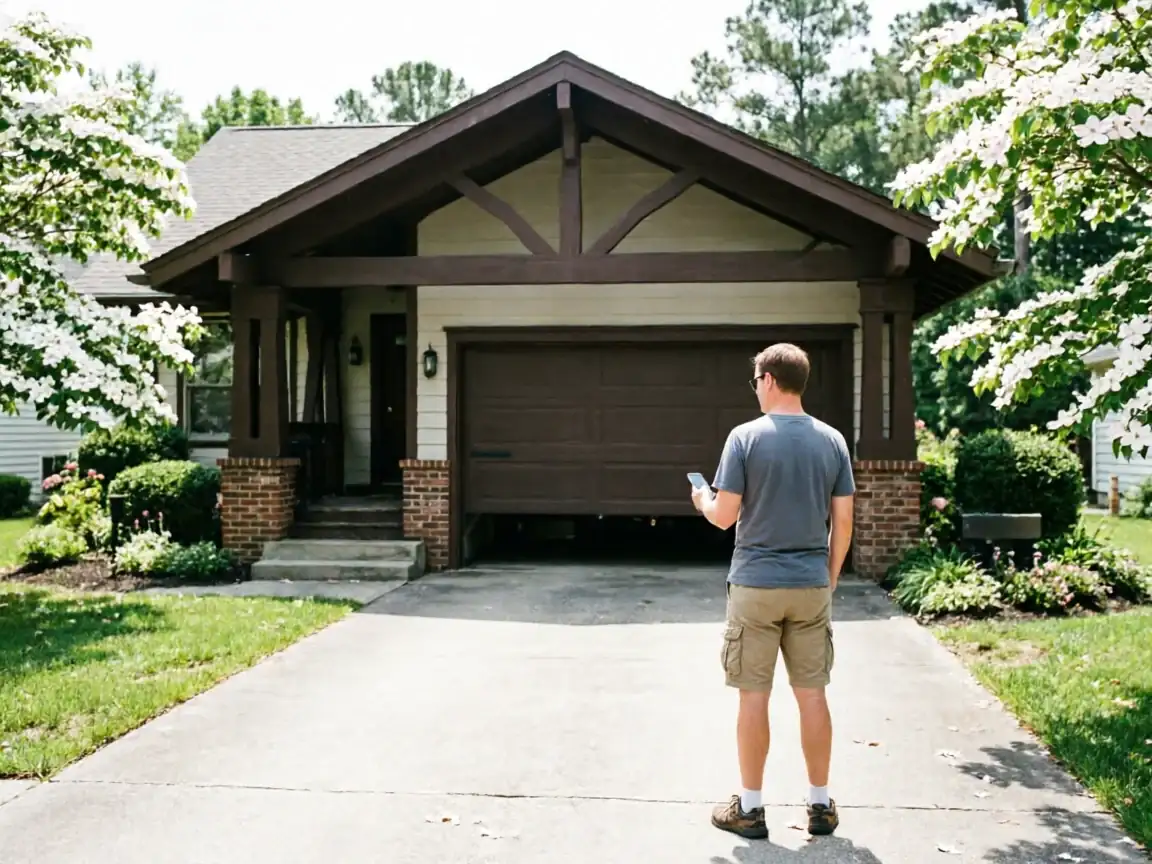
South Cleveland is a five-mile run from the Cleveland shop, and it's covered on the regular schedule - there's no separate branch or truck based here, the crew just comes out from Cleveland same as it does for every stop in the service area. When you call, tell us the door's approximate age and which panel's damaged (top, bottom, or one in the middle), and we'll ask for a photo if you've got one so we can start checking panel availability before the truck even leaves. That's the biggest time-saver on a job like this, since panel matching is the one variable we can't control from our end. You can see the rest of the areas we run from Cleveland on the <a href="/areas/area/south-cleveland/">South Cleveland area page</a>.
What You Are Seeing
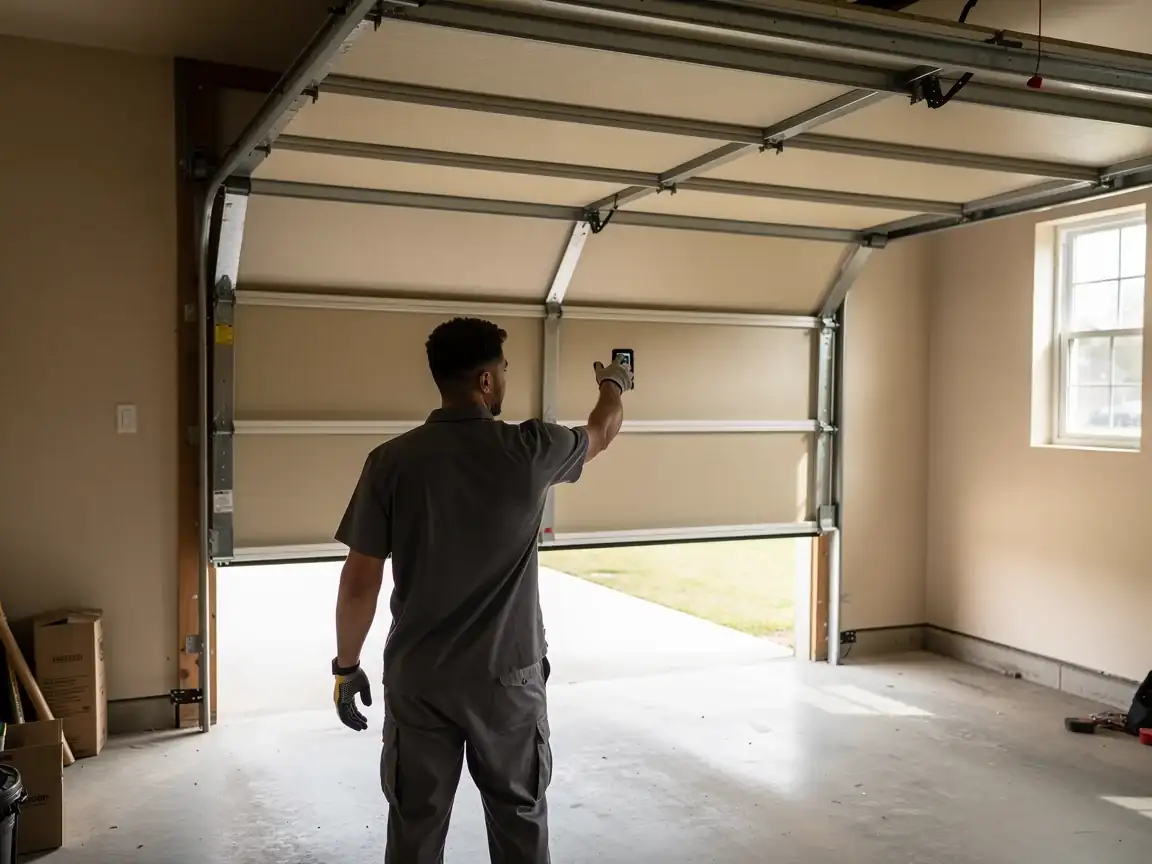
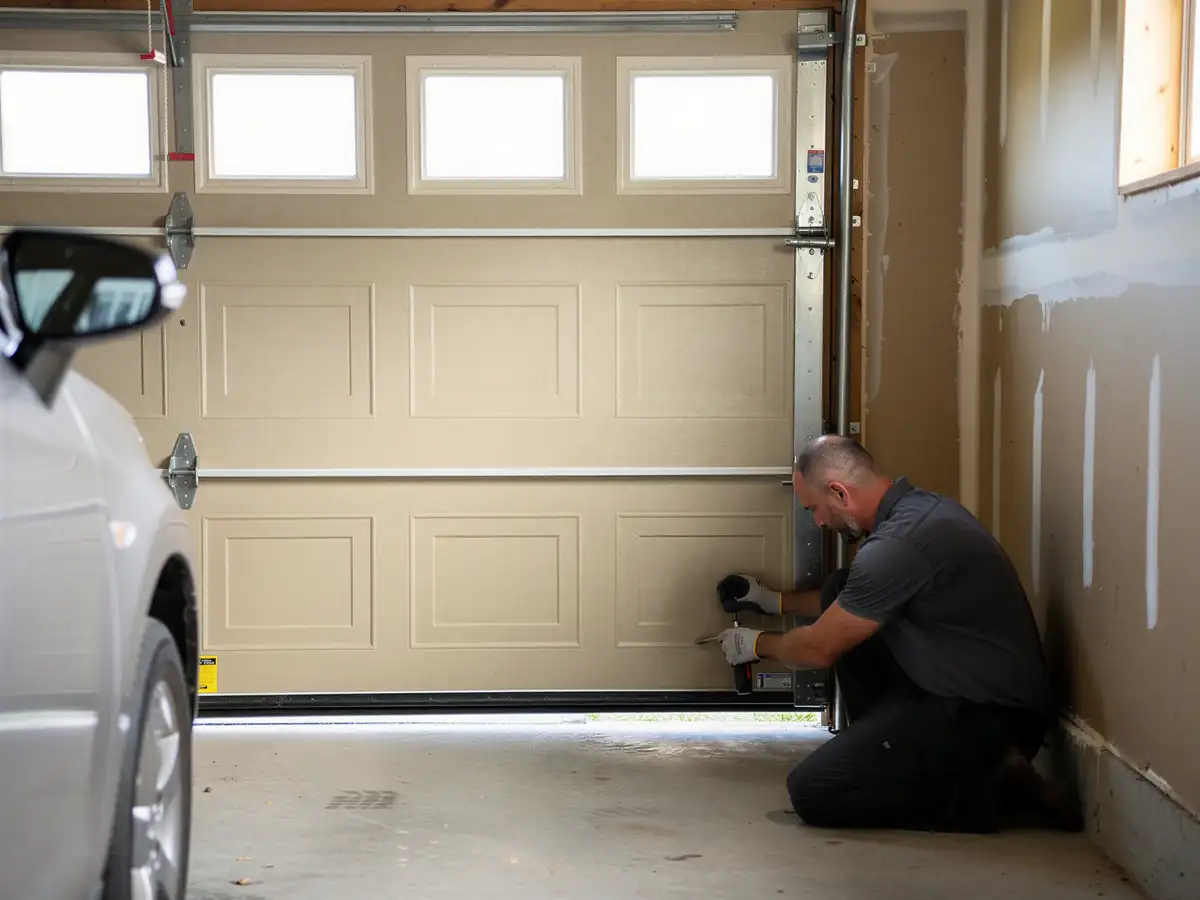
On doors from this build window, the most common call is a bottom panel with a crease from a backed-into bumper or a mower, sometimes with rust starting at the crease where the paint cracked open. Second most common is a middle or top panel with surface rust along the bottom lip, not from an impact but from decades of moisture sitting in a seam that was never fully sealed. Because this area sits in the same cold-moderate climate band as the rest of the service area, steel panels here still go through enough seasonal temperature swing to flex slightly at the seams year over year - on a door with the original 1980s-era foam backing, that flexing is part of why panels loosen at the hinge points over time, not just from one hard knock. If you're seeing daylight at a seam that wasn't there last year, that's usually the panel pulling away from its neighbor, not the track.